Biologists warn that never making eye contact with these 12 wild animals is crucial for preventing dangerous physical confrontations in nature. Human instinct often compels a person to look directly at a threat, but this specific action signals aggression to many territorial species. Staring down a predator or a volatile primate communicates a challenge for dominance that frequently results in an immediate attack. Learning the correct body language helps outdoor enthusiasts de-escalate tense encounters safely and effectively. This guide examines the specific animals that interpret a fixed gaze as a declaration of war rather than curiosity.
Silverback Gorilla
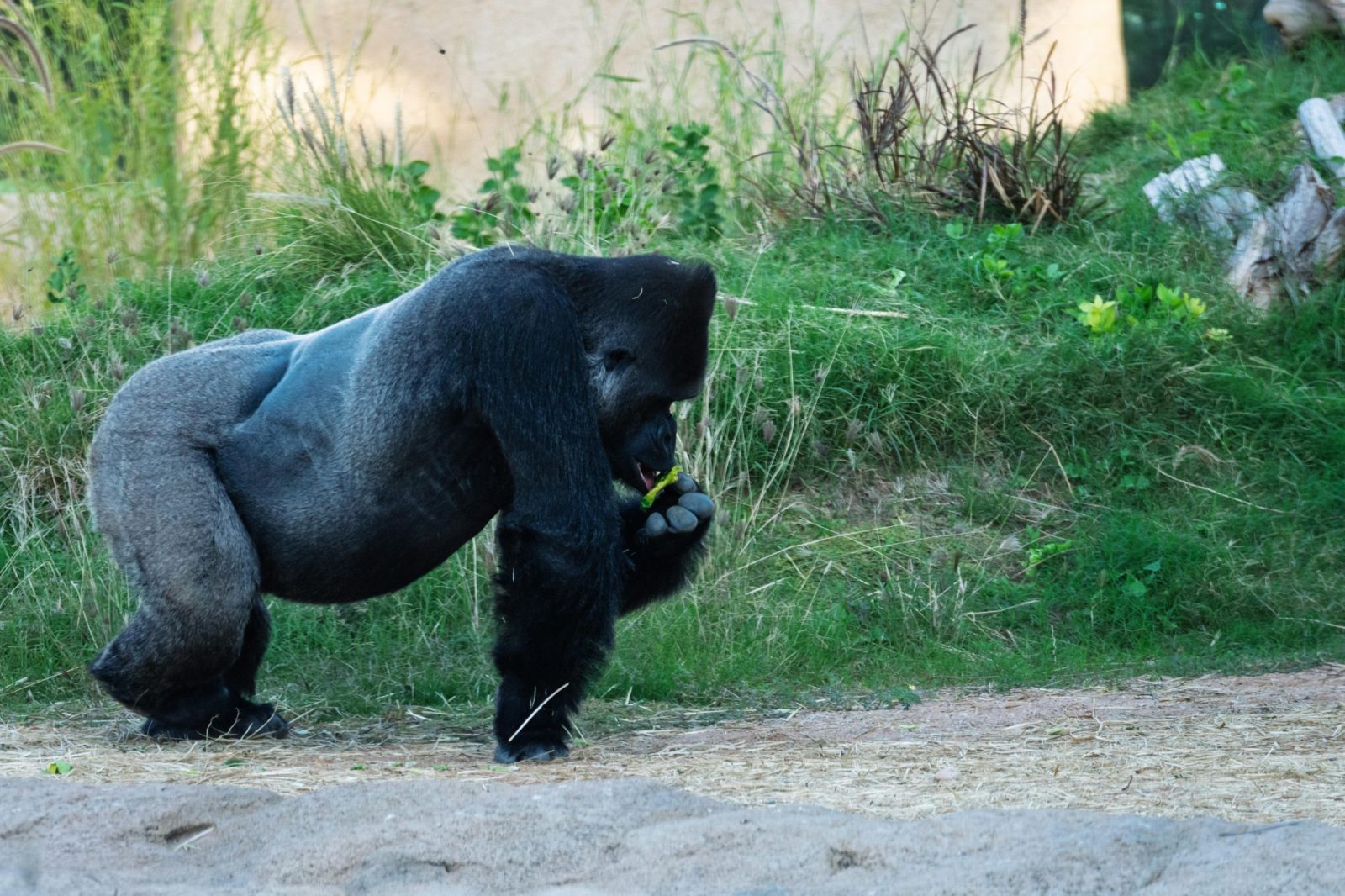
Gorillas are generally peaceful giants, but a direct stare is interpreted by a dominant male as a serious challenge to his leadership. Locking eyes with a silverback communicates a desire to fight for status within the troop hierarchy. This perceived insolence often triggers a bluff charge or a physical attack designed to neutralize the threat immediately. Biologists advise looking down or away while slowly crouching to signal submission and respect for his authority. Averting the gaze proves that the intruder presents no harm to the family group and allows the situation to de-escalate naturally.
Grizzly Bear
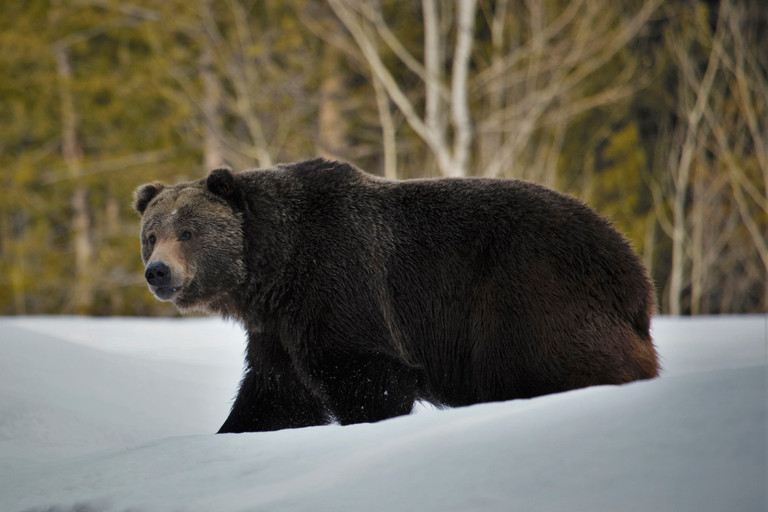
Staring into the eyes of a massive Grizzly Bear signals a direct threat that often provokes a defensive and violent response. These apex predators interpret a fixed gaze as a sign of aggression and will defend their territory or cubs with lethal force. Experts recommend avoiding eye contact while speaking in a calm and low voice to identify as a human rather than a challenge. Backing away slowly without turning around allows the bear to feel secure and less threatened. A submissive posture prevents the animal from feeling the need to engage in combat.
Chimpanzee
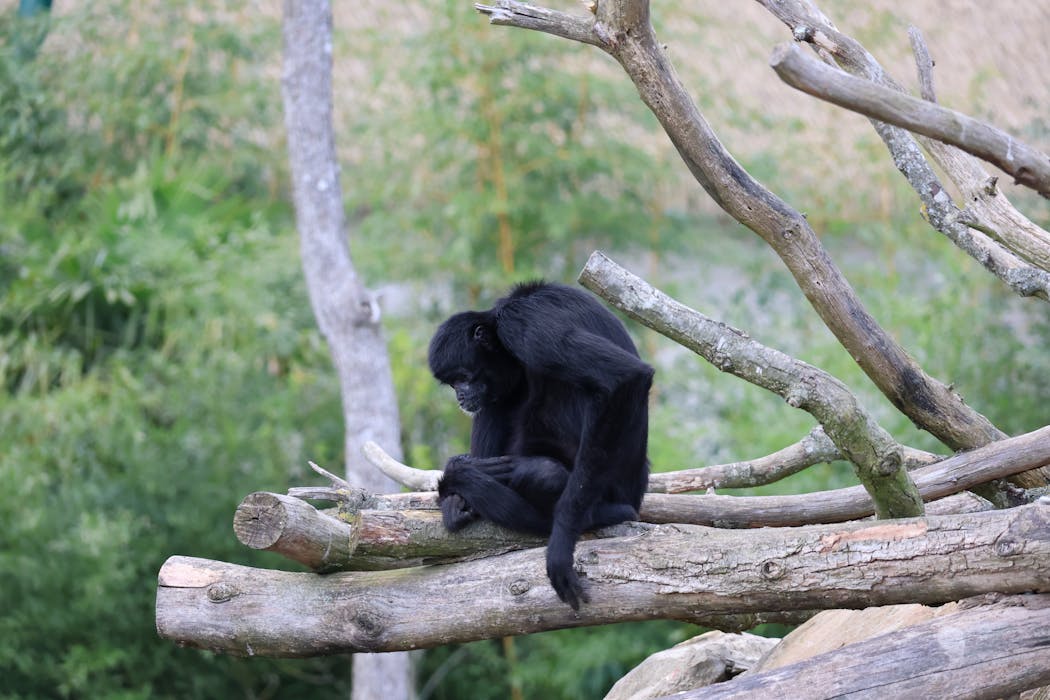
Chimpanzees possess immense strength and volatile temperaments that make them incredibly dangerous when they feel provoked or disrespected by humans. A sustained stare is viewed as a direct social challenge in their complex hierarchy and often results in a brutal mauling. These primates are known for targeting the face and hands of their opponents during a physical altercation. Biologists stress the importance of looking away immediately to show submission and lack of intent to dominate. Understanding their social cues helps prevent catastrophic misunderstandings that occur when humans apply their own social norms to wild primates.
Gray Wolf
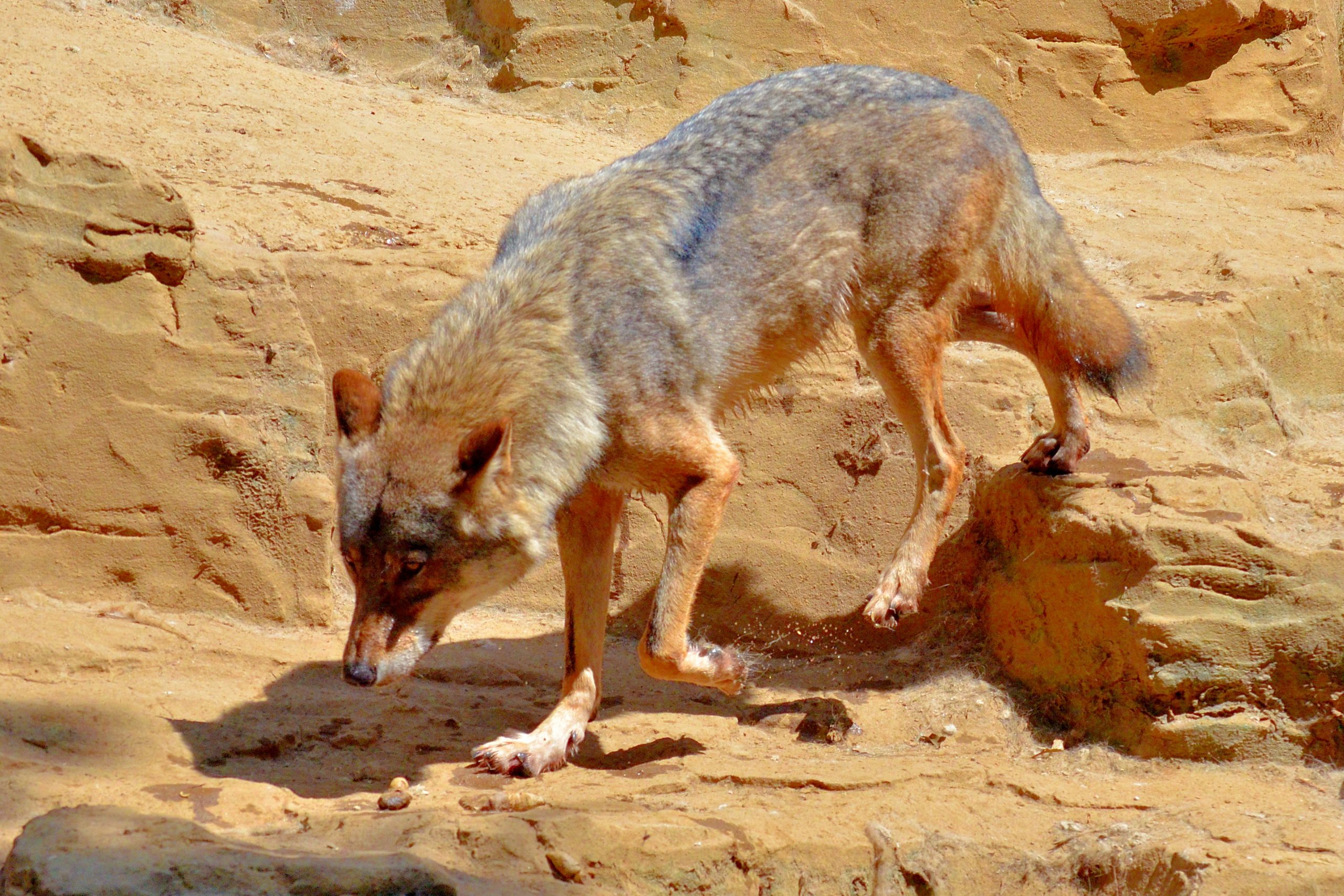
Gray Wolves rely heavily on body language and eye contact to establish dominance and order within their pack structure. A human staring directly at a wild wolf is issuing a challenge that the animal may feel compelled to answer with aggression. While wolves generally avoid humans, a bold stare can trigger a defensive reaction if the animal feels cornered or threatened. Lowering the head and avoiding the gaze signals that the person is not a rival for territory or status. This submissive behavior encourages the wolf to move along without escalating the encounter further.
Rhesus Macaque
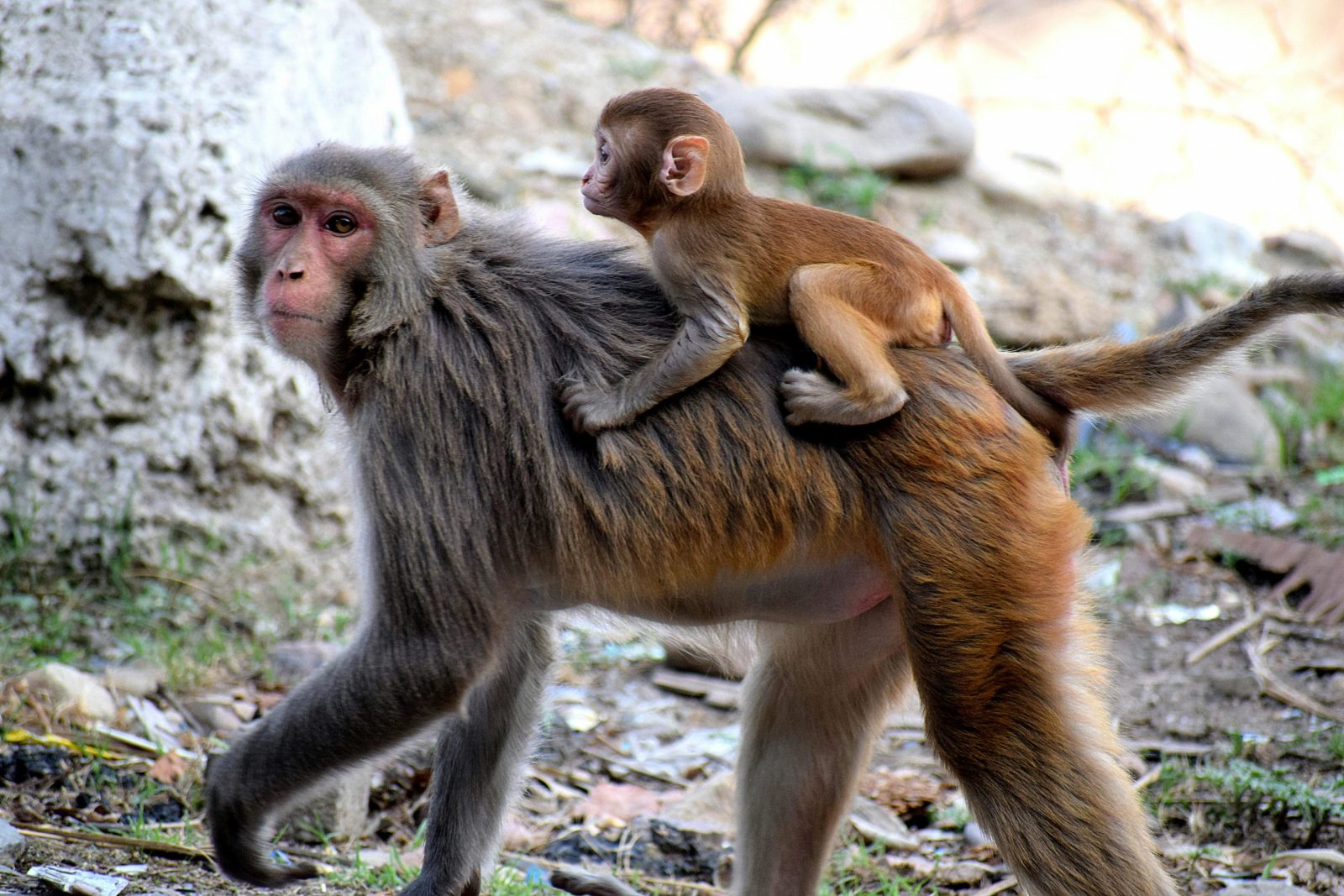
Tourists frequently encounter Rhesus Macaques in urban environments and make the mistake of locking eyes with these bold monkeys. This simple act is universally understood among macaques as a sign of open hostility and a threat to their dominance. The monkey will often bare its teeth and lunge at the offender to assert its position in the social order. Visitors should wear sunglasses or look at the ground to avoid accidentally triggering a bite or scratch. Ignoring these animals completely is the safest strategy for navigating areas where they congregate in large numbers.
Orangutan
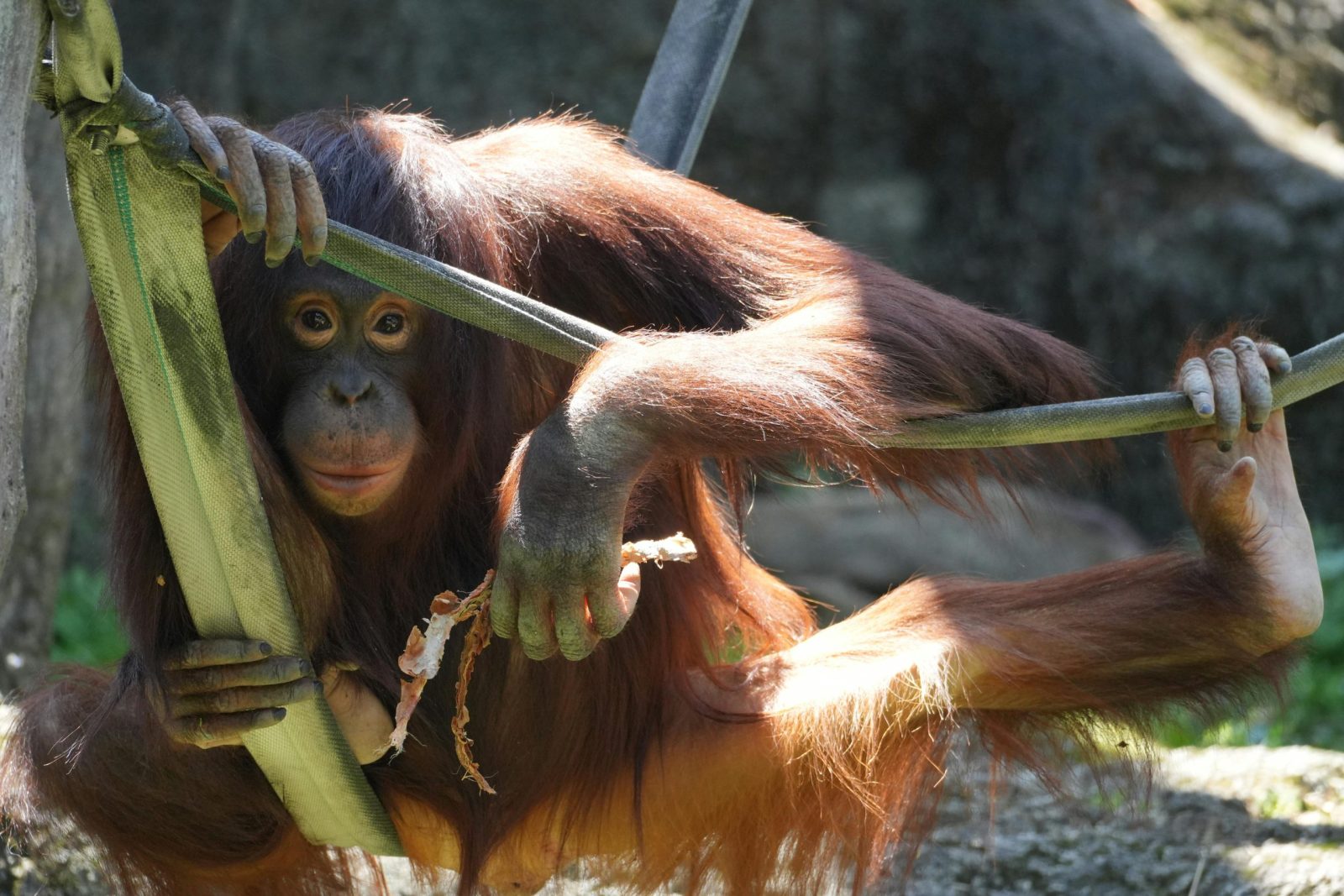
Orangutans are solitary and generally peaceful primates, but they still interpret prolonged eye contact as a form of aggression. A direct stare can make a male orangutan feel threatened and cause him to react defensively to protect his territory. Biologists suggest looking down or away to show respect and submission when encountering these red apes in the wild. This behavior signals that the human recognizes the dominance of the animal and intends no harm. Avoiding a fixed gaze prevents the misunderstanding that often leads to rare but dangerous physical altercations in the rainforest.
Olive Baboon
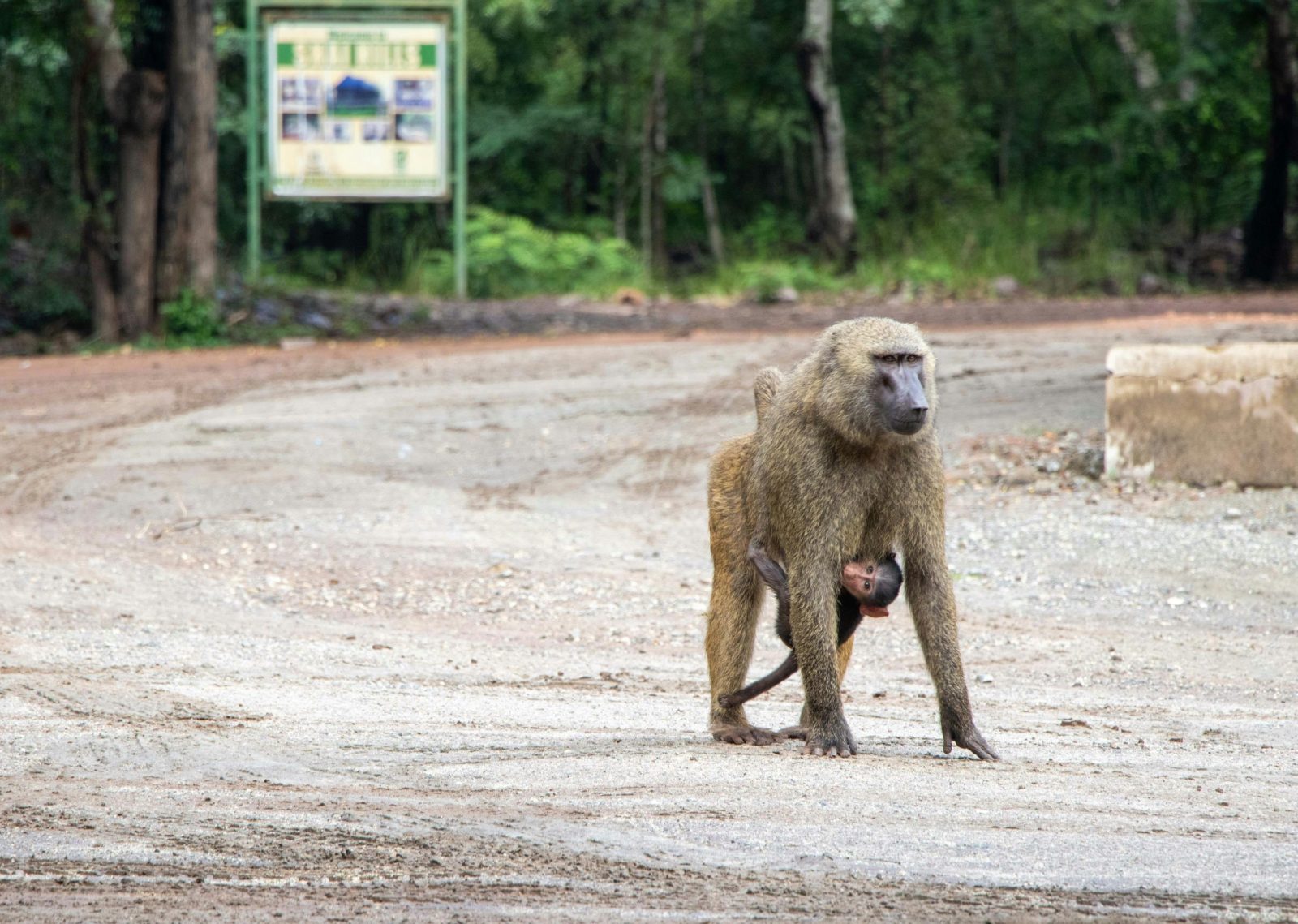
Olive Baboons are powerful primates with large canine teeth that they use to defend their troop against any perceived rivals. Making direct eye contact with a male baboon is an immediate signal of aggression that will likely result in a violent charge. These animals are incredibly confident and will not hesitate to attack a human whom they believe is challenging their status. Travelers should avoid all eye contact and show their teeth to demonstrate submission if a confrontation seems imminent. Keeping a respectful distance and averting the gaze ensures the baboon feels secure.
Moose
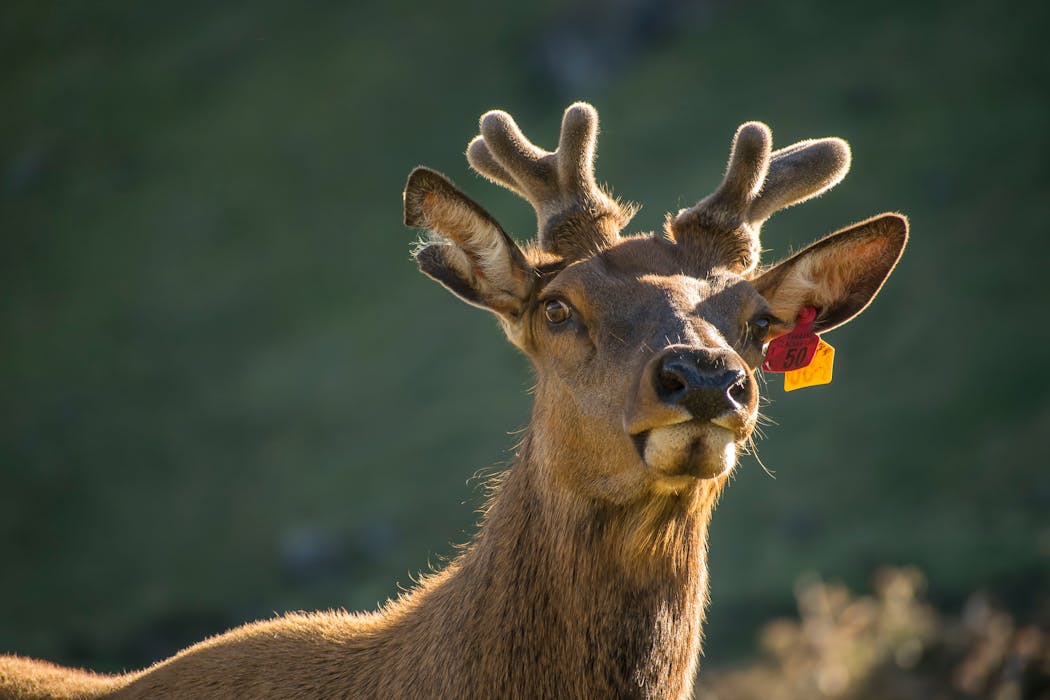
Moose are generally solitary but can become extremely aggressive if they feel threatened or harassed by humans. Staring directly at a bull moose is often interpreted as a challenge to his dominance during the mating season. This perceived threat can trigger a charge that is difficult to stop due to the sheer size of the animal. Biologists recommend averting the eyes and speaking softly to show that the human is non-threatening and submissive. Giving the moose plenty of space and avoiding a direct gaze allows it to remain calm and peaceful.
American Bison
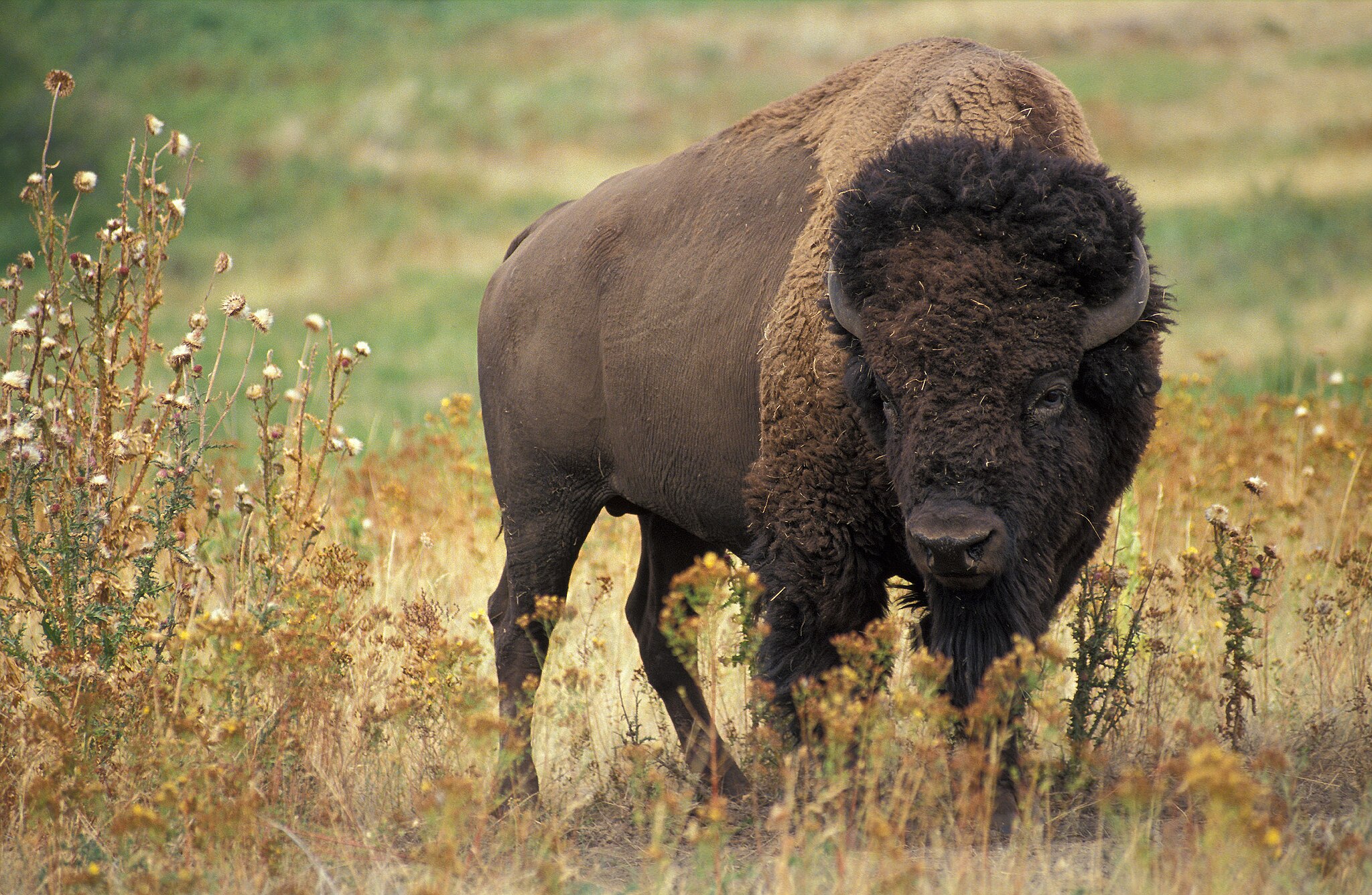
Bison may appear docile while grazing, but they are unpredictable and can run significantly faster than humans. Staring directly at a bison can be viewed as a threat or a challenge to their personal space. This behavior often agitates the animal and leads to a sudden charge that can result in serious injury or death. Visitors should avoid locking eyes and instead watch the animal’s tail for signs of agitation or distress. Moving away slowly while looking elsewhere communicates that the person is just passing through and poses no danger to the herd.
Kangaroo
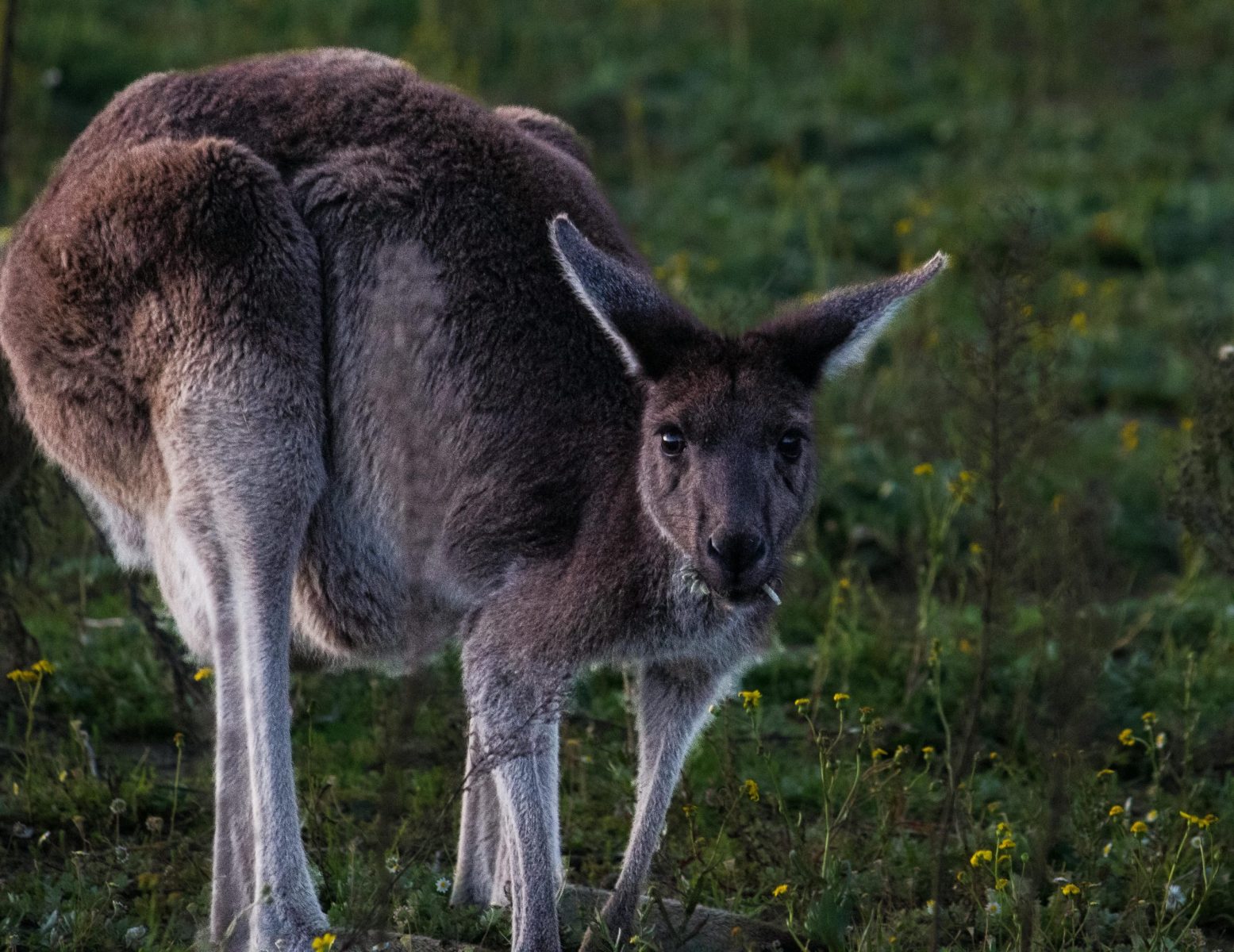
Male Kangaroos are powerful boxers that view direct eye contact as an explicit challenge to their dominance. Staring down a large male can provoke a fight where the animal uses its powerful legs to kick. Biologists advise looking away and making a quiet coughing noise to signal submission and lack of threat. Turning to the side and avoiding the gaze helps de-escalate the situation and allows the human to retreat safely. Understanding this specific body language is essential for anyone hiking in areas where these marsupials are known to congregate in large numbers.
Japanese Macaque
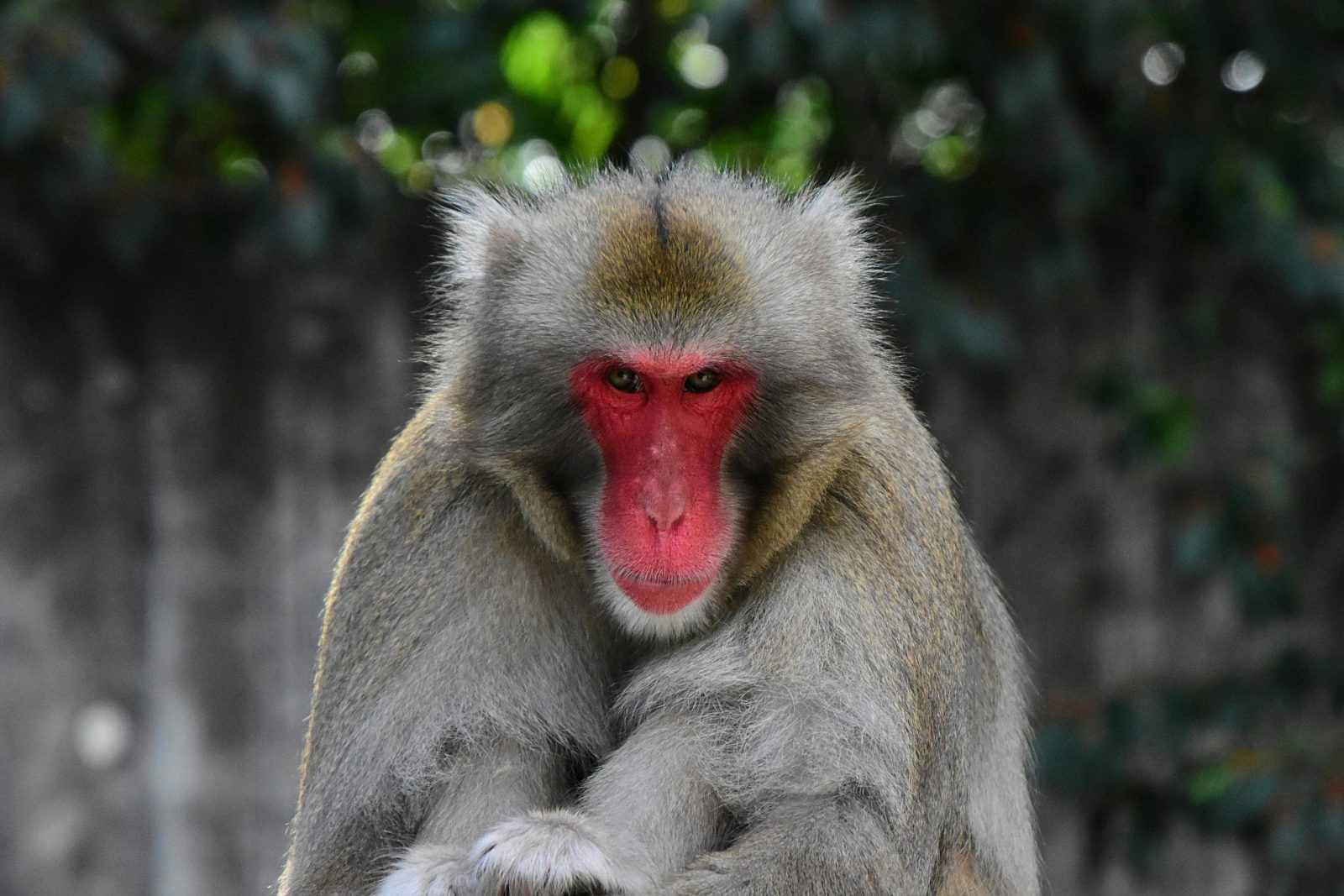
The famous snow monkeys of Japan draw thousands of visitors who want to see them bathing in hot springs. However, these primates possess a strict social hierarchy where eye contact is reserved for intimidation and threats between rivals. Tourists who stare at the monkeys for photos often find themselves being chased or bitten by an angry dominant male. Park rangers constantly remind guests to observe the animals from a distance and avoid locking eyes. Averting the gaze allows visitors to enjoy the unique experience without disturbing the delicate social balance of the monkey troop.
Wild Boar
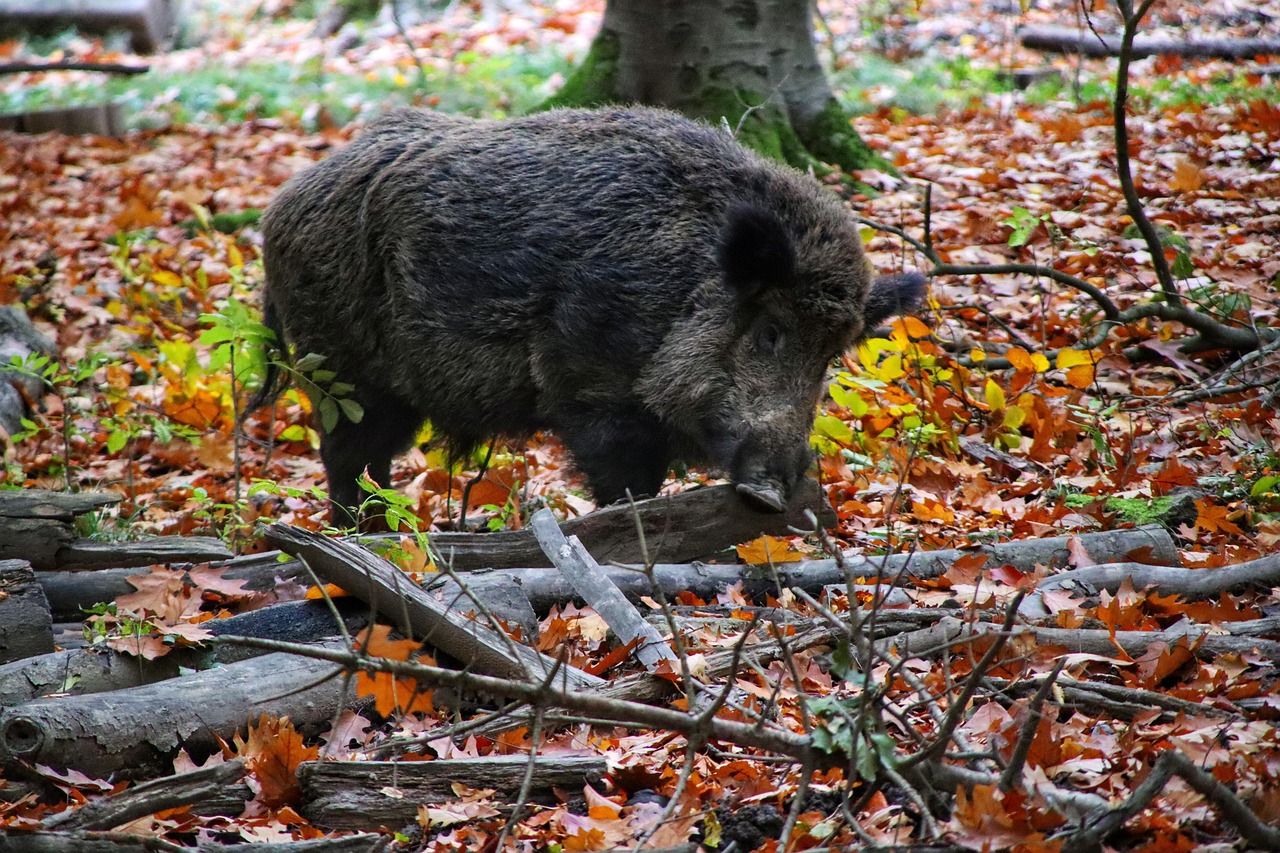
Wild Boars are notoriously unpredictable and possess sharp tusks that can inflict serious damage during a sudden charge. Staring directly at a boar can be interpreted as a predator assessing its prey or a rival challenging for territory. This perception often triggers a fight or flight response, where the boar chooses to fight with surprising speed. Hikers who encounter these animals should back away slowly while avoiding eye contact to show they are not a threat. Giving the boar ample room to escape is the best way to ensure everyone leaves the encounter unharmed.