Florida’s three national forests—Ocala, Apalachicola, and Osceola—span over 1.2 million acres, according to the U.S. Forest Service. While the state’s national parks, like Everglades and Biscayne, attract millions of visitors each year, many of Florida’s national forest trails offer equally stunning landscapes with fewer crowds. Based on U.S. Forest Service trail data and visitation reports, these trails rival popular national park hikes in both scenery and ecological richness.
Crystal Waters at Salt Springs Trail, Ocala National Forest
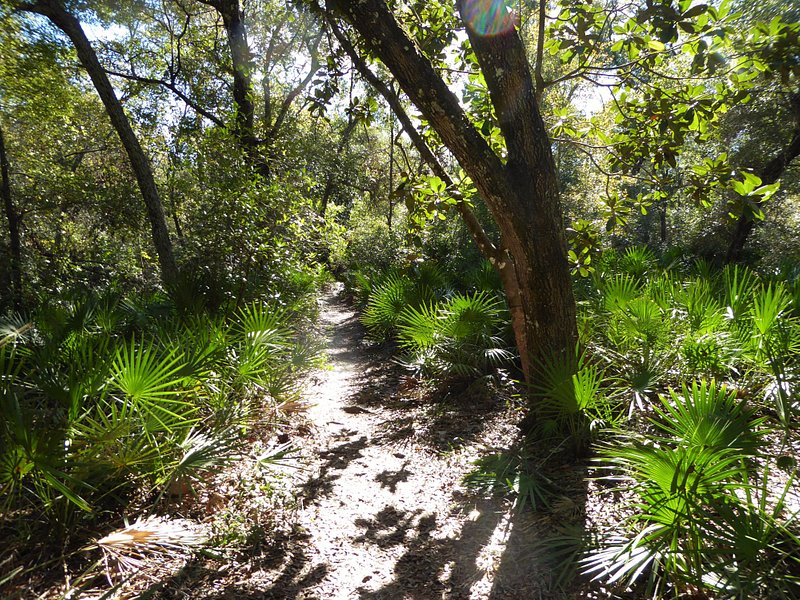
Salt Springs Trail winds past crystal-clear springs that discharge over 50 million gallons of water daily, feeding into Lake George. The area is habitat for manatees during cooler months and supports ancient cypress stands. This 2-mile trail rivals the Anhinga Trail in Everglades National Park, where wildlife viewing is also exceptional but often crowded, with over 1.1 million annual visitors. Salt Springs offers similar biodiversity with far fewer people.
Scenic Runs on Juniper Springs Trail, Ocala National Forest
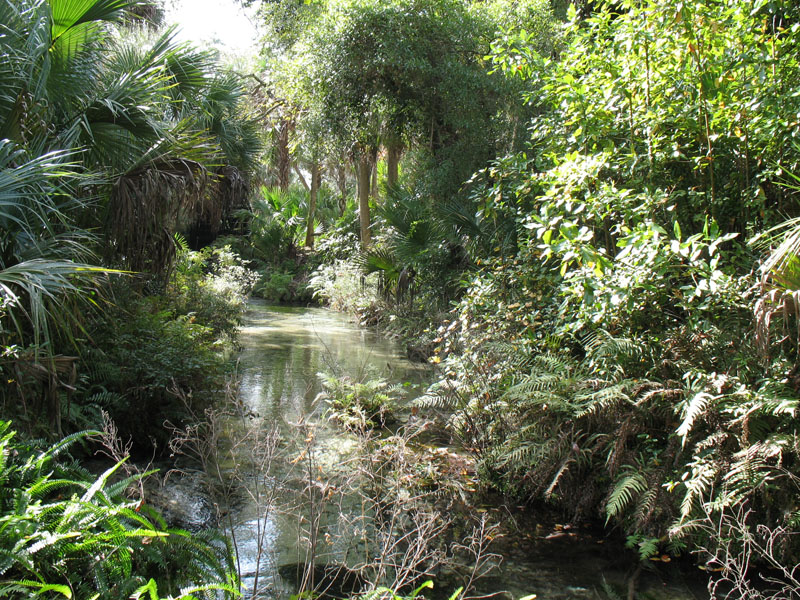
Juniper Springs produces 13 million gallons of water daily, creating a pristine run popular among kayakers and hikers alike. The trail follows subtropical forest filled with sabal palms and magnolias, with sightings of otters and alligators along the spring run. Its experience rivals Shark Valley Trail in Everglades National Park, where wildlife viewing is excellent but heavily trafficked, often requiring reservations during peak months. Juniper offers a quieter but equally rich alternative.
Karst Wonders at Leon Sinks Geological Area, Apalachicola National Forest
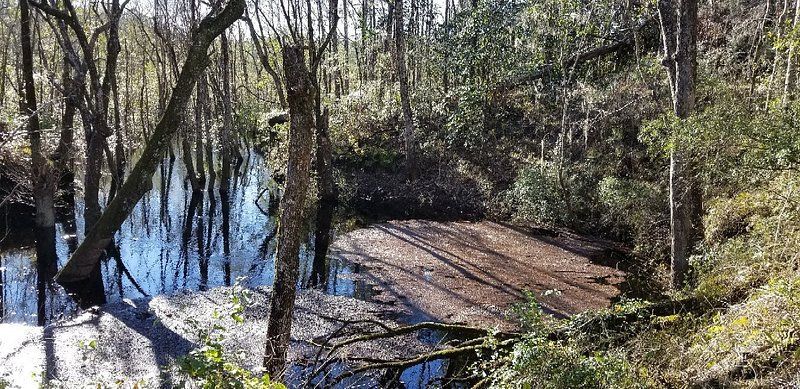
Leon Sinks Geological Area is one of the largest karst landscapes in the southeastern U.S., featuring sinkholes, disappearing streams, and caverns formed in porous limestone. The 5-mile loop highlights rare hydrological features and connects to the Woodville Karst Plain, which includes the longest underwater cave system in the world. This rivals Mammoth Cave National Park’s trails, where limestone geology is also central, but Leon Sinks provides open-air karst formations accessible in shorter hikes.
Subtropical Beauty on Alexander Springs Trail, Ocala National Forest
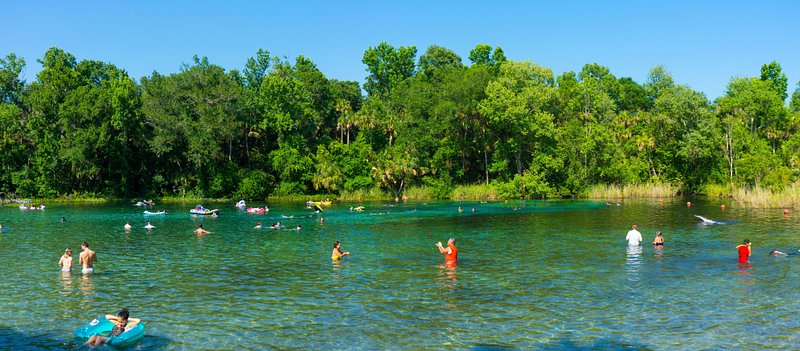
Alexander Springs is one of only 27 first-magnitude springs in Florida, discharging at least 64 million gallons daily. Its 1-mile trail showcases subtropical hardwood hammocks, sand pine scrub, and a spring basin perfect for snorkeling. It rivals the Gumbo Limbo Trail in Everglades National Park, which also highlights subtropical flora. However, Alexander Springs offers the rare chance to pair hiking with spring-fed swimming in water that stays 72°F year-round.
Epic Stretches of the Florida Trail, Apalachicola National Forest

The Florida National Scenic Trail runs 1,500 miles across the state, with one of its most biologically diverse sections crossing Apalachicola National Forest. Here, hikers encounter longleaf pine savannas, pitcher plant bogs, and red-cockaded woodpecker habitat. This rivals the Coastal Prairie Trail in Everglades National Park, the park’s longest hike at 15 miles. Unlike the Everglades’ flat sawgrass expanses, the Apalachicola section offers varied ecosystems and is part of a federally designated scenic trail system.