Danger in the animal kingdom isn’t always loud, fast, or dramatic. Some of the deadliest creatures on Earth are tiny, quiet, and easily overlooked, while others are massive animals whose strength alone makes them lethal. What makes an animal dangerous isn’t just aggression, but how often humans encounter it, how difficult it is to escape, and whether medical help is available in time. From venomous hunters to disease carriers and unpredictable giants, these animals shape ecosystems while posing real risks to people. Understanding why they are dangerous doesn’t mean fearing them blindly; it means respecting the power of nature and recognizing how fragile humans can be when stepping outside controlled environments.
1. Mosquito
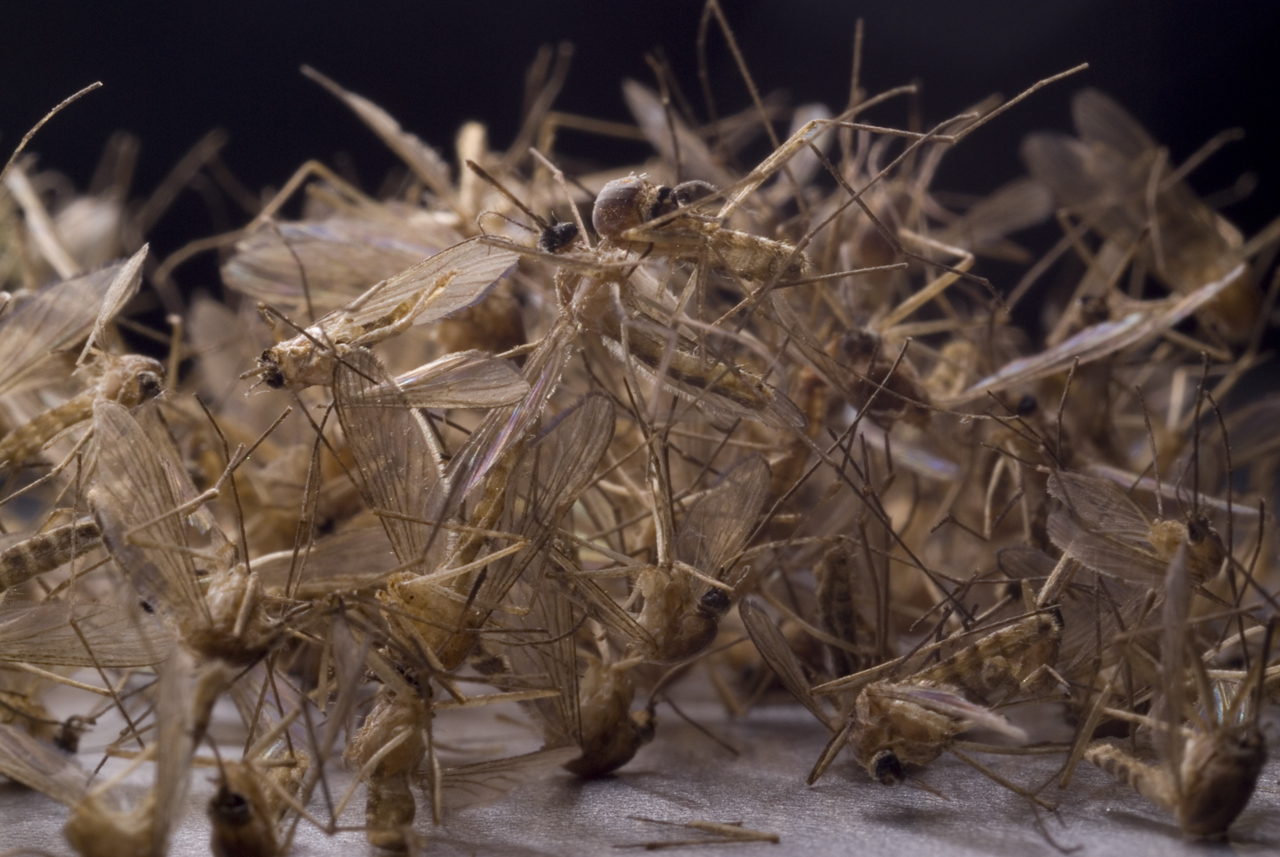
The mosquito is often dismissed as a nuisance, yet it is the deadliest animal on Earth by a staggering margin. Unlike predators that kill through force, mosquitoes spread deadly diseases such as malaria, dengue, Zika, and yellow fever. These illnesses collectively kill hundreds of thousands of people every year, particularly in tropical regions with limited medical access. Mosquitoes thrive near standing water and adapt easily to urban environments, bringing danger directly into human settlements. Their bite is painless, which makes exposure easy to miss. What makes mosquitoes truly dangerous is how difficult they are to control, combined with their ability to evolve resistance to pesticides and treatments.
2. Saltwater Crocodile
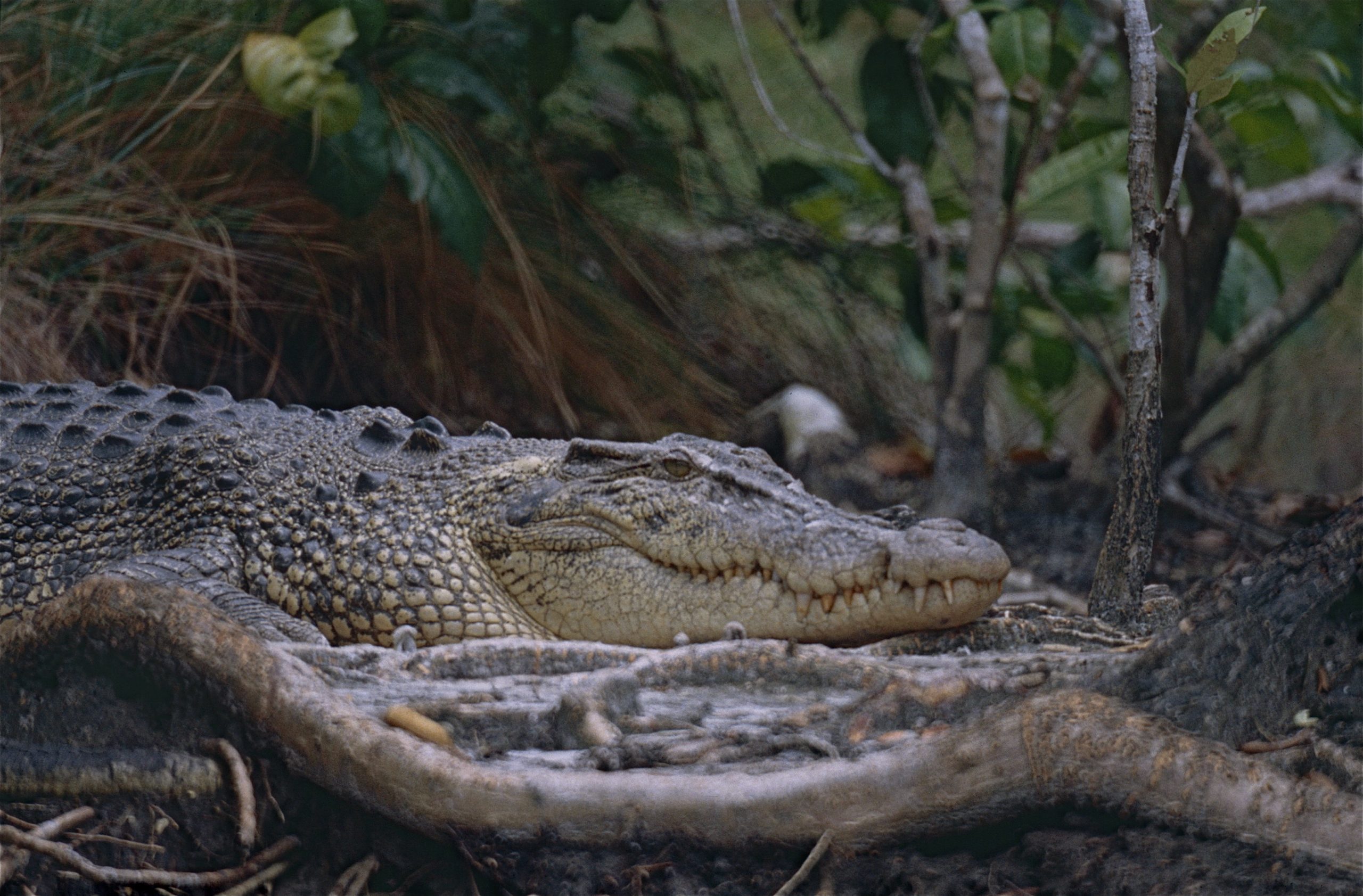
The saltwater crocodile is the largest living reptile and one of the most powerful ambush predators on Earth. Found in coastal rivers and estuaries, it attacks with explosive speed, often striking without warning. Its jaws clamp down with crushing force, dragging prey underwater to drown before tearing it apart. Unlike many predators, saltwater crocodiles are highly territorial and willing to attack humans who enter their domain. Their intelligence allows them to learn patterns, including where people frequently cross rivers. Survival after an attack is rare, as their strength, stealth, and environment work together to give victims little chance of escape.
3. Hippopotamus
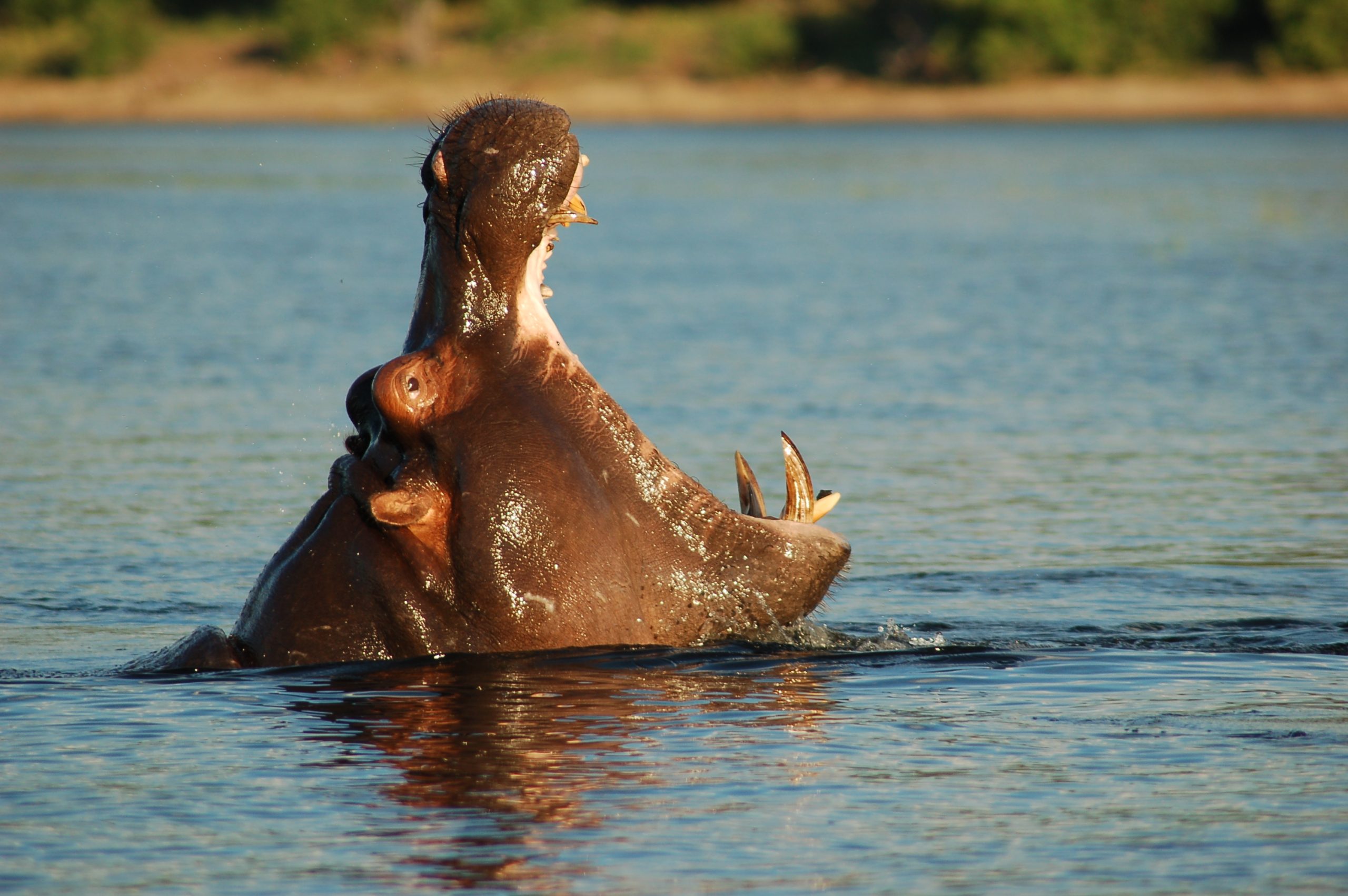
Despite their bulky appearance, hippos are responsible for more human deaths in Africa than almost any other large animal. They are extremely territorial, especially in water, where they feel most secure. Hippos can sprint faster than humans over short distances and possess enormous jaws capable of snapping boats in half. Many attacks occur when people unknowingly pass between a hippo and water, triggering a violent charge. Unlike predators that hunt for food, hippos attack out of perceived threat, making their behavior unpredictable. Their size, aggression, and speed combine into a lethal force few expect from an herbivore.
4. African Lion
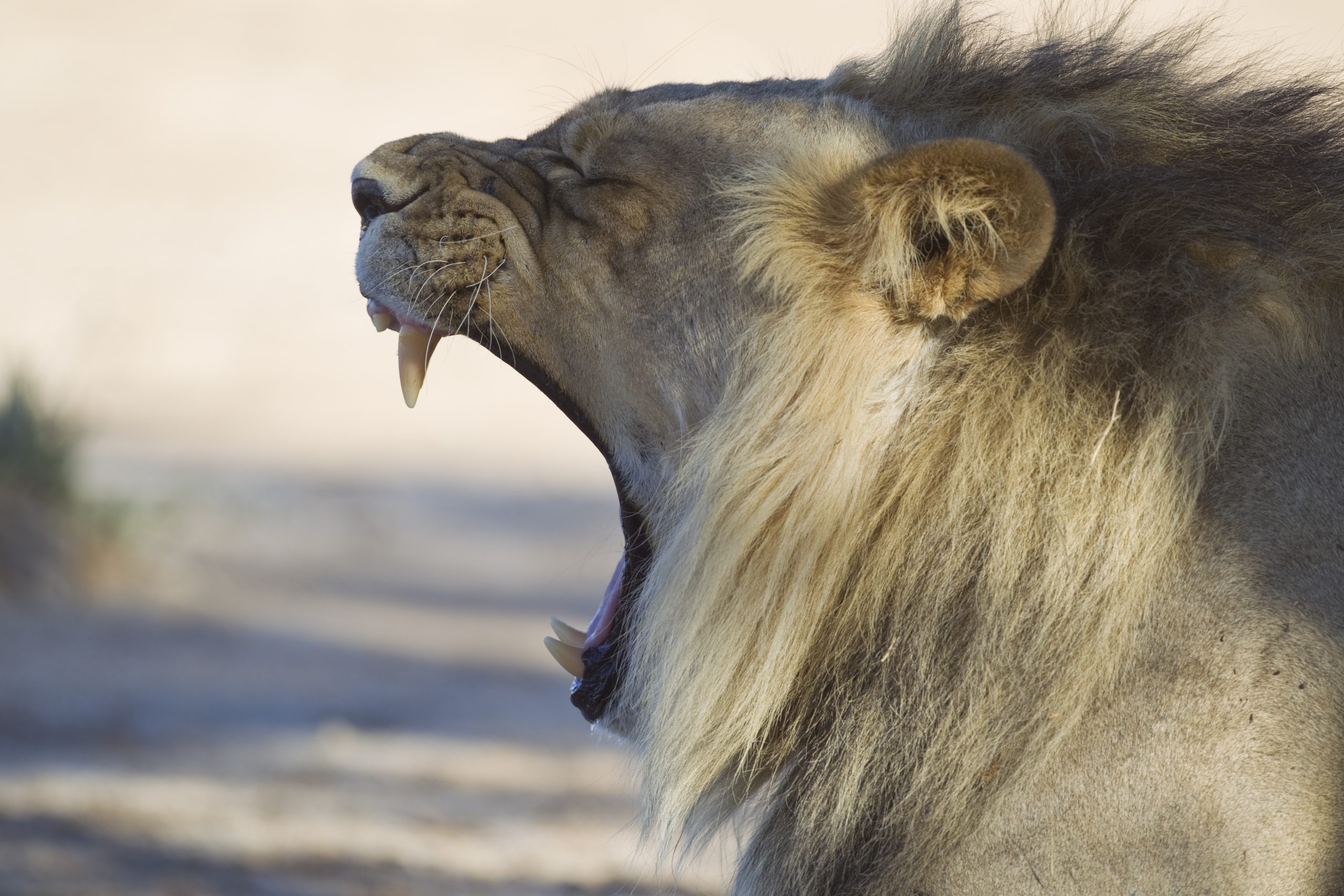
As apex predators, lions are perfectly designed for cooperative hunting and sudden ambush. While attacks on humans are relatively rare, they become more frequent when natural prey is scarce. Lions that target people often hunt at night, entering villages quietly and striking sleeping victims. Their strength, speed, and teamwork make them incredibly efficient killers. Once a lion commits to an attack, escape is extremely unlikely. What makes lions dangerous is not just their power, but their ability to adapt their behavior based on opportunity. When humans are seen as prey rather than a threat, the consequences can be devastating.
5. Box Jellyfish
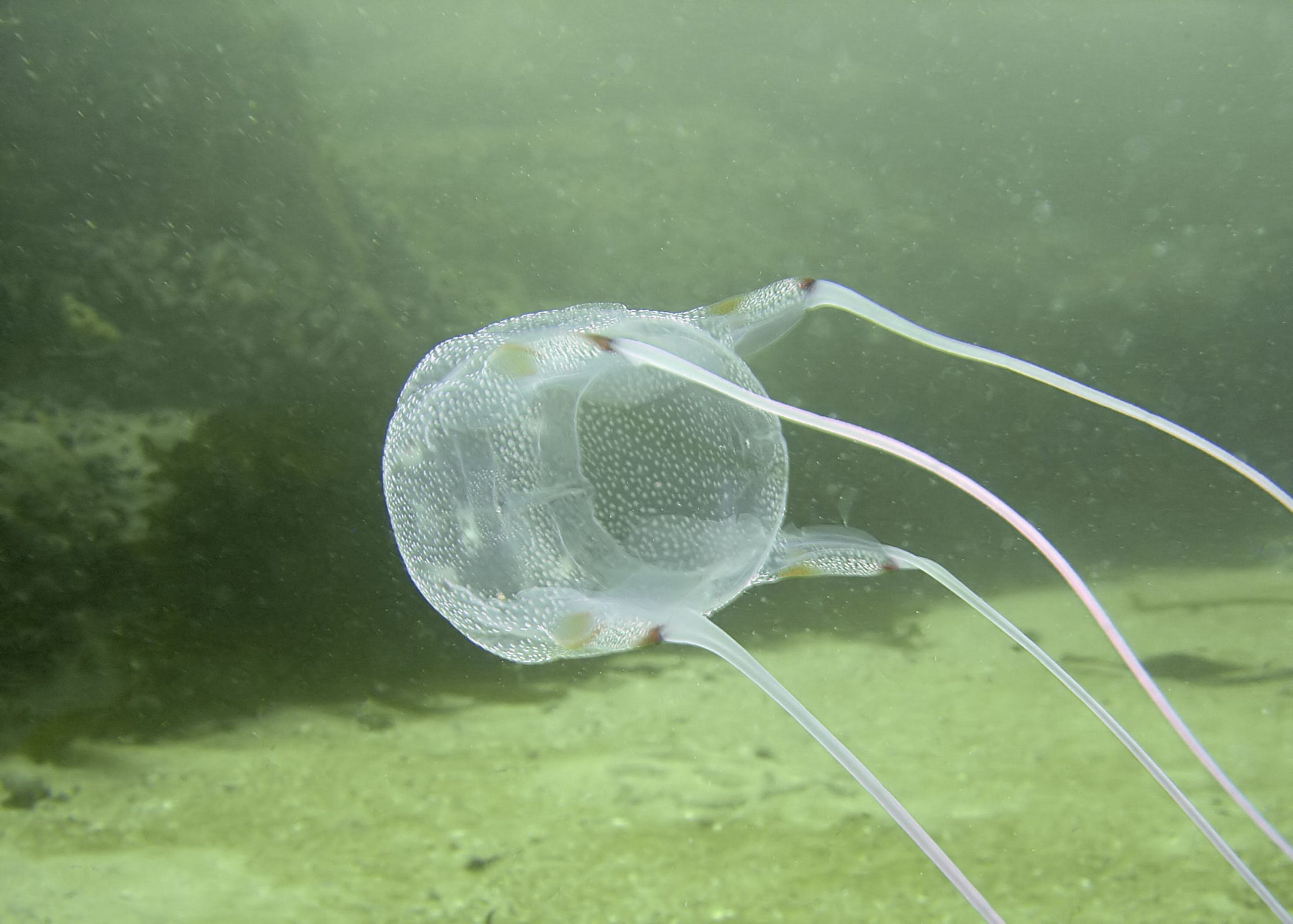
The box jellyfish is one of the most venomous animals in the ocean, despite its fragile appearance. Its tentacles contain thousands of microscopic stingers that inject venom capable of causing heart failure within minutes. Victims may experience intense pain, paralysis, and cardiac arrest before reaching shore. Box jellyfish often inhabit shallow coastal waters, where swimmers are most vulnerable. Because they are nearly transparent, they are difficult to see in the water. Even dead specimens can still sting. Their speed, potent venom, and proximity to popular beaches make them especially dangerous to unsuspecting humans.
6. Inland Taipan
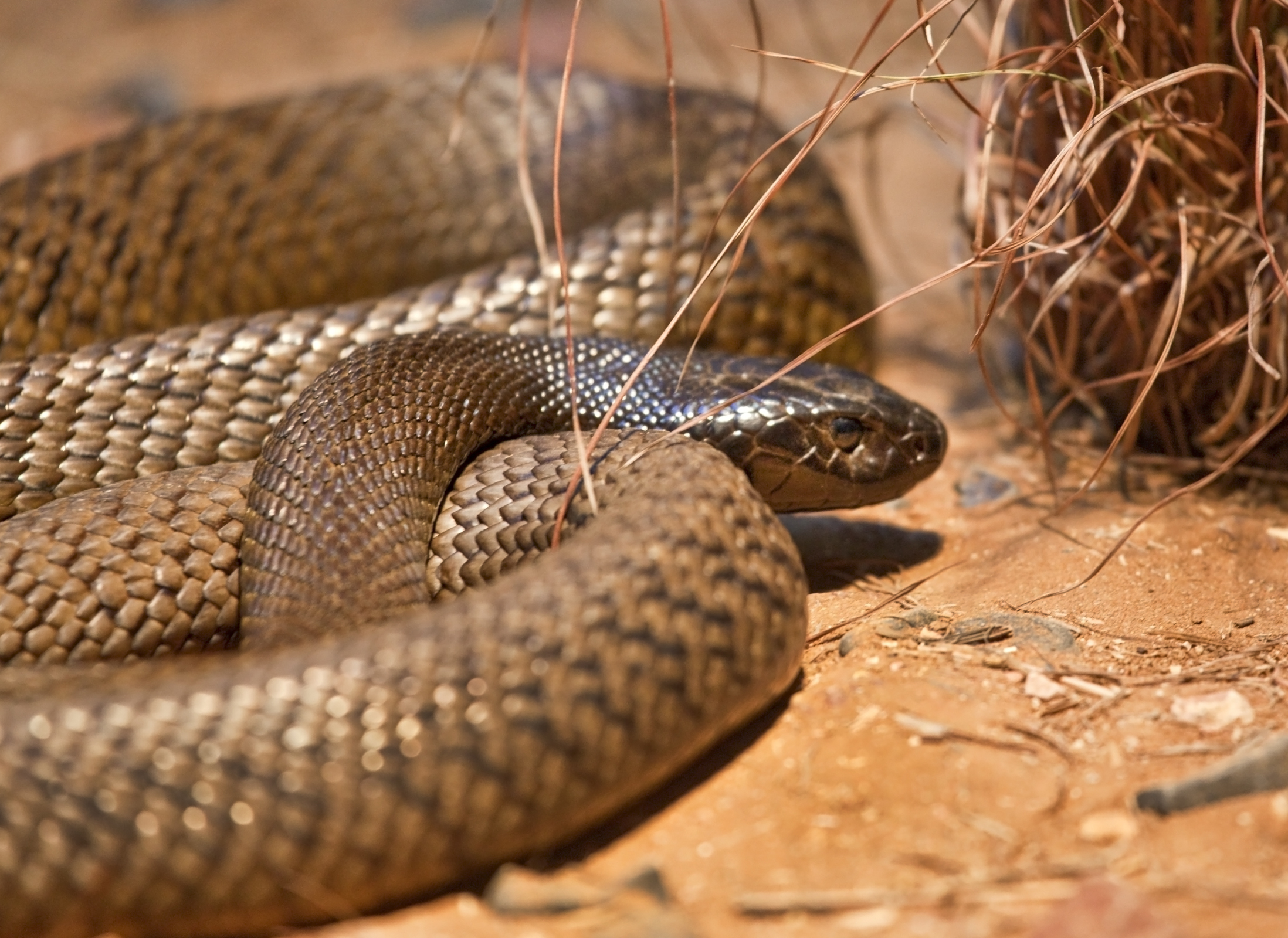
Often called the world’s most venomous snake, the inland taipan delivers a bite potent enough to kill dozens of humans with a single dose. Fortunately, it is reclusive and avoids human contact, which limits fatalities. When threatened, however, it strikes with incredible speed and accuracy. Its venom attacks the nervous system and blood, leading to paralysis and internal bleeding. Without rapid antivenom treatment, death can occur quickly. The danger lies in how little venom is needed to cause fatal damage. Its reputation alone highlights how evolution can produce lethal efficiency even in rarely encountered animals.
7. Great White Shark
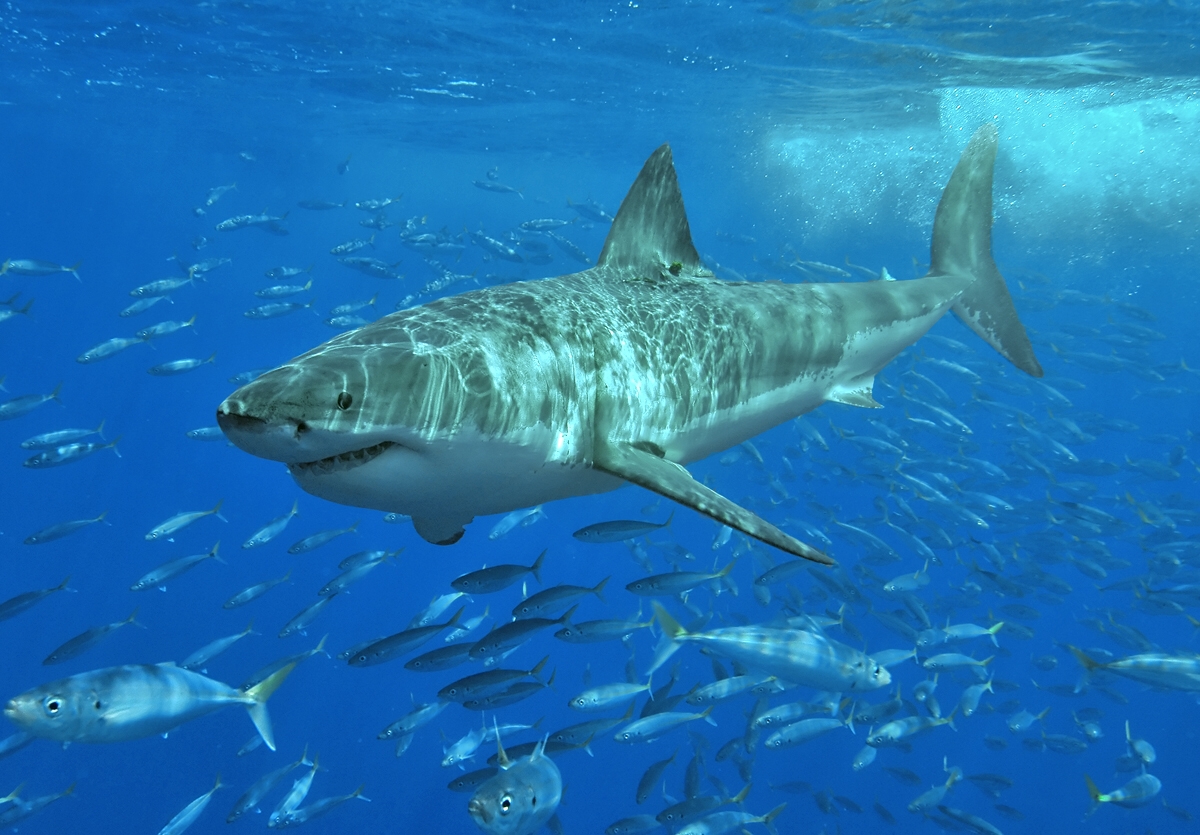
The great white shark is one of the ocean’s most feared predators, known for its size, power, and investigative bite. While attacks on humans are uncommon, they are often severe due to the shark’s massive jaws and serrated teeth. Many encounters occur when surfers or swimmers are mistaken for prey. A single bite can cause catastrophic blood loss. What makes great white sharks dangerous is not aggression, but curiosity combined with strength. Even non-fatal attacks can result in life-altering injuries. Their presence reminds humans that the ocean remains a wild environment beyond our control.
8. Cone Snail
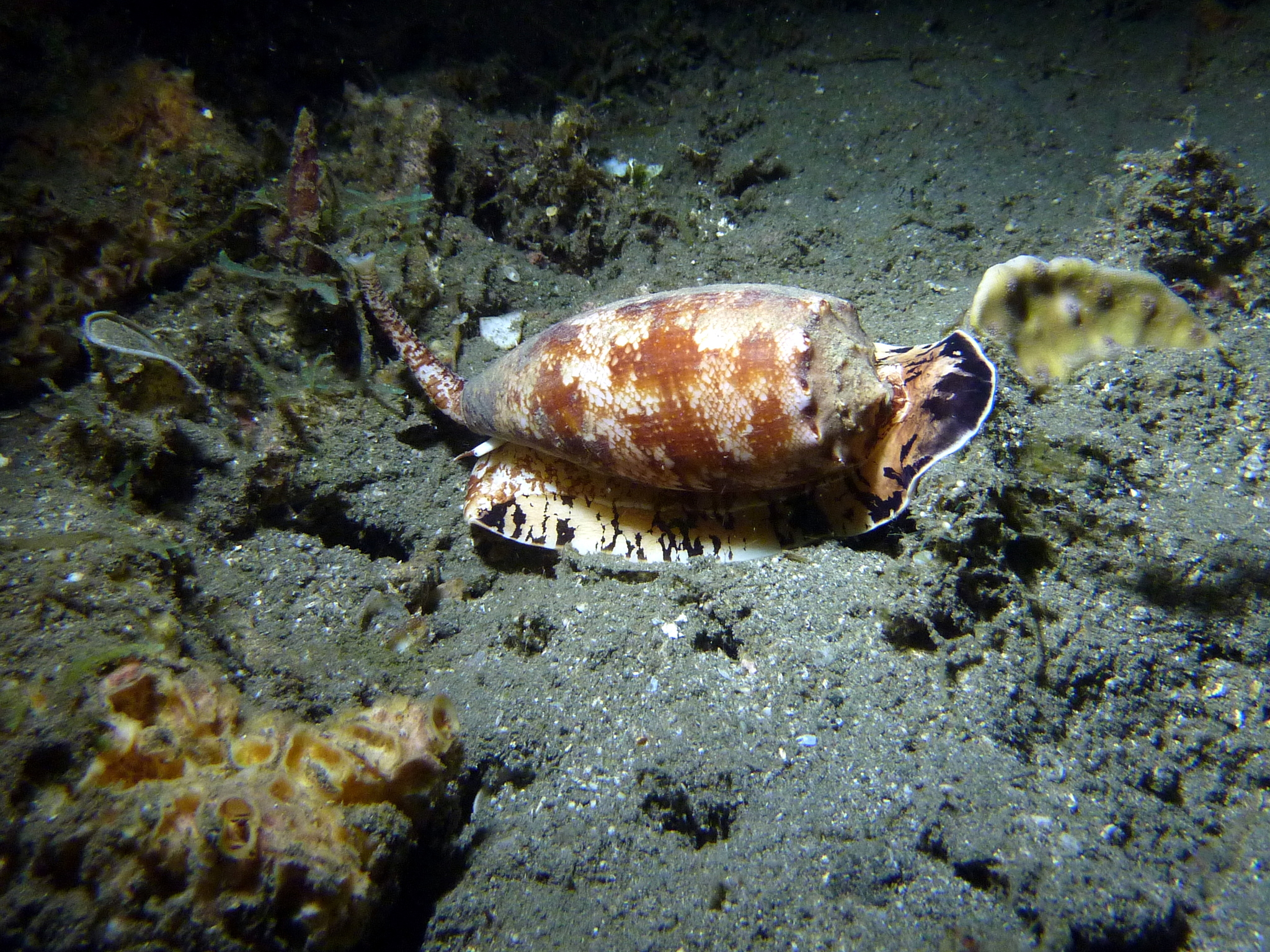
The cone snail may look harmless, but it carries one of the most powerful venoms in the animal world. Using a harpoon-like tooth, it injects venom that can instantly paralyze prey. In humans, a sting can cause respiratory failure, muscle paralysis, and death. There is no antivenom, making immediate medical care critical. Cone snails are often picked up by shell collectors, who mistake them for empty shells. Their slow movement and small size hide a highly advanced chemical weapon. The danger comes from underestimating an animal that appears defenseless.
9. Pufferfish
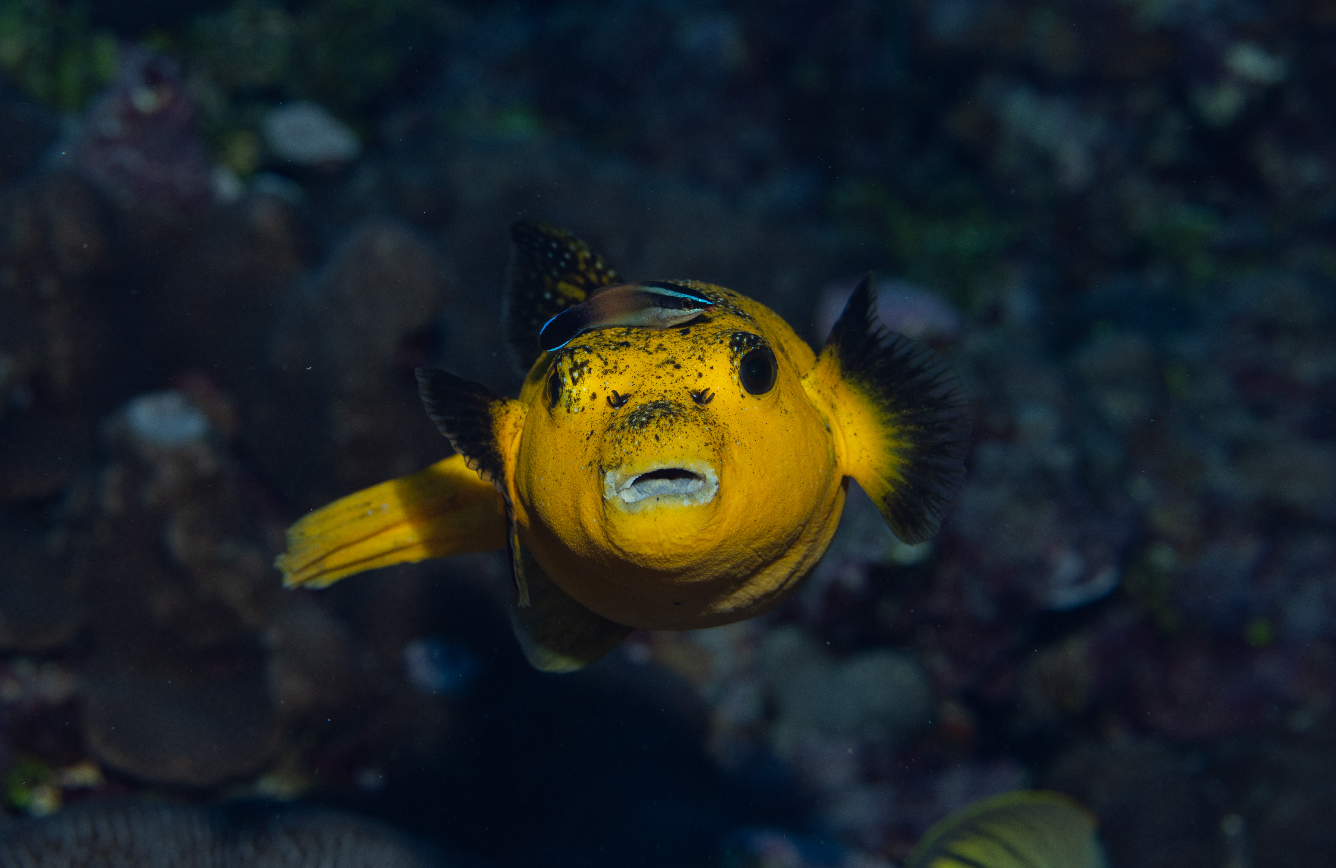
Pufferfish contain tetrodotoxin, a poison far more lethal than cyanide. This toxin blocks nerve signals, leading to paralysis and respiratory failure. Despite this danger, pufferfish are considered a delicacy in some cultures, requiring highly trained preparation. Even slight mistakes can be fatal. In the wild, predators and humans alike risk death from improper handling. The toxin has no antidote, and survival depends entirely on supportive medical care. The pufferfish’s danger lies not in aggression, but in how easily its poison can be transferred through consumption or contact.
10. African Buffalo
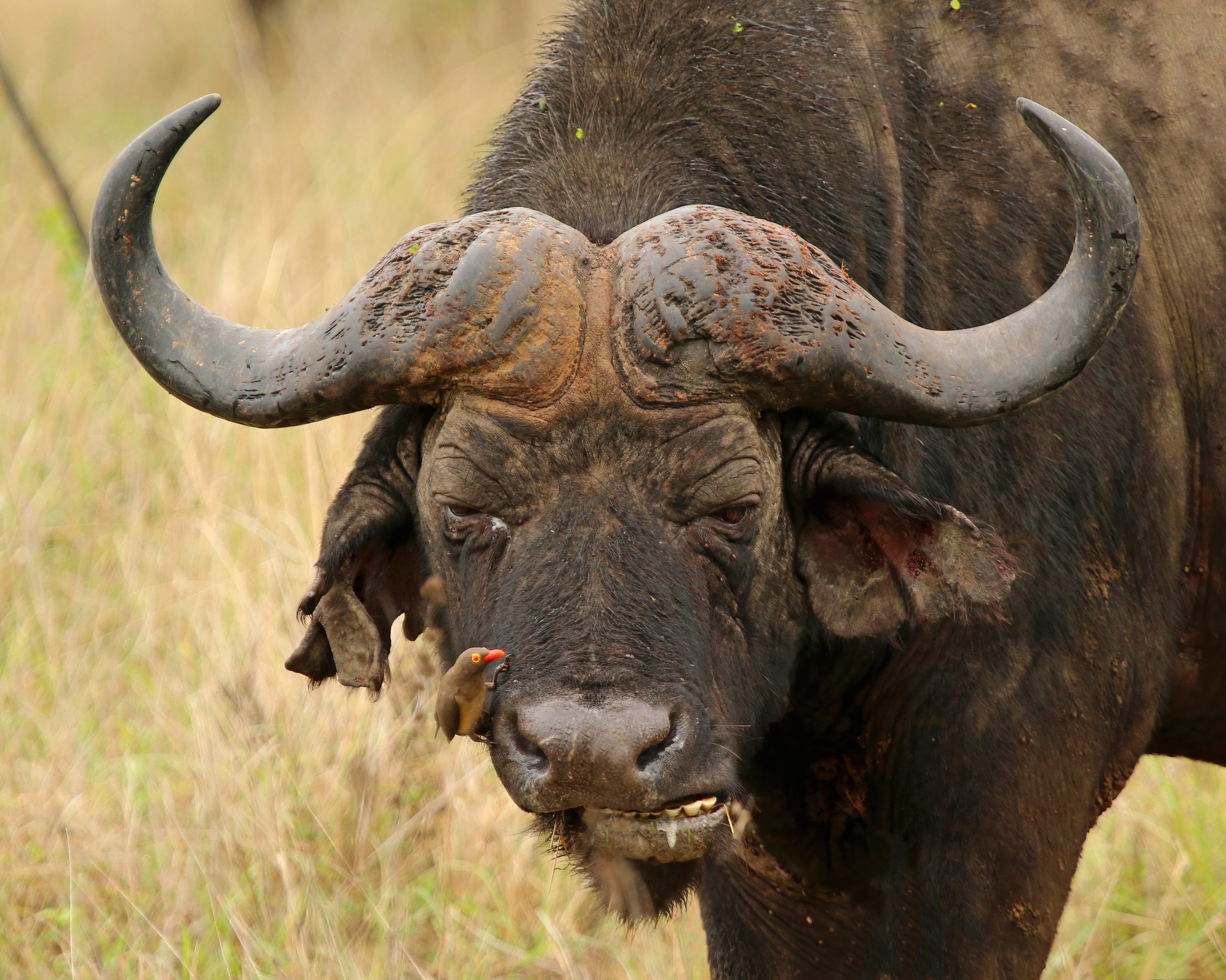
The African buffalo is unpredictable, aggressive, and responsible for hundreds of human deaths each year. Unlike herd animals that flee danger, buffalo are known to charge threats without hesitation. They have excellent memory and have been documented ambushing hunters who previously wounded them. Their size, curved horns, and group coordination make them extremely dangerous when provoked. Even lions approach buffalo cautiously. Attacks are often sudden and overwhelming. What makes the African buffalo particularly deadly is its willingness to fight relentlessly, even when injured, making escape nearly impossible once a charge begins.
11. Scorpion
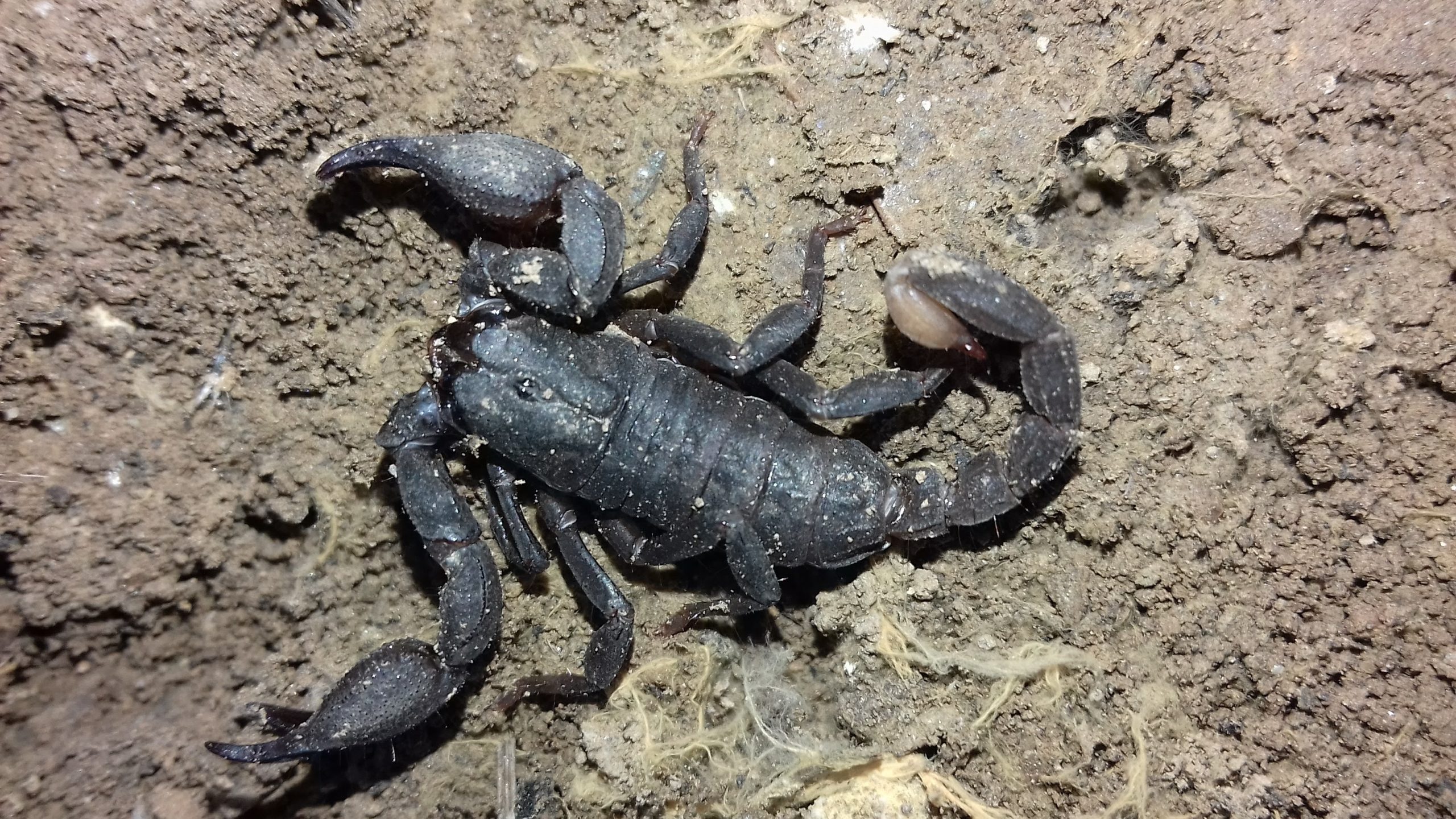
Scorpions are small but formidable, with venom that can cause severe pain, organ failure, and death in vulnerable individuals. While most species are harmless, a few possess neurotoxins capable of shutting down breathing and muscle control. Children and the elderly are especially at risk. Scorpions often hide in shoes, bedding, or dark crevices, leading to accidental stings. In remote areas, lack of access to antivenom increases fatality rates. Their danger comes from stealth and proximity to human dwellings, combined with venom designed to incapacitate quickly.
12. Blue-Ringed Octopus
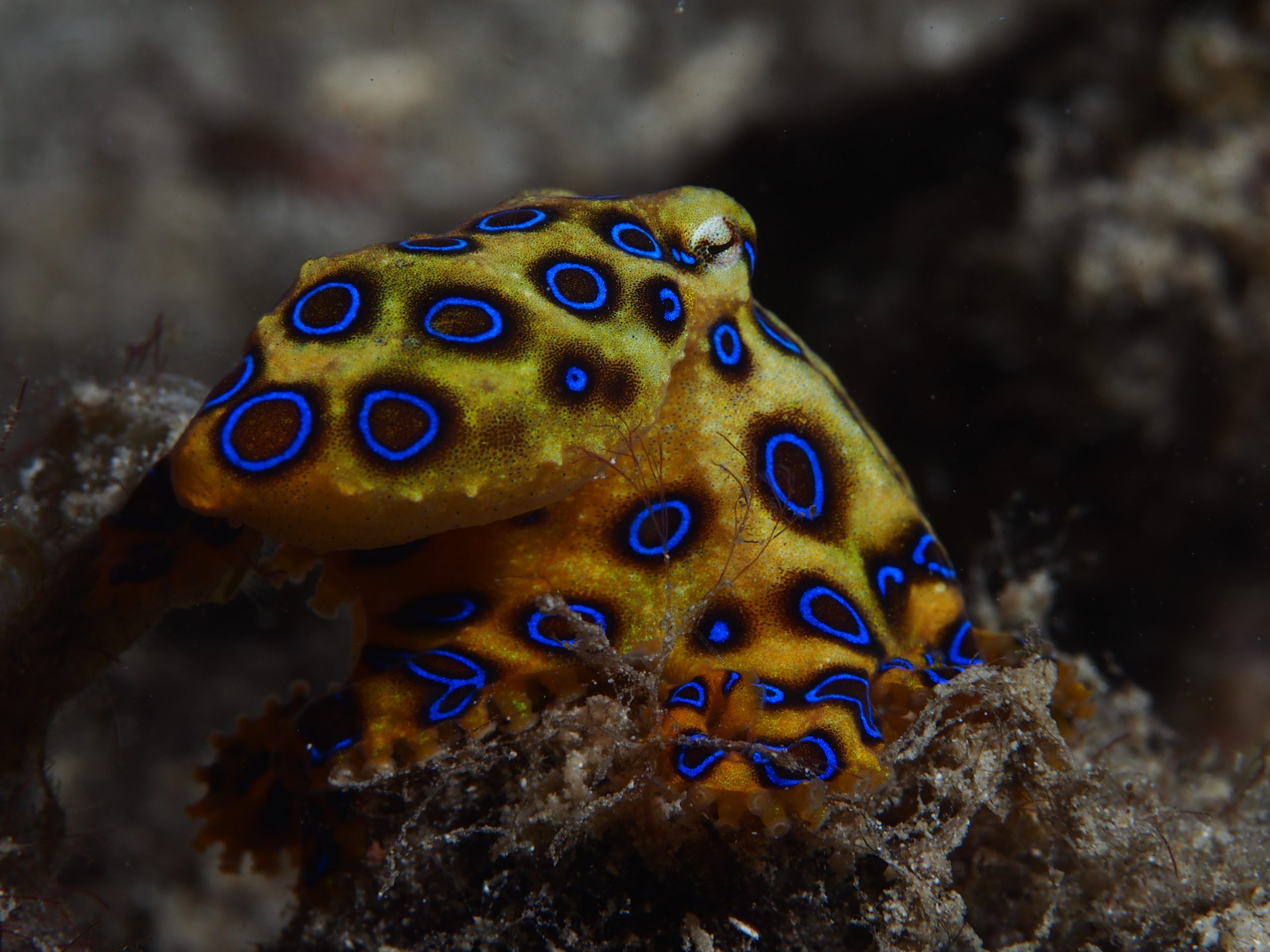
The blue-ringed octopus is small enough to fit in the palm of a hand, yet carries enough venom to kill multiple adults. Its bite injects tetrodotoxin, causing paralysis and respiratory failure within minutes. There is no antidote. Victims may remain conscious but unable to breathe or move. The octopus displays bright blue rings as a warning, but many people don’t recognize the signal. Found in shallow tide pools, it is easily encountered by swimmers. Its beauty masks a silent, efficient defense that leaves no room for medical delay.
13. Cape Cobra
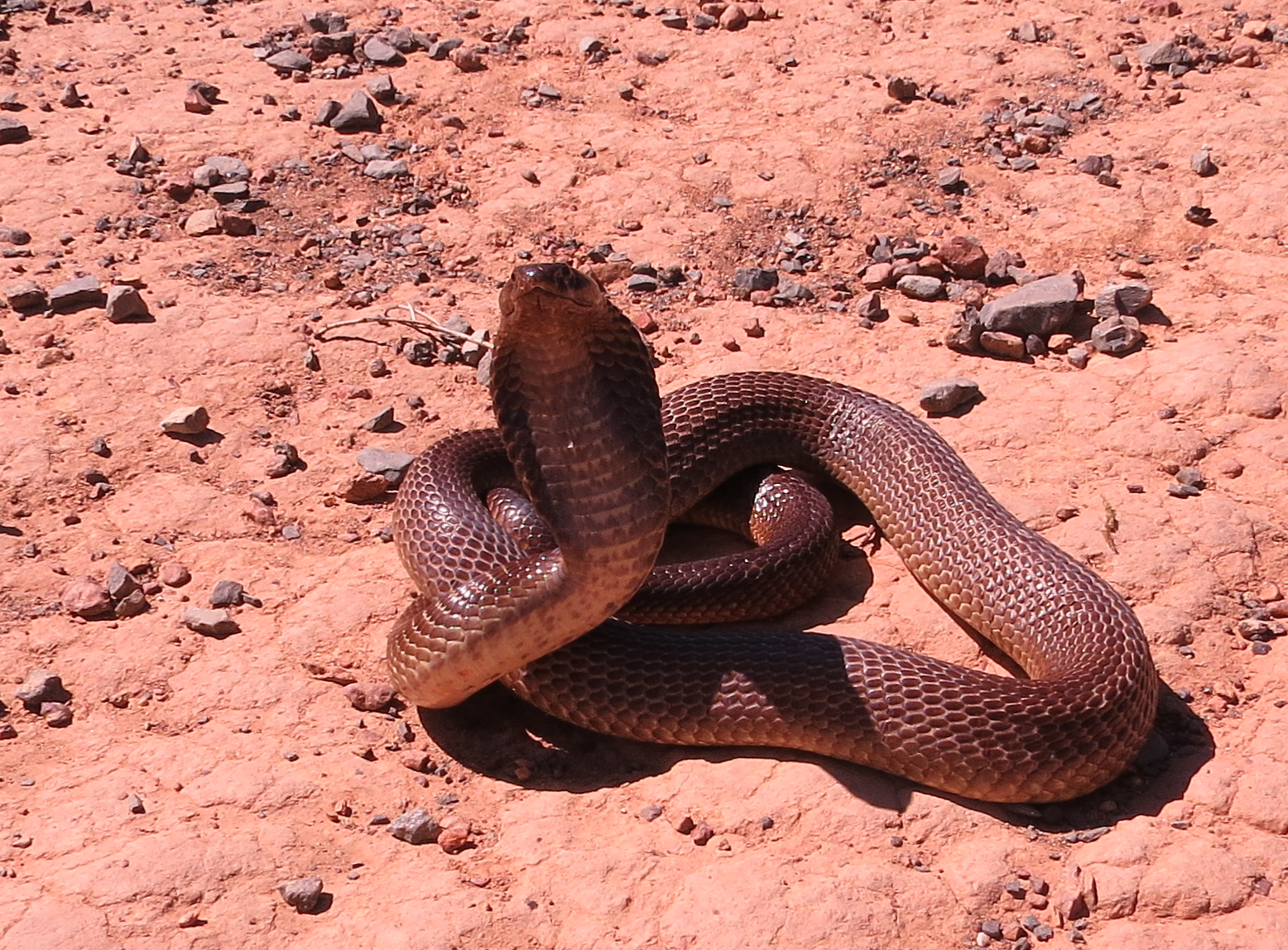
The cape cobra is one of Africa’s most dangerous snakes due to its potent neurotoxic venom and aggressive nature. It often enters human settlements in search of food, increasing encounters. Its venom attacks the nervous system, leading to respiratory failure if untreated. The snake is fast, alert, and capable of delivering multiple bites in quick succession. Unlike shy species, the cape cobra readily stands its ground. Its danger lies in both venom potency and behavior, making it a serious threat in regions where access to rapid medical treatment is limited.