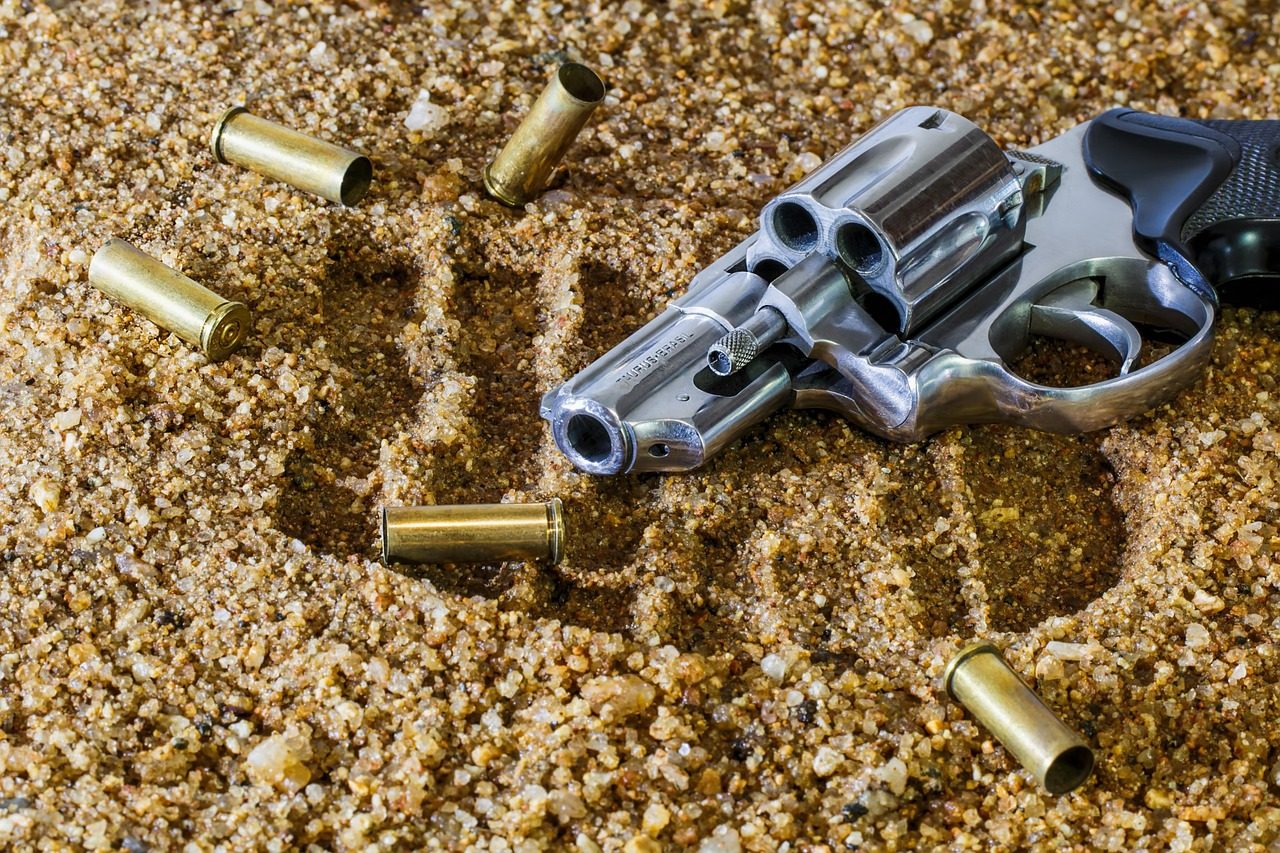
The .22 LR is one of the most common and affordable cartridges in the world, often used for target shooting and small-game hunting. Yet when the topic shifts to self-defense, opinions about this little round spark heated debates. Some dismiss it as ineffective, while others argue that shot placement and availability make it a viable choice. Understanding its strengths and weaknesses helps you decide if it deserves a role in your personal defense plan.
Understanding the .22 LR’s Reputation
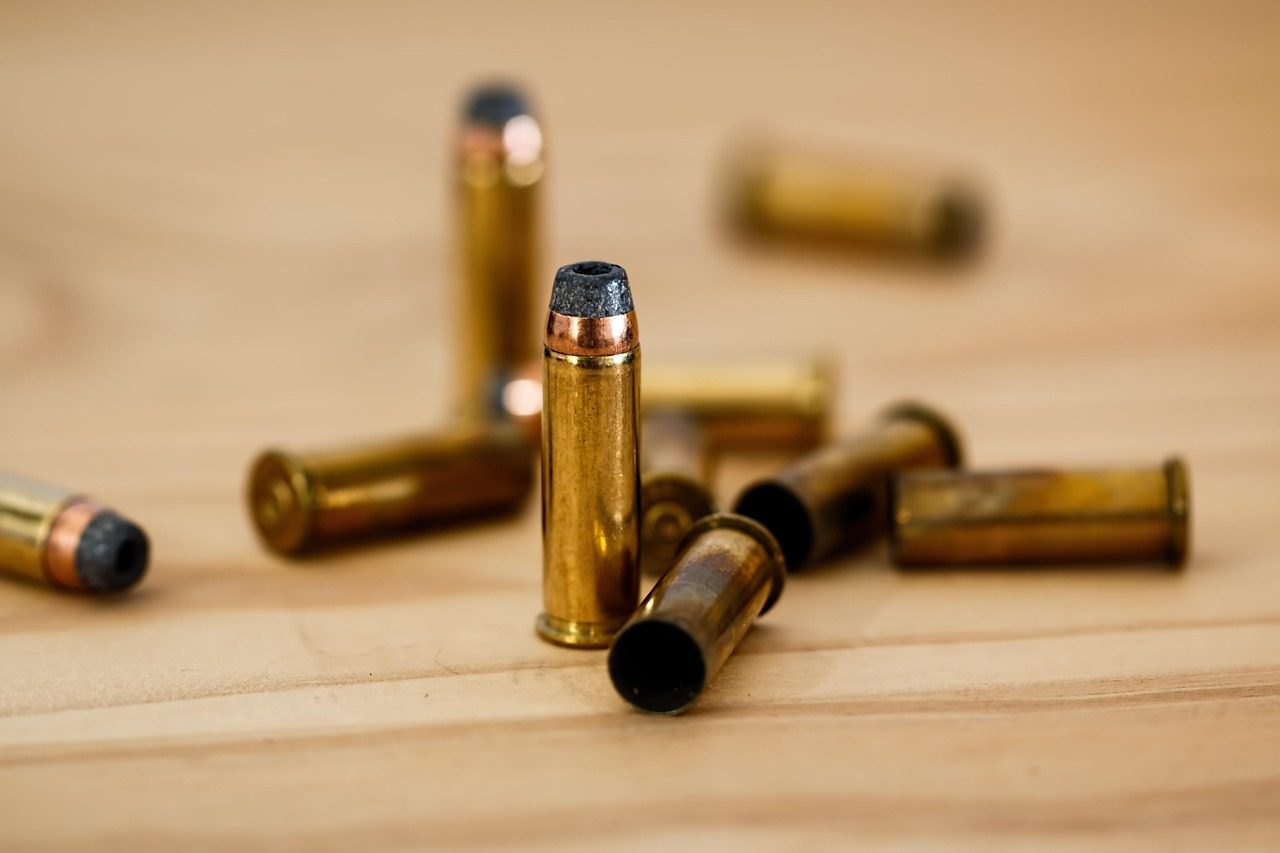
The .22 LR has been around for more than a century, earning a reputation for being small and underpowered compared to larger defensive calibers. Critics often point to its limited stopping power and penetration as reasons to avoid it. However, its history in training, practice, and even real-world encounters shows that it should not be dismissed outright. Its widespread use ensures that it remains relevant in the conversation.
The Advantages of Accessibility
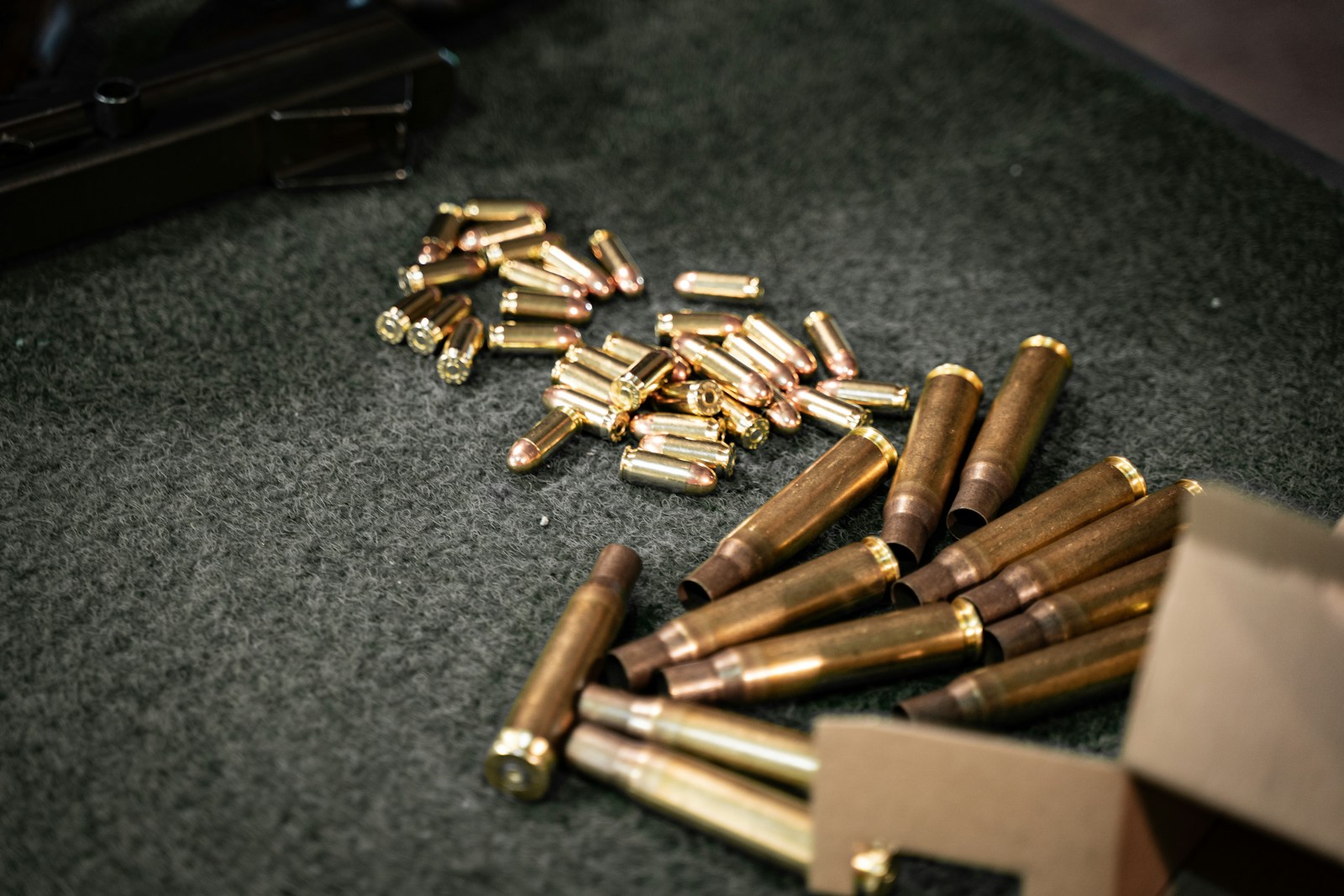
One of the strongest points in favor of the .22 LR is accessibility. Ammunition is widely available and relatively inexpensive, which means you can practice more often and become truly proficient with your firearm. Rifles and handguns chambered in .22 are also easy to find and typically lightweight, making them approachable for new shooters. Familiarity often translates into confidence during stressful moments.
Terminal Effectiveness
Terminal effectiveness is the core reason many shooters hesitate to trust the .22 LR for defense. Larger calibers typically transfer more energy and are likelier to incapacitate an assailant rapidly in high-risk situations. Although the .22 delivers less energy, accurate shot placement can still produce serious wounds. The debate hinges on whether reliable precision can offset the round’s lower terminal performance.
Shot Placement Matters Most

Proponents of the .22 LR highlight that accurate shot placement can overcome its shortcomings. A well-placed shot to vital areas is far more effective than a miss with a powerful caliber. Because the .22 has low recoil, shooters can fire more accurately and quickly. For some, the ability to control the firearm under stress outweighs concerns about raw power.
Reliability Concerns to Consider
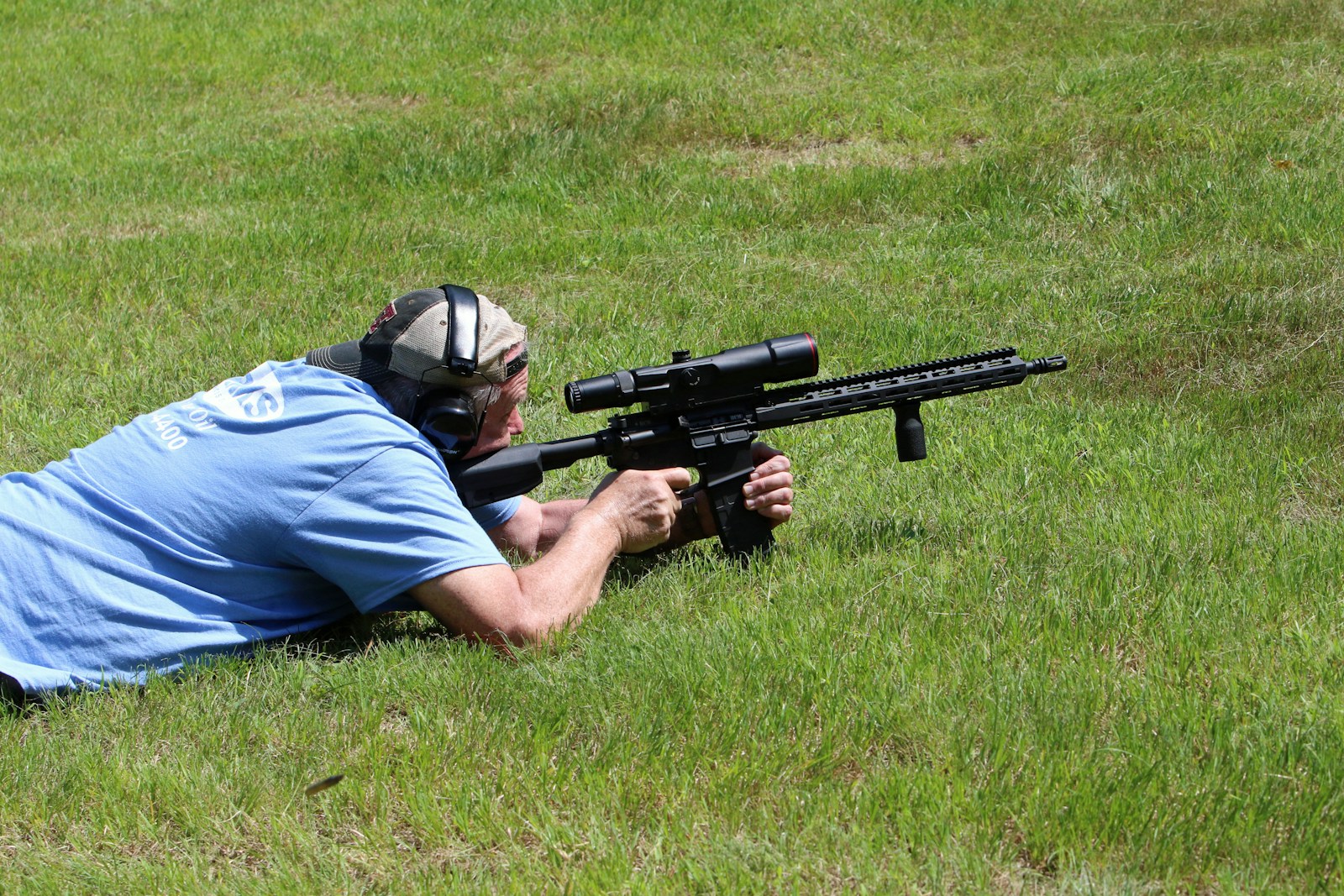
One drawback of the .22 LR is that rimfire ammunition can be less reliable than centerfire cartridges. Misfires or failures to feed happen more often, which is a serious concern in a defensive scenario. Choosing high-quality ammunition and keeping your firearm well-maintained can reduce these risks, but it is still a factor worth noting.
Situations Where It May Work

The .22 LR is far from ideal, but there are circumstances where it can serve in a defensive role. For individuals with limited strength, recoil sensitivity, or access to other firearms, it may be better than having no option at all. In close-range situations, the intimidation factor combined with accurate fire can be enough to stop a threat. While not perfect, it remains a tool that some may find practical in the right context.