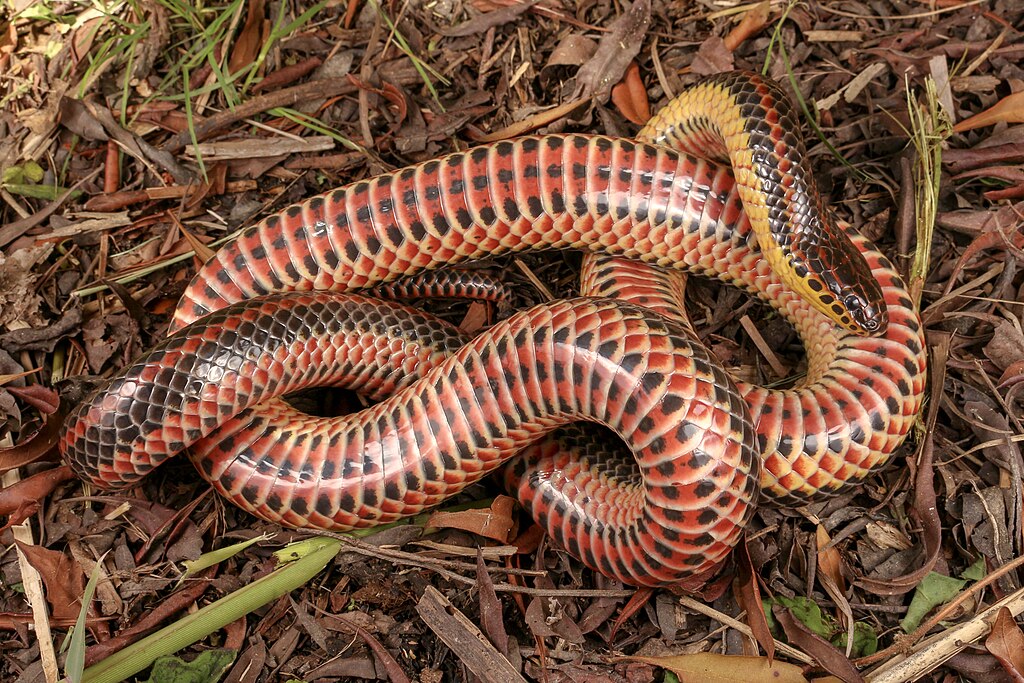
In nature, bright colors often serve as a warning: “Stay away.” But when it comes to the rainbow snake, those dazzling stripes mean something entirely different. Once thought to have vanished from parts of the Southeast, this vividly colored serpent is as mysterious as it is beautiful. Shimmering beneath the water’s surface like liquid light, it’s a living reminder of how little we truly know about our wild places. If you ever see one, wildlife officials want to hear about it. Your sighting could help protect a species that’s both legendary and endangered.
What the Rainbow Snake Looks Like
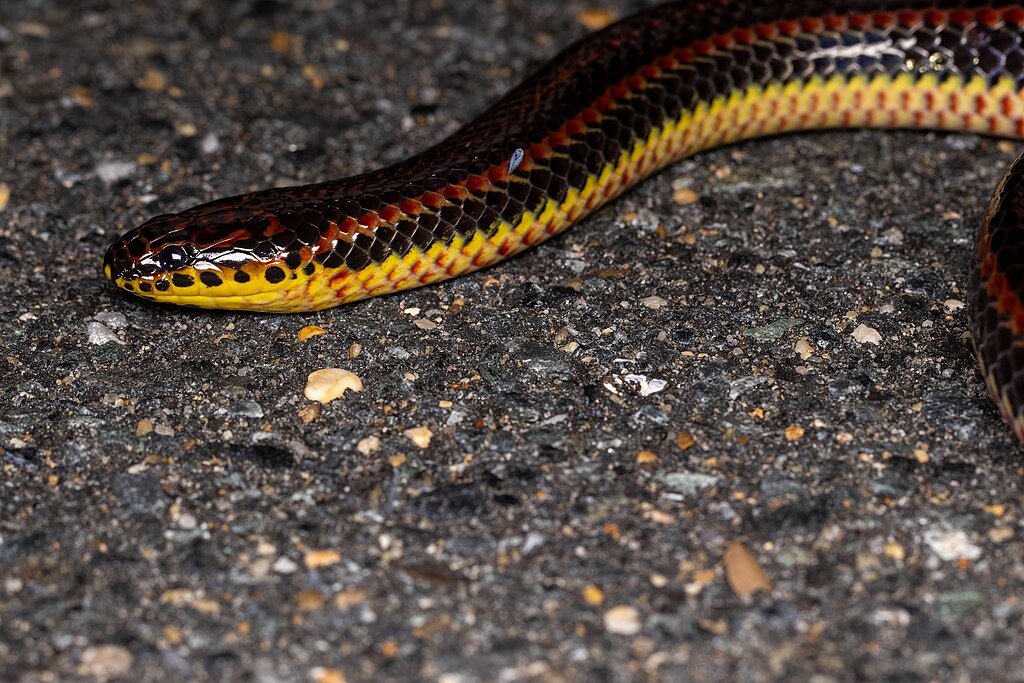
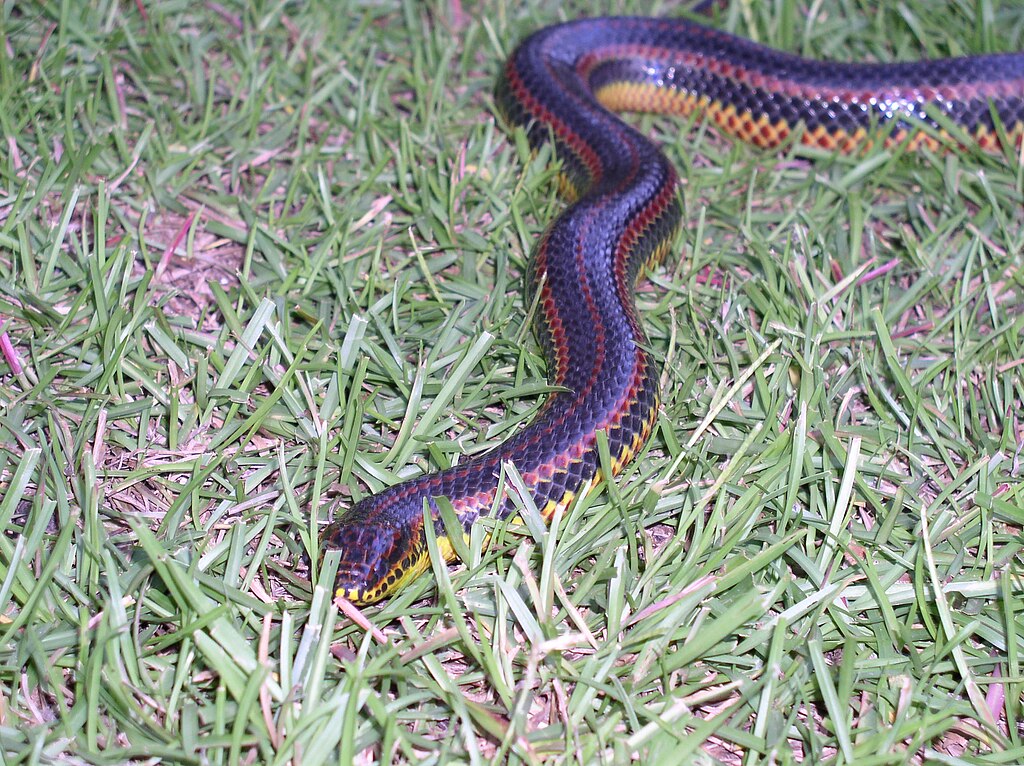
The rainbow snake lives up to its name with glossy black scales that shimmer blue, red, and yellow in sunlight. Its three red stripes run down the back like painted ribbons, and the yellow underside completes its breathtaking display. Growing up to five feet long, it looks almost unreal, like a living rainbow slithering through shallow water or muddy banks. Its appearance alone is enough to stop any hiker in their tracks.
Why Officials Want to Know About Sightings
Rainbow snakes are secretive, spending most of their lives hidden in wetlands, under debris, or buried in sand. Decades of habitat loss have made encounters rare. Wildlife officials ask people to report sightings because every verified photo helps researchers map their population and protect critical habitats. A single documented sighting can provide years of data. Your report could contribute to conserving one of America’s rarest reptiles.
Where You Might Spot One
These snakes prefer the slow-moving waters of the Southeast, especially near rivers, marshes, and cypress swamps. They’re most often seen in states like Florida, Georgia, South Carolina, and parts of Alabama. Sometimes they surface after heavy rain or flooding when forced from their burrows. If you’re walking near wetlands or freshwater ponds, especially around dusk, you might just catch a rare glimpse of this aquatic beauty.
Why It’s Not Dangerous
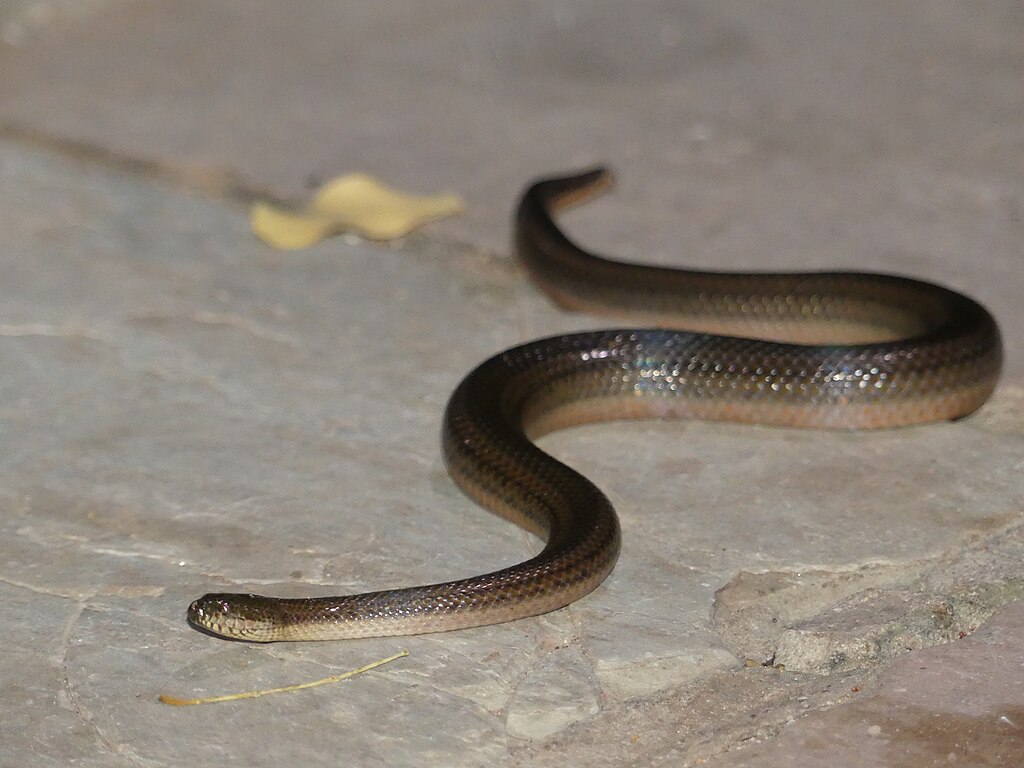
Despite its dramatic colors, the rainbow snake is completely harmless to humans. It doesn’t bite, constrict, or show aggression. Its diet mostly consists of eels, small fish, and amphibians, earning it the nickname “eel moccasin.” The bright colors serve as a warning mimic to predators, not people. So if you see one, admire it from a distance; there’s no need to panic or harm it.
What to Do If You See One
If you encounter a rainbow snake, don’t try to capture or move it. Instead, take a clear photo from a safe distance, note the location, and contact local wildlife officials or a state fish and game department. Many agencies have online portals for reporting rare species. Avoid blocking its path or disturbing its habitat. Simply documenting your find responsibly is more than enough.
Conservation Importance
Rainbow snakes are indicators of healthy wetland ecosystems. Their presence means clean water, stable eel populations, and balanced aquatic habitats. Sadly, draining wetlands and river pollution have decimated their range. By reporting sightings, you help conservationists identify areas worth protecting. In some regions, such as Florida’s Panhandle, recent rediscoveries have sparked renewed habitat restoration efforts.
How to Tell It Apart from Dangerous Lookalikes
Some brightly colored snakes, like the coral snake, are venomous, but the rainbow snake can be easily distinguished. Coral snakes have red, yellow, and black bands encircling the body, while the rainbow snake’s colors run in long stripes down its back. Rainbow snakes also have smooth, shiny scales and a distinct red tail tip. When in doubt, never touch, but rest assured, rainbow snakes are harmless.
The Legend of the “Extinct” Rainbow Snake
For decades, the rainbow snake was believed extinct in parts of the Southeast, especially Florida. Then, in 2019, two hikers photographed one in the Ocala National Forest, the first confirmed sighting in over 50 years. That single discovery reignited research and public interest, proving how vital citizen reports can be. Nature often surprises us when we least expect it.
Why You Shouldn’t Relocate or Keep One
Some people are tempted to capture rare wildlife for photos or personal collections. Doing so with a rainbow snake is not only unethical, it’s illegal in many states. Removing it from its habitat disrupts the ecosystem and risks injury to both the animal and the person. These snakes belong in the wild, where their beauty supports science and biodiversity, not in aquariums or social media feeds.
Helping Protect Their Habitat
You don’t have to find a rainbow snake to help protect it. Simple actions like keeping waterways clean, supporting wetland conservation programs, and avoiding dumping waste near rivers make a real difference. Every clean stream and healthy marsh increases the chance of these rare snakes surviving. Conservation begins with awareness, and your curiosity can become part of the solution.
.