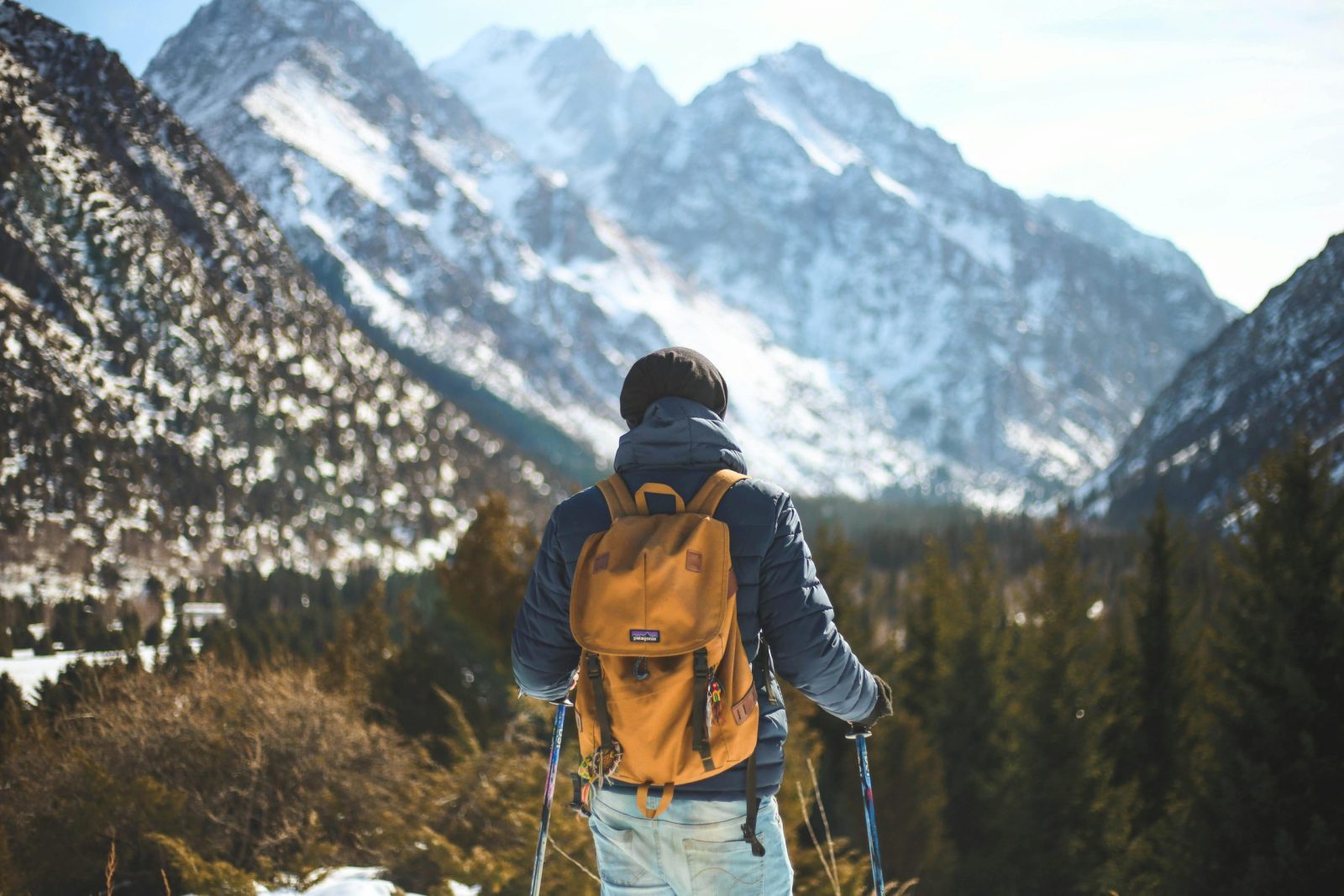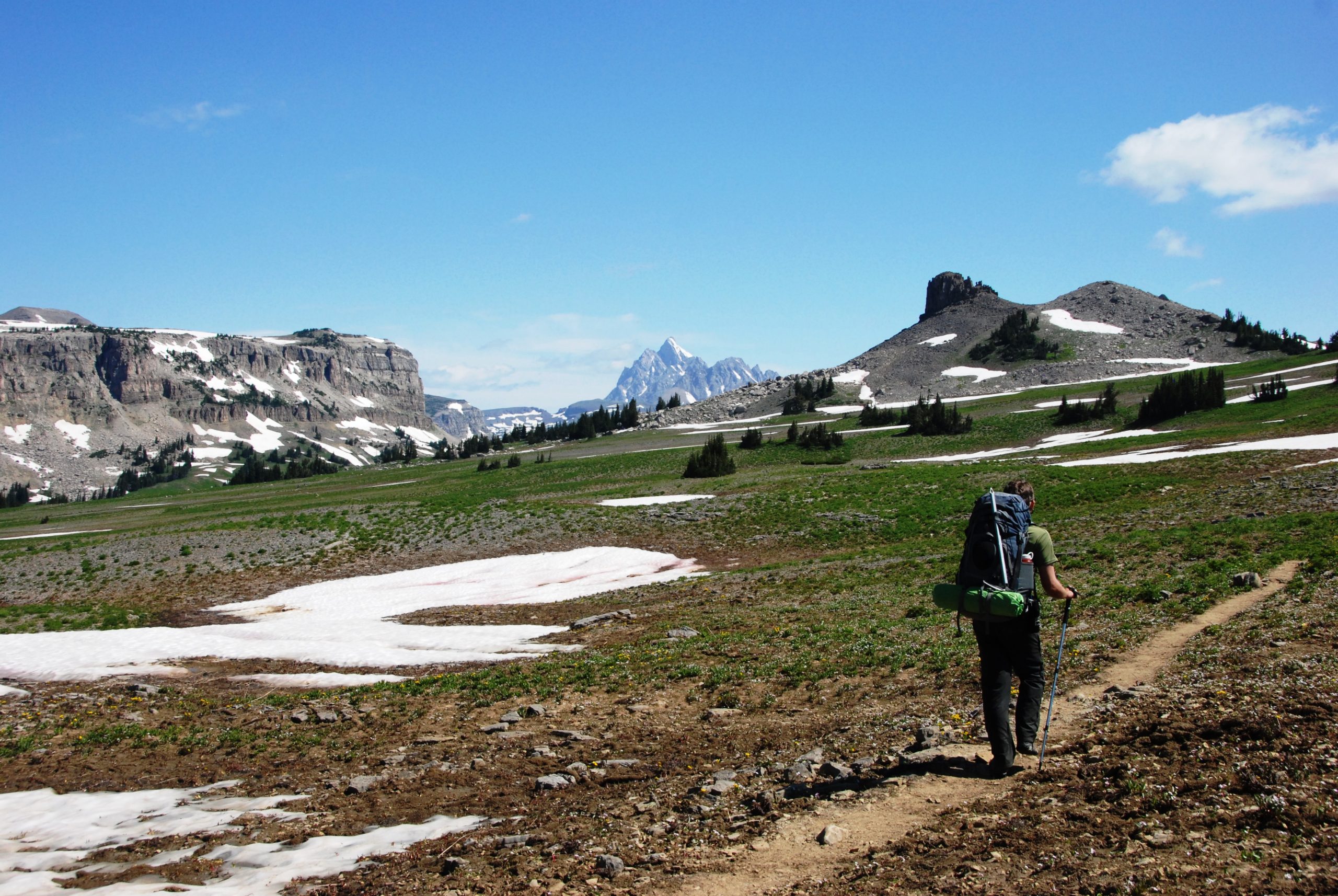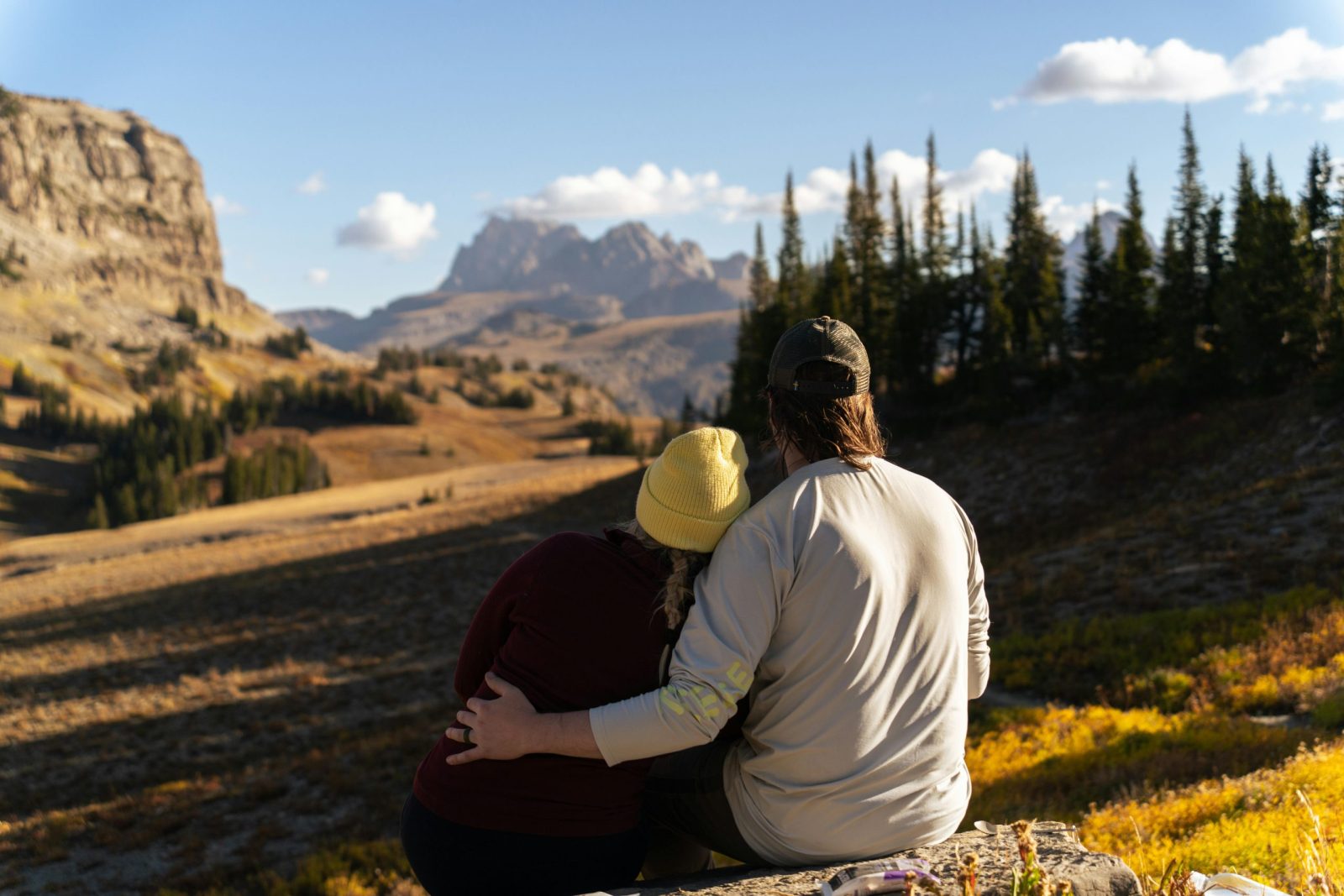
Visiting a national park offers the chance to enjoy scenery while developing useful abilities that grow naturally with every mile traveled. Each landscape encourages greater awareness of terrain, weather, and movement, creating a steady learning experience without pressure. Time spent on trails or near quiet overlooks often reveals small lessons that build confidence. With each visit, practical skills become easier to recognize and apply in future outdoor adventures.
Practicing Navigation Basics
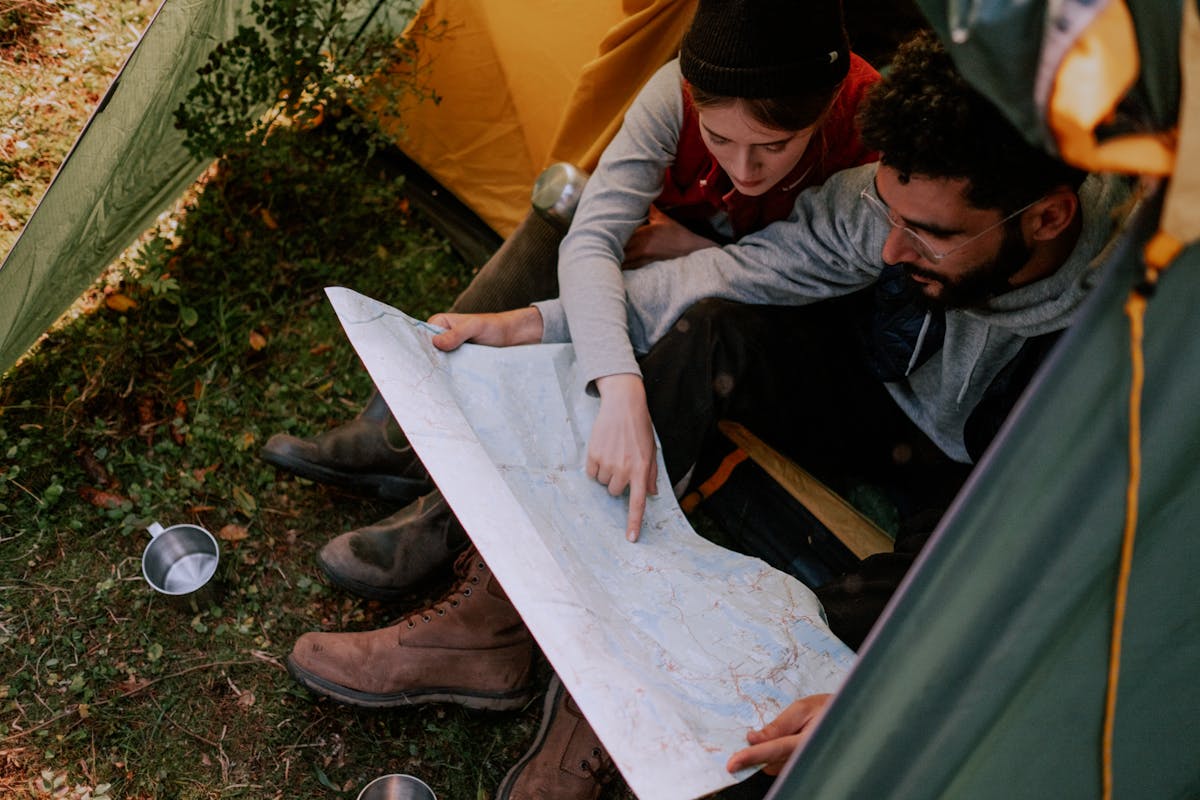
National parks provide varied terrain that helps reinforce essential navigation techniques through consistent use. Reading trail maps, identifying landmarks, and understanding terrain features become clearer when practiced in natural settings. Each route encourages patience while tracking elevation changes and vegetation patterns. These environments support steady improvement in navigation, creating dependable habits that carry into later trips.
Strengthening Observation Skills
Parks encourage careful attention as shifting light, wildlife activity, and weather patterns provide constant details to read. Observing cloud movement, animal tracks, or changes in vegetation strengthens overall awareness. Recognizing subtle signs helps anticipate conditions long before they become noticeable. This steady practice builds sharper instincts and a deeper connection to the surroundings during outdoor travel.
Building Endurance And Pace Control

Long trails and gentle climbs offer natural opportunities to understand personal rhythm when covering varied terrain. Managing energy becomes easier as different surfaces require changes in stride and timing. Recognizing early signs of fatigue encourages better pacing for extended hikes. These conditions help develop endurance gradually, making future outdoor efforts more comfortable and sustainable.
Improving Outdoor Safety Awareness
Natural environments offer countless moments to practice risk assessment as conditions shift quickly with terrain and weather. Noticing unstable ground, identifying safe routes, and preparing gear thoughtfully contribute to safer travel. Understanding how small decisions influence overall readiness becomes clearer with firsthand experience. As confidence grows, navigating changing situations becomes more intuitive and controlled.
Refining Photography Techniques
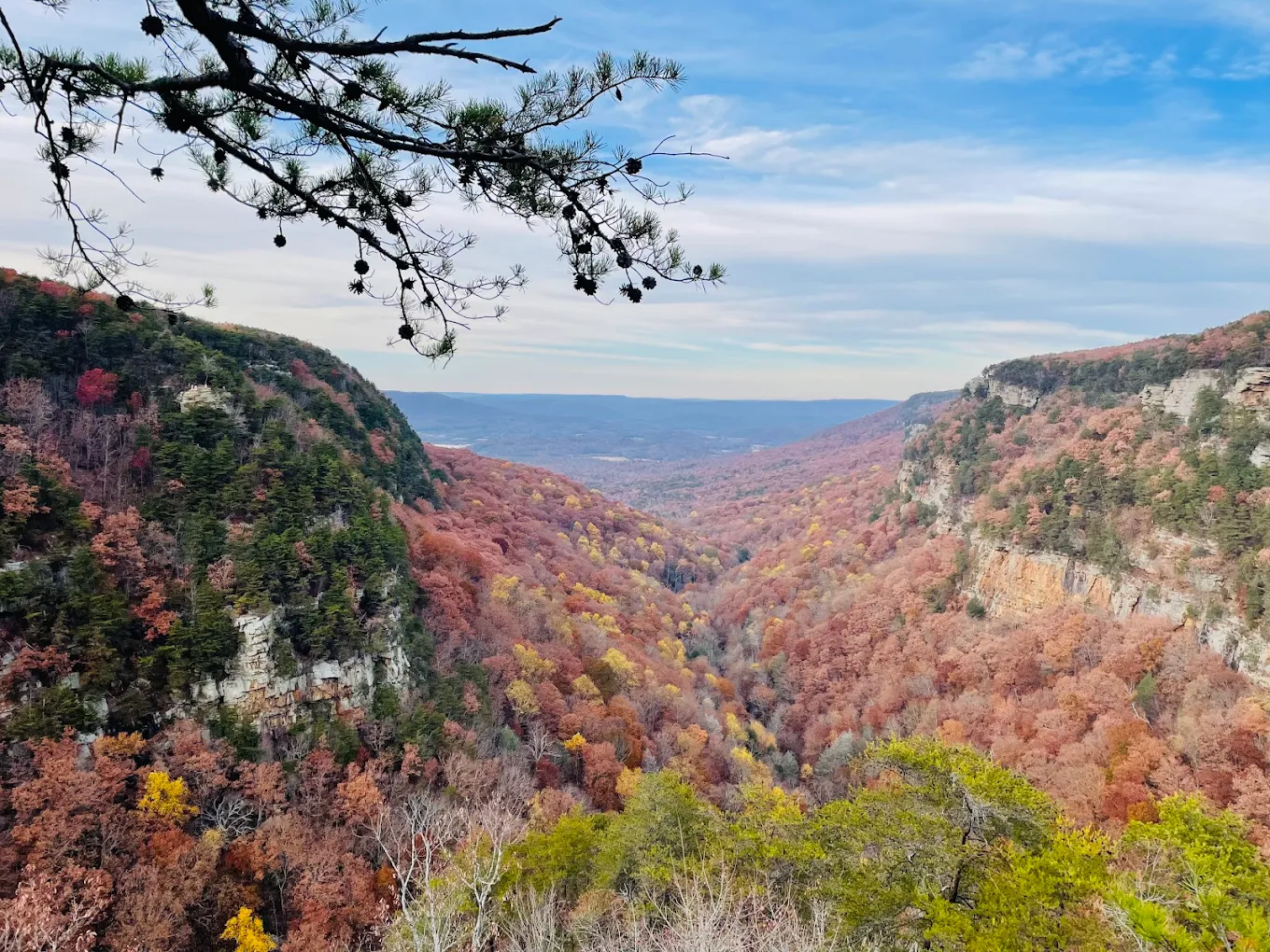
Open vistas, shaded forests, and changing skies provide ideal settings to practice technical and creative photography. Experimenting with angles, shadows, and depth enhances understanding of how landscapes shape each image. Timing becomes more important as lighting shifts throughout the day. With repeated practice, each scene becomes an opportunity to strengthen composition skills in a relaxed environment.
Learning Environmental Stewardship
Protected spaces highlight the importance of caring for fragile ecosystems through responsible actions. Staying on designated trails, packing out litter, and respecting wildlife help maintain natural balance. Observing how parks manage land and visitor impact reinforces the value of preservation. Lessons learned in these settings support long-term habits that protect outdoor spaces for future exploration.