Becoming lost in a forest transforms ordinary surroundings into a demanding survival environment where calm judgment matters more than strength. History and search records show that survival often depends on a few fundamental priorities rather than equipment. A single knife offers limited capability, yet it can support essential tasks when used wisely. Forest environments present challenges including exposure, dehydration, injury, and disorientation. Understanding how to respond methodically helps reduce panic and conserve energy. This guide outlines practical survival principles grounded in wilderness training and field experience, focusing on decision making, resource use, and safety awareness when minimal tools are available.
Stop Moving and Assess the Situation

The first critical step involves stopping movement to prevent deeper disorientation. Continued travel without orientation often increases distance from known points. Survival instructors emphasize pausing to control breathing, slow heart rate, and restore clear thinking. Observing terrain, daylight, weather, and physical condition establishes a realistic picture of circumstances. A knife cannot compensate for poor decisions made under stress. Remaining still reduces injury risk and conserves energy. Many successful rescues occur because individuals stayed in one location after realizing disorientation. Calm assessment allows planning rather than reaction, which significantly improves survival outcomes in forest environments.
Establish Immediate Shelter
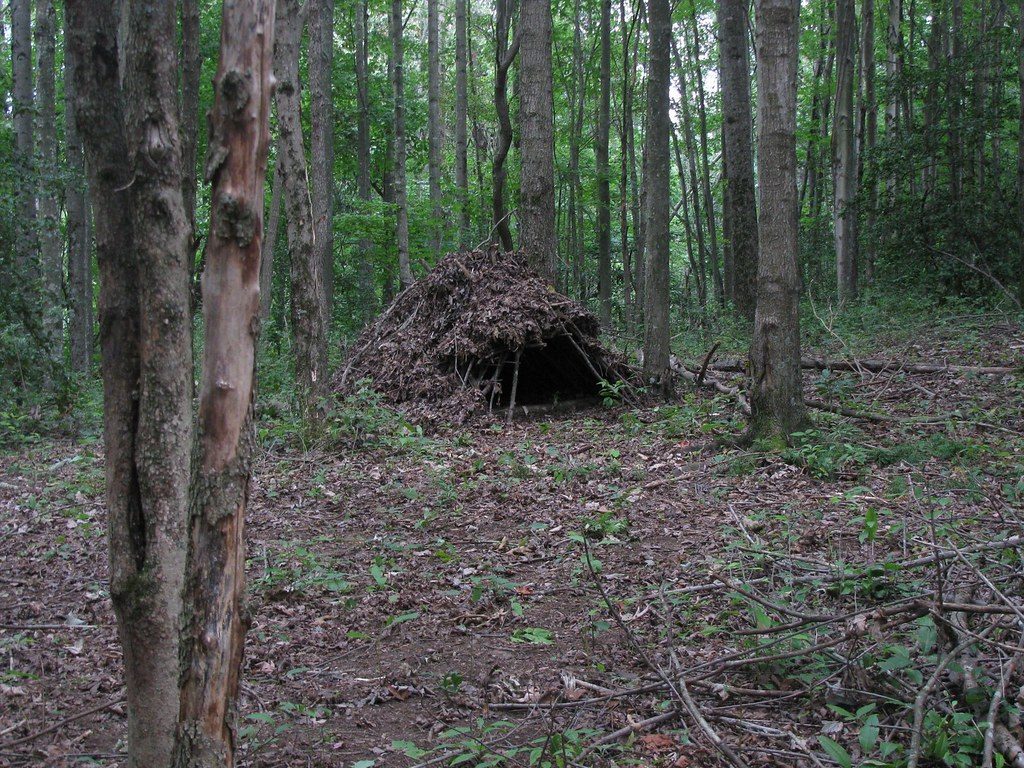
Exposure poses one of the greatest risks in forest survival scenarios. Using a knife, branches and vegetation can be shaped into a simple debris shelter that blocks wind and retains body heat. Lean to structures supported by fallen logs or trees reduce construction effort. Insulation from the ground remains essential, using leaves or pine needles. Shelter creation should prioritize speed and efficiency over perfection. Weather conditions can change rapidly, increasing danger. A basic shelter stabilizes body temperature, supports rest, and prevents hypothermia. This foundation improves physical resilience and decision making during extended periods outdoors.
Secure a Reliable Water Source

Dehydration impairs judgment and physical capability quickly. Locating water becomes a priority after shelter. Streams, springs, and low terrain often indicate water presence. A knife assists by cutting bark containers or digging seep holes near water sources to collect clearer water. Drinking untreated water carries risk, but dehydration presents immediate danger. Survival training acknowledges careful risk assessment when options are limited. Small, controlled intake reduces exposure. Avoid stagnant pools when possible. Managing hydration supports endurance and cognitive clarity, which are critical for navigation, shelter maintenance, and signaling efforts during prolonged forest isolation.
Manage Energy and Avoid Injury

Energy conservation determines survival duration. Excessive movement, unnecessary climbing, or aggressive cutting increases fatigue and injury risk. A knife should be used deliberately to reduce strain and prevent accidents. Minor cuts can become serious without medical supplies. Survival experts stress slow, purposeful actions and frequent rest. Avoiding hazards such as steep slopes or unstable trees prevents compounding problems. Maintaining physical integrity allows time for rescue or self recovery. Forest survival favors patience and restraint rather than constant activity. Preserving strength improves the ability to respond effectively when opportunities or challenges arise.
Create Signals and Increase Visibility
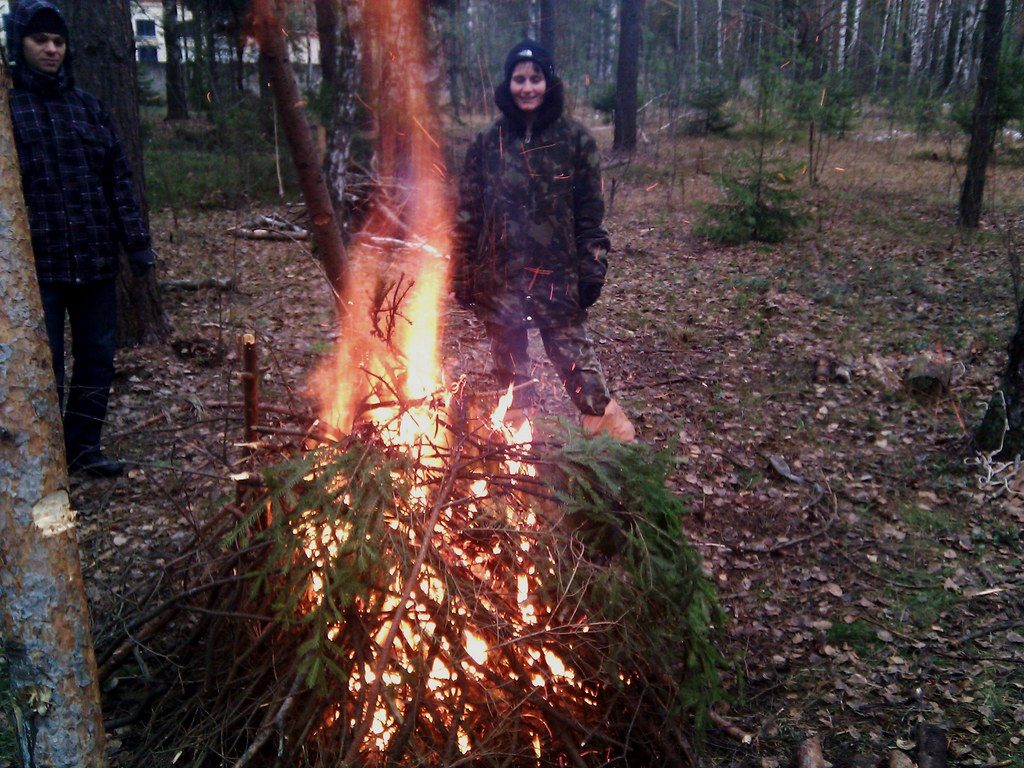
Signaling increases rescue likelihood more than travel without direction. A knife enables creation of visual signals by cutting branches for ground symbols or reflective surfaces. Open areas, trail intersections, or stream banks provide better visibility. Movement should be limited to short, planned efforts that improve detection. Bright natural materials, contrast patterns, and regular signal maintenance support effectiveness. Sound signals like rhythmic striking of wood also attract attention. Search teams prioritize visible signs over random movement. Focused signaling conserves energy while increasing the chance of discovery within known search patterns.