Heatstroke is among the most dangerous medical emergencies a person can face in the wilderness. It develops when the body’s cooling system fails, and internal temperature rises to life-threatening levels. Unlike simple heat exhaustion, heatstroke can cause organ failure, brain damage, and death in a very short time. Remote locations make the risk even greater, as medical help may be hours or days away. Survival depends on recognizing symptoms early and responding decisively with practical actions that slow heat buildup and cool the body. This guide explains ten critical steps that can save a life when heatstroke strikes far from civilization.
Recognize Heatstroke Symptoms Early
Heatstroke rarely begins with dramatic collapse, which makes early detection essential. Initial symptoms often include intense headache, dizziness, nausea, confusion, and poor coordination. Affected individuals may stumble, forget simple information, or behave irrationally. Skin is usually hot to the touch and may appear flushed, though sweating can still be present. Speech may become slow or slurred, and decision-making becomes unreliable. As body temperature continues rising, seizures, vomiting, or unconsciousness may follow rapidly. In wilderness settings, these warning signs are often misjudged as fatigue or dehydration. Treat any sudden mental or physical deterioration during heat exposure as heatstroke until proven otherwise.
Get Out of Direct Sun Immediately

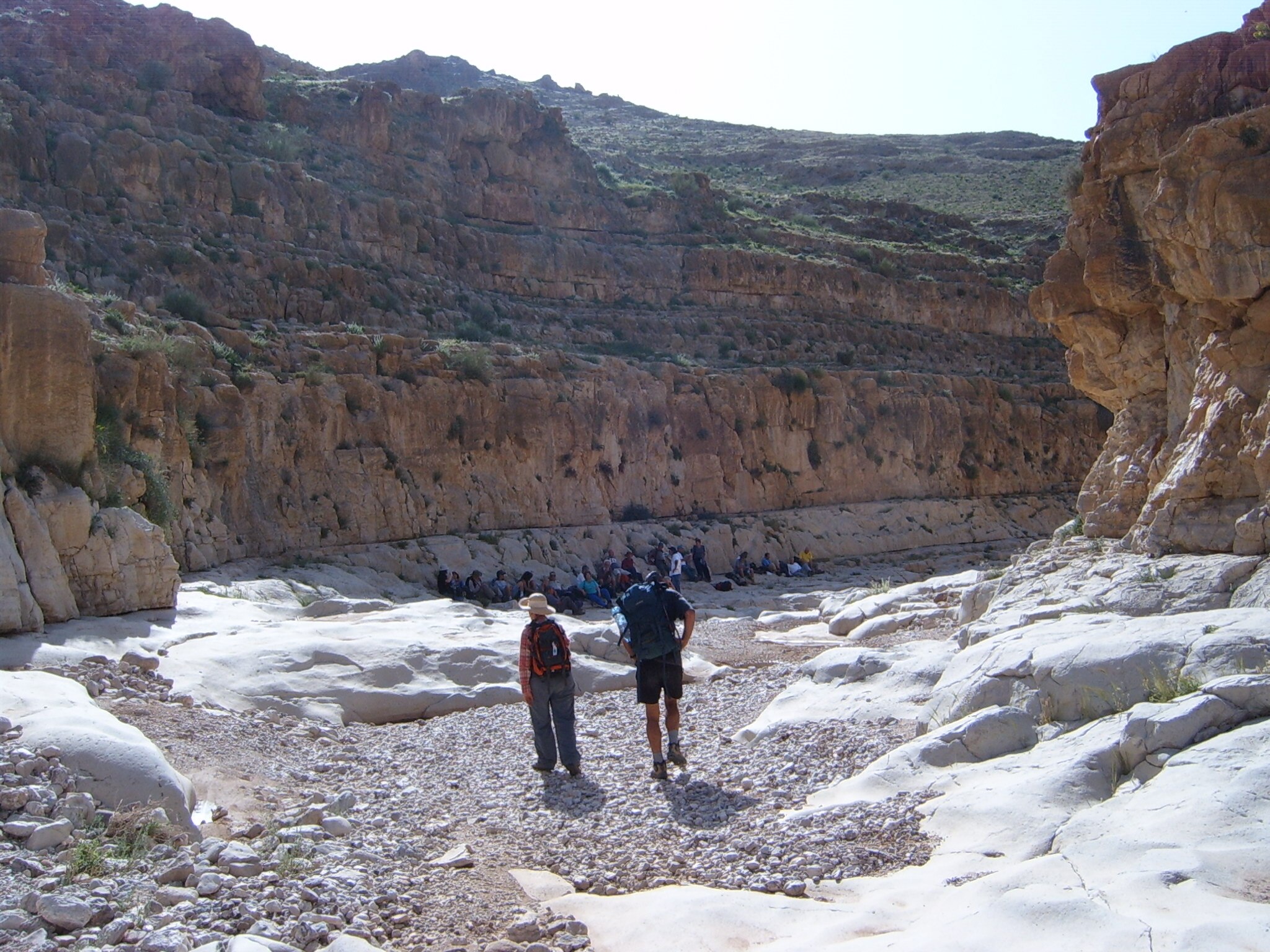
Direct sunlight dramatically accelerates internal overheating, so removing the person from sun exposure is urgent. Move them into natural shade such as trees, cliffs, or canyon walls. If no shade exists, create it using backpacks, clothing, tarps, or emergency blankets. Even small shaded areas reduce radiant heat significantly. Place the person on cooler ground rather than rock or sand, which retain heat. Keep the head, neck, and torso protected from sunlight at all times. This simple step slows further temperature rise and buys precious time for cooling efforts to take effect in a remote survival situation.
Stop All Physical Activity Completely
Physical exertion produces internal heat, even at low intensity. Once heatstroke is suspected, all movement must stop immediately. Continuing to walk or work can push the body past recovery. Have the person sit or lie down in a comfortable position, preferably with the upper body slightly elevated to support breathing. Remove heavy packs and tools to reduce strain. Encourage stillness and calm breathing. Many heatstroke fatalities occur because individuals try to push through symptoms to reach safety. Survival depends on accepting rest as a necessity, not a weakness, and prioritizing cooling over progress.
Begin Rapid Body Cooling
Active cooling is the most effective way to prevent organ damage. Remove excess clothing to allow heat to escape. Apply water generously to the head, neck, armpits, and groin, where large blood vessels run close to the skin. Fan continuously to increase evaporation, using a shirt, hat, or flat object. If a stream or lake is nearby, partially immerse the person while keeping the airway safe. Cooling should be aggressive but controlled. The goal is to lower body temperature quickly without causing shock, using whatever resources are immediately available.
Rehydrate Carefully and Slowly
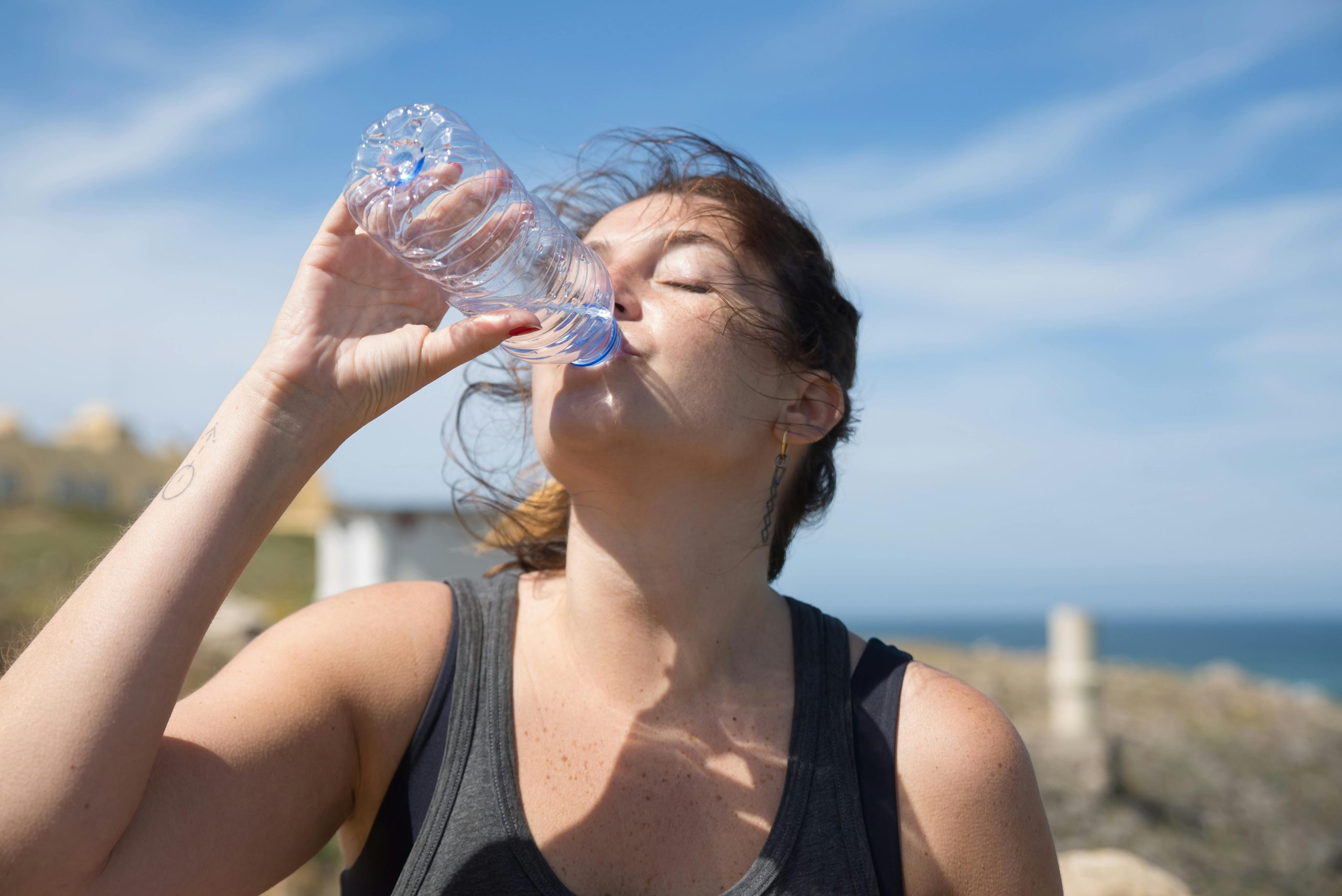
Fluids help restore circulation and support cooling, but must be given cautiously. If the person is alert and able to swallow, offer small sips of water every few minutes. Electrolyte drinks are ideal, but plain water is acceptable in emergencies. Never force fluids, as this may cause choking or vomiting. Avoid alcohol, caffeine, or sugary beverages. If the person is confused, vomiting, or unconscious, do not give anything by mouth. In such cases, focus entirely on cooling and evacuation. Proper hydration supports recovery, but improper intake can worsen the situation.
Loosen Clothing and Improve Airflow

Tight or heavy clothing traps heat and restricts circulation. Loosen belts, collars, boots, and straps immediately. Remove non-breathable layers that block evaporation. Expose skin where appropriate while maintaining protection from insects or sunburn. Position the person where natural airflow can reach them, even if the breeze is light. If the air is still, fan manually to simulate wind. Improving airflow enhances evaporation and heat release, allowing the body to cool more efficiently. These adjustments may seem minor, but they significantly improve cooling effectiveness in the field.
Monitor Mental State Constantly
Mental status is one of the most reliable indicators of heatstroke severity. Regularly assess the person’s awareness by asking simple questions such as their name, location, and time of day. Watch for worsening confusion, agitation, or delayed responses. Sudden drowsiness, shallow breathing, or seizures indicate critical deterioration. Do not allow deep sleep if responsiveness is fading. Continuous observation helps guide decisions about evacuation urgency and treatment intensity. In wilderness environments, mental decline often appears before physical collapse, making close monitoring essential for timely intervention and survival.
Avoid Common Survival Mistakes
Several common actions can worsen heatstroke despite good intentions. Do not encourage walking it off or pushing forward. Avoid wrapping the person tightly, which traps heat. Never use alcohol rubs or extremely cold immersion without proper support. Do not delay cooling while searching for perfect shelter or equipment. Avoid giving painkillers, which stress already vulnerable organs. Every minute matters, and immediate action using available resources is better than waiting. Understanding what not to do prevents accidental harm and keeps the focus on effective, life-saving measures.
Prepare for Evacuation Early
Heatstroke always requires professional medical evaluation, even if symptoms improve. Begin evacuation planning as soon as cooling starts. Identify the fastest route to help, signal locations, or extraction points. Use emergency beacons, radios, or phones if available. Assign group members roles for navigation, monitoring, and signaling. If alone, stabilize first and move cautiously during cooler periods. Improvement in the field does not mean full recovery. Relapse and delayed organ damage are real risks, making evacuation a critical step in long-term survival.
Prevent Heatstroke Before It Happens
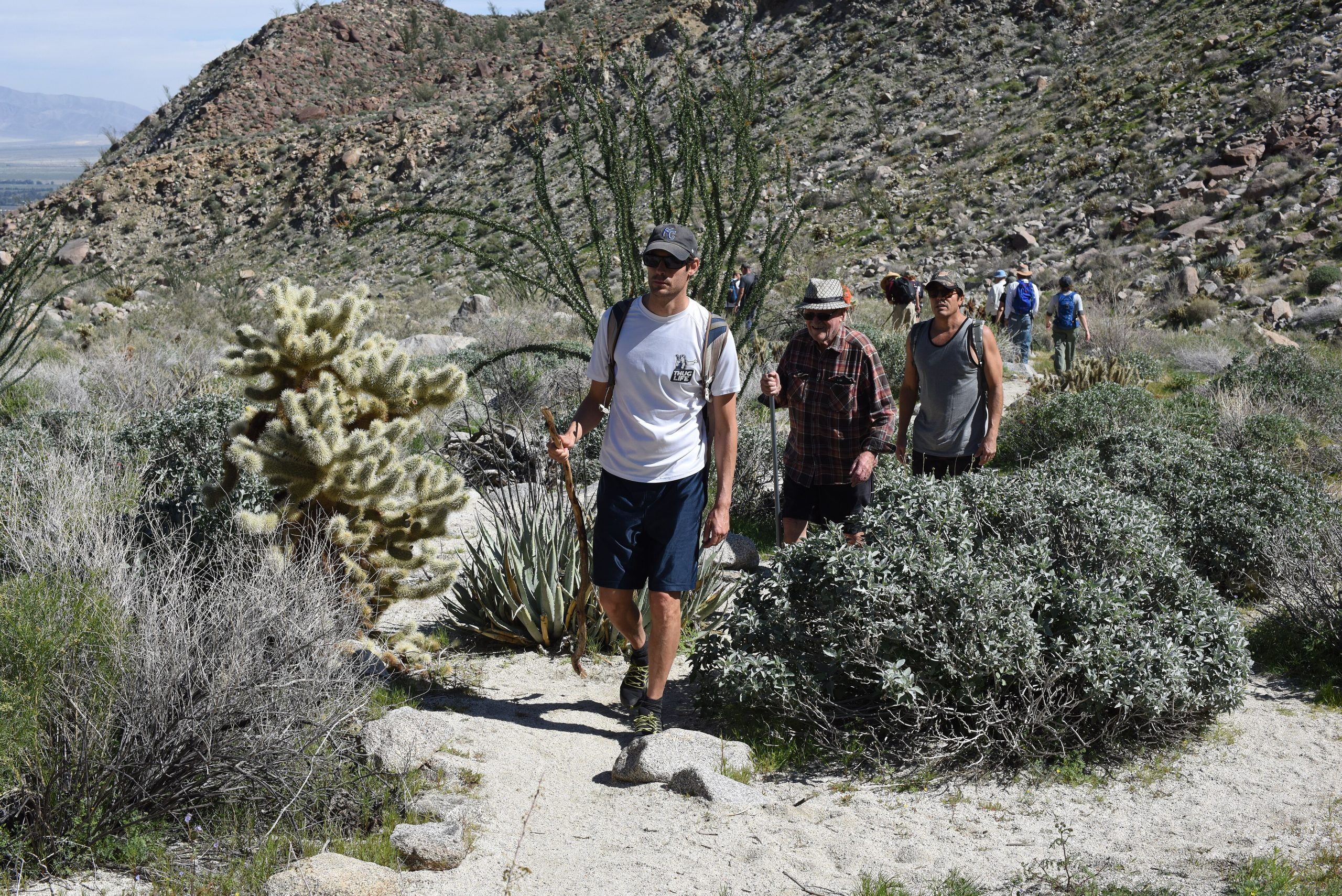
Prevention is the most effective and reliable way to survive extreme heat in the wilderness. Plan travel and physical activity during cooler hours, such as early morning or late evening, whenever possible. Wear loose, light-colored, breathable clothing that reflects sunlight and allows sweat to evaporate efficiently. A wide-brimmed hat and UV protection reduce direct heat absorption. Drink water regularly before thirst appears and include electrolytes to replace lost salts. Take frequent rest breaks in shaded areas and slow your pace as temperatures rise. Gradually acclimate to hot environments over several days instead of pushing hard immediately. Learn your personal warning signs, respect them, and stop early. Smart heat management preserves energy, judgment, and life.