Stormy campsites can turn dangerous faster than most people expect, especially when high winds meet unstable trees. Falling trees are one of the leading causes of serious injuries and fatalities in outdoor storms, often striking without warning and leaving little time to react. Many campers focus on rain, lightning, or flooding, but overlook what’s overhead. Understanding how trees fail, recognizing warning signs, and knowing how to react in seconds can make the difference between a close call and a life-threatening emergency. Survival isn’t about panic or speed alone; it’s about preparation, awareness, and smart decisions made before the storm ever arrives.
Recognize Dangerous Trees Before Setting Camp
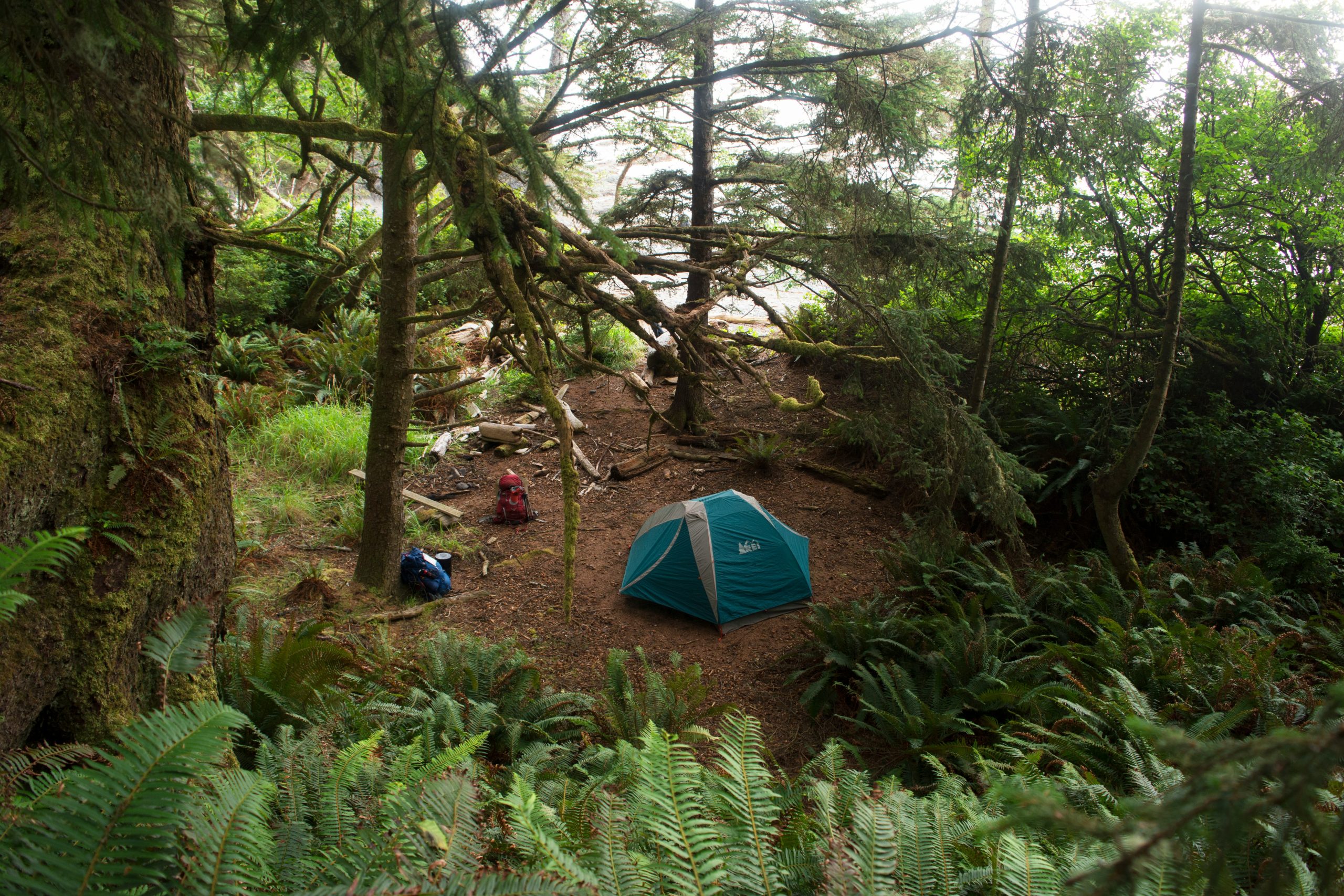
Survival starts long before the storm begins by choosing a safe place to set up camp. Dead trees, known as widowmakers, are especially dangerous because their weakened structure makes them prone to snapping or uprooting in strong winds. Look for cracked trunks, missing bark, heavy lean, exposed roots, or branches hanging loosely overhead. Trees with shallow root systems or those growing in saturated soil are far more likely to fall during storms. Avoid camping downhill from large trees, since falling trunks can slide or bounce. Taking a few extra minutes to evaluate tree health can eliminate most risks.
Read the Weather and Wind Direction Early
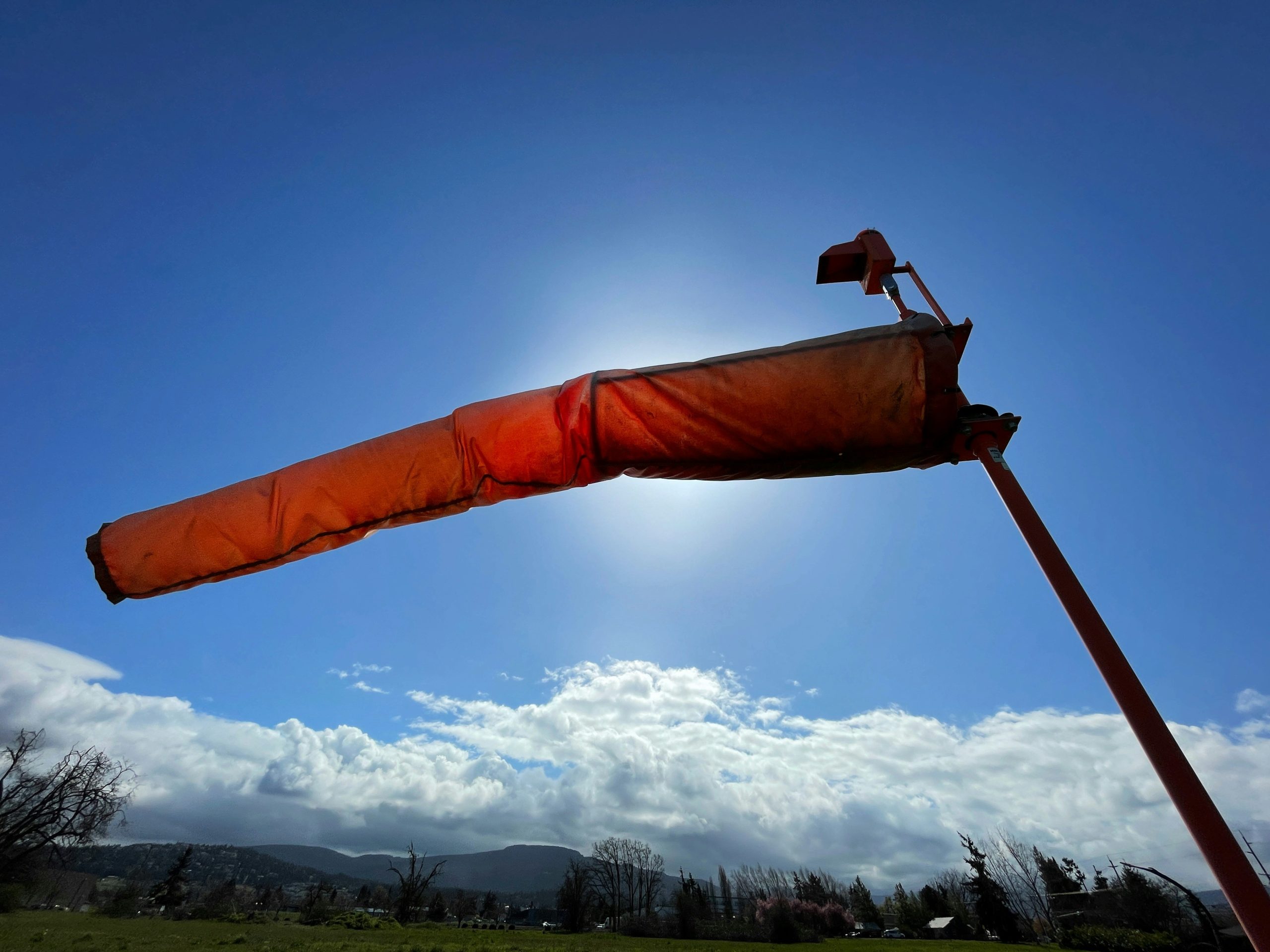
Understanding the weather is critical when storms threaten a campsite. Strong winds are often more dangerous than rain because they determine how and where trees fall. Before a storm arrives, check forecasts for wind speed, gust potential, and direction. Trees usually fall in the direction of sustained wind, not random gusts. Positioning your camp on the leeward side of terrain features like hills or dense brush can reduce exposure. If winds are expected to exceed safe limits, relocating early is far safer than reacting later. Awareness gives you time, and time creates options.
Know the Warning Signs of an Imminent Fall
Trees often give subtle warnings before failing, especially during prolonged storms. Listen for cracking, popping, or groaning sounds coming from trunks or branches, which indicate stress. Watch for sudden shifts in canopy movement, falling bark, or soil lifting near the base. Leaning trees that begin to sway unnaturally should be treated as immediate threats. These signs mean the tree may fall within seconds. Recognizing them early allows you to move away before the situation becomes uncontrollable. Hesitation during these moments can cost valuable reaction time.
Position Tents and Gear for Rapid Escape
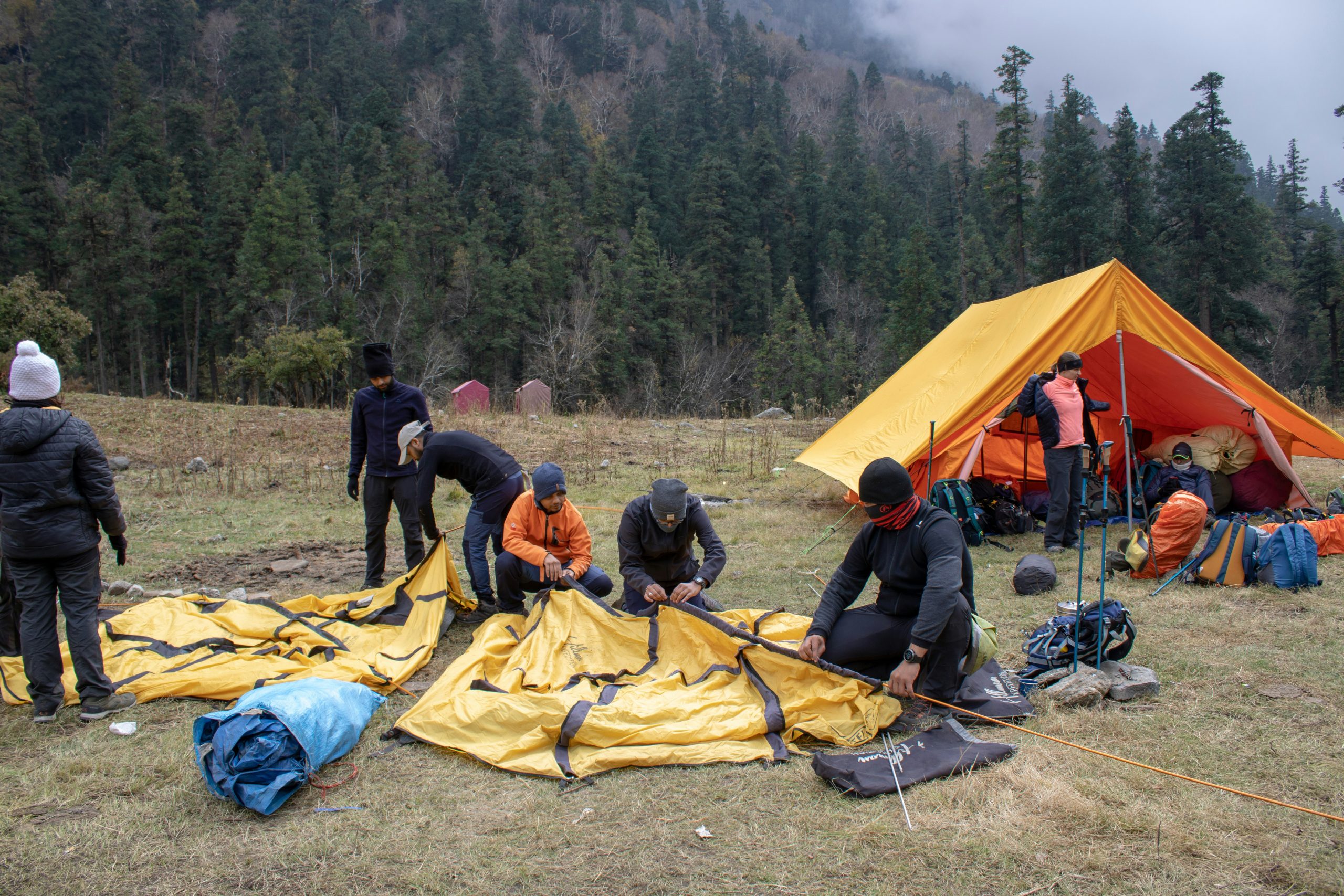
How you set up camp can directly affect your ability to escape danger. Always place tents so exits face open areas rather than dense trees. Keep gear organized and avoid blocking exits with bags or equipment. Shoes, rain jackets, and headlamps should be within arm’s reach at night. In an emergency, fumbling for essentials wastes critical seconds. Clear paths reduce tripping hazards during low visibility and heavy rain. A well-organized campsite allows you to move quickly and calmly if a tree begins to fall nearby.
Move Perpendicular to the Tree’s Fall Path
If a tree begins to fall, instinct may tell you to run away from it, but direction matters more than speed. Trees typically fall in a straight line aligned with wind direction and trunk lean. Moving directly away can still keep you in the danger zone as the trunk or branches extend outward. Instead, move quickly at a right angle to the fall path, increasing distance from the impact area. Even a few steps sideways can significantly reduce risk. Understanding this simple movement principle can save critical seconds when reaction time is limited.
Protect Yourself If Escape Isn’t Possible
Sometimes escape isn’t immediate, especially in tight campsites or sudden collapses. If you can’t move clearly in time, protect vital areas of your body. Curl into a ball, cover your head and neck with your arms, and face away from the falling tree. If possible, get behind solid objects like large rocks or thick logs that can deflect debris. Avoid lying flat, as branches can pin limbs. These actions won’t eliminate danger, but they can reduce severe injury if contact becomes unavoidable.
Avoid Rivers, Slopes, and Saturated Ground
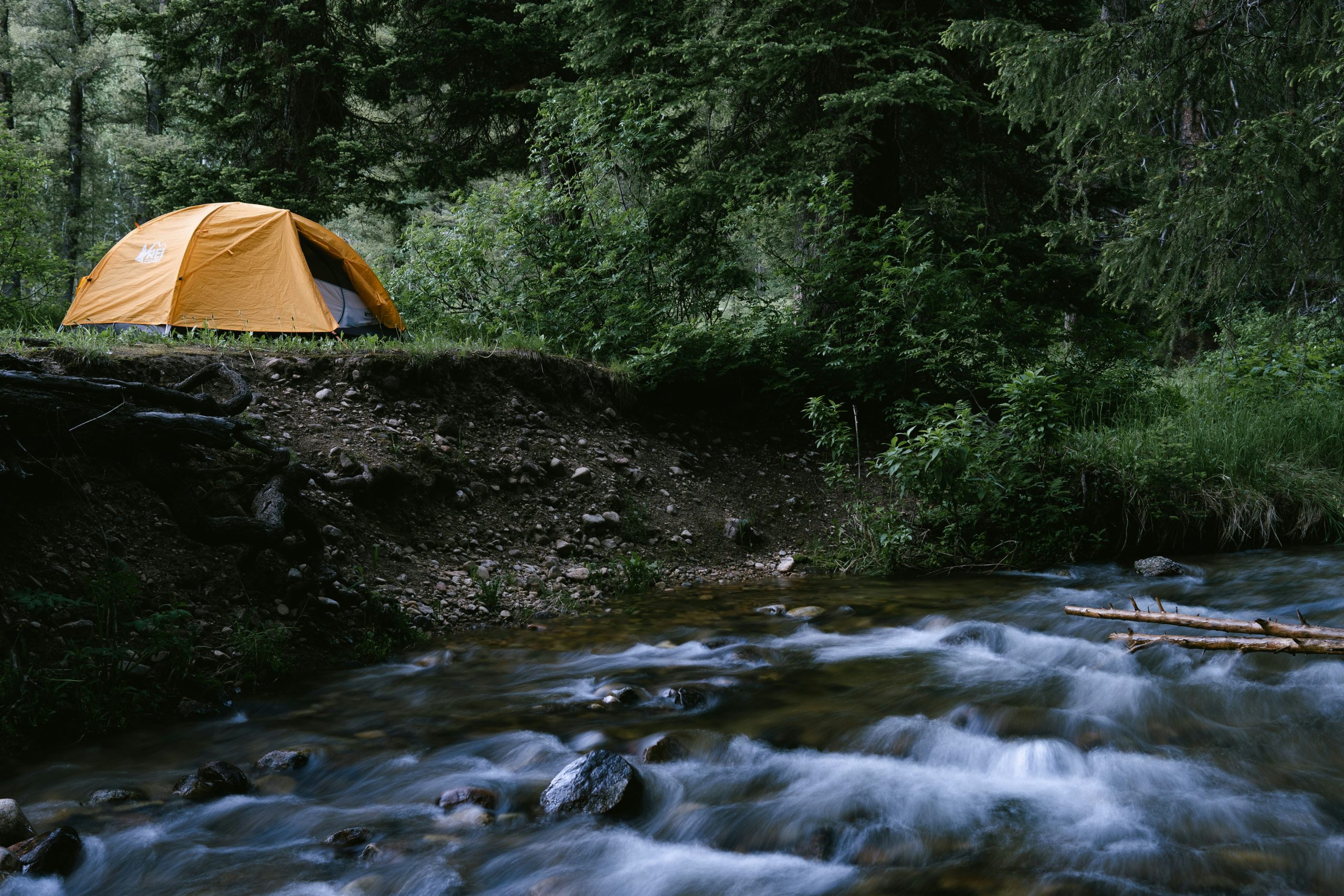
Storm conditions weaken the ground that holds trees upright. Saturated soil reduces root stability, making trees near rivers, creeks, and slopes far more likely to topple. Flash flooding can also undermine root systems rapidly. Campers often choose these areas for convenience or scenery, unaware of the added danger. During storms, higher ground with firm soil is safer. Distance from water and unstable slopes lowers the chance of chain reactions, where one falling tree triggers others nearby. Location choices strongly influence survival odds.
Leave the Campsite if Conditions Continue Worsening
One of the hardest decisions campers face is knowing when to leave. Many injuries happen because people wait too long, hoping conditions will improve. If winds intensify, trees continue shedding branches, or cracking sounds become frequent, it’s time to move. Relocating to a vehicle, shelter, or open area away from trees can drastically reduce risk. Pride or inconvenience should never outweigh safety. Storms don’t follow schedules, and patience can turn dangerous. Leaving early may feel excessive, but it often prevents emergencies that leave no room for correction.
Reassess the Area After the Storm Passes
Surviving the storm doesn’t mean danger has passed. Trees weakened during high winds may fall later without warning. Before resuming normal activity, carefully inspect the area for leaning trees, hanging branches, or freshly disturbed soil. Avoid walking beneath damaged canopies and move camp if hazards remain. Fatigue and relief can lower awareness, increasing post-storm risk. Taking time to reassess helps prevent delayed injuries. Many accidents occur after storms end, when vigilance drops, and hidden dangers remain overhead.