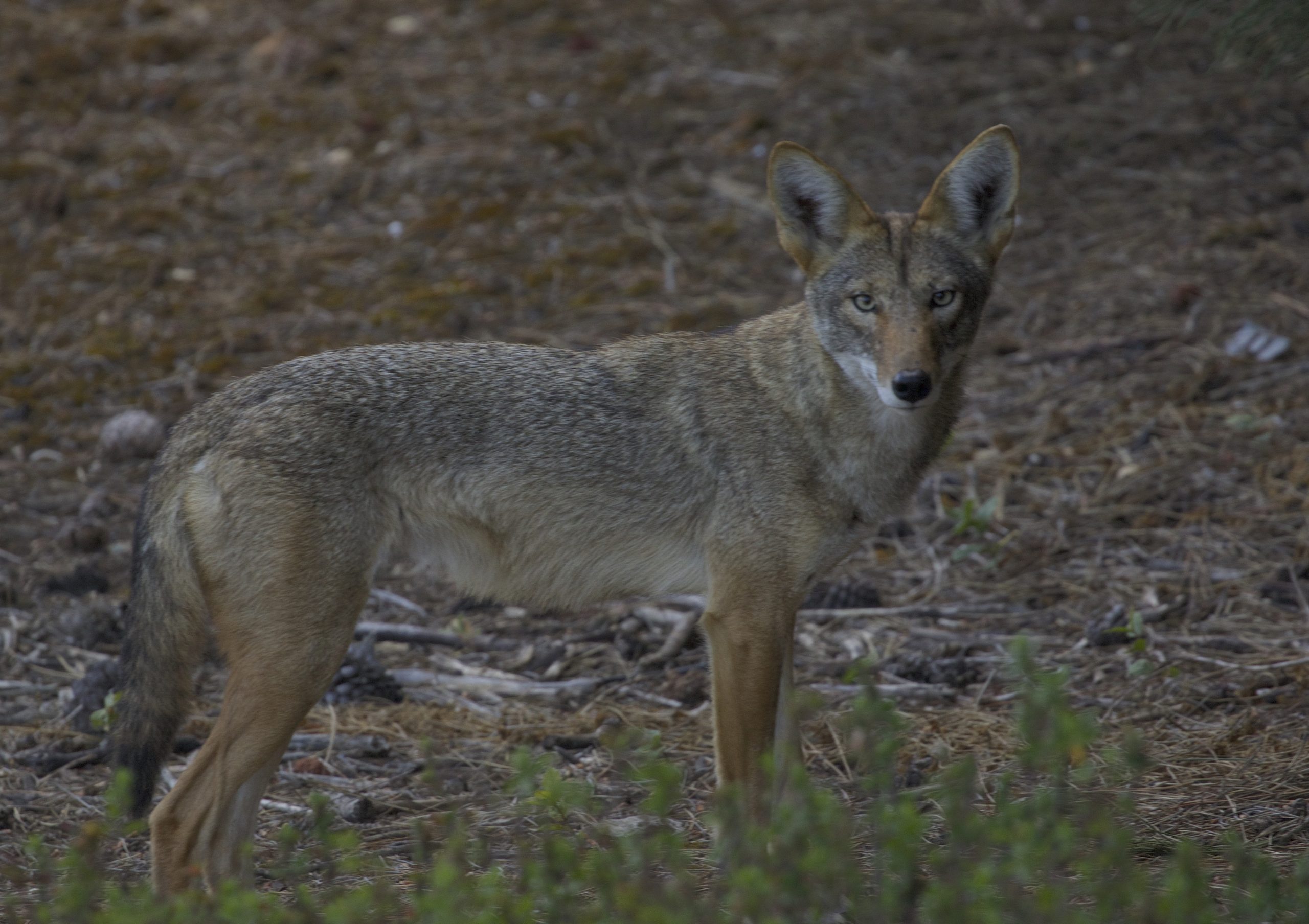
Coyotes are incredibly adaptable creatures that have made their way into suburban and even urban neighborhoods across North America.
With over 19 million coyotes estimated across the continent, encounters near residential areas have grown significantly in recent years.
Many homeowners remain unaware of coyote activity nearby until a pet goes missing or damage appears overnight.
Learning to recognize the early warning signs helps you stay one step ahead and protect your household effectively.
Unusual Track Patterns Appearing Overnight
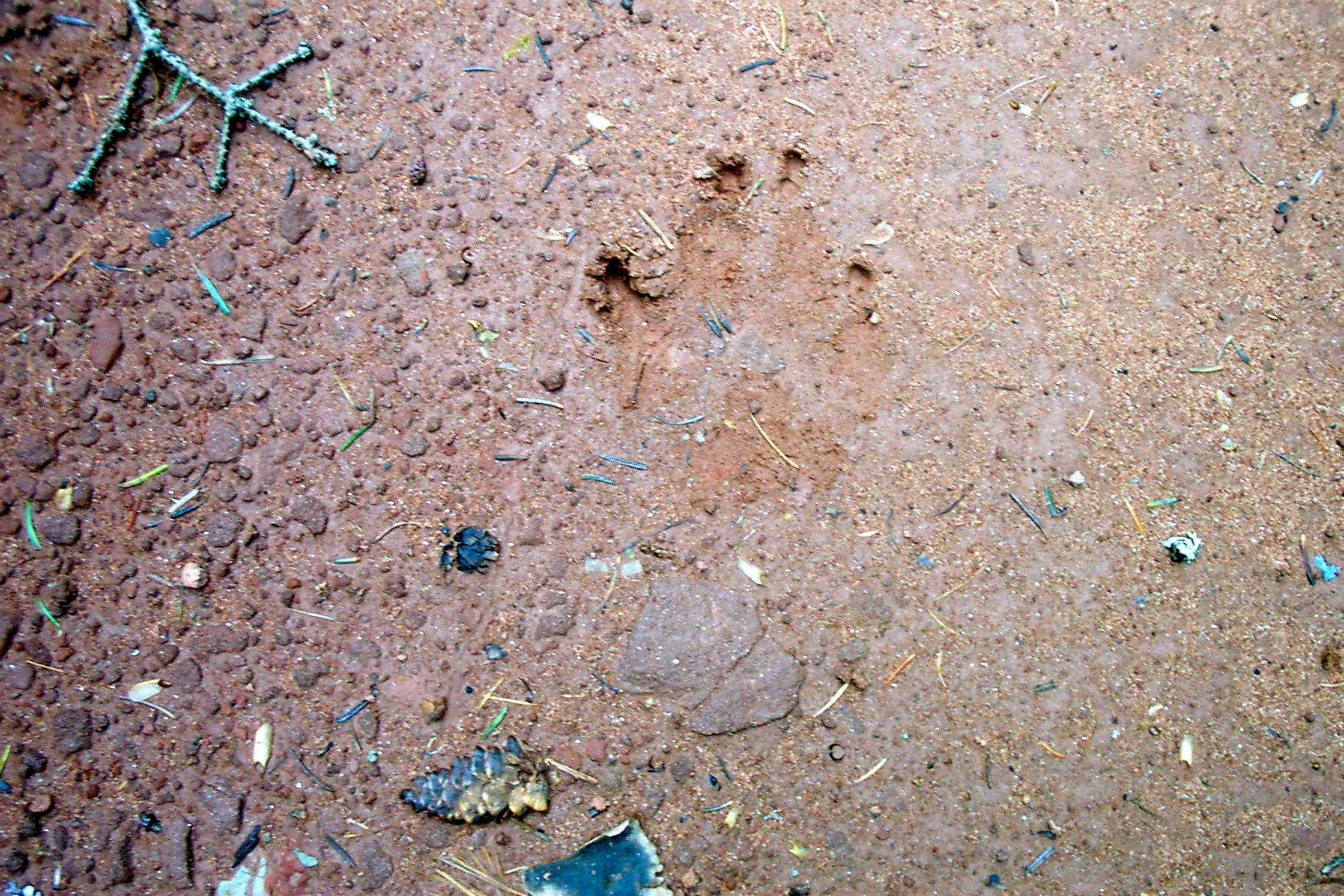
Coyote tracks are one of the most reliable signs of nighttime activity around your yard.
Their prints are oval-shaped, roughly 2.5 inches long and 2 inches wide, closely resembling a medium-sized dog’s footprint.
The key difference is that coyote tracks show a more elongated, narrow shape with claw marks pointing forward in a direct, purposeful line.
Dogs tend to wander and leave scattered prints, while coyotes move in a nearly straight path, often placing their hind foot directly into the front footprint.
Check soft ground, muddy garden edges, or dusty walkways after a quiet night.
A trail of 4 to 6 prints in a tight, linear pattern with roughly 13 to 15-inch stride spacing is a strong indicator of coyote movement along your property line.
Distinct Howling or Yipping Sounds After Dark
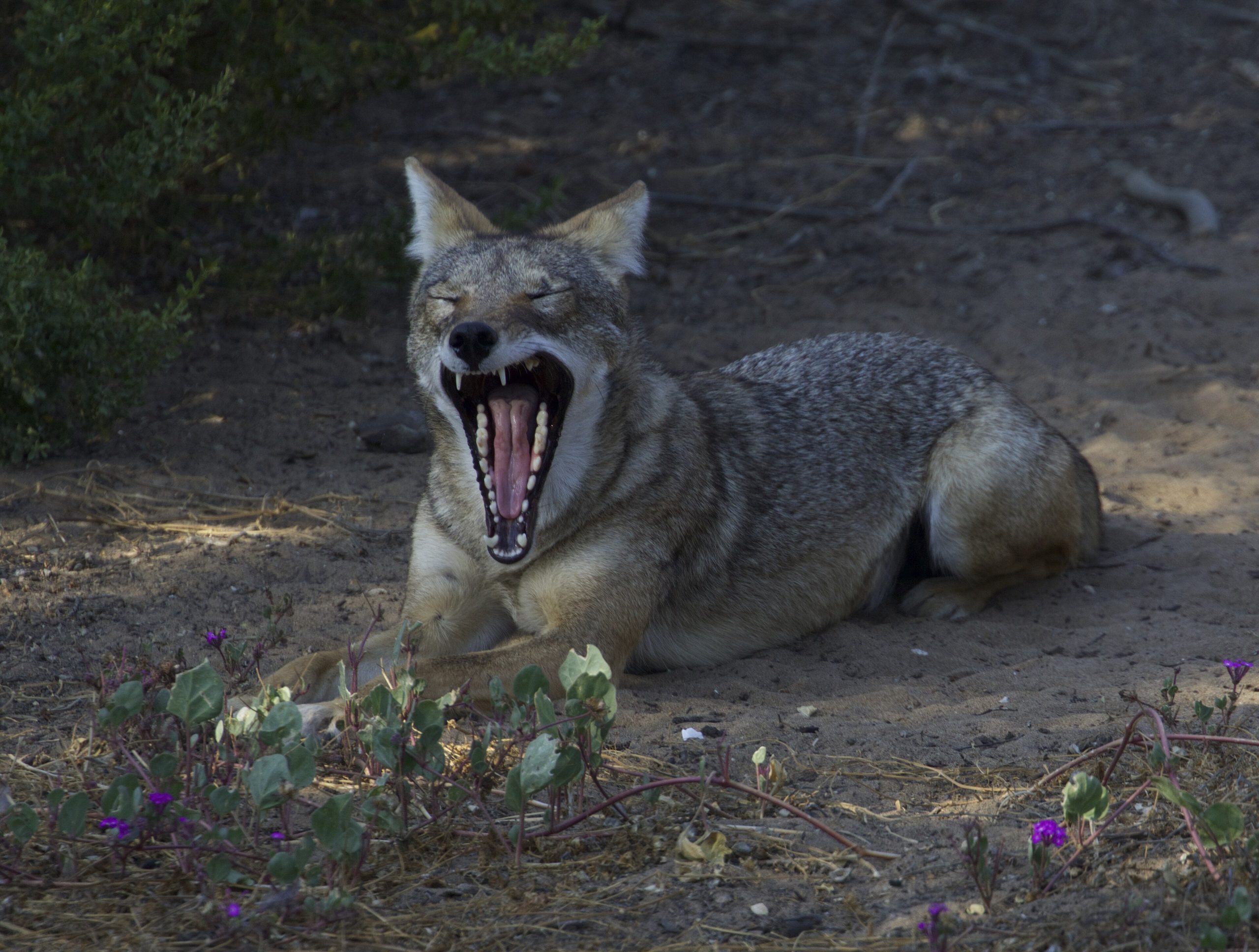
Coyotes are famously vocal, and their nighttime calls are one of the clearest signs of nearby presence.
Their communication includes a sharp bark, a rising howl, and a rapid yip-yip sequence that can sound almost frenzied when the pack joins in.
A single coyote typically howls between 11 PM and 3 AM, with peak activity often recorded around midnight in residential edge zones.
Unlike neighborhood dogs that bark in short bursts and stop, coyote calls often rise and fall in layered, echoing waves that travel over half a mile.
If you hear high-pitched yipping followed by group howling that lasts 30 to 90 seconds, there’s likely a family group within 500 meters of your yard.
Recording the sound on your phone and comparing it to verified coyote calls online can confirm what you heard with surprising accuracy.
Scattered or Disturbed Garbage and Compost
Coyotes are opportunistic scavengers, and a disturbed trash bin is often their calling card.
Unlike raccoons that tend to knock bins completely over, coyotes are more methodical. They’ll pull out specific items, tear open bags, and scatter contents across a 10 to 15-foot radius.
They’re particularly drawn to meat scraps, cooked bones, fruit rinds, and even pet food residue left near the bin.
Studies show coyotes can consume up to 2.5 pounds of food per night when scavenging in suburban areas.
If your compost pile is disturbed, look for signs of digging about 3 to 6 inches deep, where coyotes probe for buried scraps.
Bite marks on plastic bags or torn cardboard with a 1.5-inch fang puncture width are consistent with coyote feeding behavior and clearly distinct from smaller rodents.
Pets Acting Fearful or Refusing to Go Outside
Animals detect danger long before humans notice anything unusual, and your pet’s behavior can be one of the earliest coyote warning signals.
Dogs may suddenly refuse to step into the backyard after dark, growl toward the fence line, or bark aggressively at nothing visible.
Cats that normally roam freely may start hiding indoors for days without explanation.
Research shows domestic dogs can detect predator scent markers from up to 400 meters away, well beyond human sensory range.
If your pet begins displaying this kind of avoidance behavior, particularly between dusk and dawn, it’s worth inspecting the perimeter for other signs.
Horses and backyard chickens often show similar stress behaviors, such as rapid pacing, loud vocalizing, or clustering together, when a coyote is within 200 feet of the enclosure.
Scat Left Along Fence Lines or Pathways
Coyote scat is another highly specific indicator that one has been patrolling your yard.
Their droppings are typically 3 to 5 inches long with a tapered, twisted end and a diameter of roughly 0.75 to 1 inch, noticeably larger than cat feces but more rope-like than dog waste.
Coyotes often deposit scat deliberately along territory boundaries such as fence lines, pathway edges, or near shrubs to mark their range.
You may find fur, berry seeds, insect fragments, or small bone shards inside, reflecting their wildly varied diet.
Scat placed repeatedly in the same location over 3 to 7 days suggests a coyote has established a patrol route through or around your property.
Wear gloves when inspecting, as coyote feces can carry parasites, including Echinococcus tapeworms, which are transmissible to humans in rare but documented cases.
Digging Activity Along the Yard Perimeter
Coyotes frequently dig under fences or along garden edges while searching for food, shelter, or entry points.
Unlike mole or gopher damage that appears as raised tunnels, coyote digging creates wide, shallow scrapes roughly 6 to 12 inches across with loose dirt pushed outward.
A coyote trying to access a fenced yard will often dig a trench 4 to 8 inches deep along the base of the fence at a low or vulnerable section.
You may also notice digging near rodent burrows, as coyotes actively hunt mice and voles and will excavate up to 18 inches to chase prey underground.
If flower beds or vegetable garden borders show fresh overnight disturbance without surface tracks from smaller animals, a coyote is a likely culprit.
Reinforce suspected dig zones with L-shaped wire mesh extending 12 inches underground to prevent repeated access attempts along the same stretch.
Damage to Small Livestock or Missing Poultry
One of the most alarming indicators of coyote activity is unexplained loss of backyard poultry or small animals.
Coyotes typically hunt between 10 PM and 5 AM and are known to take chickens, ducks, rabbits, and small goats, often carrying prey entirely away rather than feeding on-site.
Unlike fox attacks that leave feathers scattered near the kill zone, a coyote strike often leaves little trace, as they carry prey in their mouths with a 200-pound bite efficiency.
Coyotes have been documented targeting poultry enclosures up to 3 times per week once a reliable food source is identified within their 10 to 15-square-mile home range.
Check enclosure walls for bent wire, chewed wood edges, or claw scrape marks about 18 to 24 inches from the ground.
A single coyote can consume an average of 1 to 3 pounds of meat per successful hunt, making poultry pens a particularly attractive nighttime target.
Motion-Sensor Lights or Cameras Triggering at Night
Modern security tools can passively confirm coyote presence without requiring you to be outside after dark.
Coyotes typically trigger motion sensors between 9 PM and 4 AM, with activity peaking around 1 to 2 AM in suburban fringe areas, according to urban wildlife tracking studies.
If your motion-activated light is flashing repeatedly toward the yard’s far edges or along the back fence line, that zone deserves immediate camera attention.
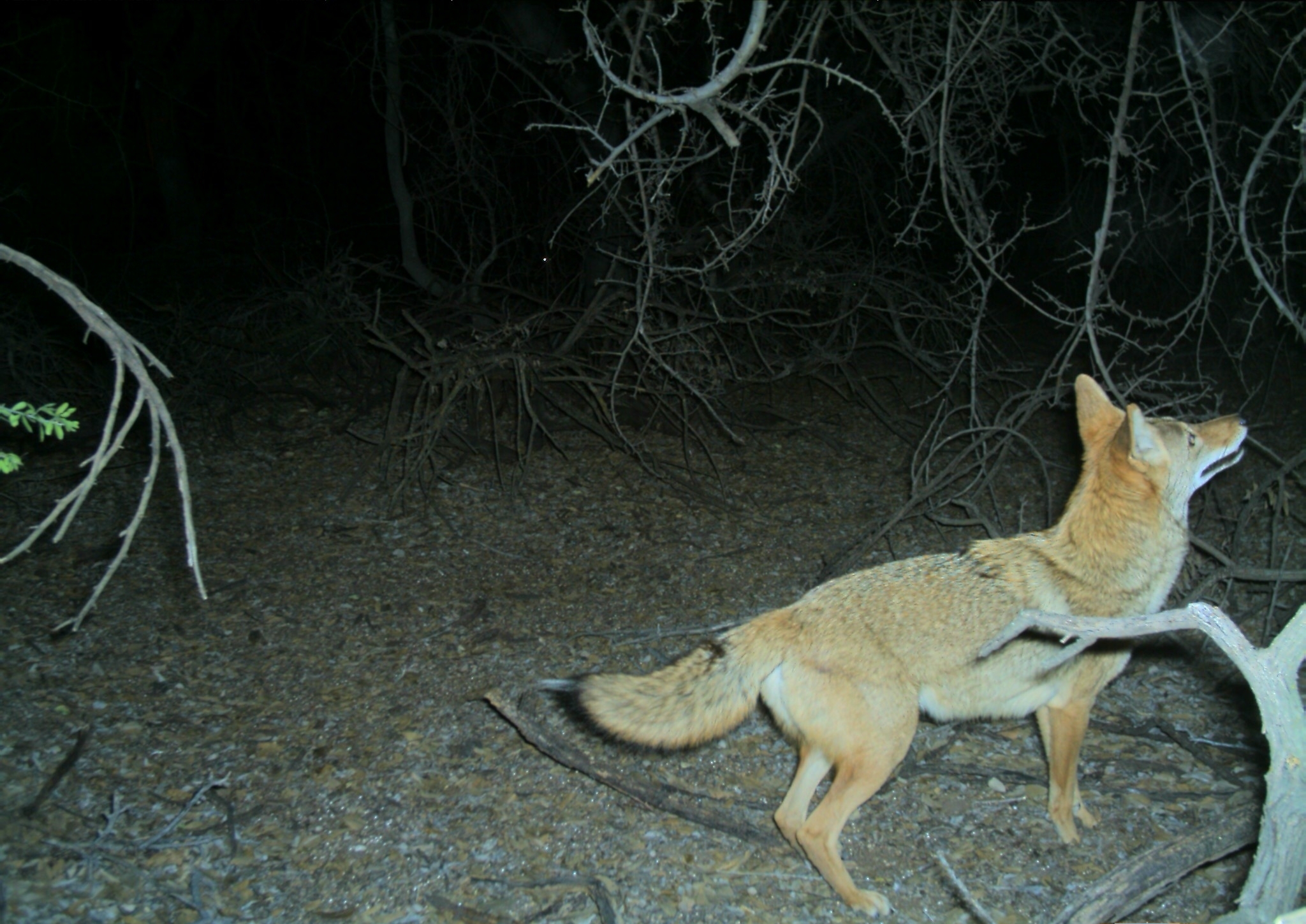
Trail camera footage reviewed by wildlife researchers consistently shows coyotes moving in a low, trotting posture with their tail held downward, unlike stray dogs that typically carry their tail higher.
Position cameras 18 to 24 inches from the ground at fence corners or near known disturbance zones for the clearest identification shots.
A coyote caught on camera on two or more consecutive nights in the same corridor confirms an established patrol pattern that likely won’t self-resolve without deterrent action.