Choosing a bushcraft campsite often seems simple at first glance, but small environmental cues can reveal more about the land than most people expect. Soil color is one of the most reliable indicators of moisture, drainage, and long-term stability in the wild. By paying attention to these subtle differences, campers can avoid hidden saturation, weak ground, and places that may flood during storms. Soil color gives clues about elevation, underground water, and how the terrain behaves after rain, helping bushcrafters select a safer, more comfortable camp.
Dark Brown Soil
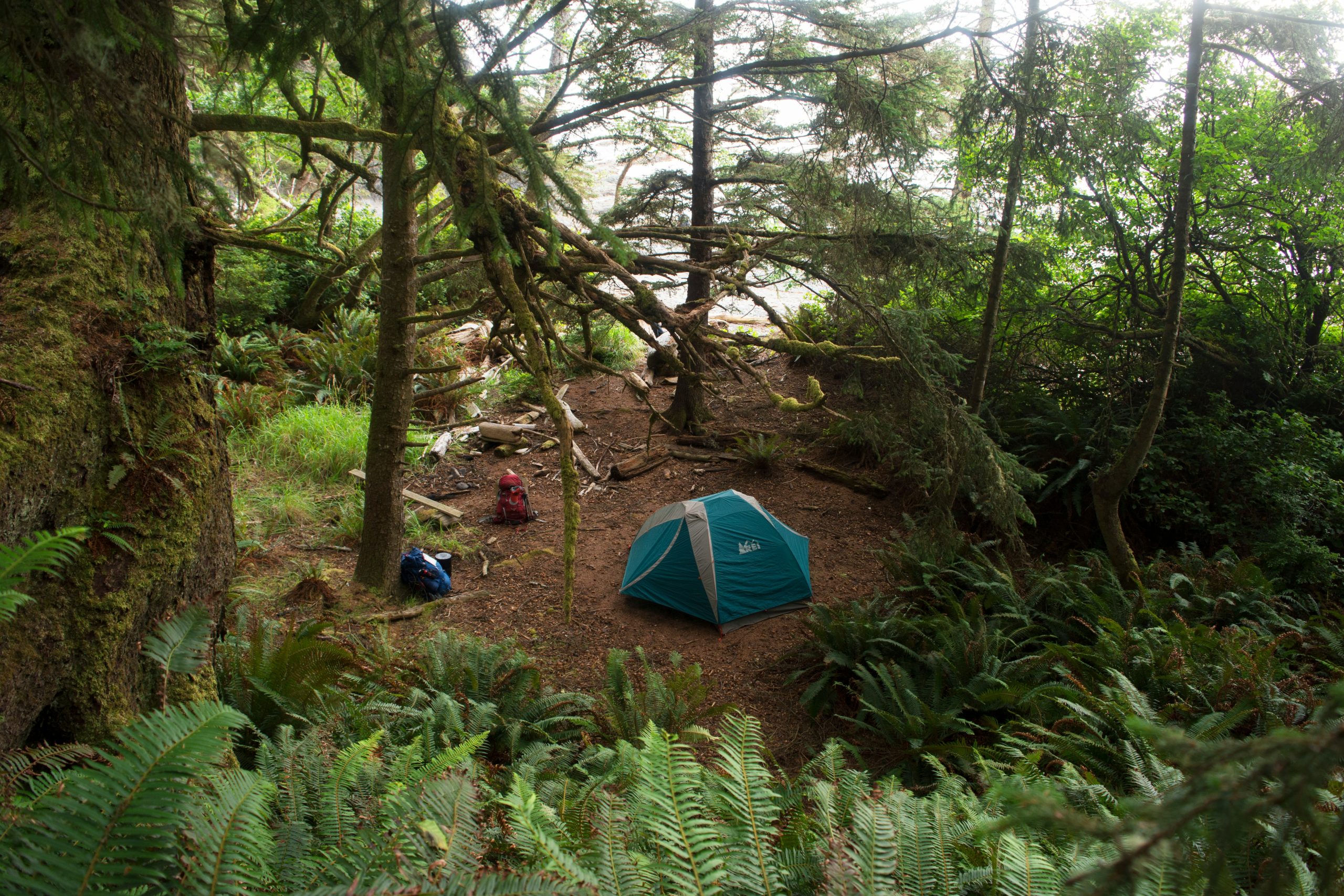
Dark brown soil usually forms in areas rich in decaying organic matter, which traps moisture and keeps the ground cooler than the surrounding terrain. While it provides fertile conditions for plant growth, it often retains water long after rainfall, leaving the surface soft and slow to dry. This can affect how well a shelter holds, especially when using stakes for tents or tarps. Campers should test firmness before settling, since dark brown soil may create condensation beneath gear and attract insects that prefer damp, shaded ground.
Light Brown Soil
Light brown soil signals well-balanced conditions where moisture does not accumulate excessively, and drainage remains steady. Its moderate organic content creates firm ground that rarely becomes waterlogged, even after moderate rainfall. This makes it one of the most dependable soil types for establishing camp, offering stable footing for shelters, fire pits, and cooking setups. The surface typically stays dry enough to prevent dampness from creeping into sleeping gear. Bushcrafters seeking a long-term, comfortable site often rely on this steady, predictable soil color.
Reddish Soil
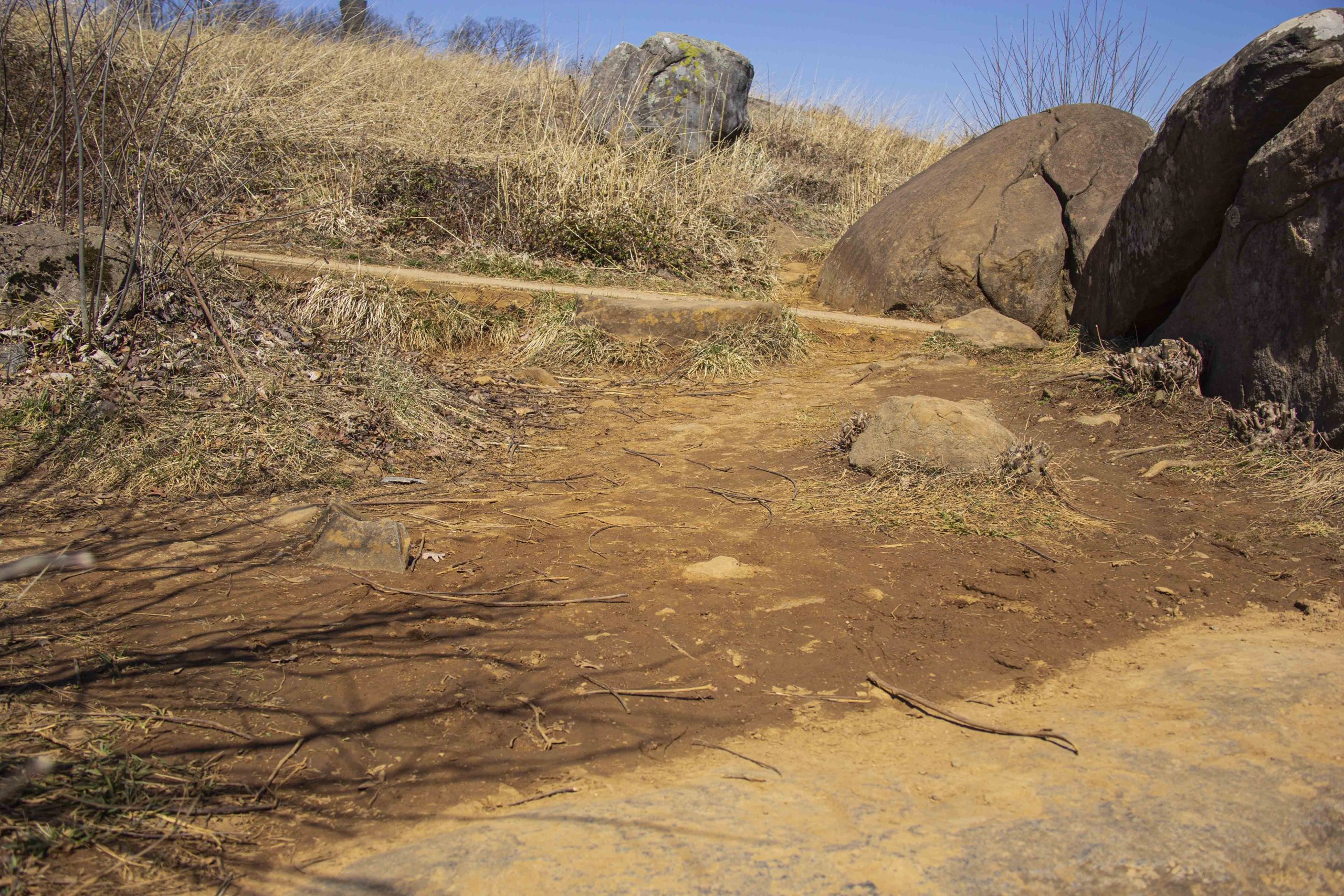
Reddish soil appears where iron minerals oxidize, producing firm ground that holds structure even during wet conditions. Its compact nature resists erosion and usually drains better than dark, organic-rich soils. For campers, this means reliable support for shelters, raised beds, and fire setups. However, once saturated, reddish soil can become slick due to its fine particle texture. While it remains structurally strong, the footing may be uncertain after a storm. Even so, its color consistently points to resilient terrain ideal for stable, long-lasting bushcraft camps.
Gray Soil
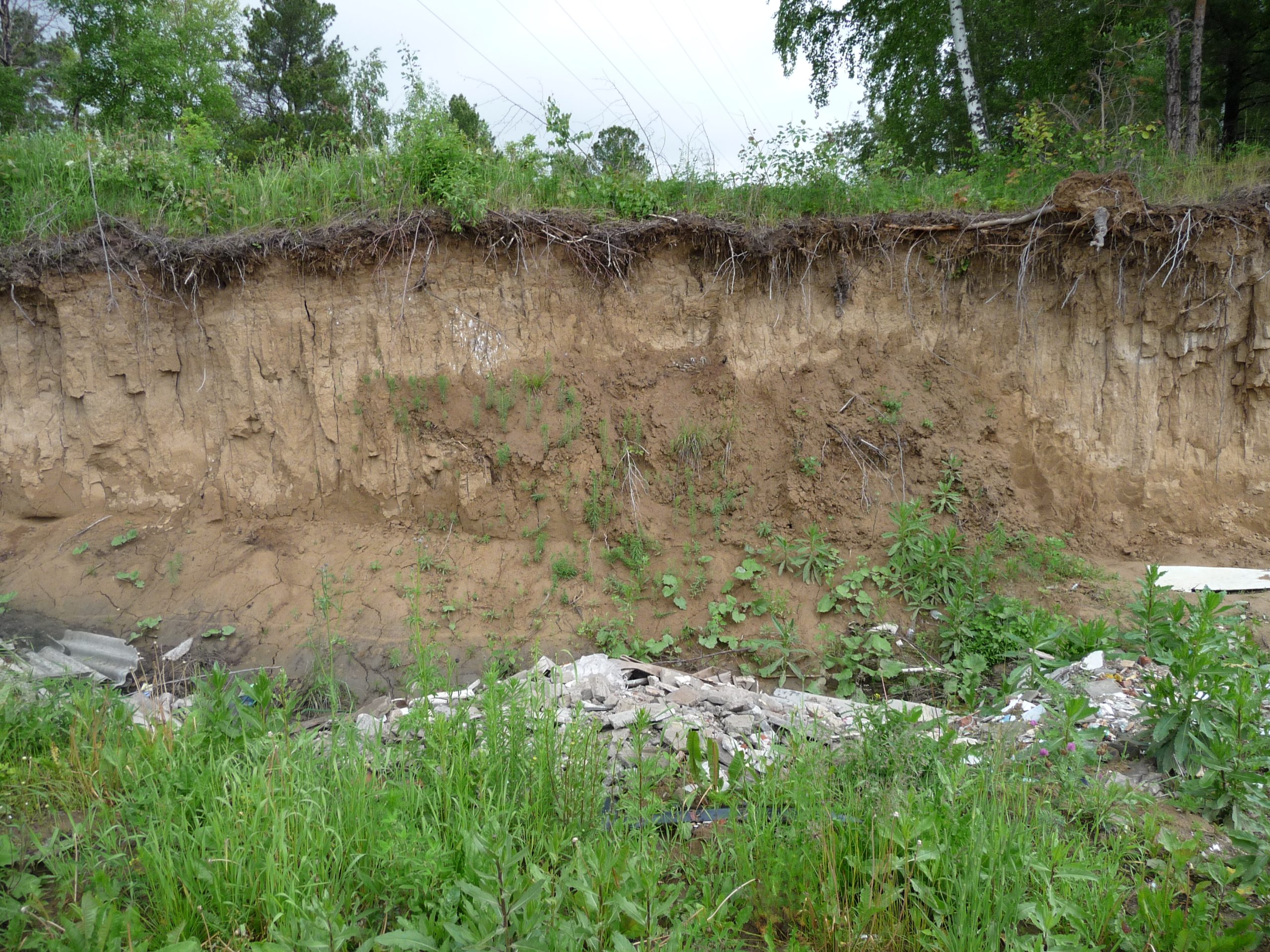
Gray soil generally forms in low-lying places where water collects and drains slowly, creating a dense, cool environment beneath the surface. These areas often stay damp long after other ground has dried, making them less suitable for tents or fire pits. The soil’s limited oxygen content encourages moss, mold, and insect activity, which can make a campsite uncomfortable or unhealthy. Because gray soil typically marks zones with chronic saturation, bushcrafters should avoid these patches, especially during wet seasons or when storms are likely.
Black Soil
Black soil develops from heavy organic decay, forming a nutrient-rich but often saturated surface. While excellent for plant growth, its spongy texture can complicate camp setup by causing stakes to loosen and shelter supports to shift. Moisture often lingers just beneath the top layer, even when the ground appears dry, increasing the risk of waking up to damp sleeping gear. This soil also stays cooler than the surrounding terrain, attracting insects that prefer moist conditions. For bushcraft camping, black soil is best reserved for gathering nutrients rather than sleeping on.
Yellowish Soil
Yellowish soil typically contains low organic matter and weak structural bonding, which increases its susceptibility to erosion. Campers often find it crumbly or dusty when dry, then sticky and unstable when wet. Because it lacks the firmness needed to secure stakes, building long-term shelters on this soil can be challenging. Although it may not indicate immediate danger, the unpredictable way yellowish soil responds to changes in weather makes it less reliable for bushcraft camps. It is workable but requires more maintenance and caution than sturdier soil types.
Whitish or Pale Soil
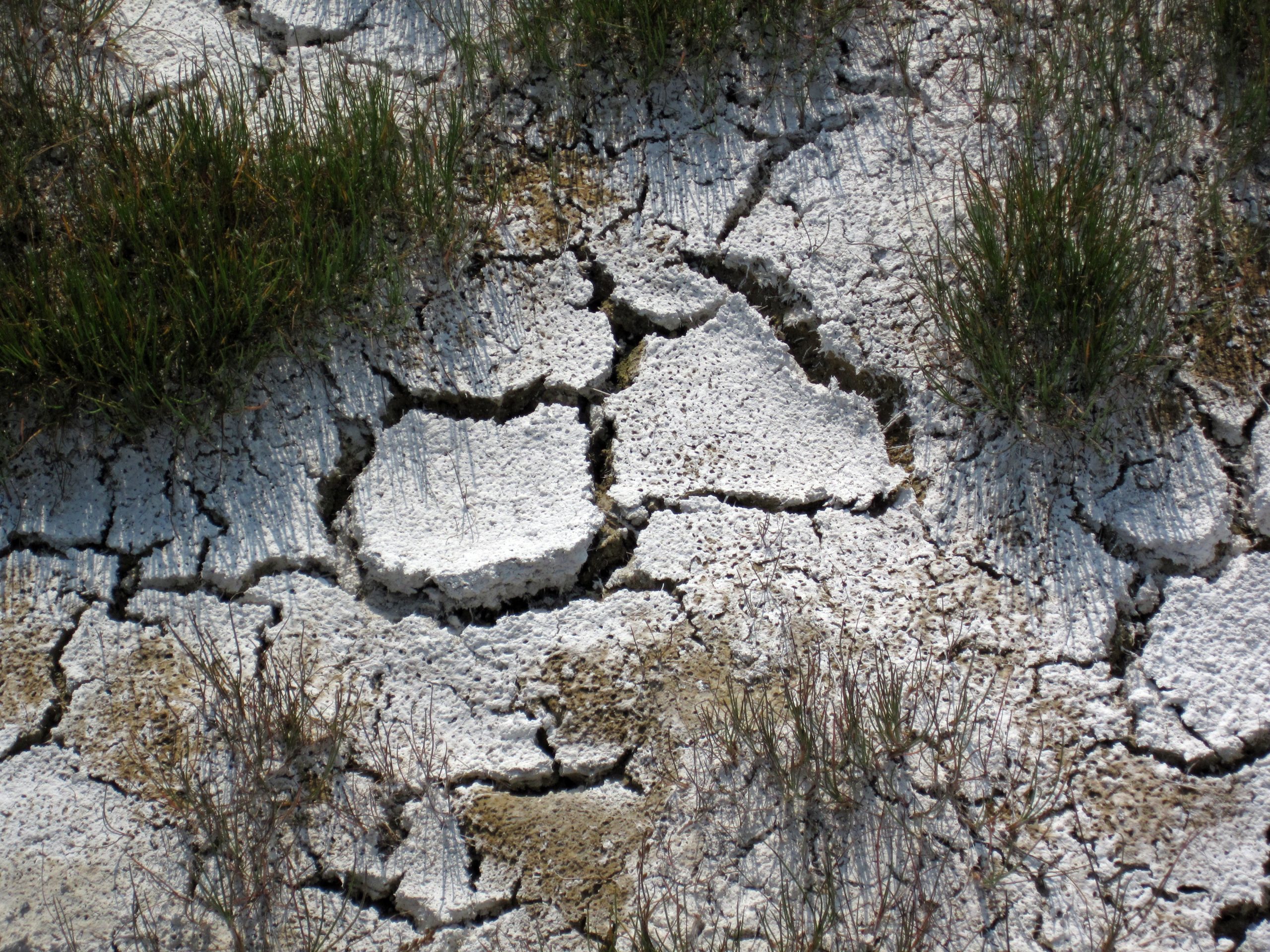
Whitish or pale soil often points to sandy terrain with rapid drainage and minimal cohesion. While its dryness can feel comfortable at first, the lack of structure poses challenges for shelter stability, as stakes may loosen or shift overnight. Fire pits can collapse without careful reinforcement, and wind may scatter loose sand around the campsite. Although this soil type rarely retains moisture, it demands additional preparation to keep gear secure. Campers who choose pale, sandy areas must anchor equipment firmly to avoid unexpected nighttime issues.
Dark Patches in Mixed Soil
In areas where soil color changes abruptly, darker patches often signal hidden moisture pockets or decaying vegetation beneath the surface. These spots may feel firm initially but soften unexpectedly when stepped on, making them unreliable for tents or fire pits. Even small patches can indicate subsurface saturation that spreads after rain, creating uneven footing around camp. Identifying these variations helps campers avoid areas that could become muddy or spongy overnight. Choosing uniform, consistently colored soil offers better long-term stability and comfort for bushcraft living.
Soil Color Gradients
Gradual transitions in soil color reveal subtle shifts in elevation that influence drainage and moisture distribution. Lighter soil generally forms on higher, drier ground, while darker tones accumulate in lower, wetter zones. Reading these gradients helps campers distinguish between safe, well-drained spots and areas likely to collect runoff during storms. This technique is especially useful in forested environments where terrain contours are difficult to see. By selecting the slightly elevated, lighter-colored ground, bushcrafters can reduce the risk of waking up to unexpected pooling water.
Soil Staining Patterns
Linear streaks, dark ribbons, or discolored bands in otherwise uniform soil usually mark places where water flows during heavy rain or seasonal melt. These natural stains act like maps showing the landscape’s drainage history, even when the ground appears dry. Setting camp in these channels increases the risk of unexpected flooding or soggy conditions after a storm. Recognizing and avoiding these patterns helps bushcrafters choose locations unlikely to experience water movement. Staying clear of these hidden pathways ensures safer, more dependable camp placement.