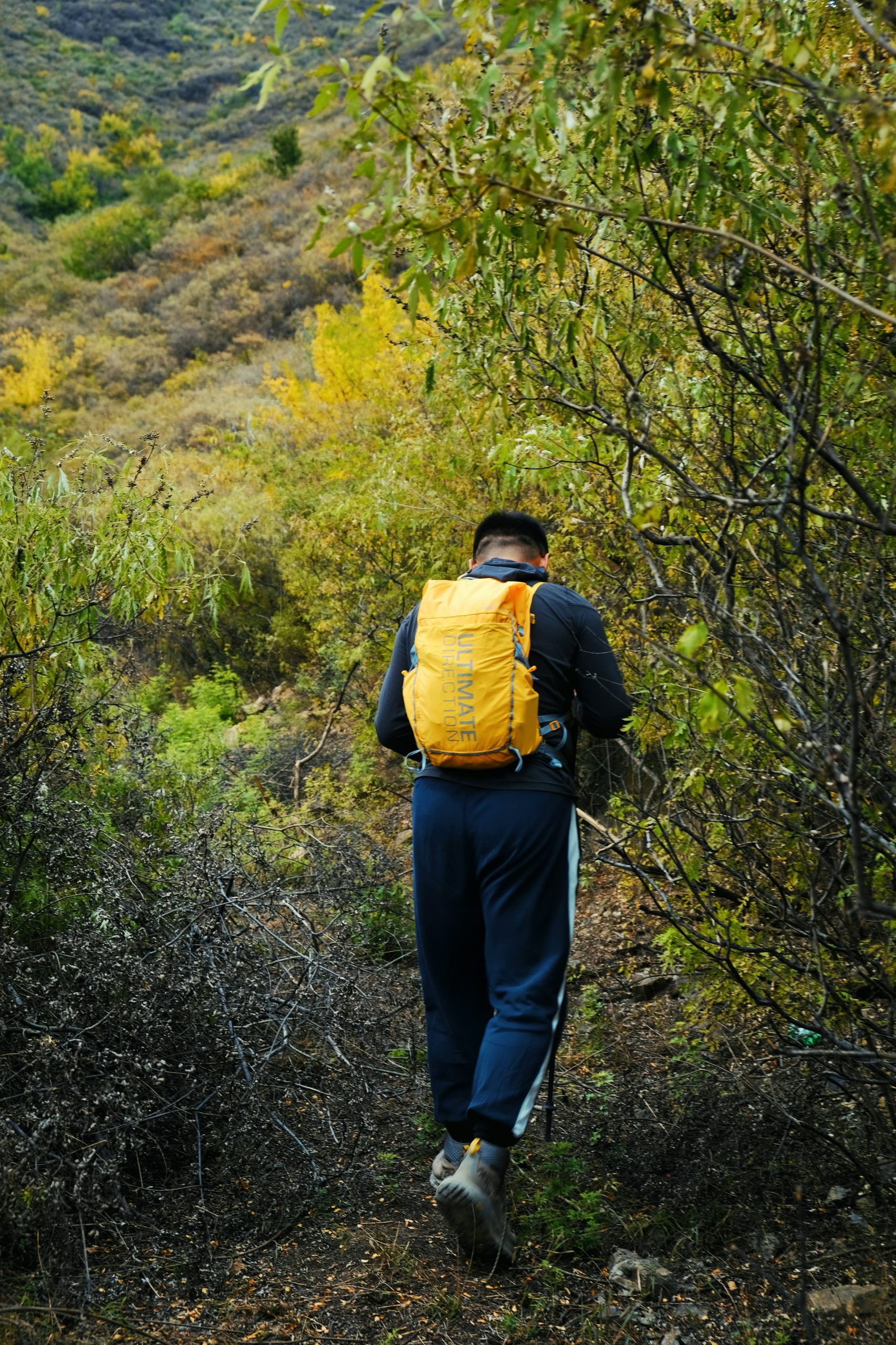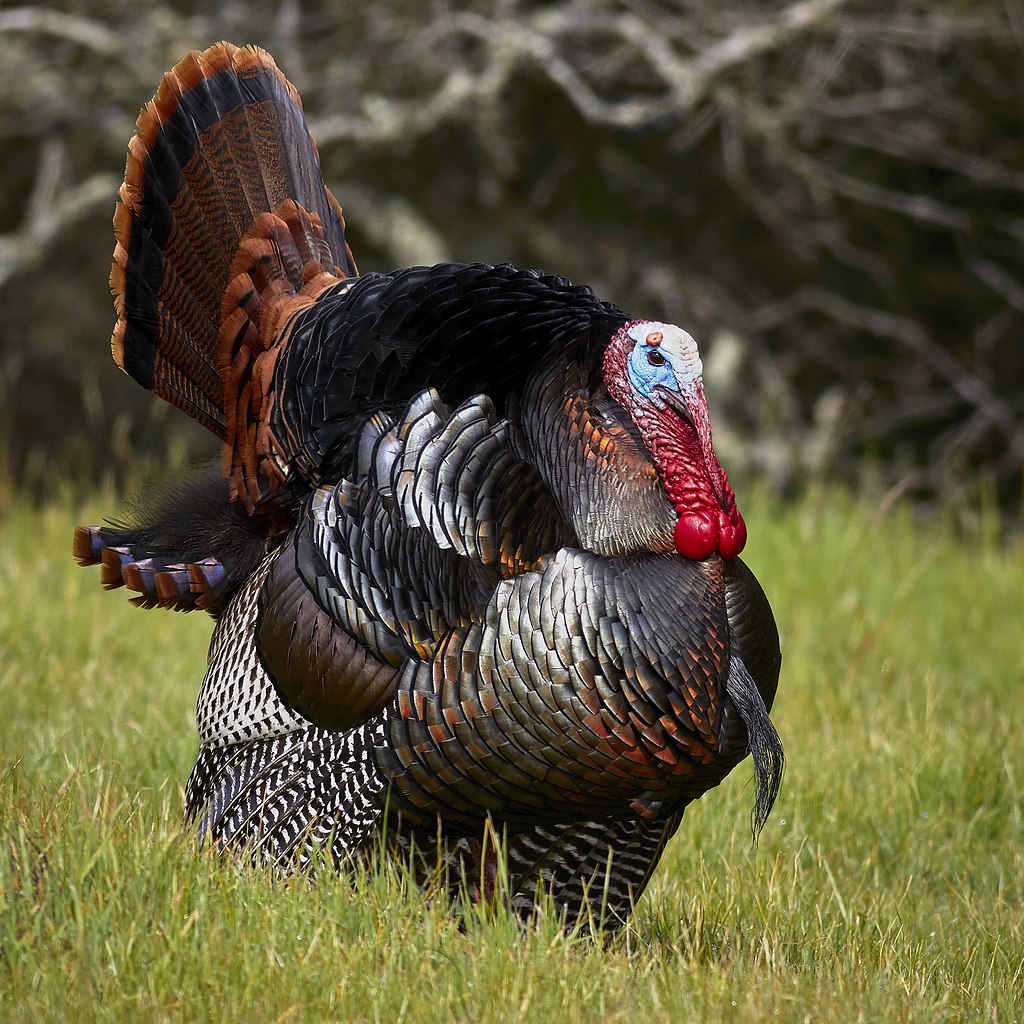
Turkey hunting demands frequent movement through uneven terrain, tight cover, and changing setups during long mornings afield. Shotgun weight and balance quietly shape how hunters move, shoulder, and stay steady throughout the hunt. A poorly matched firearm increases fatigue, noise, and missed opportunities. Conversely, thoughtful weight distribution improves comfort, control, and responsiveness. Understanding these factors helps hunters navigate woods efficiently and react smoothly when birds appear unexpectedly. Mobility often determines success, especially during run and gun styles favored across many regions. This discussion explains how weight and balance influence movement, readiness, and endurance in hunting.
Overall Shotgun Weight
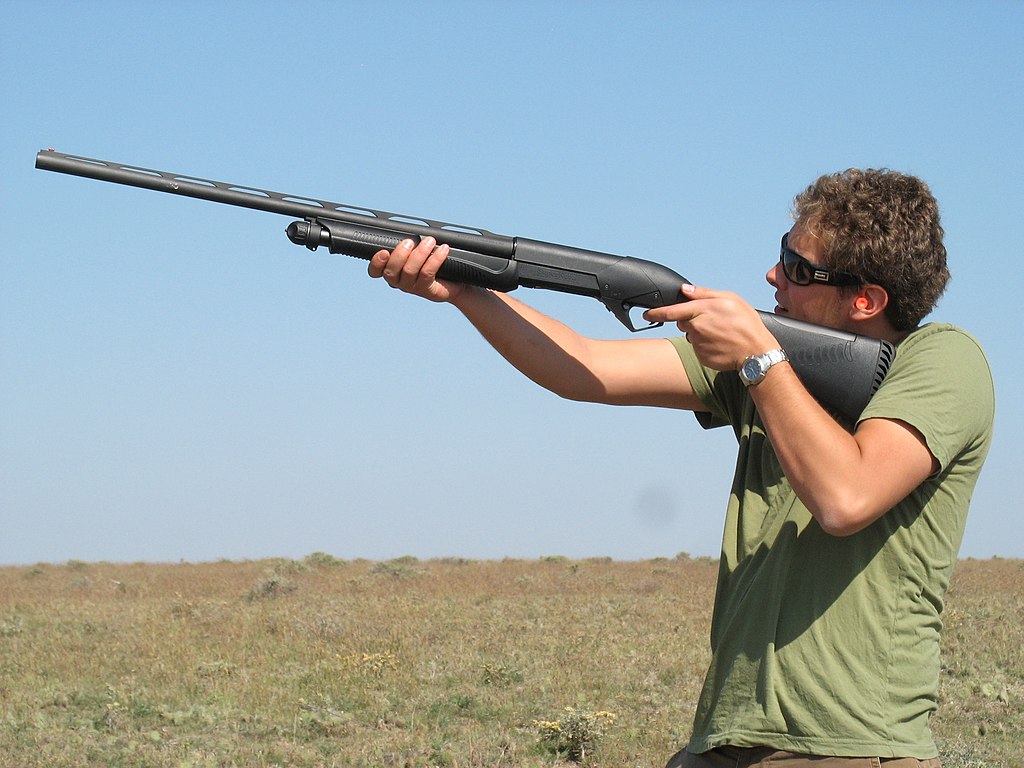
Overall shotgun weight directly affects how easily hunters cover ground during turkey season. Lighter shotguns reduce fatigue when walking miles between setups. They allow quicker repositioning after missed opportunities or changing bird movement. Heavier guns provide stability but demand more effort over time. Weight also influences how quietly a hunter moves through brush. Excess weight increases stumbling risk and noise. Choosing appropriate weight balances endurance with control. For mobile turkey hunters, manageable weight supports longer hunts without compromising responsiveness when a shot opportunity finally appears. Late morning pursuits especially benefit from reduced load during spring.
Balance And Handling
Shotgun balance determines how naturally the firearm swings and settles during quick engagements. A well balanced shotgun feels lighter than its actual weight. Balance affects shouldering speed when a turkey appears suddenly. Forward heavy designs stabilize aim but slow movement. Rear heavy guns move quickly but can feel unstable. Neutral balance supports smooth tracking and steady mounting. It also reduces arm strain during extended carries. In run and gun turkey hunting, proper balance improves agility, control, and confidence when navigating tight timber and reacting to fast changing bird behavior. Across varied terrain and cover types.
Carry Fatigue And Endurance
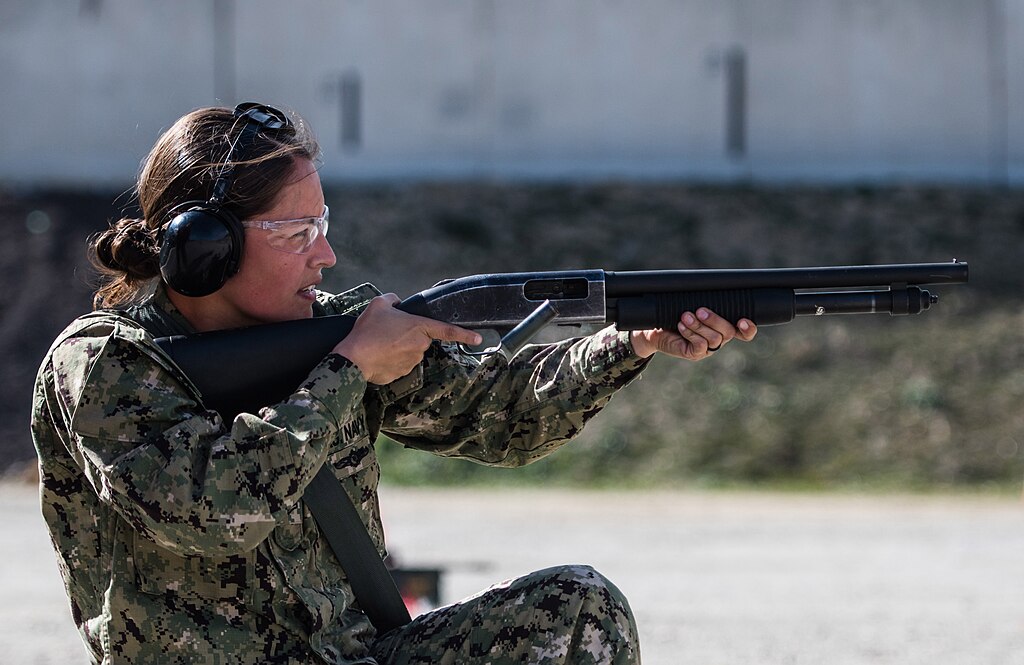
Carry fatigue becomes noticeable during long turkey hunts that require constant movement. Shotguns that feel balanced initially can grow heavy after hours. Excess weight strains shoulders, arms, and lower back steadily. Fatigue reduces awareness and reaction time. Hunters move slower and rest more frequently. Noise increases as muscles tire. Lightweight, well balanced shotguns conserve energy. Endurance matters when birds stay silent. Managing fatigue allows hunters to stay alert longer. Proper weight selection supports sustained mobility, quieter movement, and steadier shooting throughout demanding spring mornings spent covering ridges, hollows, and thick understory areas safely efficiently repeatedly.
Mounting Speed And Stability
Mounting speed matters when turkeys appear suddenly at close range. Shotgun balance influences how smoothly the gun reaches shoulder height. Heavier barrels slow mounts but steady aim. Lighter fronts allow faster reactions. Poor balance causes overshooting or wobble. Stability during mounting reduces adjustment time. Hunters benefit from predictable movement patterns. Balanced shotguns settle naturally on target. Quick, controlled mounts increase shot confidence. In mobile turkey hunting, efficient mounting improves success when brief opportunities emerge after long periods of cautious movement through dense cover where visibility remains limited and reaction windows disappear quickly for approaching birds.