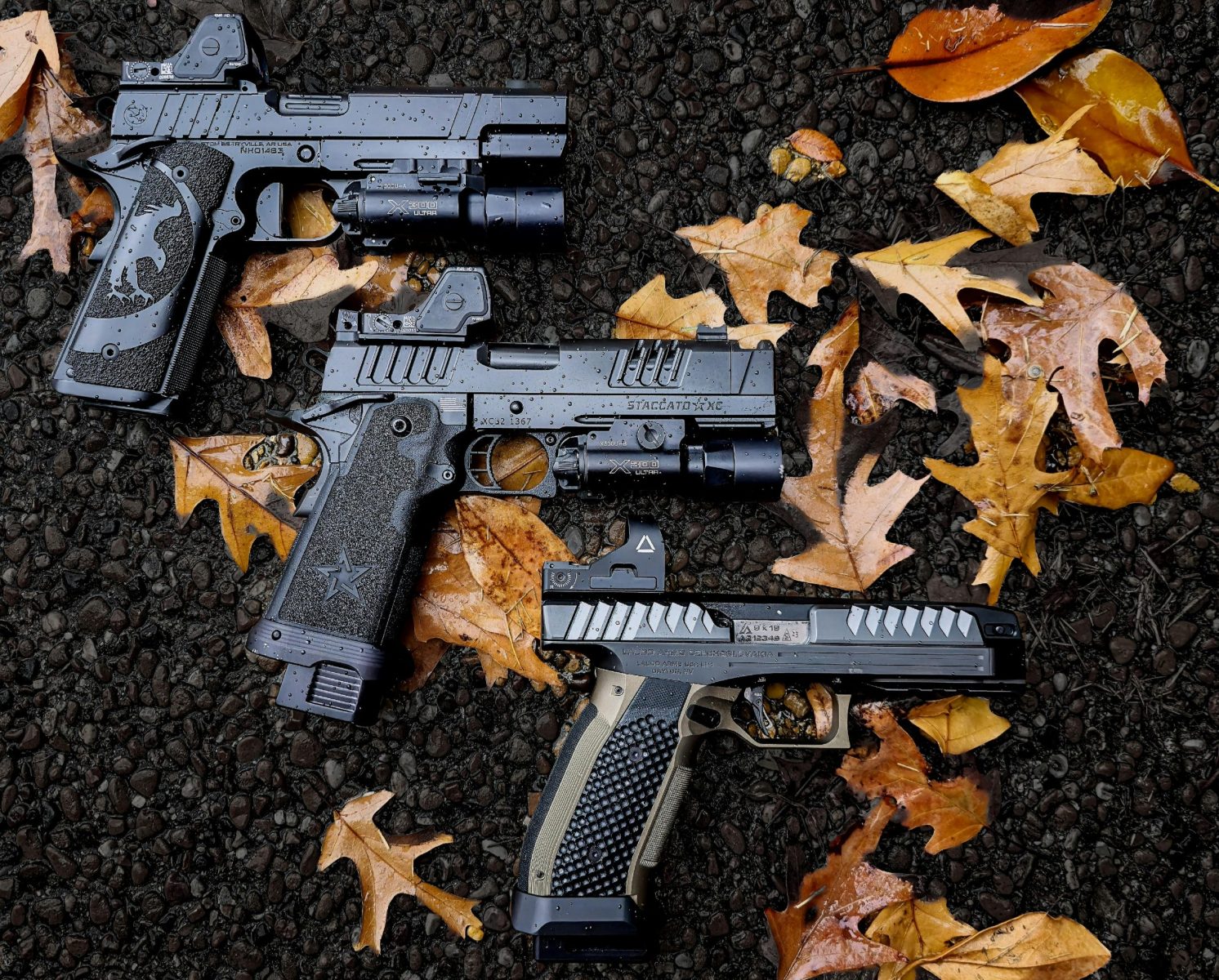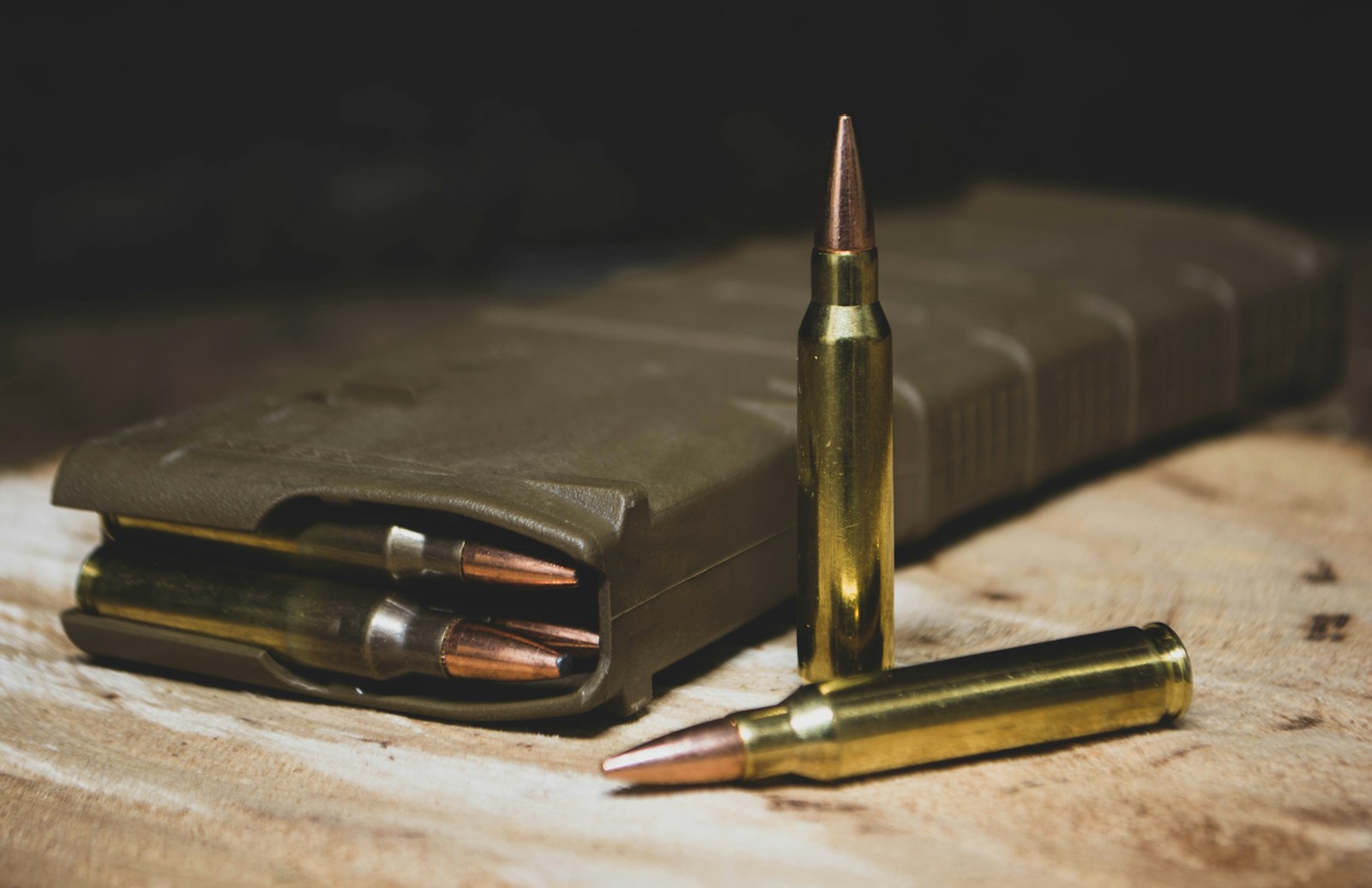
Responsible gun owners frequently ask how often to rotate carry ammo to ensure daily reliability. Daily carriers expose their defensive rounds to humidity, temperature changes, and physical stress that can degrade performance over time. A cartridge that fails to fire during a critical life-or-death situation is a catastrophic failure that must be avoided. Experts recommend a specific schedule for replacing duty ammunition based on how often the weapon is carried and exposed to the elements. This guide explores the signs of wear and establishes a practical timeline for swapping out old rounds for fresh factory inventory.
Bullet Setback Risks
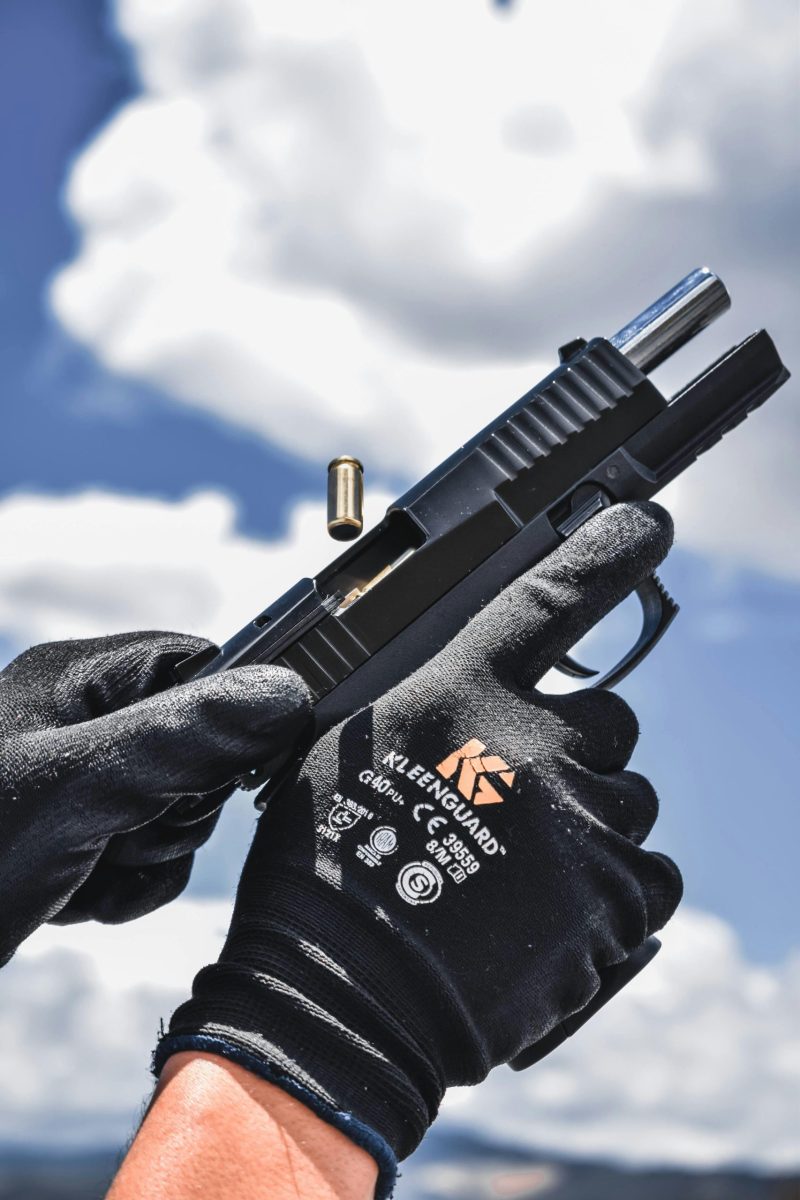
Repeatedly chambering the same round can cause a dangerous condition known as bullet setback. The force of the slide slamming forward drives the projectile deeper into the casing, which compresses the gunpowder. This reduction in case volume increases chamber pressure significantly and can lead to a catastrophic weapon explosion. Visually comparing the overall length of the chambered round to that of a fresh cartridge reveals this issue immediately. Rotating the top round in the magazine helps distribute this stress, but eventually the entire batch needs to be replaced. It is a safety issue that requires constant vigilance from the user to avoid.
Environmental Moisture Damage
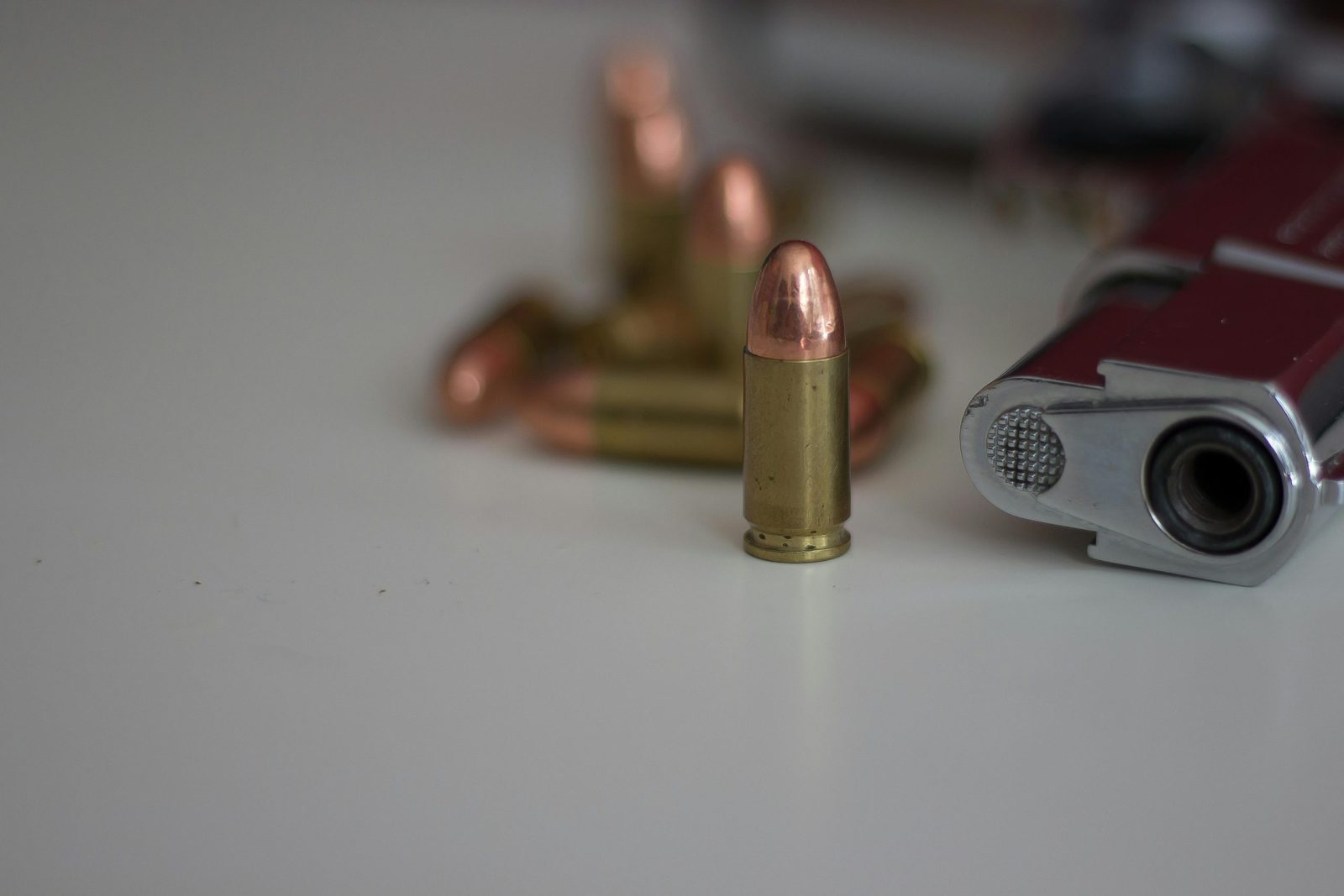
Daily carry exposes ammunition to sweat and ambient humidity that can slowly corrode the brass casing. Moisture can seep around the primer pocket or the case mouth and deactivate the powder charge inside. A carry gun that sits close to the body absorbs body heat and moisture, which accelerates this chemical breakdown process. Tarnished or green spots on the metal casing indicate that the structural integrity of the cartridge is compromised. Using nickel-plated casings helps resist this corrosion, but does not make the ammunition immune to water damage forever. It demands regular inspection by the owner.
Oil Contamination Factors
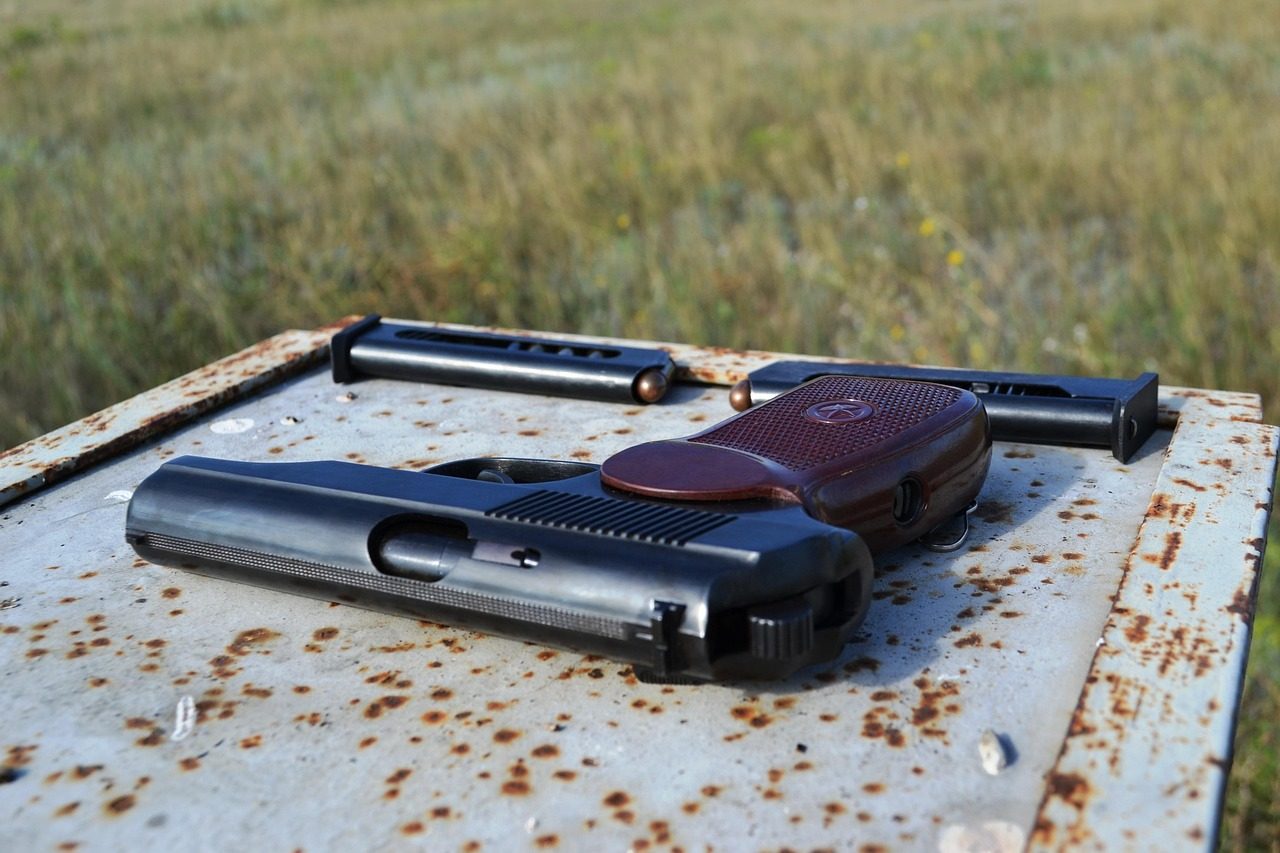
Generous lubrication keeps a pistol running smoothly, but excess oil can kill primers if it penetrates the seal. Gun oil has low viscosity and can migrate into the primer pocket through capillary action over several months. A dead primer turns a defensive firearm into a paperweight during the moment it is needed most. Avoid pooling oil near the firing pin channel or the breech face to minimize this specific risk. Rotating carry ammo ensures that any potential contamination is removed from the equation before it causes a failure to fire. Fresh rounds provide cheap insurance for carriers.
Recommended Rotation Schedule
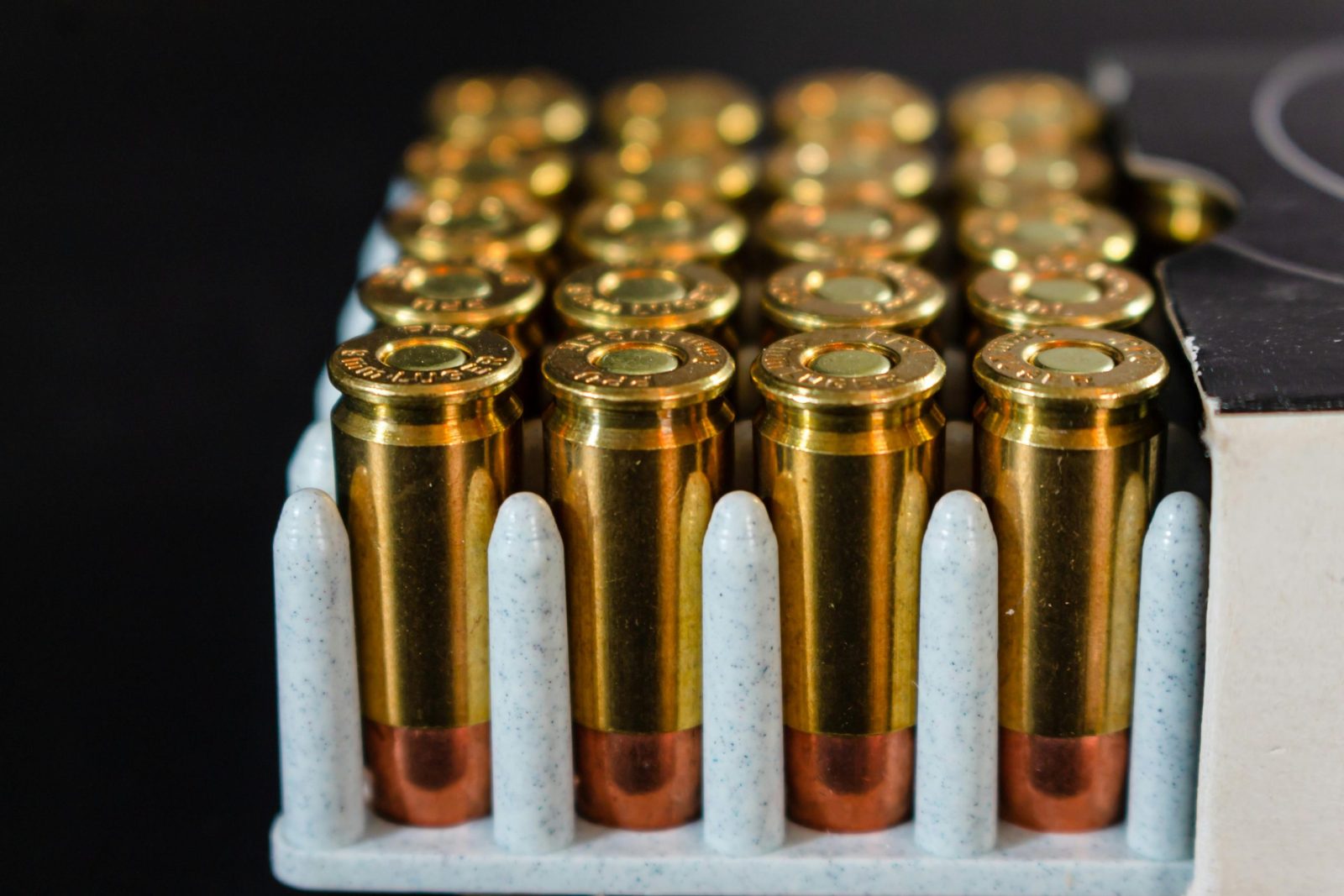
Most firearms instructors suggest a six-month interval as the standard answer for when to rotate. This schedule aligns with daylight savings time changes, which makes it an easy date to remember annually. Shooting the old carry ammunition at the range provides a realistic test of the firearm with full-power defensive loads. It confirms that the gun functions correctly with the chosen hollow point projectile after months of carry. Replacing the inventory twice a year balances the cost of premium ammunition with the absolute necessity of reliability. It is a small price to pay for safety.
Visual Inspection Signs
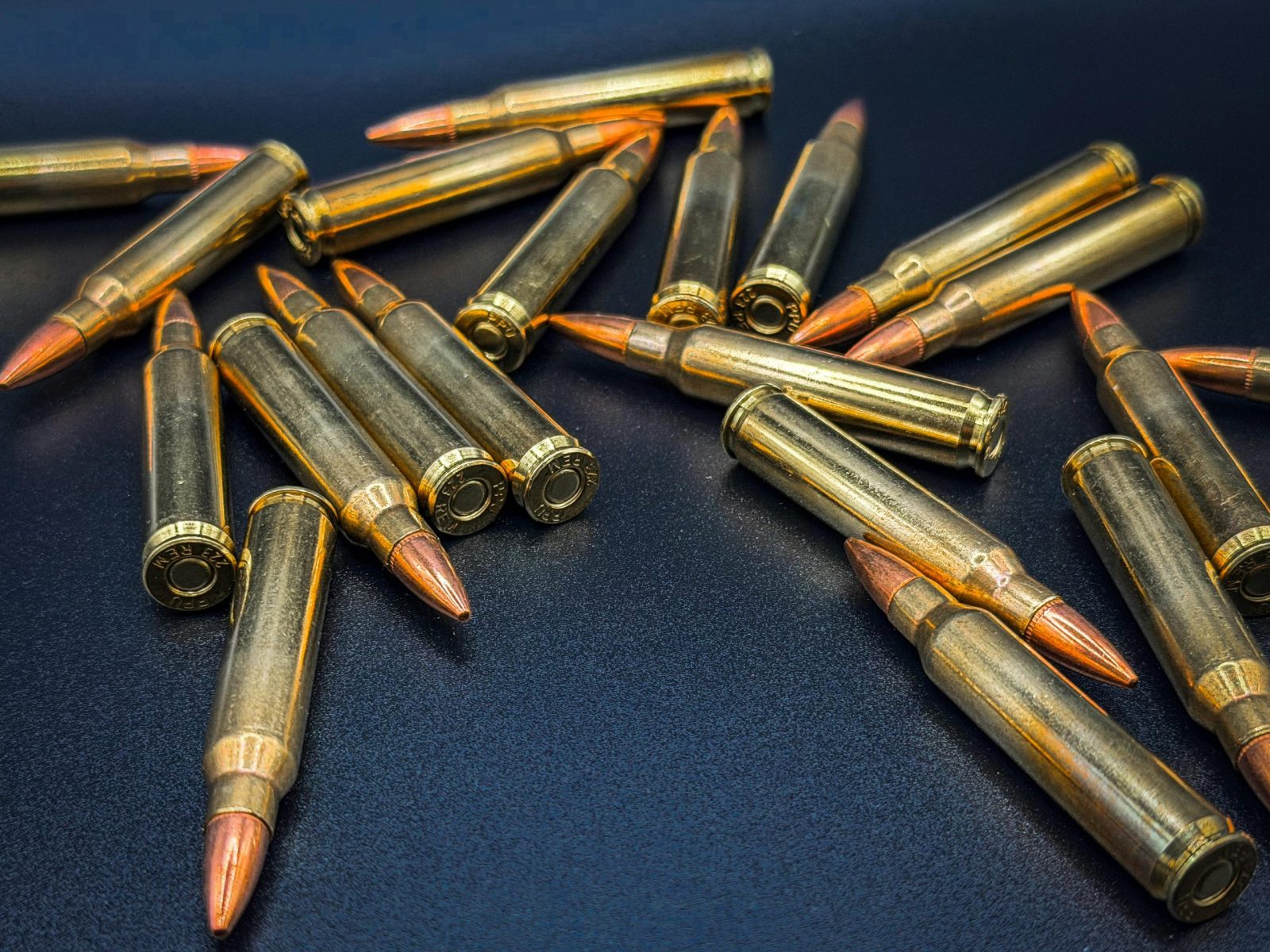
Inspecting ammunition during weekly cleaning sessions reveals physical damage that necessitates the immediate replacement of the specific round. Dents in the casing or scratches on the bullet nose can affect feeding reliability in semi-automatic pistols. Lint and debris from clothing often accumulate inside the hollow point cavity, which can prevent proper expansion upon impact. Any round that looks deformed or damaged should be discarded safely at the range rather than returned to the magazine. Trusting a visually compromised cartridge is a gamble that no serious carrier should ever take. It requires proactive maintenance habits from everyone.