Outdoor gear has evolved dramatically over the last decade as new, high-tech materials have entered the market. Fabrics once used only in aerospace, medical technology, or industrial safety are now being adapted for tents, packs, jackets, and climbing equipment. Hikers, hunters, and backpackers are benefiting from lighter weights, stronger materials, and improved durability that would have seemed impossible a generation ago. Understanding these breakthroughs helps explain how the outdoor industry is shifting toward gear that performs better in harsh environments without adding extra bulk.
Dyneema’s Strength-to-Weight Ratio Is Transforming Backpacks
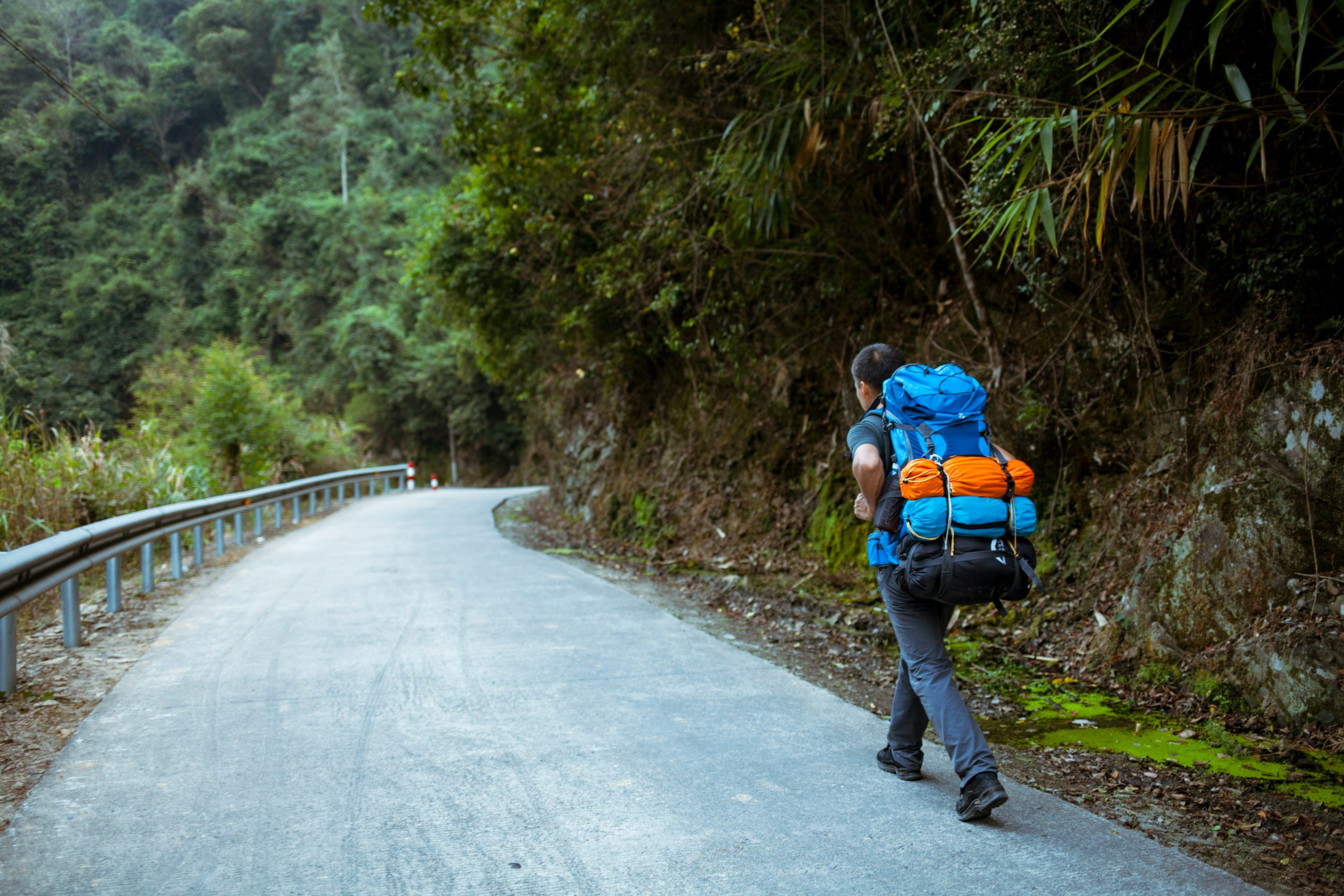
Dyneema is known as one of the strongest fibers on earth, offering incredible tensile strength while remaining feather-light. Backpack makers now use it for ultralight packs that resist tearing far better than traditional nylon. Even when scraped against rocks or dragged through thorny brush, Dyneema maintains integrity with barely noticeable wear. Its waterproof qualities also make it ideal for thru-hikers who face unpredictable weather.
Graphene Adds Toughness Without Increasing Bulk
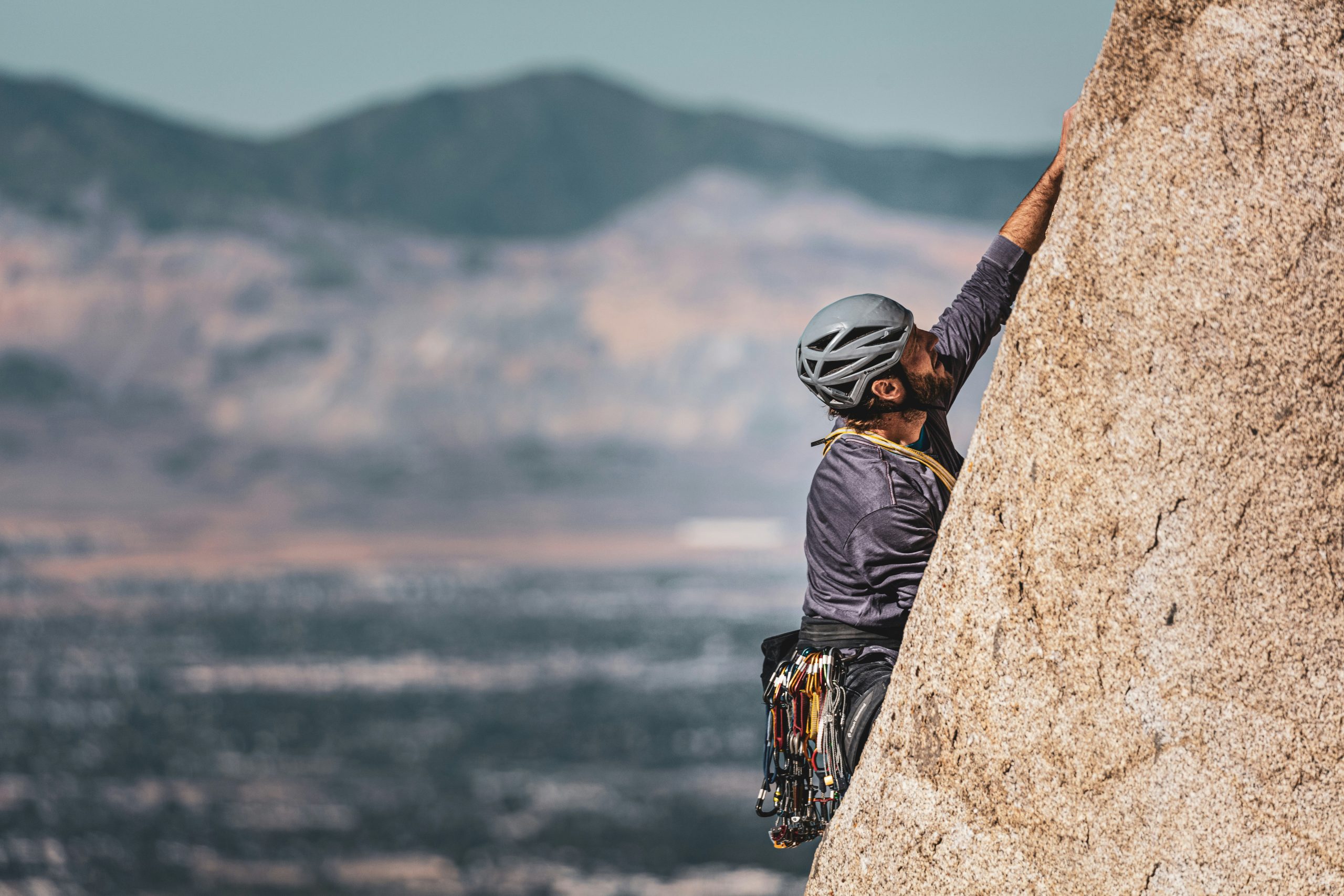
Graphene’s single-atom thickness allows it to strengthen fabrics without significantly increasing weight. When woven into jackets or base layers, it improves abrasion resistance and helps regulate body temperature by moving heat across the material. Outdoor athletes appreciate its flexibility and durability, especially during long climbs or high-output activities. The material’s ability to enhance warmth while staying thin has made it a popular upgrade in technical wear.
Ripstop Nylon Is Becoming More Advanced and Resilient
Ripstop nylon has been a staple for decades, but modern versions now integrate higher-grade fibers that drastically reduce tearing. Newer weaves create stronger cross-patterns that stop damage before it spreads, making tents and tarps far more reliable. The fabric remains lightweight and packable, appealing to hikers who count every ounce. Manufacturers also offer enhanced coatings that repel water and resist UV degradation for longer gear life.
Air-Permeable Waterproof Fabrics Improve Breathability
Innovations in membrane technology have produced waterproof fabrics that remain breathable even during strenuous activity. These materials allow vapor to escape without letting rain through, reducing sweat buildup inside jackets. Outdoor enthusiasts especially appreciate how these fabrics stay comfortable during temperature swings. They perform well during high-energy activities like climbing or trail running, making them a favorite among athletes who need both protection and airflow.
Softshell Hybrids Offer a Balance of Flexibility and Protection
New hybrid softshell fabrics combine stretch materials with weather-resistant fibers, producing jackets that feel comfortable while still blocking wind and light precipitation. These blends offer quiet movement, making them popular with hunters and wildlife photographers. The improved fibers increase durability without sacrificing mobility, allowing wearers to hike or climb without feeling restricted. They’re ideal for moderate conditions where full waterproofing isn’t necessary.
Insulation Fabrics Are Becoming Lighter and More Efficient
Advances in synthetic insulation have made jackets warmer without adding weight or bulk. Modern fibers trap heat more effectively and continue to insulate even when wet, outperforming older materials that collapsed in damp conditions. These innovations benefit campers and backpackers who need reliable warmth across changing climates. The improved loft and packability make these fabrics essential for lightweight layering systems.
Stretch-Woven Materials Enhance Comfort During Movement
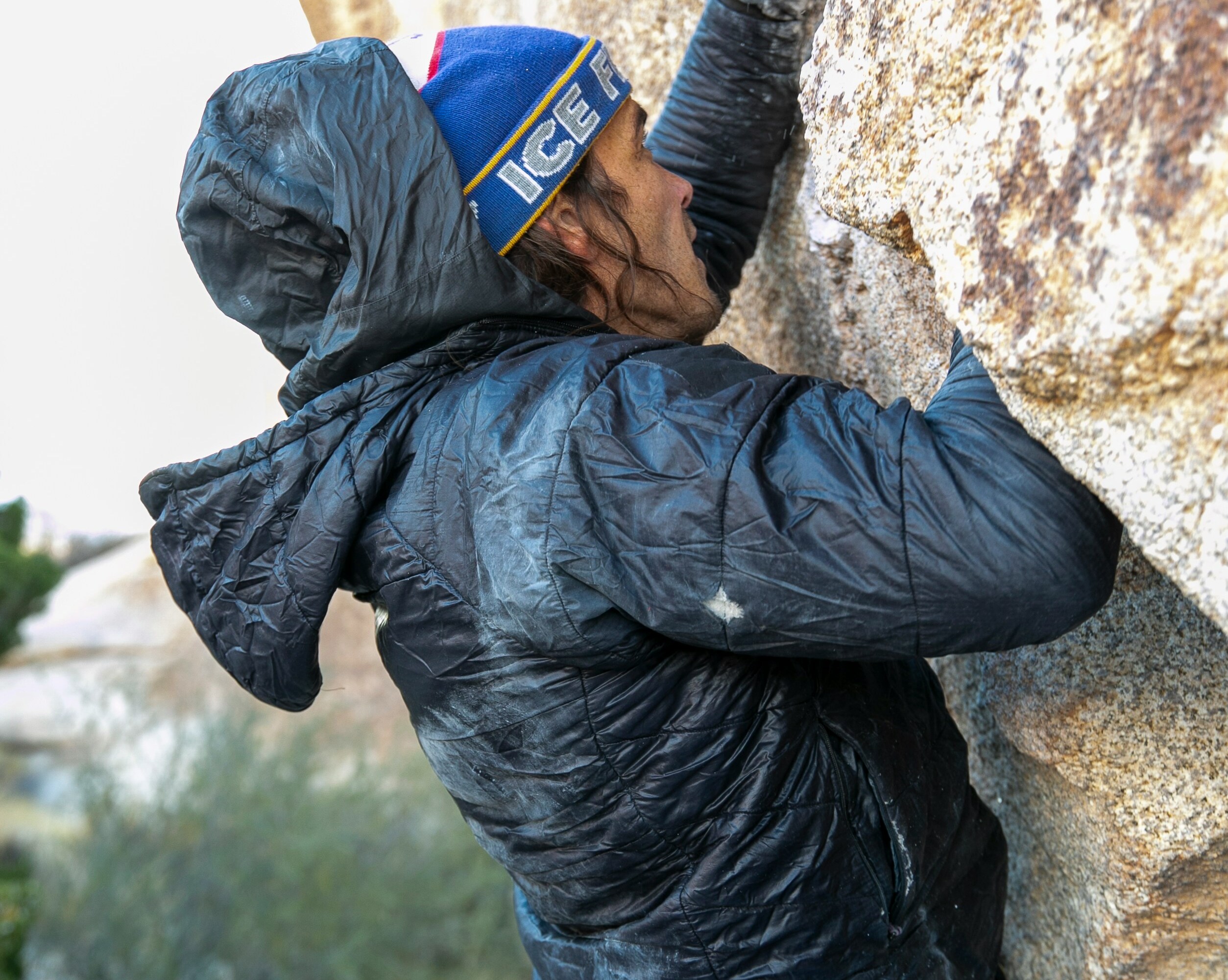
New stretch-woven fabrics integrate elastic fibers that allow clothing to move naturally with the body. This makes hiking pants, climbing jackets, and base layers far more comfortable on challenging terrain. These fabrics maintain their shape while providing excellent mobility, reducing fatigue during long days outdoors. Many also include quick-drying properties that help manage sweat and moisture, especially in humid regions or during tough climbs.
High-Durability Coatings Extend Gear Lifespan
Modern gear coatings use advanced polymers that repel water, resist stains, and protect fabric fibers from degradation. These treatments improve the performance of tents, packs, and jackets by preventing moisture from soaking in. Unlike older coatings that wore off quickly, newer formulas last longer and maintain effectiveness through extended use. This makes gear more reliable over time, especially in wet or unpredictable environments.
Fire-Resistant Fabrics Offer Improved Safety in Campsites
Some new fabrics incorporate fire-resistant fibers that reduce the risk of melting or ignition around campfires or stoves. These materials provide peace of mind for backcountry campers who cook close to shelters or handle sparks during cold evenings. They also maintain durability and flexibility, unlike older fire-retardant materials that felt stiff or uncomfortable. This added safety feature is especially valuable during long expeditions.
Eco-Friendly Recycled Fabrics Are More Capable Than Ever
Recycled outdoor fabrics have advanced beyond early versions that felt stiff or unreliable. Modern recycled polyester and nylon now match the strength and flexibility of virgin materials, giving environmentally conscious consumers better options. Many brands are using recycled fibers in packs, jackets, and tents without compromising performance. This shift shows how sustainability and cutting-edge technology can work together to push outdoor gear forward.