Camping is often portrayed as a simple escape into nature, but where you choose to sleep can quietly determine whether that experience remains safe or turns dangerous. Many serious outdoor emergencies don’t stem from dramatic disasters but from subtle, avoidable campsite decisions made late in the day. Terrain, wildlife behavior, drainage patterns, and weather exposure all influence safety once darkness falls. Campers who prioritize convenience, scenery, or habit often overlook warning signs that become serious threats overnight. A campsite that feels calm at sunset can become hazardous by morning. Understanding how location influences risk is essential. Choosing the right spot is not about fear; it’s about awareness, preparation, and respecting how nature actually functions.
Camping in Animal Travel Corridors
Animal travel corridors are natural pathways that wildlife use repeatedly to move between feeding, watering, and resting areas. These routes often appear as open, flat ground, making them appealing to tired campers looking for an easy setup. However, pitching a tent in these areas places humans directly in the nightly movement patterns of wildlife. Large animals may pass through without warning, while predators may investigate unfamiliar scents. At night, visibility drops and reaction time disappears. Signs like worn soil, tracks, or droppings are often overlooked or misunderstood. Camping in these corridors increases surprise encounters, stress responses, and defensive behavior from animals that are simply following routine paths they’ve used for generations.
Pitching a Tent Too Close to Water Sources
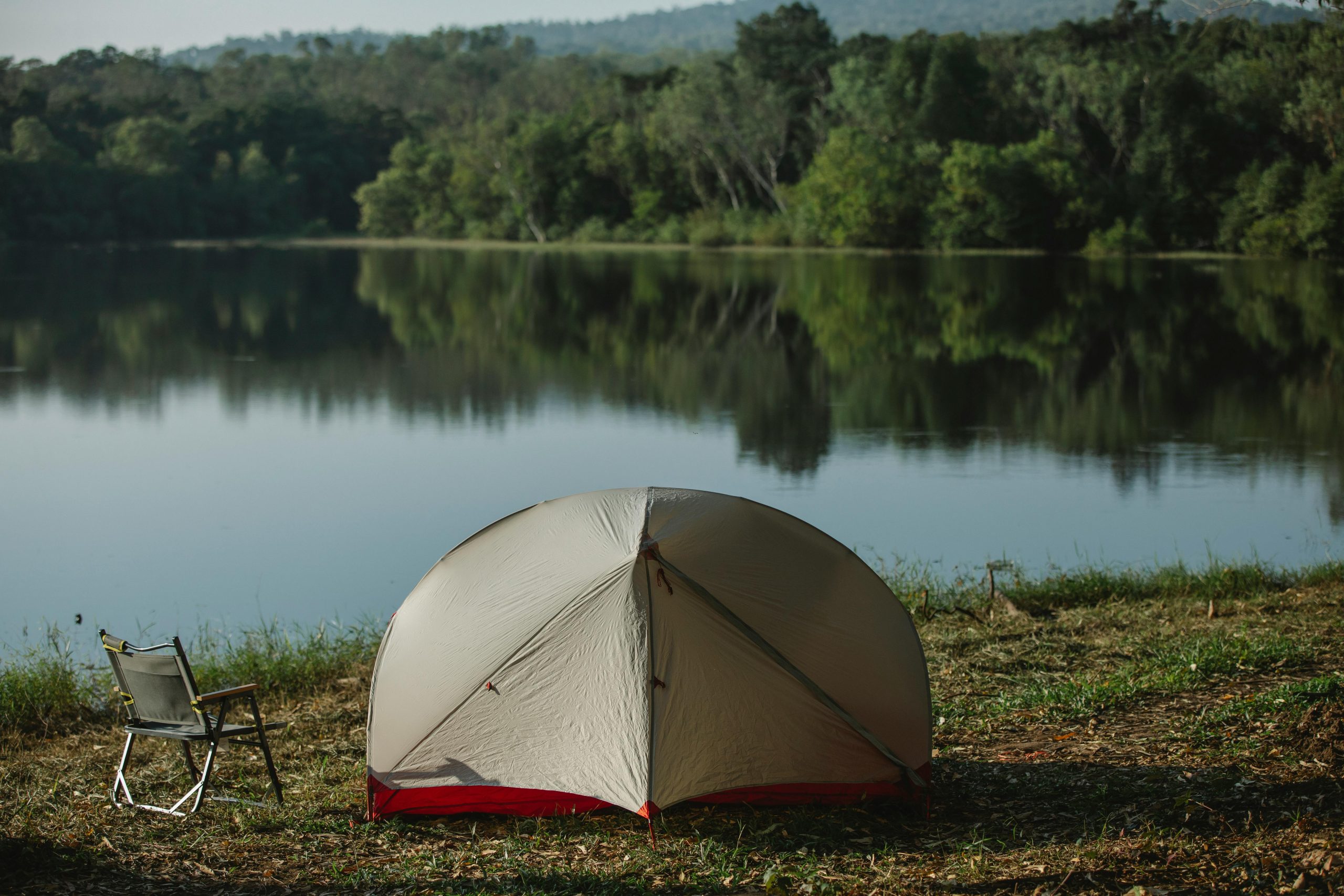
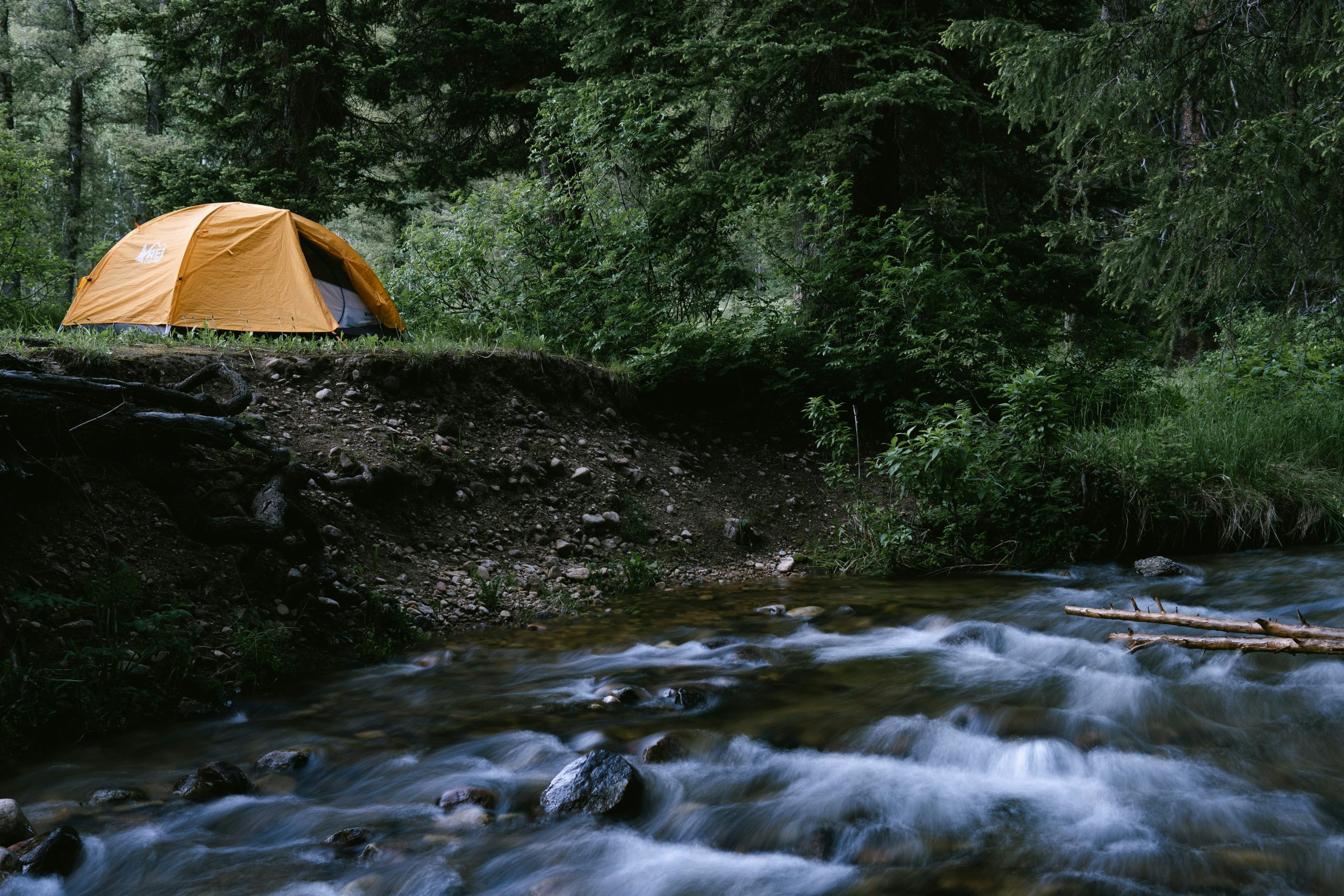
Water sources attract life, which also attracts danger. Rivers, lakes, and streams draw animals to drink, hunt, and travel, especially during low-light hours. Camping too close to water dramatically increases the chance of wildlife encounters, including animals moving silently toward the shoreline. Water levels can rise overnight due to upstream storms, even when local weather seems calm. Cold air settles near water, increasing the risk of hypothermia. Insects multiply near moisture, affecting sleep and health. While proximity to water feels convenient, it also masks sound and limits awareness. A safe campsite maintains distance while still allowing controlled access when needed.
Camping at the Base of Slopes or Cliffs

Flat ground beneath slopes or cliffs often feels protected, but gravity makes these locations extremely dangerous. Rocks, branches, and soil loosen naturally and can fall without warning, especially after rain or wind. Campers sleeping below slopes have no time to react once debris begins moving. Cold air drains downhill at night, increasing exposure to low temperatures. During storms, runoff channels directly into these low points, flooding tents and soaking gear. What appears sheltered during daylight becomes a funnel for hazards after dark. Choosing elevation wisely means avoiding areas where nature’s momentum has only one direction down.
Choosing Campsites with Poor Drainage
Poor drainage is one of the most underestimated campsite dangers. Low-lying areas may appear calm and protected, but they collect water quickly during rain or snowmelt. Even light precipitation can saturate soil, flood tents, and destroy insulation. Wet conditions drastically increase heat loss, leading to hypothermia even in mild temperatures. Standing water attracts insects and contaminates gear. Once darkness falls, relocating becomes difficult or unsafe. Campers often realize drainage problems only after conditions worsen. A safe campsite sheds water naturally, keeping sleeping areas dry and preserving warmth, comfort, and the ability to think clearly if conditions change.
Camping Too Deep into Dense Vegetation
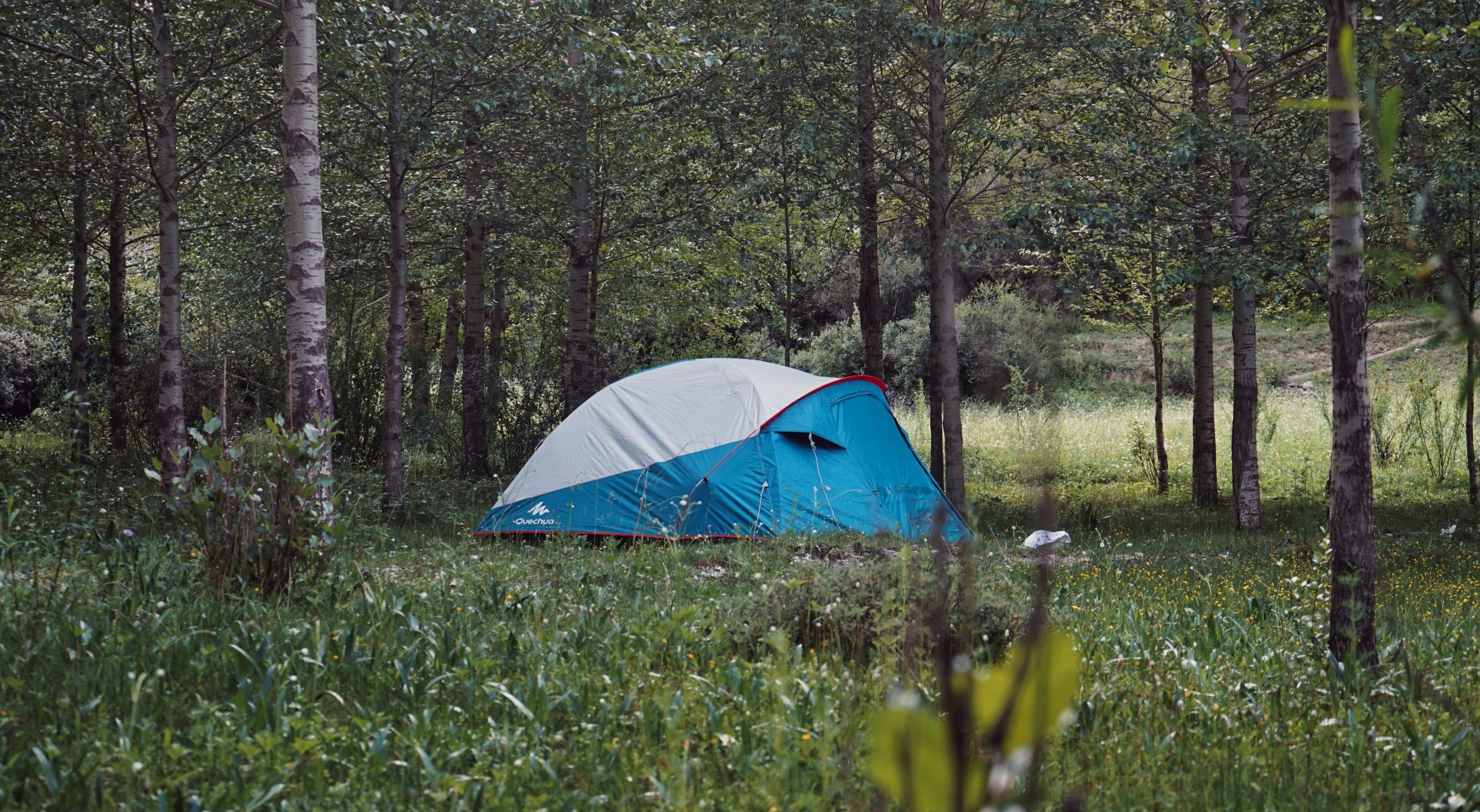
Dense vegetation may offer shade and wind protection, but it also removes visibility and control. Thick brush hides uneven ground, insects, and animals that move unseen until dangerously close. Predators feel more secure approaching from heavy cover, while smaller animals may wander freely through camp. Dense vegetation also increases fire risk, as sparks or embers can ignite dry material unnoticed. Escape routes become limited in emergencies, especially at night. Campers lose awareness of their surroundings, and reaction time disappears. A safer campsite balances protection with clear sightlines, allowing early detection of movement and space to respond effectively.
Ignoring Wind and Weather Exposure
Wind and weather patterns play a major role in campsite safety, yet they are often ignored. Exposed ridges and open areas experience stronger gusts that can collapse tents or send debris airborne. Sudden storms can turn scenic overlooks into hypothermia risks. Without natural windbreaks, body heat is stripped away overnight, even in moderate temperatures. Lightning risk also increases in exposed areas. Campers focused solely on views often sacrifice shelter. Understanding how terrain channels wind and weather allows for smarter placement that balances airflow and protection. A well-positioned campsite works with the environment instead of fighting it.
Camping Near Dead or Unstable Trees
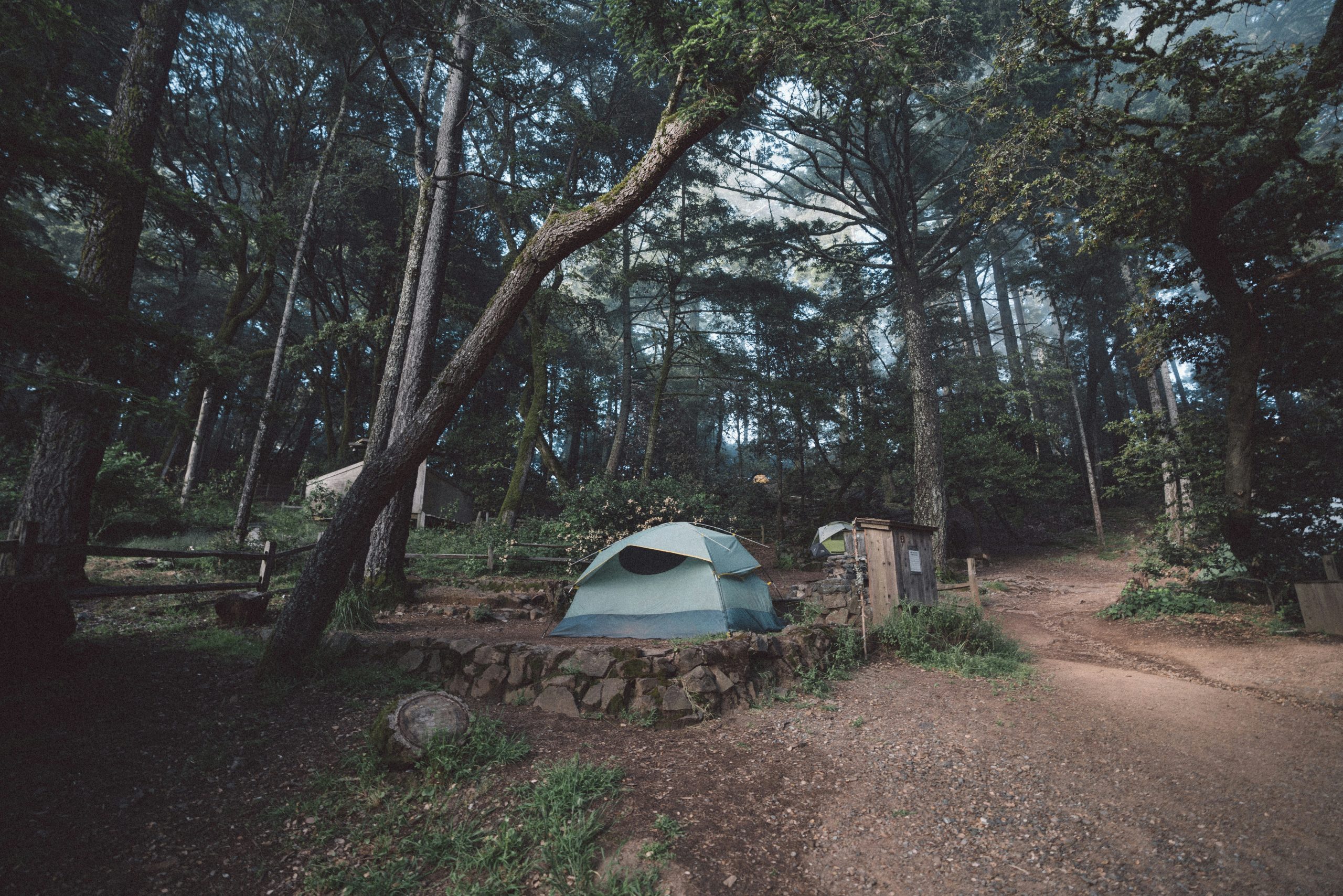
Dead or weakened trees, often called widowmakers, pose a silent but serious threat. Their branches can fall without warning, especially during wind, rain, or temperature changes. Campers frequently overlook subtle signs of decay, focusing instead on shade or flat ground. Even living trees can drop heavy limbs unexpectedly. Sleeping beneath unstable trees removes any chance of reaction. Many injuries occur at night when campers are unaware of overhead hazards. Choosing open areas or camping near healthy trees without limbs overhead significantly reduces risk. What’s above your tent matters just as much as what’s beneath it.
Setting Camp Too Far from Help or Navigation Points
Remote camping increases risk when combined with poor site selection. Being far from trails, landmarks, or communication zones delays assistance if injuries or emergencies occur. Navigation becomes difficult in darkness or bad weather, especially without clear reference points. Campers seeking solitude sometimes push deeper without planning exit routes. Minor injuries become major problems when help is hours away. Distance itself isn’t dangerous, but isolation magnifies consequences. A safe campsite balances seclusion with realistic access to navigation and assistance. Knowing where you are and how to leave can matter more than where you sleep.
Camping in Areas with Signs of Human Conflict
Not all dangers in the outdoors come from nature. Campsites showing signs of heavy human conflict, such as trash piles, vandalism, or abandoned gear, can indicate risky activity. These areas may attract theft, confrontation, or unsafe behavior. Campers often ignore these signs, assuming solitude equals safety. Human unpredictability can escalate faster than wildlife encounters. Areas lacking oversight or ranger presence increase vulnerability. Choosing well-maintained, regulated campsites reduces the risk of encountering dangerous human behavior. Awareness of human patterns is just as important as understanding wildlife when selecting a safe place to camp.
Prioritizing Convenience Over Safety
One of the most common and dangerous mistakes is choosing a campsite purely for convenience. Fatigue, fading daylight, or impatience often lead campers to settle without evaluating hazards. Flat ground, easy access, or proximity to trails may override safety considerations like drainage, wildlife signs, and overhead risks. This single decision can stack multiple dangers at once. Taking extra time to assess the area improves warmth, sleep, and security. Camping safely is rarely about luck;k it’s about discipline. The wrong campsite may feel harmless at sunset, only to reveal its dangers when escape is no longer easy.