
Bark scars offer subtle but reliable clues about how often wildlife moves through familiar forest corridors and how long specific routes have remained active. These marks appear naturally as animals feed, travel, or perform seasonal behaviors that leave patterns on tree trunks. Over time, the forest becomes a record keeper, storing information about habits that might otherwise go unnoticed. With patient observation and steady attention to detail, these small signs reveal meaningful patterns hidden within the landscape.
Spotting Fresh Scars Along Narrow Corridors

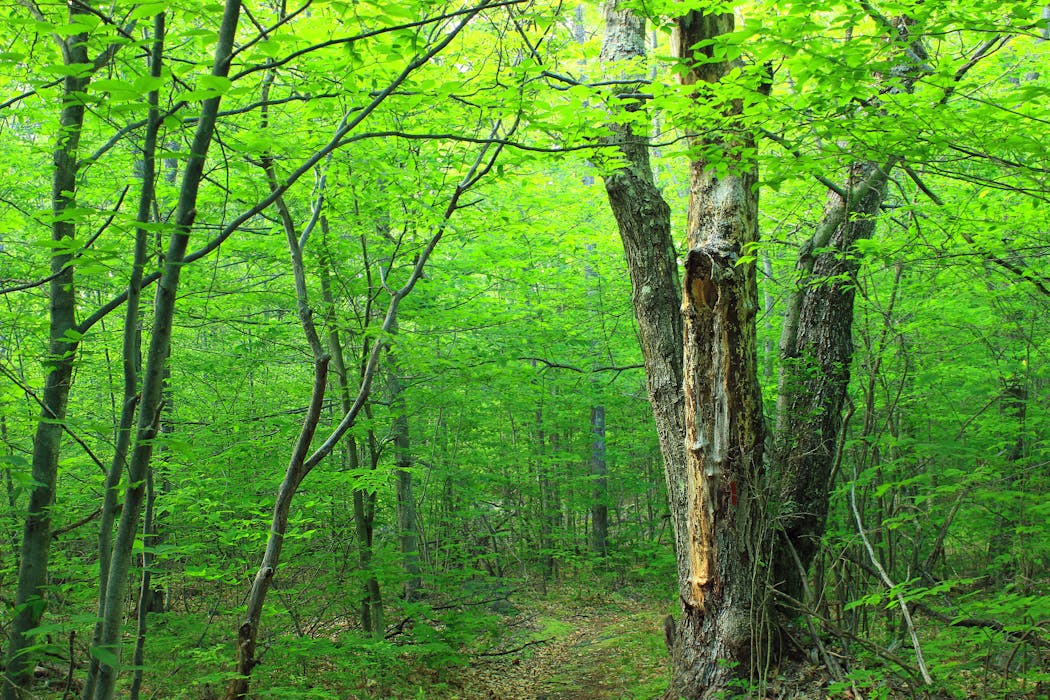
Fresh scars appear with bright, exposed wood and sharply defined edges that contrast against the darker surrounding bark. These marks commonly develop along tight passageways where animals travel regularly, brushing or rubbing trees as they move through. The color and texture of a fresh scar indicate recent activity, allowing observers to recognize areas experiencing steady traffic. When several fresh marks line the same route, they suggest repeated use during the current season and highlight the significance of that particular pathway.
Noticing Weathered Marks on Older Trails
Weathered scars display muted tones created by sunlight, moisture, and gradual bark regrowth that softens their original outline. These older marks serve as evidence of long-standing travel patterns, revealing how wildlife has used the same corridors across multiple years. Their distribution often appears along broad, well-established trails where repeated movement leaves a clear historical imprint. Examining these subtle scars provides insight into the longevity of specific routes and the reliability of those paths through shifting seasons.
Comparing Scar Height to Understand Animal Patterns

Scar height offers valuable information about which species created the damage and how those animals interact with the environment. Lower scars often reflect feeding behavior or movement through dense brush, while higher marks signal rubbing activity by taller animals during seasonal cycles. When similar heights recur along a trail, the pattern indicates consistent use by animals of comparable size. This vertical variation helps build a clearer understanding of the types of wildlife that frequent the area.
Reading Scar Direction for Movement Clues
The direction of a bark scar reveals how animals enter or exit a particular section of the forest and how they respond to terrain challenges. Smooth, angled strokes often indicate regular travel along a predictable line, while jagged patterns reflect abrupt stops or territorial actions. When directional scars appear on both sides of a pathway, the area likely supports frequent two-way movement. These subtle lines create a map of motion that forms naturally without human interference.
Examining Clusters for Seasonal Insights
Scar clusters form during periods of increased activity, such as during migration, breeding, or shifts in food availability. Trees bearing several closely spaced marks often stand near seasonal travel routes that experience bursts of concentrated traffic. As seasonal conditions change, the spacing and number of scars reflect these adjustments through varying density and distribution. Observing these patterns provides a seasonal snapshot of wildlife habits that helps explain broader movement cycles.
Observing Bark Recovery for Aging Accuracy

The natural healing process of bark offers clues about how long ago a scar formed and how frequently the same tree has been marked. Early healing stages show light callusing around the edges, while older scars display deeper ridges and textured tissue that has adapted over time. Environmental factors influence recovery speed, allowing close examination to reveal approximate age. These changes act as a time marker that distinguishes recent activity from older behavior.
Tracking Repeated Damage in High-Traffic Zones
Repeated bark damage builds up in areas where animals return consistently, creating layered scars that deepen with every season. These zones often appear near narrow funnels or ridge crossings where wildlife must follow a specific route due to natural terrain. The overlapping marks form a textured pattern that indicates extensive use over long periods. Recognizing these high-traffic areas highlights reliable corridors that animals trust year after year.
Studying Scar Width for Insight on Animal Size
Scar width varies with the size of the animal that made it, offering another useful tool for interpreting wildlife presence. Wider scars often indicate larger animals pushing forcefully against bark, while narrow streaks reflect contact from smaller species. When a trail contains scars of consistent width, it suggests regular passage by animals of similar size. These dimensions help refine the understanding of where tracks or other signs remain faint.
Recognizing Territorial Marks in Dominant Areas
Territorial scars arise during periods when animals attempt to establish dominance, often appearing on saplings or flexible young trees that respond easily to rubbing pressure. These marks follow patterns distinct from scars caused by routine travel, showing more deliberate placement and repeated intensity. Clusters of territorial scars indicate areas used for seasonal communication rather than daily movement. Observing these marks helps distinguish between travel routes and behavior-driven activity.