Altitude and fatigue quietly reshape firearm control in ways many shooters underestimate until accuracy starts slipping. In mountain terrain, backcountry hunts, or high-elevation training, the body operates under reduced oxygen, increased exertion, and mounting mental strain. These factors subtly affect grip pressure, trigger control, breathing rhythm, and decision-making speed. Unlike obvious equipment failures, altitude and fatigue degrade performance gradually, often without immediate awareness. Shooters may blame wind, optics, or ammunition while the real issue is physiological. Understanding how elevation and exhaustion interact with firearm handling helps shooters adapt techniques, pace effort, and avoid compounding errors. Control at altitude is not about strength alone but about managing stress, oxygen debt, and focus under conditions that punish even experienced marksmen.
Reduced Oxygen and Muscle Stability
At higher elevations, reduced oxygen saturation directly affects muscle control and endurance. Fine motor skills depend on steady oxygen delivery, and when the supply drops, muscles fatigue faster and tremble more easily. This instability shows up in subtle ways, such as inconsistent grip pressure or difficulty maintaining a steady sight picture. Shooters may unconsciously overgrip the firearm, introducing lateral movement during the trigger press. Breathing becomes shallower, further compounding instability. Unlike sea-level fatigue, altitude-induced muscle fatigue arrives sooner and recovers more slowly. Even well-conditioned shooters experiencea faster onset of shake during unsupported positions. Recognizing this early allows shooters to favor supported stances, deliberate breathing cycles, and shorter engagement windows before stability degrades.
Altered Breathing Patterns
Altitude changes how shooters breathe, which directly influences recoil control and shot timing. Reduced oxygen forces faster, shallower breaths, disrupting the natural respiratory pause many shooters rely on. Holding breath becomes uncomfortable more quickly, leading to rushed shots or poor timing. Under fatigue, shooters may fire during inhalation or exhalation rather than the natural pause, increasing vertical dispersion. This effect is magnified after uphill movement or long stalks. Conscious breath control becomes harder as fatigue builds, requiring deliberate slowing before shots. Experienced shooters learn to reset breathing even if it costs time. Accepting a delayed shot is often the difference between control and a miss when oxygen is limited.
Grip Strength Degradation
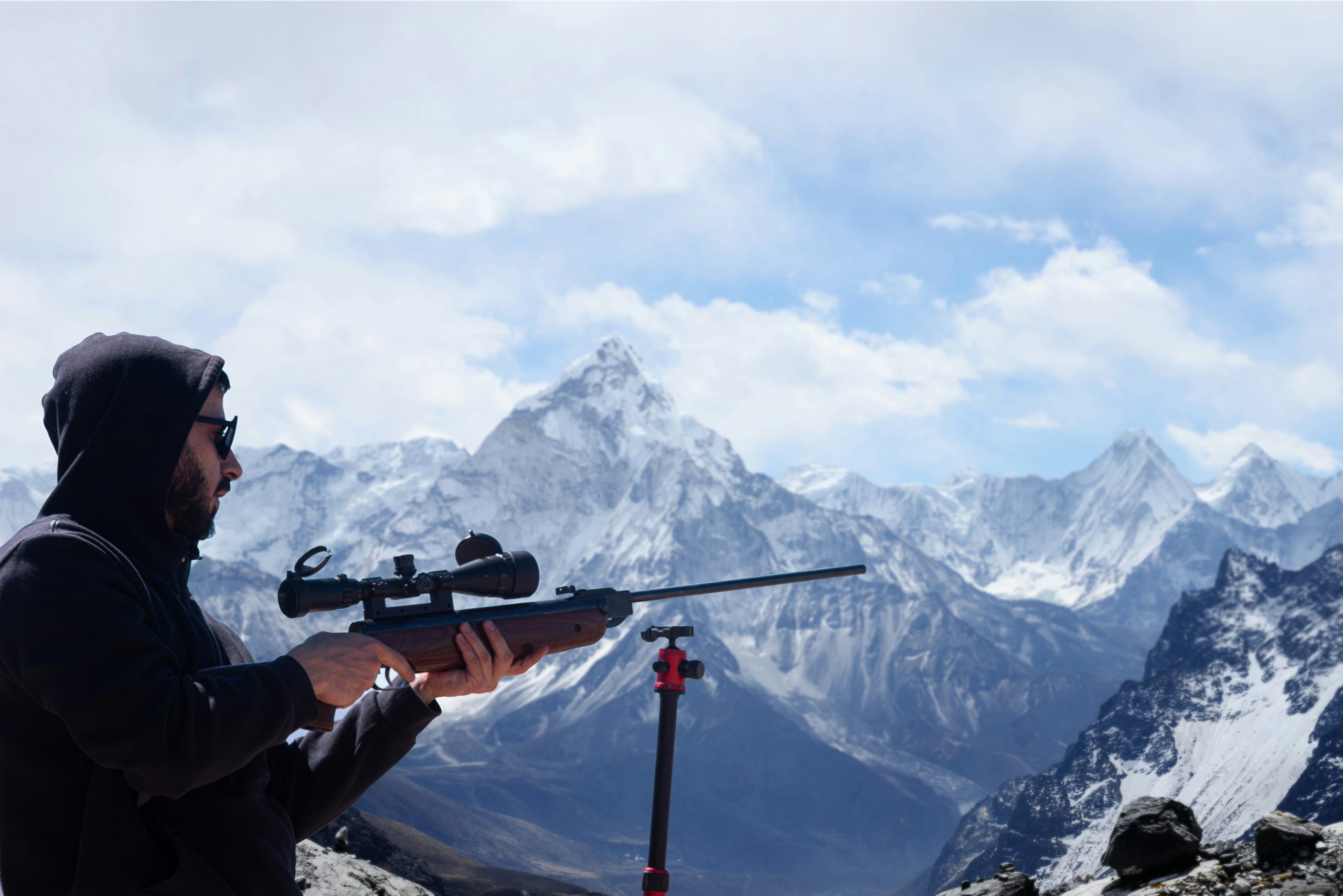
Fatigue reduces grip consistency long before total strength is lost. Hands and forearms tire from climbing, carrying gear, or prolonged weapon handling. As fatigue sets in, grip pressure fluctuates shot to shot, affecting recoil management and follow-through. Shooters may tighten their grip unpredictably, pulling shots off target. Cold temperatures at altitude worsen this effect by reducing blood flow to the hands. Gloves add another variable, dulling tactile feedback. Maintaining a consistent grip becomes an active process rather than an automatic one. Shooters who understand this adjust by simplifying grip technique, avoiding unnecessary tension, and resting hands whenever possible before critical shots.
Slower Neural Processing
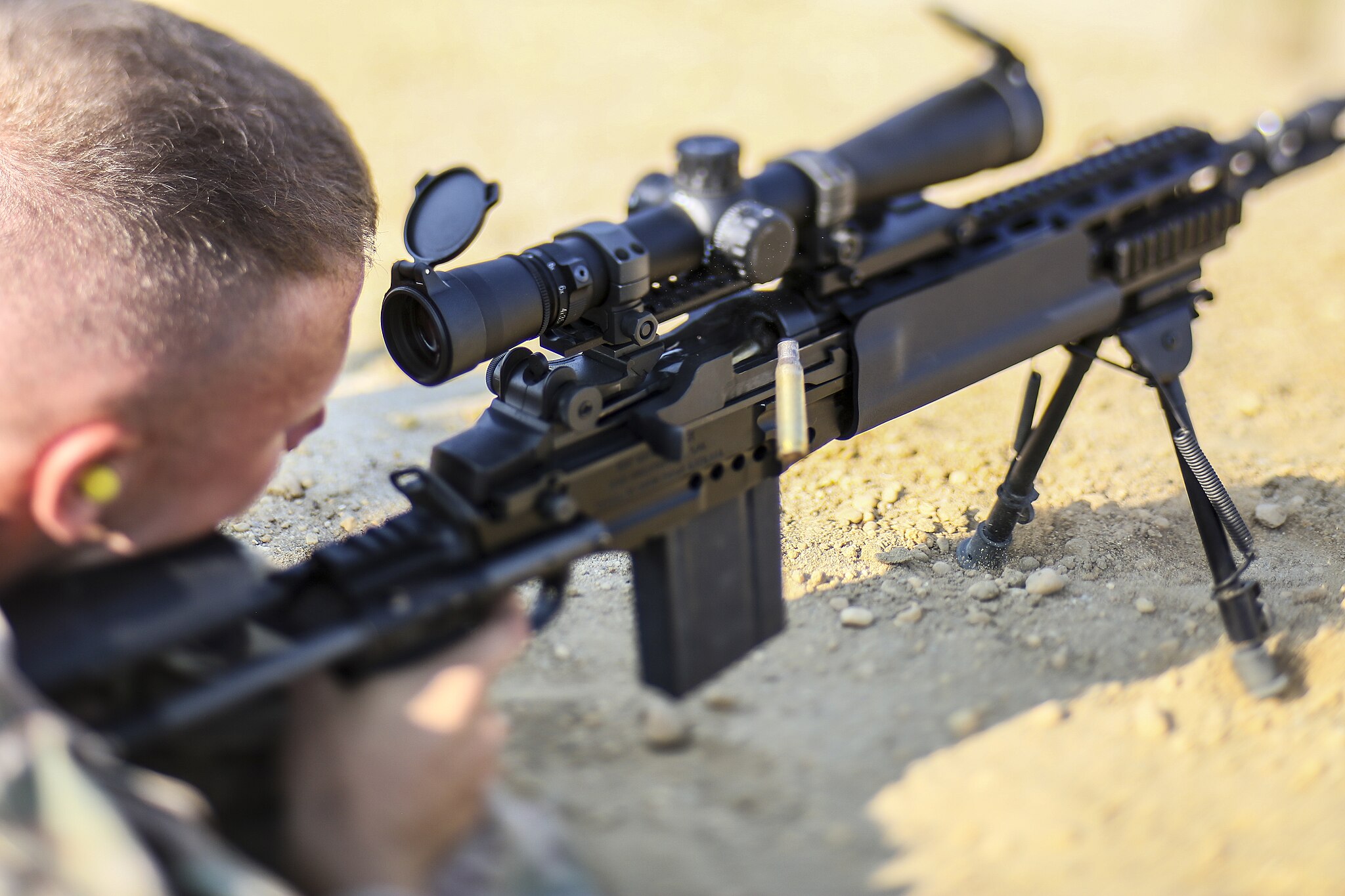
Both altitude and fatigue slow neural response time, affecting trigger control and target transitions. Reduced oxygen impacts cognitive speed, making fine timing harder to execute. Shooters may feel mentally sharp while their reactions lag slightly behind intention. This delay can cause trigger snatching or late corrections during sight alignment. Under stress, the brain prioritizes gross motor function, sacrificing precision. Fatigue amplifies this effect, especially after long days in rugged terrain. Recognizing slowed processing helps shooters simplify decisions and avoid complex shot sequences. Fewer variables and deliberate actions preserve control when mental sharpness begins to dull.
Postural Instability
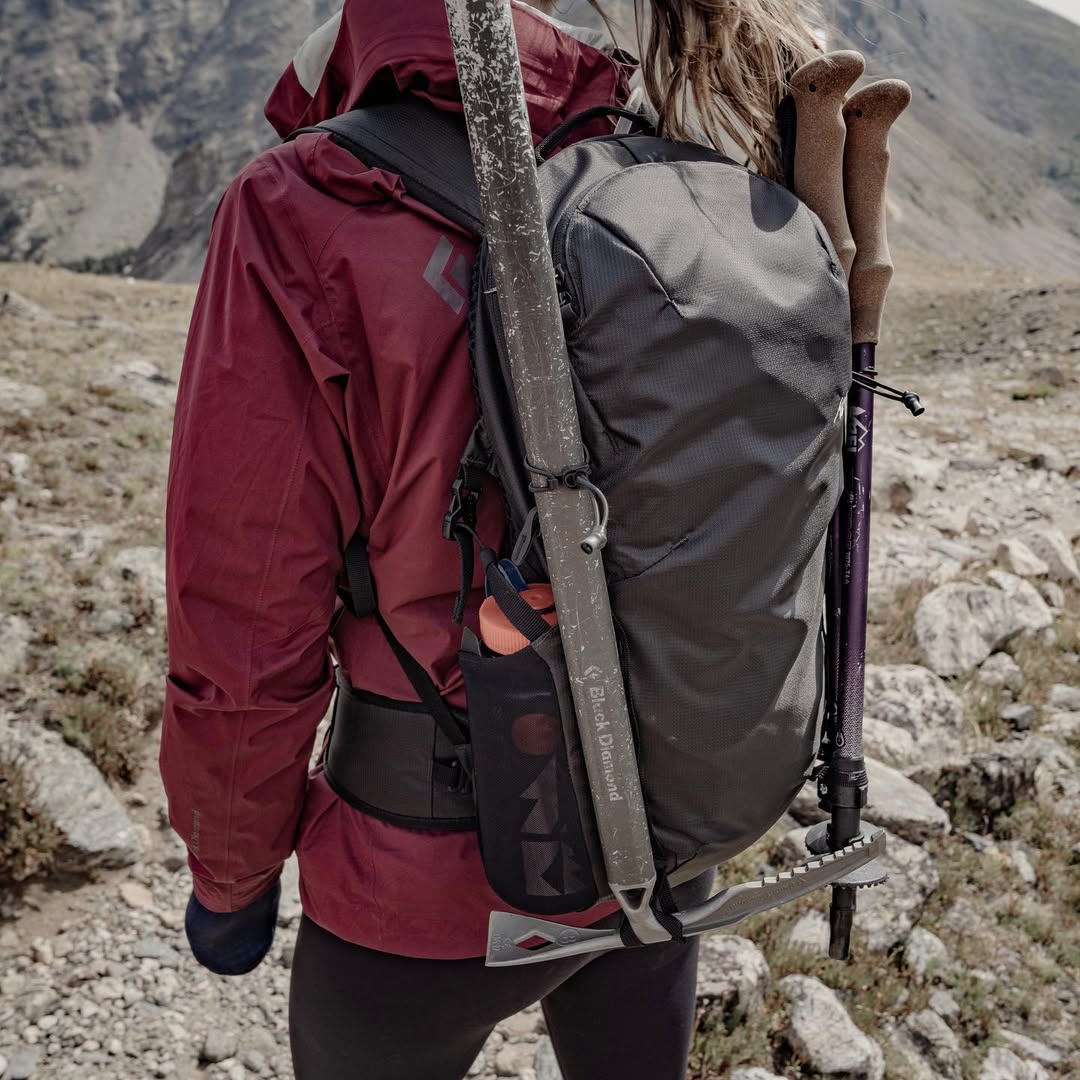
Maintaining shooting posture becomes more demanding as fatigue accumulates at altitude. Core muscles tire from uneven terrain, pack weight, and sustained effort. As posture degrades, balance shifts subtly, affecting the point of aim. Shooters may lean forward or back without realizing it, introducing vertical error. Kneeling and standing positions suffer first, while the prone position remains most stable. Wind and uneven ground further challenge balance. Shooters who monitor posture consciously can correct early before instability worsens. Using natural rests, trekking poles, or terrain features becomes critical. Postural awareness is often the first line of defense against fatigue-induced inaccuracy.
Increased Heart Rate Influence
Elevated heart rate is unavoidable during exertion at altitude, and its influence on firearm control is significant. Pulse movement transfers into the firearm, especially in unsupported positions. Shooters may notice reticle bounce synchronized with heartbeat. Fatigue prolongs an elevated heart rate even after stopping movement. Attempting to shoot before the heart rate settles increases movement during the rigger press. Experienced shooters learn to wait longer than usual at altitude before firing. Timing shots between pulses becomes more challenging but more important. Managing pace during movement reduces extreme spikes, preserving better control when a shot opportunity appears unexpectedly.
Visual Fatigue and Focus Drift
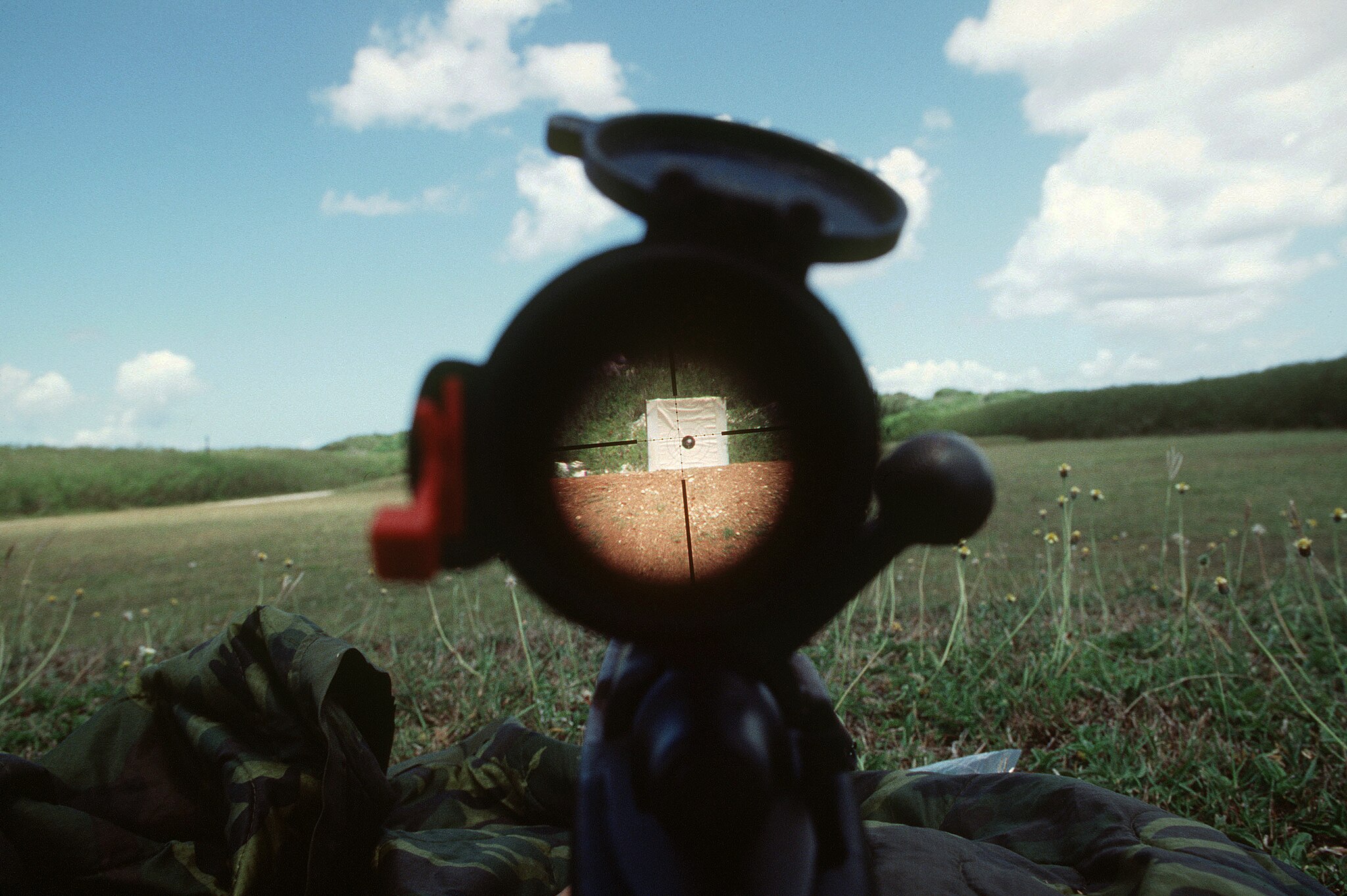
Altitude and fatigue strain the visual system, affecting focus and depth perception. Reduced oxygen can cause slight visual fuzziness or delayed focus shifts. Long periods of scanning terrain amplify eye fatigue, making reticle clarity harder to maintain. Shooters may struggle to keep both target and reticle sharp, leading to rushed shots. Bright alpine light and glare worsen visual strain. Fatigue reduces blink rate, dries eyes, and ddegradesclarity further. Shooters who recognize visual fatigue pause to refocus deliberately. Simple actions like closing eyes briefly or adjusting optic brightness can restore clarity before control degrades further.
Judgment and Risk Assessment Changes
Fatigue alters judgment, often pushing shooters toward riskier decisions. At altitude, reduced oxygen subtly pairs with risk assessment, making marginal shots seem acceptable. Shooters may underestimate wind, distance, or personal instability. This shift is dangerous because confidence may remain high while capability drops. Fatigue also narrows attention, causing shooters to fixate on the target while ignoring body position or environmental factors. Experienced shooters build decision rules that trigger restraint under fatigue. Walking away from a shot becomes a disciplined skill. Recognizing altered judgment protects both accuracy and safety in demanding environments.
Compounding Errors Over Time
Altitude and fatigue rarely cause single large mistakes; they create chains of small errors that compound. A slightly unstable grip leads to a rushed trigger press, followed by poor follow-through. Each error reinforces the next as fatigue deepens. Shooters may chase impacts rather than reset fundamentals. This spiral accelerates faster at altitude due to slower recovery. The solution is deliberate resets between shots. Breaking the chain early prevents full collapse of control. Shooters who pause, hydrate, and re-center fundamentals maintain performance longer despite challenging conditions.
Adaptation Through Technique and Pacing
Effective firearm control at altitude depends on adaptation, not brute endurance. Shooters who pace movement, manage breathing, and respect fatigue maintain accuracy longer. Adjusting expectations is key; shots may require more preparation time. Using supported positions, reducing unnecessary movement, and scheduling rest improves control. Mental discipline matters as much as physical conditioning. Recognizing limits early prevents rushed decisions later. Altitude exposes weaknesses but also rewards awareness. Shooters who adapt techniques to physiological reality preserve control, safety, and effectiveness even when conditions work against them.