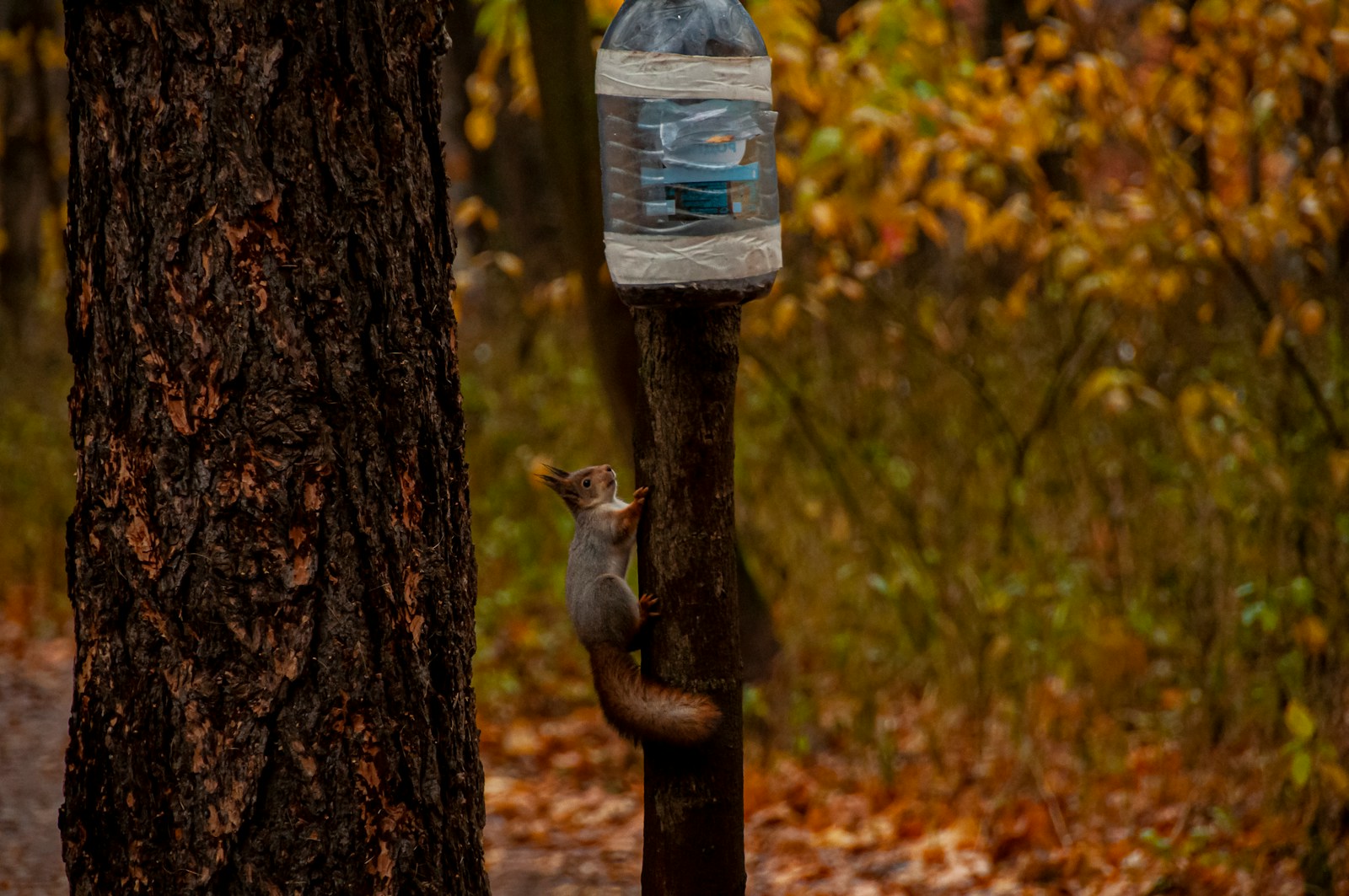
What began as a routine hike quickly turned into an unsettling and fascinating experience when a hiker paused after hearing an unfamiliar sound coming from a nearby tree. The noise did not immediately resemble an animal, and for a moment, it carried enough human-like quality to cause hesitation. Instead of panic, curiosity took over. The hiker slowed down, listened carefully, and began scanning the surrounding area rather than retreating. That decision led to a rare discovery captured on camera, revealing how easily nature can challenge expectations. Moments like this highlight how sound, perception, and environment interact in the wild. Forests are filled with layered noises that can mislead even experienced hikers. This encounter stands out not because of danger, but because patience transformed confusion into an unforgettable wildlife observation.
The Sound That Sparked Confusion
The experience started with a sound that immediately felt out of place in the quiet woods. According to the hiker, the noise carried a tone and rhythm that briefly suggested a human presence, similar to low speech or breath. In forest environments, sound often travels unpredictably, bouncing off trunks and branches in ways that distort its origin. This made it difficult to judge distance or direction. Rather than reacting quickly, the hiker stopped and focused on listening. Many animals produce vocalizations that fall within frequencies humans instinctively associate with other people. That overlap can trigger uncertainty instead of immediate recognition. The brief confusion created tension, but it also encouraged awareness, which became essential in uncovering the source of the sound.
Spotting Movement in the Canopy

After listening closely, the hiker noticed subtle movement high above the forest floor. Leaves shifted in a deliberate way that did not match the wind, signaling something alive and alert. Spotting movement in a dense canopy requires patience, as many animals rely on stillness and camouflage for protection. The hiker slowly adjusted their position, scanning upward rather than focusing on the trail ahead. This shift in attention proved critical. Many elusive species prefer trees for safety, observation, and escape routes. As light filtered through the branches, a shape gradually became visible. The realization that something was watching from above changed the experience from uncertainty to focused observation, heightening awareness without triggering fear.
Identifying the Unexpected Animal
As the shape became clearer, the hiker began identifying features that did not match common wildlife expectations. The animal’s posture, grip on the branches, and alert stillness suggested a species adapted to climbing and observation. Recognition did not happen instantly. Instead, it unfolded gradually as the hiker compared movement, silhouette, and sound. Online viewers later debated the exact species, but most agreed it was rarely photographed so clearly in such conditions. The earlier confusion about the sound now made sense, given the animal’s known vocal abilities. This slow realization emphasizes how wildlife encounters often develop over time. Calm observation allowed understanding to replace assumption, turning an unsettling moment into one of discovery rather than fear.
Why the Sound Seemed Human
Certain animals produce vocalizations that closely resemble human sounds due to pitch variation, breath patterns, or rhythmic repetition. In wooded areas, natural acoustics amplify this effect, bending sound in misleading ways. The hiker later explained that the noise lacked the sharpness commonly associated with birds or insects, which contributed to the initial misinterpretation. Some mammals and larger birds use calls designed to communicate urgency or territory, unintentionally triggering human recognition instincts. When visibility is limited, sound becomes the primary source of information, making confusion more likely. This encounter highlights how human perception relies heavily on familiar audio cues and how nature can unintentionally blur those boundaries without posing any real threat.
Capturing the Rare Photographs
Once the animal was clearly visible, the hiker made a conscious effort to move slowly and avoid sudden gestures. Any abrupt motion could have startled the animal and ended the encounter instantly. Using natural light and maintaining distance, the hiker captured several clear photographs that documented the animal’s posture and environment. These images are notable because they show a calm, undisturbed subject rather than one in flight. Wildlife photography often rewards patience over pursuit, and this moment was no exception. The photos gained attention not for dramatic action, but for their clarity and authenticity. They provide rare insight into behavior typically hidden from casual observers, reinforcing the value of restraint in the wild.
Wildlife Behavior and Tree Safety

Trees offer protection, visibility, and security for many animals, especially those wary of ground-level threats. The animal’s decision to remain in the tree suggested it did not perceive the hiker as an immediate danger. Remaining still is a common survival strategy, allowing animals to assess risk while conserving energy. The hiker’s calm behavior likely played a role in this response. By not approaching or making noise, the hiker reduced stress and avoided triggering flight behavior. This interaction demonstrates how human actions directly influence wildlife reactions. Respectful distance and slow movement can transform potentially disruptive encounters into peaceful observations, benefiting both the animal and the observer without interference.
Online Reaction to the Images
After the photographs were shared online, reactions ranged from fascination to disbelief. Many viewers commented on how unsettling yet intriguing the animal appeared, especially given the human-like sound described. Some admitted they would have panicked, while others praised the hiker’s composure and awareness. Wildlife enthusiasts and experts joined the discussion, offering explanations for the behavior and vocalizations. The conversation leaned toward education rather than fear, encouraging understanding instead of sensationalism. Unlike many viral encounters, this one sparked thoughtful dialogue about perception, sound, and wildlife behavior. The images served as a teaching tool, reminding viewers that unfamiliar experiences in nature often have logical explanations rooted in biology rather than mystery.
Misinterpretation and Urban Myths
Unfamiliar sounds in natural settings often give rise to exaggerated interpretations when people jump to conclusions. Forest environments are especially prone to this, as limited visibility and echoing acoustics can mislead perception. This encounter demonstrates how easily myths can form when curiosity is replaced by fear. The hiker’s choice to observe rather than retreat prevented speculation from taking hold. By documenting the experience clearly, the hiker helped counter the kind of exaggerated narratives that often circulate online. Education through firsthand evidence plays a critical role in separating reality from imagination. Understanding how animals behave and communicate reduces unnecessary fear and promotes respect for wildlife rather than reinforcing misunderstanding.
Lessons for Other Hikers

This experience offers practical lessons for anyone spending time outdoors. Slowing down, listening carefully, and observing surroundings can turn uncertainty into discovery. Carrying a camera or phone ready for use allows moments to be captured without sudden movement. Most importantly, maintaining distance protects both people and animals. The hiker did not attempt to approach, touch, or interact, which preserved the integrity of the encounter. Wildlife encounters are privileges, not challenges. Adopting that mindset helps hikers respond thoughtfully rather than react impulsively. Awareness, patience, and respect often reveal more than speed or bravado ever could in unfamiliar environments.
A Reminder of Nature’s Surprises
The rare photographs serve as a reminder that nature often reveals itself when least expected. Even familiar trails can hold moments of mystery that challenge assumptions. Sounds that confuse, shapes that hide, and behaviors that feel unfamiliar all contribute to the richness of outdoor experiences. This encounter was not about danger, but about awareness and restraint. The hiker’s response showed how curiosity can replace fear, leading to understanding rather than retreat. In a world increasingly disconnected from wild spaces, moments like this reinforce why paying attention still matters. Nature rarely announces itself clearly; it rewards those willing to pause and observe.