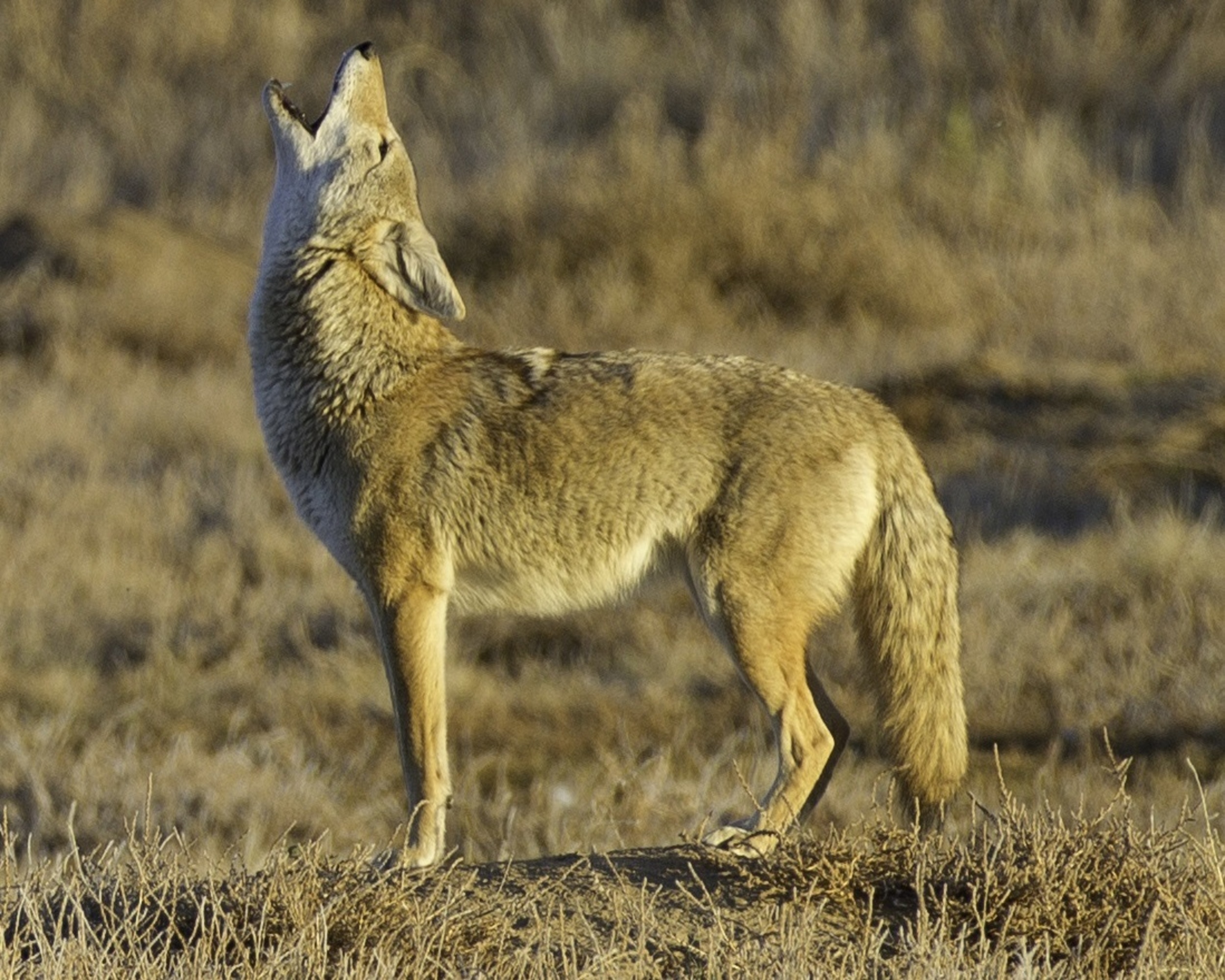
Coyotes are incredibly adaptable and intelligent animals, thriving in urban, suburban, and rural areas across the United States. While many people associate coyotes with wilderness regions, these animals are highly opportunistic and often venture into neighborhoods in search of food, water, or shelter. Seeing a coyote in your yard can be alarming, particularly if you have small pets, young children, or outdoor activities. It’s essential to understand coyote behavior, remain calm, and take proactive measures to protect your property. Following a clear plan helps ensure safety while promoting coexistence with wildlife that shares your surroundings.
Stay Calm and Assess the Situation
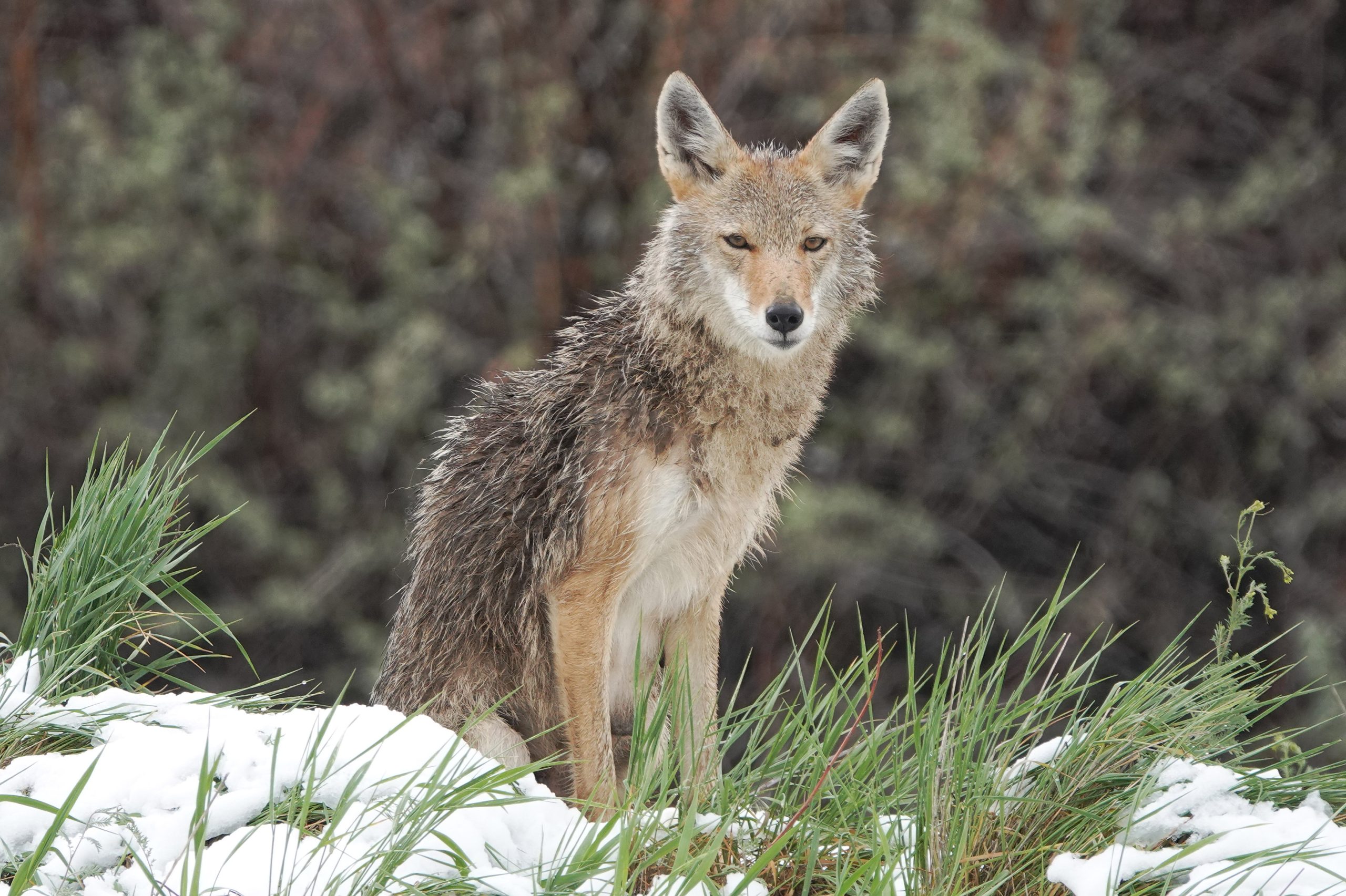
When you first notice a coyote in your yard, the instinct might be to panic or rush outside, but maintaining composure is crucial. Sudden movements, running, or screaming can inadvertently trigger the animal’s chase instincts or make it feel threatened, increasing the risk of conflict. Observe the coyote from a safe distance, taking note of its behavior, whether it seems curious, hunting, or simply passing through. Remain quiet initially and avoid making eye contact that could be misinterpreted. Calm, measured observation allows you to plan your next steps carefully, reducing the chances of a negative encounter while protecting yourself, your family, and your pets.
Keep Pets Indoors or Supervised
Pets, particularly cats and small dogs, are often primary targets for coyotes due to their size and vulnerability. To minimize risk, always keep pets indoors or under close supervision during periods of high coyote activity, typically dawn and dusk. If pets must go outside, ensure they remain in a fenced area or on a leash and never allow them to roam freely. Remove outdoor food and water sources that might attract wildlife. Even a well-trained pet can become a target if left unattended. By actively managing pet safety, you greatly reduce the likelihood of encounters and protect animals from both immediate and long-term dangers associated with coyote presence in residential areas.
Make Yourself Appear Larger and Noisier
Coyotes instinctively avoid humans, so making yourself appear threatening is a highly effective deterrent. Raise your arms, wave them, stomp your feet, and use loud vocalizations such as shouting or clapping to assert your presence. You can also use objects like pots, whistles, or air horns to increase noise and visual disruption. The key is consistency. Every time a coyote approaches, reinforce the idea that your yard is not a safe or easy environment. Persistent use of these strategies teaches coyotes to associate your presence with risk, encouraging them to leave and reducing the chance of repeat visits, especially in areas where human-wildlife interactions are becoming more common.
Remove Attractants From Your Yard
Coyotes are opportunistic feeders, drawn to yards that offer accessible food and shelter. Securing trash bins with tight lids, cleaning up fallen fruit, birdseed, or compost, and removing pet food or water left outdoors are essential. Landscaping can also play a role; dense shrubs, woodpiles, or brush piles provide ideal hiding spots, so keeping vegetation trimmed reduces cover. Eliminating these attractants discourages coyotes from lingering and minimizes the risk of encounters with humans or pets. Over time, a yard that offers neither food nor shelter will be less appealing, prompting coyotes to move to more natural, less populated areas where they can forage safely without human interaction.
Install Barriers or Fencing

A strong, well-constructed fence can prevent coyotes from entering your yard and protect pets effectively. Fences should be at least six feet tall and buried several inches into the ground to prevent digging underneath. Angled tops, coyote rollers, or extensions can further discourage climbing. Gates must always remain closed and locked to ensure complete protection. Even with fencing, pairing it with other deterrent strategies like noise-making or motion-activated lights can maximize effectiveness. Properly designed barriers not only reduce coyote access but also create a clear boundary, reinforcing their natural avoidance of humans and providing peace of mind for homeowners concerned about wildlife intrusions.
Use Deterrents Strategically
Deterrents can supplement physical barriers to discourage coyotes from entering your property. Motion-activated lights, sprinklers, and ultrasonic devices that emit high-pitched sounds can make your yard uncomfortable for wildlife. Scent-based repellents may also help, though these are most effective when combined with other deterrent measures. The key is consistency; using deterrents sporadically may allow coyotes to become habituated to them. Changing patterns or rotating devices prevents animals from adjusting. Thoughtful, strategic application of multiple deterrents increases the likelihood that coyotes will avoid your property entirely, keeping both your pets and local wildlife safe.
Educate Neighbors and Community
Coyotes often travel through multiple properties in a neighborhood, so coordinated efforts are essential. Inform neighbors about sightings, share best practices, and encourage everyone to keep pets indoors during peak activity times. Community-wide education reduces food sources, limits human interaction, and fosters collective awareness of wildlife behavior. Neighborhood watch programs or local wildlife reporting initiatives can track patterns and highlight problem areas. When the community works together, coyotes are less likely to establish consistent pathways, making the entire area safer for humans and pets while allowing coyotes to maintain their natural behaviors in nearby natural habitats.
Avoid Feeding or Interacting With Coyotes
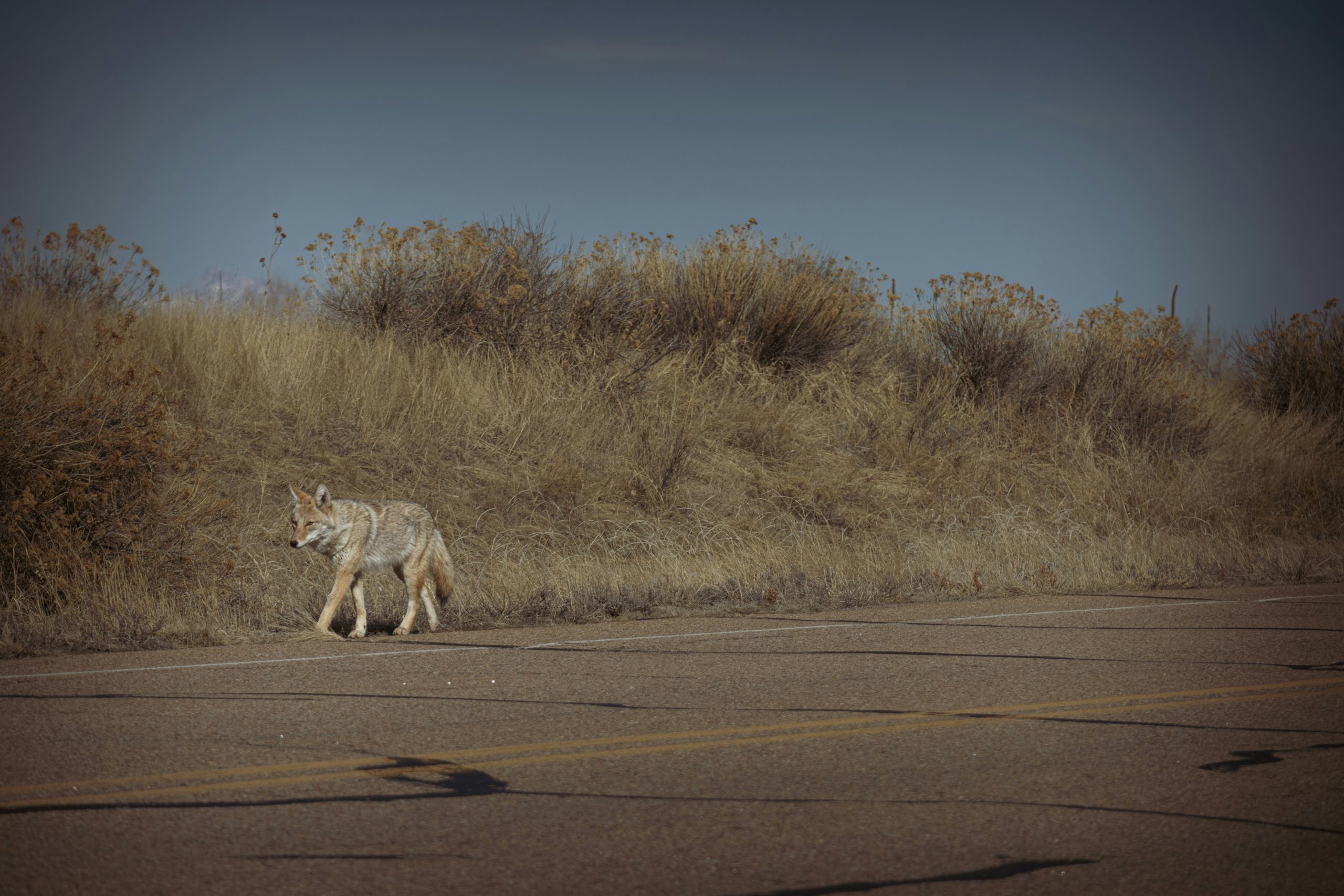
Feeding coyotes, even unintentionally, teaches them to associate humans with easy meals, increasing boldness and aggressive behavior over time. Intentionally leaving scraps, pet food, or handouts creates a dangerous precedent that encourages repeated visits. Avoid all interaction, and educate neighbors to do the same. Human food rewards can disrupt their natural hunting instincts and create conflicts that put pets and children at risk. By refusing to feed or engage with coyotes, you maintain a natural boundary, promote safer coexistence, and discourage habituation that could lead to more serious incidents in the future, preserving both human and animal safety.
Know When to Call Wildlife Professionals

If a coyote exhibits aggressive behavior, appears sick, or continues to return despite deterrents, contact local animal control or wildlife experts immediately. Attempting to handle these situations yourself is unsafe, as coyotes are wild animals capable of defensive aggression. Professionals have the training and tools to assess risk, provide guidance, or relocate animals when necessary. Keeping emergency numbers accessible ensures a rapid response. Understanding local wildlife laws and reporting unusual behavior helps prevent potential attacks while contributing to community knowledge about coyote activity, ensuring that human safety and wildlife conservation coexist responsibly.