Gun owners, historians, and ballistics experts have long questioned why certain cartridges, some dating back over a century, continue to dominate while newer, arguably more efficient options quietly fade from shelves.
The answer is rarely simple.
It involves physics, manufacturing economics, military contracts, cultural identity, and deeply entrenched consumer habits.
A cartridge that feeds reliably, performs consistently, and fits millions of existing firearms becomes more than just a round; it becomes an institution.
This article explores the eight most compelling reasons why replacing certain gun calibers is so extraordinarily difficult, and why the firearms industry keeps returning to the same proven performers decade after decade.
Ballistic Performance That Still Holds Up
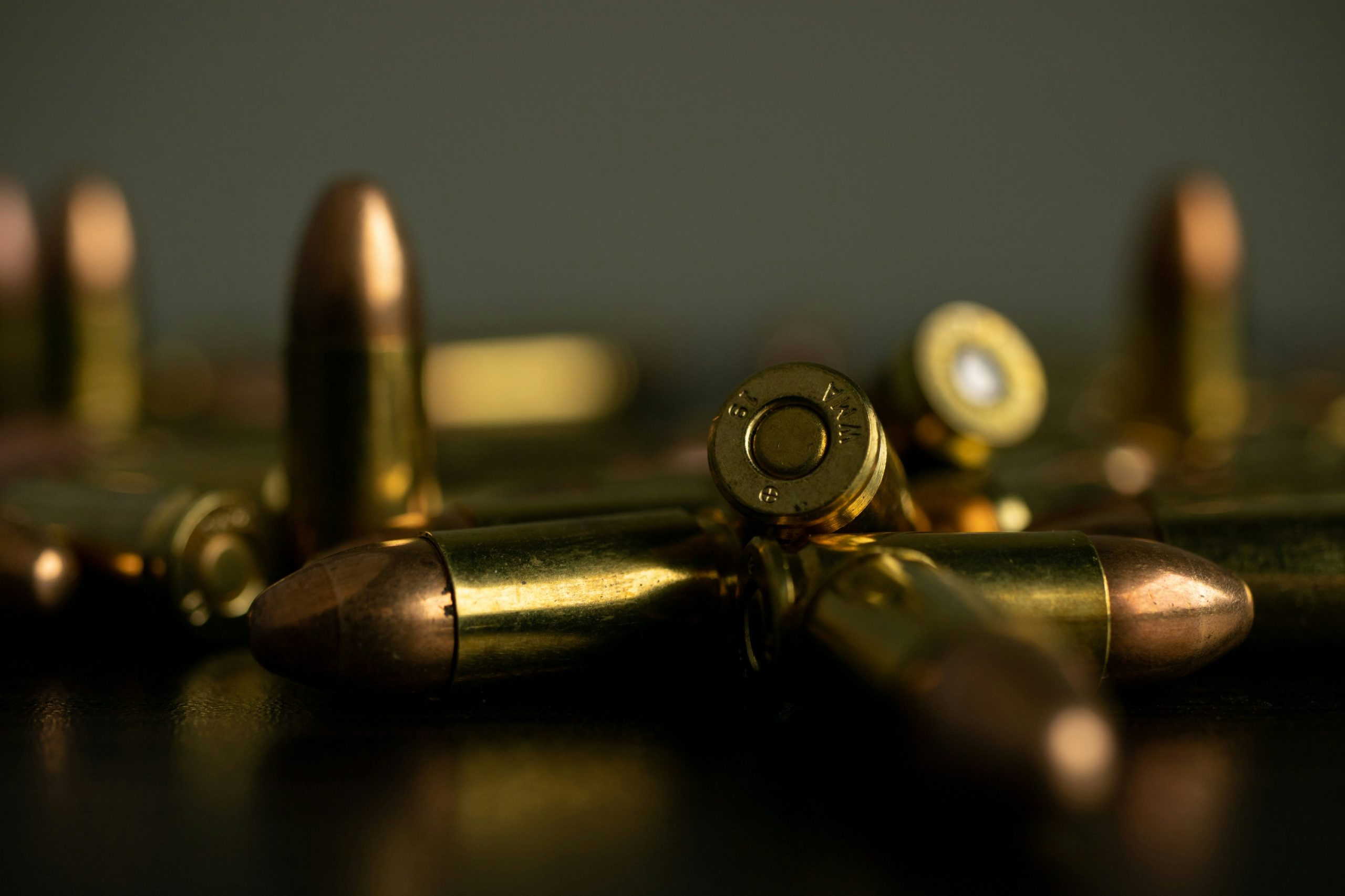
Some calibers simply hit a performance ceiling that rivals struggle to meaningfully surpass.
The .308 Winchester, introduced in 1952, produces muzzle velocities between 2,600 and 2,850 feet per second with 168-grain match bullets, delivering over 2,600 foot-pounds of energy at the muzzle.
Despite decades of engineering attempts, no widely adopted replacement has beaten those numbers in a comparable package.
The 6.5 Creedmoor came close in long-range precision, but even it doesn’t fully displace the .308 in combat or hunting roles.
When a cartridge achieves an ideal balance of velocity, energy retention, recoil management, and terminal performance, it becomes genuinely difficult to beat.
Physics constrains the gains that can be made within a given case volume and pressure ceiling, meaning most “improvements” are marginal rather than revolutionary.
That marginal gap rarely justifies the massive cost of replacing a caliber that already works exceptionally well.
Military Adoption Creates Immovable Standards
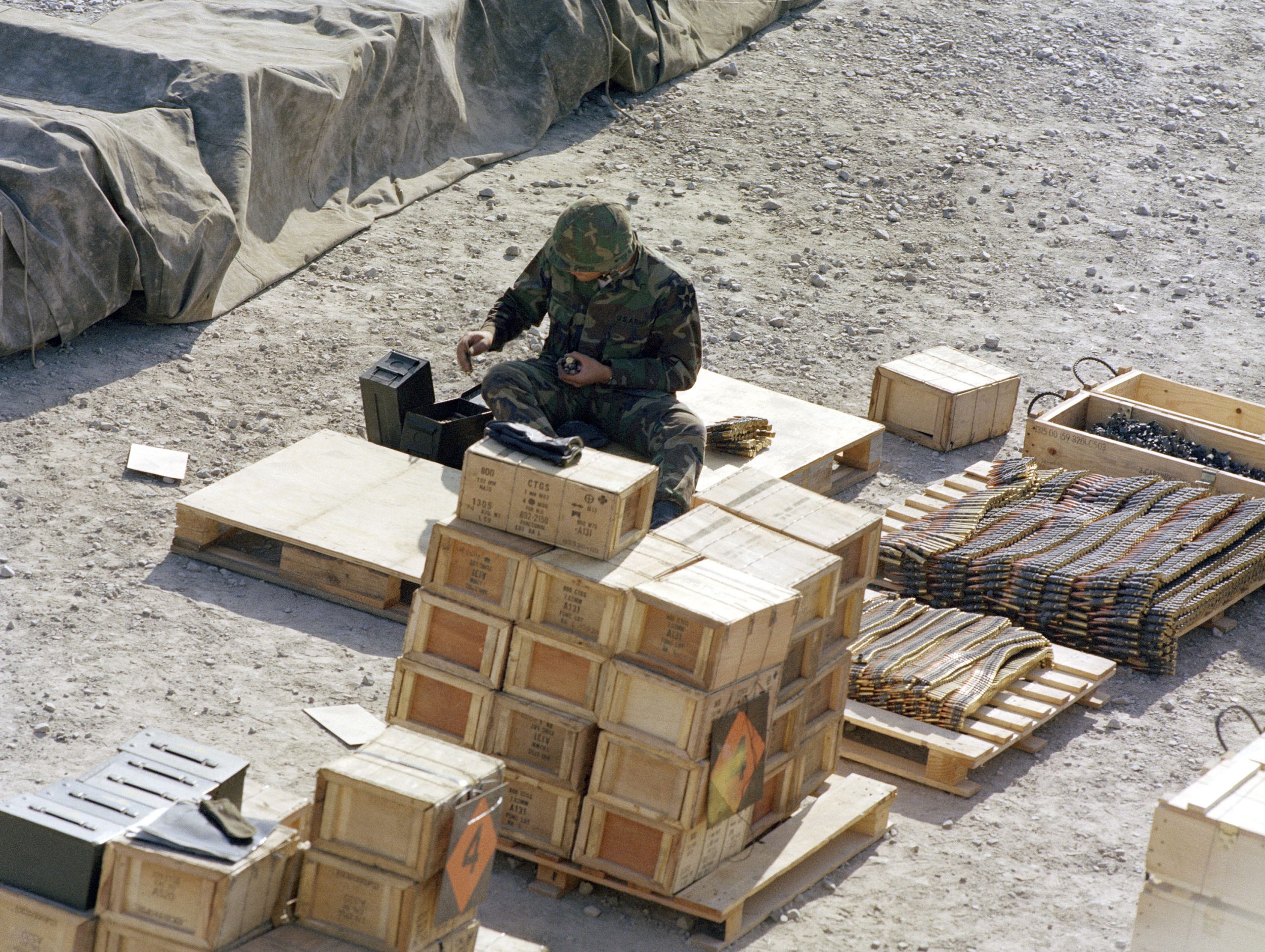
When a military force adopts a caliber, it becomes entrenched in ways that civilian markets rarely achieve on their own.
NATO’s standardization of the 9mm Parabellum in the 1950s and the 5.56×45mm in 1980 locked those cartridges into global logistics chains spanning dozens of nations.
The U.S. military alone fires an estimated 1 billion rounds of 5.56mm annually during training and operations.
Changing that standard requires every member nation to retool manufacturing, retrain personnel, replace weapons platforms, and redesign ammunition storage systems, a project costing tens of billions of dollars.
Even when the U.S. Army began transitioning to the 6.8mm Common Cartridge for the Next Generation Squad Weapon program, the 5.56mm was retained for secondary weapons.
Military adoption doesn’t just popularize a caliber; it effectively immortalizes it by embedding it into procurement contracts, international agreements, and military doctrine.
That doctrine spans generations of soldiers and hardware, making displacement almost structurally impossible.
The Firearms Ecosystem Lock-In Effect
A successful caliber generates a sprawling ecosystem of firearms, barrels, magazines, dies, and accessories specifically built around it.
The .45 ACP, introduced by John Browning in 1904, is chambered in over 400 distinct firearm models produced by more than 80 manufacturers worldwide as of 2024.
Millions of existing pistols, submachine guns, and carbines are already chambered for it.
Replacing it would mean abandoning a secondary market worth hundreds of millions of dollars annually, including spare parts, custom barrels, gunsmithing tooling, and competitive shooting equipment.
This lock-in effect works bidirectionally: manufacturers won’t stop producing .45 ACP firearms because consumers already own them, and consumers keep buying .45 ACP because manufacturers keep supporting it.
The ecosystem essentially self-sustains, creating enormous inertia against displacement.
Any competing cartridge must not only outperform the incumbent but also overcome an infrastructure that took over a century to build.
Reloading Culture Keeps Old Calibers Alive
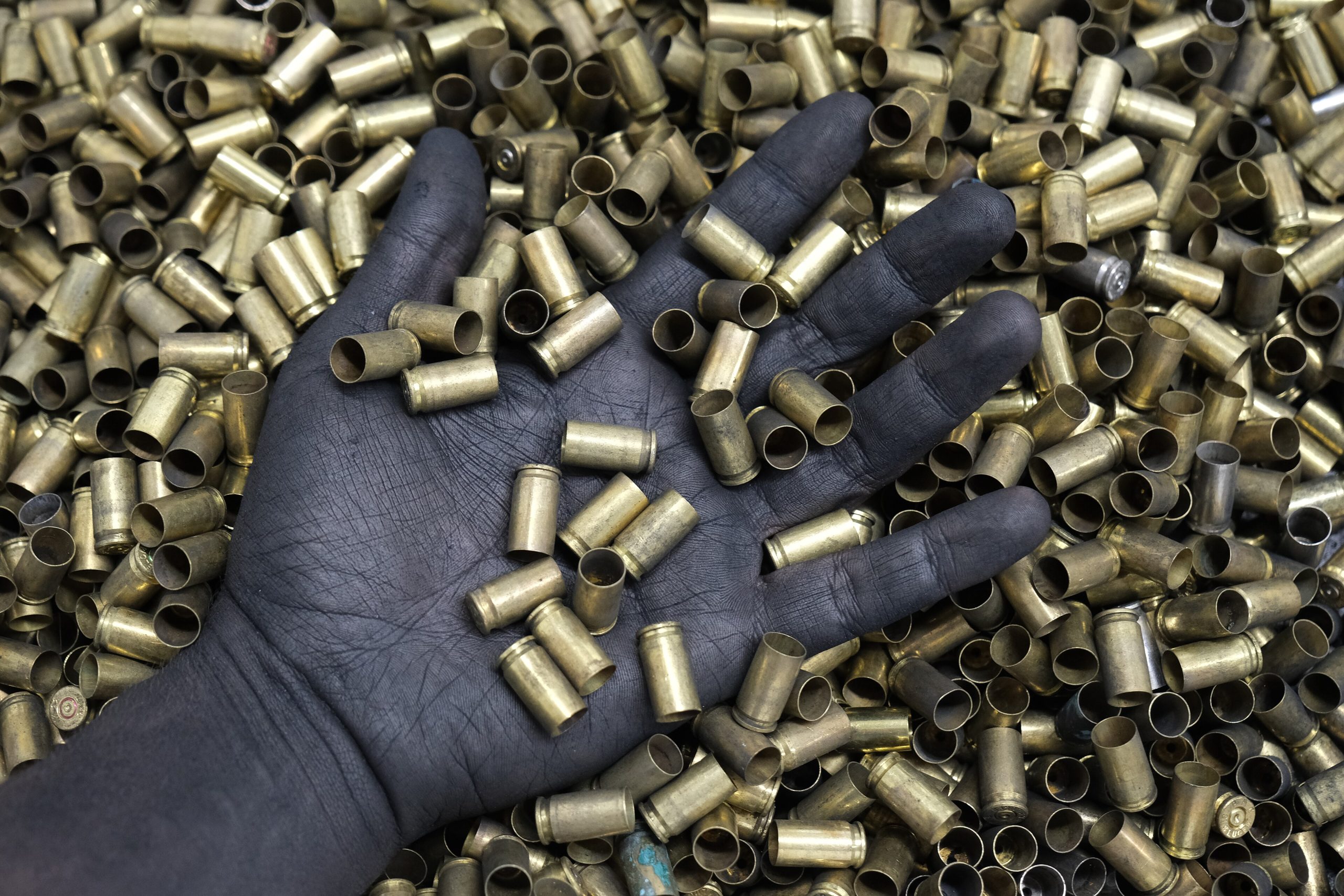
A significant portion of serious shooters reload their own ammunition, and this community forms a powerful preservation force for legacy calibers.
The .30-06 Springfield, adopted by the U.S. military in 1906 and retired from service by 1954, remains one of the top 5 most reloaded cartridges in America as of recent surveys.
Reloaders invest hundreds to thousands of dollars in dies, case tumblers, powder measures, and primers specifically calibrated to their chosen cartridges.
Switching calibers means scrapping that investment entirely.
Reloading data for calibers like .30-06, .38 Special, and .45-70 Government has been refined over decades, giving handloaders access to extremely precise load workups that newer cartridges simply haven’t accumulated yet.
Published reloading manuals from companies like Lyman and Hodgdon list over 200 individual load combinations for the .30-06 alone.
That depth of accumulated knowledge acts as a powerful barrier against adopting newer, less-documented alternatives.
Manufacturing Infrastructure and Industry Economics
Retooling a cartridge manufacturing line is extraordinarily expensive, often running between $5 million and $20 million per production facility, depending on scale and automation level.
Federal Premium, Winchester, and Remington maintain production lines optimized over decades specifically for high-volume legacy calibers like 9mm, .223 Remington, and 12-gauge shotgun shells.
These lines run at efficiencies that newer calibers cannot immediately match, keeping per-round costs low.
The 9mm Luger can be mass-produced for under $0.15 per round at scale, while newer proprietary cartridges from boutique manufacturers often retail at $0.60 to $1.50 per round.
That price gap directly discourages widespread adoption of alternatives.
Even when a newer cartridge proves technically superior, manufacturers are reluctant to absorb retooling costs unless guaranteed demand volumes that only military contracts or massive consumer shifts can provide.
Without that economic runway, most challenger calibers quietly disappear within a decade of introduction.
Law Enforcement Standardization and Training Pipelines

Police departments and federal agencies create their own powerful standardization currents.
The FBI’s adoption of the 9mm as its primary duty cartridge in 201, reversing its earlier move to the .40 S&W, sent shockwaves through American law enforcement.
Within three years of that announcement, over 65% of U.S. law enforcement agencies had transitioned to or confirmed retention of 9mm as their standard sidearm caliber.
Training pipelines are built around specific cartridges: qualification courses, ballistic standards, evidence documentation, and even holster compatibility are all caliber-dependent.
Switching agencies faces not only firearm replacement costs averaging $400–$700 per officer but also mandatory requalification cycles, revised training manuals, and updated armorer certification programs.
The .40 S&W, once considered the future of law enforcement, began its decline almost immediately after the FBI’s reversal.
A caliber endorsed by a major agency gains decades of stability; one abandoned loses momentum almost overnight.
Cultural Identity and Collector Demand
Some calibers transcend utility and become cultural symbols, ensuring survival regardless of technical merit.
The .44 Magnum earned legendary status after its depiction in the 1971 film Dirty Harry, with sales spiking over 300% in the months following the film’s release, according to period industry reports.
Decades later, it remains in continuous production despite being commercially outperformed by newer magnum options.
The .30-06 Springfield carries a World War I and II legacy that sustains demand among collectors, hunters, and military history enthusiasts far beyond what its pure ballistic profile would justify.
Similarly, the .45-70 Government cartridge, dating to 1873, sells steadily today because of its deep-rooted identity in frontier American history.
Manufacturers understand this cultural dimension well, knowing that discontinuing an iconic caliber invites significant consumer backlash, boycotts, and negative press.
Heritage, nostalgia, and identity keep rounds alive long after their tactical relevance has passed.
Supply Chain Depth and Global Availability
A caliber’s survival often comes down to how reliably it can be found anywhere in the world.
The 9mm Parabellum is manufactured in over 70 countries and stocked in gun shops from rural Montana to downtown Tokyo.
During the COVID-19 ammunition shortage of 2020–2021, 9mm was among the first calibers to return to shelves due to the sheer volume of global manufacturing capacity dedicated to it, an estimated 12 billion rounds produced worldwide annually.
This omnipresence creates a reliability premium: military units, law enforcement, and civilians alike factor in ammunition availability when choosing platforms.
A cartridge with a patchy or geographically limited supply will always lose ground to one that can be sourced under almost any conditions.
Newer cartridges, even those with genuine performance advantages, often struggle for their first decade simply because supply chains haven’t scaled to meet real-world demand.
When a caliber can be found in a surplus store in rural Texas or a gun shop in rural Slovakia, that accessibility becomes its strongest survival argument of all.