Reliable firearm performance remains the most vital factor for anyone carrying a handgun for personal protection or professional duty. A stovepipe malfunction occurs when an empty casing fails to eject fully and becomes trapped by the returning slide in a vertical position. This frustrating jam renders the weapon useless until the operator clears the obstruction through a series of manual clearing drills. Mechanical design flaws or sensitive recoil springs often contribute to these failures during rapid strings of fire. Identifying specific models prone to these issues helps owners prioritize maintenance or seek more dependable alternatives for their daily security needs.
Glock 42
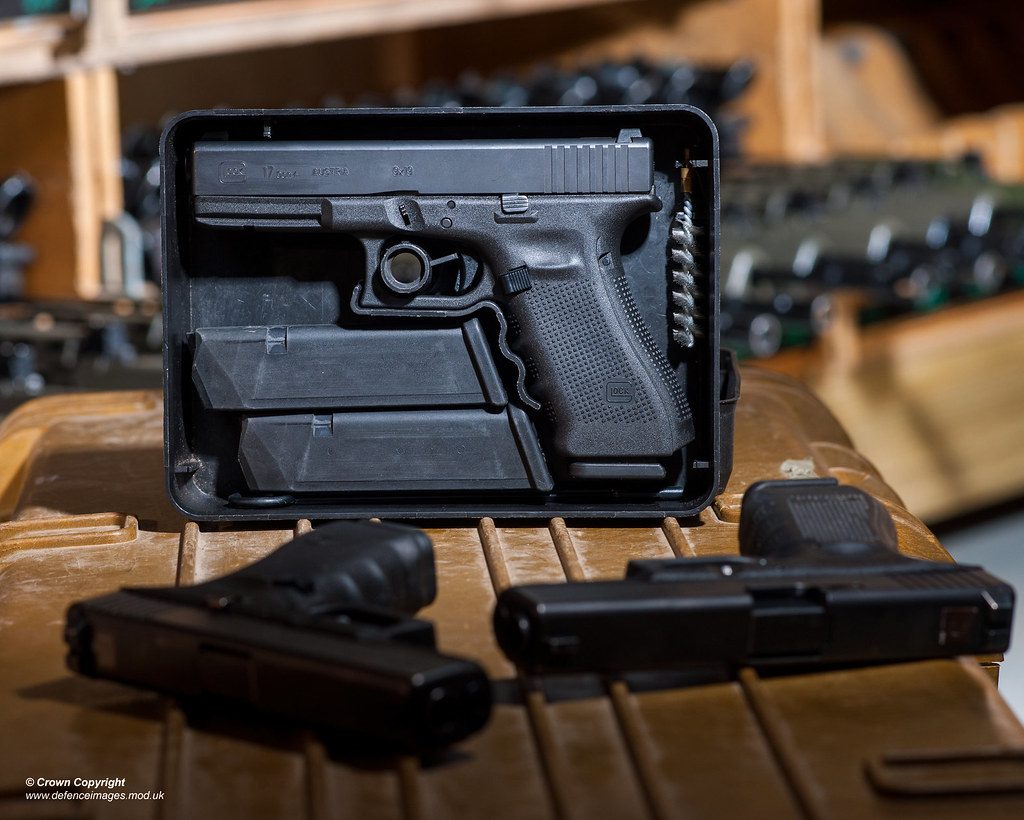
The Glock 42 entered the market as a highly anticipated subcompact pistol chambered in the smaller .380 ACP cartridge. While many shooters enjoy its slim profile and mild recoil, the model frequently experiences ejection issues with lower-pressure ammunition. Light projectile weights often fail to provide enough kinetic energy to cycle the slide completely back for a clean casing release. This often results in spent brass getting caught between the barrel and the breech face. Proper lubrication and the use of high quality defensive loads remain essential to ensure this small handgun functions correctly every time.
Beretta Nano
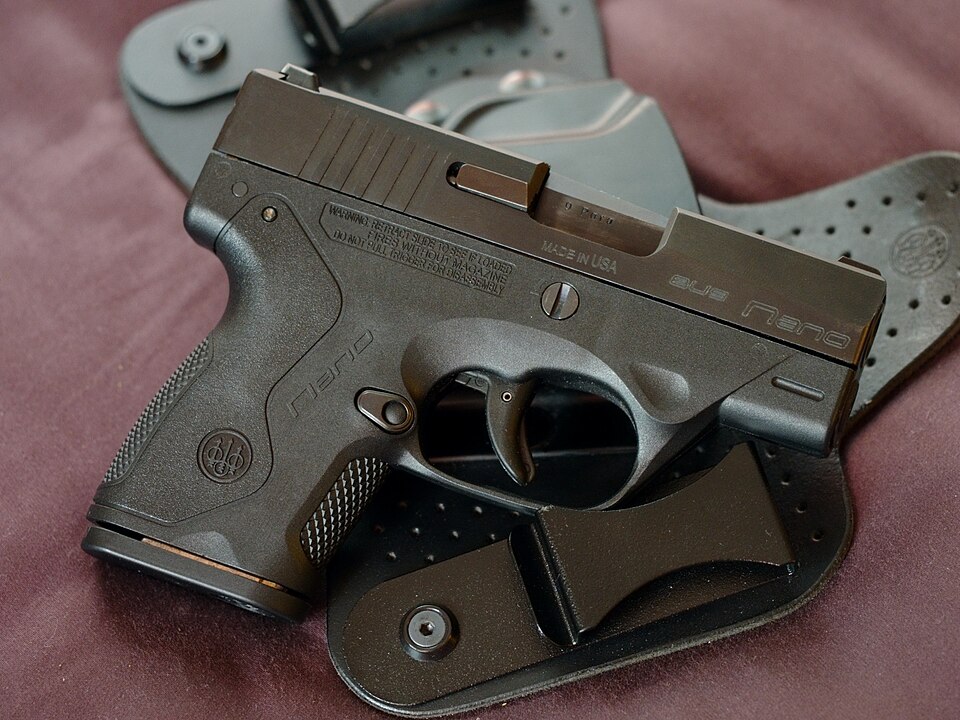
Beretta designed the Nano with a sleek, snag-free exterior that makes it an excellent choice for deep concealment in light clothing. However, the unique internal chassis system and the lack of an external slide catch contribute to occasional stovepipe failures during intensive training sessions. Shooters often find that this specific model requires a very firm grip to prevent the frame from absorbing too much recoil energy. If the wrist remains slightly limp during the firing cycle, the slide lacks the necessary momentum to eject the spent shell clear of the port. It demands consistent technique and powerful ammunition to remain reliable.
Kimber Solo
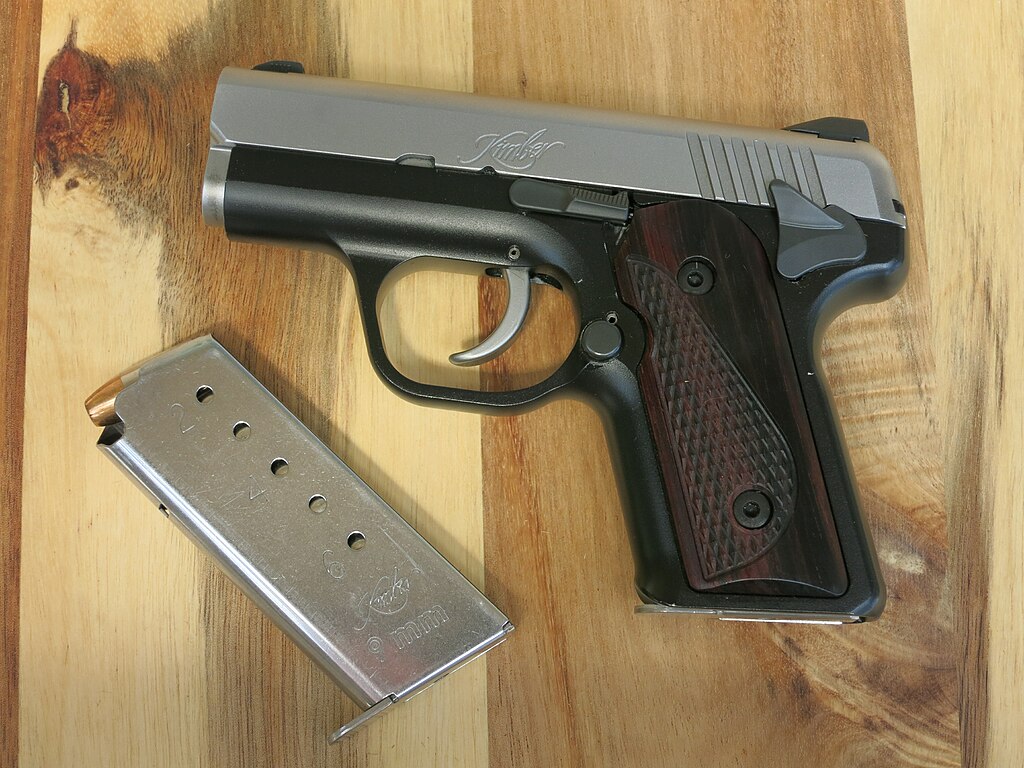
The Kimber Solo gained a reputation for being a premium micro nine millimeter pistol with exceptional ergonomics and a crisp trigger. Despite its high price point and beautiful aesthetics, the firearm is notoriously sensitive to the specific weight of the ammunition used by the owner. Kimber officially recommends utilizing only heavy grain premium cartridges to ensure the stiff recoil springs cycle the action properly without jamming. When using standard target loads, the pistol frequently experiences stovepipes because the slide does not travel far enough to hit the ejector. It is a finicky machine that requires expensive fuel to operate without failure.
Kel-Tec PF9
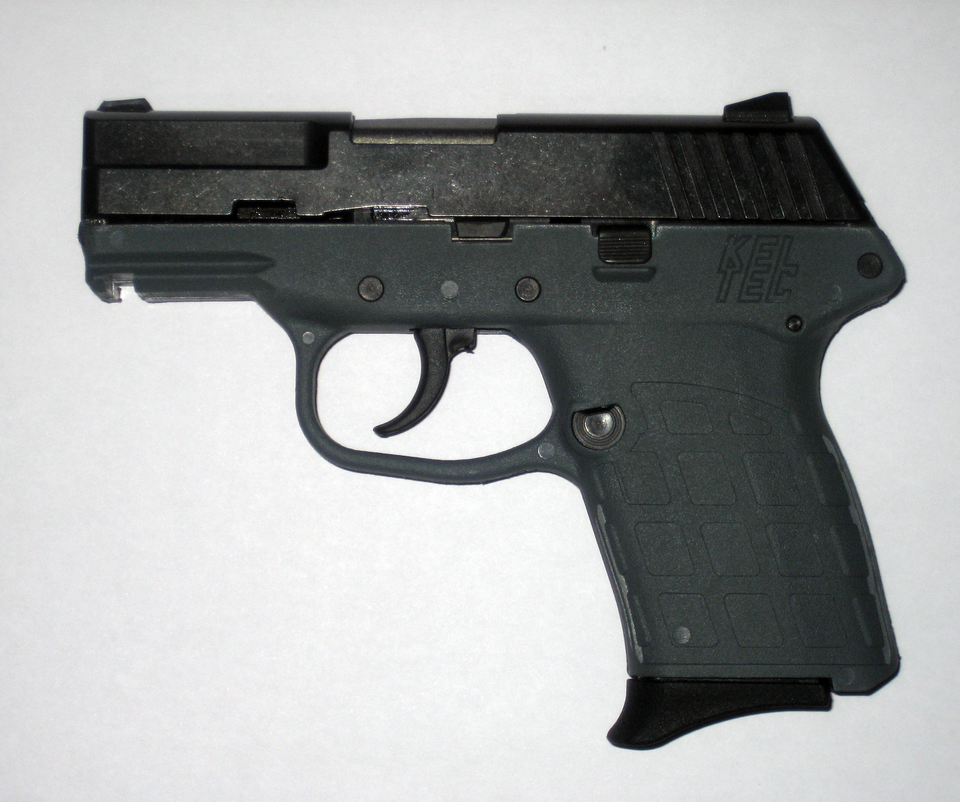
Known as one of the lightest and thinnest nine millimeter handguns available, the Kel-Tec PF9 utilizes a very simple blowback operation system. The extreme lightweight nature of the slide means that the timing of the ejection cycle is incredibly fast and leaves little room for error. Any variation in powder charge or a slightly dirty extractor can lead to a spent casing hanging in the window. Many owners report that the recoil is so sharp that the handgun physically shifts in the hand, which interferes with the mechanical cycling. It requires a dedicated break-in period and constant cleaning.
Ruger LCP
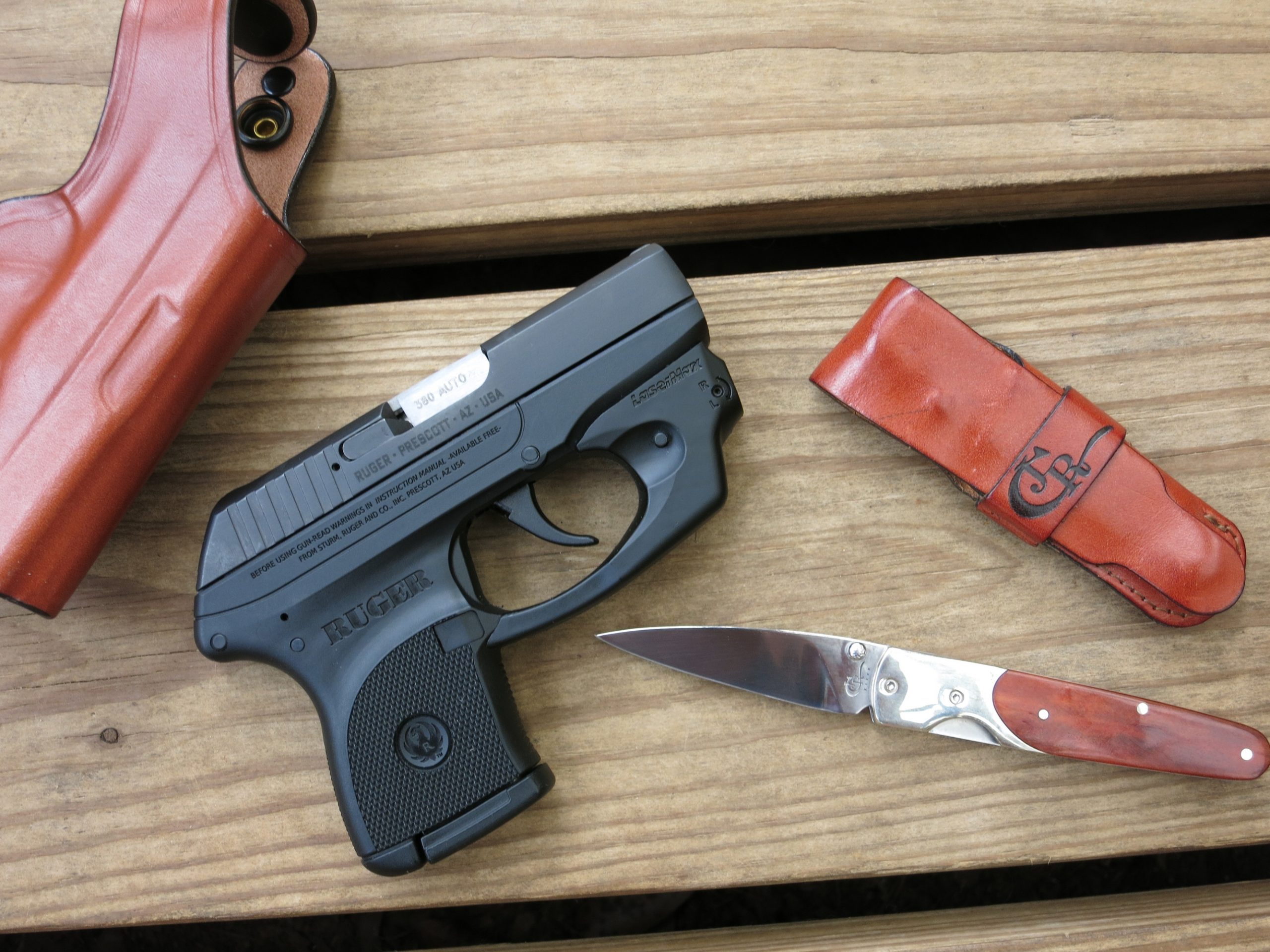
The Ruger LCP is a staple in the pocket pistol category due to its incredibly small dimensions and affordable price tag. Because the slide has very little mass and the recoil spring is exceptionally tight, the window for successful ejection is very narrow. Carbon buildup around the extractor claw quickly leads to stovepipe jams after only a few dozen rounds are fired at the range. Enthusiasts often suggest replacing the factory springs with aftermarket options to improve the cycling reliability of this diminutive firearm. It remains a popular choice for backup carry but necessitates frequent inspections to avoid a critical jam.