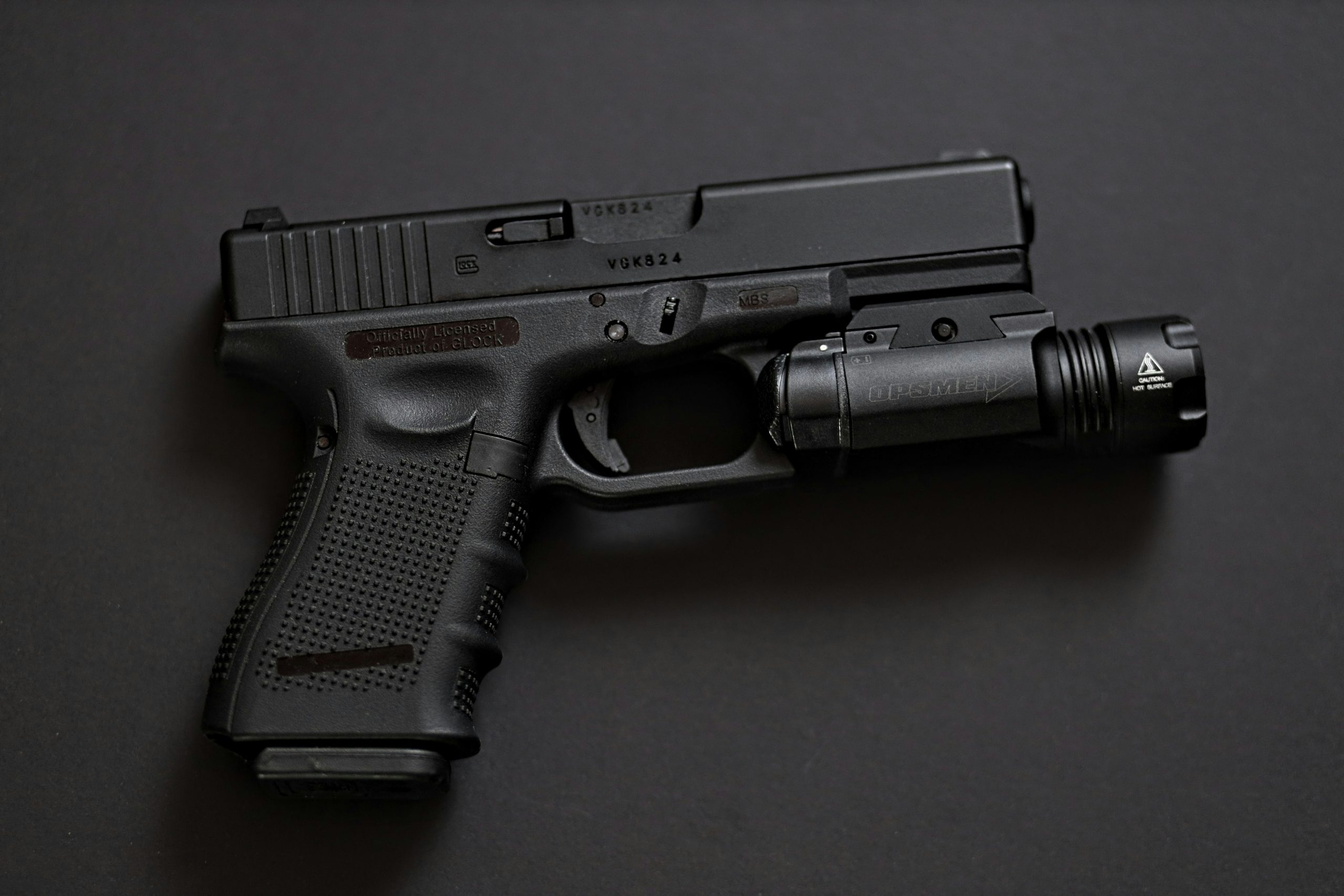
Weapon-mounted lights have become standard equipment on defensive pistols, yet many shooters are caught off guard when a handgun that has always been reliable begins to malfunction once a light is attached. The problem is rarely a defective light. Instead, it is usually caused by subtle changes in recoil dynamics, slide velocity, and frame behaviour. Some handguns depend on a precise balance of mass and movement that does not tolerate additional weight on the dust cover. When that balance changes, timing issues can appear under recoil. These problems may only surface during rapid fire, weak-hand shooting, or with certain ammunition, making them easy to miss during casual range use. This article examines ten commonly trusted handguns that can become inconsistent when a weapon light is added, highlighting why configuration testing matters more than reputation alone.
Glock 19
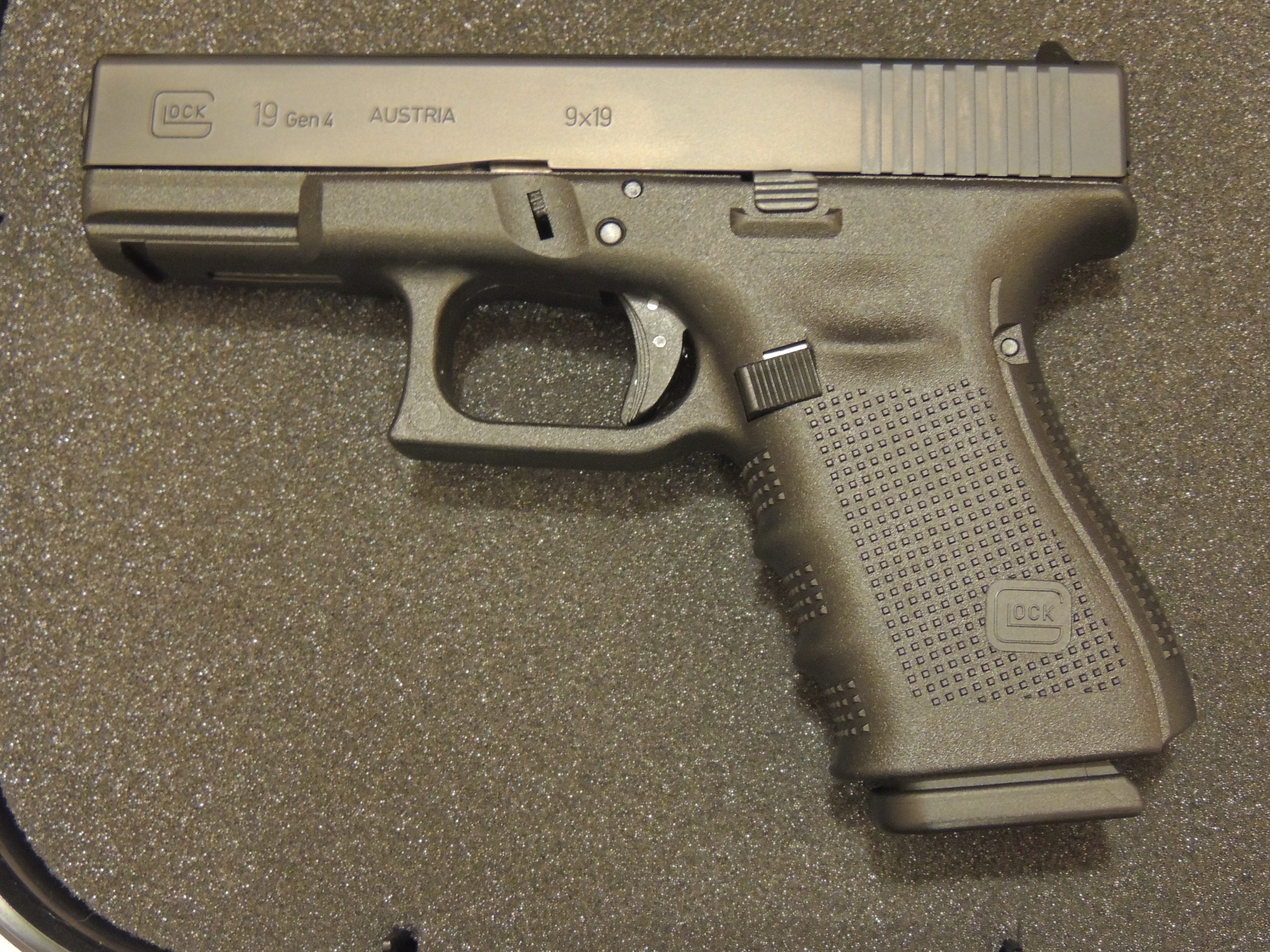
The Glock 19 is widely respected for durability and reliability, but early-generation frames with thinner dust covers can behave differently once a weapon-mounted light is installed. Glock’s polymer frame naturally flexes under recoil, and that flex plays a role in timing the slide’s rearward and forward movement. When a light clamps onto the frame, it stiffens the dust cover and reduces that flex. This seemingly minor change can alter slide velocity just enough to cause failures to feed or inconsistent ejection. The issue often appears with lighter practice ammunition rather than duty loads. Heavier lights increase the likelihood of problems. Later Glock revisions addressed this through frame changes and recoil spring updates, but early models deserve careful testing with any attached light.
Glock 17 with High-Output Lights
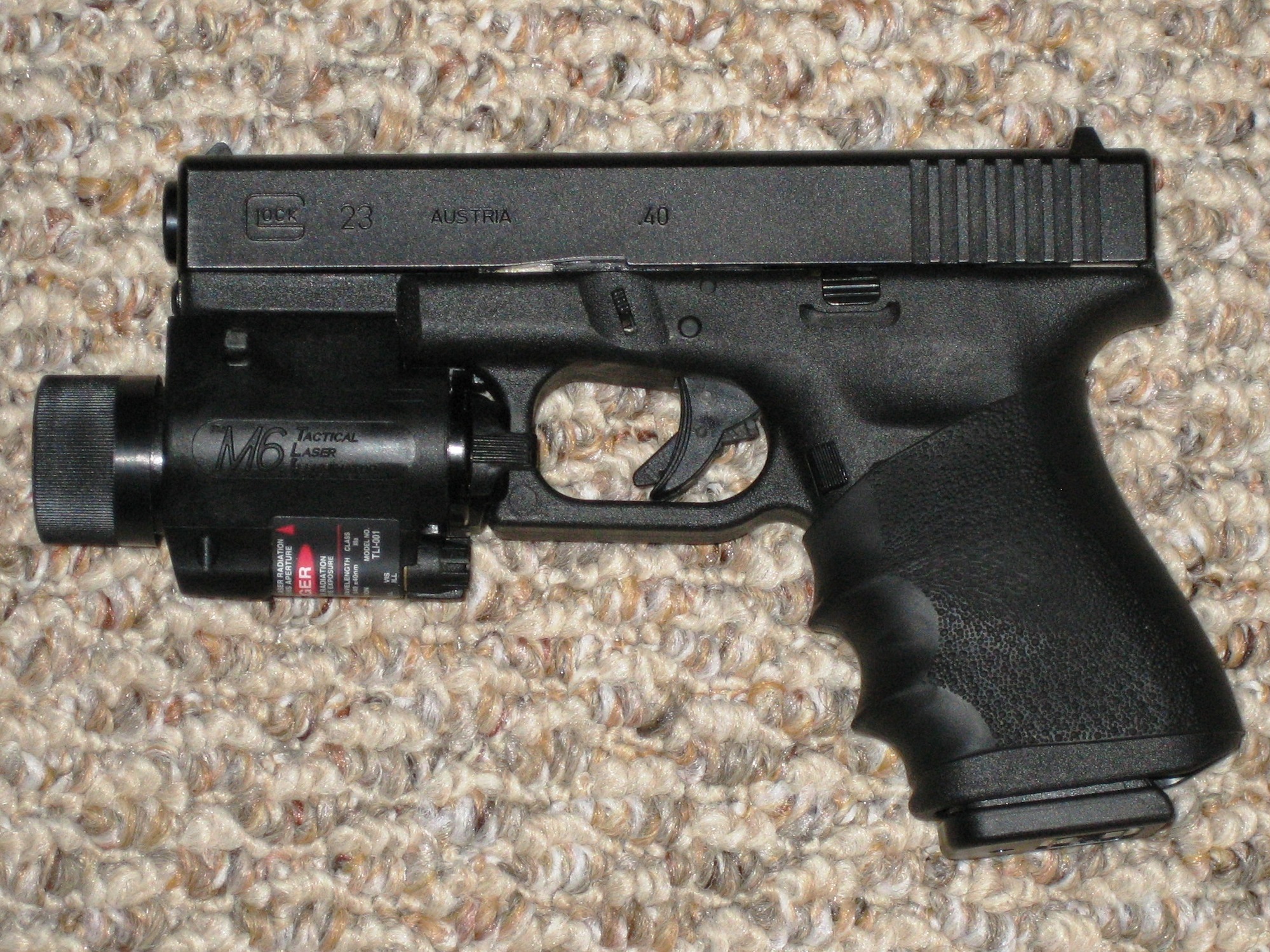
The Glock 17 generally handles accessories better than compact models, but it is not immune to light-related issues. When large, high-output weapon lights are attached, the added forward weight can affect recoil impulse and slide movement. Some shooters report sluggish cycling, short-stroking, or erratic ejection patterns, particularly during rapid fire or compromised shooting positions. These problems are more noticeable with reduced-power training ammunition. The pistol may run flawlessly without the light, masking the issue until the configuration changes. While the Glock 17 remains a dependable platform, pairing it with heavy lights requires thoughtful ammunition selection and confirmation through realistic testing rather than assuming reliability will remain unchanged.
SIG Sauer P320 Compact
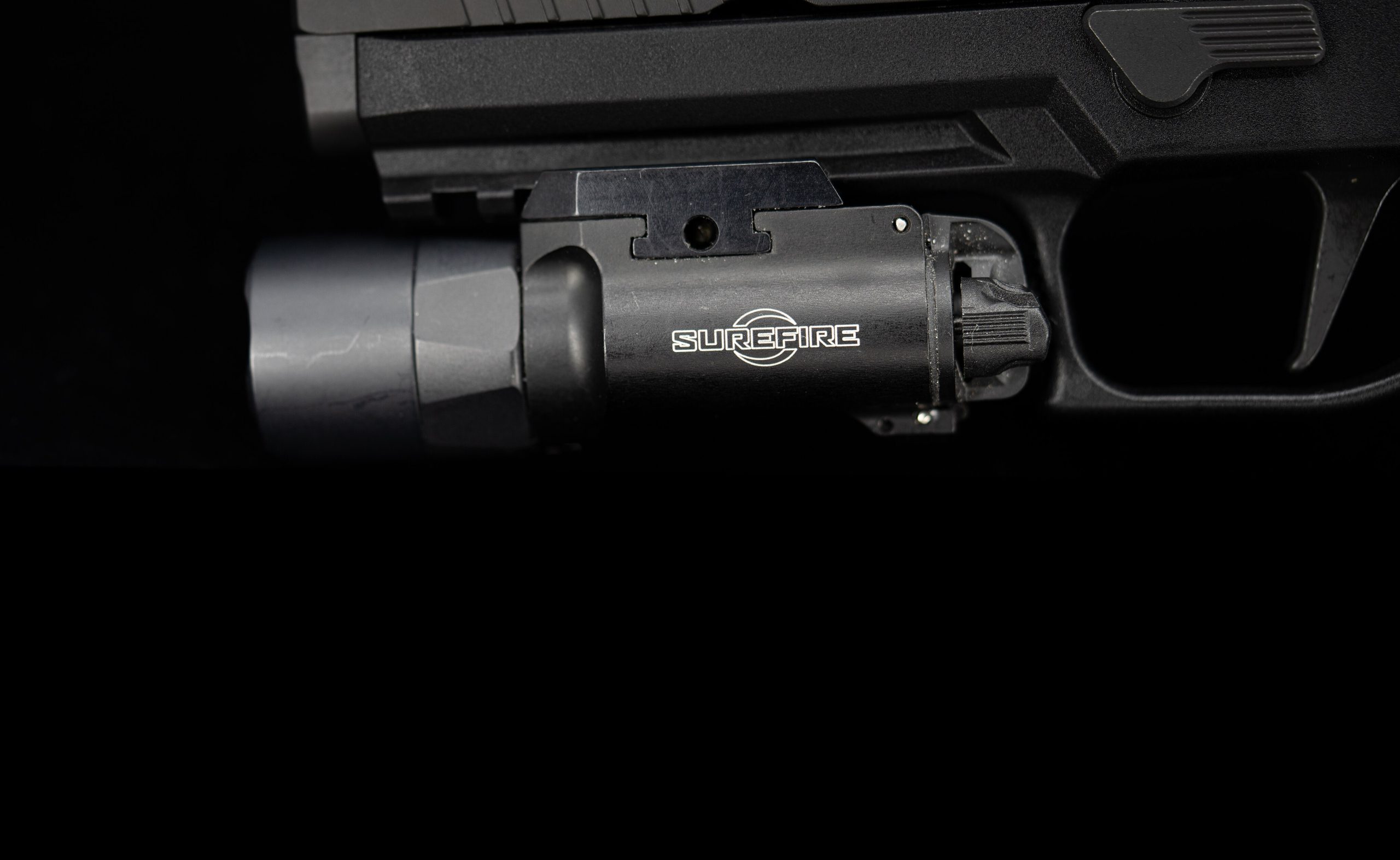
The SIG P320 Compact is praised for modularity and accuracy, but its striker-fired design can be sensitive to changes in recoil dynamics. The polymer grip module flexes differently when a rigid weapon light is attached, which can subtly alter slide speed and barrel unlocking. Some shooters experience failures to feed or return to battery that disappear as soon as the light is removed. These malfunctions often appear during rapid strings or one-handed shooting, where recoil forces are less controlled. SIG has improved recoil spring options and grip modules over time, which has reduced issues. Still, the P320 Compact benefits from thorough testing with any mounted light before being trusted for defensive use.
Smith & Wesson M&P 9
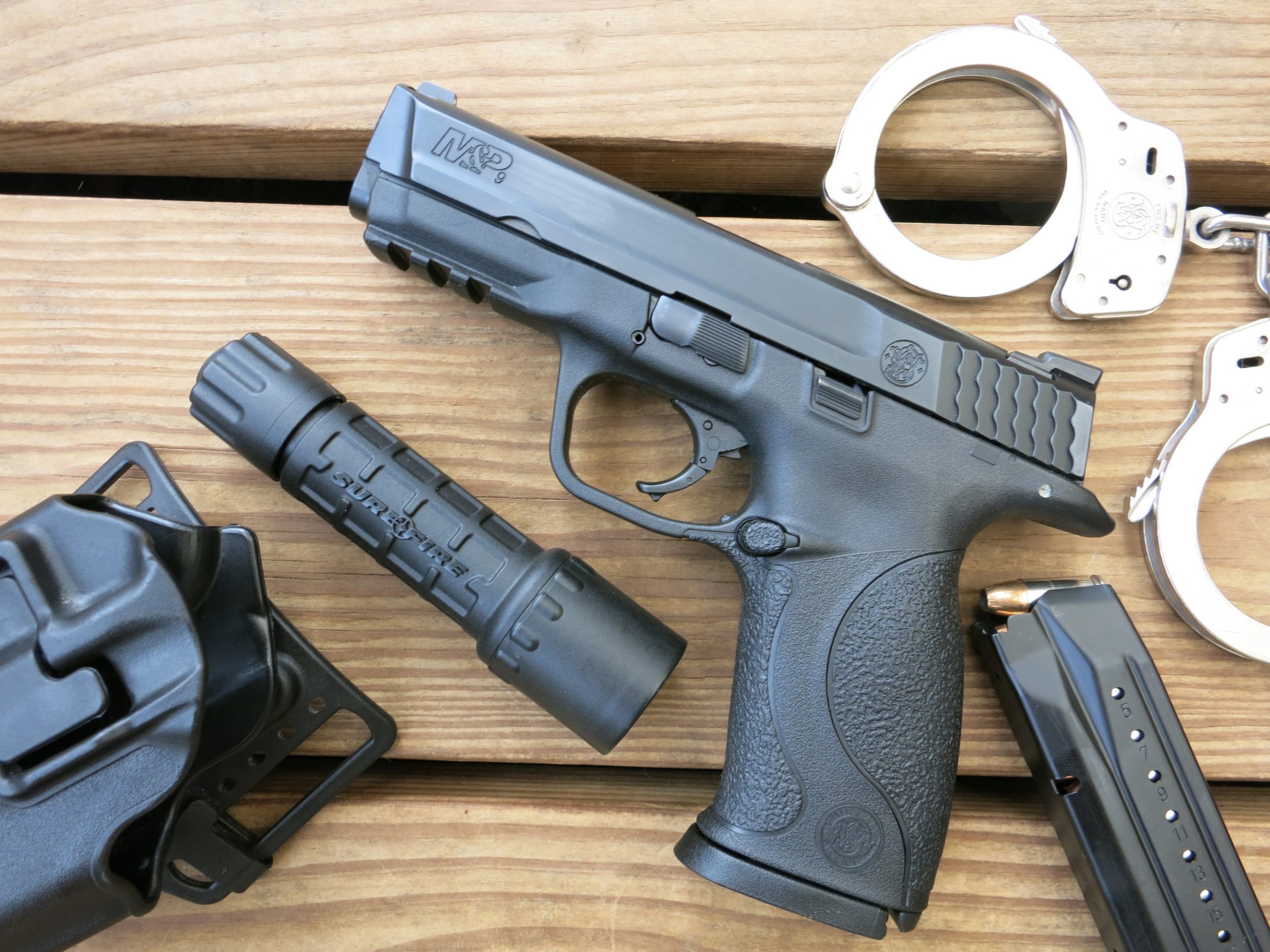
First-generation Smith & Wesson M&P 9 pistols built a solid reputation for toughness, but many users noticed reliability changes after adding a weapon-mounted light. The flexible polymer frame and early locking geometry respond noticeably to additional weight on the dust cover. This can slow slide movement and interfere with consistent feeding, especially with lighter bullet weights. Some shooters only discovered the problem during low-light training sessions, making troubleshooting difficult. Smith & Wesson addressed many of these concerns in later generations with improved barrels, recoil systems, and frame stiffness. While the original M&P 9 remains serviceable, it clearly requires validation when used with a light.
CZ P-07 Duty
The CZ P-07 Duty is appreciated for its ergonomics and smooth recoil, but its internal balance can be disrupted by added accessories. The combination of a polymer frame and a relatively heavy slide means recoil timing is already finely tuned. When a weapon light is installed, some users experience sluggish cycling or failures to return fully to battery. These problems often occur during faster shooting rather than slow fire, which can hide issues during casual practice. Ammunition choice plays a major role, with lower-energy loads showing the most sensitivity. The P-07 is reliable in factory configuration, but it demands careful confirmation once additional weight is introduced.
Beretta APX
The Beretta APX was designed as a duty pistol, yet it can still show sensitivity to weapon-mounted lights. Its aggressive slide mass and polymer frame interact differently when the dust cover is reinforced by an accessory. In some setups, shooters report erratic ejection or occasional feeding failures during extended firing strings. These issues are not widespread, but they are repeatable under certain conditions. Beretta refined recoil spring tuning in later updates, which helped improve consistency. The APX remains a capable handgun, but it demonstrates that even service-oriented designs are not automatically immune to changes caused by added forward weight.
Heckler & Koch VP9
The HK VP9 has an excellent reliability record, yet it is not completely unaffected by weapon lights. Its recoil system is tuned for smooth, controlled cycling, and adding a light can subtly change slide velocity. Some shooters experience intermittent malfunctions that vanish when the light is removed. Grip strength, shooting stance, and ammunition choice appear to influence the issue, suggesting marginal timing changes rather than a fundamental flaw. Using full-power ammunition often reduces problems significantly. The VP9 remains highly dependable overall, but it rewards users who test their exact configuration instead of assuming flawless performance.
Walther PPQ
The Walther PPQ is known for its outstanding trigger and fast slide speed, which can become a drawback when a weapon light is added. The pistol’s quick cycling relies on precise balance, and additional frame weight can disrupt that timing. Shooters sometimes encounter failures to eject or inconsistent feeding during rapid fire. These issues rarely show up during slow, deliberate shooting, which can create false confidence. The PPQ tends to perform better with hotter ammunition once a light is installed. While still a high-quality handgun, it highlights how performance-oriented designs can be less forgiving of configuration changes.
Springfield XD-M
The Springfield XD-M series is often described as rugged and reliable, yet weapon lights can introduce unexpected variables. The pistol’s grip safety and frame geometry respond to added mass in ways that can affect cycling consistency. Some users report intermittent malfunctions that occur only with a mounted light and disappear when the gun is returned to stock form. Grip pressure and hand placement can influence reliability, making issues difficult to replicate. Careful ammunition selection and extensive testing usually resolve concerns, but the XD-M should not be assumed immune to light-related changes without verification.
Why Testing Matters More Than Reputation
The common thread among these pistols is not poor engineering, but sensitivity to altered recoil dynamics. Adding a weapon-mounted light changes how energy moves through the frame, slide, and locking system. A handgun that runs flawlessly in one configuration may struggle in another, regardless of brand reputation. This is why experienced shooters test their exact setup with duty ammunition and realistic shooting conditions. Reliability is a system-level issue, not a single component. Understanding these interactions helps avoid surprises and reinforces the importance of verifying performance before trusting any handgun configuration for serious use.