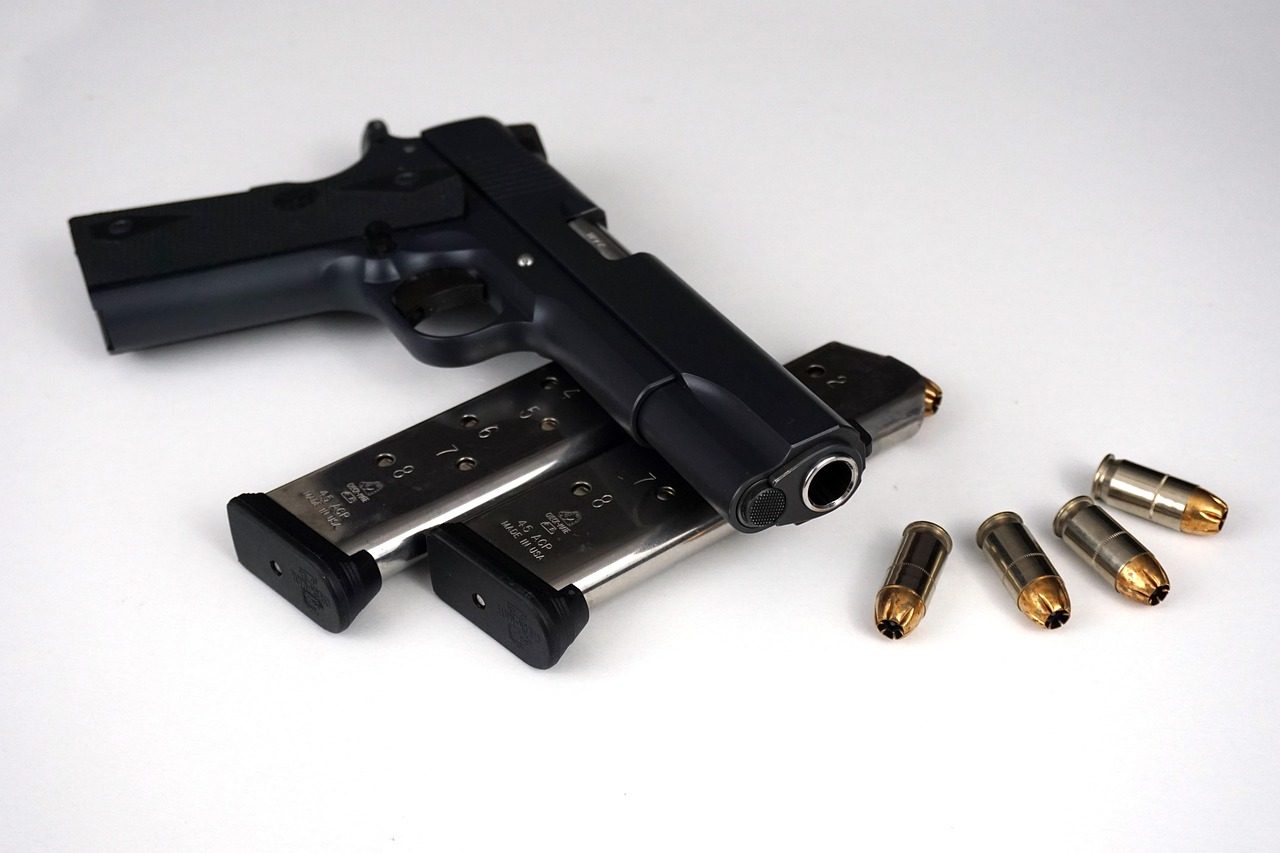
The M1911 pistol remains a mechanical marvel of twentieth-century engineering that defined American military power. This semi-automatic sidearm served troops faithfully through the mud of trenches and the heat of tropical jungles without failing. John Browning designed the weapon to be loose enough to function while dirty but accurate enough to stop an enemy soldier instantly. It utilized a heavy forty-five caliber cartridge that delivered immense stopping power during close-quarters combat situations. Military historians recognize this handgun as the longest-serving weapon in the official arsenal of the United States armed forces history.
World War I
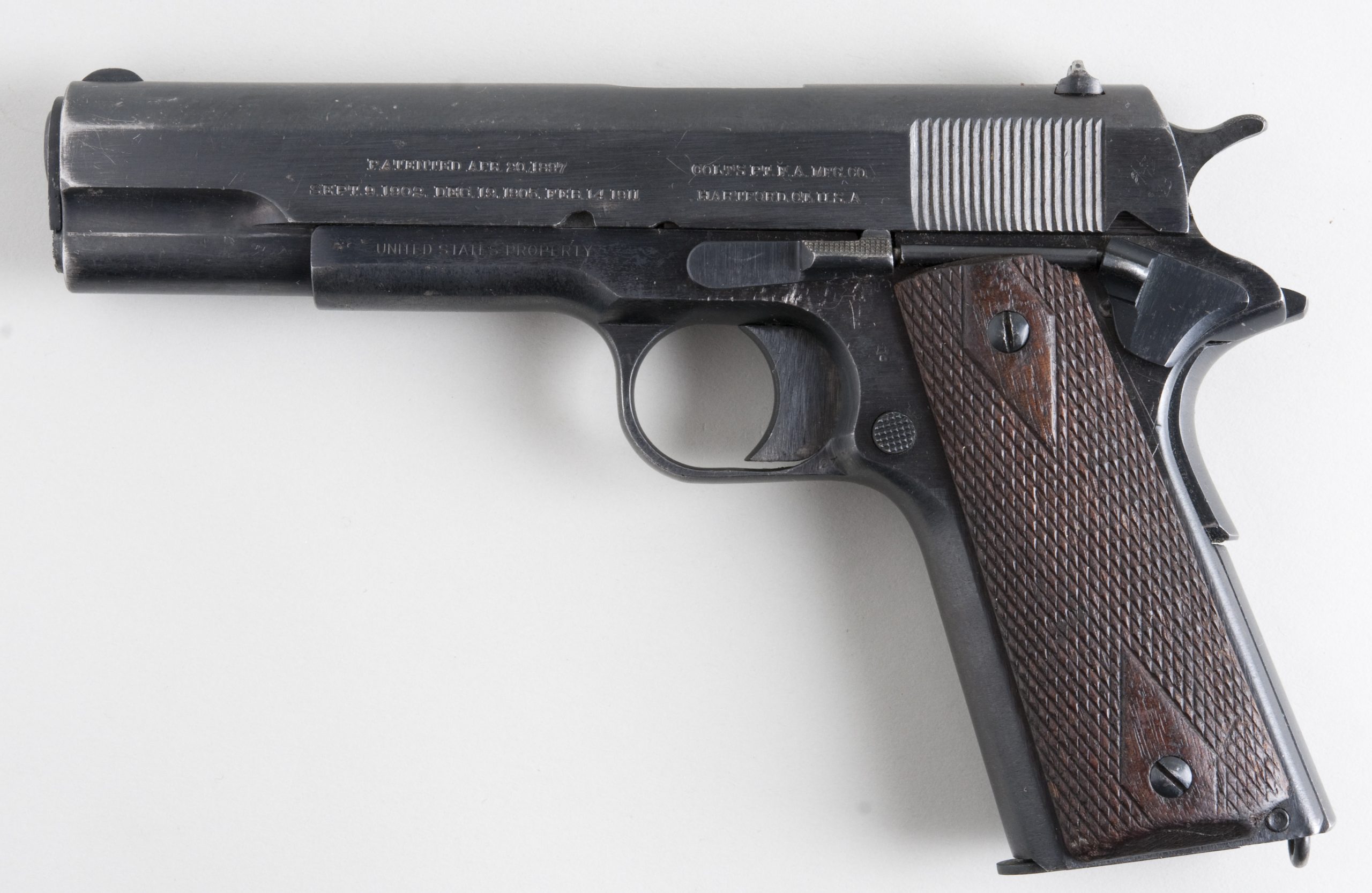
General John Pershing requested a sidearm with more stopping power to combat fierce Moro warriors in the Philippines before the Great War. The resulting design entered service just in time to see action in the muddy trenches of France and Belgium. Doughboys carried the heavy steel pistol into no man’s land, where it proved effective for clearing enemy bunkers. Its reliable recoil operation functioned perfectly even when covered in the grime and debris of trench warfare. Soldiers appreciated having a powerful backup weapon that could neutralize a threat with a single well-placed shot at close range.
World War II
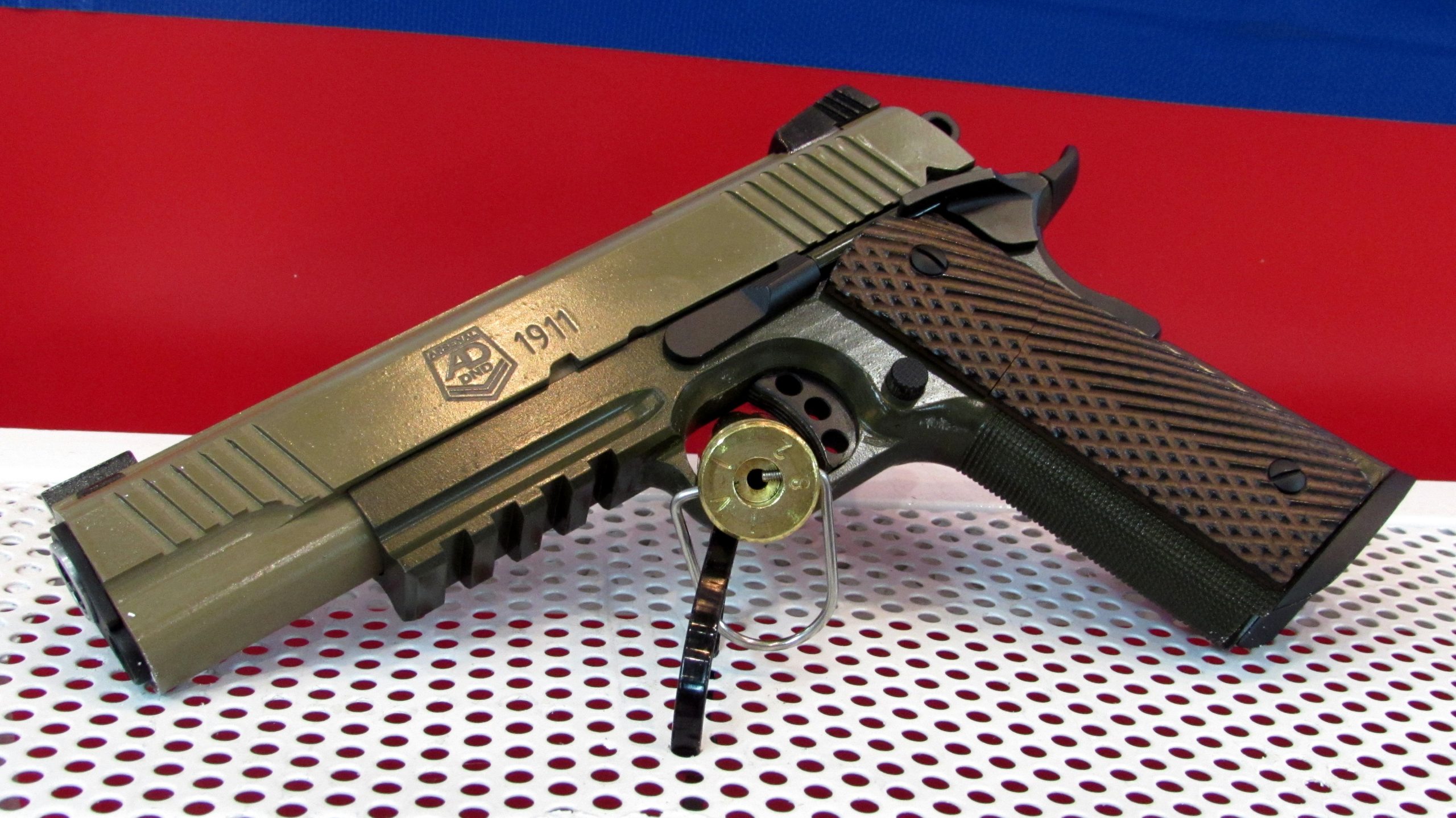
Production ramped up significantly when global conflict erupted again, and millions of these pistols were manufactured for the war effort. Paratroopers and tank crews relied on the compact firepower of the sidearm when rifles were too bulky to carry effectively. The weapon saw extensive use on the beaches of Normandy and the island-hopping campaigns of the Pacific theater simultaneously. It became a symbol of American industrial might as factories churned them out by the thousands daily. Veterans returned home with a deep appreciation for the reliability that saved countless lives during the massive global struggle.
The Korean War
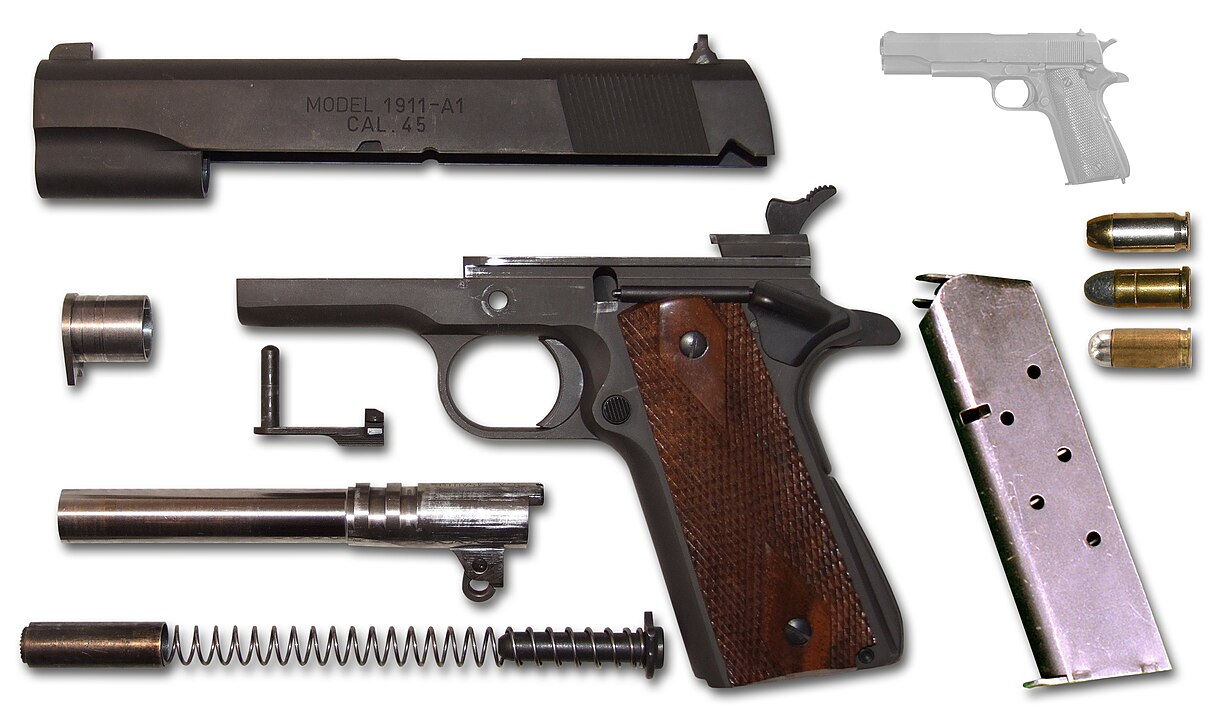
The harsh winter conditions of the Korean peninsula tested the limits of every piece of equipment in the American inventory. Lubricants froze solid in the sub-zero temperatures, but the loose tolerances of this pistol allowed it to cycle reliably. Troops fighting at the Chosin Reservoir used the weapon to defend their positions against overwhelming waves of enemy infantry attacks. It proved that a design from the turn of the century could still compete on a modern battlefield. The stopping power of the heavy ammunition was particularly valued against adversaries wearing thick quilted winter clothing layers.
The Vietnam War
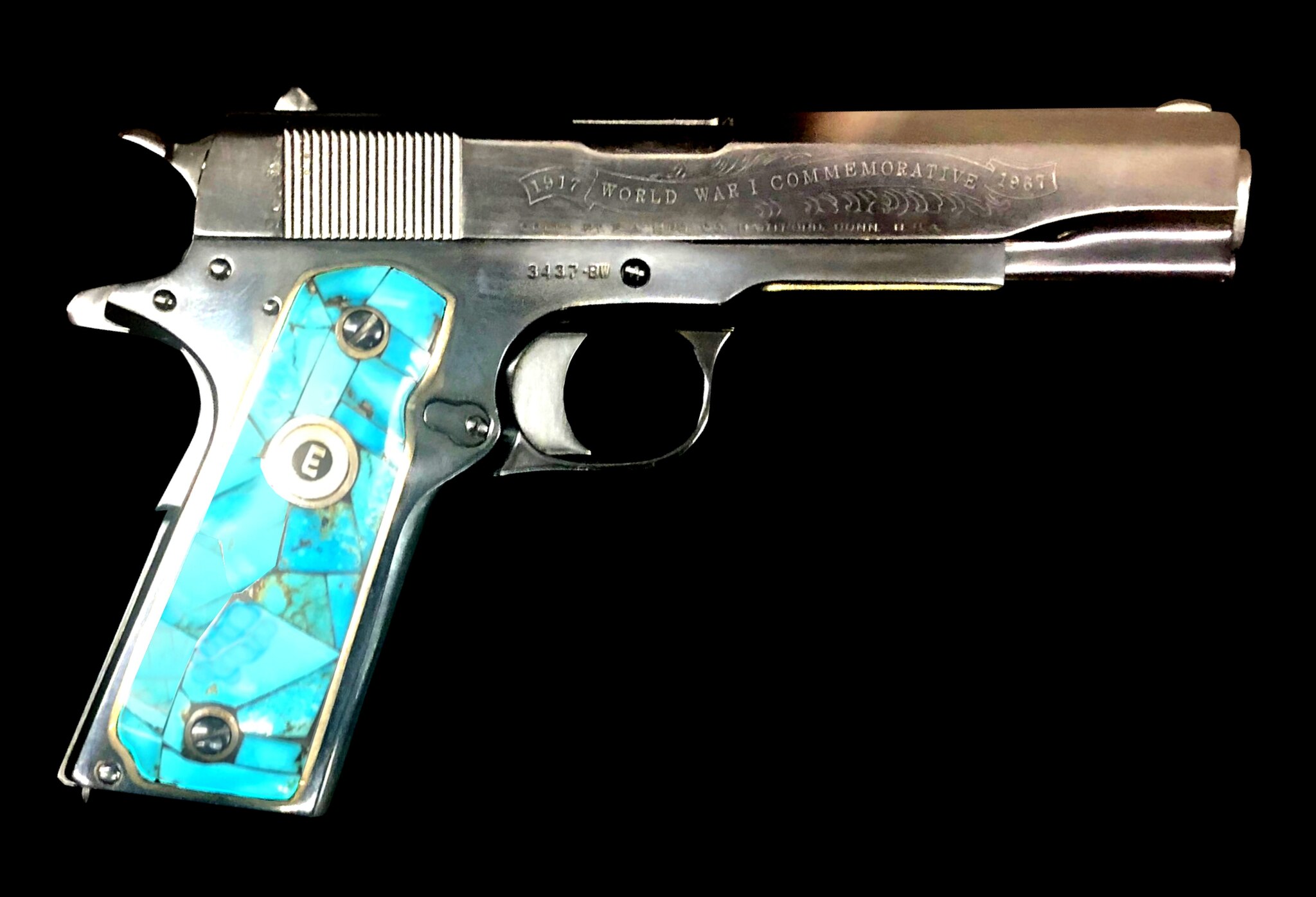
The M1911 pistol became the primary weapon for tunnel rats clearing underground bunkers during the Vietnam War. These brave soldiers crawled into dark and cramped spaces where rifles were impossible to maneuver effectively. The heavy stopping power of the forty five caliber round was essential for neutralizing threats instantly at point-blank range. Humidity and mud were constant enemies in the jungle, but the loose tolerances kept the gun functioning. Troops trusted the sidearm implicitly when isolation and danger were at their absolute peak. It proved that a sixty-year-old design could still dominate modern combat.
The Modern Era
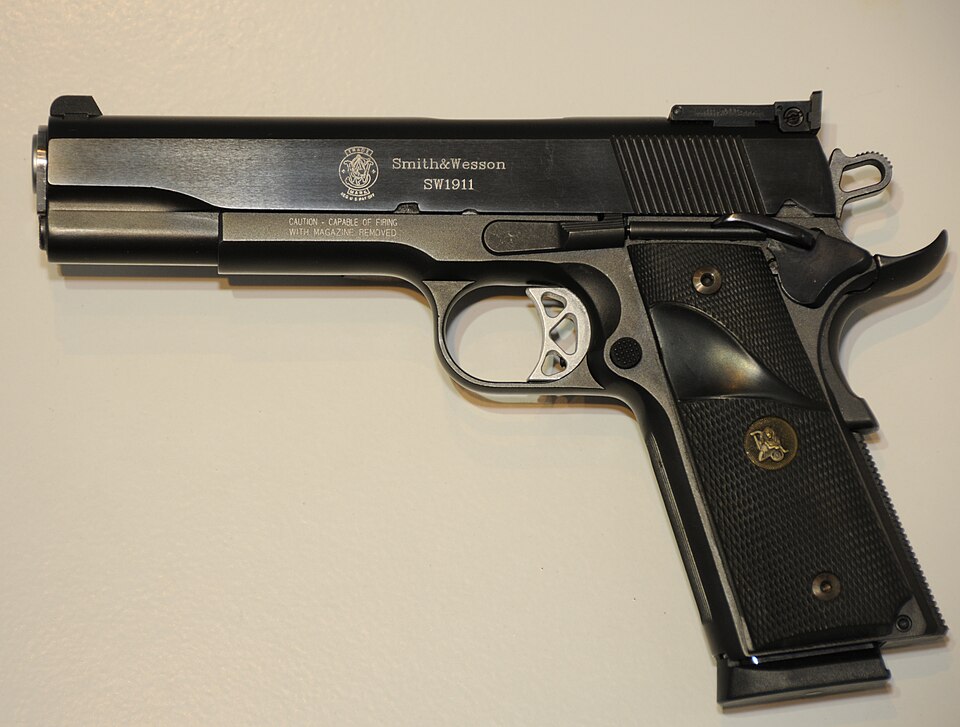
The Marine Corps continued to issue modernized versions of the M1911 long after the official service replacement. Elite expeditionary units preferred the single-action trigger and stopping power over high-capacity nine-millimeter alternatives. Gunsmiths hand-fitted match-grade barrels and ambidextrous safeties to create the ultimate fighting implement for special operations. This dedication proved that the century-old design still possessed tactical advantages that modern polymer pistols could not replicate. It remains a symbol of American military history that continues to defend freedom in the hands of professionals and civilians alike around the world today.