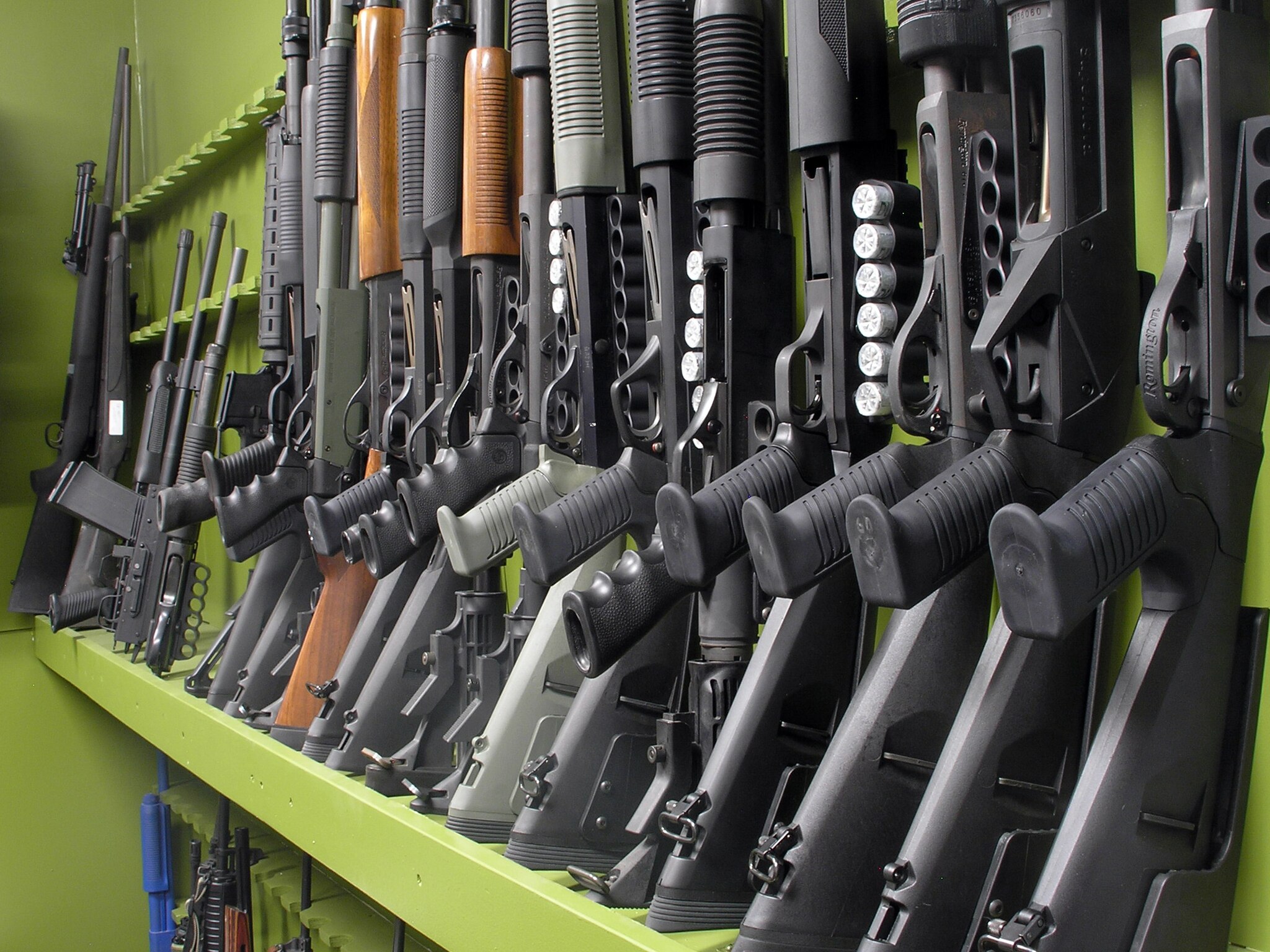
Minneapolis has long been viewed as a politically progressive city, known for strong support of liberal policies and civic reform. Yet in recent years, a notable shift has emerged beneath that reputation. Gun ownership has increased across the city, cutting across age, income, and neighborhood lines. This change is not rooted in ideology alone, but in lived experience shaped by crime trends, public safety debates, and institutional trust. The rise reflects complex social dynamics rather than a simple political reversal. Understanding why gun ownership is growing in Minneapolis requires examining how local conditions, perceptions, and policy outcomes have reshaped personal decisions about safety and responsibility.
Changing Perceptions of Public Safety

Many Minneapolis residents cite shifting perceptions of safety as a primary factor behind increased gun ownership. Highly publicized violent incidents, combined with uneven crime recovery after periods of unrest, altered how people assess personal risk. For some, daily routines began to feel less predictable, particularly in areas once considered stable. This perception does not always align perfectly with official statistics, but perception often drives behavior more strongly than data. When residents feel uncertain about response times or deterrence, they seek alternatives that offer personal reassurance. Firearms, for many, became symbols of self-reliance rather than political identity.
Trust and the Police Relationship
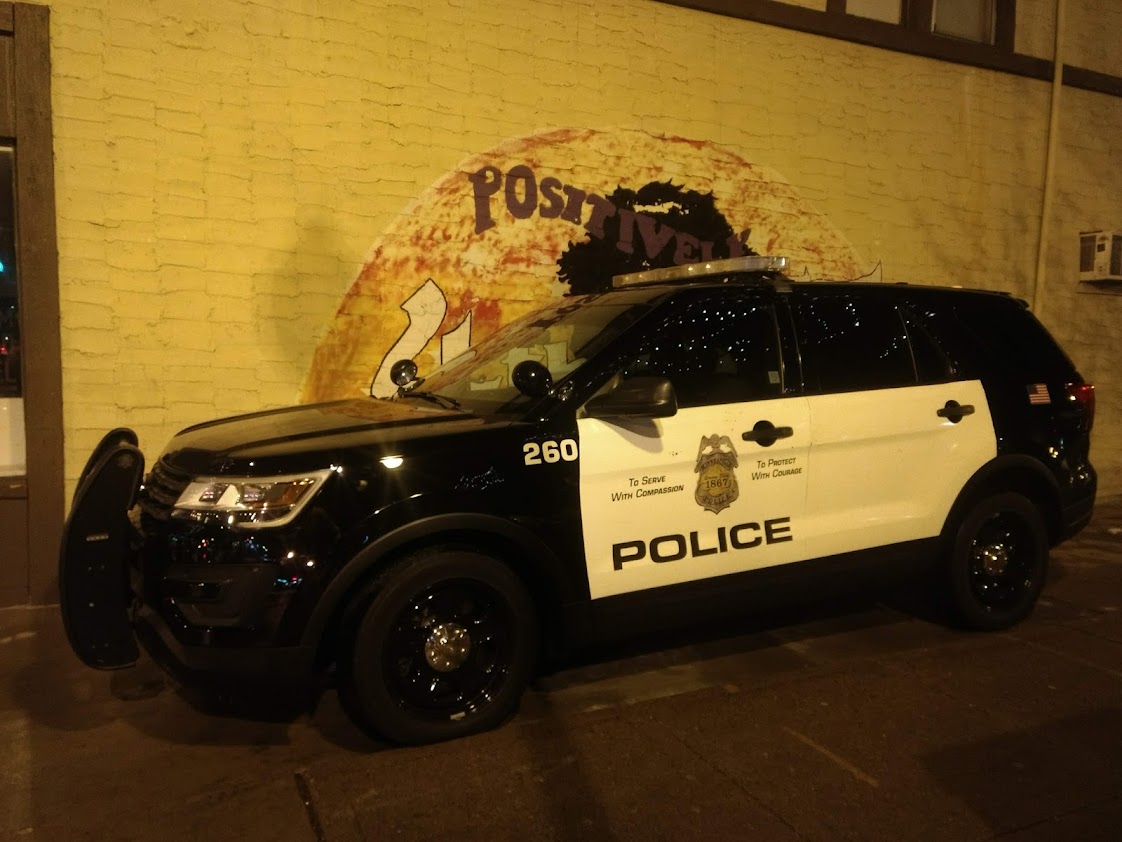
The evolving relationship between Minneapolis residents and law enforcement has also influenced gun ownership trends. Debates over policing reforms created uncertainty about future enforcement capacity and priorities. Some residents support reform while simultaneously questioning whether reduced staffing or morale might affect emergency response. This ambivalence led certain individuals to consider personal preparedness as a supplement rather than a replacement for public safety services. Gun ownership, in this context, reflects a desire for redundancy rather than rejection. It illustrates how institutional trust, when strained, often results in private action rather than ideological alignment.
First-Time Buyers Breaking Stereotypes

A notable portion of new gun owners in Minneapolis do not fit traditional stereotypes. Many are first-time buyers with no previous firearms background. Women, older adults, and professionals in urban neighborhoods represent a growing share of ownership. These individuals often approach firearms cautiously, prioritizing education and legal compliance. Their motivations tend to focus on home protection rather than recreation or collection. This shift challenges assumptions about who owns guns and why. It suggests that rising ownership is less about cultural identity and more about adapting to changing circumstances.
The Role of Local Crime Narratives
Local news coverage and social media have amplified the impact of crime narratives on decision-making. Even isolated incidents can feel personal when shared widely and discussed repeatedly. Community forums and neighborhood groups often exchange safety concerns, reinforcing a sense of vulnerability. While these narratives do not always reflect broader trends, they shape emotional responses. Firearm purchases often follow moments of heightened attention, such as carjackings or home invasions. This pattern reveals how storytelling and visibility influence behavior as much as actual risk levels.
Training and Responsible Ownership
As gun ownership increases, so does interest in training and responsible handling. Many new owners in Minneapolis actively seek classes, range instruction, and legal education. This emphasis reflects awareness of local regulations and a desire to integrate ownership responsibly into urban life. Training is often framed as risk reduction rather than empowerment. Owners express concern about safe storage, accidental discharge, and legal consequences. This approach contrasts with stereotypes that associate urban gun ownership with impulsivity. Instead, it highlights a measured and cautious mindset shaped by dense living environments.
Retail and Access Patterns
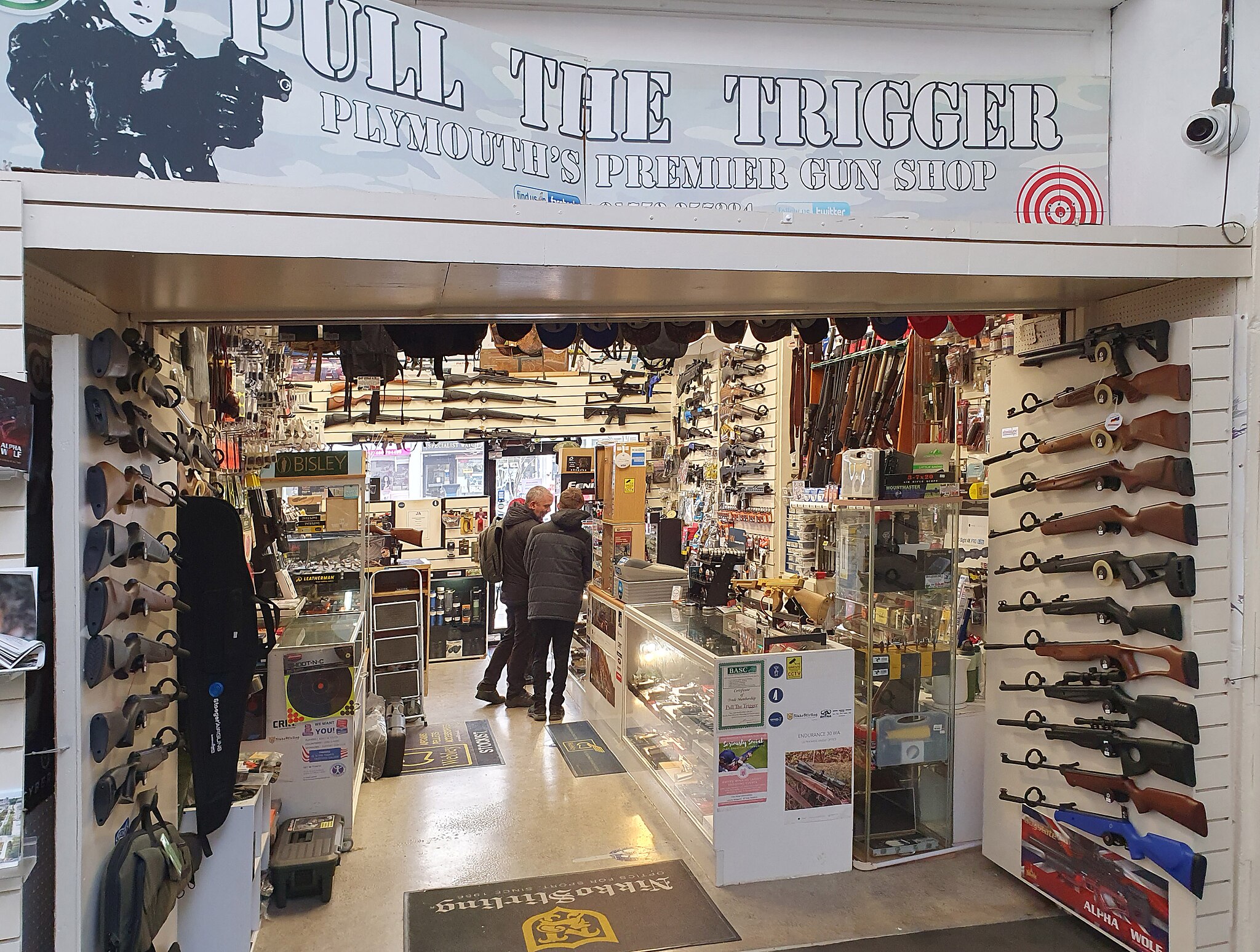
Local firearms retailers and licensed dealers report changes not only in volume, but in customer questions and preferences. Buyers increasingly ask about storage solutions, reliability, and legal boundaries rather than performance or customization. Supply disruptions in recent years also contributed to urgency, as availability became uncertain. This scarcity effect encouraged purchases sooner rather than later. Retailers adapted by emphasizing education and compliance. These access patterns suggest that ownership growth is driven by situational factors rather than long-term hobbyist culture.
Political Identity Versus Personal Choice
For many Minneapolis residents, gun ownership exists separately from political identity. Individuals may continue supporting progressive policies while choosing to own firearms for personal reasons. This separation complicates national narratives that frame guns as purely ideological symbols. In Minneapolis, ownership often reflects practical considerations rather than political signaling. Residents describe their choices as situational responses rather than philosophical shifts. This nuance demonstrates how local context can override broader partisan trends, producing outcomes that appear contradictory from the outside.
Community Conversations and Tension
The rise in gun ownership has sparked complex conversations within communities. Some neighbors view it as a reasonable adaptation to uncertainty, while others express concern about escalation and accidents. These discussions often remain informal but emotionally charged. Community leaders attempt to balance respect for legal ownership with emphasis on conflict prevention. The tension reflects broader questions about collective versus individual approaches to safety. Gun ownership becomes a focal point for deeper debates about trust, responsibility, and shared space in a diverse city.
Legal Awareness and Compliance
Minnesota’s regulatory environment shapes how residents approach ownership. Many new gun owners invest time in understanding permitting processes, transportation rules, and storage requirements. Legal awareness acts as both a barrier and a filter, discouraging impulsive decisions while encouraging deliberate ones. This process reinforces the idea that ownership is a serious commitment rather than a casual purchase. Compliance-focused behavior also reduces friction between owners and non-owners by emphasizing accountability. In Minneapolis, legality plays a central role in normalizing ownership within urban norms.
What the Trend Ultimately Signals
The rise of gun ownership in Minneapolis does not signal a political reversal, but a social adaptation. Residents are responding to uncertainty through personal measures shaped by local experience. This trend underscores how safety decisions are often pragmatic rather than ideological. It also highlights the limits of broad labels when applied to complex urban realities. Minneapolis remains politically progressive, yet its residents increasingly make individualized choices about protection. The coexistence of these realities reflects a city negotiating change rather than abandoning its identity.