For decades, Glock has been known for consistency, reliability, and an almost stubborn refusal to change what works. That reputation makes any model discontinuation feel surprising to shooters who rely on familiarity and long-term support. However, Glock’s decisions are rarely impulsive. When a pistol model is phased out, it usually reflects deeper shifts in technology, market demand, production efficiency, and regulatory pressure. Discontinuation doesn’t mean failure; it often signals evolution. As new generations, calibers, and user expectations emerge, older models naturally lose relevance. Understanding why Glock quietly retires certain pistols helps shooters make smarter buying decisions and better predict what the brand’s future lineup will prioritize.
1. Generational Redundancy
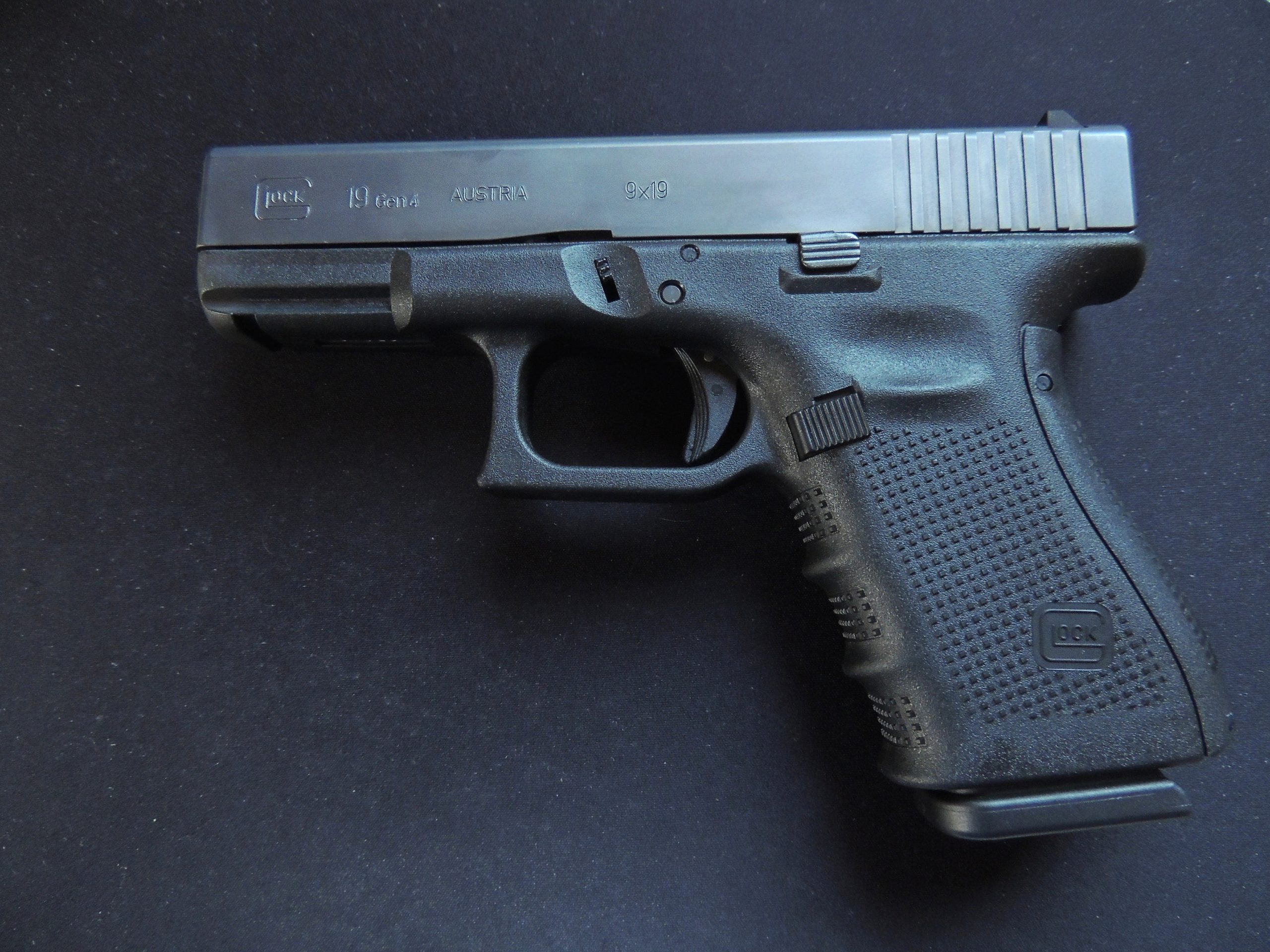
One major reason Glock discontinues models is simple redundancy across generations. As newer versions roll out, older generations often become functionally obsolete. Updated frames, improved triggers, enhanced grip textures, and revised internals make previous models less attractive to buyers. Maintaining production lines for nearly identical pistols creates inefficiency and confusion. Glock prefers a streamlined catalog where each model serves a clear purpose. When a Gen 5 model replaces Gen 3 or Gen 4 equivalents, demand for older versions drops sharply. Rather than dilute resources, Glock phases out older pistols to focus on current designs that better reflect modern manufacturing standards and user expectations.
2. Shifting Market Demand

Consumer preferences change faster than ever, and Glock closely tracks what buyers actually carry, shoot, and request. Compact and micro-compact pistols have surged in popularity, while full-size or niche-caliber models often see declining sales. When distributors stop ordering certain pistols consistently, Glock takes notice. Even reliable models can disappear if demand no longer justifies production costs. Glock is not sentimental about its lineup. If a model no longer aligns with concealed-carry trends, law enforcement needs, or civilian demand, it becomes a candidate for discontinuation regardless of past popularity or reputation.
3. Caliber Decline
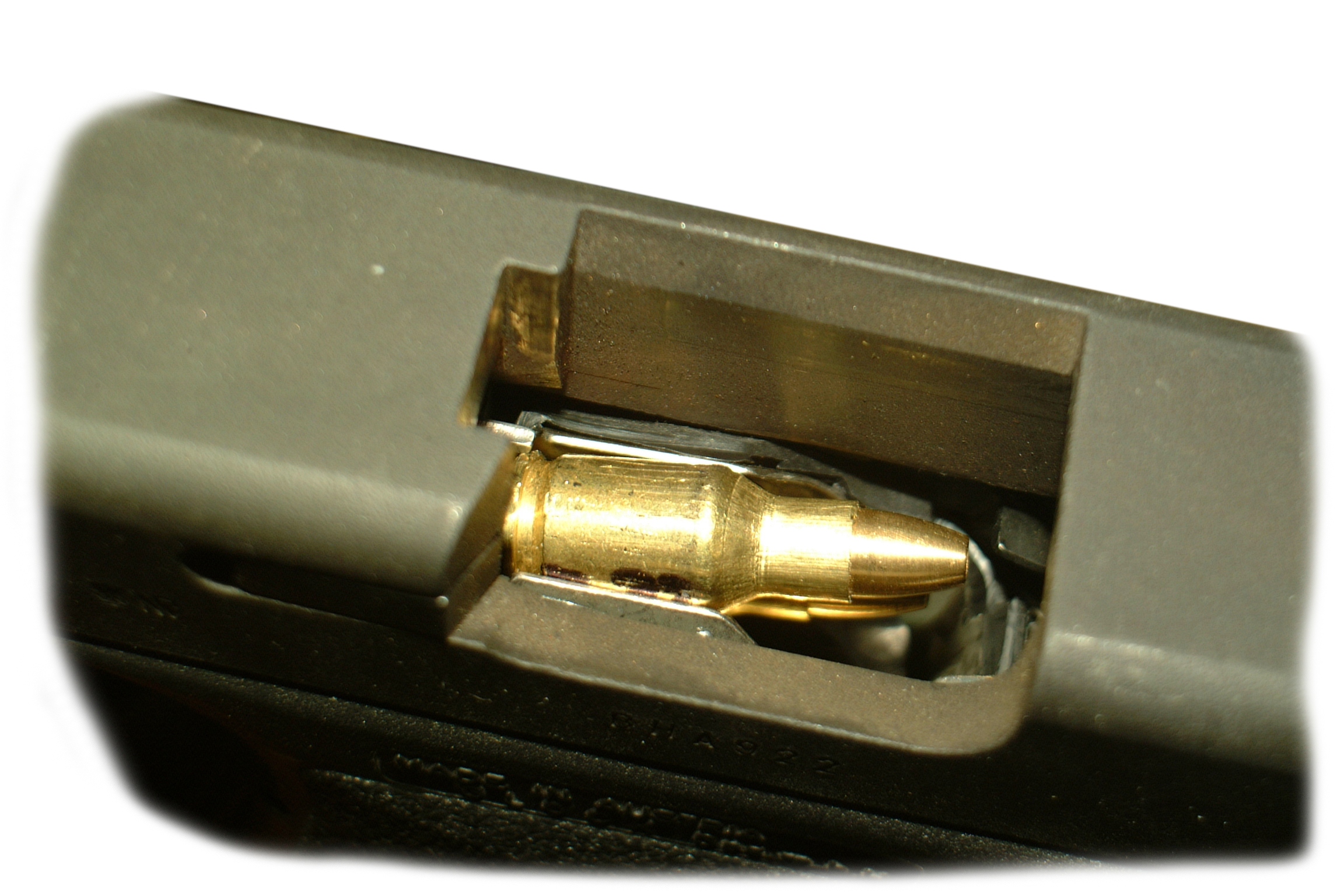
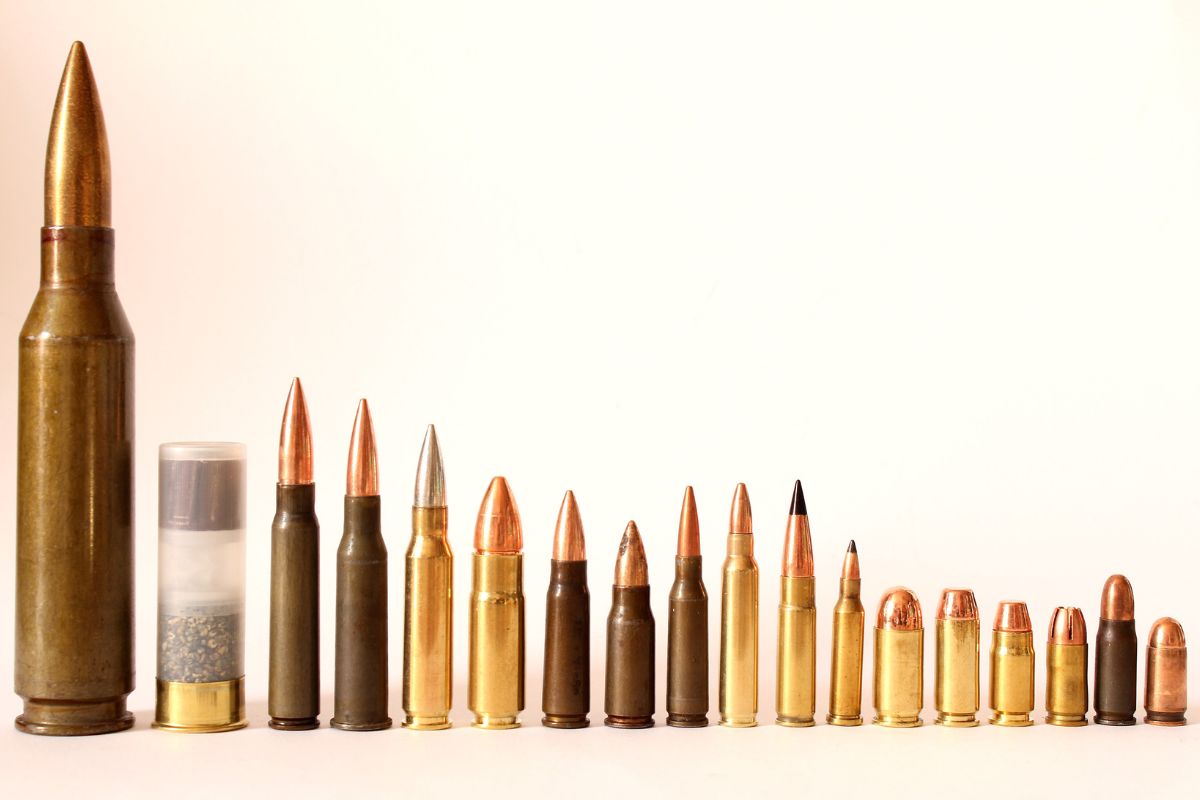
Some Glock models disappear simply because their calibers fall out of favor. Rounds like .40 S&W and .357 SIG once dominated law enforcement contracts but have steadily declined as agencies return to 9mm for capacity, recoil control, and cost efficiency. When fewer shooters train with or carry certain calibers, Glock reduces its offerings accordingly. Supporting declining calibers requires separate barrels, magazines, and supply chains. From a business standpoint, it makes more sense to concentrate on calibers with long-term relevance. Discontinuation reflects reality, not performance issues.
4. Manufacturing Efficiency
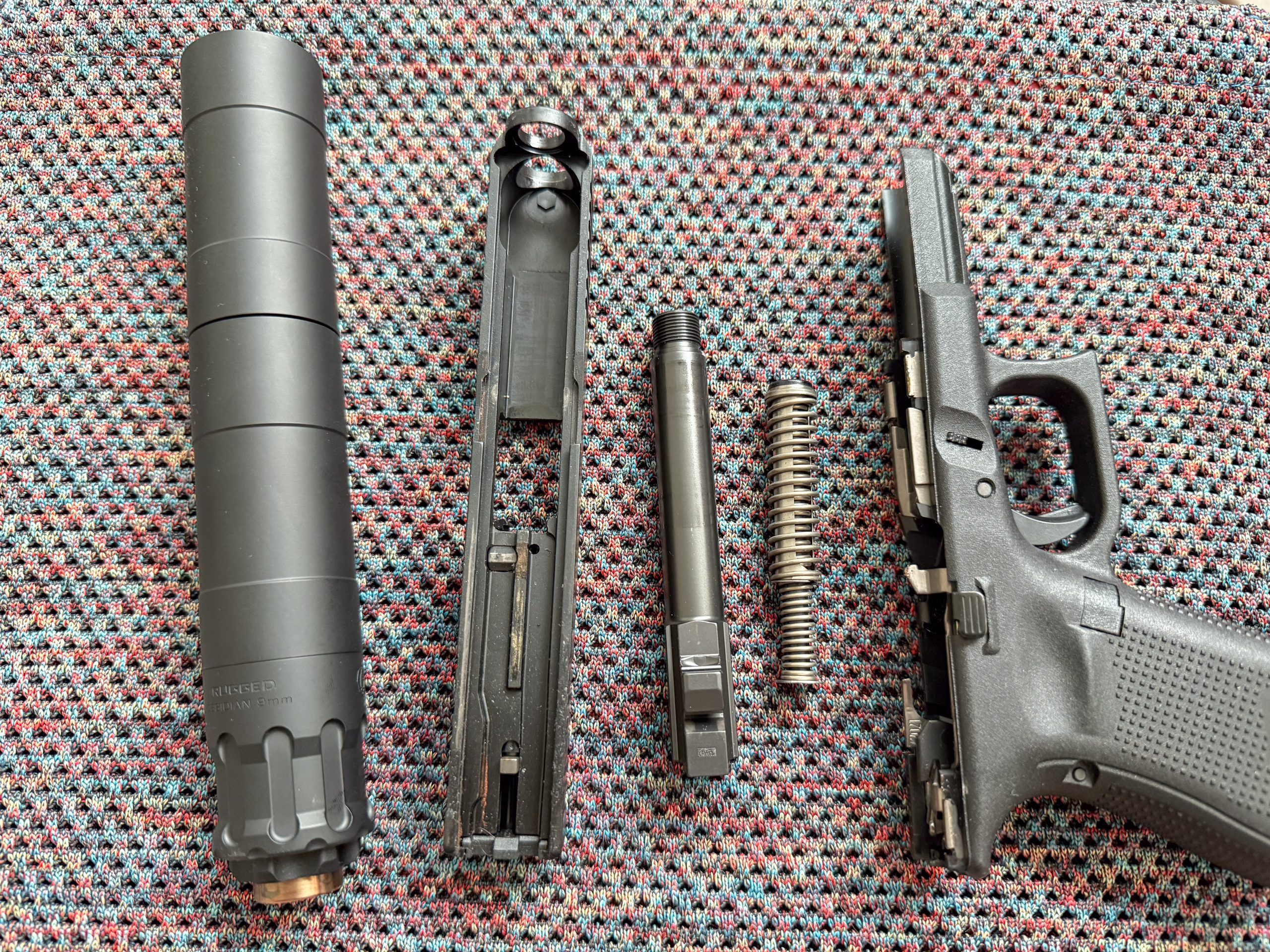
Glock’s reputation for reliability is built on tight manufacturing tolerances and consistent processes. Each additional model complicates logistics, tooling, quality control, and inventory management. Discontinuing low-volume pistols allows Glock to simplify production and reduce errors. Fewer SKUs mean better consistency across remaining models. This approach improves overall quality while lowering long-term costs. Glock’s manufacturing philosophy favors refinement over excess variety. If a pistol complicates production without adding meaningful value to the lineup, it becomes a liability rather than an asset.
5. Law Enforcement Contract Shifts
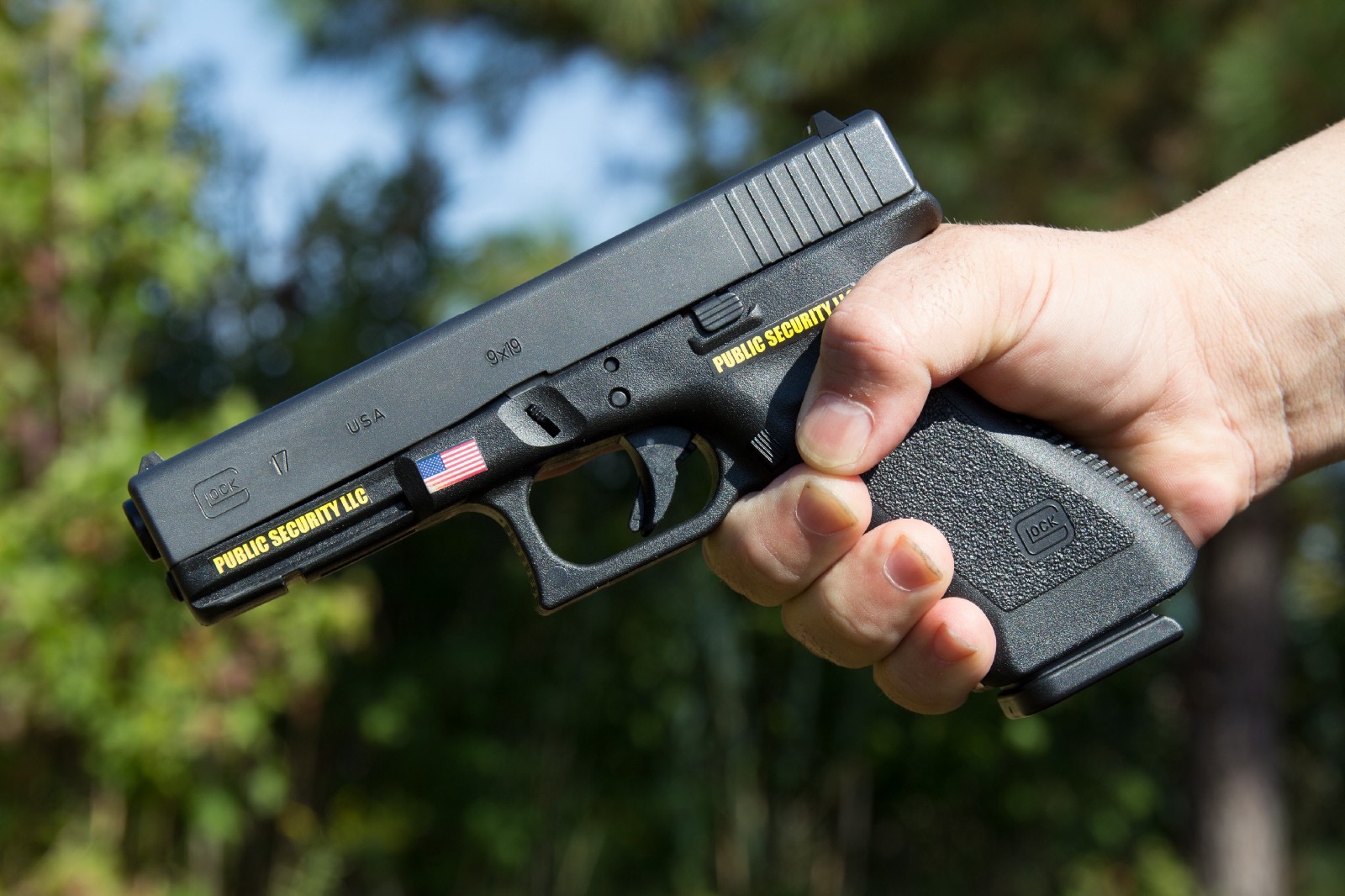
Law enforcement agencies heavily influence Glock’s model priorities. When departments transition to newer models or different calibers, older pistols lose institutional support. Glock builds many models specifically to meet contract requirements. Once those contracts expire or agencies upgrade, demand drops rapidly. Civilian sales alone rarely sustain a duty-oriented pistol long-term. Glock follows institutional trends closely, and discontinued models often trace back to changes in law enforcement adoption rather than civilian dissatisfaction or design flaws.
6. Regulatory and Compliance Pressures

Firearms regulations vary widely across states and countries, and compliance adds complexity. Certain models require specific features or modifications to meet regional laws. When regulatory hurdles outweigh profitability, Glock may discontinue a model rather than maintain multiple compliance variants. This is especially true for pistols that sell in limited markets. Streamlining the lineup helps Glock avoid unnecessary legal and logistical challenges while focusing on models that can be sold broadly with minimal modification.
7. Making Room for Innovation
Discontinuation is often the quiet prelude to innovation. Glock continuously experiments with new frame sizes, slide configurations, optics-ready systems, and modular features. Retiring older pistols frees manufacturing capacity for future designs. Glock rarely announces replacements directly, but history shows that discontinued models often make way for improved successors. Rather than flooding the market, Glock prefers controlled evolution. Letting go of older designs ensures the brand stays competitive without abandoning its core identity.