
Conservationists increasingly suggest that residents hunt and eat invasive animals spreading across the US to protect local ecosystems. These non-native species often lack natural predators and cause significant environmental damage by outcompeting native wildlife for resources. Culinary experimentation with these pests offers a unique solution that combines sustainable food sourcing with ecological responsibility. State agencies frequently lift bag limits or offer bounties to encourage the removal of destructive creatures from the wild. Putting these intruders on the dinner table turns a serious environmental problem into a delicious meal. This approach helps restore balance while providing adventurous eaters with free organic meat.
Feral Swine
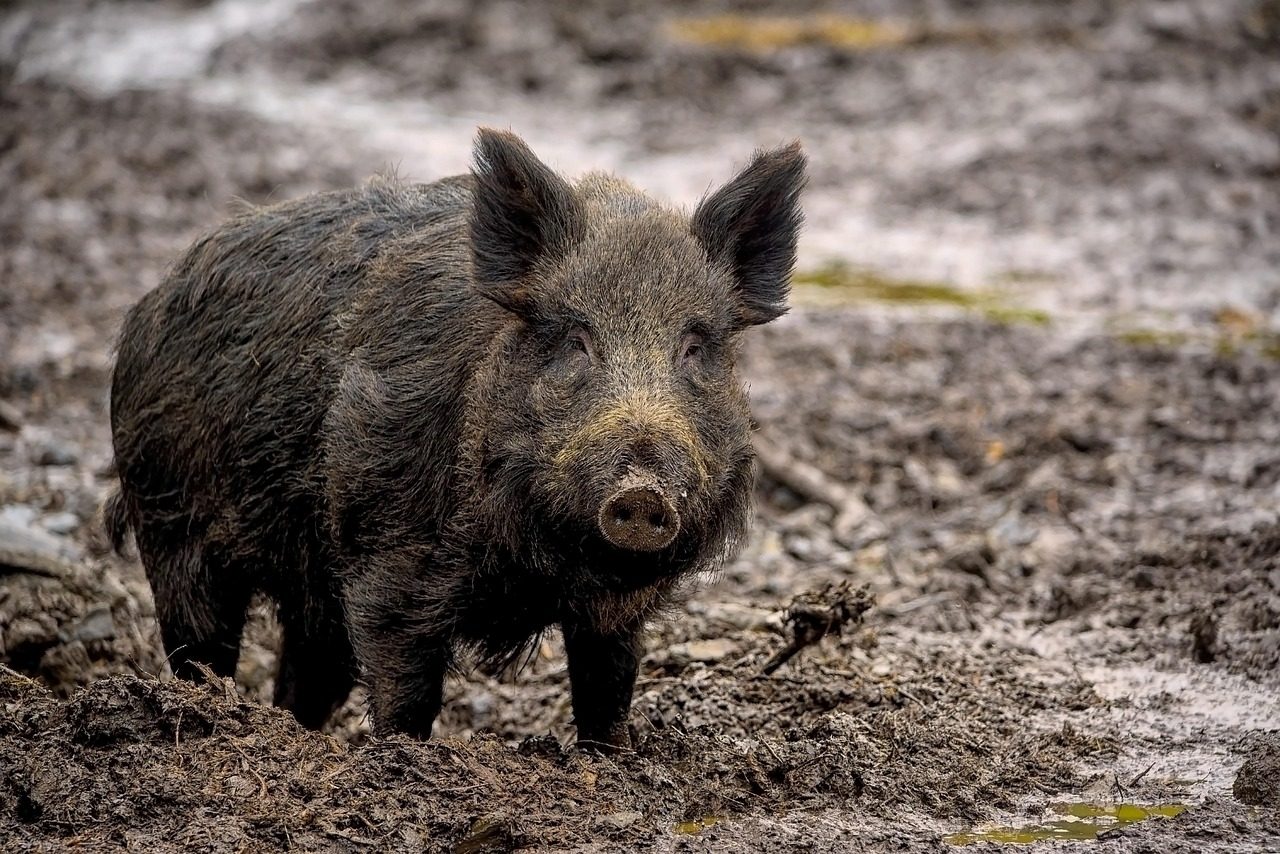
Feral swine cause immense destruction to agriculture and native habitats throughout the southern states and beyond. These intelligent omnivores root up crops and contaminate water sources with alarming speed and efficiency. Hunters play a crucial role in managing their exploding populations through year-round harvesting efforts. The meat tastes similar to domestic pork but offers a leaner and richer flavor profile that works well in stews or sausages. States like Texas actively promote hog hunting to mitigate the billions of dollars in damages these animals inflict annually. Harvesting a wild pig provides a massive amount of protein for the freezer.
Lionfish
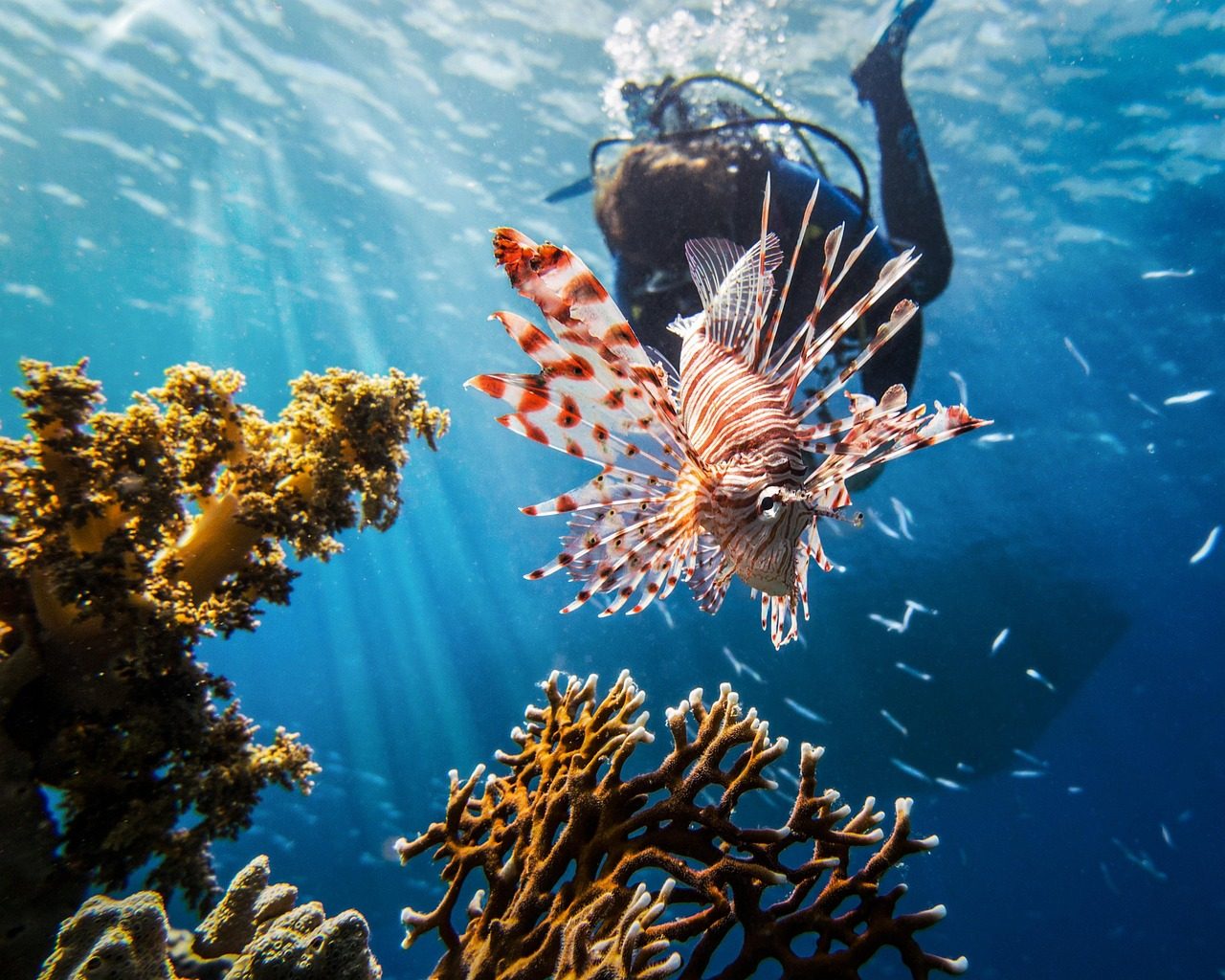
Beautiful yet dangerous lionfish threaten fragile coral reef ecosystems along the Atlantic coast and the Caribbean Sea. Their voracious appetites decimate populations of native fish that keep the reefs clean and healthy. Divers now actively target these striped invaders using spears to remove them from the water efficiently. The white flaky meat is delicate and delicious when prepared as ceviche or fried in a light batter. Restaurants increasingly feature this sustainable seafood option to raise awareness about the ecological crisis. Eating lionfish directly aids in the recovery of marine biodiversity by reducing the number of these unchecked predators.
Green Iguanas
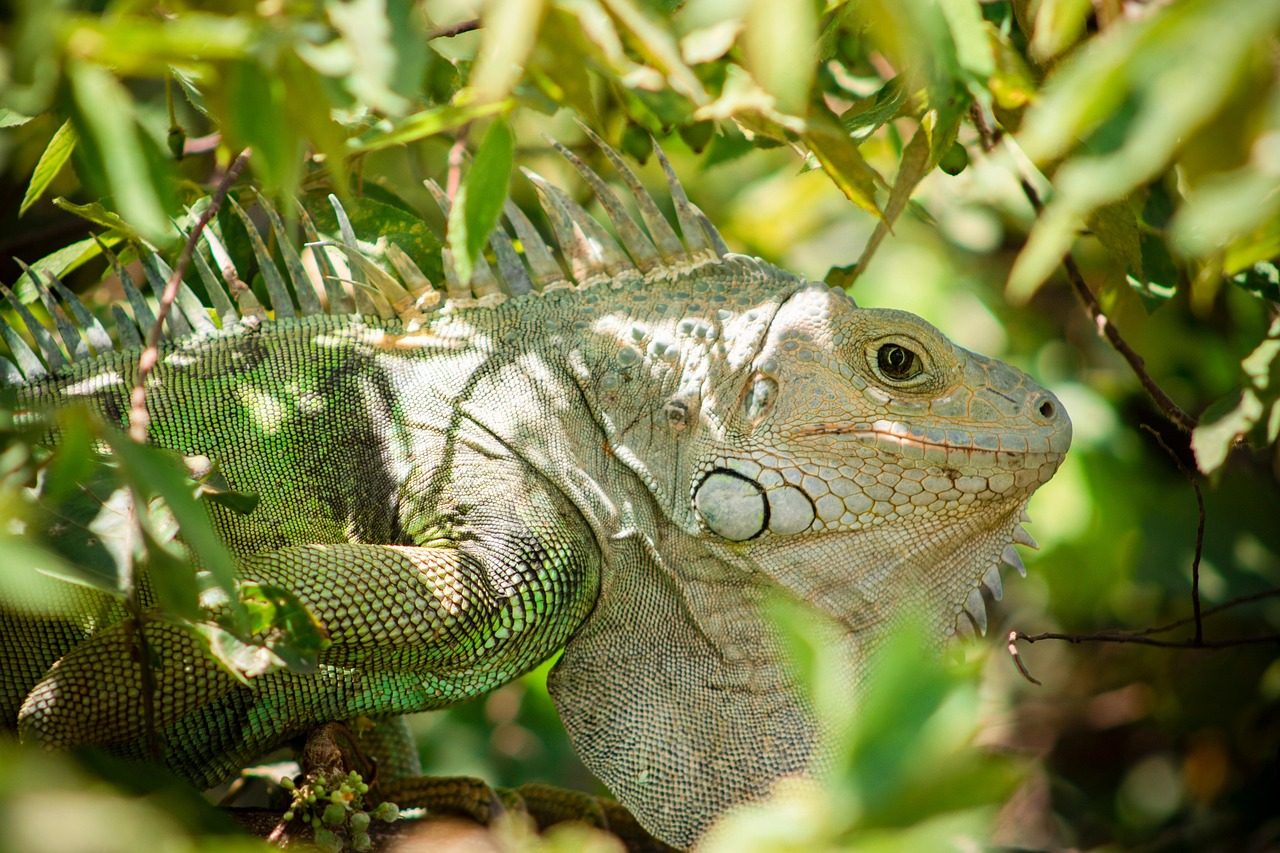
Florida residents frequently encounter green iguanas basking in the sun and damaging expensive landscaping or infrastructure. These reptiles multiply rapidly in the warm climate and pose a nuisance to homeowners and businesses alike. State officials encourage the humane removal of these non-native lizards to prevent further ecological disruption. The meat is often called chicken of the trees because it is versatile and mild in flavor. Enthusiasts use the tail meat in tacos or curries as a sustainable protein alternative. Controlling the iguana population through consumption helps protect local flora and fauna from being overrun by this invasive species.
Asian Carp
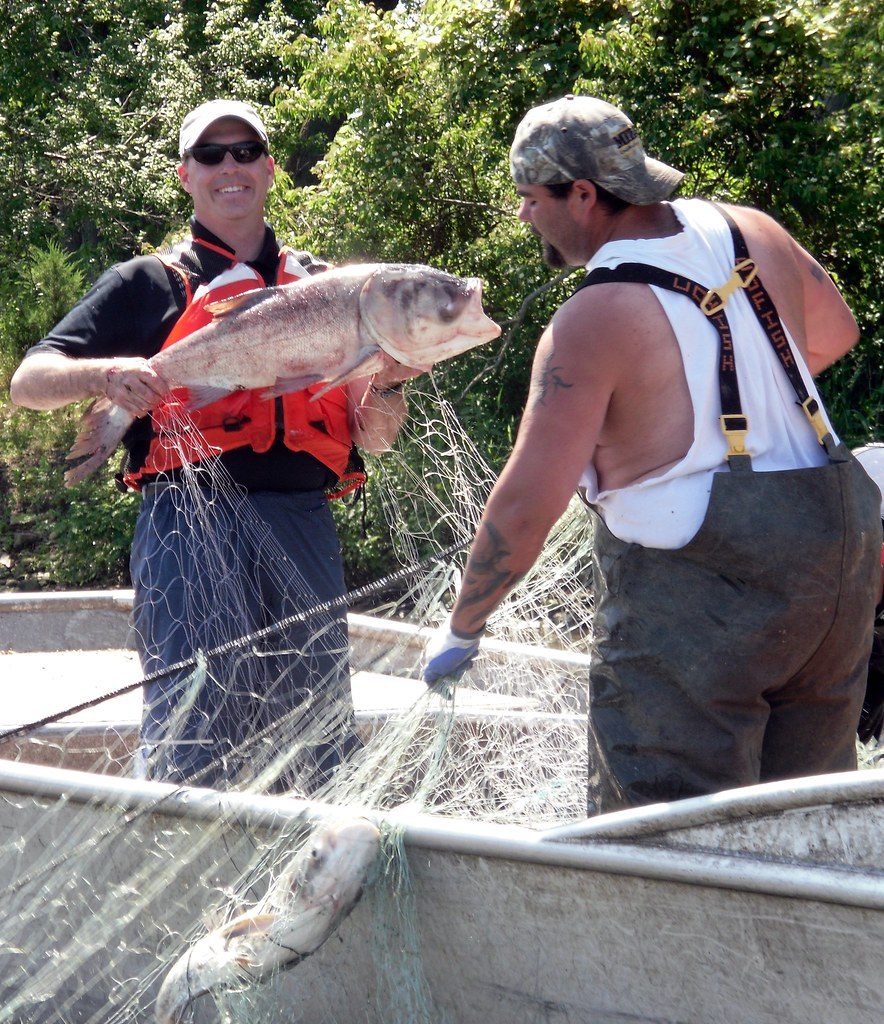
Asian carp dominate many river systems in the Midwest and pose a severe threat to the Great Lakes. These filter feeders consume vast amounts of plankton, which starves out native fish species that rely on the same food. Their tendency to jump out of the water makes them a hazard to boaters but also an accessible target for bowfishing. The flesh is clean and tasty despite the bony structure that requires careful preparation. Chefs are finding innovative ways to serve this abundant fish to the public. Transforming this ecological menace into a food source helps vital waterways recover.
Nutria
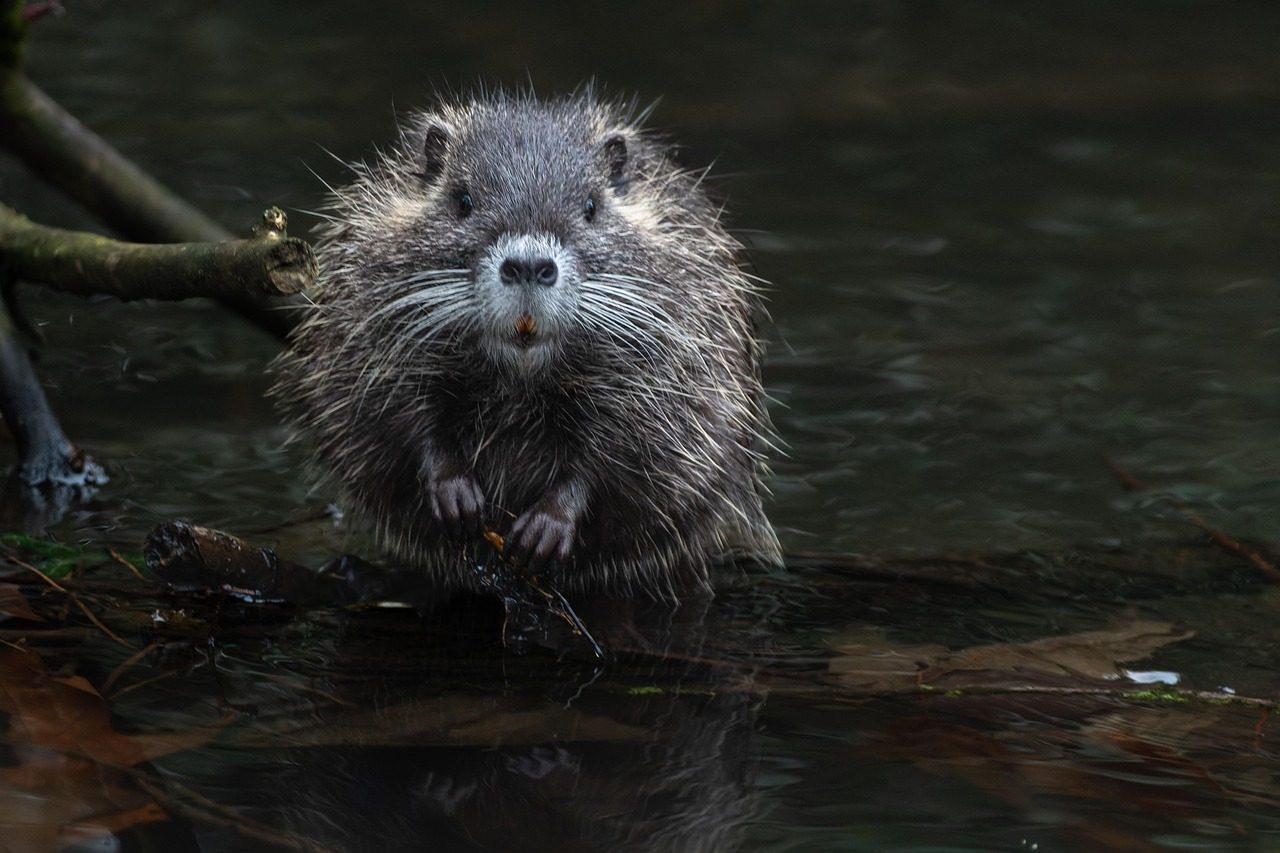
Large semi-aquatic rodents known as nutria wreak havoc on coastal wetlands by devouring vegetation that holds soil together. This destruction leads to severe erosion and the loss of critical marshland habitat for other wildlife. Trappers target these orange-toothed invaders to save the swamps from disappearing into open water. The meat is lean and dark and is often compared to rabbit or dark meat turkey. Promoting nutria as a culinary item incentivizes the removal of a species that threatens the structural integrity of the coast. Every meal made from nutria contributes to the preservation of essential wetland barriers.