Camping with dogs has become increasingly popular, with a 2022 Kampgrounds of America (KOA) report noting that 54% of campers bring pets, the majority being dogs. While the companionship enhances the outdoor experience, data from the American Veterinary Medical Association (AVMA) and the National Park Service highlight risks ranging from wildlife encounters to dehydration. Proper planning ensures a safe and enjoyable trip for both owner and pet.
Confirm Campground Pet Rules Before You Go
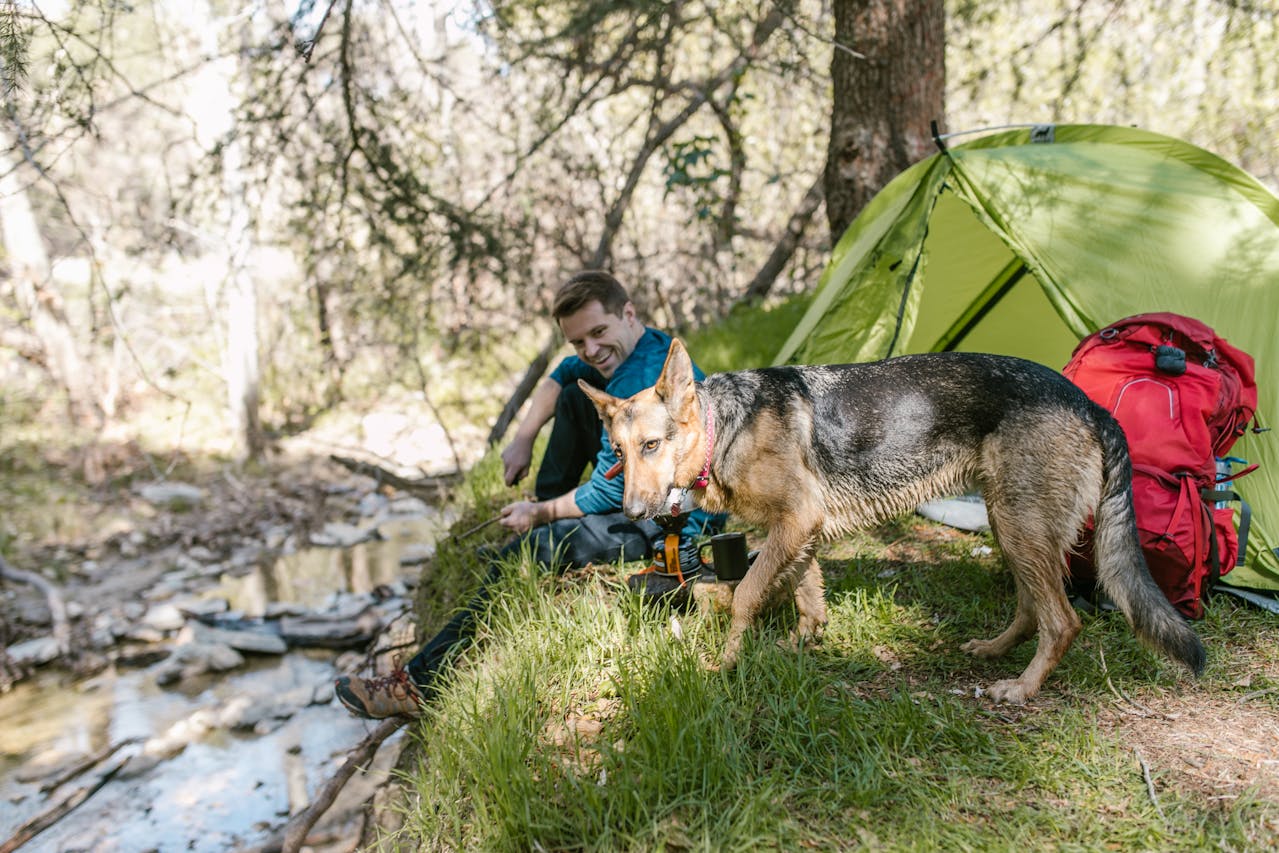
More than 60% of U.S. campgrounds allow pets, but restrictions vary widely, according to KOA’s 2022 survey. Some parks require dogs to remain on leashes under six feet, while others limit access to trails or swimming areas. National Parks, for example, restrict dogs from over 90% of hiking trails due to wildlife protection. Checking policies in advance prevents fines or being turned away at the gate.
Build a Dog-Specific Packing Checklist
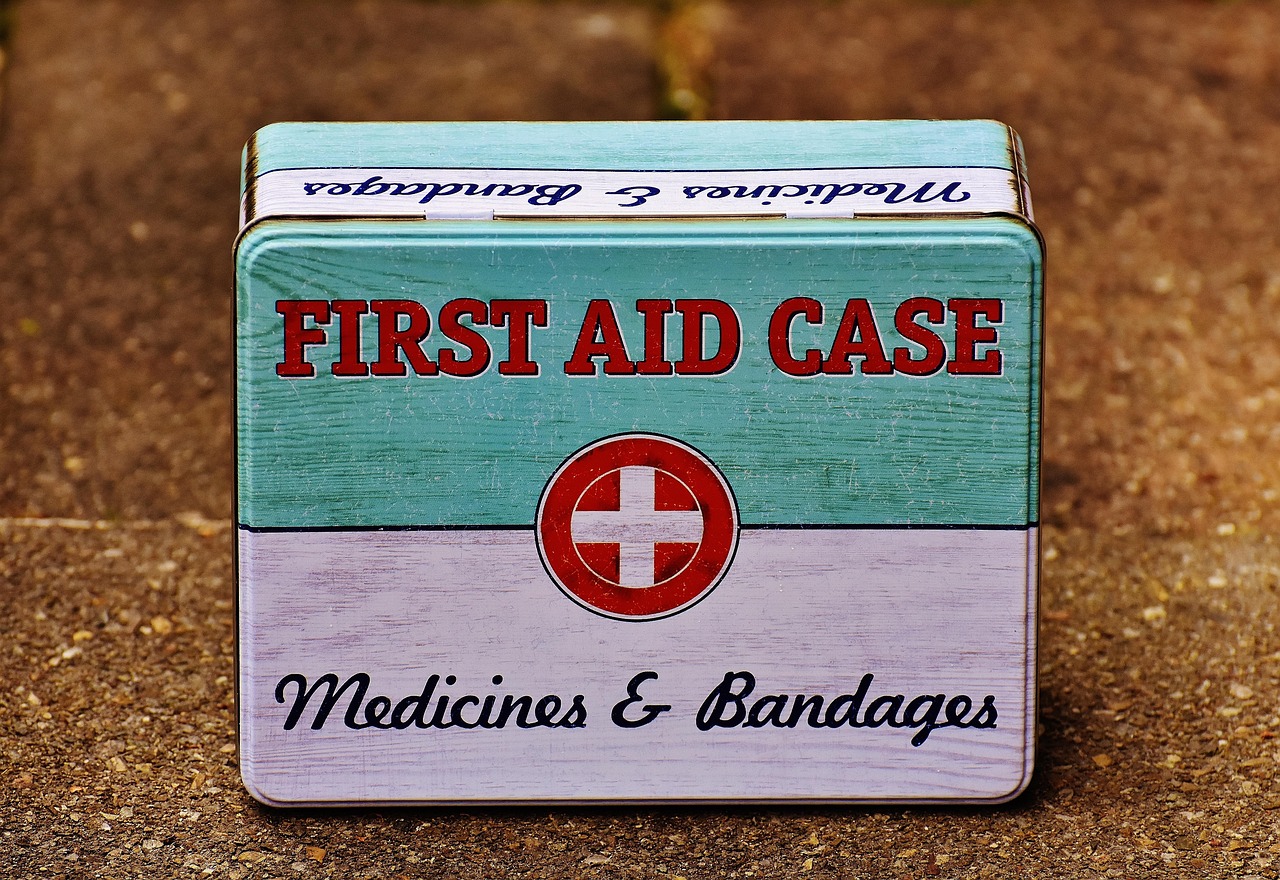
The American Kennel Club (AKC) recommends packing key items such as collapsible bowls, a dog first-aid kit, and tick-prevention treatments. Data from Banfield Pet Hospital shows tick-borne illnesses in dogs rose by 23% between 2019–2022, making prevention supplies critical. A reflective harness, ID tags, and vaccination records are also essentials. Packing duplicates of high-use items (like leashes) ensures you’re prepared if one breaks.
Secure a Safe Campsite Setup
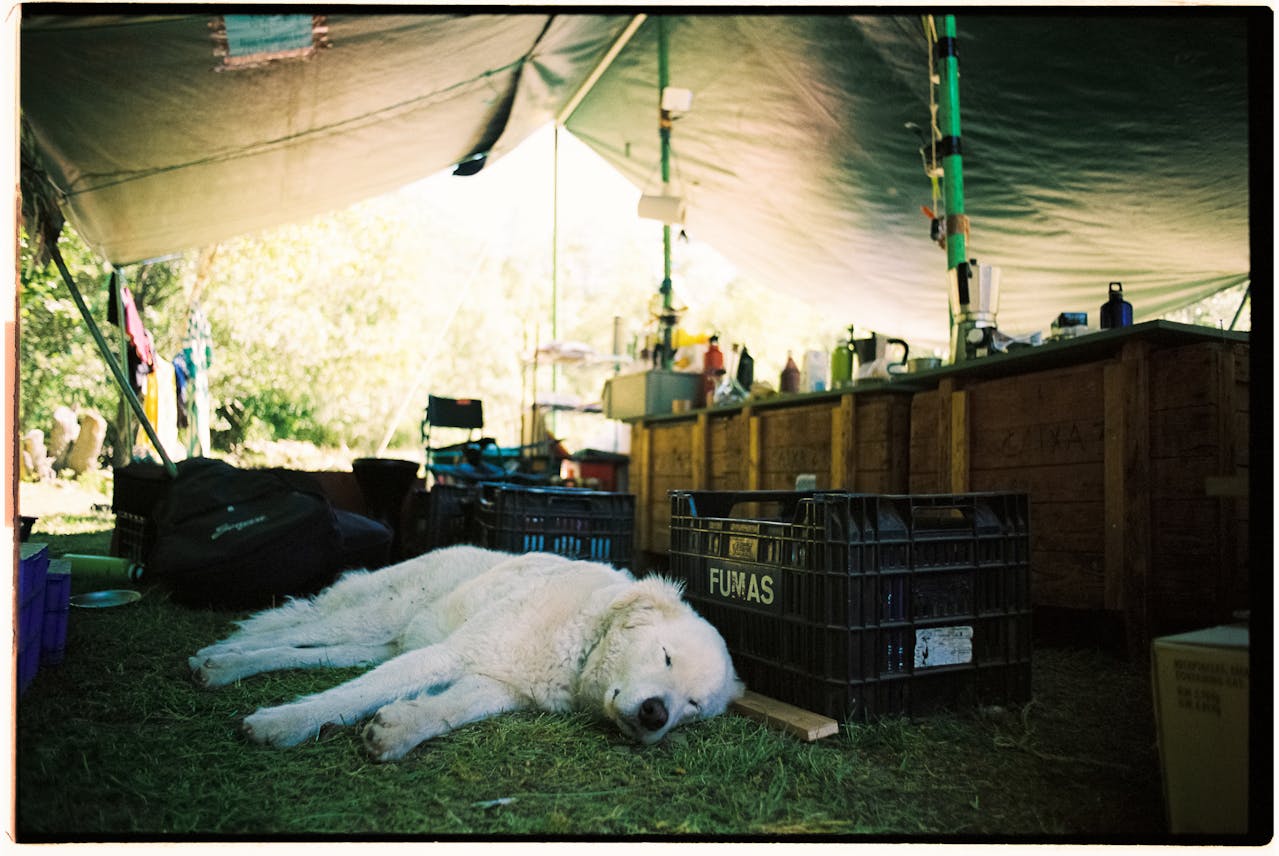
According to the ASPCA, nearly 200,000 pets are injured annually by accidents outdoors, including burns, cuts, or ingestion of harmful substances. At campsites, keep dogs tethered to avoid wandering near fire pits, grills, or food waste. Portable playpens or stake-out systems with swivel clips help prevent tangling. Setting up the dog’s area a safe distance from campfires and traffic zones reduces the likelihood of injury.
Protect Dogs From Extreme Weather
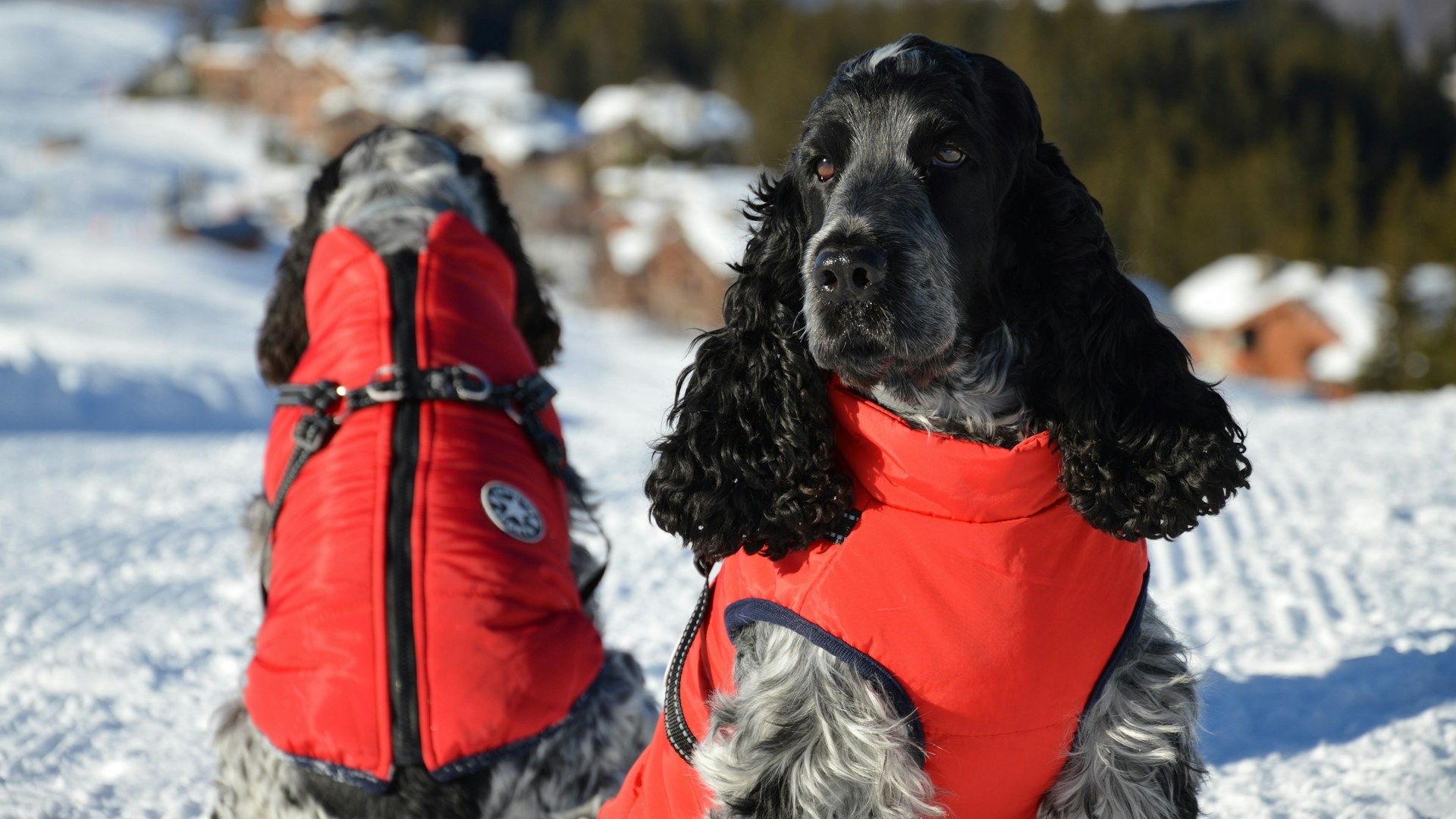
The American Veterinary Medical Association (AVMA) warns that dogs can suffer heatstroke in under 15 minutes when temperatures exceed 85°F. In cold conditions, hypothermia risks increase rapidly for small or short-haired breeds. Pack canine cooling mats or coats based on forecasted temperatures. The CDC also advises avoiding strenuous exercise with dogs when humidity is above 70%, as it reduces their ability to cool efficiently.
Create Comfortable Sleeping Conditions

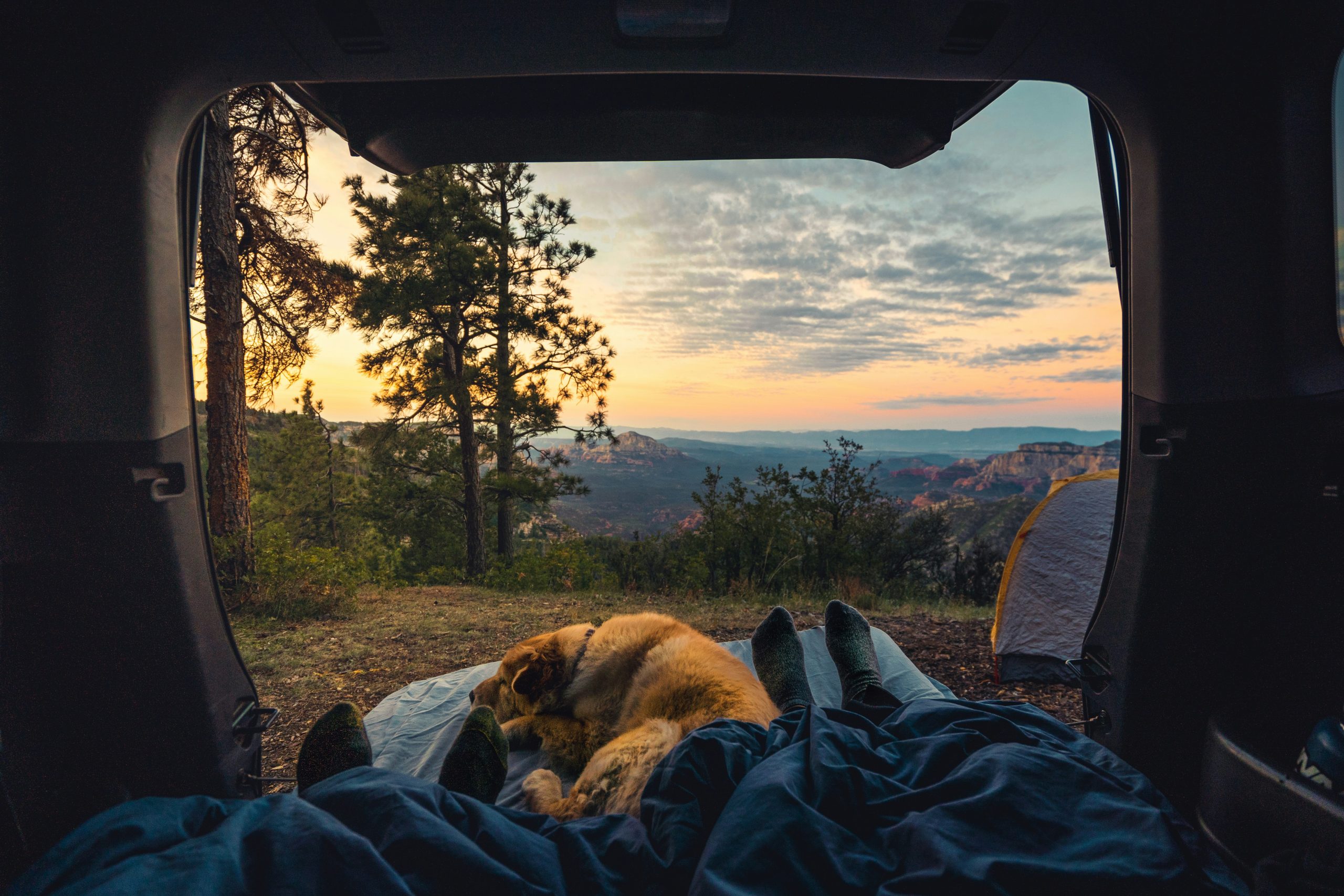
Dogs require quality rest to recover from outdoor activity. A 2021 Cornell University study found that inadequate sleep in dogs leads to increased stress behaviors and reduced immune response. Bringing a familiar blanket or travel bed not only insulates against ground chill but also reduces anxiety. Ensure the dog sleeps inside the tent or a secure crate, never left outside overnight where wildlife may pose risks.
Manage Food and Water Needs Precisely
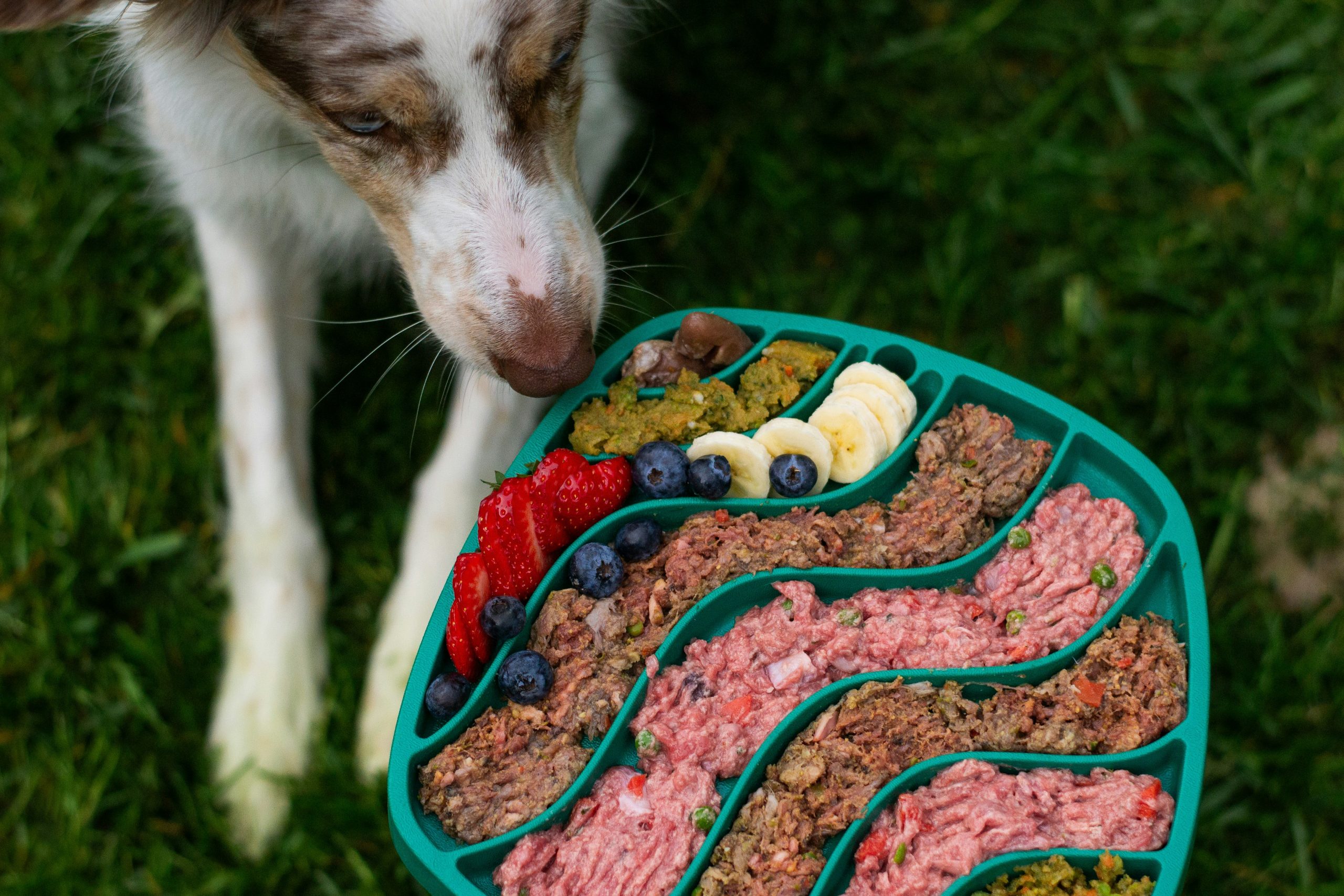
Dogs require about 1 ounce of water per pound of body weight daily, according to the National Research Council. Active dogs may need up to double this amount during hikes. Pack at least one gallon of potable water per day for a medium-sized dog. For food, calculate portions based on their energy output, hiking can raise caloric needs by 25–50%. Store food in sealed containers to deter wildlife.
Monitor for Natural Hazards
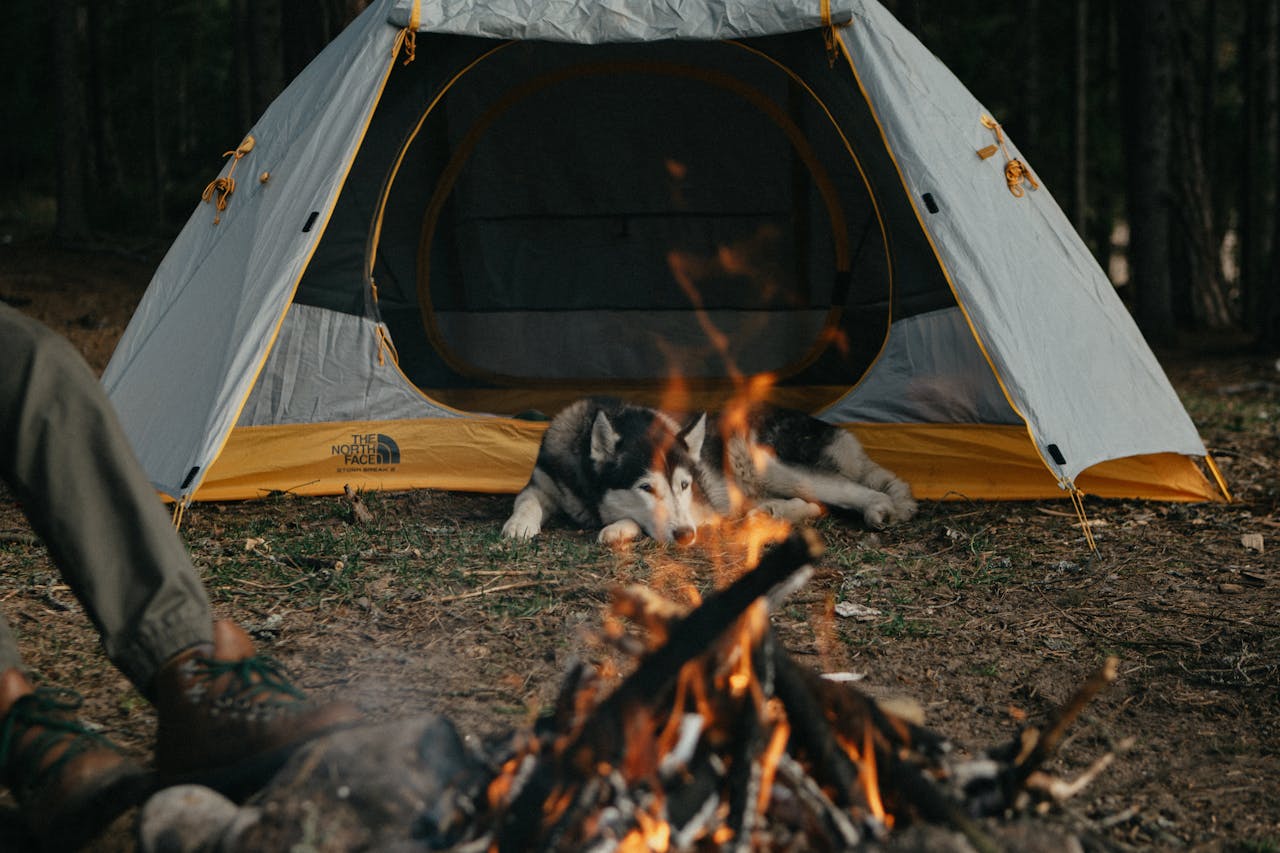
The U.S. Forest Service identifies common campground risks for dogs: toxic plants like foxglove, sharp rocks, and wildlife such as snakes. The CDC reports around 150,000 snakebite cases in dogs annually in the U.S., mostly in outdoor settings. Inspect the area for potential hazards and carry a pet-safe antiseptic and bandages. Avoid stagnant water sources, which often harbor Giardia or harmful bacteria.
Start With Short Camping Adventures
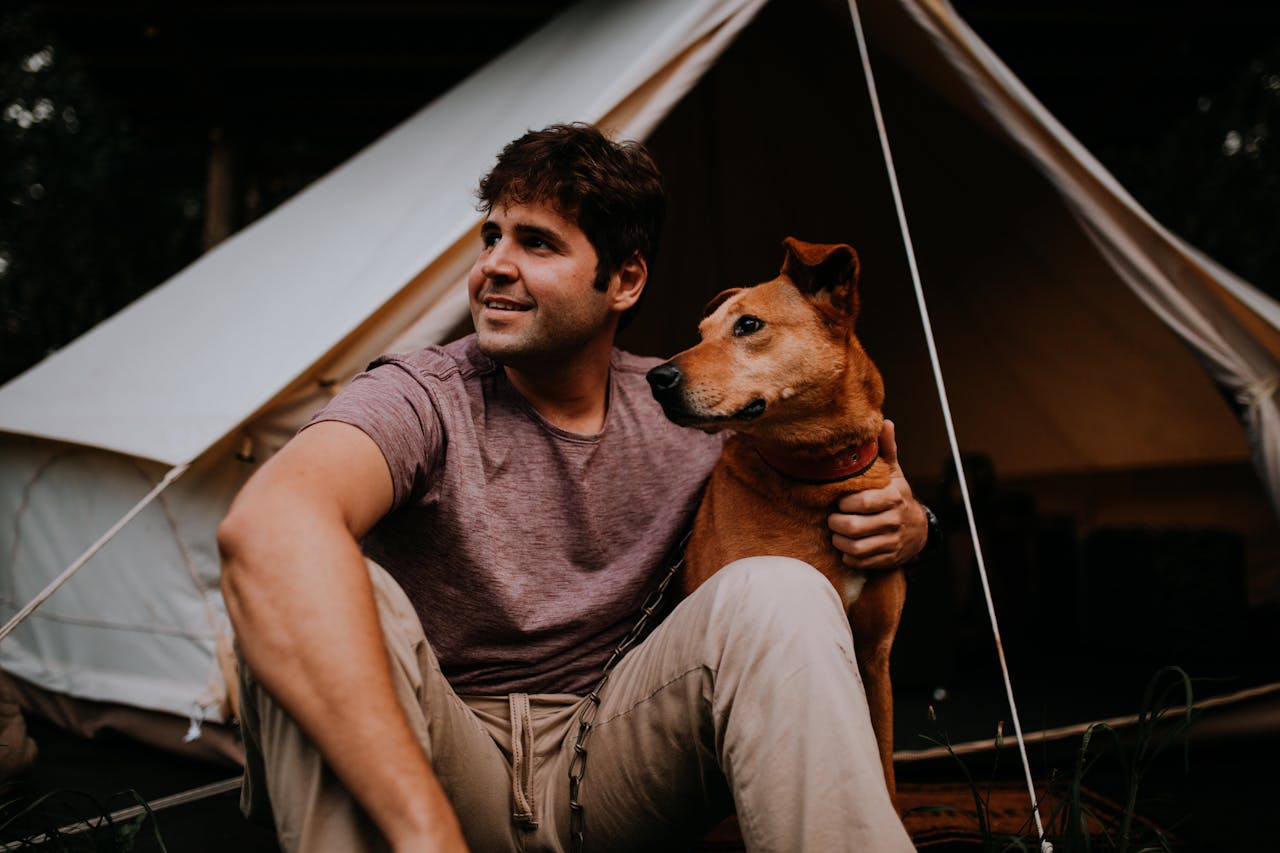
A survey by Rover found that 38% of first-time dog campers reported stress behaviors in their pets, such as barking, restlessness, or refusal to eat. To build comfort, start with a single-night trip or a backyard campout before heading into remote locations. Gradual exposure allows dogs to adapt to sleeping in tents, new sounds, and unfamiliar scents, making longer trips less overwhelming.