A successful hunt can quickly lose momentum when field dressing mistakes create avoidable setbacks. Paying attention to careful technique helps protect meat quality and keeps the process smooth from the beginning. Small habits such as deliberate cuts, steady pacing, and mindful positioning make a meaningful impact on the final outcome. With a thoughtful approach guiding each step, the experience remains efficient, safe, and far more satisfying in the long run.
Rushing the First Cut
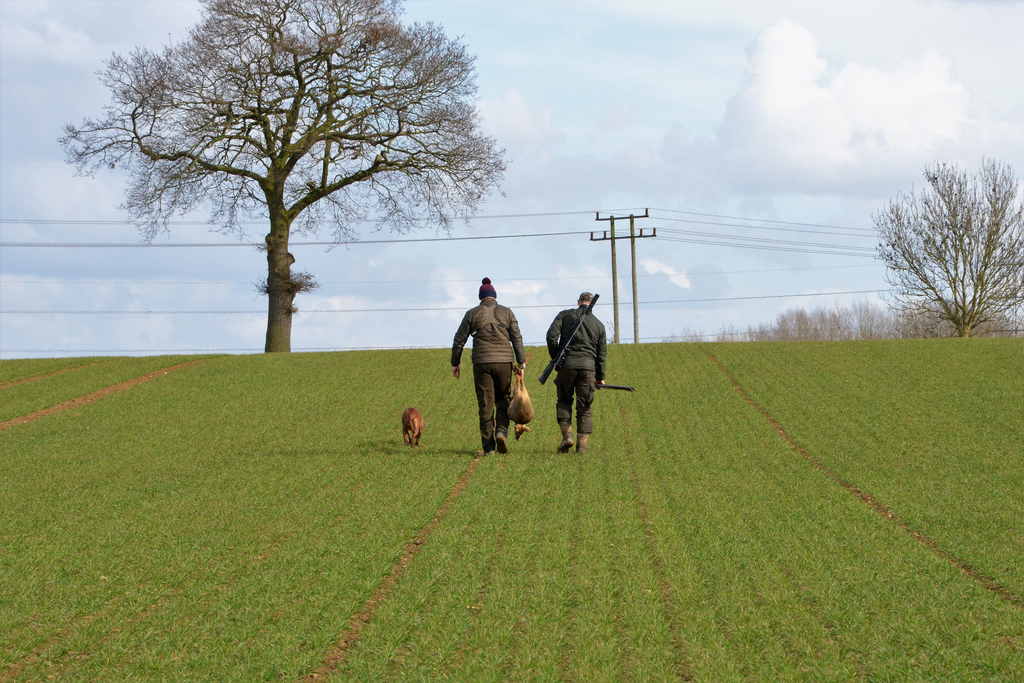
Rushing the first cut often leads to accidental punctures that compromise the cavity and reduce overall meat quality. Taking time to open the hide with slow, controlled motions helps avoid contact with organs that can cause contamination. Keeping the blade shallow and letting the cut progress naturally supports accuracy. This patience lays the groundwork for a cleaner process that stays manageable through every remaining step.
Using a Dull Knife
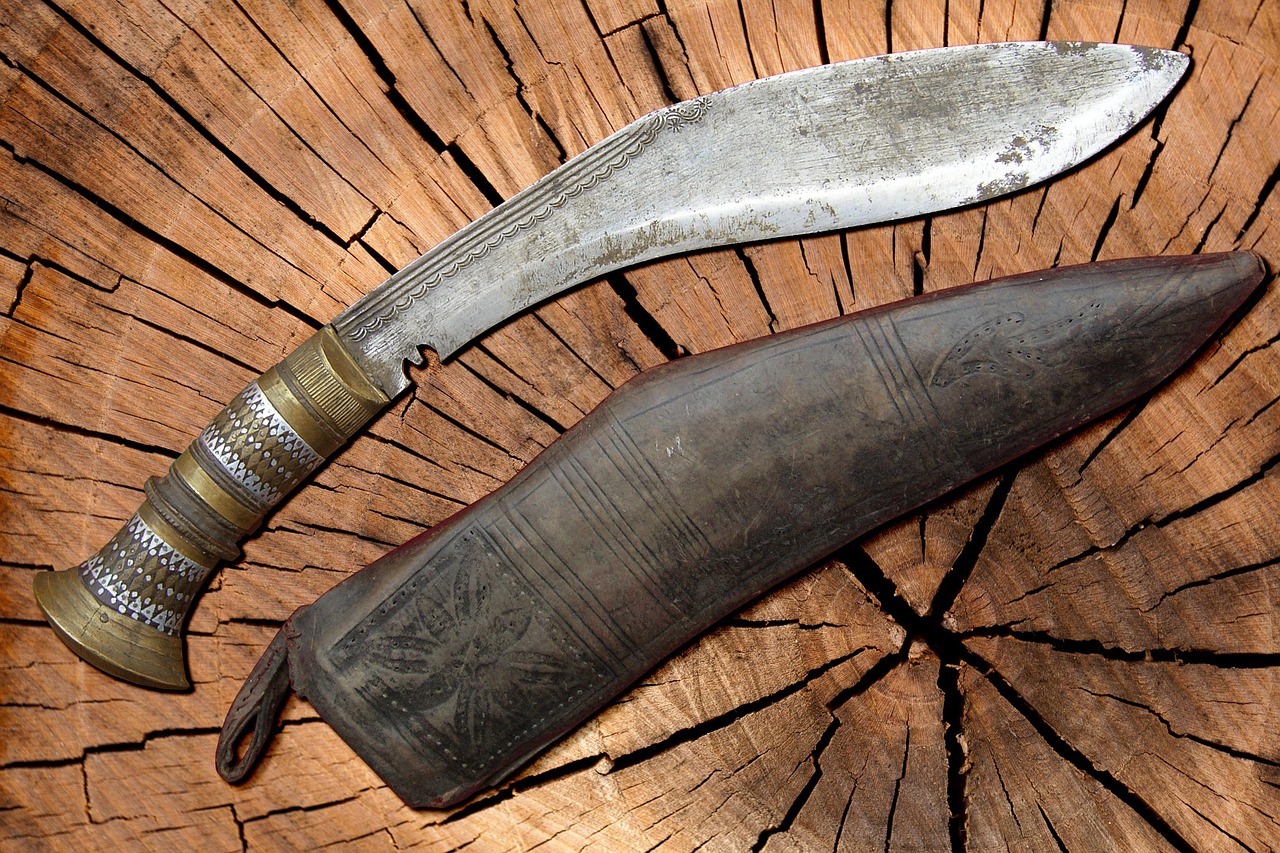
Using a dull knife increases the chance of slipping and makes every cut heavier and less precise. A well-sharpened blade slices cleanly through hide and muscle, reducing strain on hands and helping maintain consistent control. Preparing tools ahead of time ensures that each stroke requires less effort and reduces risk. With dependable sharpness, field dressing becomes safer and more predictable across changing conditions.
Ignoring Body Position

Ignoring proper body position can slow progress and create unnecessary discomfort during field dressing. Placing the deer on stable ground allows clearer visibility and helps maintain balance throughout the task. Adjusting stance and angle improves leverage, letting each motion follow a smoother path. When posture remains steady and supported, the process becomes more efficient and easier to manage from beginning to end.
Leaving the Cavity Too Warm
Leaving the cavity warm for an extended period encourages bacterial growth and affects the flavor and texture of the meat. Opening the body promptly helps release built-up heat and supports natural air circulation. Removing internal organs without delay allows faster cooling, which preserves freshness. Being attentive to temperature early on helps maintain quality and protects the final yield.
Cutting Against Natural Lines

Cutting against the natural lines of the body makes field dressing more difficult and raises the chance of damaging valuable sections. Following existing muscle seams allows the knife to travel with less resistance and improves precision. Recognizing these anatomical cues helps avoid awkward angles that lead to wasted effort. Working with the structure of the deer simplifies the process and produces cleaner, more efficient results.
Forgetting to Remove Scent Glands
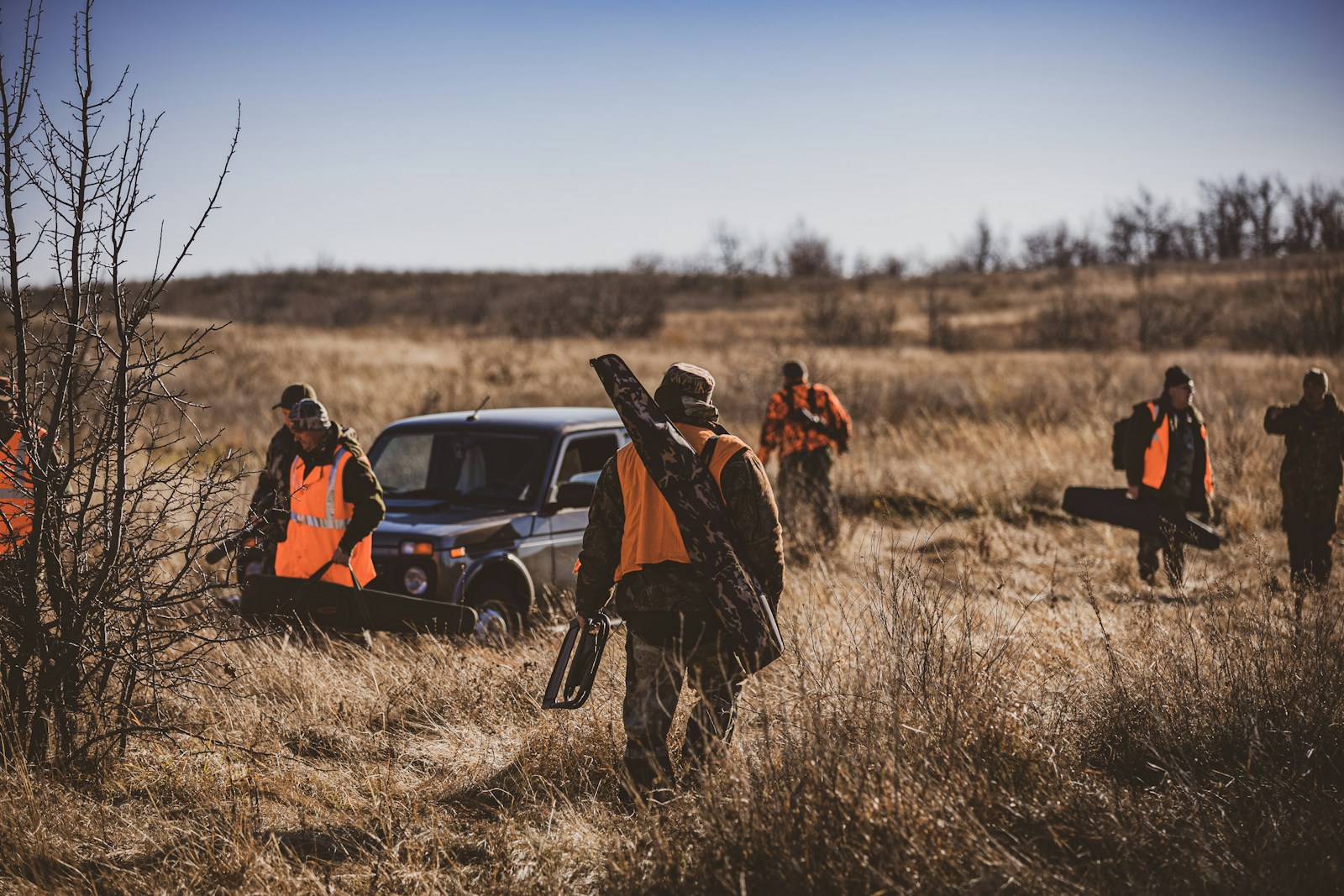
Forgetting to remove scent glands early in the process allows strong odors to spread through surrounding meat. Identifying these glands before advancing deeper into field dressing prevents contamination that affects flavor. Removing them promptly also keeps unwanted oils away from tools and hands. This early attention ensures a cleaner workflow and a more appealing final product.
Allowing Dirt Into the Cavity
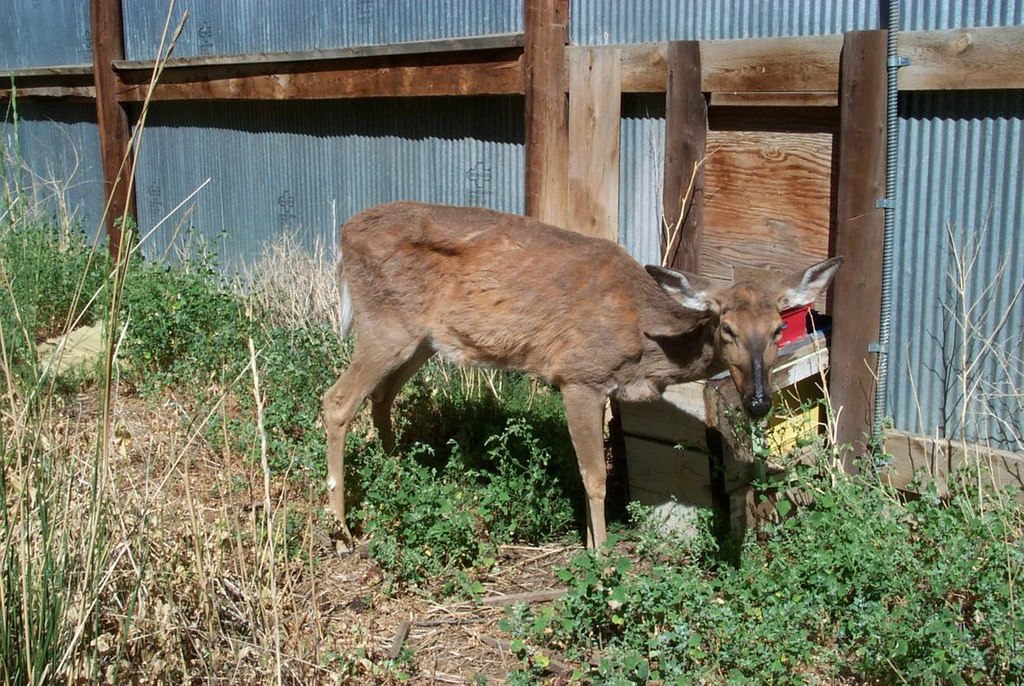
Allowing dirt or debris into the open cavity complicates cleanup and increases the risk of contamination. Positioning the deer on cleaner ground or using natural elevation keeps soil from sliding inward. Working slowly around open sections helps reduce the likelihood of loose material entering the body. A clean environment preserves the integrity of the meat and helps maintain safety throughout processing.