Colorado’s recreation areas change noticeably when crowding increases, quietly reshaping risk across seasons. Trailheads fill, parking spills outward, and emergency response stretches thinner. Popular spaces attract new users while experienced visitors adjust behavior. These shifts affect navigation, wildlife encounters, water safety, and weather exposure. Understanding how density changes decision making helps explain emerging hazards. The following sections outline crowding driven risk shifts shaping Colorado recreation today. They reflect patterns seen statewide during peak weekends, holidays, and shoulder seasons alike. Local managers, volunteers, and responders adapt continuously under pressure as visitation continues climbing across landscapes statewide.
Trailhead Congestion And Access Risks
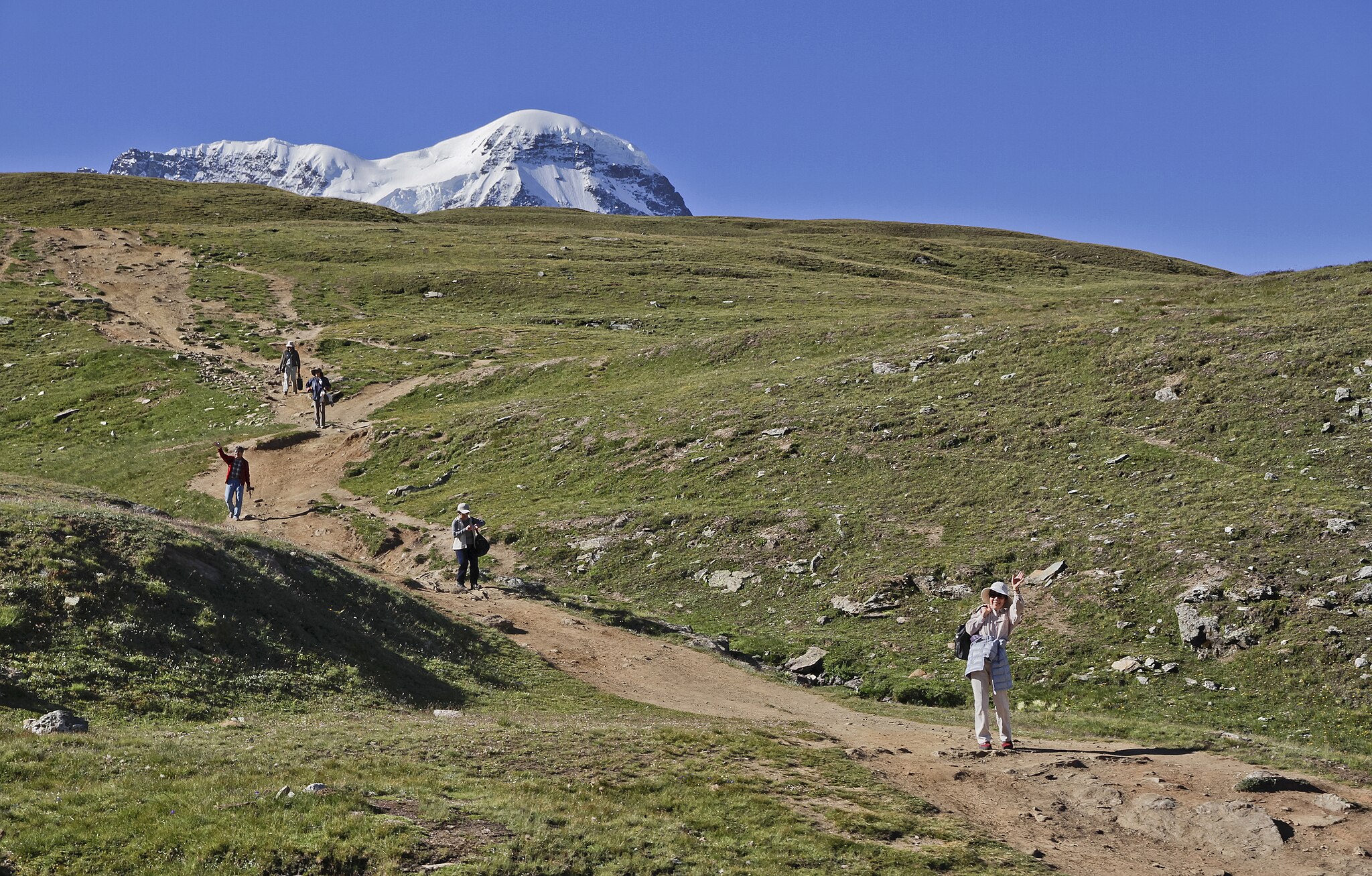
Crowded trailheads create risks beyond inconvenience in Colorado recreation areas. Vehicles line roads, reducing sightlines and blocking emergency access. Hikers park farther away, lengthening approaches and increasing fatigue. Late starts become common, pushing outings into afternoon storms. Navigation errors rise as people rush departures. Search and rescue incidents cluster near access points. Experienced users adapt, but newcomers misjudge conditions. Density transforms simple logistics into compounded risk. Managing arrival timing and parking expectations becomes critical during high use periods when infrastructure remains fixed despite growing visitation across popular corridors during busy weekends and major holidays statewide.
Wildlife Behavior And Encounter Shifts
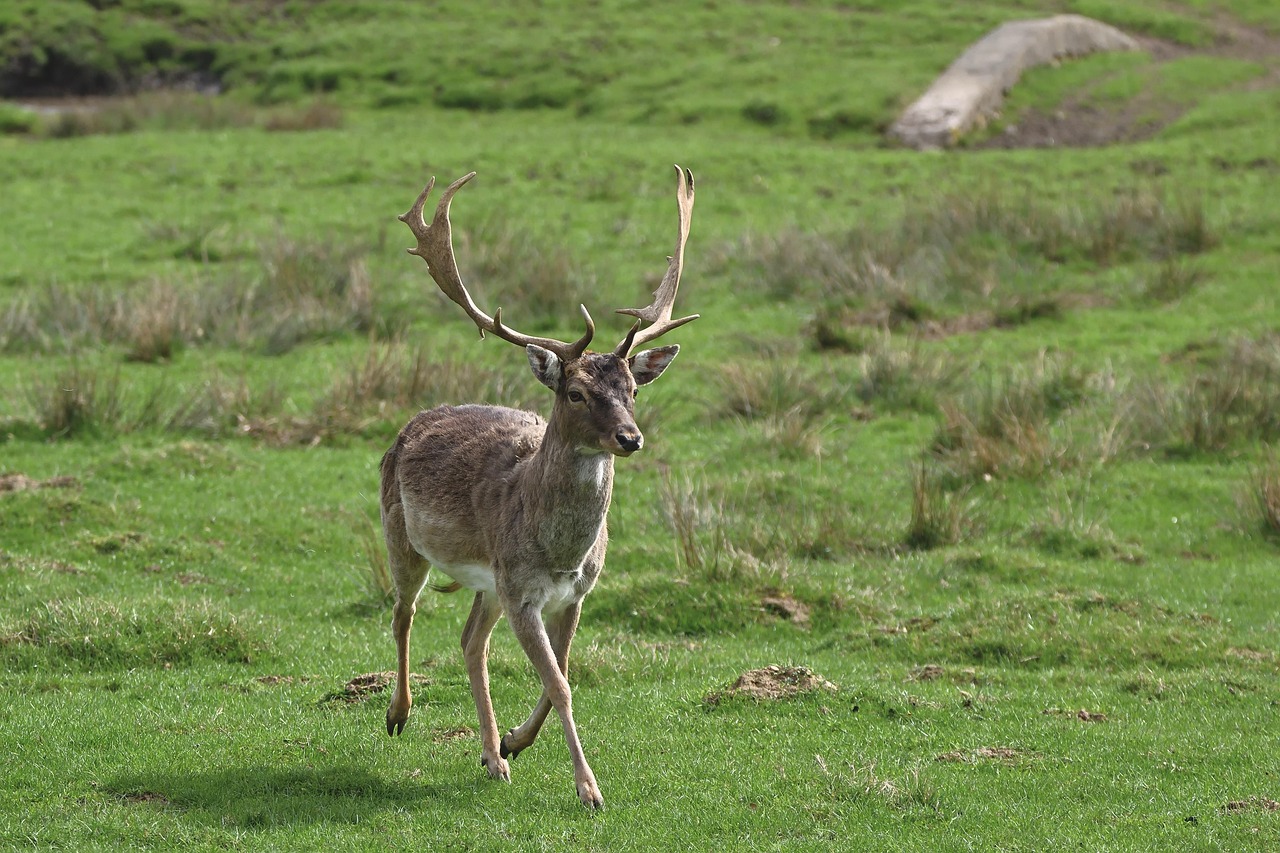
High crowd levels shift wildlife behavior, altering encounter risk. Animals avoid core areas and move into edges. Visitors meet wildlife unexpectedly near roads or camps. Food odors increase bold behavior in some species. Education gaps amplify mistakes during close encounters. Crowding reduces escape routes for both people and animals. Stress responses rise under constant disturbance. Risk grows quietly as patterns change. Seasoned recreationists adjust practices, while newcomers underestimate shifting boundaries. Managing food storage, distance, and awareness becomes increasingly important as visitation peaks across shared habitats during summer weekends and fall foliage periods statewide annually increasingly.
Weather Exposure And Emergency Response Delays
Crowding complicates weather risk management in Colorado’s high elevation areas. Storms arrive quickly, but crowded routes slow retreat. Communication delays grow as cell networks overload. Emergency teams navigate traffic before reaching incidents. Minor injuries escalate due to response delays. Visitors misjudge timing, assuming help remains immediate. Crowding magnifies exposure to lightning, cold, and fatigue. Preparedness gaps become visible under pressure. Planning turnaround times and spacing becomes critical for safety when crowds extend exposure beyond forecast windows especially during monsoon patterns and sudden seasonal shifts statewide increasingly.