Many experienced gun owners believe that once accuracy reaches a certain level, the basics no longer need attention. This assumption quietly erodes performance over time. Advanced gear, refined stances, and thousands of rounds fired can mask subtle flaws that still influence every shot. Among all fundamentals, one remains consistently underestimated because it feels simple on the surface. In reality, it demands continuous discipline and refinement. When accuracy degrades under pressure, fatigue, or speed, this overlooked element is usually the cause. Mastery here separates consistent shooters from situationally accurate ones.
Trigger Control Is More Than Pulling
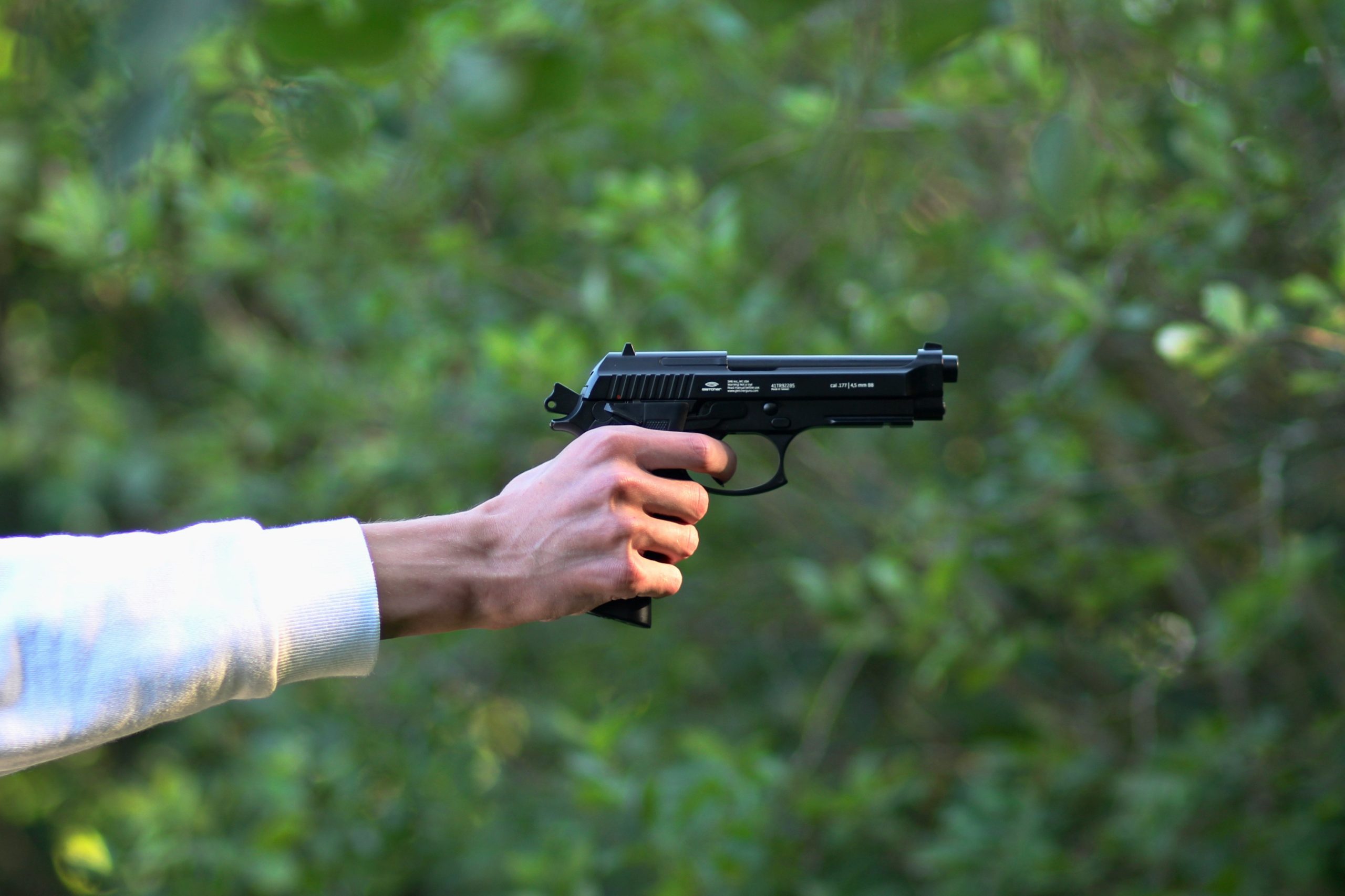
Many shooters think trigger control simply means pulling the trigger straight back. In reality, it’s about managing pressure smoothly without disturbing sight alignment. Even experienced shooters develop habits like slapping or staging the trigger inconsistently. These flaws often go unnoticed because they appear only at speed or distance. Proper trigger control requires deliberate pressure applied evenly through the entire movement. When shooters rush shots, this discipline breaks down first. Refining this fundamental improves accuracy more reliably than changing grips, optics, or ammunition, making it essential even for seasoned gun owners.
Pressure Consistency Gets Ignored
Trigger control isn’t just movement; it’s pressure consistency. Many experienced shooters apply varying amounts of force from shot to shot, especially during rapid strings. This inconsistency introduces lateral movement that subtly shifts impact points. Because recoil and noise mask the error, shooters often blame external factors instead. Maintaining consistent pressure throughout the trigger press stabilizes the firearm and preserves alignment. This skill becomes critical during stress or competition, where subconscious habits dominate. Shooters who focus on pressure consistency often see immediate improvements without changing any other fundamentals.
Speed Amplifies Trigger Errors
At a slow pace, poor trigger control can hide behind acceptable accuracy. As speed increases, flaws become exaggerated. Experienced shooters pushing for faster follow-up shots often abandon smooth trigger presses in favor of urgency. This leads to jerking, slapping, or prematurely resetting the trigger. The result is vertical stringing or erratic grouping. True proficiency means maintaining control even when shooting rapidly. Learning to manage the trigger at speed requires deliberate practice and restraint. Without this focus, accuracy degrades precisely when shooters believe they’re performing at their best.
Reset Misunderstanding Hurts Accuracy
Many shooters obsess over trigger reset without fully understanding it. Riding the reset aggressively can create tension and anticipation. Instead of allowing a smooth, controlled press, shooters rush to the reset point and fire prematurely. This habit disrupts rhythm and alignment. Proper trigger control balances reset awareness with continuous pressure management. The trigger should reset naturally without forcing speed. Experienced shooters often overlook this nuance, assuming reset mastery equals faster shooting. In reality, controlled reset paired with deliberate pressure produces better consistency and cleaner shot placement.
Finger Placement Is Rarely Revisited
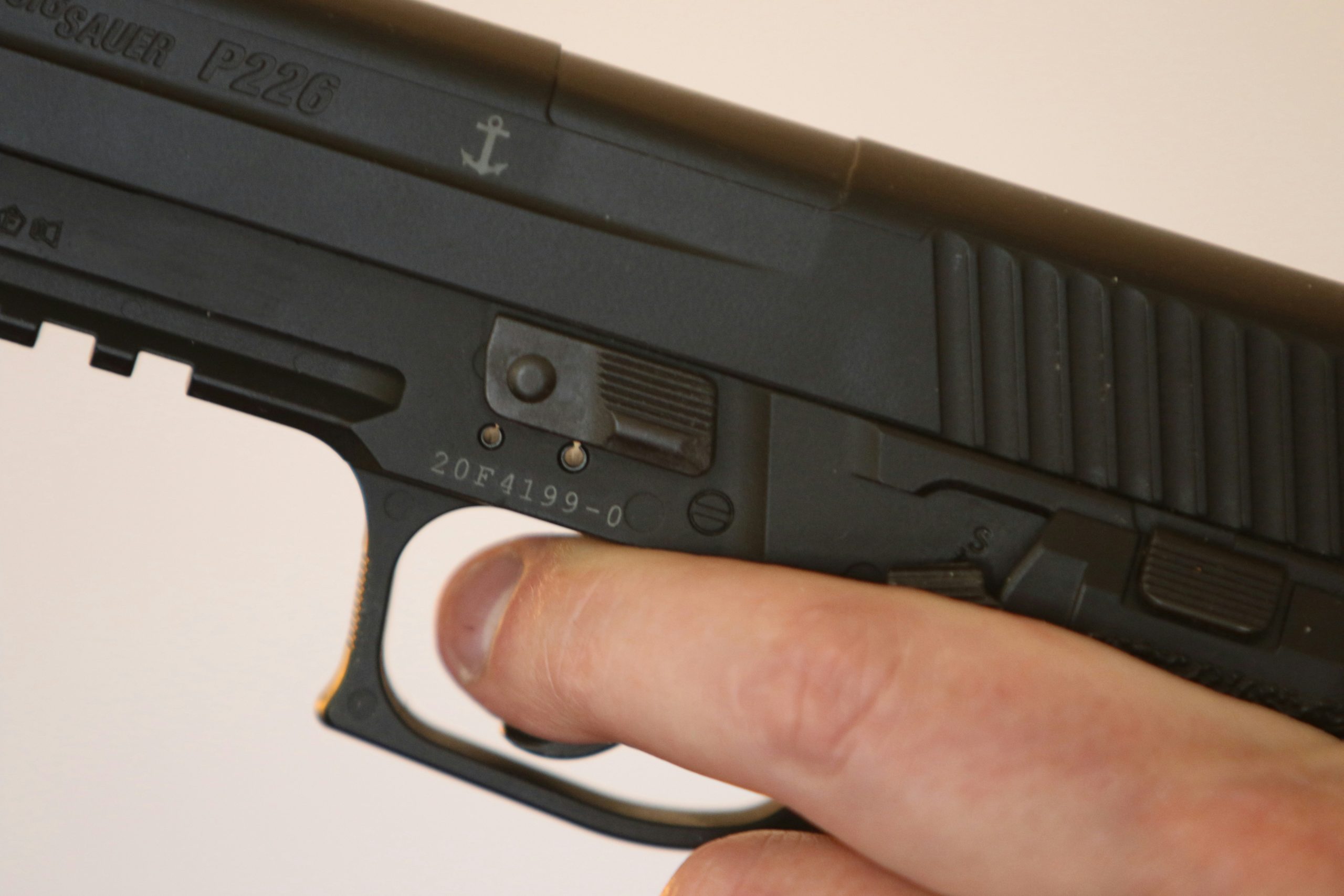
Once shooters settle into a finger placement, they rarely reassess it. However, changes in grip, firearm size, or shooting context can make old habits inefficient. Too much finger increases lateral pull, while too little reduces leverage and consistency. Experienced shooters often assume finger placement is fixed knowledge. In truth, it should be evaluated regularly. Optimal placement allows straight rearward pressure without disturbing alignment. Small adjustments here can dramatically tighten groups. Ignoring this detail keeps shooters stuck at a performance plateau they don’t realize exists.
Anticipation Starts at the Trigger
Recoil anticipation is often blamed on flinching, but it begins at the trigger. Inconsistent or rushed trigger presses encourage subconscious anticipation. Experienced shooters may mask flinching during casual shooting but reveal it under stress. Smooth trigger control reduces anticipation by creating predictability. When the trigger press feels consistent every time, the mind stops bracing for recoil. This calm execution improves accuracy more than mental tricks alone. Shooters who address anticipation through trigger discipline often see lasting improvements that carry across different firearms.
Fatigue Exposes Poor Control
As fatigue sets in, trigger discipline is one of the first fundamentals to deteriorate. Grip strength weakens, focus drifts, and trigger presses become uneven. Experienced shooters often misinterpret this as an overall decline rather than a specific fundamental failing. Recognizing how fatigue affects trigger control allows shooters to slow down, reset mentally, and refocus pressure. Training with awareness of fatigue builds resilience and consistency over longer sessions. Shooters who maintain trigger discipline under physical or mental strain demonstrate true mastery, not just technical familiarity gained on fresh range days.
Stress Magnifies Small Mistakes
Under stress, fine motor skills degrade, and trigger control becomes harder to manage when adrenaline increases. Experienced shooters who rely on muscle memory without reinforcing fundamentals often struggle in high-pressure situations. Smooth trigger control must be ingrained deeply enough to survive stress. This requires focused repetition, not just casual range time. When stress magnifies small mistakes, disciplined trigger control minimizes their impact and keeps shots predictable. Shooters who train this intentionally perform more consistently when conditions are chaotic, noisy, or mentally demanding.
Mastery Requires Constant Attention
Trigger control isn’t something you master once and forget. Even highly experienced gun owners must revisit it regularly as habits slowly drift over time. Changes in firearms, environments, or shooting goals demand renewed focus. Complacency allows bad habits to return quietly, often without immediate warning signs. Treating trigger control as a living skill keeps performance sharp across years of shooting. Shooters who continually refine this fundamental maintain accuracy across contexts and avoid plateaus. True expertise isn’t about moving past basics; it’s about mastering them repeatedly with intention and humility.y