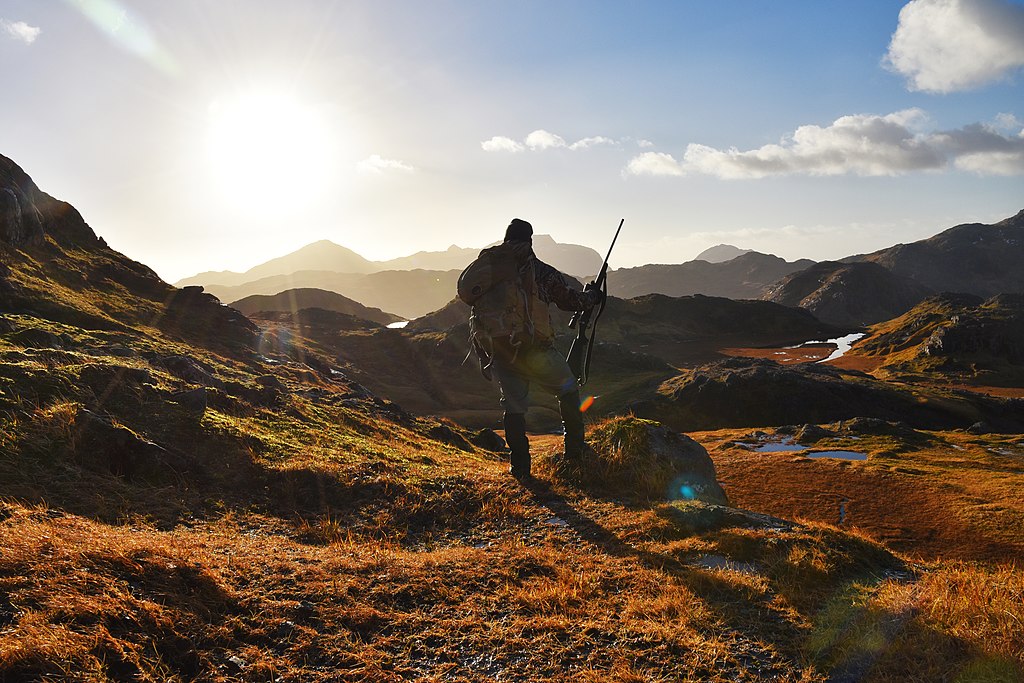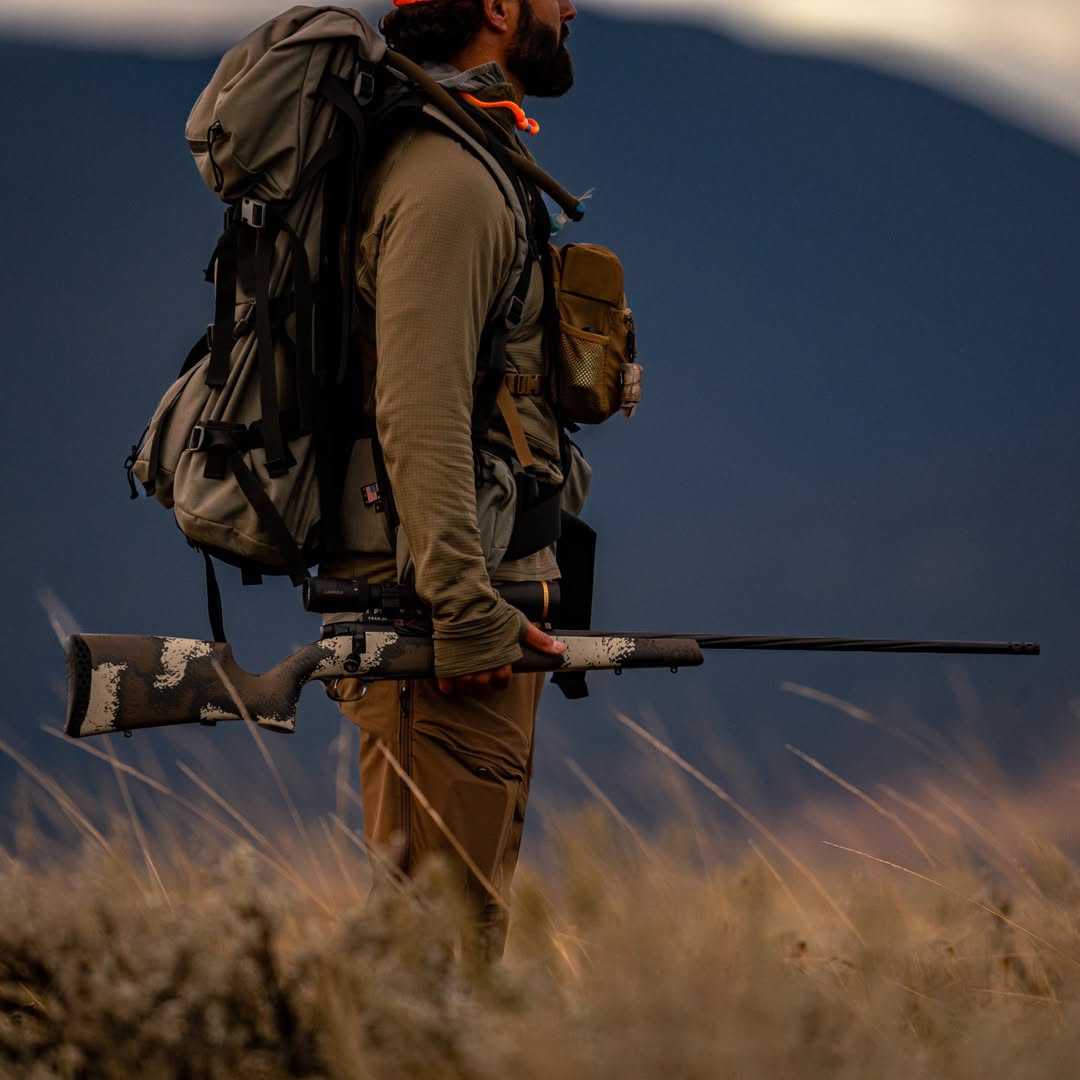
Christensen Arms Mesa and Weatherby Mark V Backcountry 2.0 rifles attract mountain hunters seeking lightweight performance at high elevation. Thin air, steep terrain, and cold temperatures challenge firearms differently than lowland conditions. Weight, balance, reliability, and recoil management matter more when climbing above timberline. Both rifles promise carbon fiber components and precision engineering, yet design choices affect real-world handling. Evaluating how each performs during elevation gain, temperature swings, and extended carries helps clarify strengths. This comparison examines construction, accuracy, ergonomics, and dependability to determine which rifle better supports hunters operating in demanding alpine environments.
Christensen Arms Mesa
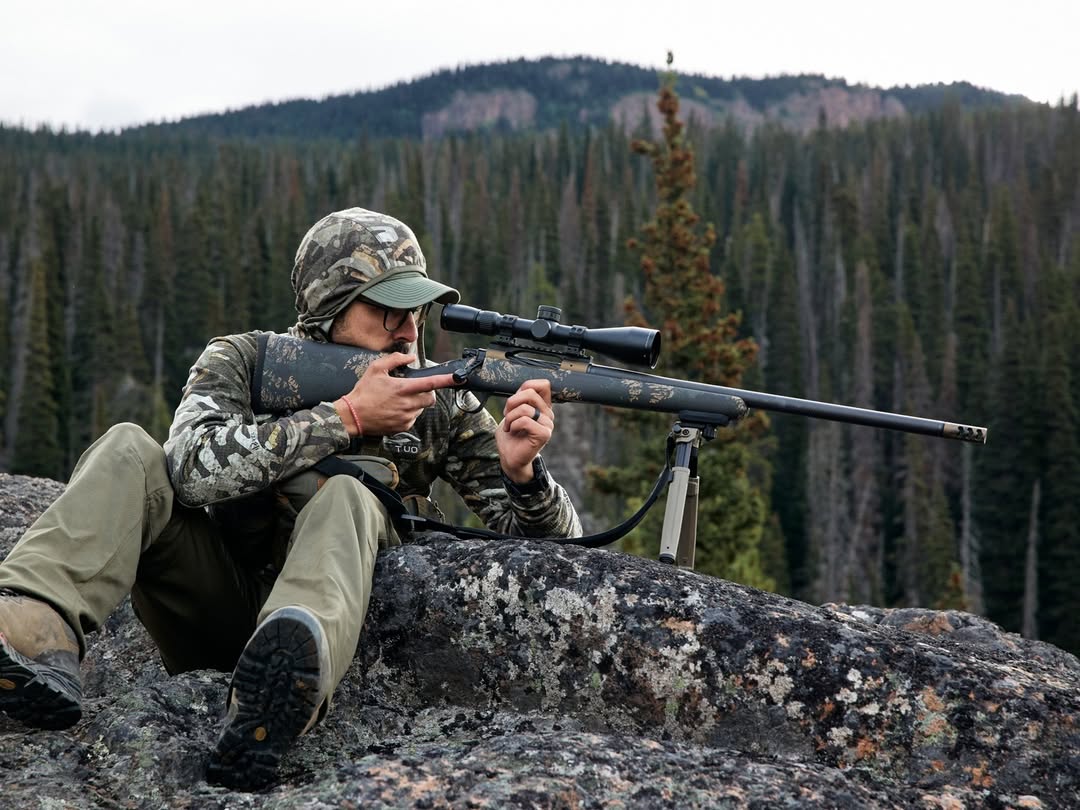
Christensen Arms Mesa emphasizes carbon fiber barrel technology to reduce weight while maintaining stiffness. At elevation, the Mesa’s lighter profile eases long climbs and improves offhand control. The rifle typically weighs under seven pounds, limiting fatigue during extended ascents. Carbon barrels dissipate heat efficiently, supporting consistent accuracy despite rapid temperature changes. The Mesa uses a Remington 700 footprint action, offering familiarity and smooth cycling. Its balance favors mobility but may transmit more recoil in thin air. Overall, the Mesa prioritizes portability and modern materials suited to high altitude hunts requiring movement, adaptability, and shot placement.
High Elevation Performance Comparison
At high elevation, performance depends on weight efficiency, recoil control, and reliability under stress. The Christensen Arms Mesa excels during steep climbs where ounces matter. Its design supports mobile hunting styles. The Weatherby Mark V Backcountry 2.0 offers stronger recoil mitigation and magnum performance in open alpine basins. Cold tolerance favors the Mark V action, while simplicity benefits the Mesa. Accuracy remains excellent for both rifles. Hunters prioritizing movement may prefer the Mesa, while those favoring longer shots often lean toward the Weatherby. Elevation amplifies these differences, making terrain and hunting style decisive factors overall.
Weatherby Mark V Backcountry 2.0
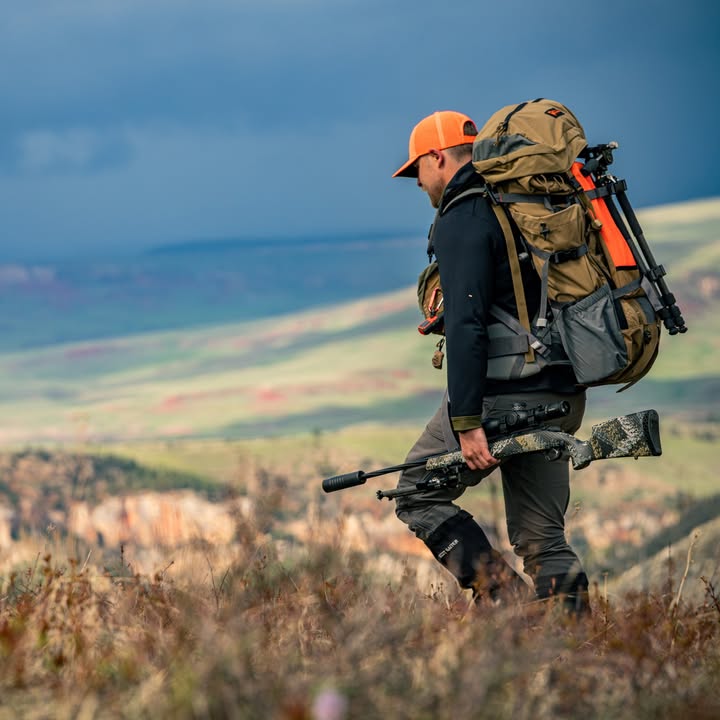
Weatherby Mark V Backcountry 2.0 focuses on strength and precision through a titanium action and carbon fiber stock. The Mark V action is known for fast lock time, supporting accuracy when breathing hard at elevation. At roughly six and a half pounds, the rifle balances lightness with a solid feel. Weatherby chambers magnum cartridges effectively, maintaining velocity in thin air. The rifle’s nine-lug bolt enhances reliability in cold conditions. Recoil management feels controlled due to stock geometry. Overall, the Backcountry 2.0 favors stability, power, and confidence during long-range shots common above tree line environments.
Reliability In Cold And Thin Air
Cold alpine mornings test actions, lubricants, and tolerances more severely than valley hunts. The Weatherby Mark V Backcountry 2.0 benefits from its nine lug bolt and titanium construction, which resist binding when temperatures plunge. Short bolt lift aids cycling with gloves. The Christensen Arms Mesa relies on a proven 700 pattern action that remains dependable when clean, though heavier lubricants can slow operation. Both rifles perform best with cold-rated oils. In thin air, ignition remains consistent for each. Reliability ultimately favors maintenance discipline, but Weatherby’s action shows a greater margin during sudden freezes at elevation.
Carry Comfort And Ergonomics
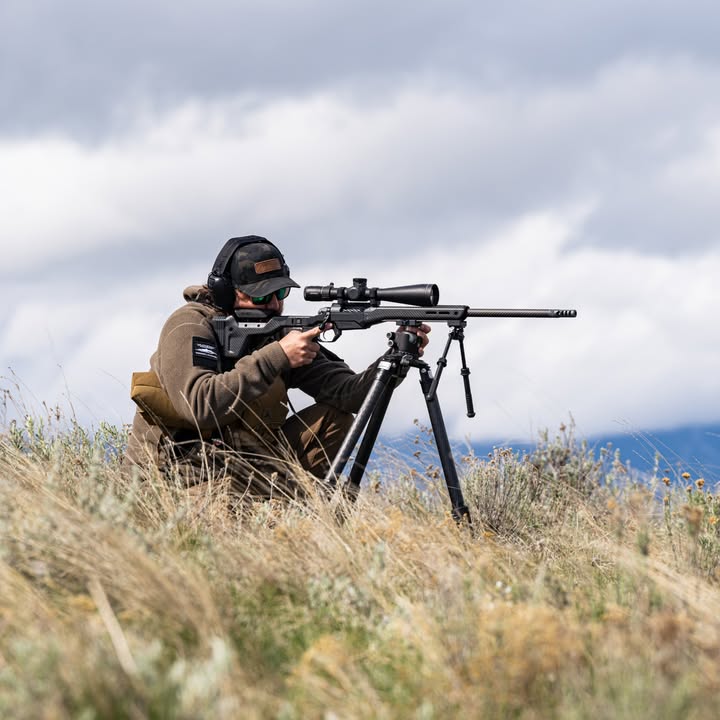
Extended elevation gain magnifies stock design balance and sling attachment choices. The Christensen Arms Mesa carries easily due to neutral balance and lighter barrel contour, reducing shoulder fatigue across switchbacks. Its grip angle supports quick mounting during close encounters. The Weatherby Mark V Backcountry 2.0 feels slightly more substantial, which steadies the sight picture when breathing hard. Stock geometry manages recoil and promotes a consistent cheek weld. Both accept lightweight slings and bipods. Comfort differences emerge over miles, with Mesa favoring constant movement and Weatherby rewarding deliberate setups during long alpine approaches and descents, daily hunts.