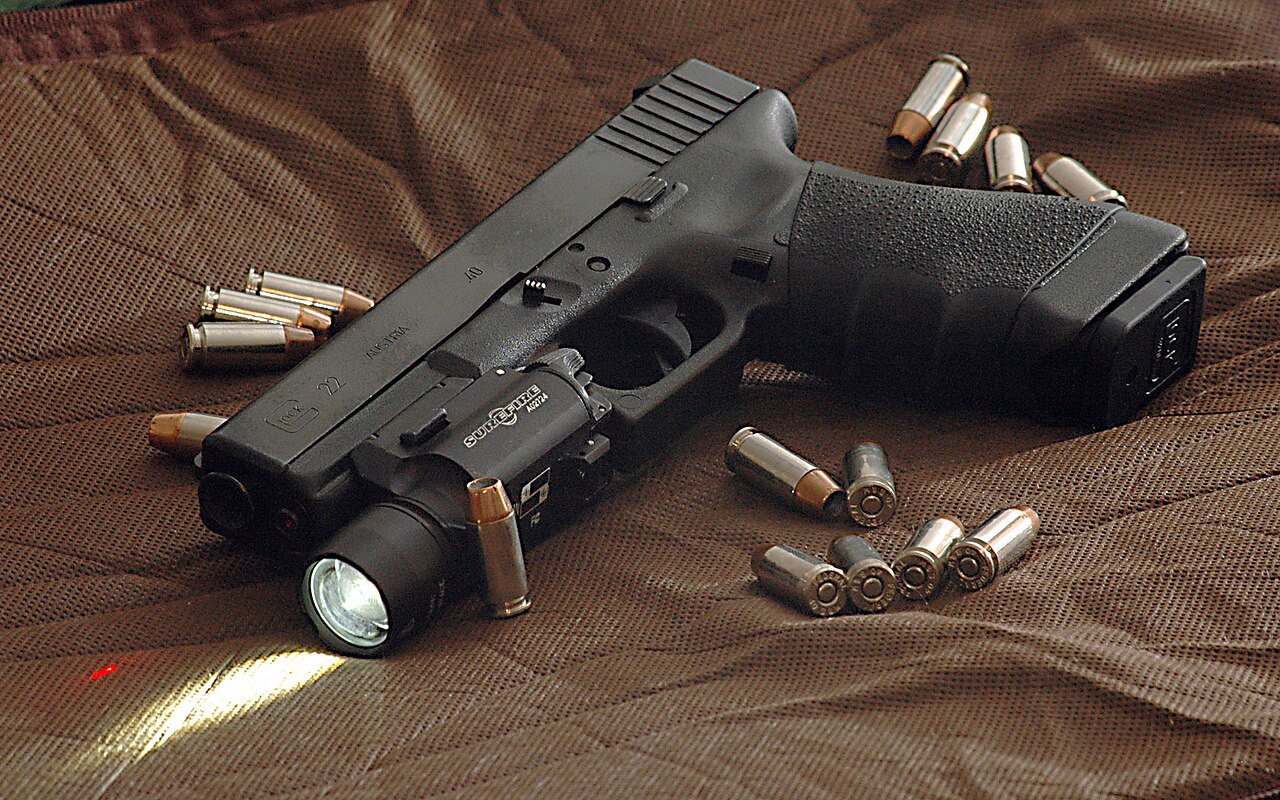
The rapid evolution of ballistic technology often leaves once-popular ammunition designs in the shadows of more efficient modern alternatives. Enthusiasts frequently debate which cartridges that just don’t make sense anymore should finally be retired from active service or sporting use. While many classic rounds hold significant historical value, their actual performance on the range or in the field often falls short of current expectations. Choosing a contemporary caliber usually provides better availability and superior terminal results for every shooter today. This guide examines several iconic but increasingly obsolete options that have struggled to maintain their relevance in the competitive world of firearms.
.25 ACP
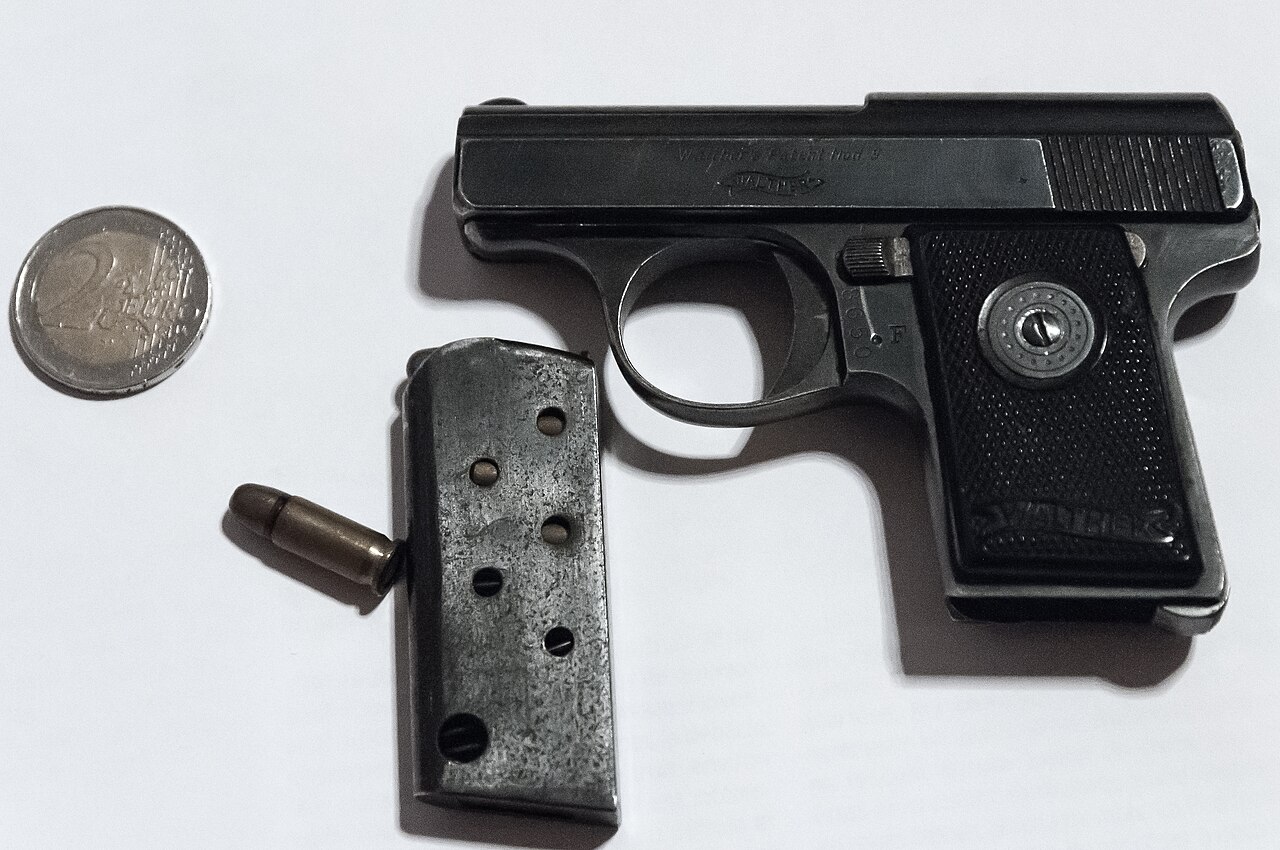
John Browning designed the tiny .25 ACP as a reliable alternative to rimfire cartridges for the small vest pocket pistols of the early twentieth century. While the centerfire primer offers more consistent ignition, the actual stopping power of the light forty-five-grain bullet is notoriously anemic. Modern micro pistols chambered in much more powerful rounds have effectively replaced these diminutive firearms for personal protection. Carrying a weapon with such limited kinetic energy provides a false sense of security during a high-stress encounter. Most experts now recommend moving toward larger calibers that offer a proven track record of effective defensive performance.
.32 ACP
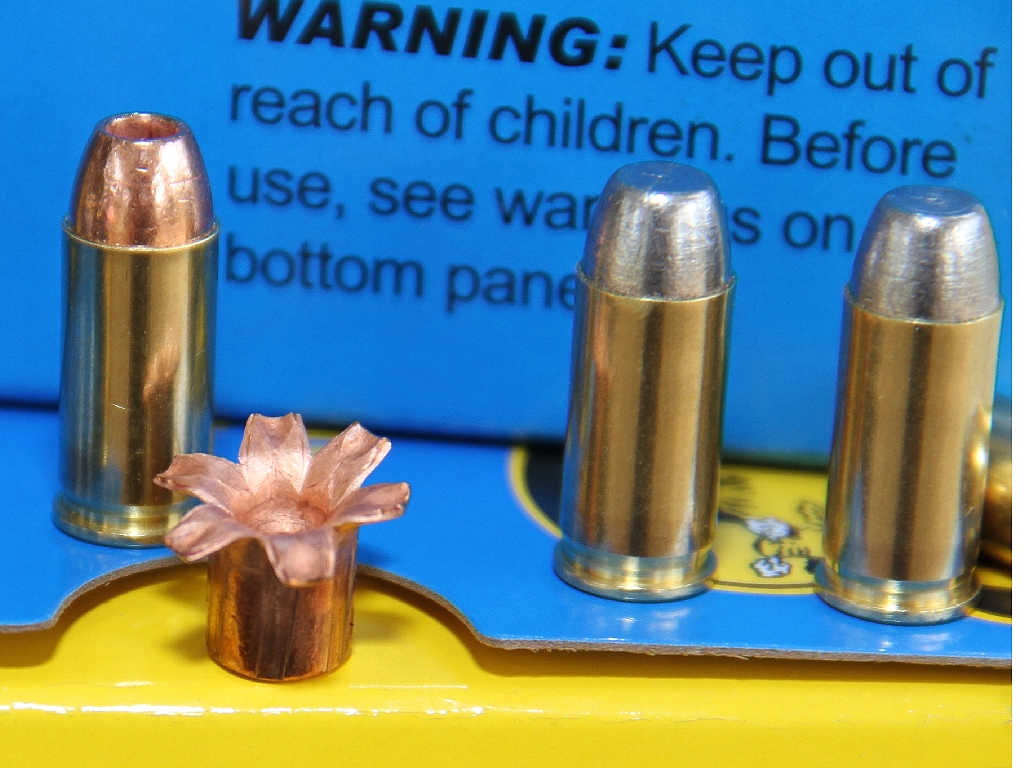
The .32 ACP once served as a standard sidearm caliber for European police and military forces during the middle of the last century. Despite its legendary status in spy cinema, the round lacks the necessary velocity to achieve reliable expansion with modern hollow point projectiles. Newer subcompact handguns chambered in the more robust .380 ACP or nine millimeter have rendered this smaller caliber largely unnecessary for modern carry. While it offers very low recoil for sensitive shooters, the trade-off in terminal effectiveness is simply too great to ignore. It remains a nostalgic choice rather than a practical one for most.
.45 Gap
Glock developed the .45 GAP to provide the substantial stopping power of a .45 caliber bullet within a smaller nine millimeter-sized frame. While the engineering was sound, the market never fully embraced the proprietary cartridge due to the high cost and limited availability of ammunition. Most shooters found that they preferred the original .45 ACP or simply moved to higher capacity nine millimeter pistols as ballistic technology improved. Today, finding a variety of loads for this specific caliber is a difficult task for even the most dedicated gun owners. It stands as a mechanical curiosity that failed to gain traction.
.224 Valkyrie
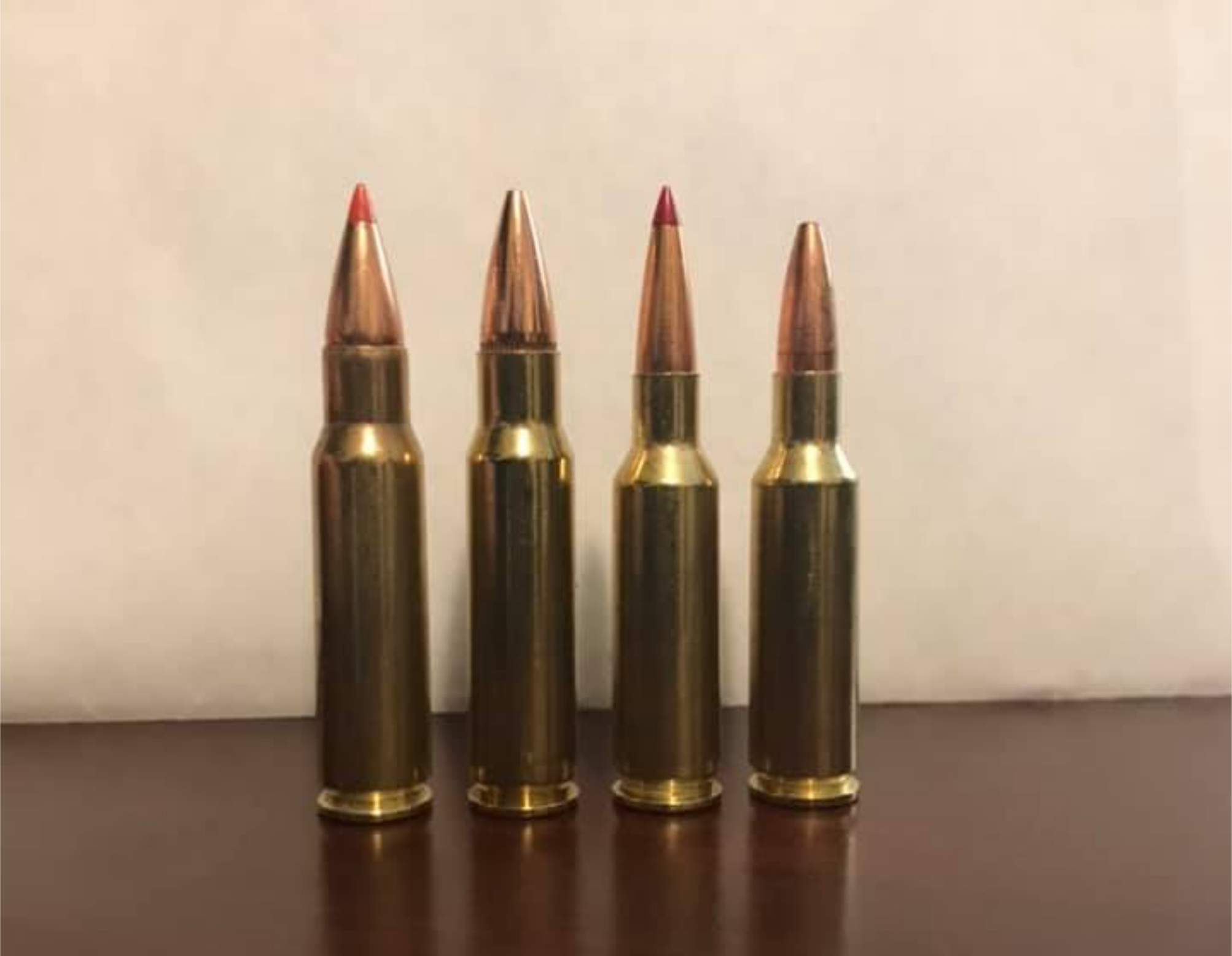
Originally marketed as a long-range solution for the AR-15 platform, the .224 Valkyrie promised incredible stability and speed for competitive shooters. Unfortunately, the caliber struggled with consistency issues across different barrel lengths and twist rates, which frustrated many early adopters in the community. As newer options like the 6mm ARC arrived on the scene, the interest in this specialized small-bore round began to fade rapidly. Many enthusiasts found that the promised ballistics did not always translate to the real world during matches. It represents a niche round that was quickly overshadowed by more versatile and reliable competitors.
.350 Remington Magnum
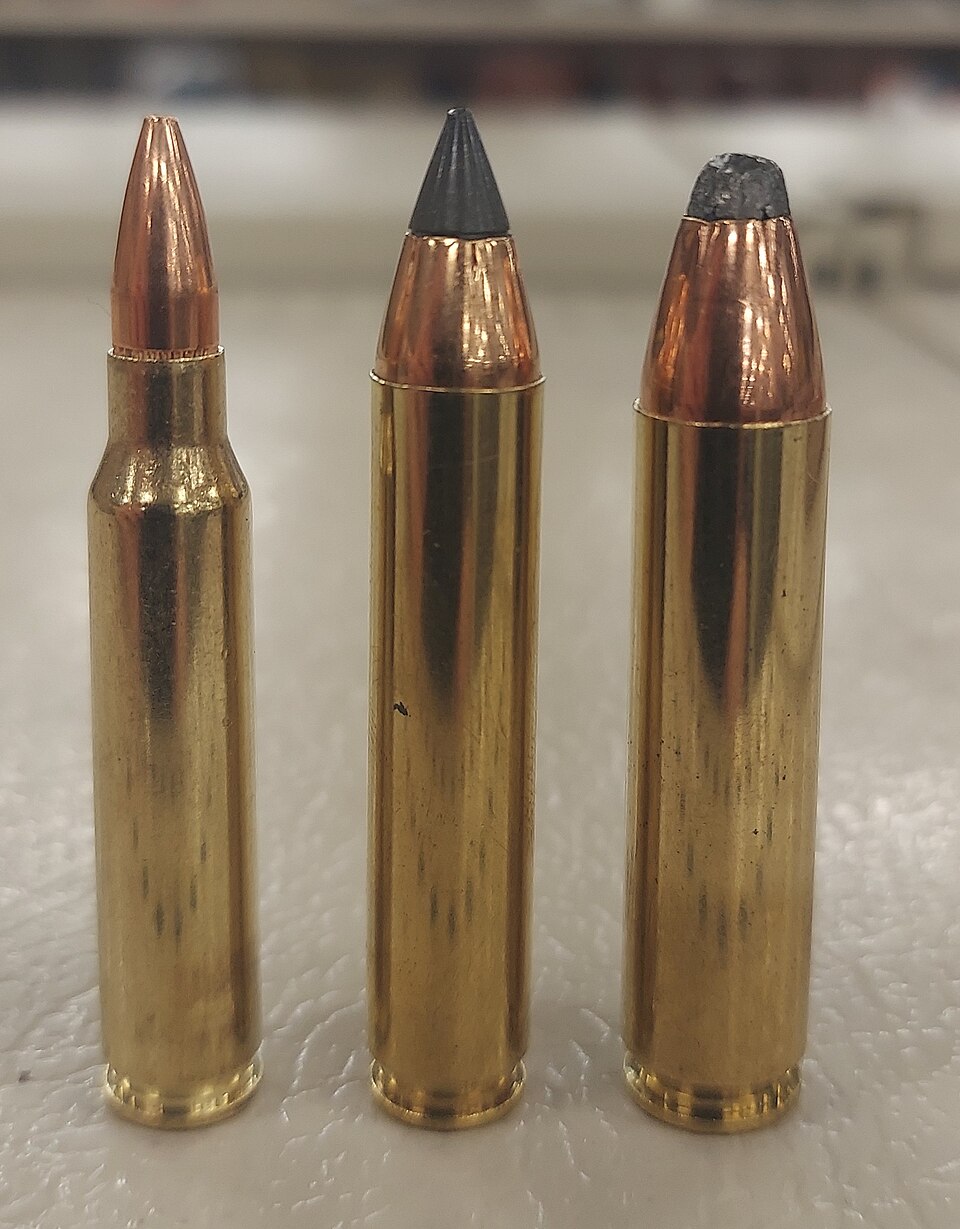
The .350 Remington Magnum was an early attempt to create a short-action magnum that could deliver heavy-hitting power from a compact mountain rifle. While it offered impressive energy, the short and stubby case design led to feeding issues in many of the rifles chambered for it. Shooters also found the recoil to be quite punishing in the lightweight platforms that were supposed to be its primary advantage. Modern cartridges now achieve similar or better results with much smoother operation and far less physical strain on the shooter. It remains an interesting but ultimately flawed experiment in ballistic history today.