High humidity changes the way almost every fire-starting method behaves, even when the temperature is warm, and conditions feel manageable. Moisture in the air settles onto tinder, reduces spark strength, and slows the chain reaction needed for stable combustion. Many people assume that having a lighter or a ferro rod is enough, but humid environments expose weaknesses in common techniques and materials. Fire is still possible, but it demands more preparation, smarter material choices, and a willingness to adjust how each step is performed so that the flame has a fair chance to grow and survive.
Humidity Prevents Tinder From Igniting Quickly
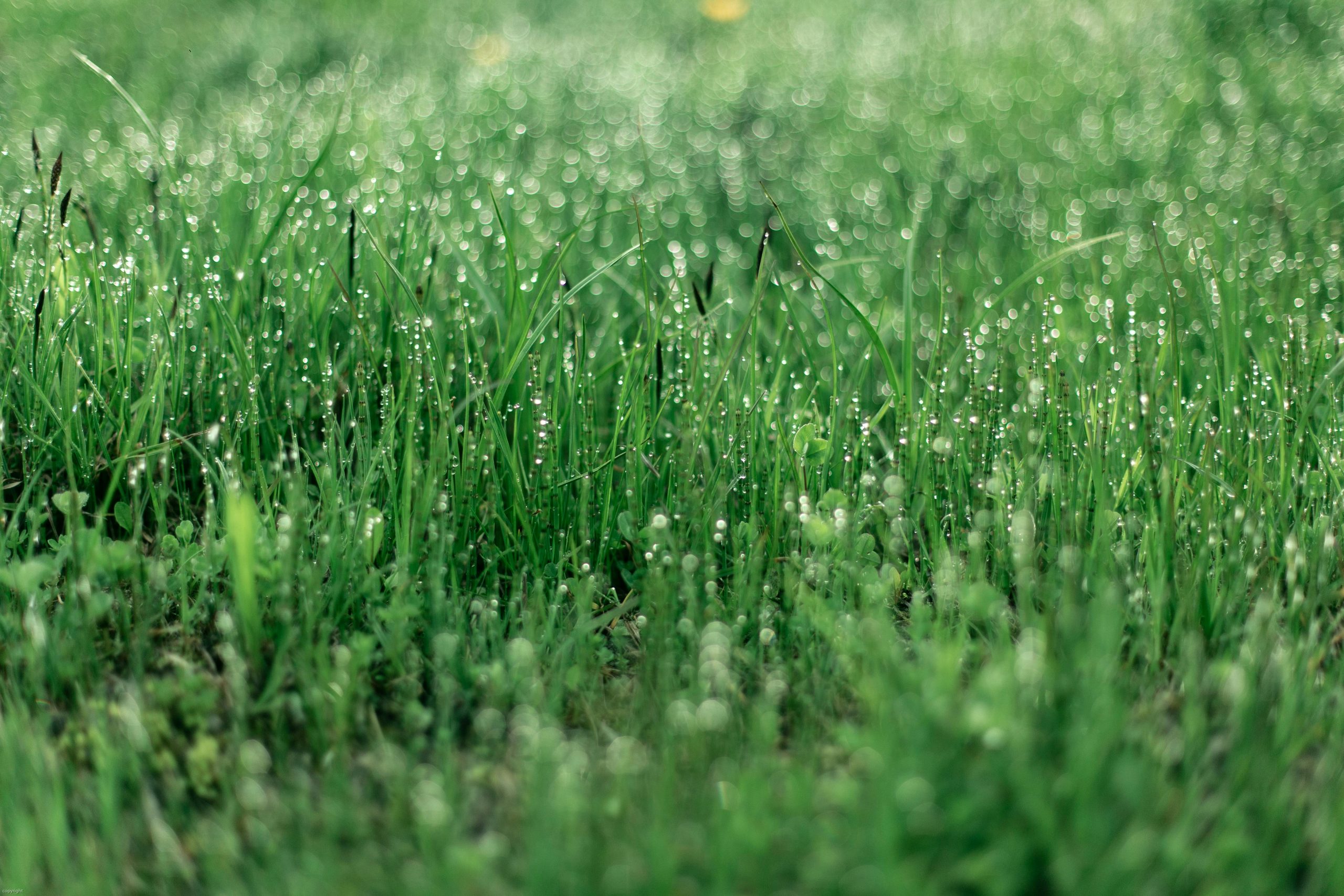
High humidity forces moisture into the tiniest fibers of natural tinder, which makes it extremely difficult to create that first burst of flame. Even materials that look dry, like grass or thin bark, often hold enough hidden moisture to resist heat. Sparks land but fail to bite, because the fuel must evaporate water before it can ignite. This delay causes sparks to cool quickly and lose effectiveness. Survival instructors often recommend preparing tinder for twice as long in humid conditions, since the fire needs a truly dry core to catch the initial spark and turn it into a steady flame.
Bow Drills Lose Efficiency as Wood Fibers Absorb Moisture
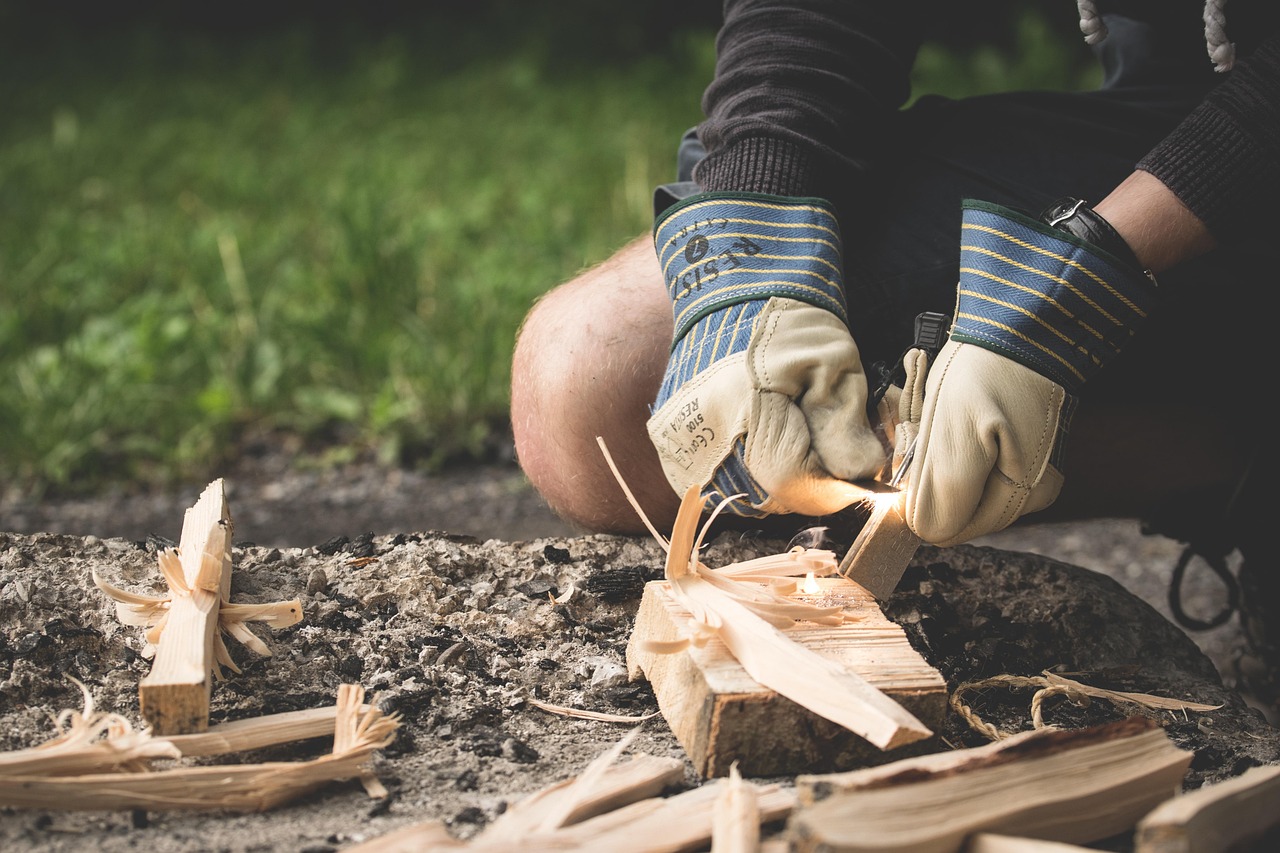
Friction-based methods, such as bow drills, suffer heavily in humid environments because the wood fibers swell and soften when exposed to moisture. Instead of producing the fine, powdery char needed for a coal, the set often grinds into damp dust that refuses to hold heat. The spindle may also slip more easily, which lowers friction and wastes energy. Even with perfect form, humidity slows the coal-forming process so much that many attempts fail before the user can generate enough heat. Successful firemakers usually carry pre-seasoned spindle sets stored in sealed bags to maintain dryness.
Ferro Rod Sparks Cool Too Fast in Moist Air
A ferro rod can produce hot sparks, but humidity reduces their lifespan by cooling them the moment they leave the rod. In dry weather, these sparks are strong enough to light fine fibers instantly, but in humid climates, they lose heat so quickly that only the most responsive tinder materials will work. Many beginners assume their ferro rod is the problem, when the real issue is moisture absorbing into thin natural fibers. Experts recommend pairing the rod with synthetic or resin-infused tinders, which ignite even when moisture is present, making them more dependable in tropical or rainy areas.
Pocket Lighters Struggle With Damp Wick and Fuel Issues
People often trust a pocket lighter to solve any ignition problem, but humid climates expose several weaknesses. Moisture can collect around the lighter’s internal components and affect how well the flame holds steady. Even when the lighter sparks, the flame may shrink or flicker out because the tinder refuses to ignite. Some lighters also lose pressure when temperature and humidity shift, which reduces fuel efficiency. The key is to keep the lighter sheltered and pair it with dry tinder reserved inside a sealed container. Without properly protected fuel, even a working lighter can become unreliable in heavy humidity.
Natural Kindling Absorbs Moisture Faster Than Expected
Humidity affects more than just Tinder. Thin sticks and bark shavings soak up moisture fast, which slows their ability to support a growing flame. Even if the tinder catches, damp kindling often smokes heavily and struggles to climb to the burning stage. This weak start can cause the flame to collapse before it reaches thicker fuel. Skilled firemakers try to gather dead standing wood because elevated branches dry faster than anything on the ground. Cutting into the inner core of sticks exposes drier material that can bridge the gap between weak flames and solid ignition of larger fuel pieces.
Resin-Based Woods Become Valuable in Humidity
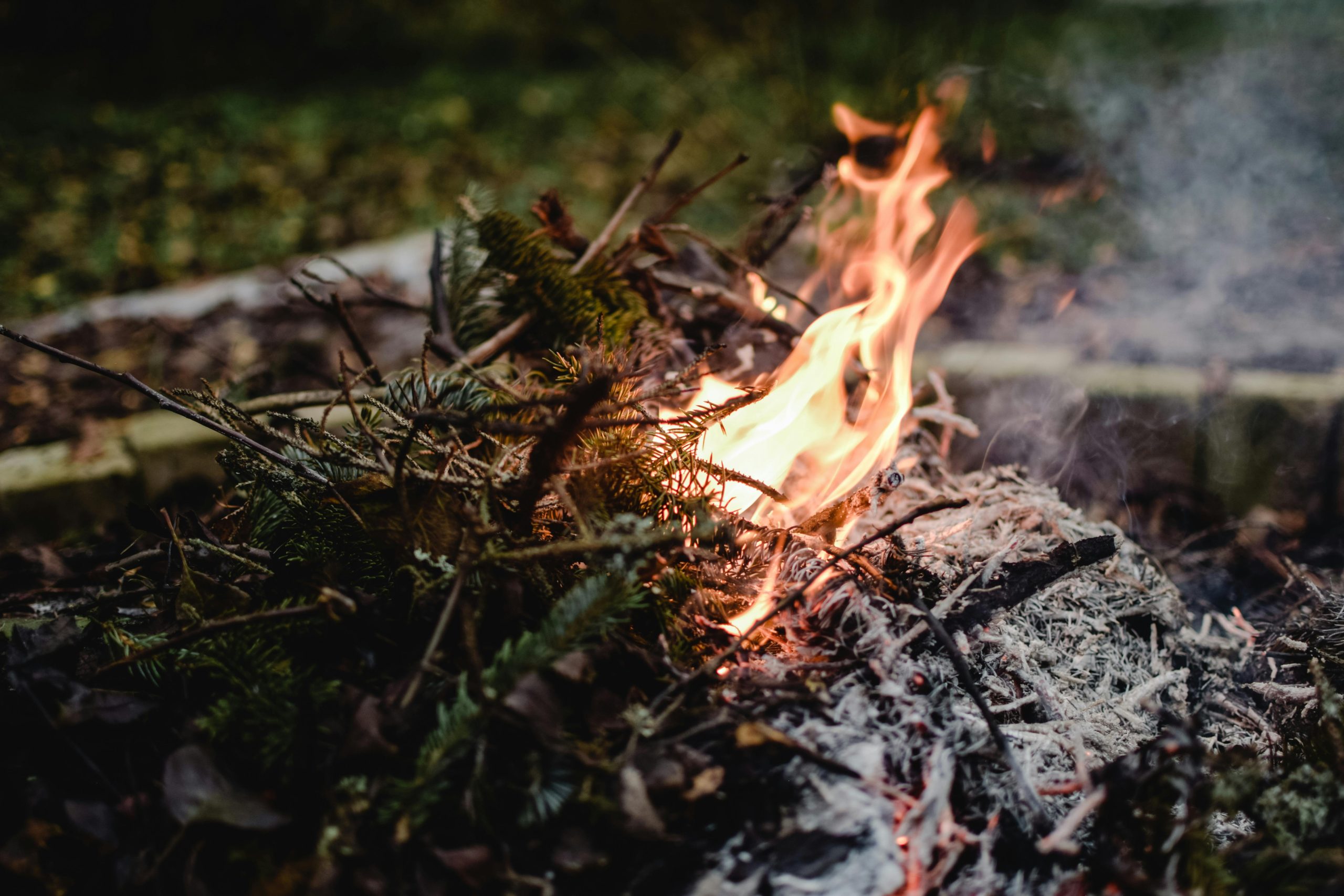
In humid environments, resin-rich woods like pine and fatwood become far more useful because the resin resists moisture and burns hot even when the surface feels slightly damp. Collecting these materials provides a natural advantage, since their sticky, fuel-dense interior lights quickly when exposed to sparks or direct flame. Resin-rich shavings can act as both tinder and kindling, making them ideal for difficult conditions. Many outdoor experts keep a small supply of fatwood in their pack to ensure a reliable ignition source. Its powerful burn can counter the cooling effect that humidity has on fire-starting attempts.
Airflow Becomes More Important Than Heat Alone
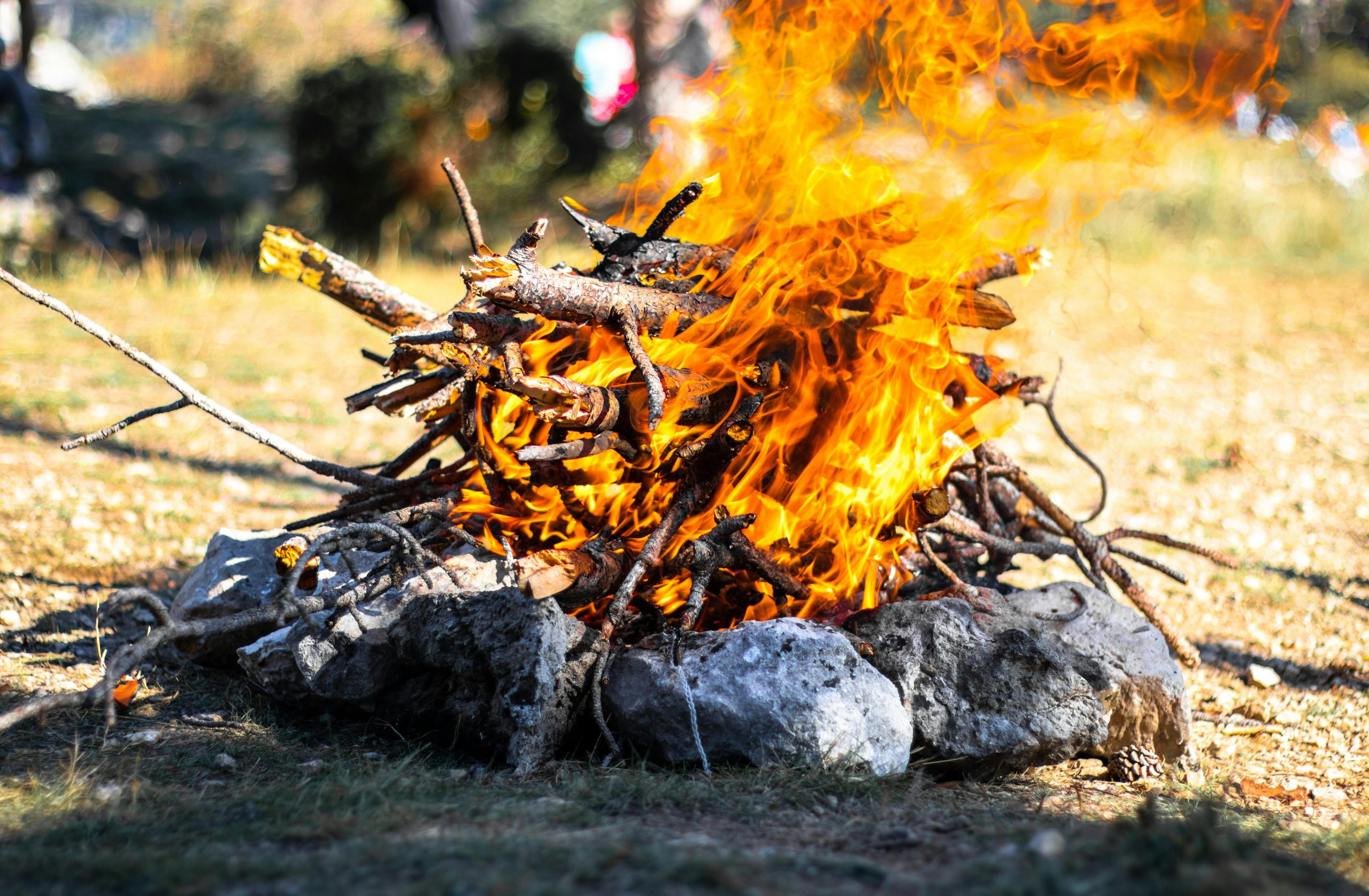
High humidity creates heavier air that reduces oxygen flow around a new flame. Even if the tinder ignites, the fire may suffocate unless airflow is carefully managed. Building a structure that encourages circulation becomes a key factor in ignition success. Teepee and log cabin layouts work better than flat piles because they lift heat upward while pulling fresh air through the base. Instructors advise lifting the fire slightly off damp ground using small twigs, which helps prevent moisture from creeping upward. Without controlled airflow, humidity forces flames to struggle and collapse before they reach a stable burning temperature.
Char Cloth Remains One of the Most Reliable Materials
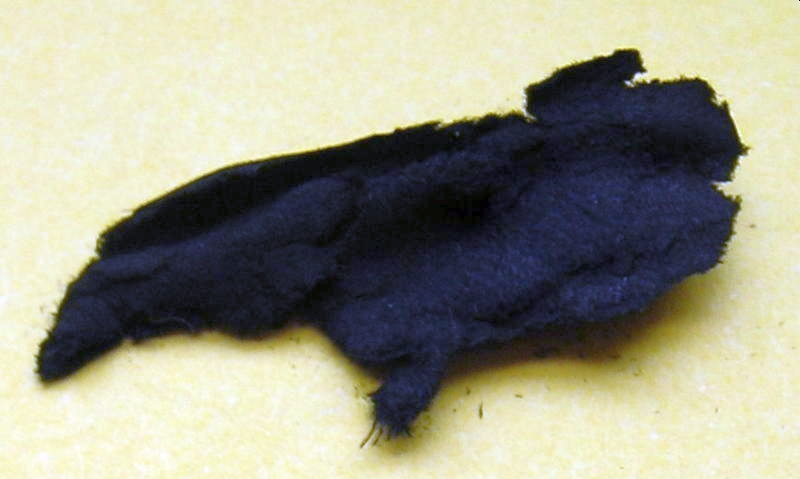
Char cloth performs exceptionally well in high humidity because its carbon-rich structure ignites at a much lower temperature than natural fibers. While sparks fade quickly in moist air, char cloth holds onto heat long enough to form a glowing ember. This ember can then be transferred into a tinder bundle with a dry interior. The key is to protect the cloth from moisture until the moment it is used. Survivalists often store char cloth in metal tins or sealed bags so the humidity cannot creep inside. When everything else struggles, char cloth provides consistent ignition reliability.
Fire Starters With Chemical Aids Bypass Humidity Problems
Fire starters that use chemical or wax-based components are highly effective because they burn hot and long enough to overcome moisture in surrounding materials. These starters act as both tinder and kindling, producing a sustained flame that dries nearby wood while allowing the fire to grow. In damp climates, even a small cube or strip can make a significant difference in success rate. They are lightweight, pack-friendly, and dependable in all seasons. Many experts recommend carrying at least a few chemical-based starters specifically for humid conditions, where natural materials require extra effort to ignite.
Proper Preparation Matters More Than Tool Choice
In high humidity, the best fire starters in the world cannot compensate for poor preparation. Gathering dry material becomes a skill of its own, requiring careful inspection of dead standing wood, inner bark layers, and protected locations under logs or branches. Once the fuel is collected, organizing it in a progression from ultra-fine fibers to thicker sticks allows the flame to grow naturally. Good preparation reduces stress on the ignition method and prevents the common failure where the flame collapses due to damp fuel. Humidity rewards patience and careful setup far more than raw ignition power.