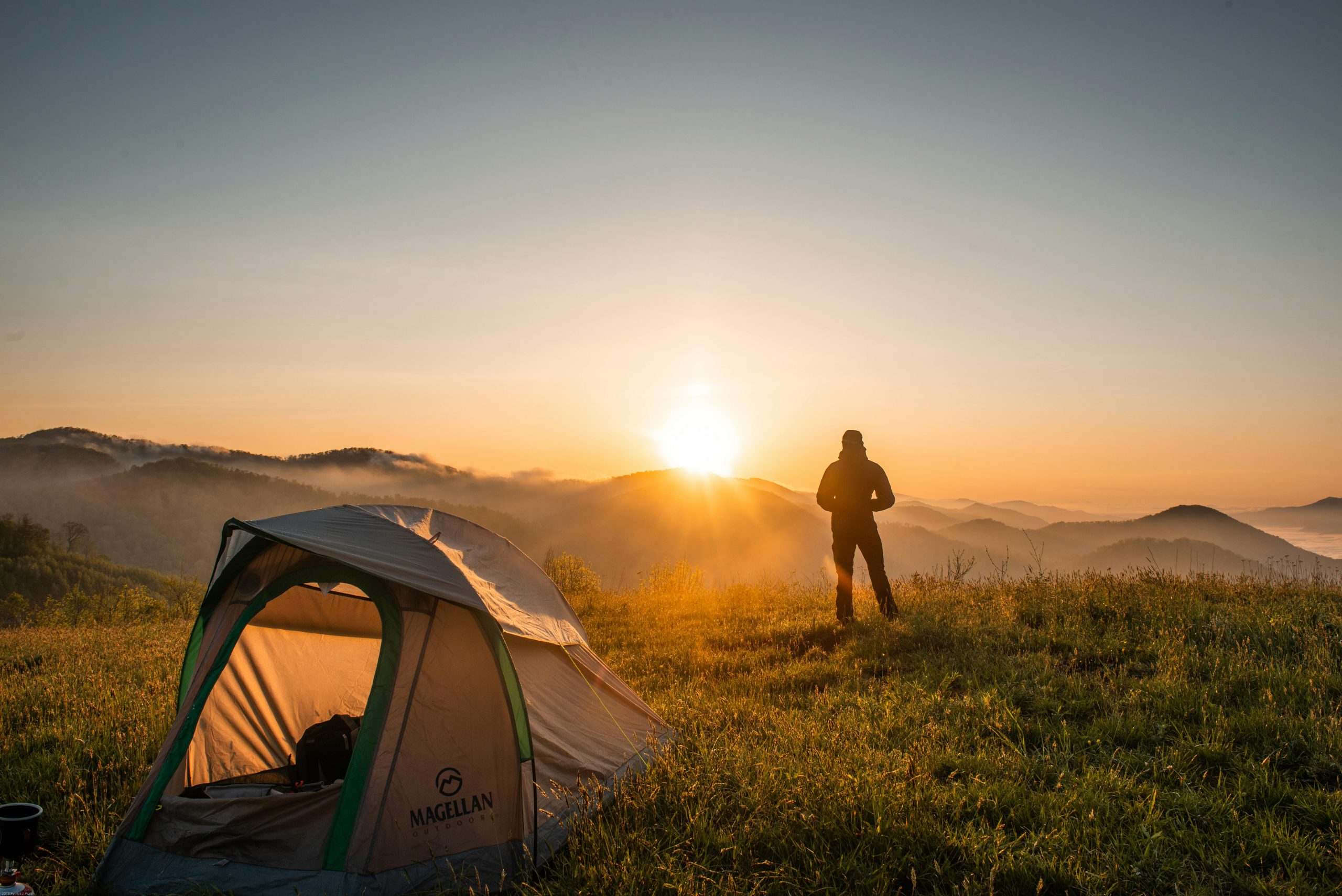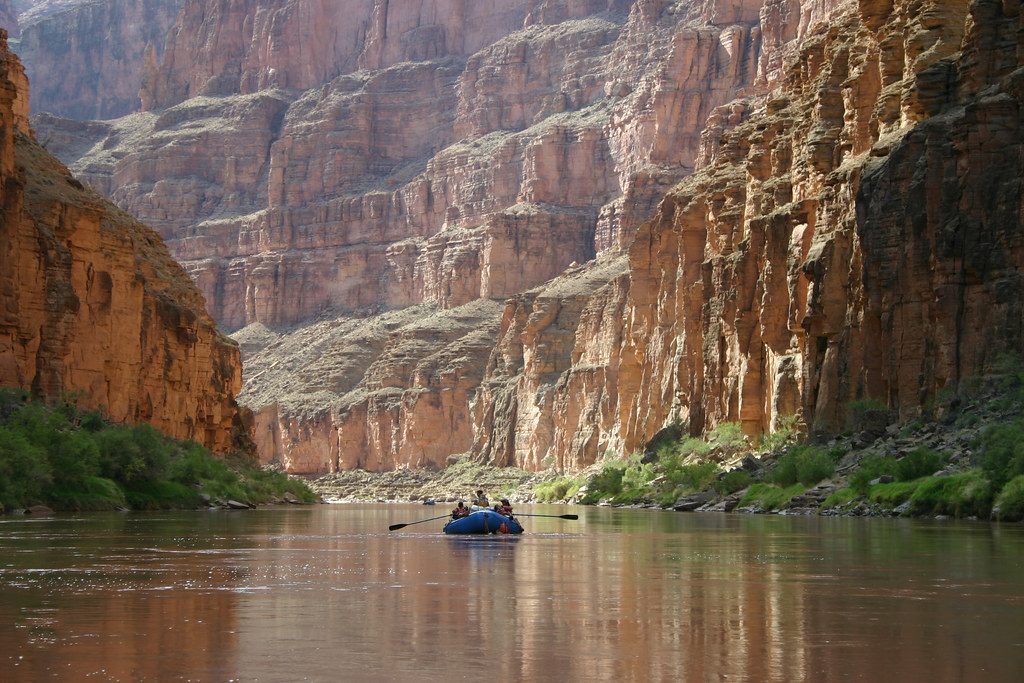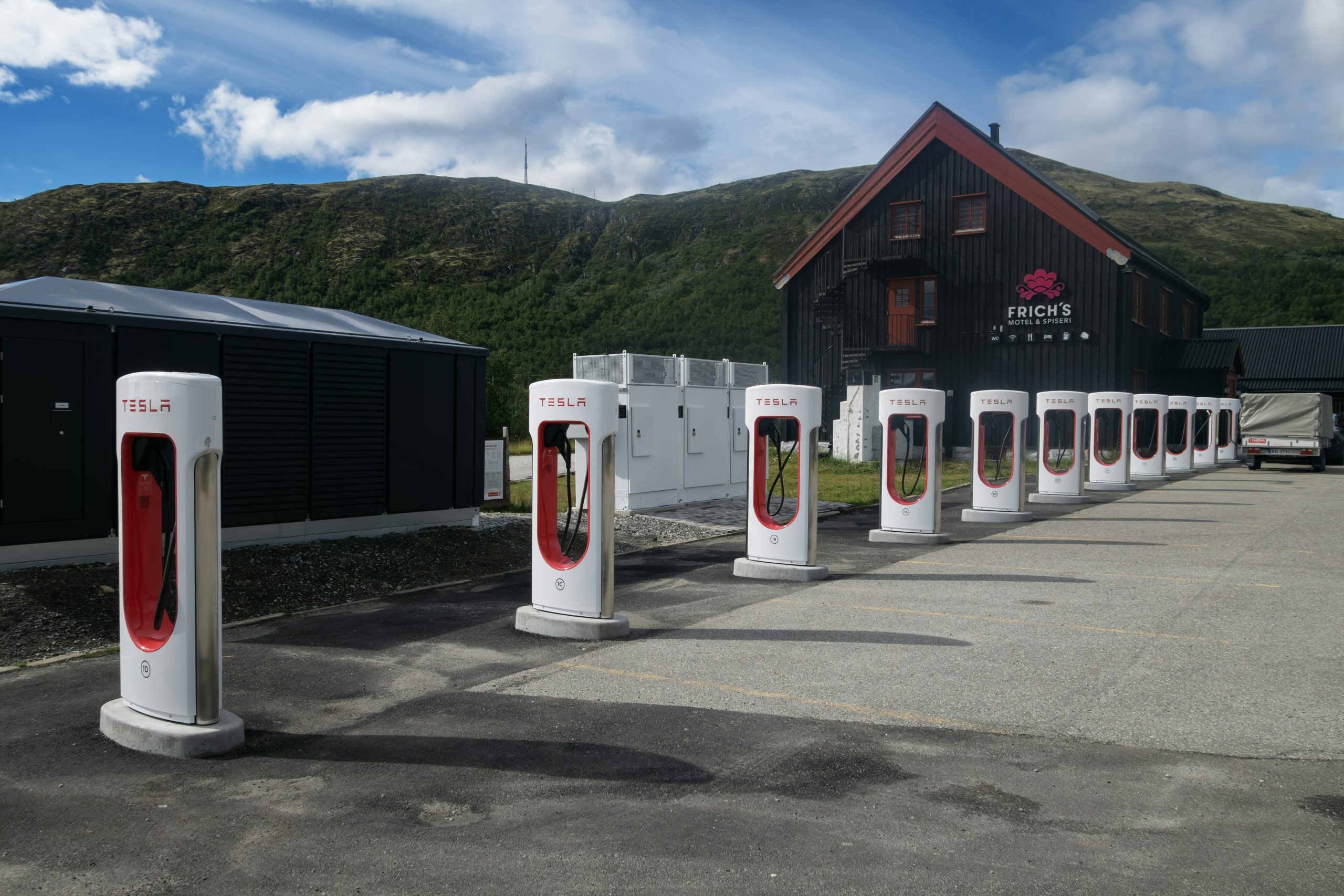
With EV ownership rising to an estimated 6.5 million vehicles on U.S. roads by mid-2025, campgrounds are rapidly adapting to meet the needs of electric travelers. Public charging infrastructure has grown to more than 81,000 stations and over 250,000 charging ports nationwide, making long-distance EV travel more practical than ever. As families plan road trips powered by electricity instead of gasoline, campgrounds increasingly see EV charging as an essential part of modern outdoor hospitality.
Rising EV Travel Creates New Expectations for Campgrounds
Longer road trips have become more common as public chargers expand across the country, reaching over 250,000 charging ports by late 2025. Surveys from multiple EV travel groups show more than 70% of EV owners plan trips over 300 miles each year. This shift directly affects campgrounds, where travelers want reliable overnight charging rather than relying solely on town-center public chargers that may be busy or far away.
Level 2 Chargers Become the Standard Camping Amenity
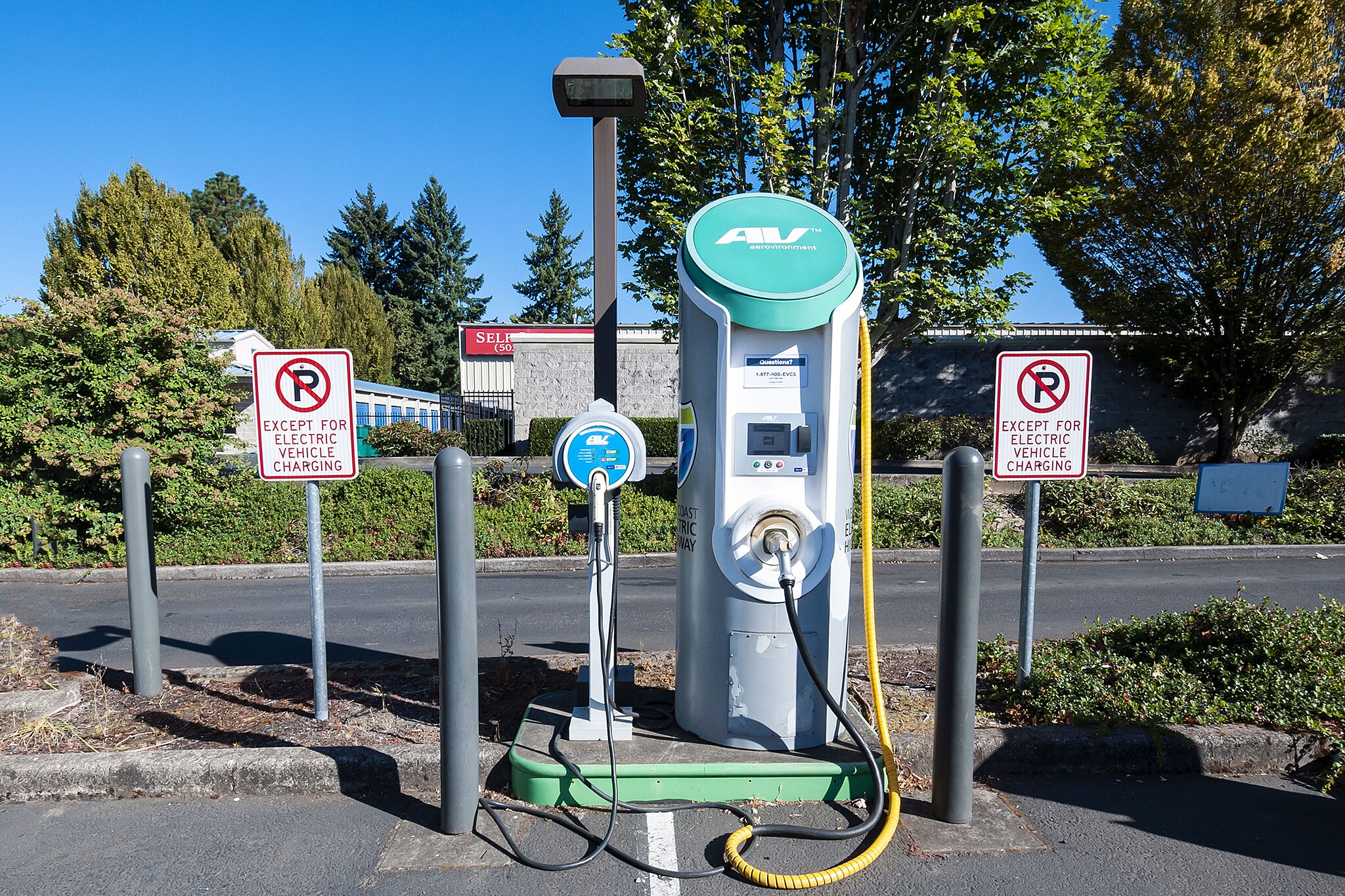
Most campgrounds now choose Level 2 chargers because they are affordable, reliable, and slow enough to support overnight charging. Industry reports from 2024–2025 show that more than 80% of parks installing EV equipment prefer Level 2 units because they balance cost with convenience. As charging networks grow nationwide, this mid-range speed aligns well with how guests naturally settle in for evening downtime or full-night stays.
Electrical Upgrades Increase as Visitor Needs Evolve
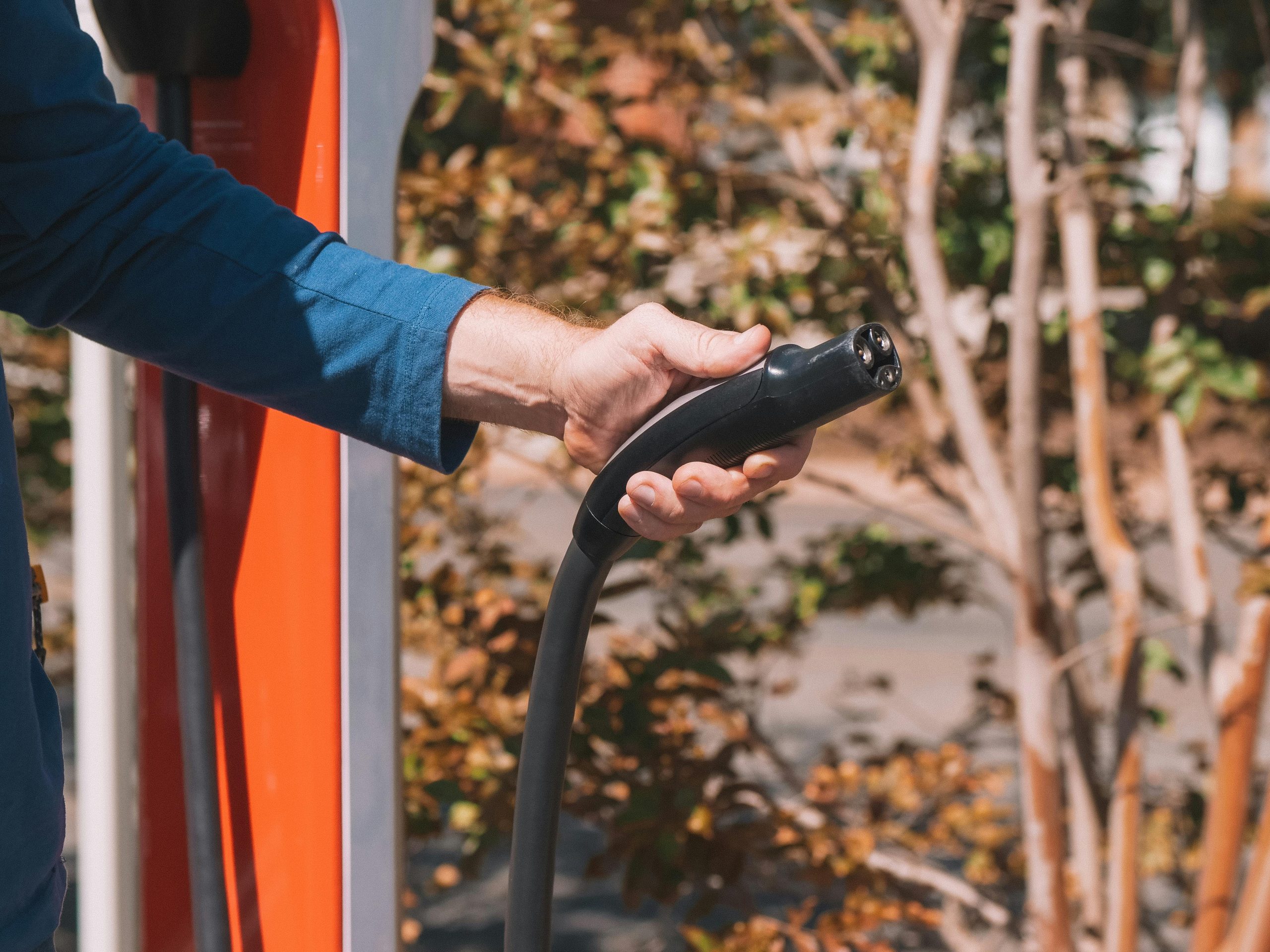
Older campgrounds built decades ago weren’t designed for today’s electrical demands, especially with both RVs and EVs drawing power. Nearly 40% of campground renovation plans submitted in 2025 include electrical upgrades specifically to support EV charging. These improvements allow multiple vehicles to charge simultaneously without overloading systems, making the campground safer and more resilient for years to come.
Fast Chargers Appear in Larger, High-Traffic Parks

Although DC fast chargers represent a major investment, more destination-style parks are adopting them to attract travelers passing through busy routes. The U.S. surpassed 65,000 public DC fast-charging ports in 2025, and campground owners want to mirror that accessibility. These fast chargers appeal especially to guests who plan multiple local sightseeing trips and need quick top-ups instead of waiting overnight.
National Parks Expand Charging to Support Sustainable Access
Federal recreation data from 2025 shows more than 60 national park and monument areas either installed or approved EV chargers over the previous two years. These systems reduce wait times at nearby public chargers and make it easier for visitors to explore remote natural areas without worrying about range limitations. The initiative also aligns with long-term sustainability goals while supporting the growing EV visitor population.
Private Campgrounds Use EV Amenities to Stay Competitive
Private campground chains have started adding advanced EV features such as pre-bookable charging sites and app-based usage tracking to attract higher-value guests. With the U.S. charging network growing by more than 25% annually from 2019 to 2024, campground operators view EV amenities as strategic investments. These upgrades help draw in travelers who increasingly prioritize charging convenience when choosing overnight locations.
Incentive Programs Help Rural Parks Install Chargers
Rural campgrounds often face steep electrical-upgrade costs, but utility programs created in 2024–2025 now cover up to 80% of installation expenses in underserved regions. This assistance has enabled many Mountain West and Midwest parks to add at least one Level 2 charger without overwhelming their budgets. As a result, travelers exploring remote trails and scenic byways now encounter more charging options along their journeys.
Guest Satisfaction Rises When Charging Is Available
Campgrounds that add EV chargers consistently see higher guest satisfaction scores. Recent 2025 travel surveys show nearly half of EV owners prefer booking campgrounds that guarantee on-site charging. Having a secure place to recharge overnight reduces range anxiety and allows visitors to enjoy hiking, fishing, and exploring without planning detours to public charging stations. The convenience helps visitors stay longer and return more often.
Campground Chargers Reduce Pressure on Public Networks
Busy outdoor tourism regions, especially in states like Colorado and Utah, experience heavy EV congestion at public chargers during peak season. Campgrounds that install their own chargers help absorb part of this demand, reducing wait times at local stations. With public chargers now serving an average of roughly 30 EVs per port, campground-based charging becomes an important part of keeping rural charging networks functional.
EV Charging Positions Campgrounds for the Future
Analysts estimate the U.S. may need up to 28 million charging ports by 2030, far beyond today’s public numbers. Campgrounds that invest early are more likely to stay competitive as EV adoption continues to accelerate. With over 6.5 million EVs already on the road and more drivers choosing electric-powered adventures each year, adding chargers is becoming a forward-looking move that supports long-term business growth and traveler satisfaction.