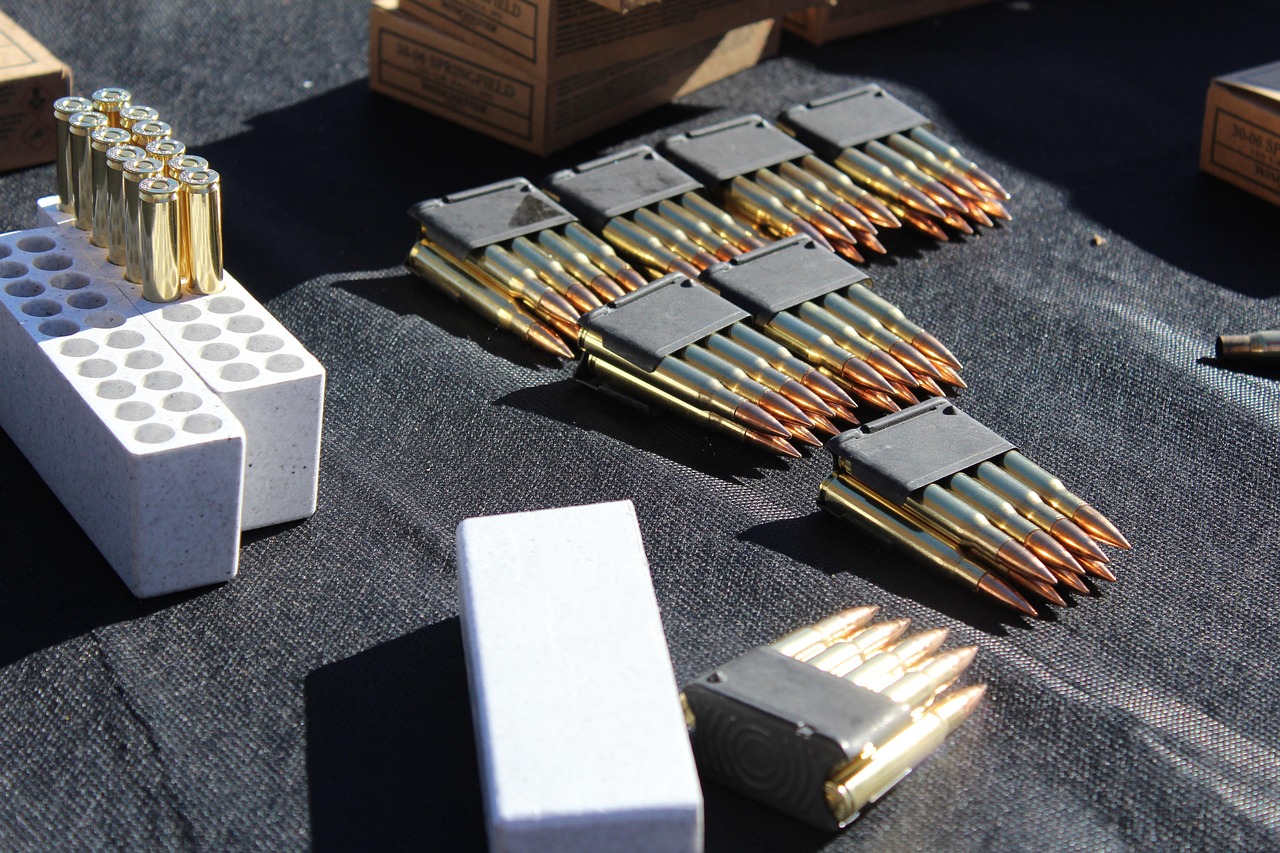
People often talk about “stopping power” and penetration as if a single number can predict what happens, yet the real world rarely behaves that neatly. A hard hit can feel dramatic, while penetration varies based on bullet design, velocity, impact angle, and the material struck. Movies and social clips add to the confusion by treating visible reactions as proof, even when context is missing. A safer, clearer way to discuss the topic is to focus on why outcomes differ, how testing is interpreted, and why training, storage, and legal compliance matter more than chasing myths.
9mm Luger
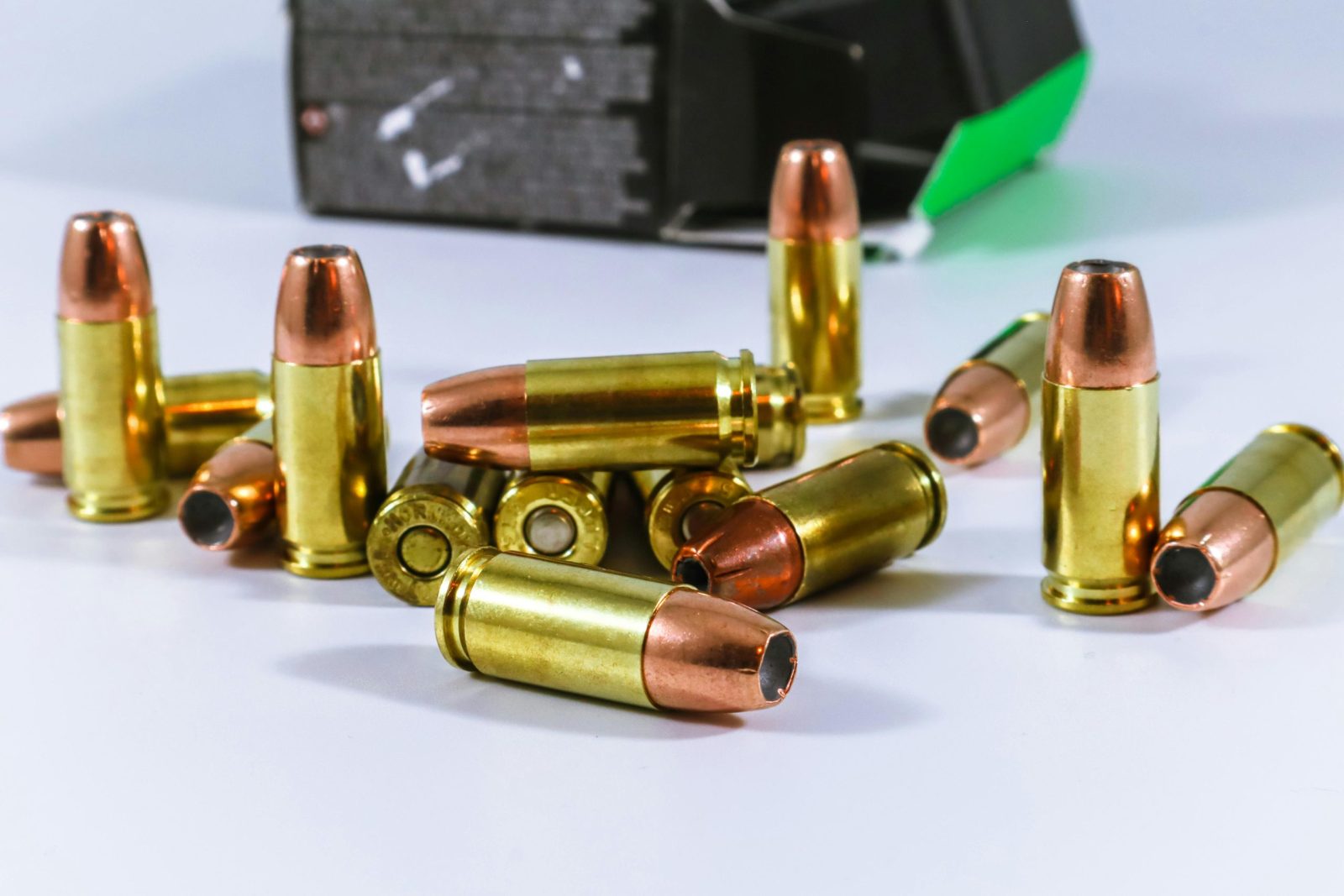
A 9mm Luger round gets discussed constantly, and many misconceptions come from treating all loads as identical. A full metal jacket commonly penetrates more because it tends to keep its shape, while a modern hollow point is engineered to expand and slow sooner in soft tissue analogs. Even then, heavy clothing, wallboard, and odd angles can change what happens, sometimes reducing expansion and sometimes deforming the projectile in unexpected ways. Barrel length also influences velocity and behavior. The useful takeaway is that construction and context drive results, not just the caliber stamped on a box.
.45 ACP
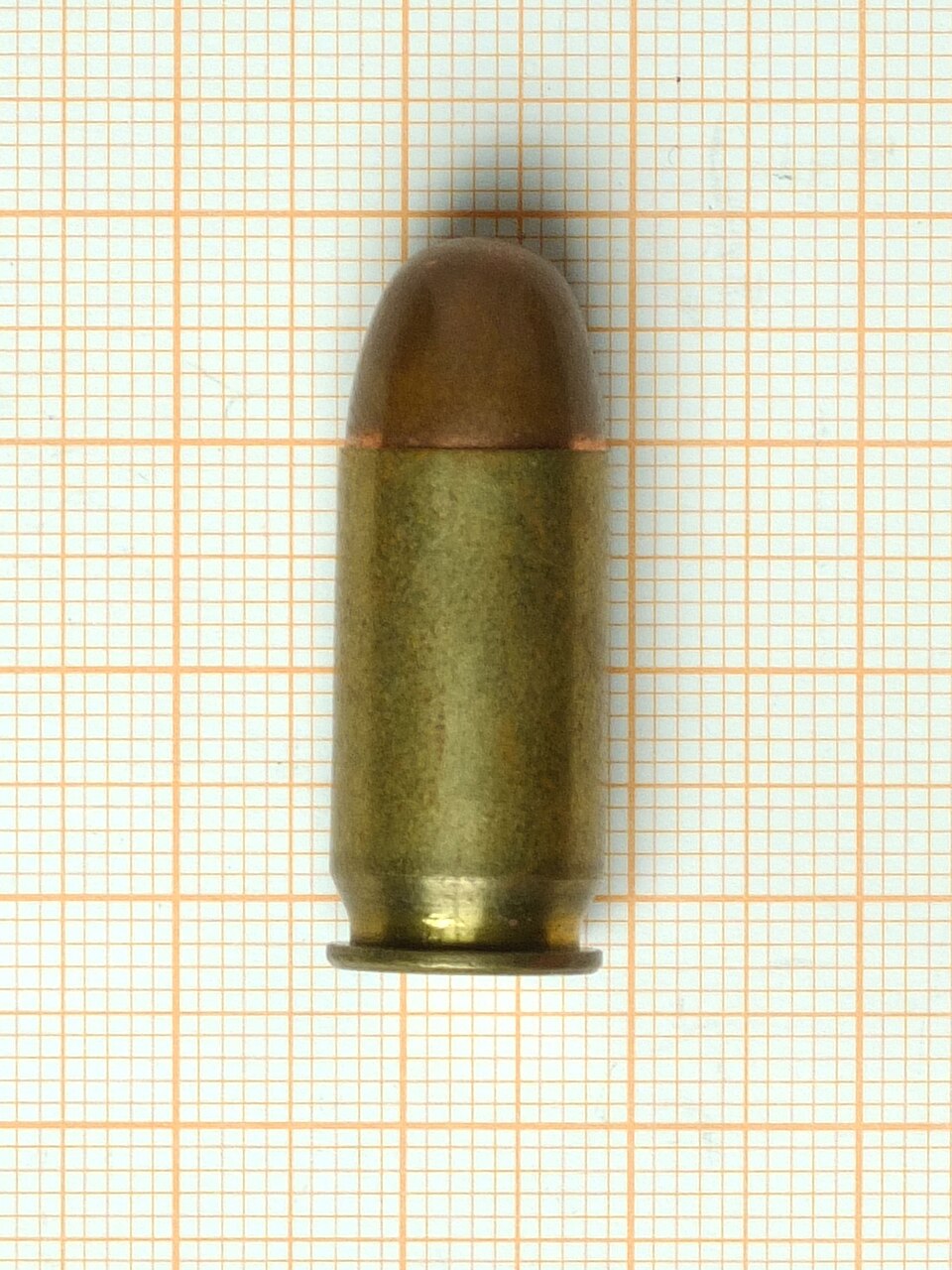
A .45 ACP often carries a reputation for decisive impact, yet penetration expectations can still be surprised because design choices matter more than lore. A slower, heavier bullet may feel controllable, but expansion depends on the specific load and the velocity it reaches from a given barrel. Some projectiles are tuned for duty-size handguns and may behave differently from compact models. Intermediate barriers like glass or layered materials can also alter shape and path. Comparing one dramatic anecdote to another is misleading. The practical approach is to evaluate reputable test data and consider environment, accuracy, and responsibility first.
.357 Magnum
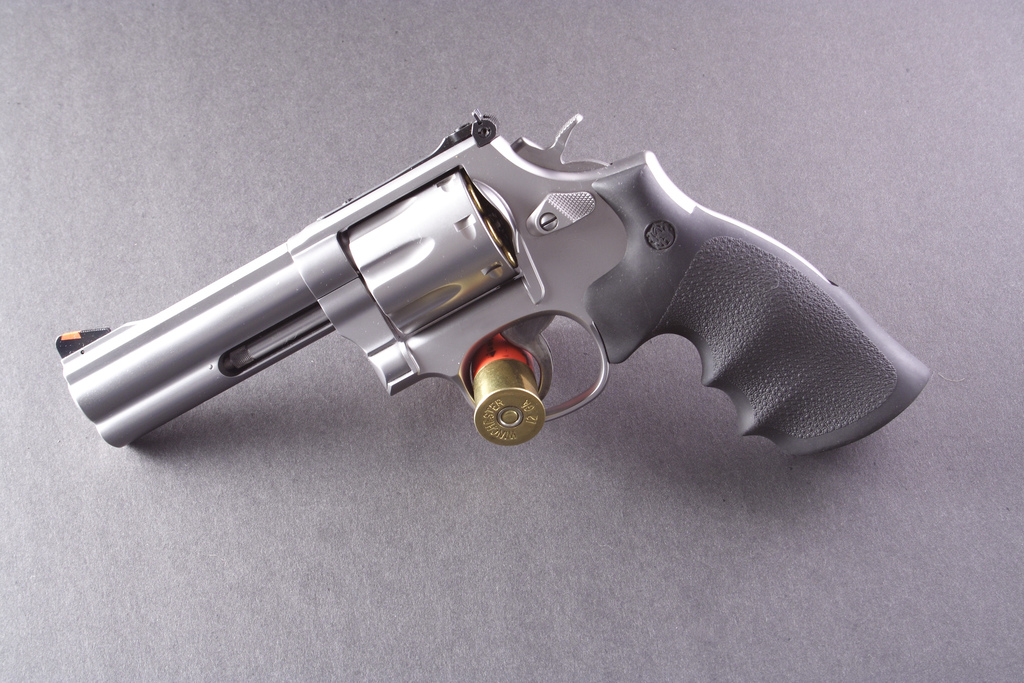
A .357 Magnum has a history of high velocity and sharp recoil, which can shape perceptions of both impact and penetration. Loads vary widely, from lighter, faster bullets to heavier options designed for deeper travel, and those differences can change barrier behavior and expansion. From shorter barrels, velocity can drop enough to affect how a particular hollow point performs. Hard materials can also cause deflection or fragmentation that complicates expectations. Because control matters, recoil management and shot placement remain central. A careful, safety-focused conversation treats the caliber as one variable among many, not a guarantee.
.40 S&W
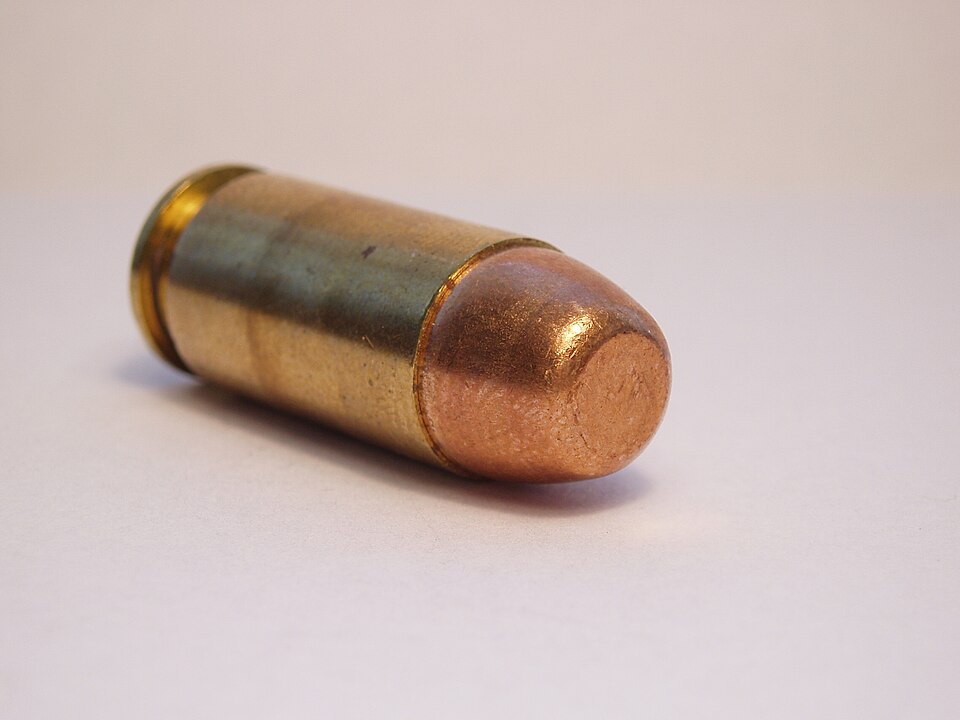
A .40 S&W sits between common service calibers in size and pressure, and its mixed reputation shows how quickly myths form. Some load balance expansion and penetration work well in standardized testing, while others can over-penetrate or under-expand depending on construction and velocity. Recoil impulse can affect practical accuracy for some shooters, which matters more than paper energy numbers when stress and movement enter the picture. Clothing, wallboard, and glass can reshape outcomes, too. Looking at consistent, transparent test methods helps more than forum folklore, especially when safety and legal context guide decisions.
10mm Auto
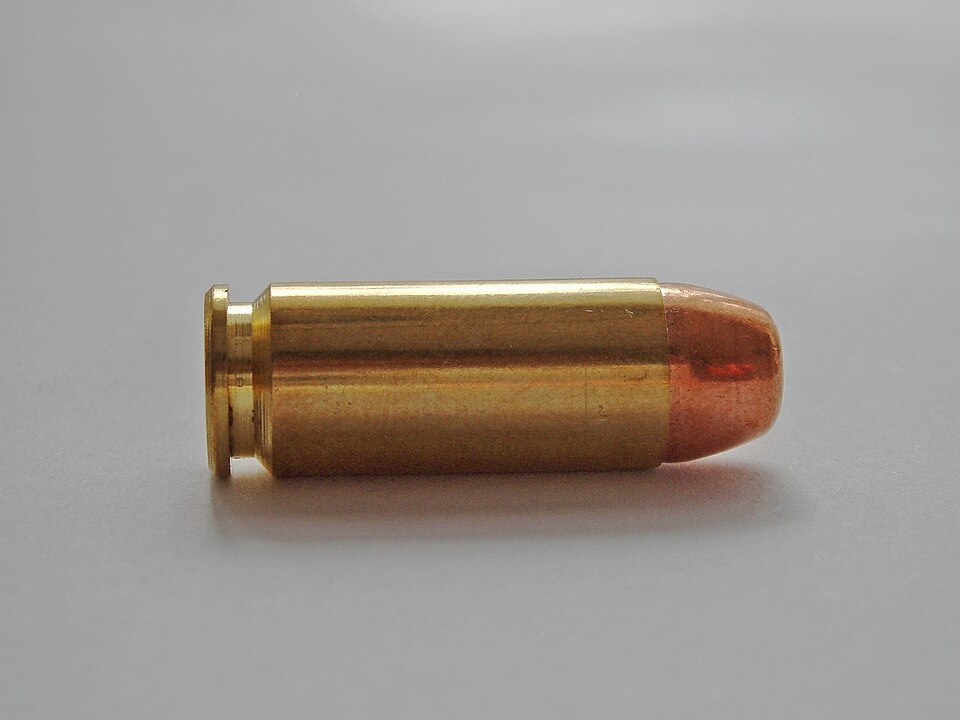
A 10mm Auto spans a broad performance range, which makes it easy for expectations to drift away from reality. Full-power loads can drive higher velocities that increase penetration potential, while lighter “practice” loads may behave more like milder calibers. Bullet design becomes critical because expansion can be sensitive to impact speed, and barriers can disrupt or redirect travel. In real settings, control and follow-up accuracy may matter as much as raw output, since recoil and muzzle rise can slow recovery. Responsible discussion prioritizes training, secure storage, and awareness of surroundings over chasing extremes.
.44 Magnum
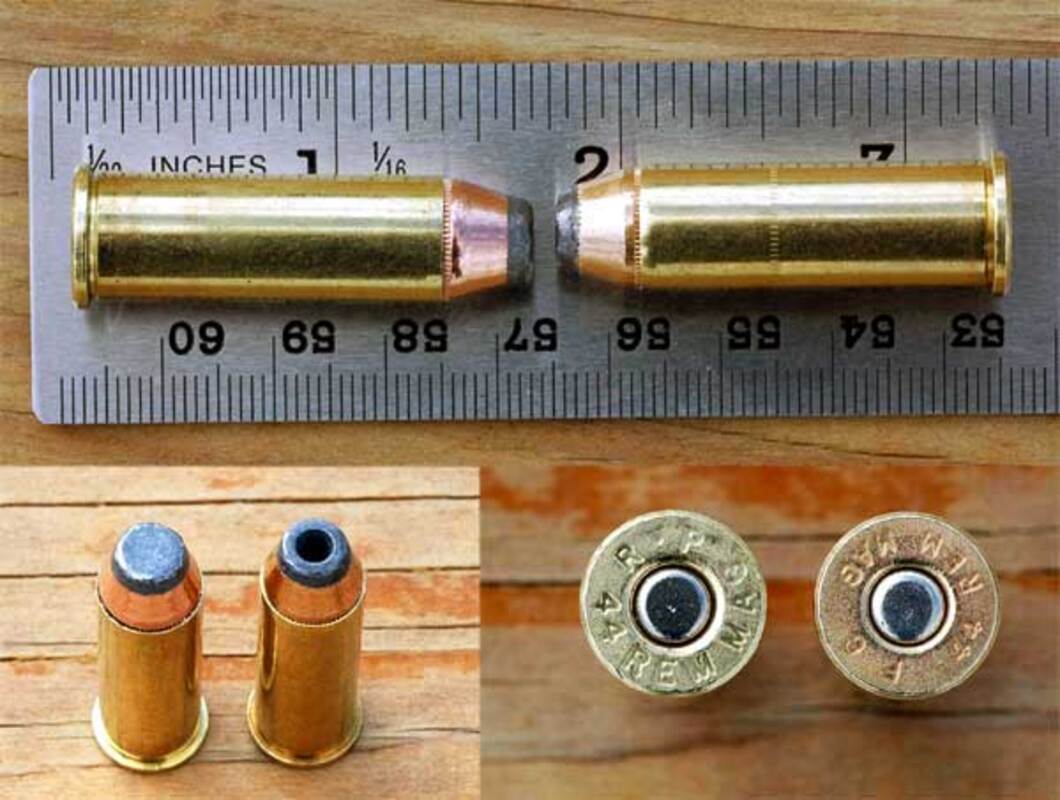
A .44 Magnum is famous for dramatic recoil and headline energy figures, but penetration and effect are not single-track outcomes. Many loads are intended for hunting, where deeper penetration is a feature, while other designs aim for controlled expansion in different contexts. Barrel length and load selection can shift velocity and behavior significantly, and intermediate materials can deform or destabilize a projectile. The spectacle factor can overshadow practical considerations like controllability and safe handling. A grounded lifestyle perspective emphasizes understanding intended use, reading credible test protocols, and keeping safety, legality, and risk reduction at the center.