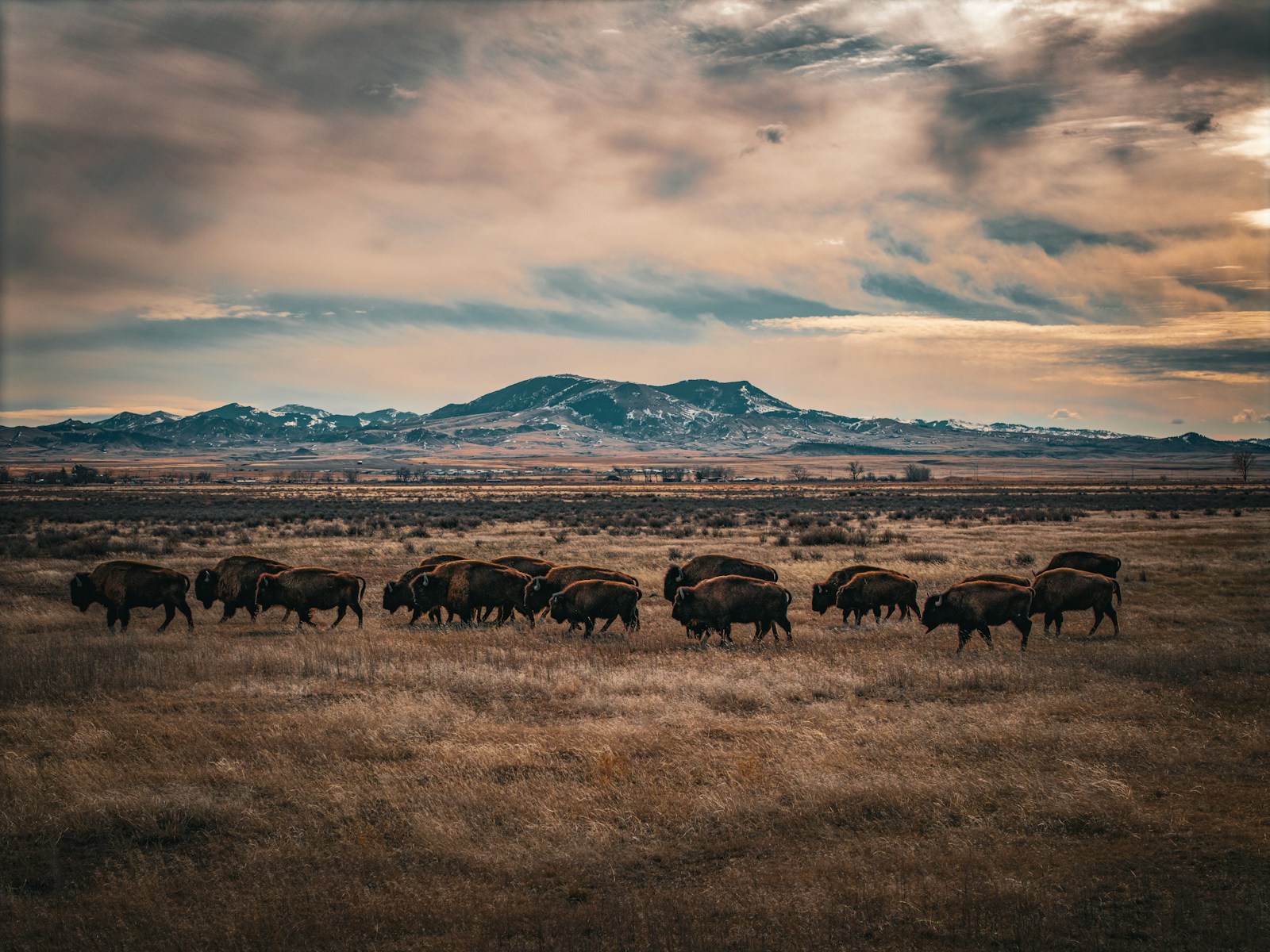
The American bison stands as a powerful symbol of the Great Plains and conservation success. These massive herbivores once roamed the continent in herds numbering millions before nearly vanishing forever. Native American tribes relied on the buffalo for food, clothing, and shelter for countless generations. Conservation efforts have successfully restored healthy populations to national parks and private ranches across the country. Visitors flock to places like Yellowstone to witness their sheer size and strength firsthand in the wild. Understanding their history helps people appreciate the resilience of nature and the importance of protecting wildlife for future generations to enjoy.
Surprising Speed And Agility
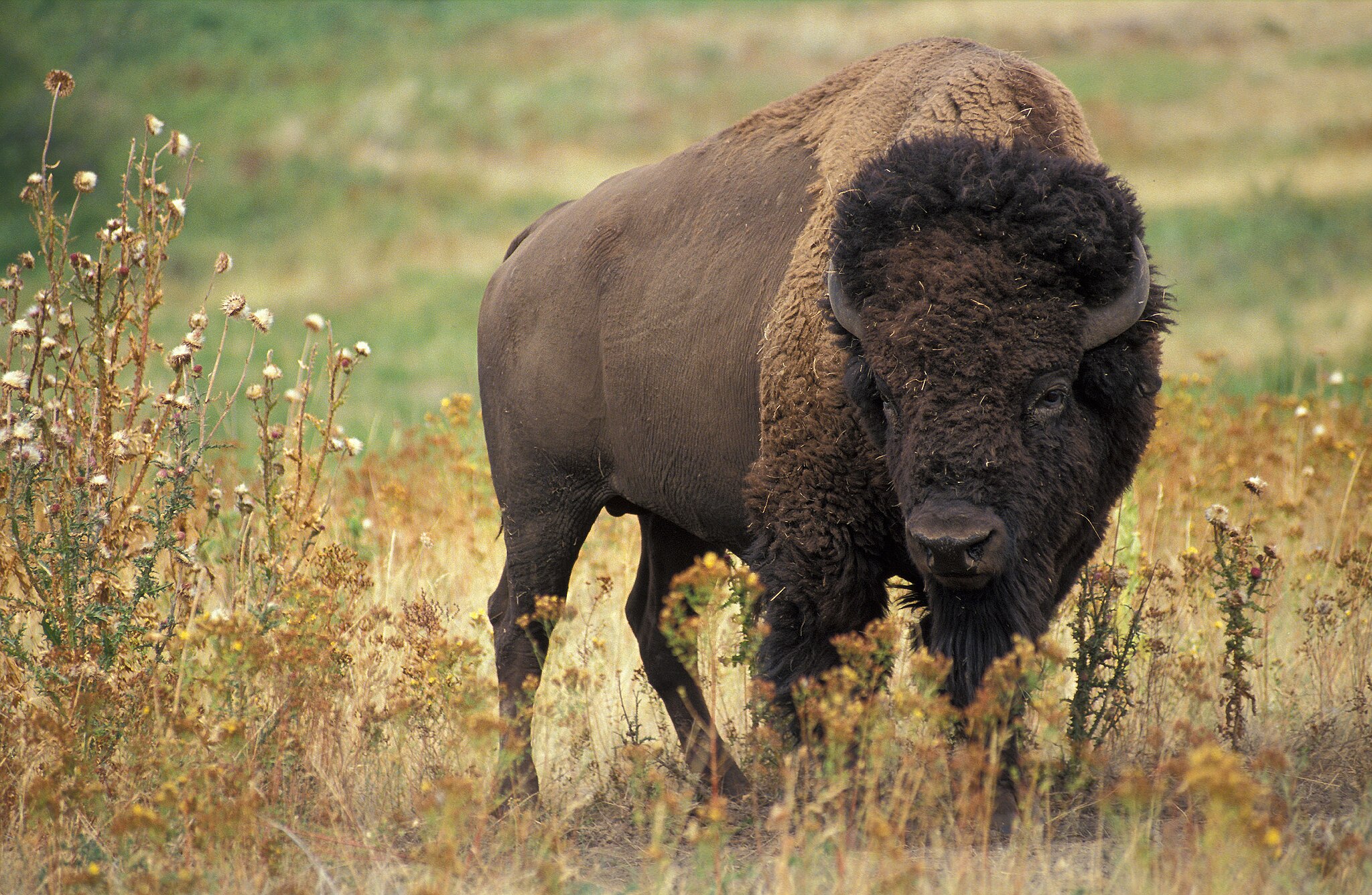
Despite their immense weight and bulky appearance, American bison are surprisingly agile athletes on the prairie. These one-ton giants can sprint at speeds reaching thirty-five miles per hour. This velocity allows them to outrun many predators, including wolves and grizzly bears, over short distances. Their powerful legs enable them to jump over vertical obstacles as high as six feet effortlessly. This combination of speed and vertical leap makes them difficult to contain within standard livestock fencing. Observers are often shocked to see such a heavy animal move with the grace and quickness of a lighter creature.
Tail Language Communication
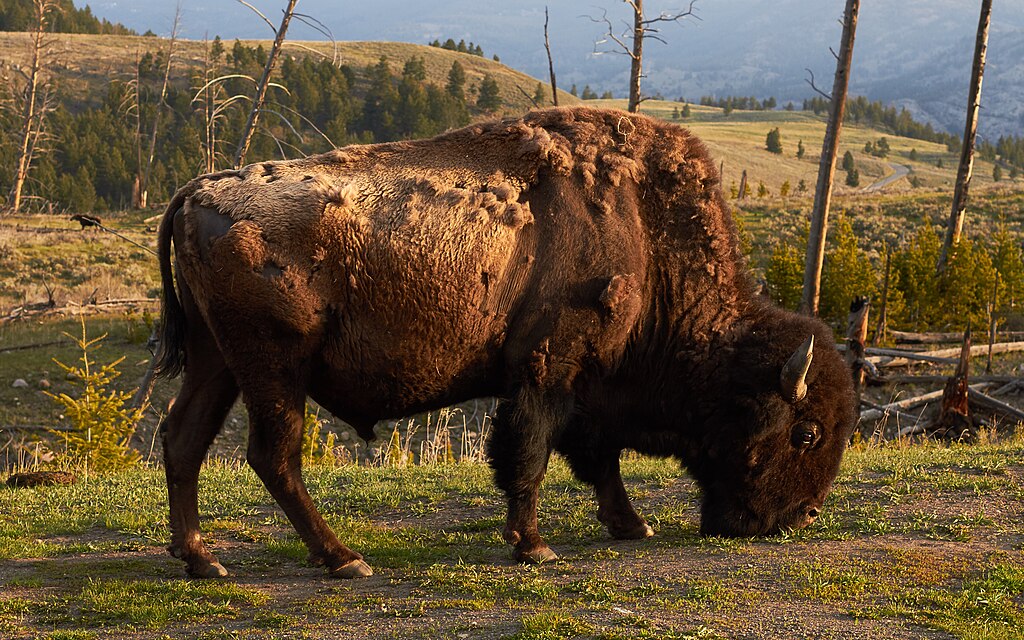
Bison communicate their emotional state clearly through the positioning of their distinctively hairy tails. A tail that hangs naturally down indicates that the animal is calm and relaxed while grazing. However, a tail standing straight up signals immediate agitation or a willingness to charge a perceived threat. This visual warning system helps maintain order within the herd and prevents unnecessary physical conflicts between bulls. It also serves as a crucial warning sign for human observers to keep a safe distance away. Reading this body language correctly keeps both people and animals safe during close encounters in the wild.
The Snowplow Adaptation
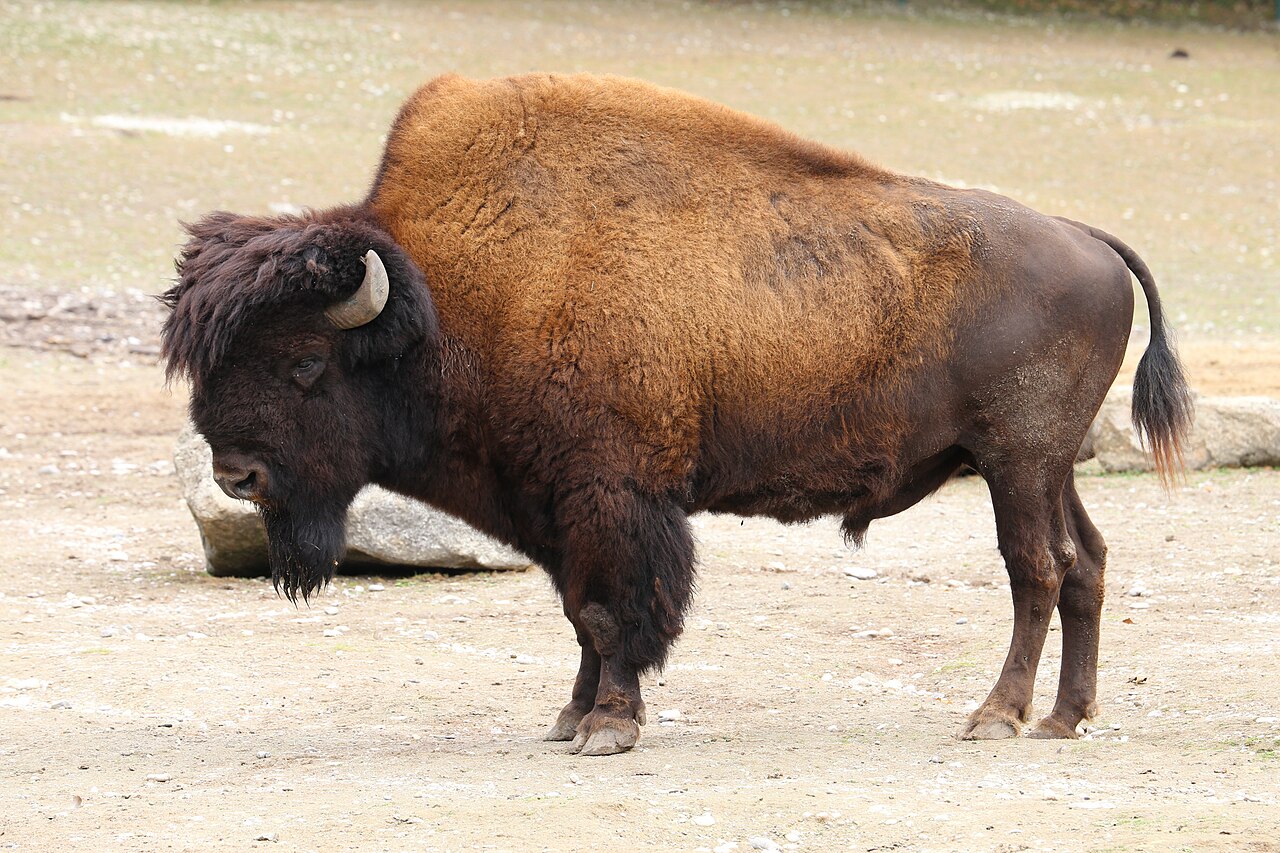
The massive hump on the shoulders of a bison is actually a huge mass of muscle. This anatomical feature powers their head like a snowplow during the harsh winter months. They swing their heavy heads side to side to clear deep snow and access the grass below. This unique adaptation allows them to survive in frozen environments where other grazers would starve quickly. Their thick woolly coats provide insulation so effective that snow often accumulates on their backs without melting. They are perfectly built to withstand the extreme blizzards that frequently sweep across the open western landscape.
Ecosystem Engineering Wallows
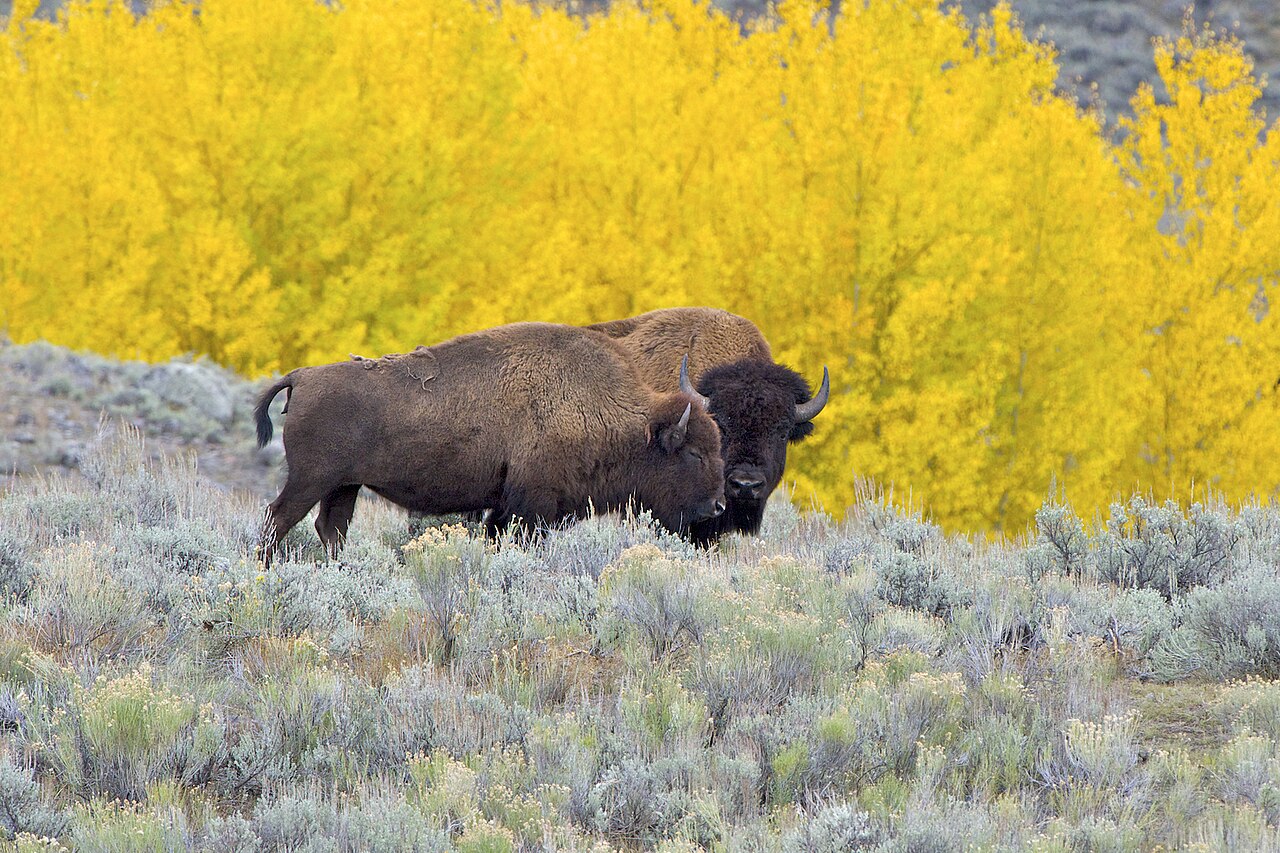
Ecologists consider the American bison a keystone species that engineers the entire grassland ecosystem actively. They create large depressions in the dirt called wallows by rolling on the ground repeatedly. These dust baths help shed loose fur and deter biting insects during the hot summer. The resulting bowls collect rainwater, which creates temporary micro habitats for amphibians and drinking sources for birds. Their grazing patterns also promote the growth of specific native grasses, which support diverse plant life. Their presence shapes the land physically and creates opportunities for countless other species to thrive alongside the roaming herd.
The Red Dog Phase
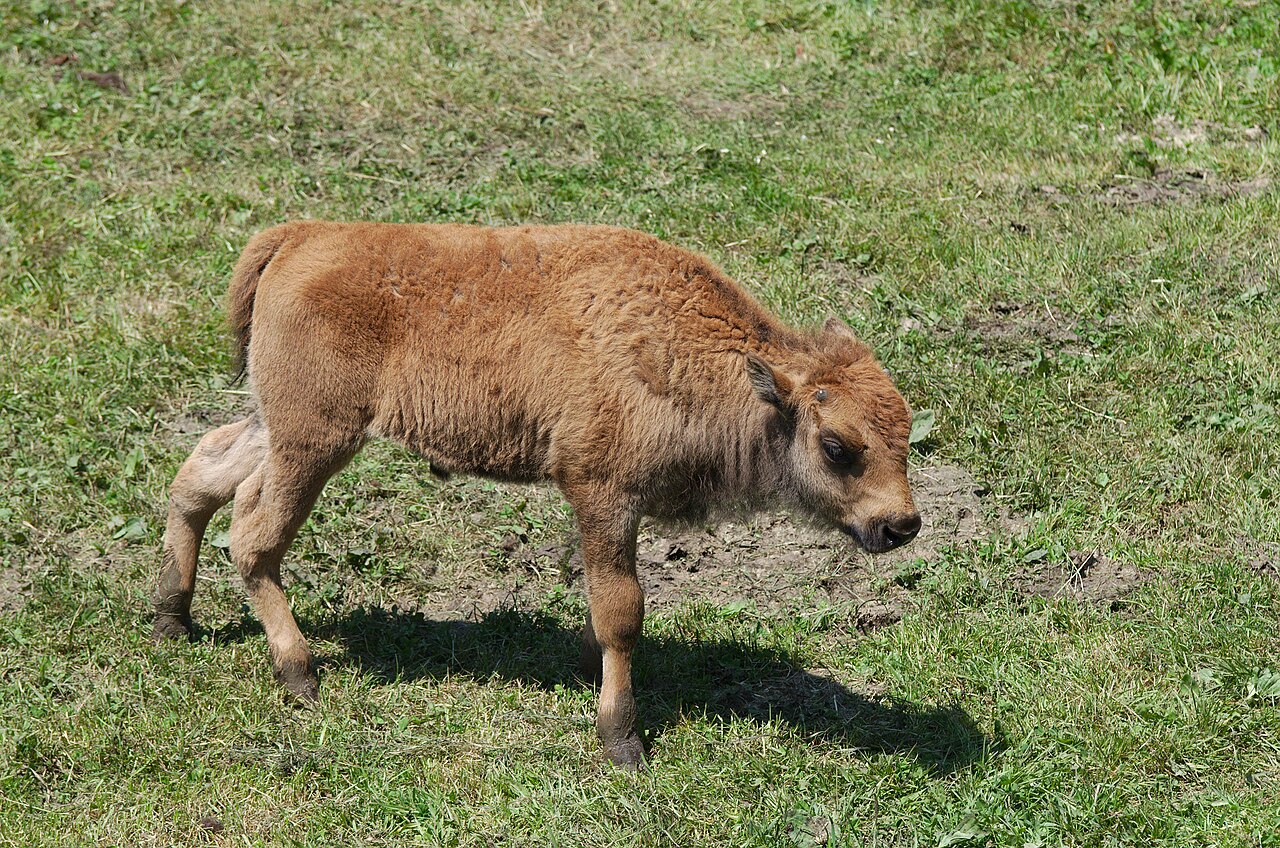
Bison calves are born with a reddish-orange coat that earns them the nickname red dogs. This distinct color helps them blend in with the dried prairie grasses during their first weeks. The mother protects her calf fiercely and keeps it hidden from predators within the safety of the herd. After a few months, the bright color begins to darken into the familiar dark brown of adults. Watching these energetic youngsters play and butt heads is a highlight for park visitors. Their survival represents the continued success of the species and the hope for the future population.