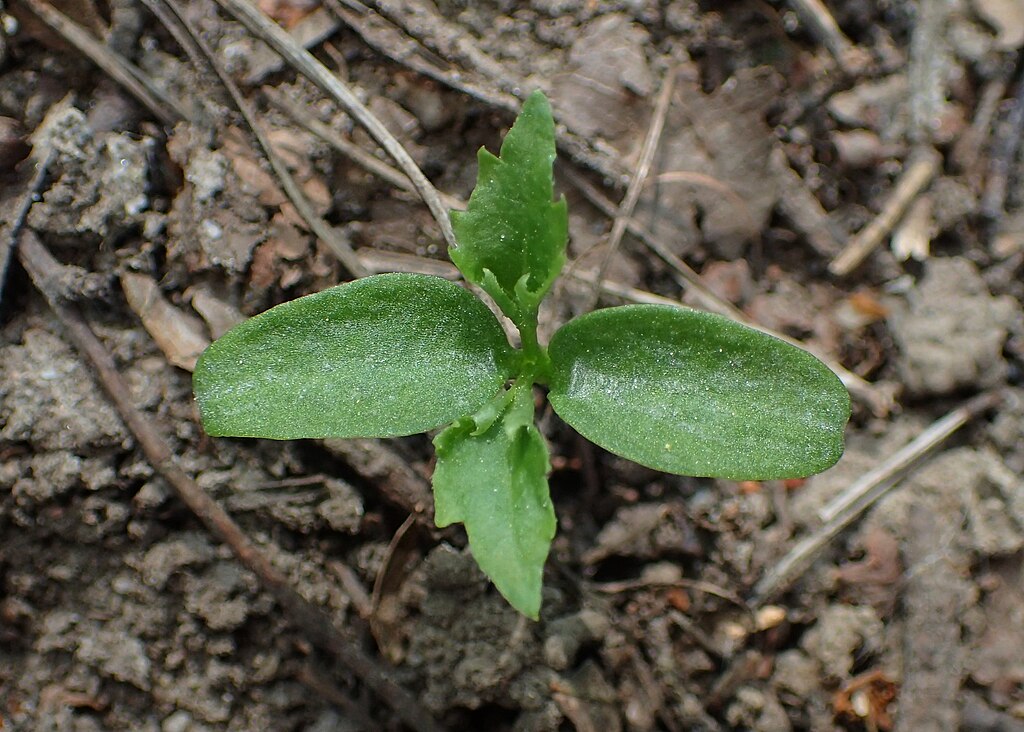
Ticks are becoming a growing concern for hikers across northern states as warming temperatures and shorter winters allow these tiny parasites to thrive in regions where they were once rare. As their habitats expand, so do the risks of bites, disease transmission, and unexpected infestations on popular trails. Many hikers are reporting increased encounters in areas previously considered low-risk, creating a new layer of vigilance for outdoor enthusiasts. Understanding why tick populations are rising, how this change affects hikers, and what steps can reduce exposure is essential for safer backcountry travel year-round.
Climate Shifts Allow Ticks to Survive Longer Seasons
Warmer temperatures in northern states are extending the active season for ticks, allowing them to remain awake and feeding weeks longer than they would under historical climate patterns. Shorter, milder winters reduce natural die-off, leading to larger early-spring populations that begin feeding as soon as temperatures rise slightly above freezing. This shift increases the number of ticks hikers encounter on shoulder-season trips and contributes to greater geographic spread as ticks survive conditions that once limited them. Climatic warming ultimately creates an environment where multiple tick species can thrive and expand northward more aggressively.
Expanding Deer Populations Support Tick Growth and Movement
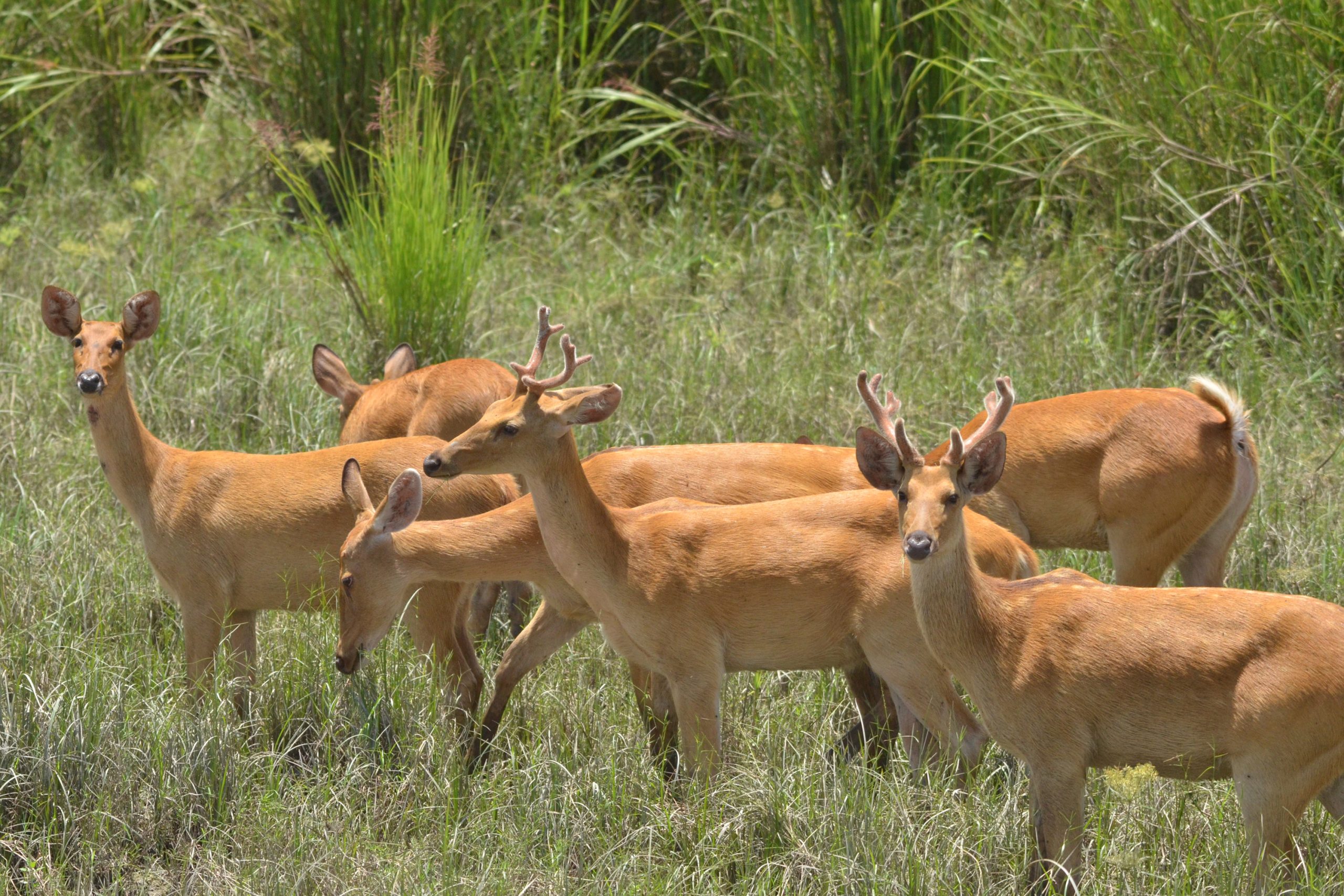
White-tailed deer serve as primary hosts for adult ticks, meaning their expanding populations provide ticks with more mobility and better survival rates. As suburban development pushes deer closer to northern trails and rural edges, ticks travel along with them, colonizing areas that previously saw minimal activity. When deer concentrate in wooded parks or preserve corridors, they create dense clusters of feeding opportunities for ticks to reproduce rapidly. This relationship means that even regions with limited historical tick problems can become hotspots once local deer numbers increase, making hikers more likely to brush against vegetation carrying newly dispersed ticks.
Increased Forest Fragmentation Brings Ticks Closer to Trails
Fragmented forests caused by roads, housing, and small agricultural breaks create ideal environments for ticks to flourish. These broken landscapes attract deer, mice, and other hosts, making edges near hiking trails prime tick habitat. Hikers who venture through narrow corridors or trail margins often move directly through these edge zones, where ticks perch on tall grasses and low shrubs. Because fragmentation reduces predator presence and increases host density, tick survival becomes more efficient and widespread. The combination of accessible vegetation and abundant wildlife allows ticks to establish themselves quickly, increasing the likelihood of contact for anyone walking through northern recreational areas.
Rising Tick-Borne Diseases Put Hikers at Greater Risk
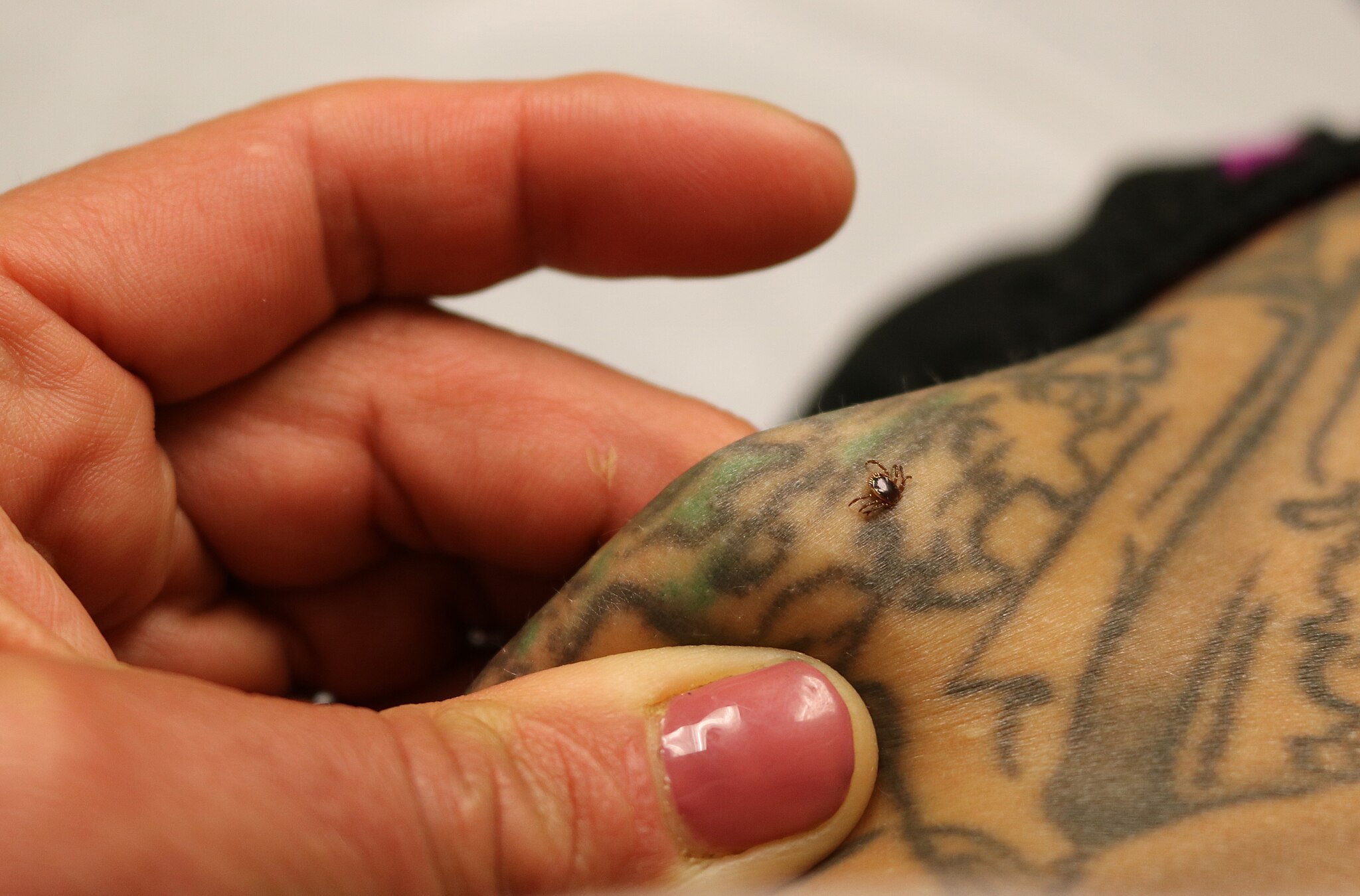
As ticks spread into northern regions, cases of Lyme disease, anaplasmosis, babesiosis, and even emerging illnesses like the Powassan virus are increasing. Hikers exploring wooded or humid areas face greater exposure, particularly during late spring and early summer when nymphs responsible for most infections are active. These tiny ticks are easy to overlook and can transmit pathogens within hours, making early detection challenging. With disease prevalence rising, public health departments have documented steady year-over-year increases in reported infections across many northern states. For hikers, this means a single unnoticed bite can carry far more risk than in years past.
Tick Activity Is Increasing on Popular Northern Trails
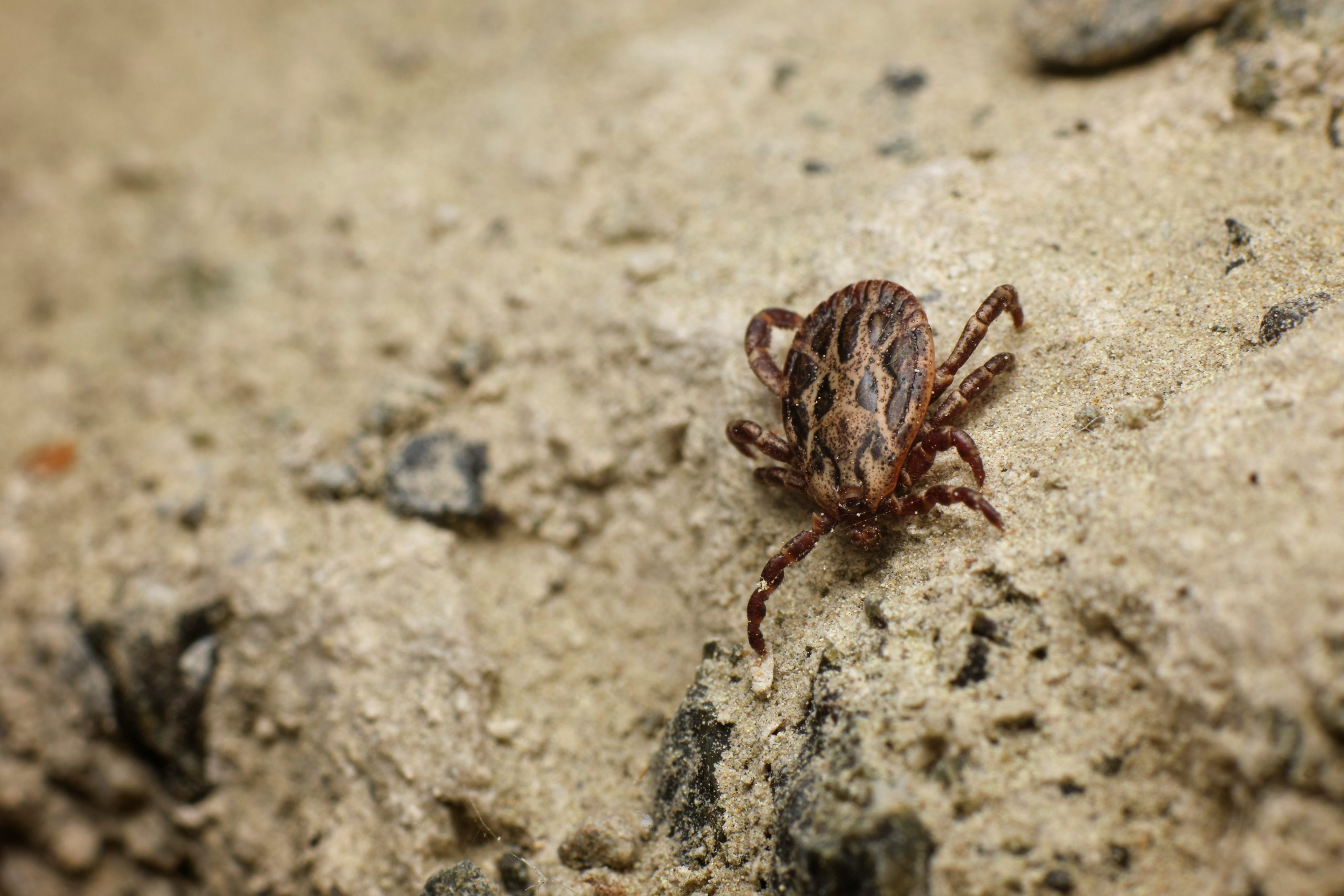
Well-traveled hiking destinations in states like Minnesota, New Hampshire, and Maine are experiencing more frequent tick sightings along trail edges, campsites, and meadows. As visitor traffic rises, the surrounding environment becomes disturbed, attracting small mammals that carry immature ticks. Popular trails that once offered relatively low exposure now require more diligent precautions, including staying centered on paths and avoiding brushy shoulders where ticks commonly quest. Campers also face greater risk when setting tents in grassy patches or near woodland transitions. Each of these factors contributes to a noticeable uptick in tick encounters reported by northern hikers each summer.
Nymph Ticks Pose Greater Danger Due to Tiny Size
Nymph-stage ticks are roughly the size of a poppy seed, making them extremely difficult for hikers to spot during or after time outdoors. Their smaller size allows them to attach unnoticed for hours, which significantly increases disease transmission risk. In northern states where nymph populations are expanding, hikers may be bitten without feeling any irritation or seeing a tick crawling on clothing. These near-invisible parasites thrive in leaf litter, low brush, and shaded trail margins, meaning even short hikes can lead to unexpected exposure. Their ability to evade detection makes nymphs a major contributor to rising infection rates.
Outdoor Gear and Pets Often Carry Hidden Ticks Home
Ticks can latch onto backpacks, pant legs, socks, and dog fur, creating situations where hikers unknowingly transport them into vehicles and homes. Pets in particular are significant carriers, as their movement through brush and tall grass allows ticks to cling easily and remain hidden in coats or under collars. Northern hikers who return from day trips without checking gear thoroughly may discover ticks hours later, sometimes already attached. This indirect exposure contributes to a growing number of at-home bites and infections traced back to outdoor recreation. Proper gear checks have become increasingly important as tick ranges expand northward.
Moisture-Rich Environments in Northern States Promote Tick Survival
Ticks thrive in humid, shaded environments, and many northern states provide ideal conditions during spring and summer. Dense undergrowth, mossy soil, and consistent rainfall create moist microhabitats that protect ticks from drying out, allowing them to survive longer between hosts. Hikers who explore forests with thick canopy cover or cross damp meadows face elevated exposure as ticks cluster in these environments, waiting for passing movement. Even brief stops along the trail can bring hikers into proximity with moisture-loving ticks. As precipitation patterns shift, these conditions are becoming more widespread, further supporting their population growth.
Lack of Awareness Leaves Many Hikers Unprepared
Even as tick numbers rise, many hikers in northern states remain unaware of how dramatically tick ranges have expanded. Some assume colder climates provide natural protection, leading them to skip preventive measures like repellent-treated clothing or full-body checks. This false sense of security increases the likelihood of unnoticed bites, especially during shoulder seasons when ticks can be active earlier or later than expected. Educating hikers about changing tick behavior is crucial, as outdated assumptions no longer align with current environmental trends. More awareness can significantly reduce the number of bites and infections each year.
Proactive Prevention Can Dramatically Reduce Exposure
Hikers can greatly reduce risk by using permethrin-treated clothing, applying EPA-approved repellents, wearing long sleeves and pants, and avoiding brushy or grassy trail edges. Conducting thorough tick checks after hikes is essential, especially around warm body areas where ticks prefer to attach. In northern states where tick numbers are climbing, these practices are becoming as important as checking the weather or packing enough water. Keeping pets protected with veterinarian-recommended preventives also reduces household exposure. By adopting consistent habits, hikers can explore northern landscapes with far greater confidence and safety despite rising tick populations.