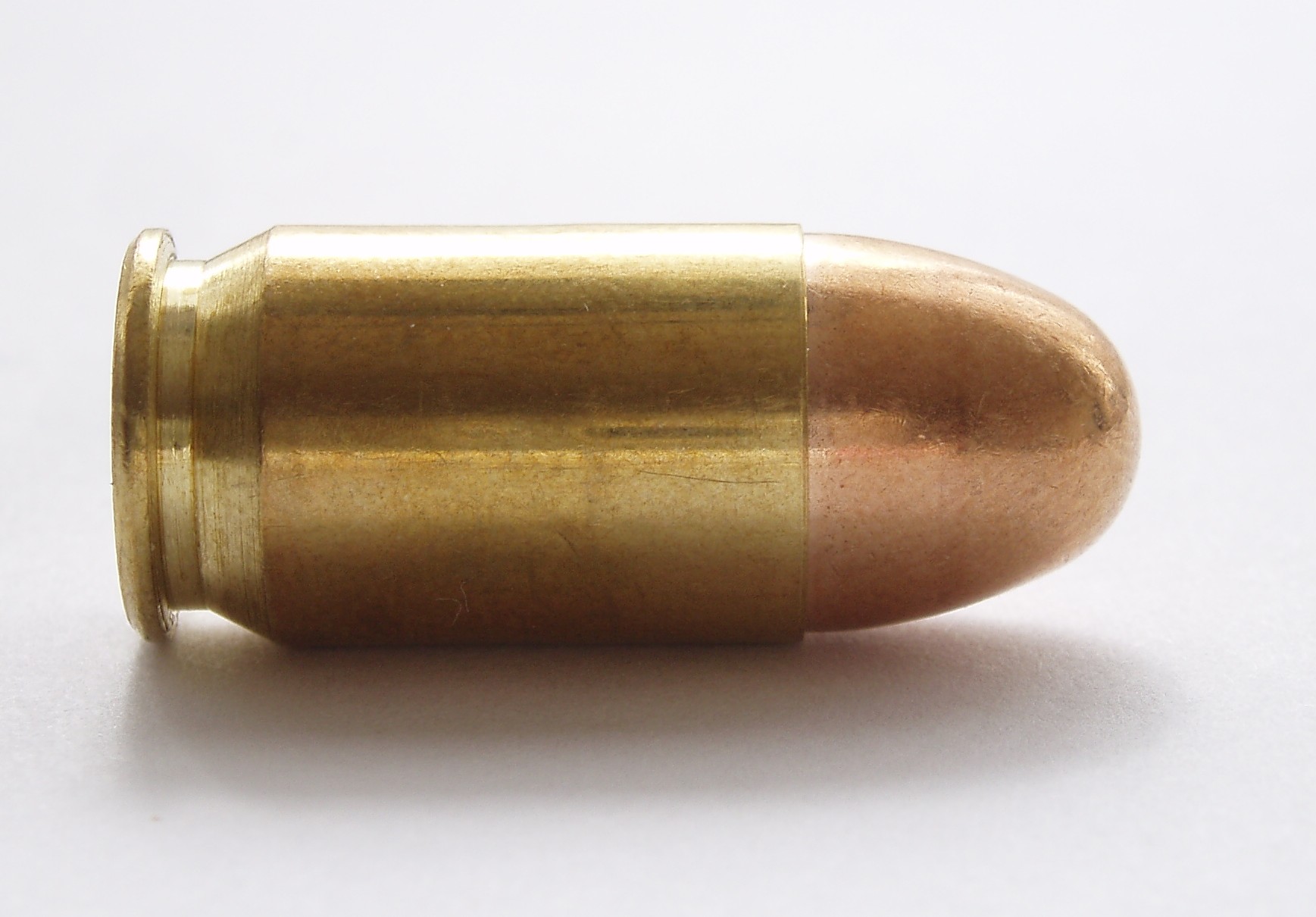
Ballistic testing has changed more in the last twenty years than most shooters realize. Improvements in powder technology, bullet design, and modern testing methods have forced laboratories to update their performance ratings on many well-known calibers. The problem is that old numbers never disappear. Advertisements, gun forums, and even training manuals still repeat data that came from outdated tests using older ammunition. Because of this, some calibers are believed to be far more powerful, accurate, or effective than current ballistic labs actually report. In many cases, the caliber itself did not become weaker. The testing simply became more realistic, using better equipment and stricter standards. Here are ten calibers where ballistic labs have quietly adjusted expectations, even though the public still believes the older claims.
1. 9mm Luger
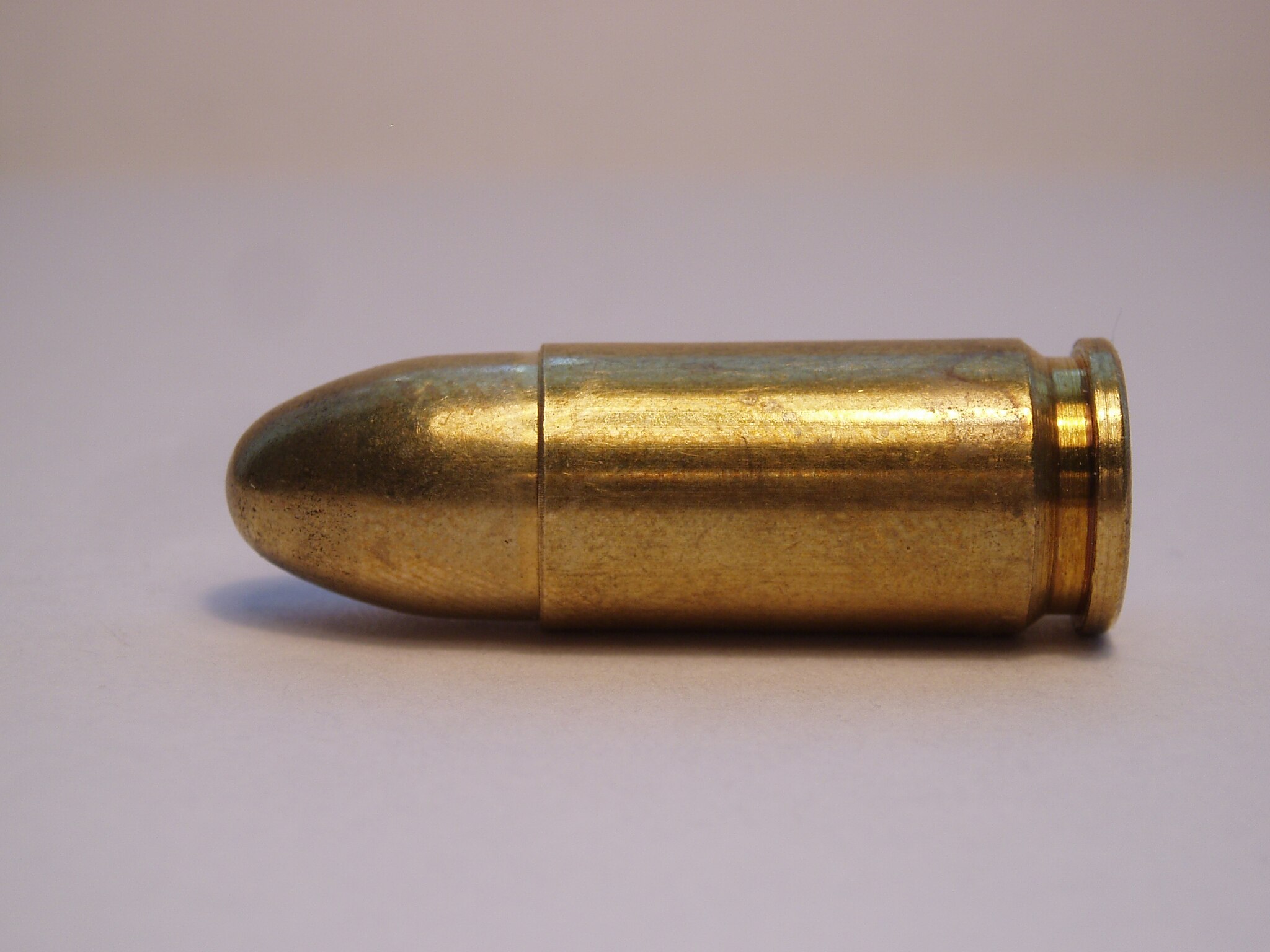
For many years, the 9mm Luger was considered underpowered compared to larger handgun calibers, but modern ballistic labs have revised their ratings after testing newer ammunition designs. Early tests used simple full metal jacket bullets, which often showed limited expansion and lower stopping performance. Because of this, the caliber gained a reputation for being weak. Today, laboratories use advanced hollow point rounds that expand more reliably and penetrate to safer and more consistent depths. These newer tests show performance much closer to larger calibers than older charts suggested. Another change came from improved chronographs that measure velocity more accurately, revealing that some early published speeds were exaggerated. The result is that current lab data shows the 9mm as more balanced than powerful, contradicting both the old criticism and the later overpraise.
2. .45 ACP
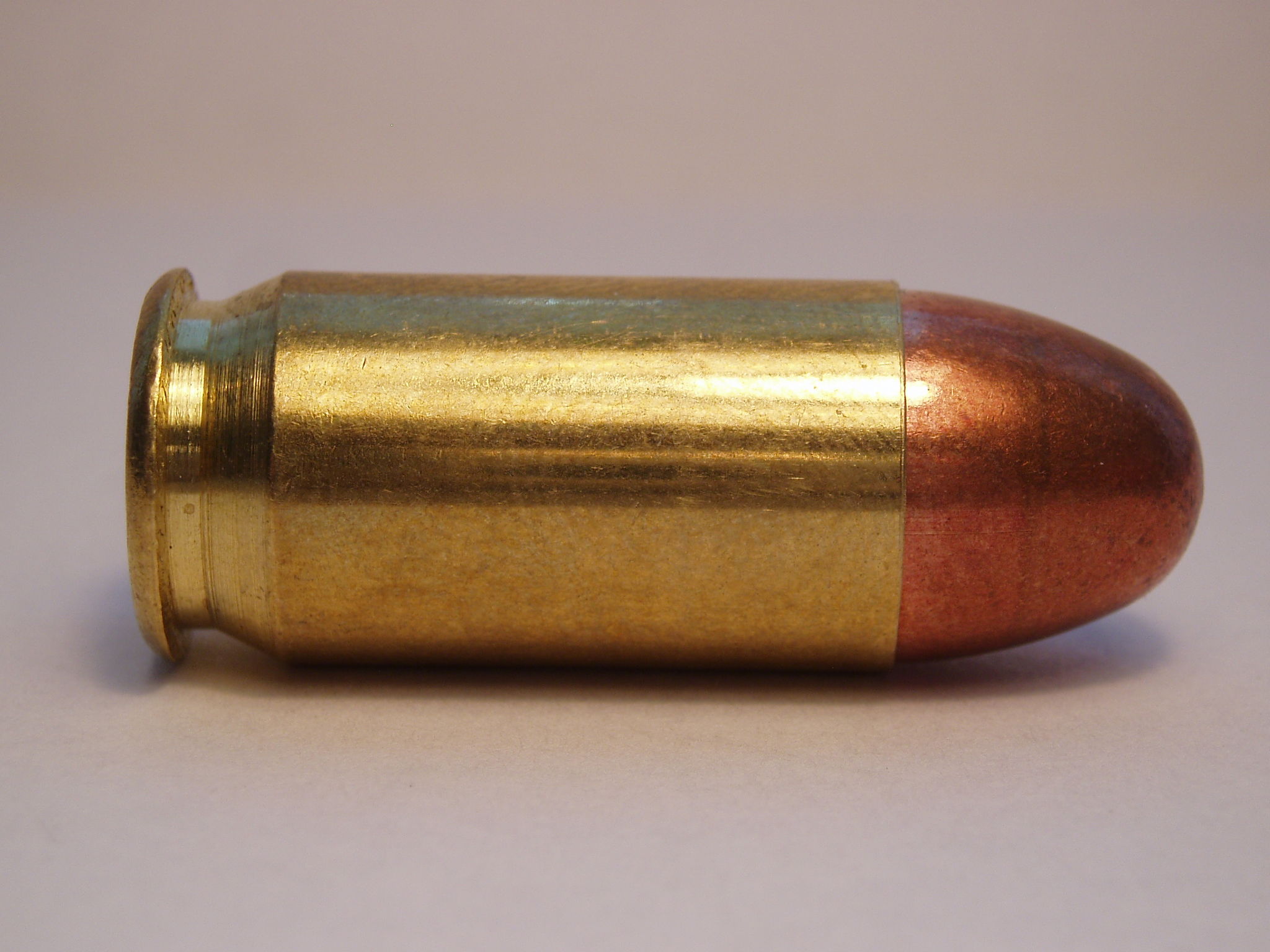
The .45 ACP has long been advertised as the ultimate stopping caliber, but ballistic labs have gradually updated their ratings as testing methods improved. Older reports focused heavily on bullet diameter, which made the larger size look far more effective than smaller calibers. Modern testing looks at penetration depth, expansion consistency, and energy transfer instead of size alone. These newer measurements show that while the .45 ACP performs well, it does not dominate as much as older charts suggested. Another change came from improved gelatin testing standards, which revealed that some early loads did not penetrate as deeply as believed. Laboratories also found that modern 9mm and .40 caliber rounds can match its performance with less recoil. The caliber is still respected, but current lab ratings present a more realistic picture than the legendary reputation.
3. .40 S&W
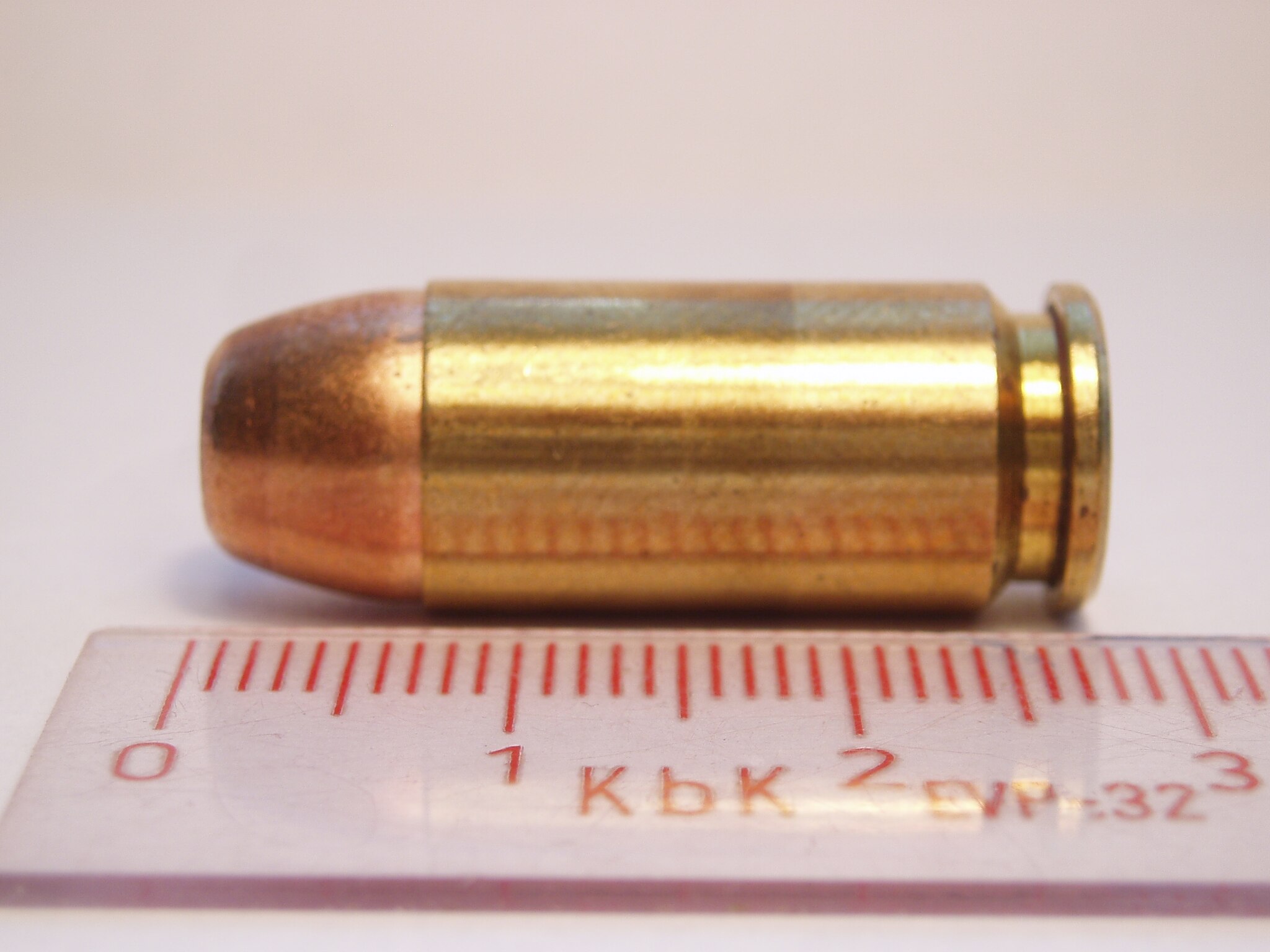
The .40 S&W was once rated as the perfect balance between power and capacity, which made it extremely popular with law enforcement. Over time, ballistic labs began adjusting their ratings after studying long-term shooting data and modern ammunition performance. Early tests showed strong energy numbers, but newer testing methods revealed that recoil and muzzle flip affected real-world accuracy more than expected. Laboratories also found that modern 9mm loads could achieve similar penetration and expansion with less recoil and higher capacity. Another change came from improved pressure measurement equipment, which showed that some older loads operated close to maximum limits. Because of these findings, many agencies reconsidered their caliber choice. The .40 S&W is still effective, but current lab ratings no longer show the clear advantage it once seemed to have.
4. .357 Magnum
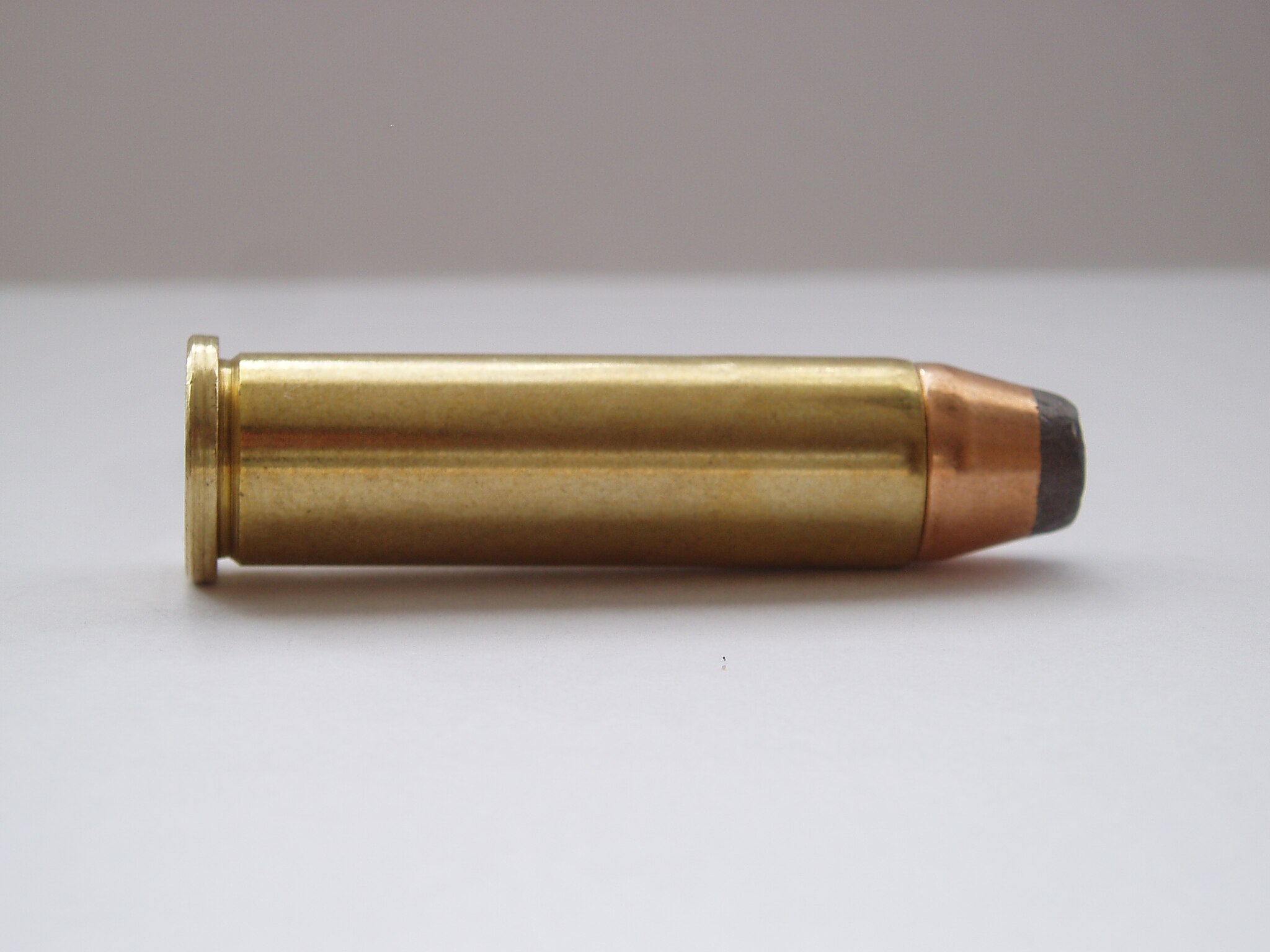
The .357 Magnum built its reputation on extremely high velocity numbers from early revolver tests, but ballistic labs have quietly updated those ratings after using modern measuring equipment. Older velocity readings often came from longer barrels, which produced faster speeds than most shooters get from standard handguns. When labs began testing with realistic barrel lengths, the recorded velocities dropped, sometimes by a large margin. Newer gelatin testing also showed that some high-speed loads penetrated too deeply without expanding as expected. Another factor is modern defensive ammunition, which allows smaller calibers to reach similar performance without the heavy recoil. The .357 Magnum is still powerful, but updated lab data shows that its real-world advantage is smaller than the dramatic numbers published decades ago.
5. .380 ACP
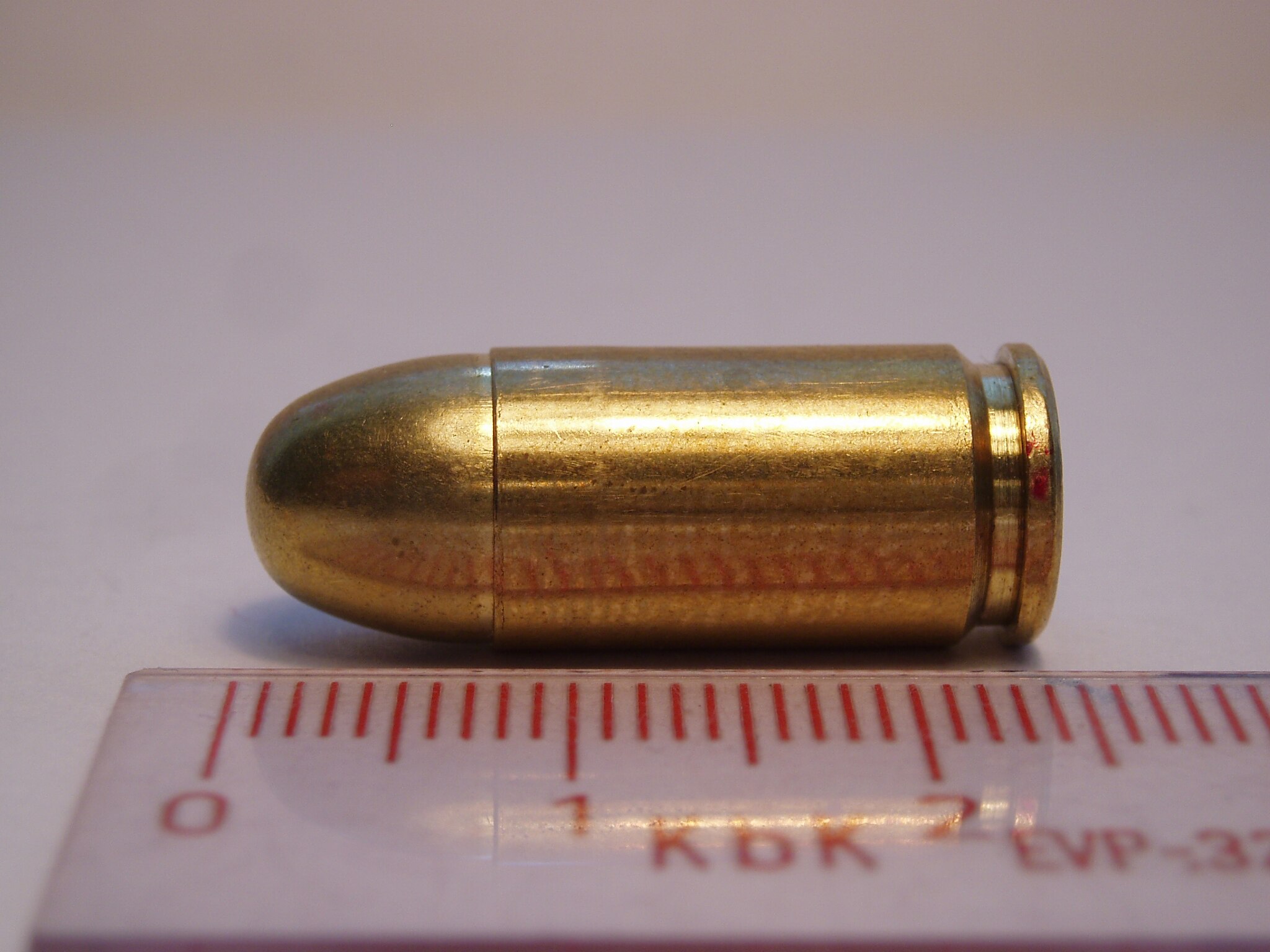
For many years, the .380 ACP was rated as barely acceptable for defense, but ballistic labs have changed their ratings after testing modern bullet designs. Early ammunition often failed to expand in gelatin, which led to poor performance results. Newer hollow point designs have improved expansion and penetration, causing labs to revise their data upward. Another reason for the change is better testing standards that use calibrated gelatin instead of less accurate materials. These stricter methods revealed that some older tests underestimated the caliber’s effectiveness. However, labs also note that performance still depends heavily on the specific load used. The updated ratings show that the .380 ACP is more capable than its old reputation suggested, but not as powerful as some recent advertisements claim.
6. 10mm Auto
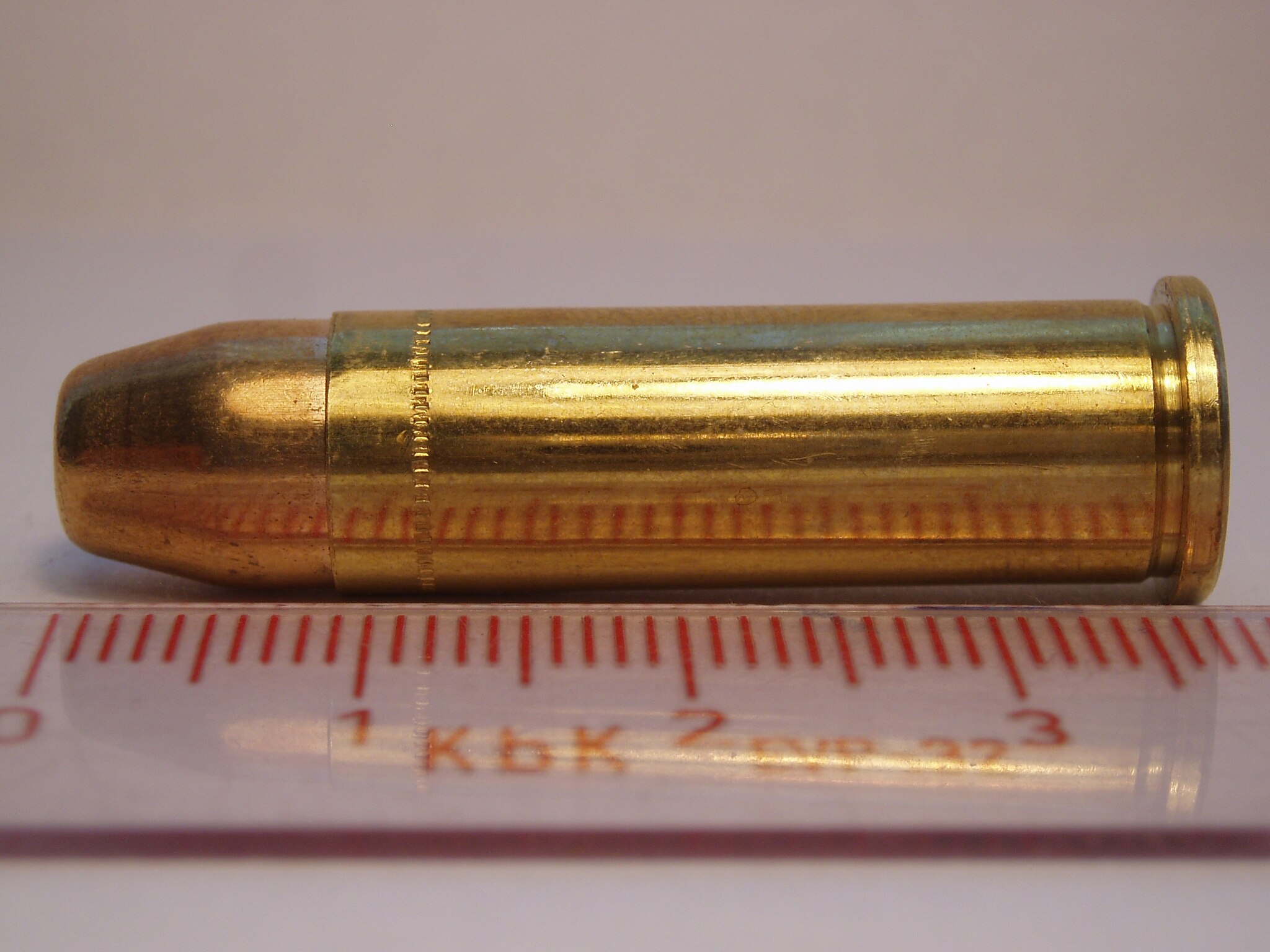
The 10mm Auto was originally rated with extremely high energy numbers, which gave it a reputation as one of the most powerful semi-automatic calibers available. Ballistic labs later adjusted those ratings after testing modern commercial ammunition instead of early high-pressure loads. Many early figures came from full-power rounds that are rarely used today because of recoil and wear on firearms. When laboratories tested standard production ammunition, the velocity and energy numbers were lower than the original reports. Another change came from improved pressure sensors that showed some early loads operated beyond safe limits. Modern lab ratings still place the 10mm near the top for power, but the difference between it and other calibers is smaller than the original charts suggested.
7. .38 Special
The .38 Special has been in use for over a century, and its ballistic ratings have changed several times as testing methods improved. Early reports often used soft lead bullets, which produced different results than modern jacketed ammunition. When ballistic labs switched to standardized gelatin testing, they found that some loads penetrated less than expected. Later improvements in bullet design increased performance, leading labs to update their ratings again. Another factor was the use of shorter barrels in modern revolvers, which reduced velocity compared to older test data. Because of these changes, current lab results show a wider range of performance depending on the exact load. The caliber remains reliable, but its true effectiveness is more dependent on ammunition choice than old ratings suggested.
8. .44 Magnum
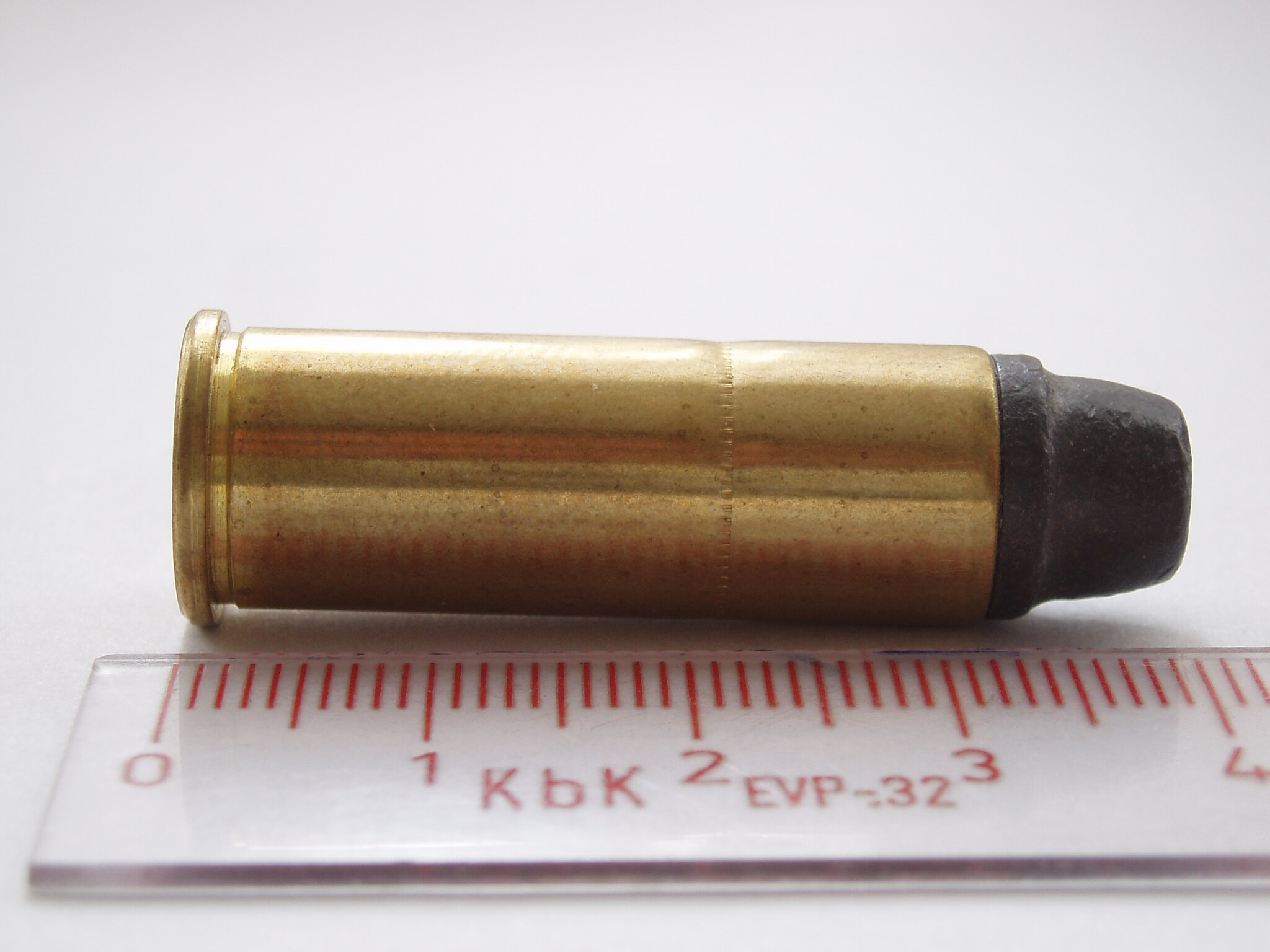
The .44 Magnum became famous for extreme power, but ballistic labs have refined their ratings after using modern measurement tools and realistic testing setups. Early data often came from long-barreled revolvers that produced very high velocity numbers. When labs began testing with shorter barrels, the recorded speeds dropped noticeably. Improved gelatin testing also showed that some heavy loads penetrated far deeper than necessary, which reduced their practical effectiveness for defense. Another change came from better recoil analysis, which showed that heavy recoil can reduce accuracy for many shooters. Current lab ratings still place the .44 Magnum among the most powerful handgun calibers, but the updated data shows that its advantages come with trade-offs that older reports did not fully explain.
9 .25 ACP
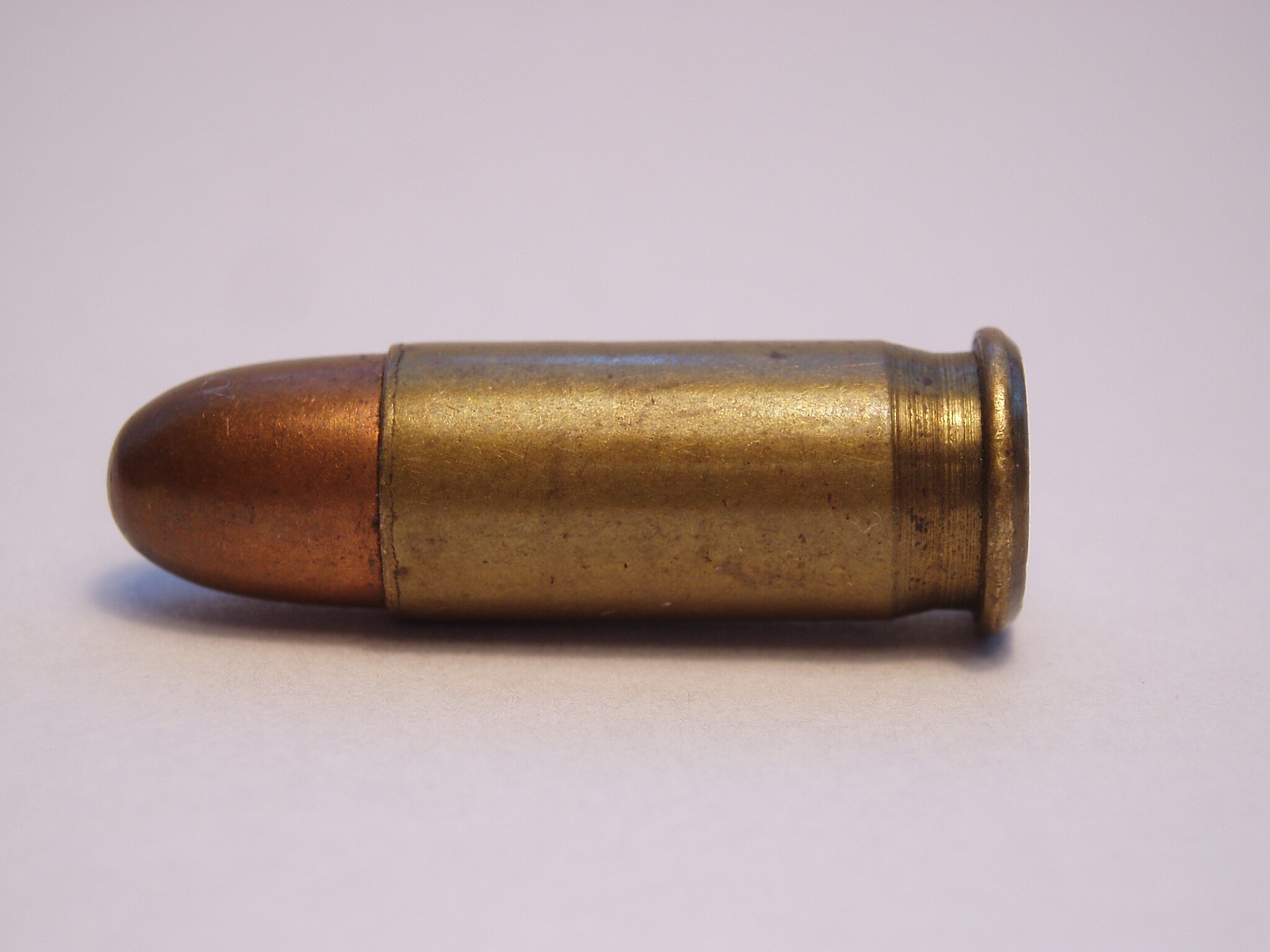
The .25 ACP was once rated very poorly in ballistic tests, but modern labs have slightly adjusted their findings after using better testing materials. Early experiments sometimes used nonstandard gelatin or informal methods, which produced inconsistent results. With calibrated testing blocks, laboratories found that the caliber performs more consistently than expected, even though it remains low in power. Another reason for the rating change is improved ammunition manufacturing, which produces more reliable velocities than older cartridges. Labs also discovered that very small calibers can still penetrate enough to meet minimum testing standards under certain conditions. The updated ratings do not place the .25 ACP among strong calibers, but they show it is more predictable than the early tests suggested.
10. .223 Remington
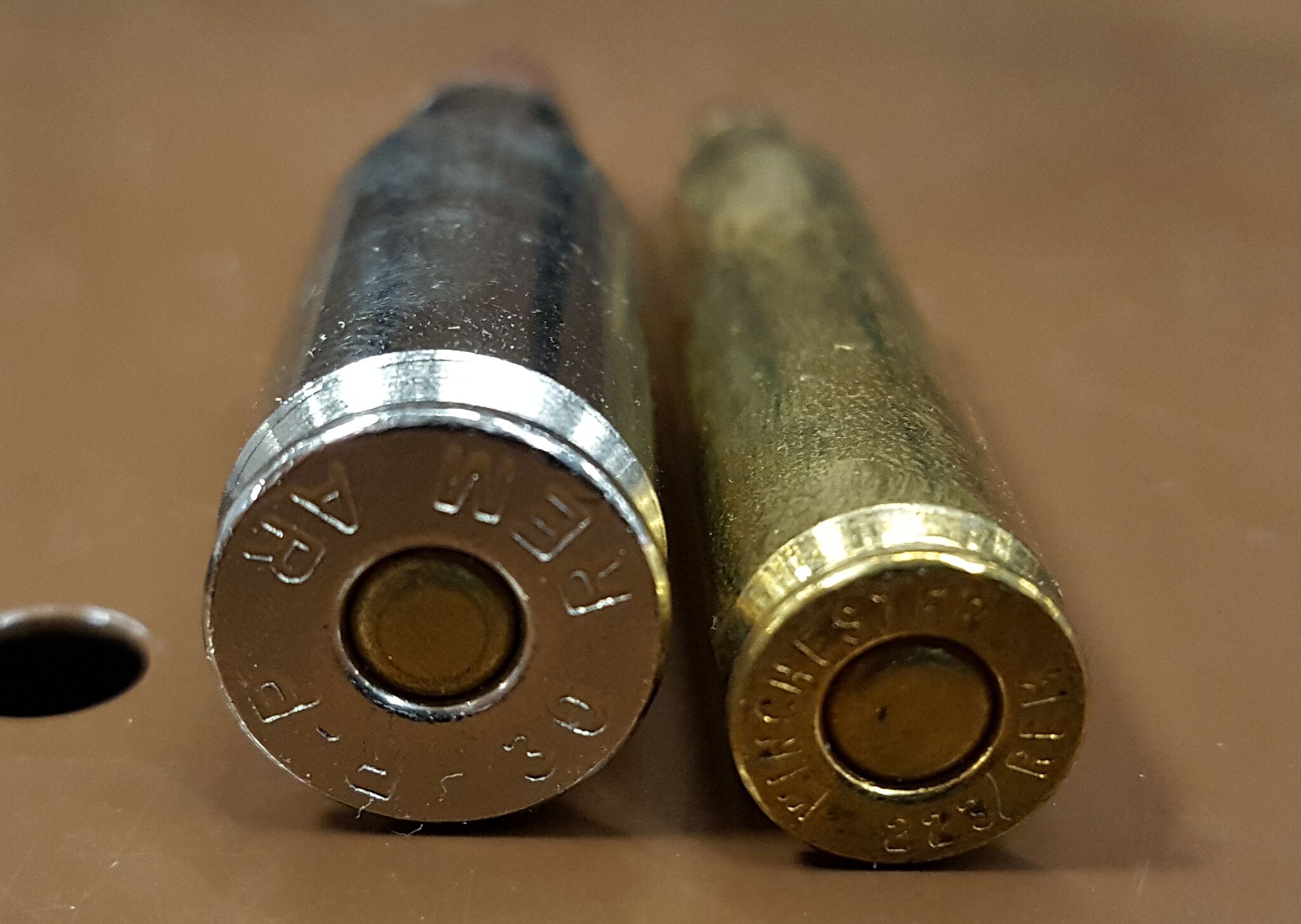
The .223 Remington has been tested for decades, and ballistic labs have revised its ratings as better equipment became available. Early velocity numbers were often taken from long rifle barrels, which produced faster speeds than shorter modern carbines. When labs tested with realistic barrel lengths, the recorded energy levels were lower than older charts showed. Improved high-speed cameras also revealed more detail about bullet fragmentation, which changed how effectiveness is measured. Another update came from better ballistic gel standards that gave more consistent penetration results. These changes led to quieter adjustments in published data. The .223 Remington is still effective, but current lab ratings show a more accurate picture than the impressive numbers that were widely repeated in the past.