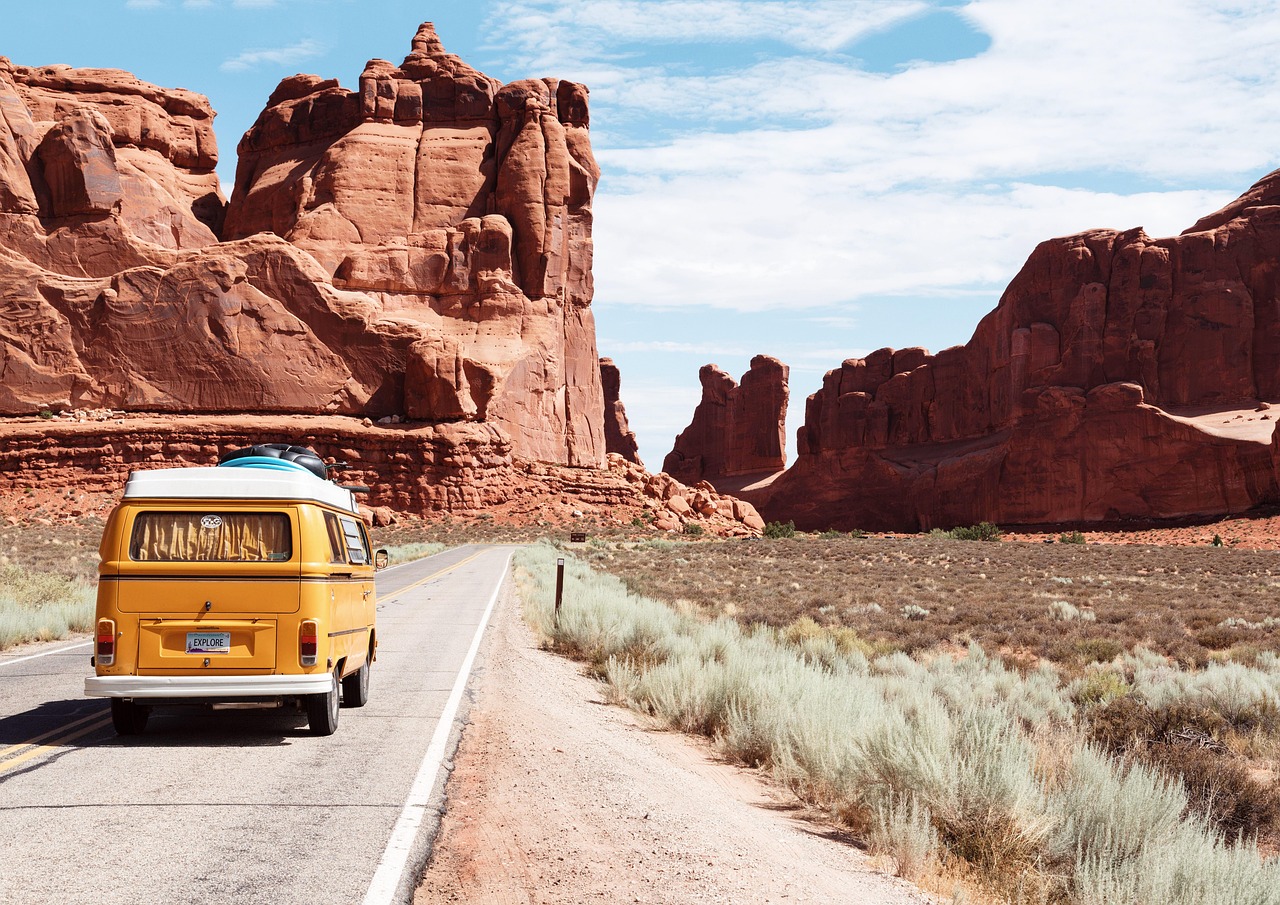
As camping surges in popularity across the United States, many long-time RV travelers feel today’s campground prices are rising faster than their budgets. What used to be an inexpensive way to travel now often resembles resort-level pricing, creating frustration among families who simply want to enjoy the outdoors. With higher operating costs, upgraded amenities, and competitive booking systems, campground affordability has become one of the biggest debates in the outdoor community.
Nightly Rates Increase Across Popular Campground Chains
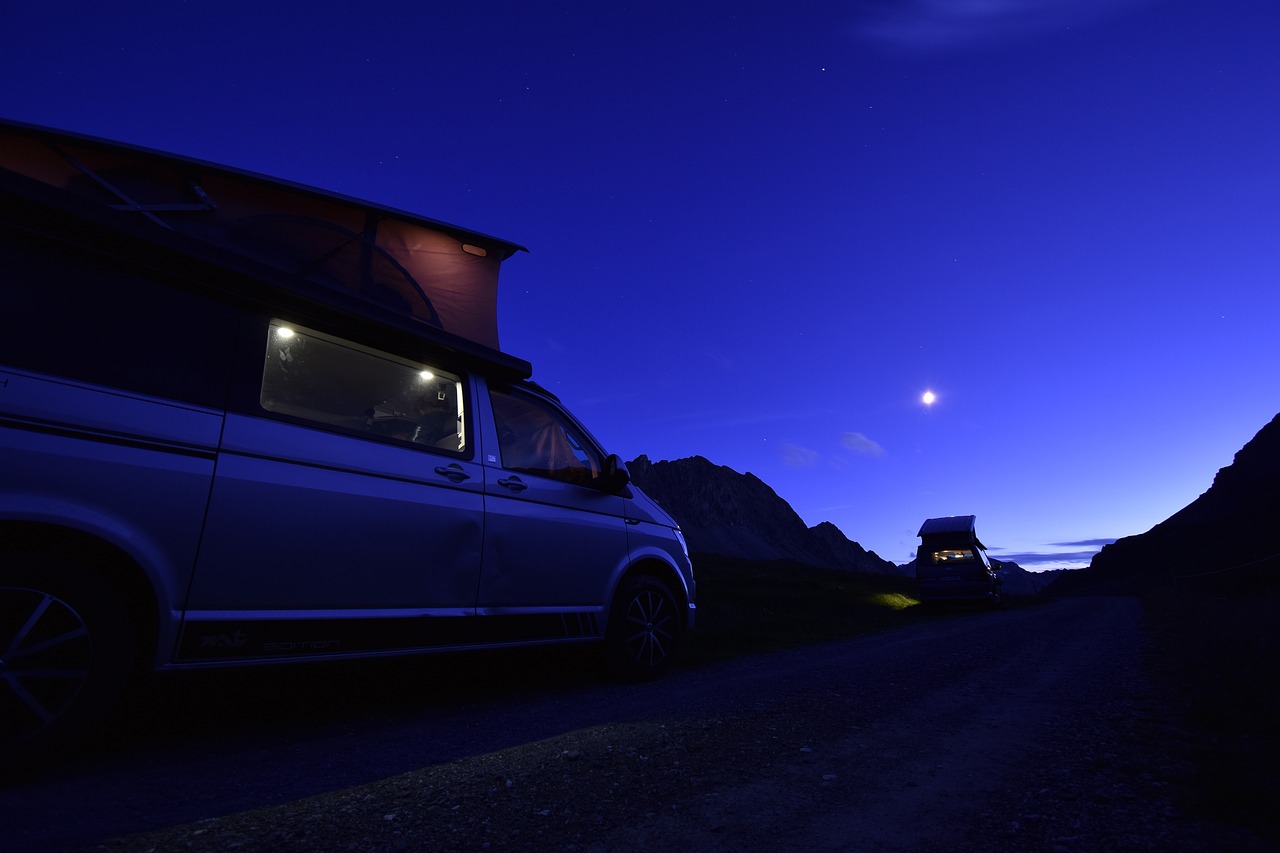
Campers nationwide have noticed a steady climb in nightly rates, especially in well-known campground chains. Prices that once sat in the $35–$50 range can now easily reach $75 or more during peak seasons. While some travelers appreciate added amenities, others argue that the rising costs price out families who rely on camping as an affordable vacation option. This shift has sparked ongoing debate about value and accessibility.
Reservation Systems Favor High Demand and Higher Prices
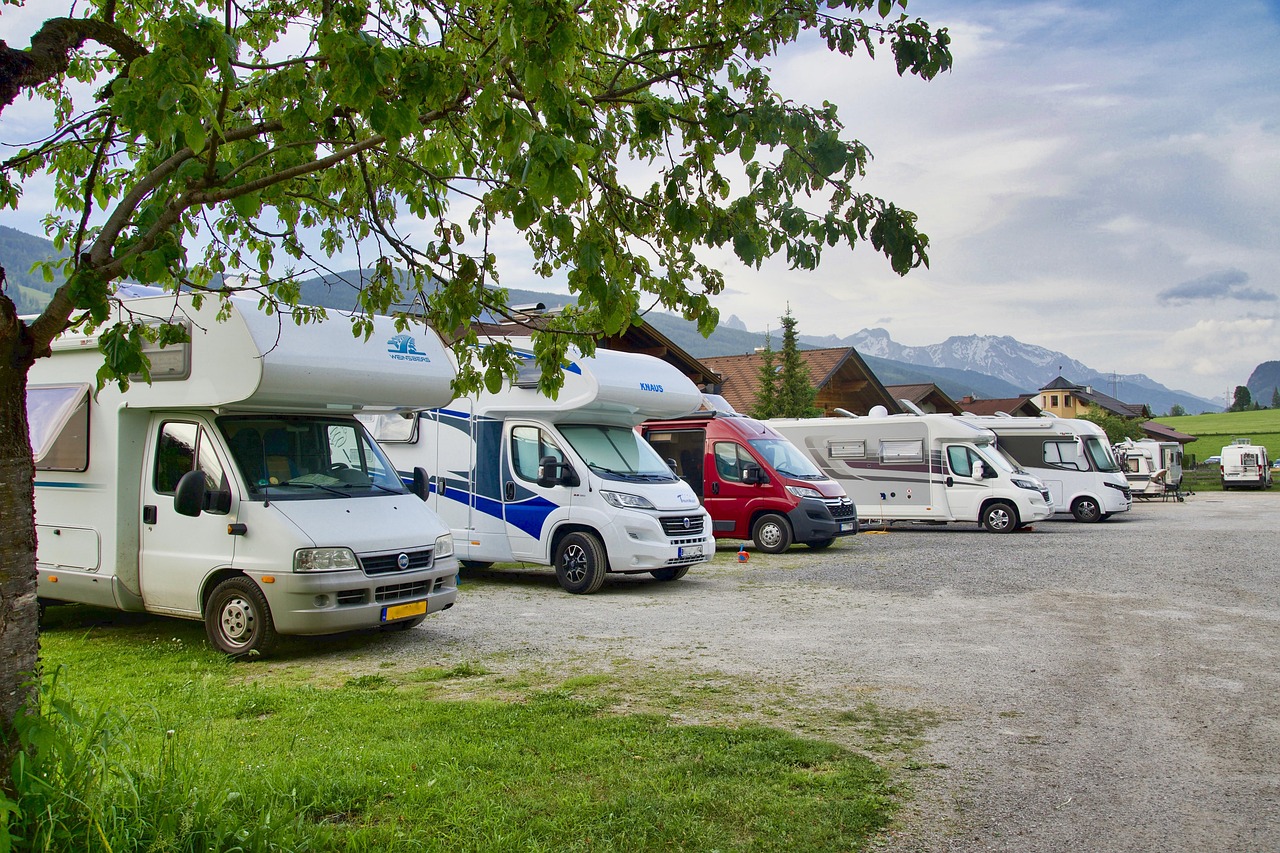
Dynamic pricing, once common in hotels, has now entered the camping world. Many reservation systems adjust rates based on demand, meaning weekends, holidays, and popular dates become significantly more expensive. Travelers who book late often face sticker shock, while early planners feel pressured to commit months ahead. These systems help campground owners manage occupancy, but leave many guests frustrated by unpredictable costs.
RV Hookup Fees Add Costs That Didn’t Exist Before
Full-hookup sites offering water, electric, and sewer access now often cost $10–$20 more than basic sites, and some parks even split hookups into separate charges. RV travelers accustomed to flat-rate stays feel the new tiered pricing adds unnecessary complexity. While campgrounds argue these fees reflect growing energy demands, many guests believe they represent another example of creeping costs that make simple camping less budget-friendly.
Premium Campsites Charge Extra for Location and Convenience
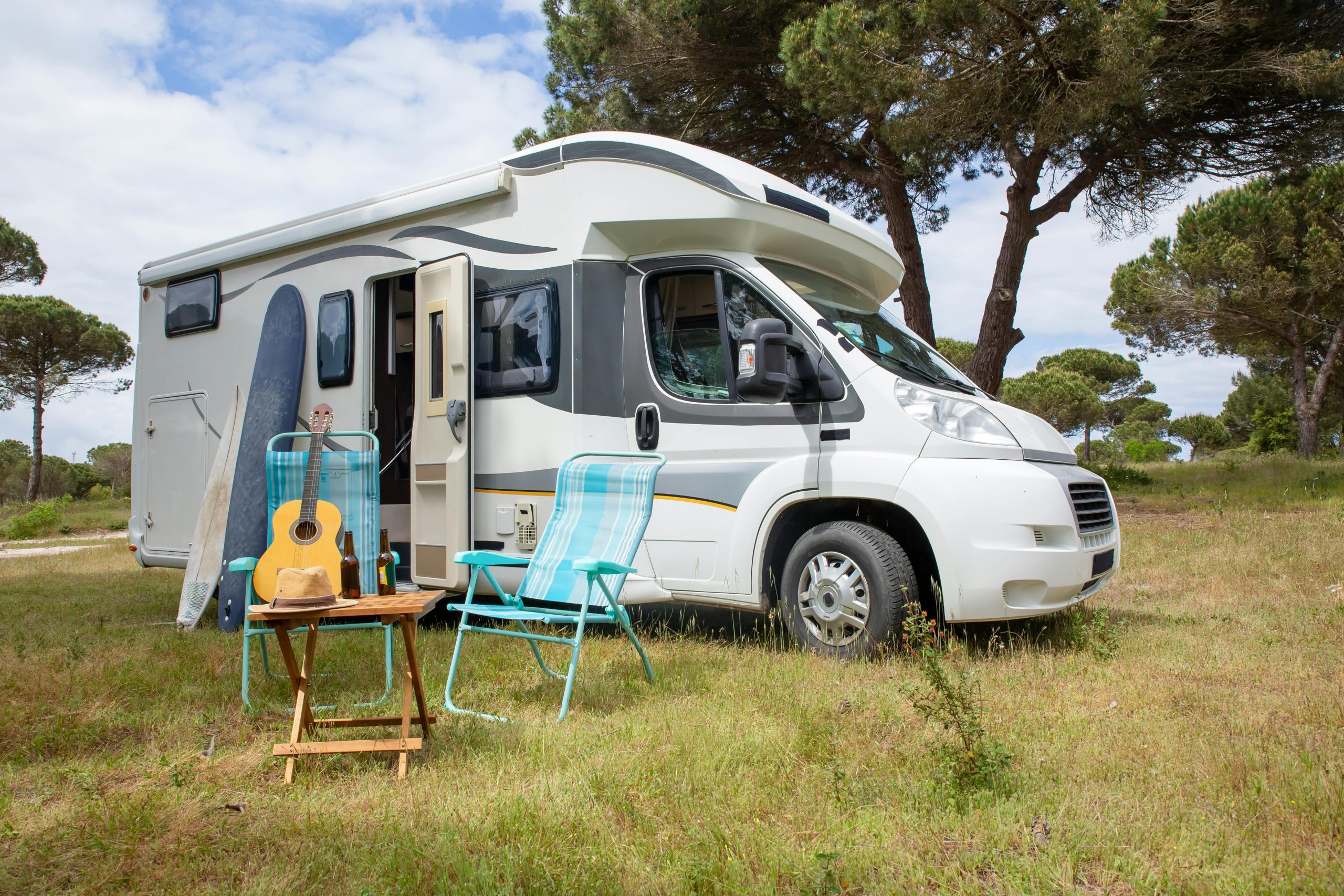
Scenic campsites with waterfront views, large pads, or closer access to amenities now carry premiums that can increase nightly costs substantially. Guests appreciate the chance to reserve special spots, but critics say the widening gap between standard and premium sites mirrors luxury travel more than traditional camping. As more campgrounds adopt these upgrades, finding reasonably priced sites in prime locations becomes more difficult each year.
Resort-Style Amenities Push Prices Higher
Modern campgrounds increasingly offer heated pools, splash pads, mini-golf, pet parks, and full event calendars designed to keep families entertained. These additions attract visitors seeking comfort and convenience, yet they also raise operating expenses and, in turn, nightly rates. Travelers who simply want a quiet outdoor experience often feel forced to pay for amenities they don’t want or need, fueling the perception that camping is shifting away from its roots.
Rising Utility and Maintenance Costs Affect Nightly Rates
Campground owners point out that utility prices, insurance rates, and general maintenance costs have grown substantially in recent years. From cleaning restrooms to replacing aging electrical systems, daily operating expenses have climbed across the board. These realities push campground rates upward, even at modest parks. While some guests acknowledge this challenge, others argue that price increases have outpaced reasonable cost-of-business adjustments.
State and National Parks Struggle With Budget Pressures
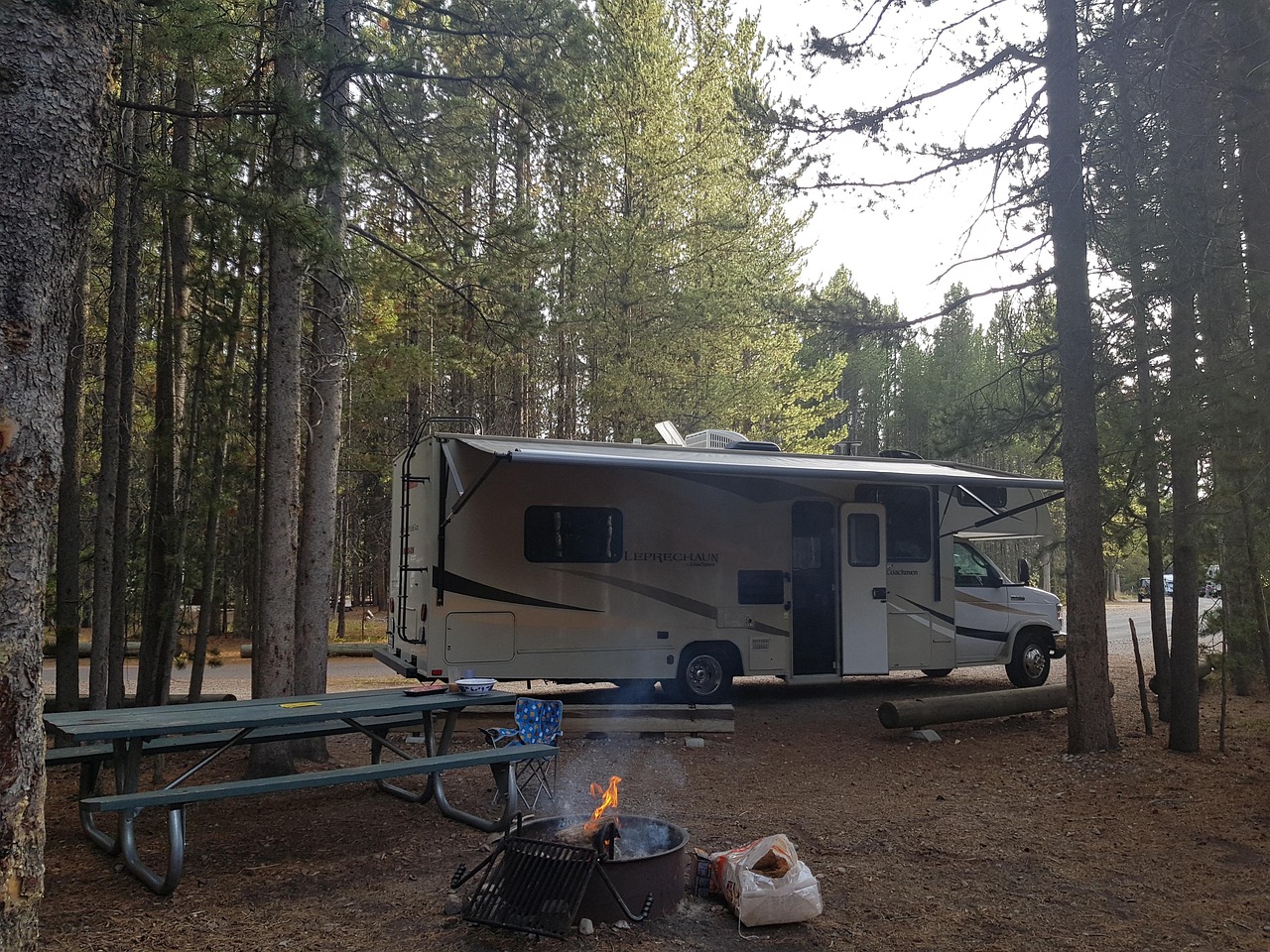
Public campgrounds, once the most affordable options for families, are also seeing price adjustments due to shrinking budgets and increased demand. Many parks now charge higher reservation fees or raise nightly rates to maintain facilities. Although the increases are usually smaller than those at private parks, they still affect families who depend on public lands for low-cost outdoor recreation. This shift adds to the broader affordability conversation.
Overcrowding Leads to Price Hikes During Peak Season
With more Americans camping than ever before, overcrowding has pushed some campgrounds to raise prices simply to manage demand. Popular destinations often sell out months in advance, and higher rates help limit booking surges during busy times. While this strategy can reduce overcrowding, it also removes affordability for spontaneous travelers or families unable to plan vacations far ahead, creating tension in the camping community.
Extra Reservation and Cancellation Fees Add Up Quickly
Many travelers express frustration with rising service, processing, and cancellation fees that accompany online campground bookings. A $40 site can easily climb to $55 or more once extra charges are added. Some parks even require non-refundable deposits, increasing the financial pressure on guests. These additional fees contribute to the perception that camping has become more about revenue than providing accessible outdoor experiences.
Campers Seek Alternatives as Prices Continue Rising
As campground costs increase, more travelers are turning to alternatives like boondocking, dispersed camping, Harvest Hosts stays, and smaller independent parks. These options often provide simpler experiences at lower prices, appealing to campers who prioritize affordability. Whether this shift becomes long-term remains to be seen, but many believe it signals a growing desire to reconnect with camping’s traditional simplicity without the rising expenses of modern campgrounds.