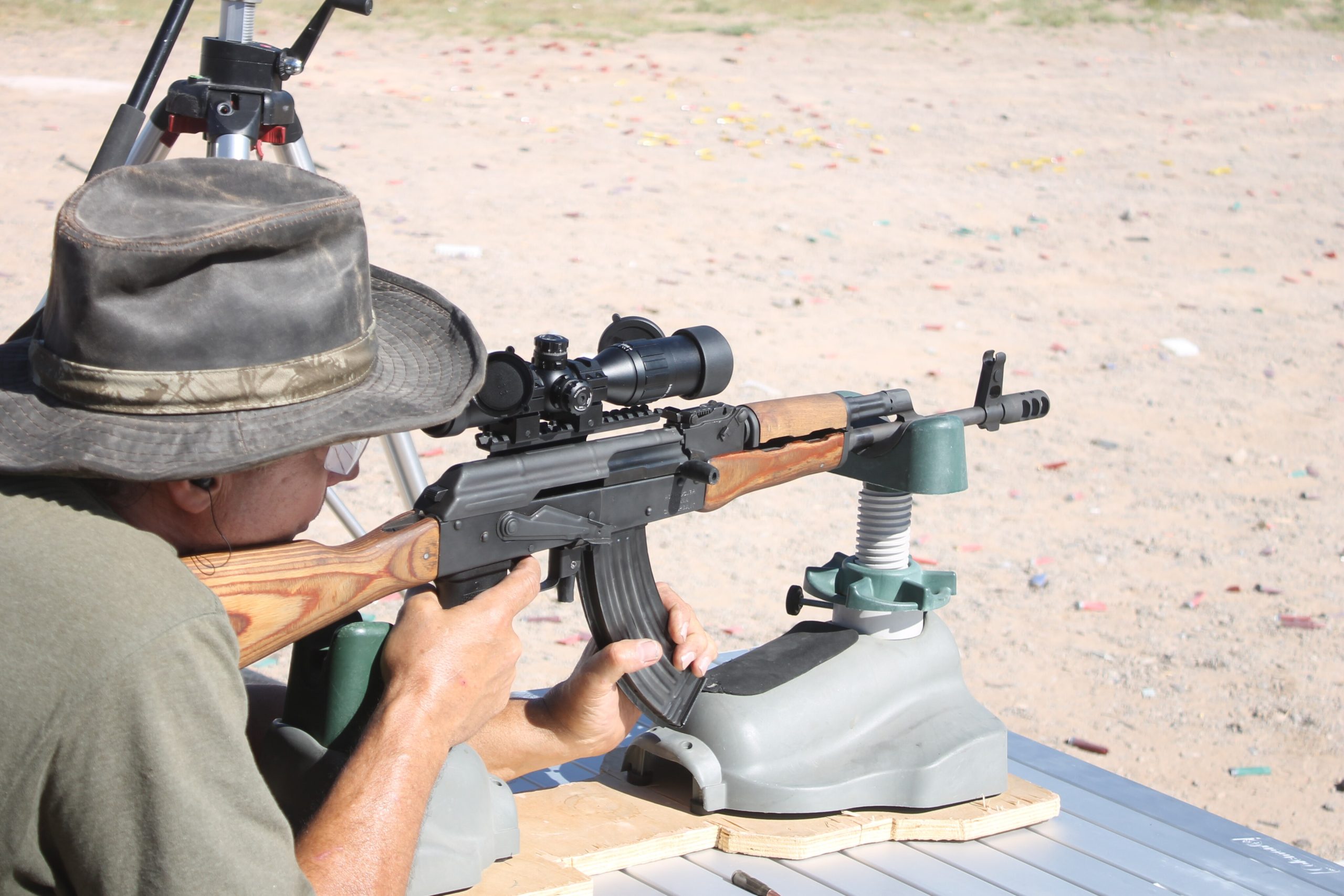
Few firearms have shaped global history as profoundly as the AK-47. Designed in the aftermath of World War II, this rifle emerged from a world exhausted by industrial conflict and hungry for simplicity. It was never meant to be elegant or precise in the sporting sense. Instead, it was built to function under the worst imaginable conditions, in the hands of soldiers with minimal training, across climates ranging from tundra to tropical jungle. Over the decades, the AK-47 became synonymous with revolution, insurgency, and state power alike. Its reputation as both deadly and reliable is not a myth, but the result of design choices that favored durability over refinement. Understanding why it became so widespread requires examining its origins, mechanics, and long-term consequences.
The Historical Moment That Shaped Its Design
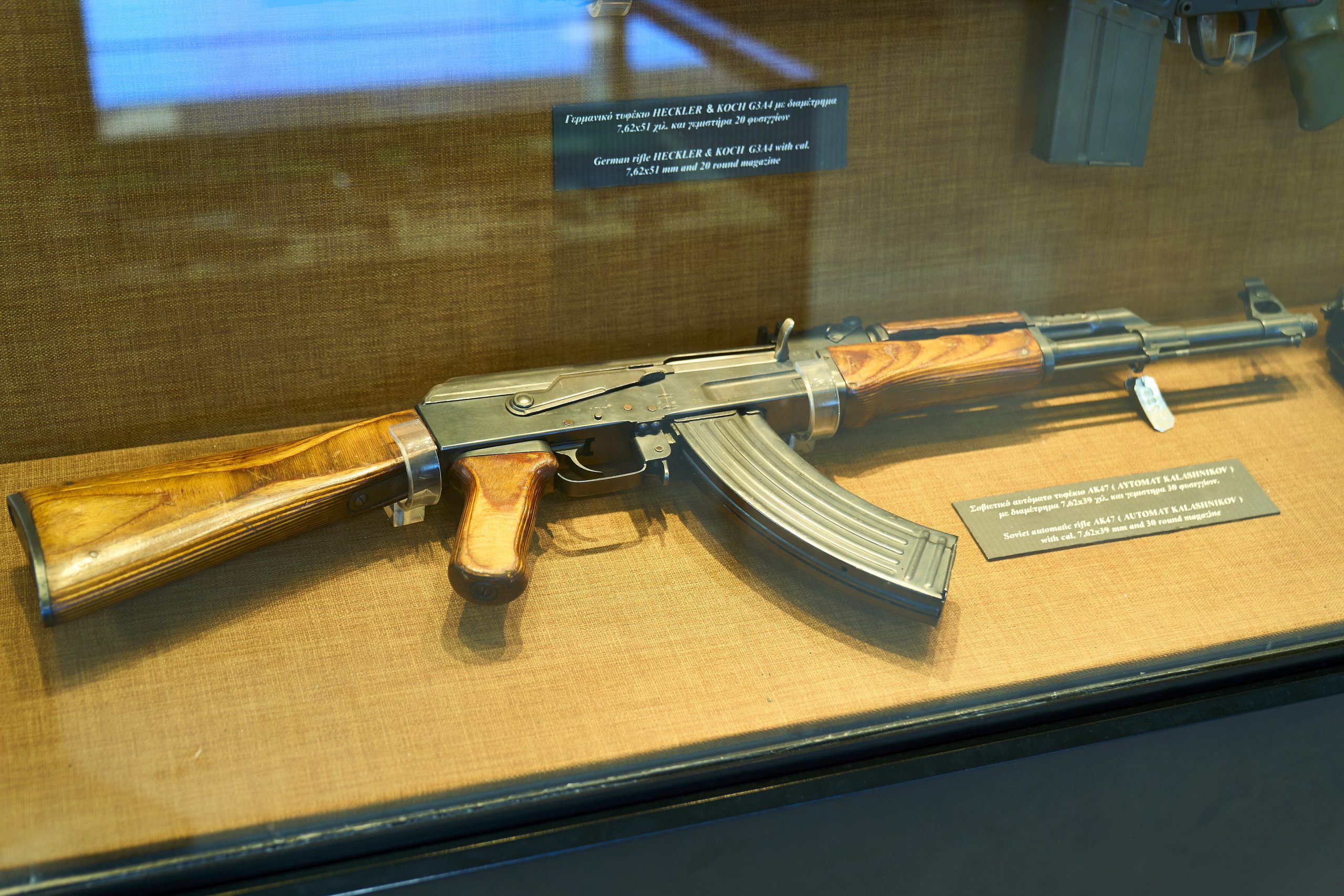
The AK-47 was born from the Soviet Union’s wartime experience, where weapon failures often proved fatal. Engineers sought a rifle that could be mass-produced, easily maintained, and trusted by conscripts. Mikhail Kalashnikov drew lessons from earlier firearms, blending concepts rather than reinventing them. The result reflected a postwar reality where quantity and reliability mattered more than finesse. This context explains why the rifle prioritized function over finish. It was designed for large armies, rapid deployment, and harsh logistics. That historical pressure shaped every element of the rifle and laid the foundation for its later global spread.
Reliability as the Central Philosophy
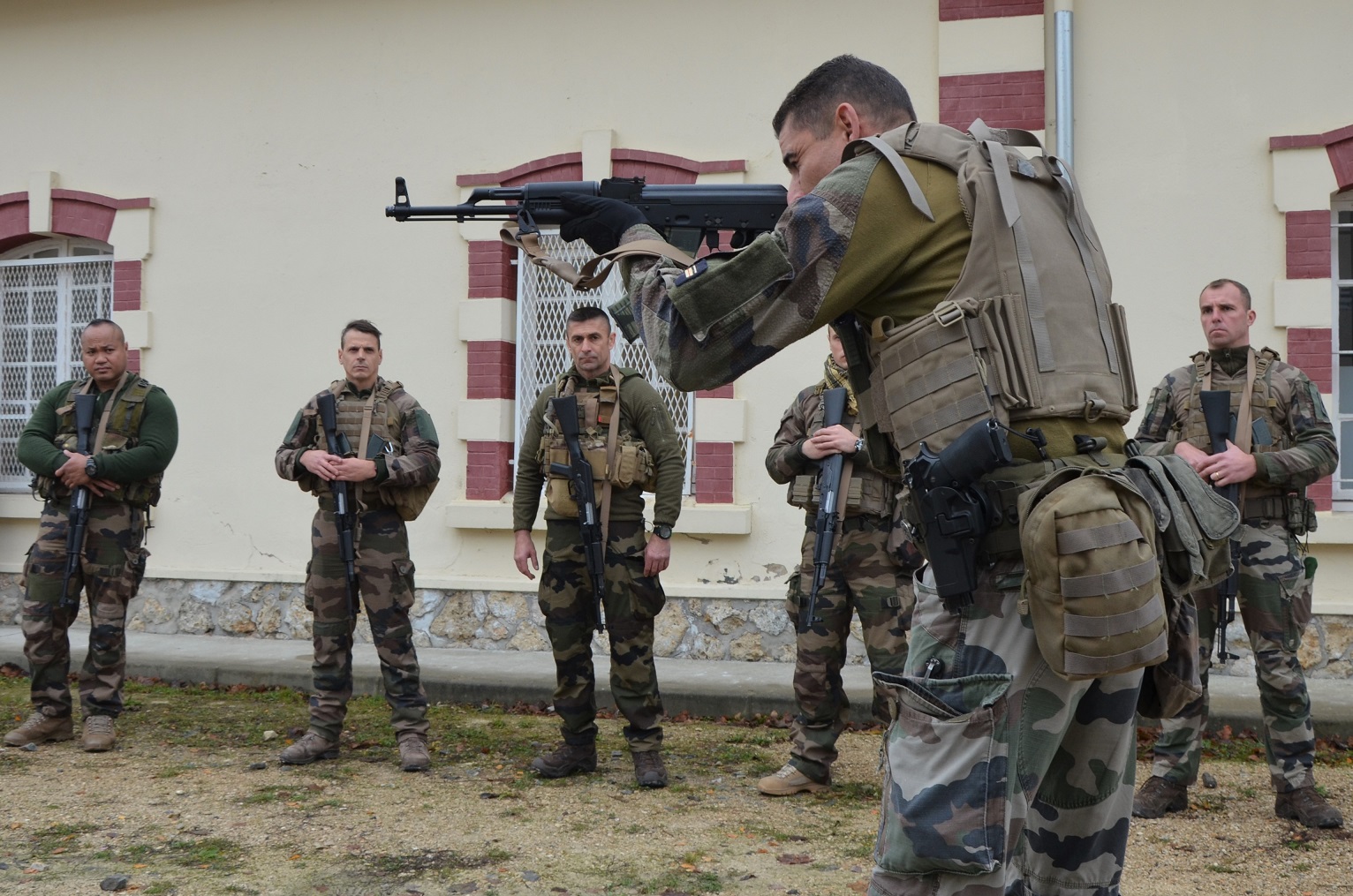
Reliability defines the AK-47’s reputation more than any other trait. Loose internal tolerances allow it to continue functioning despite dirt, sand, ice, or neglect. While this design sacrifices some accuracy, it ensures consistent operation in environments where maintenance is minimal or impossible. Soldiers and fighters quickly learned that the rifle would fire even after exposure to mud or poor storage. This dependability built trust, and trust turned into reliance. Over time, reliability became the rifle’s most valuable feature, especially in regions lacking infrastructure or formal training systems.
Simplicity and Ease of Use
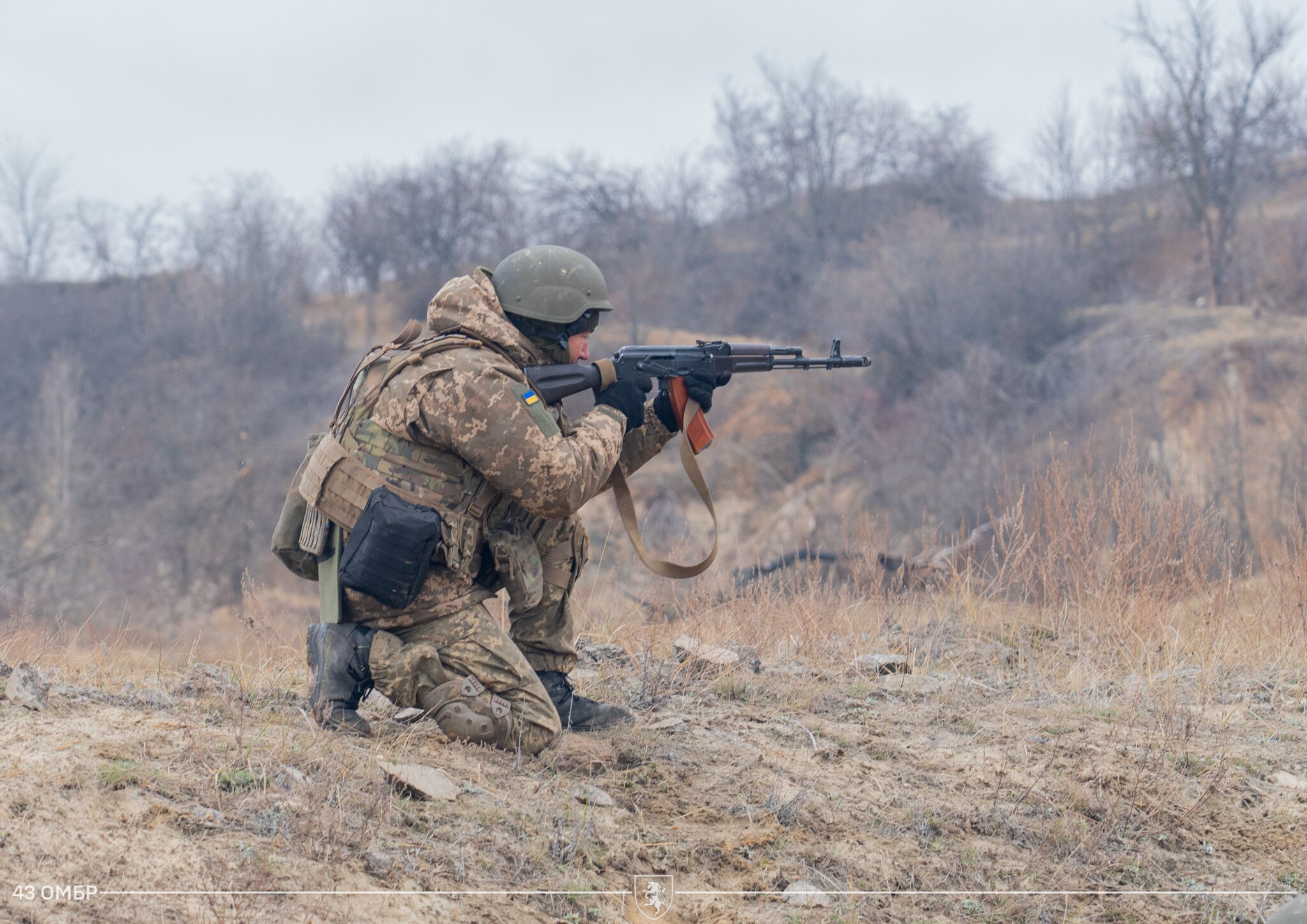
The AK-47 was designed to be understood quickly. Its controls are straightforward, and its basic operation can be taught in hours rather than weeks. This simplicity allowed rapid training of large forces during the Cold War. The rifle does not require fine motor skills or delicate handling, making it accessible to users with varied backgrounds. That ease of use contributed significantly to its global adoption. Simplicity also reduced logistical strain, as fewer specialized tools or parts were required to keep rifles operational in the field.
Manufacturing and Mass Production
Another key factor behind the AK-47’s spread was its manufacturing approach. The rifle could be produced using relatively simple industrial methods, making it suitable for large-scale output. Licensed and unlicensed production occurred across dozens of countries. This widespread manufacturing lowered costs and increased availability. As geopolitical alliances shifted, factories continued producing variants long after the original design debuted. The rifle’s tolerance for imperfect machining meant that even lower-quality factories could produce functional weapons, further accelerating global distribution.
Global Proliferation and Political Influence
The AK-47 became a symbol as much as a weapon. It appeared on flags, propaganda posters, and revolutionary insignia. During the Cold War, it was supplied to allied states and movements as a tool of influence. Its presence reshaped conflicts across Africa, Asia, and the Middle East. The rifle’s availability changed the balance of power in local struggles, often prolonging conflicts. Its role in irregular warfare cemented its reputation as a weapon that empowered non-state actors as much as national armies.
Lethality Through Accessibility
The AK-47’s lethality stems less from technical superiority and more from accessibility. When a weapon is cheap, durable, and easy to operate, it spreads quickly. Large numbers in circulation translate into higher casualty counts across decades. The rifle’s moderate accuracy remains sufficient for close to medium-range combat, which defines many modern conflicts. This combination of accessibility and effectiveness explains why it has been involved in so many deadly confrontations worldwide.
Cultural Impact and Symbolism
Beyond battlefields, the AK-47 entered global culture. It became shorthand for rebellion, power, and resistance. Films, news coverage, and political imagery reinforced its identity. This cultural presence further normalized its use in conflicts. The rifle’s image often overshadowed the human cost associated with it. Over time, the symbol became detached from the suffering it enabled, turning a tool of war into an icon recognized even by those far from conflict zones.
Comparisons With Western Counterparts
When compared to Western rifles, the AK-47 often appears crude. It lacks the refinement, modularity, and precision of many later designs. However, those comparisons miss the rifle’s intended purpose. Western weapons often assume stable supply chains and disciplined maintenance. The AK-47 assumes the opposite. Its effectiveness must be judged within that framework. In environments where conditions are unpredictable, the AK-47’s design choices make sense, even if they appear outdated by modern standards.
Longevity Across Generations
Few weapons remain relevant for as long as the AK-47 has. Decades after its introduction, variants continue to appear in active conflicts. This longevity reflects not just durability, but adaptability. While technology evolved, the core design remained useful. New materials and minor refinements extended its service life. The rifle’s continued presence highlights how a simple design can outlast more complex systems when circumstances demand resilience over innovation.
A Legacy Defined by Consequences
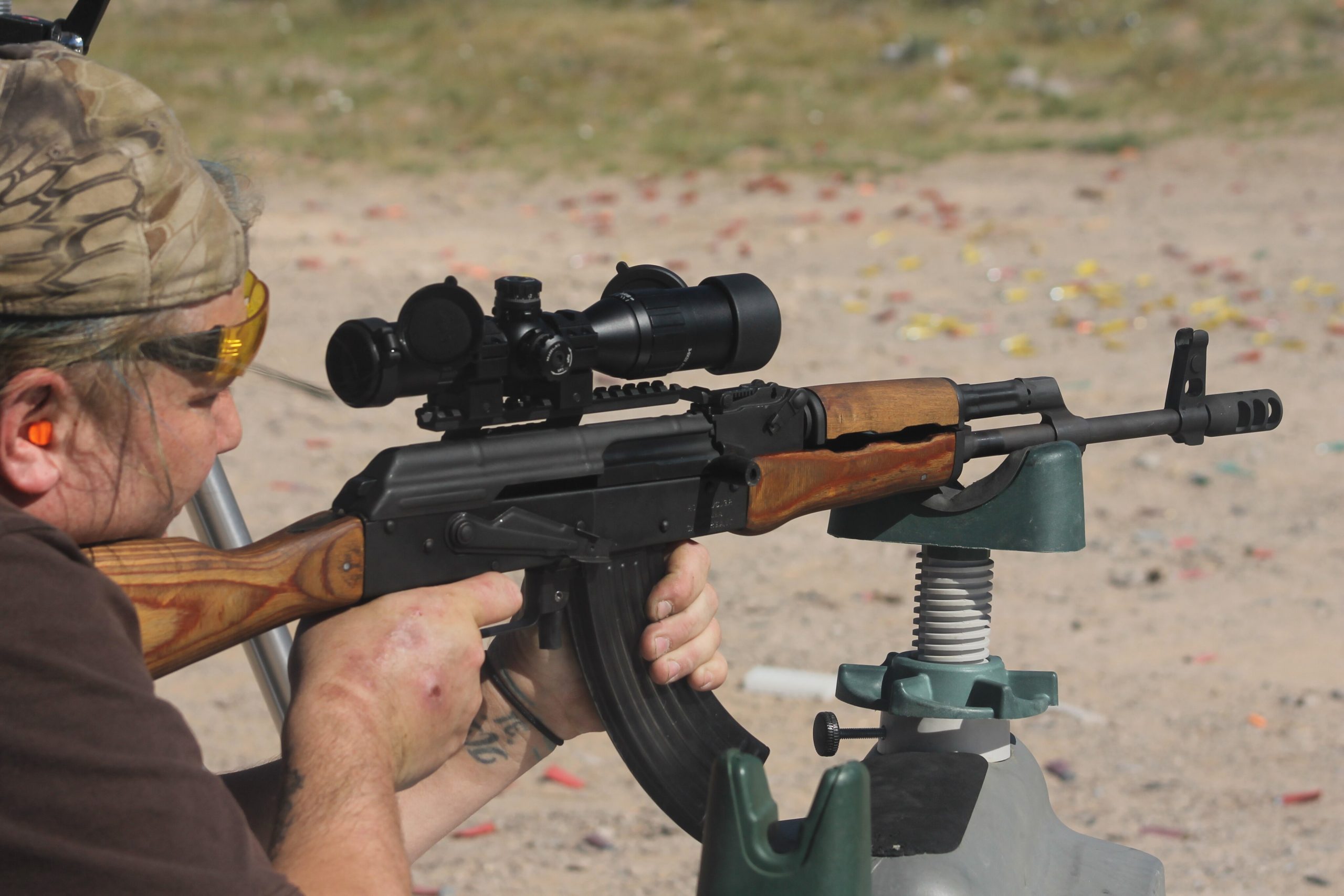
Calling the AK-47 the deadliest rifle ever made is not praise but observation. Its impact is measured in conflicts sustained, lives lost, and societies altered. The rifle did exactly what it was designed to do. It worked reliably, spread widely, and changed warfare. That success came at a profound human cost. Understanding the AK-47 means recognizing both its engineering achievement and the responsibility that comes with such influence. Its legacy is inseparable from the history of modern conflict itself.