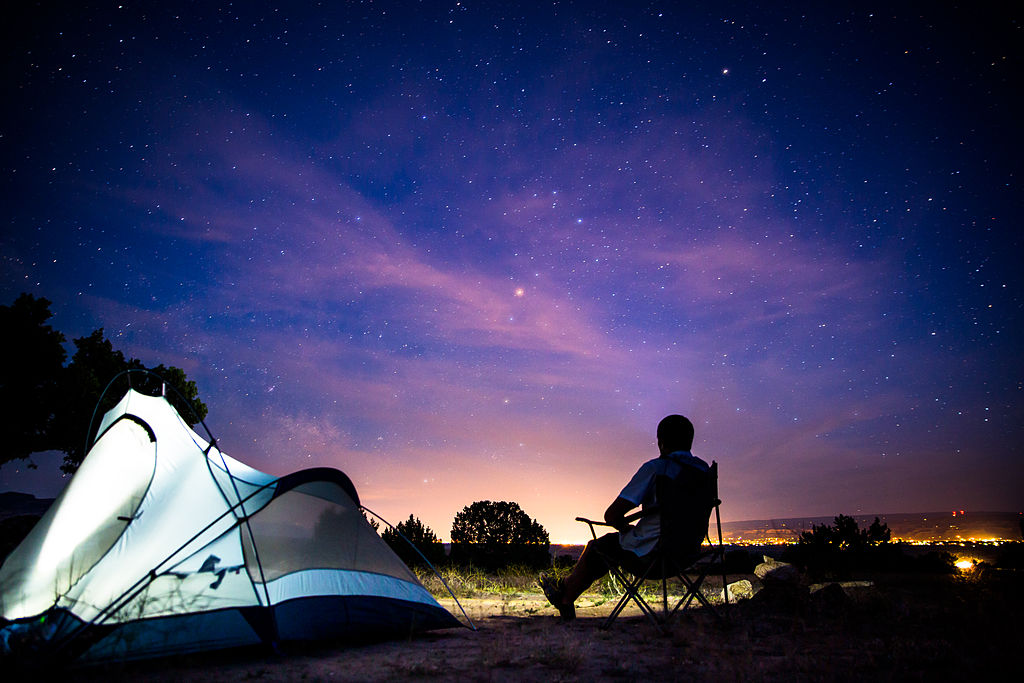
When daylight fades and the forest settles into silence, camp life takes on a mysterious beauty few ever capture. The crackle of a fire, the glow of a lantern, and the sweep of the stars above tell stories that daylight never could. Night photography in the wild isn’t about high-end gear; it’s about learning to see in low light and translate atmosphere into emotion. With patience, control, and a bit of creative instinct, these nine techniques will help you master the art of shooting after dark and turn every camp night into a visual masterpiece.
1. Work With Low Light, Not Against It
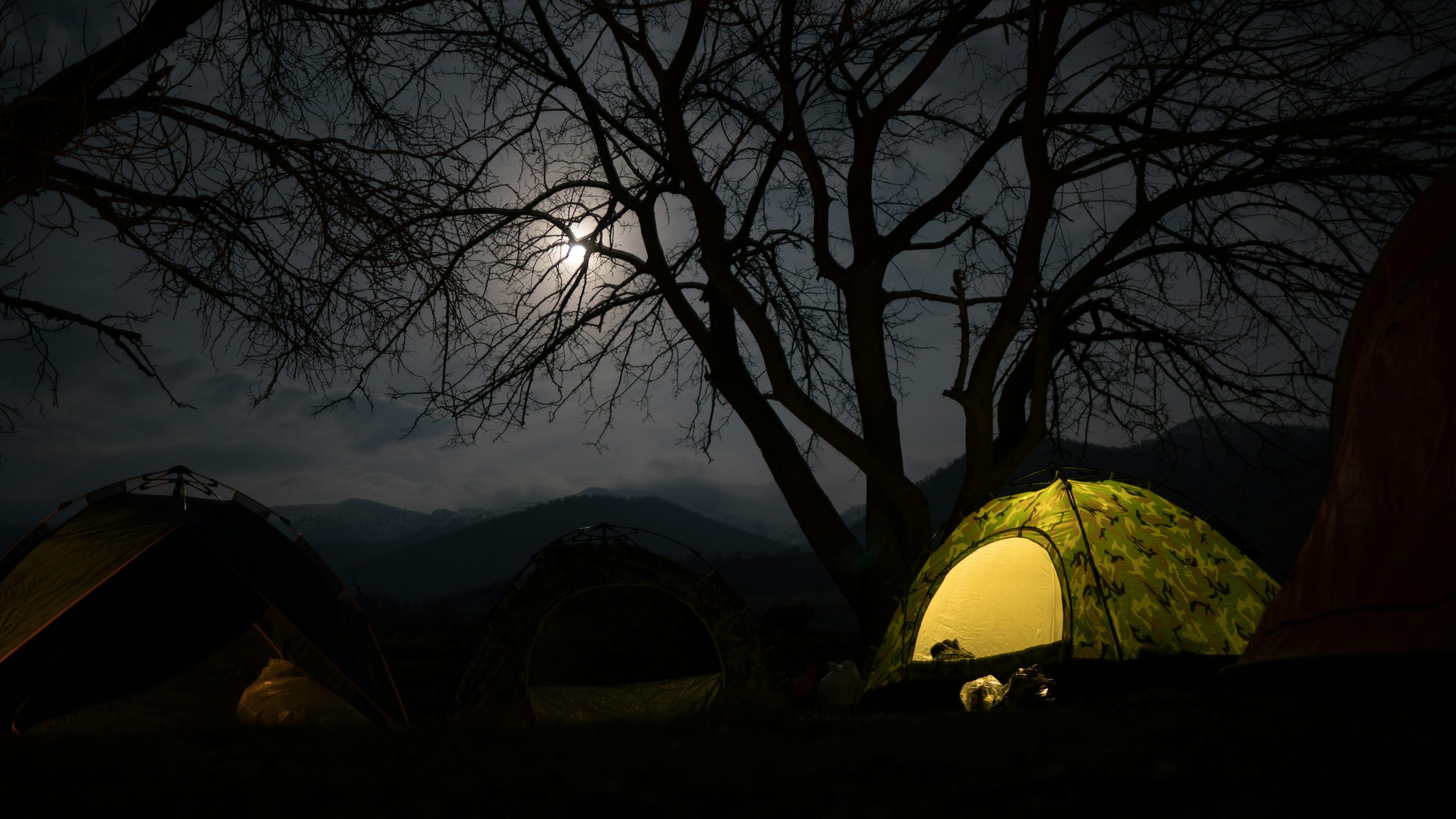
Darkness is part of the wilderness story. Don’t erase it with harsh lighting. Instead, let the campfire or moonlight guide your exposure and mood. Lower your ISO to control noise and rely on slower shutter speeds for that soft, cinematic feel. Subtle light sources like headlamps or glowing embers can create beautiful depth. Remember, the goal isn’t perfect brightness, it’s preserving the feeling of night. Let the shadows breathe, and your images will feel alive and atmospheric.
2. Switch to Manual Focus for Clarity
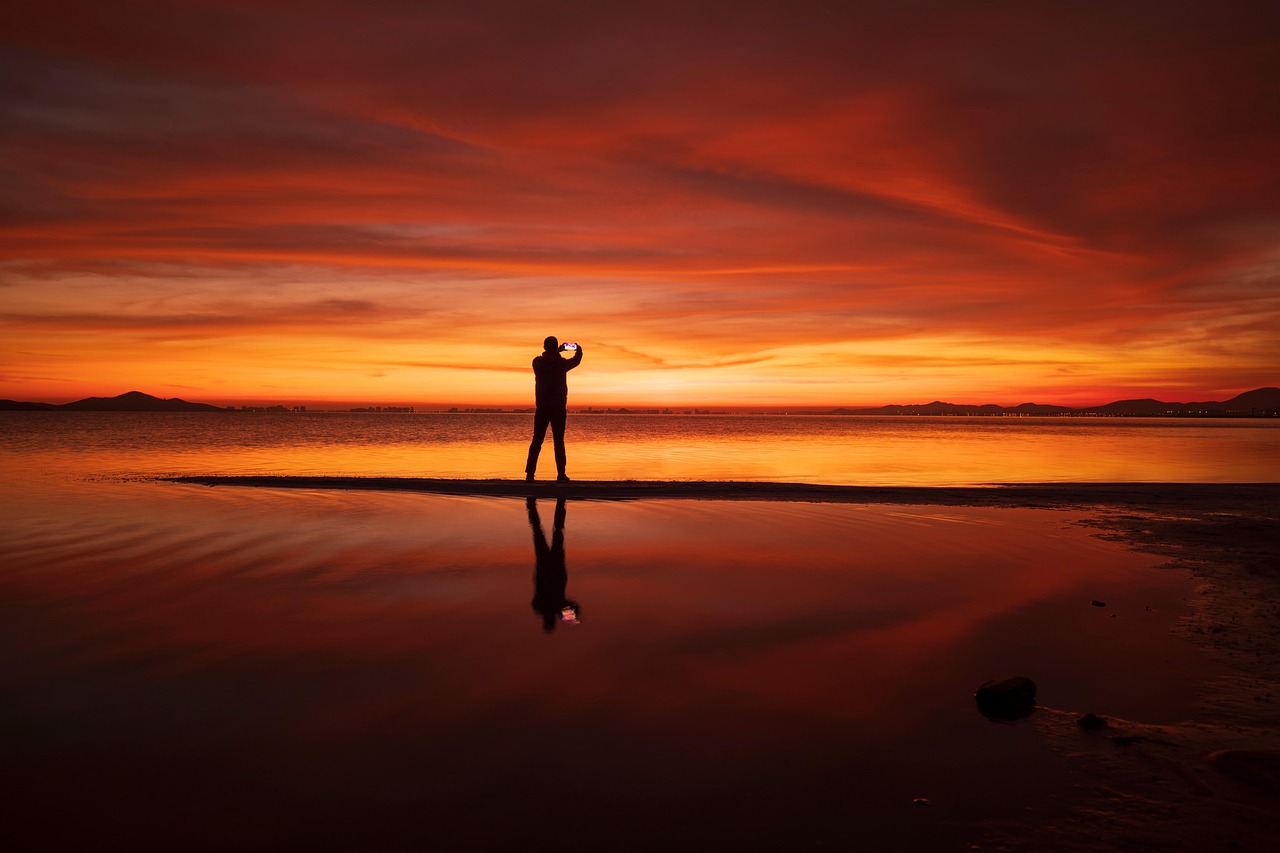
Autofocus tends to hunt endlessly when the light fades, often leaving your shots blurry or missed entirely. Manual focus gives you complete control and aim a small flashlight at your subject to find contrast and fine-tune focus. Wide-angle lenses hold sharpness better across distance, so use them to capture both foreground and sky. Once dialed in, lock focus and shoot several exposures to ensure precision. In low light, trusting your eyes often beats trusting your camera’s algorithms.
3. Master the Long Exposure Technique
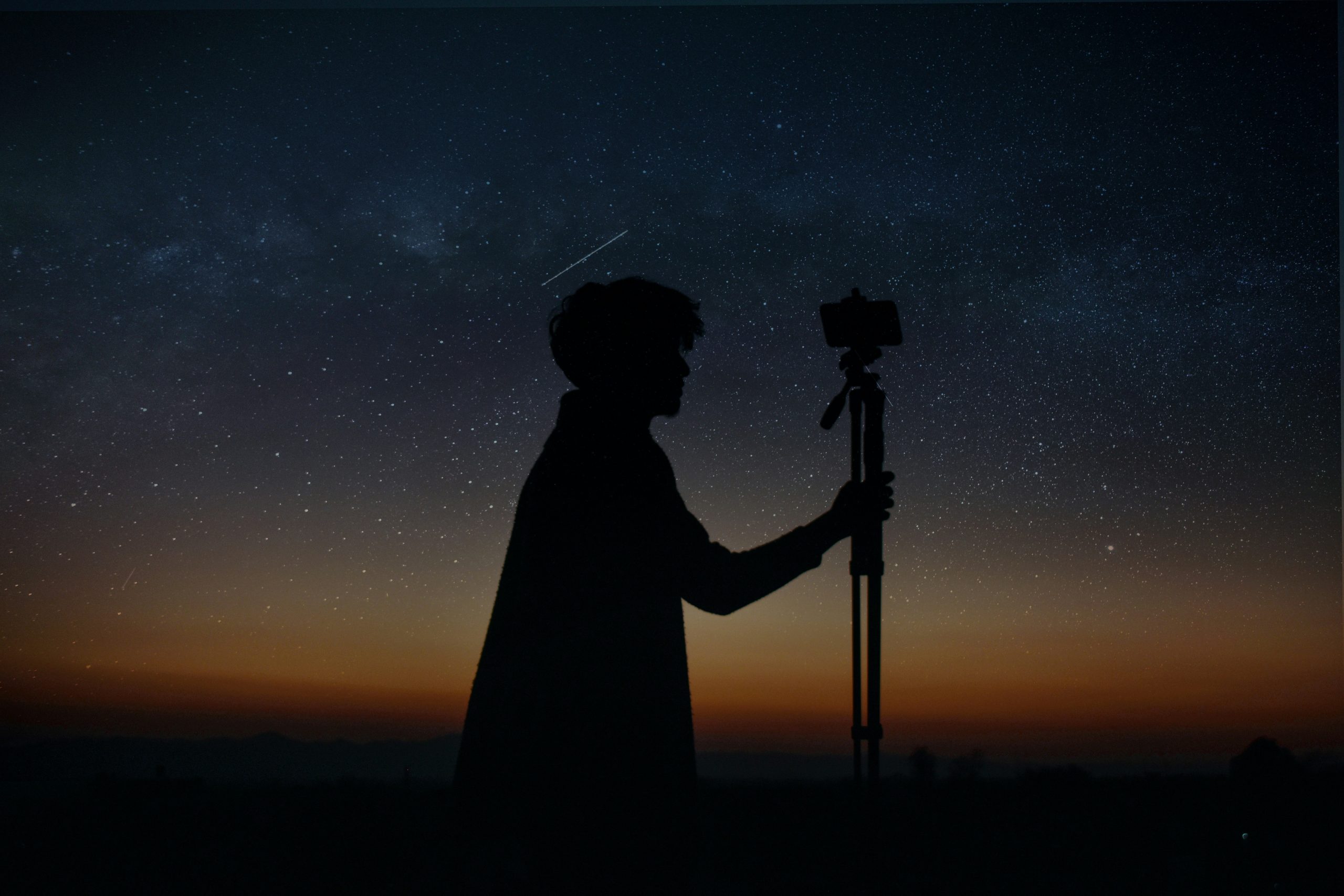
Long exposures are the backbone of nighttime wilderness photography. Using a tripod, start with shutter speeds between 10 and 30 seconds to gather enough light while maintaining crisp details. Keep ISO low and aperture around f/2.8 to f/4 for balance. A remote shutter release or timer prevents vibration. Experiment with star trails, glowing tents, or fire movement. The beauty of long exposure is how it turns fleeting light into timeless art, capturing what your eyes can’t hold still.
4. Let the Campfire Tell the Story
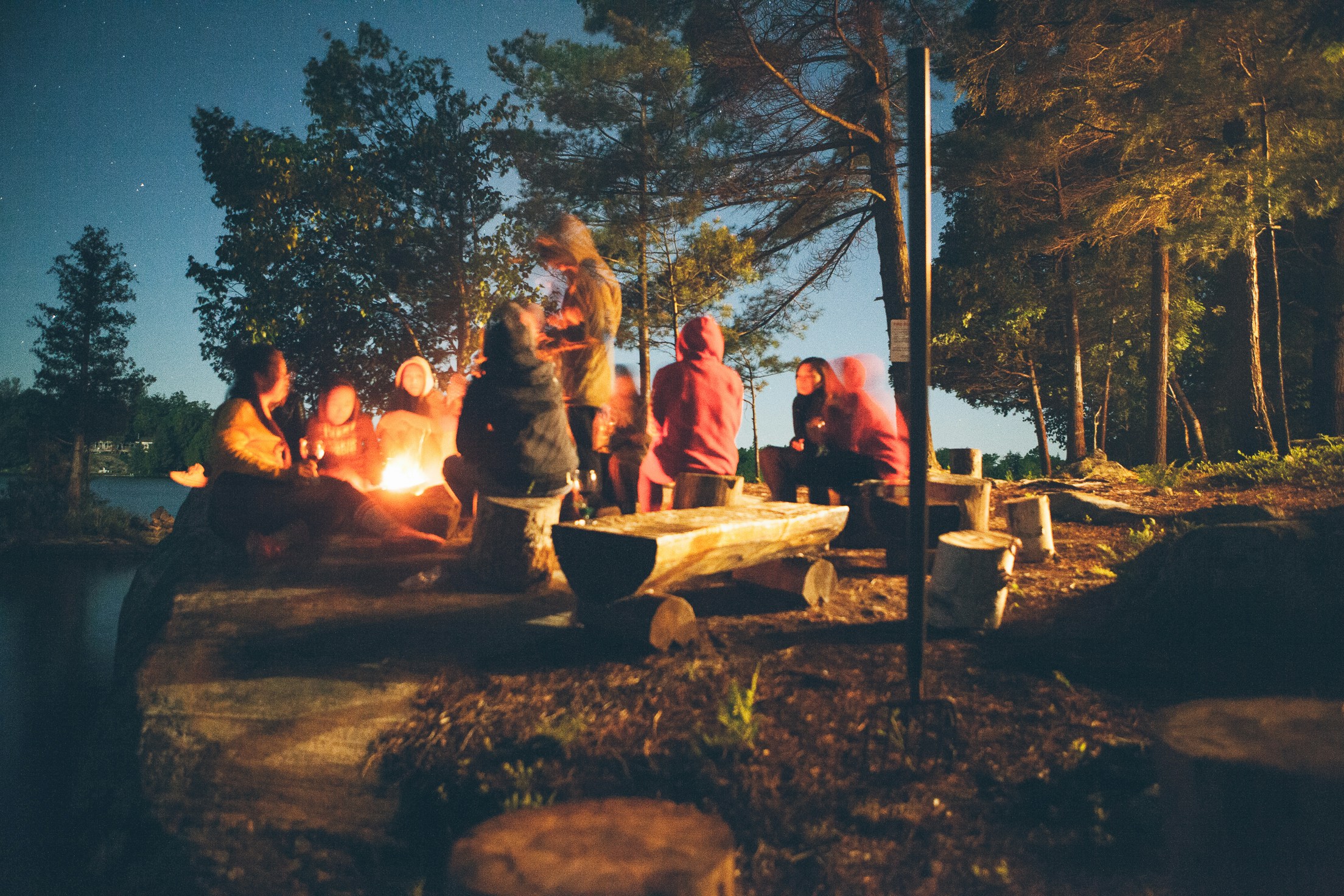
A firelight portrait or campfire-lit scene has a magic no artificial setup can match. The orange glow adds warmth and dimension while casting dramatic shadows that tell a story. Position your subjects so the firelight brushes their faces and let darkness frame the rest. Adjusting your exposure to avoid blown-out flames, underexposing slightly keeps color detail intact. The goal is to let the fire breathe life into the photo, illuminating emotion without overpowering the wilderness around it.
5. Use Lanterns and Headlamps as Creative Tools
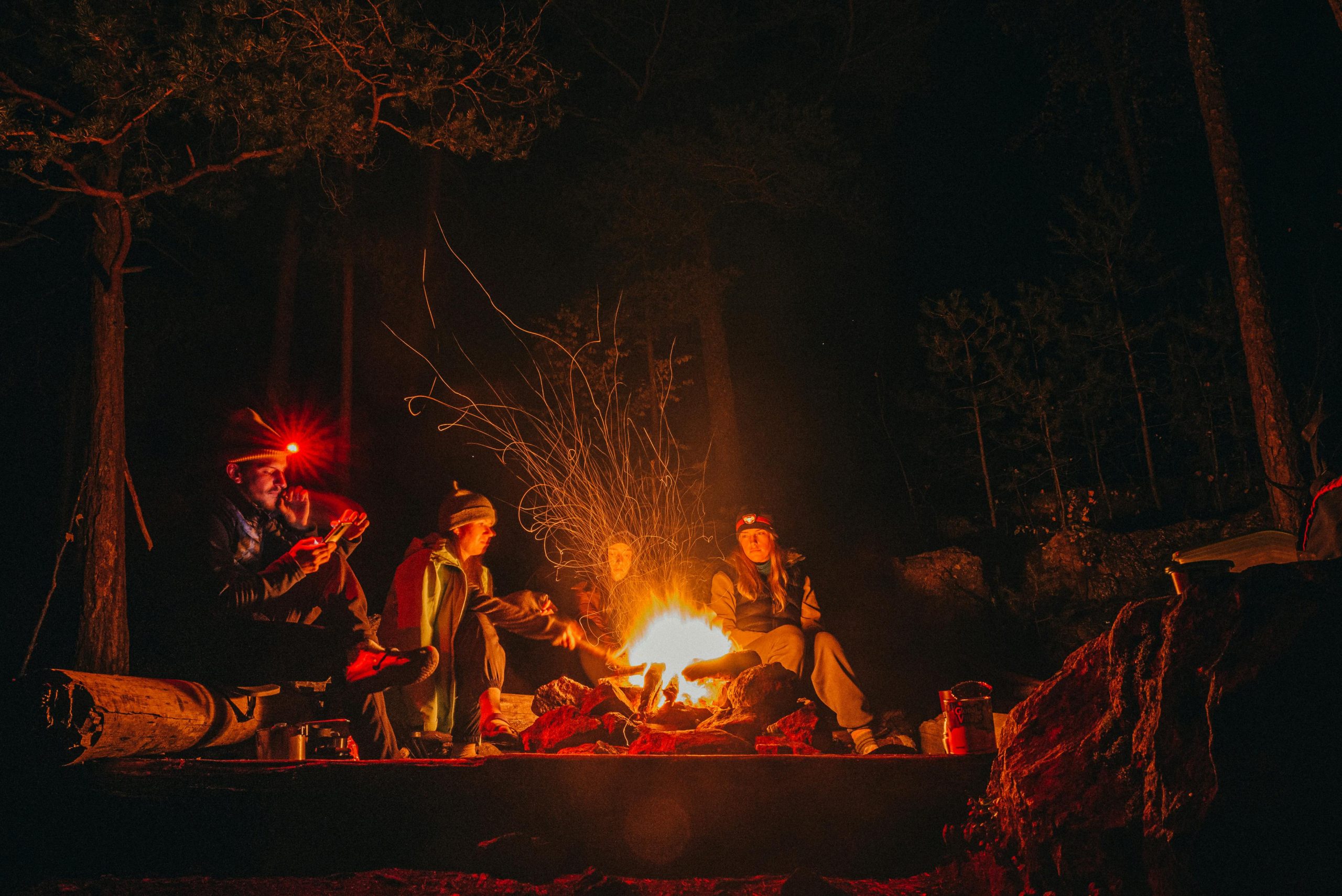
A lantern or headlamp can serve as both a light source and a storytelling prop. Avoid direct beams that flatten your scene. Bounce light off nearby rocks, tent walls, or logs to achieve a soft, diffused glow. Warm LEDs blend naturally with firelight, giving your image a cohesive warmth. A subtle sweep of a light across your subject during a long exposure can add painterly streaks that mimic movement, creating a cinematic nighttime feel without any post-production trickery.
6. Combine Sky and Camp in a Single Frame
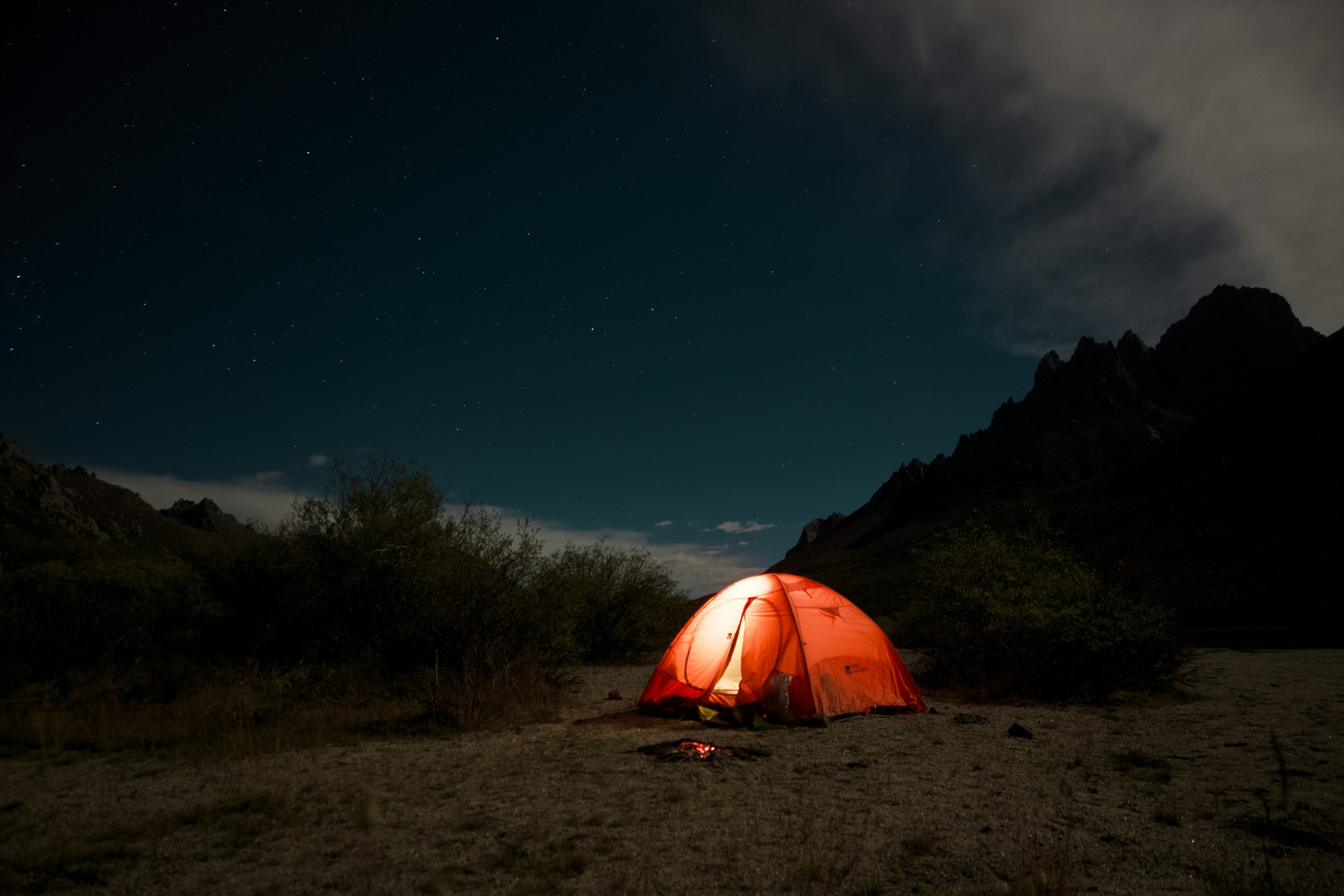
Night sky photography often isolates stars, but combining them with camp life tells a deeper story. Take one shorter exposure for the stars and another longer one for the foreground, then blend them during editing. This captures both celestial beauty and human presence. Keep your tripod steady between shots and use a consistent white balance. The result of a star-filled sky rising over a glowing camp feels both grand and intimate, balancing the vast universe with your small circle of light.
7. Capture Motion and Movement Creatively
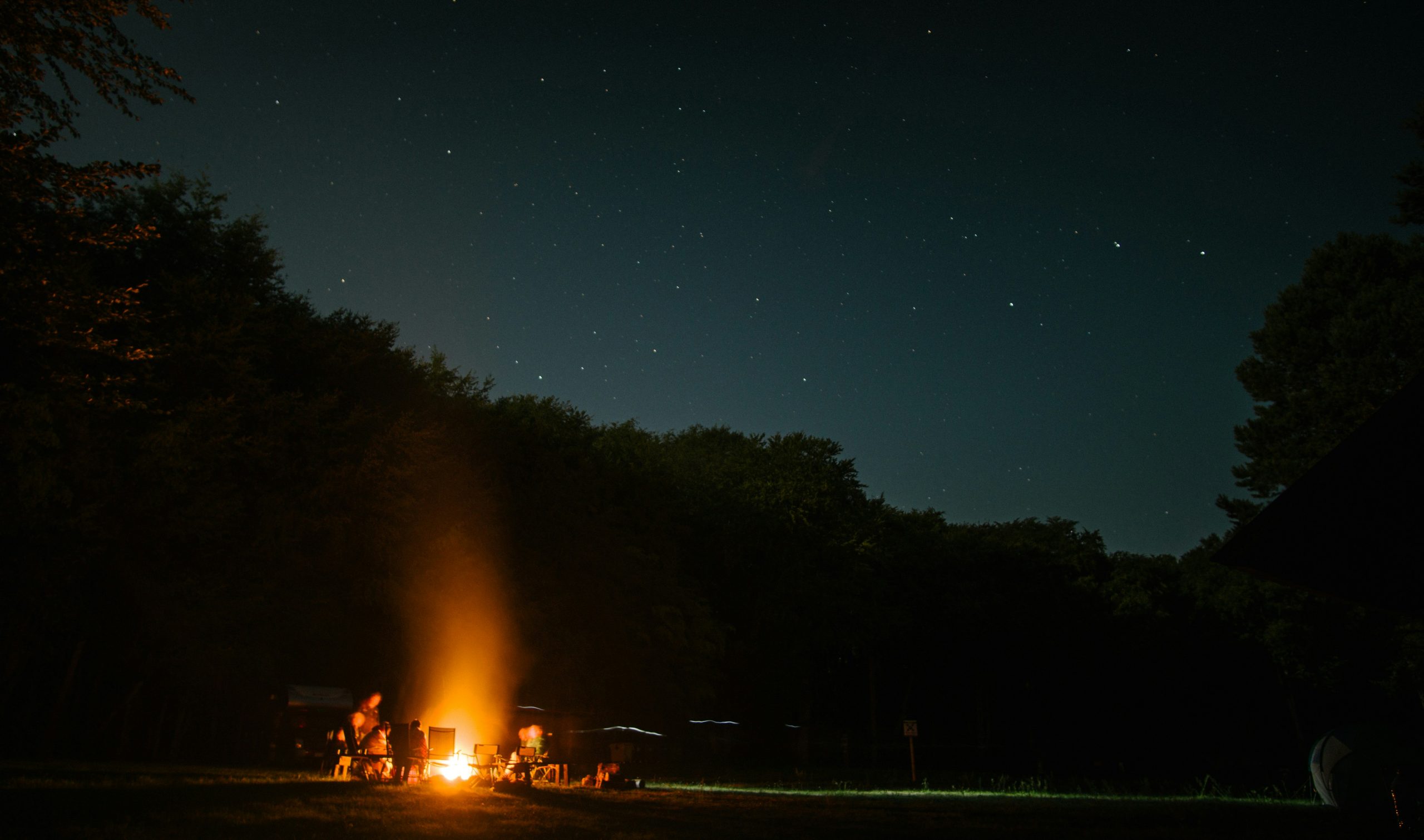
Nighttime doesn’t mean stillness. Fires flicker, wind moves fabric, and people shift under blankets. Use slower shutter speeds to let motion become part of your story. A camper walking with a lantern can leave light trails, or a fire spark might arc through the dark sky. These imperfections give your images character and emotion. Instead of freezing moments, show how camp life breathes and moves because in the dark, life is never truly still.
8. Manage Light Pollution and Exposure Control
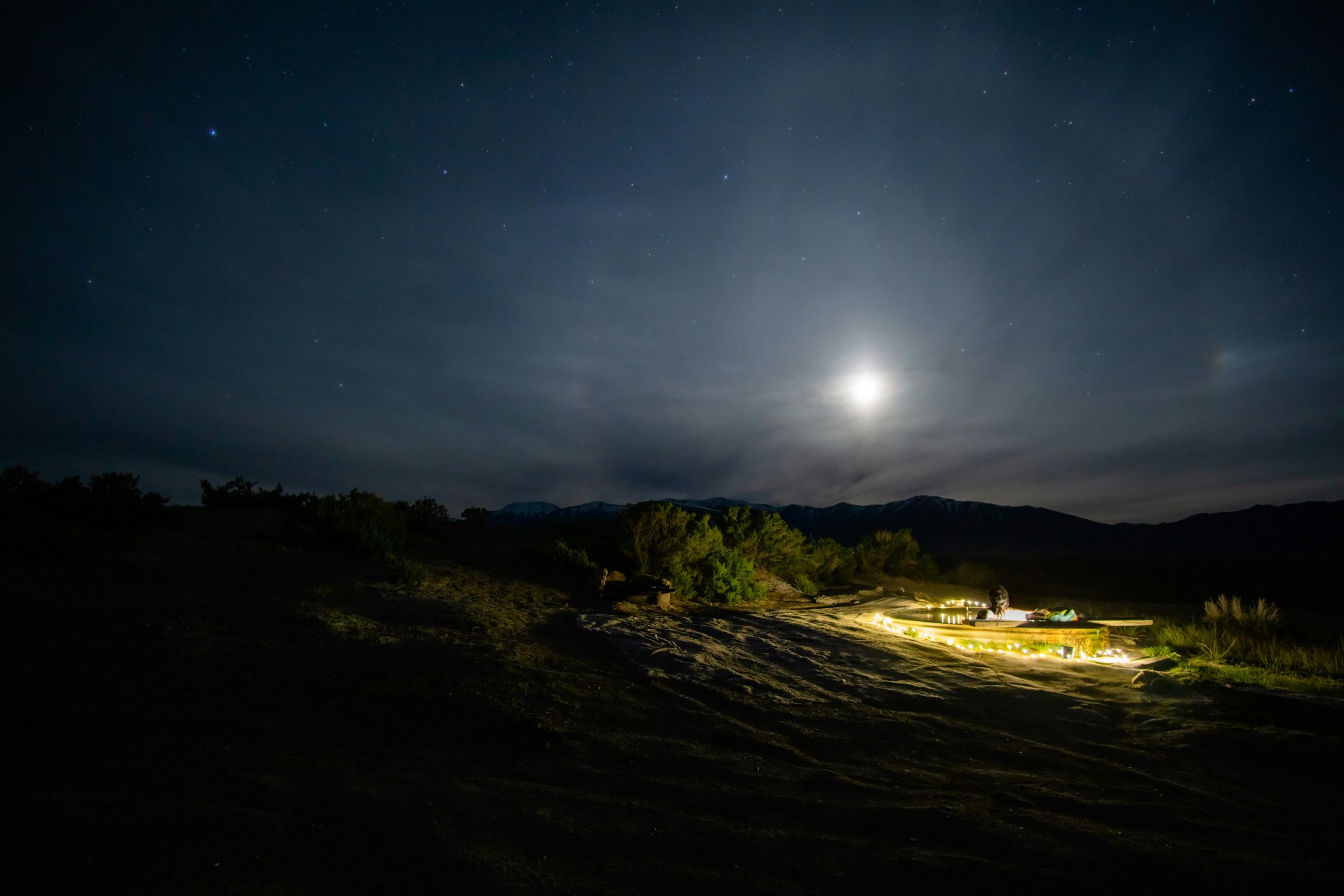
Even deep in the wilderness, unwanted light can spoil a night shot. Nearby camps, headlamps, or even your own lantern can wash out stars or flatten contrast. Scout your scene before shooting and shield stray light sources. Adjust exposure to preserve the delicate balance between sky and subject. The best after-dark photos capture atmosphere, not brightness, showing how wild places truly glow when left to the moon, the fire, and the stars alone.
9. Tell Human Stories, Not Just Landscapes
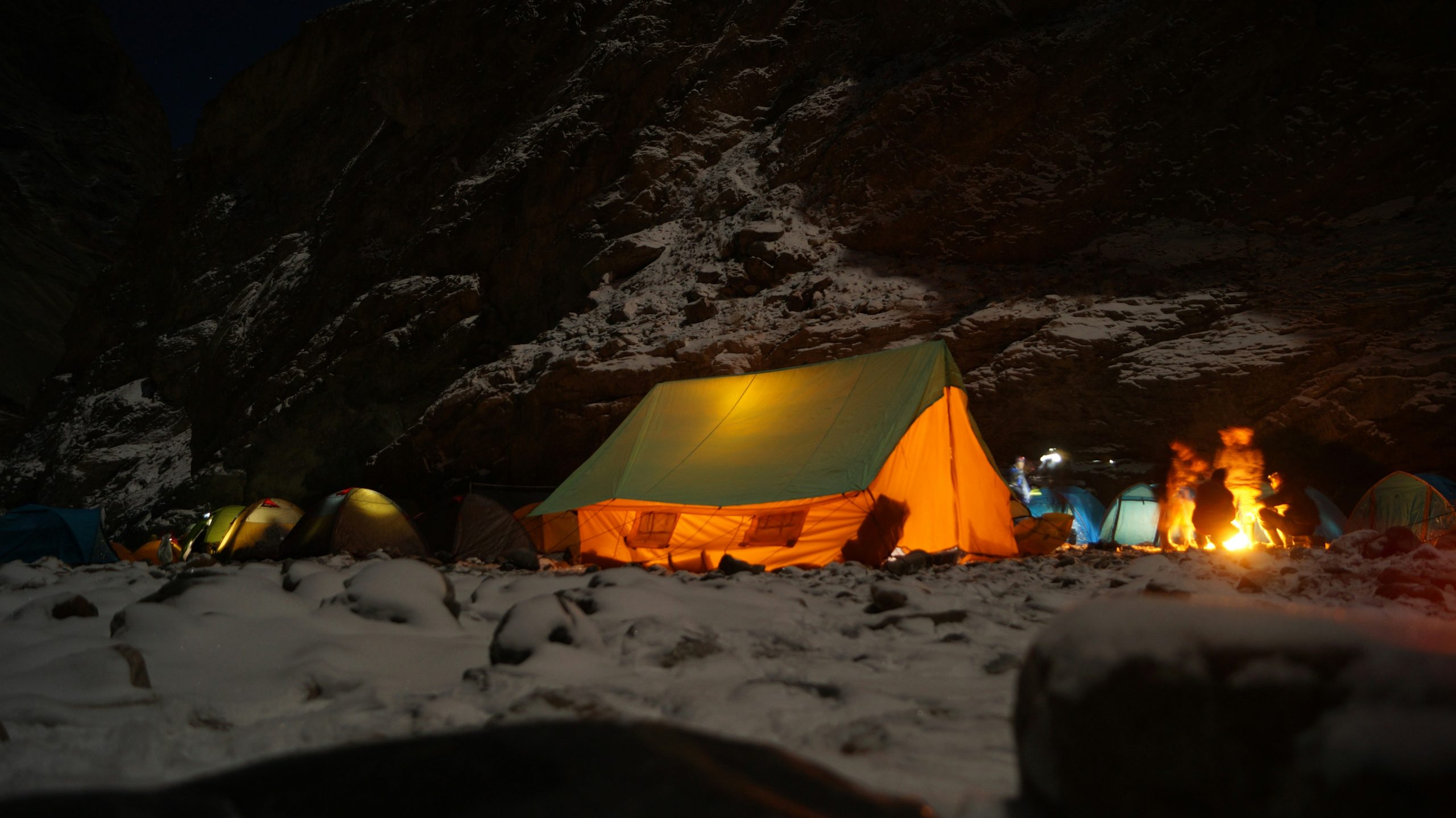
While the stars and trees make stunning backdrops, camp photography shines brightest when people are part of the scene. Capture laughter over a campfire, steam rising from coffee, or boots drying by the flames. These moments give your photos life and relatability. Night photography isn’t only about exposure settings, it’s about connection. Let your camera record not just the light, but the feeling of being out there, alive in the quiet heart of the wilderness.