Many foragers explore backcountry trails with confidence, yet several wild edibles share close visual traits with inedible or toxic species. This overlap creates challenges that require careful attention to plant structure, seasonal growth, and habitat clues. Increased interest in natural foods has pushed hikers to revisit long-standing assumptions about commonly gathered plants. Accurate identification supports safer decisions and highlights how easily mistakes occur, even among those with field experience, when plants grow in transitional or similar environments.
Wild Carrot
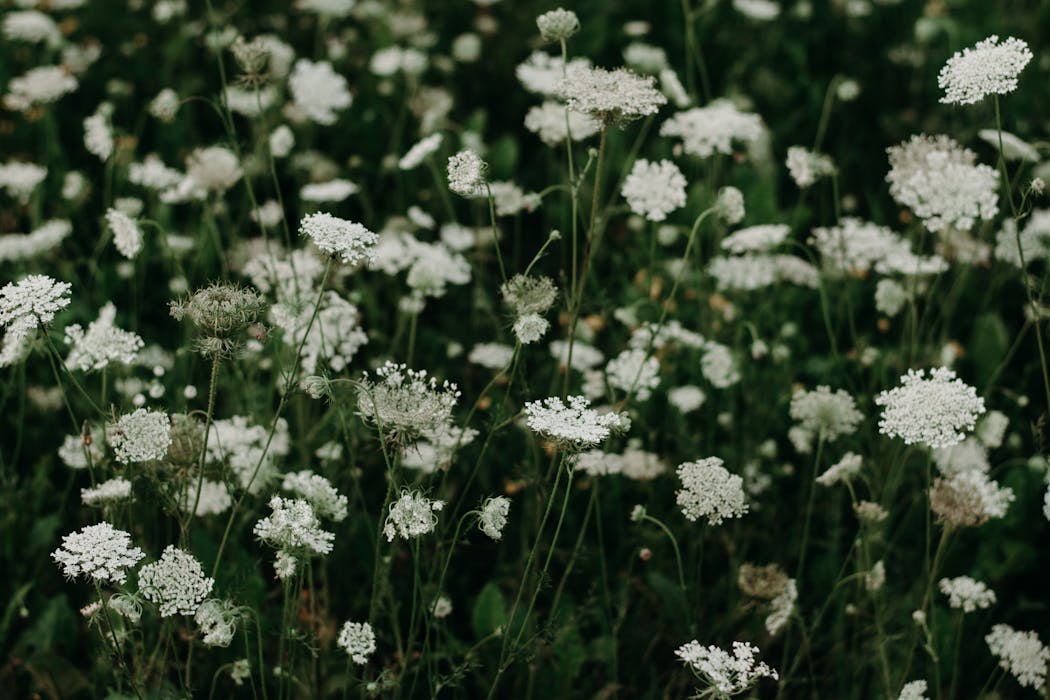
Wild carrot is frequently mistaken for poison hemlock because both plants display finely divided leaves and umbrella-shaped clusters of small white flowers. The edible species typically has hairy stems and a taproot with a distinct carrot-like scent, while hemlock has smooth, often mottled stems. Confusion increases during early growth stages when flowers have not yet formed. Habitat evaluation and close inspection of stem texture help distinguish the two. Proper identification is essential due to hemlock’s potent toxic compounds.
Lamb’s Quarters
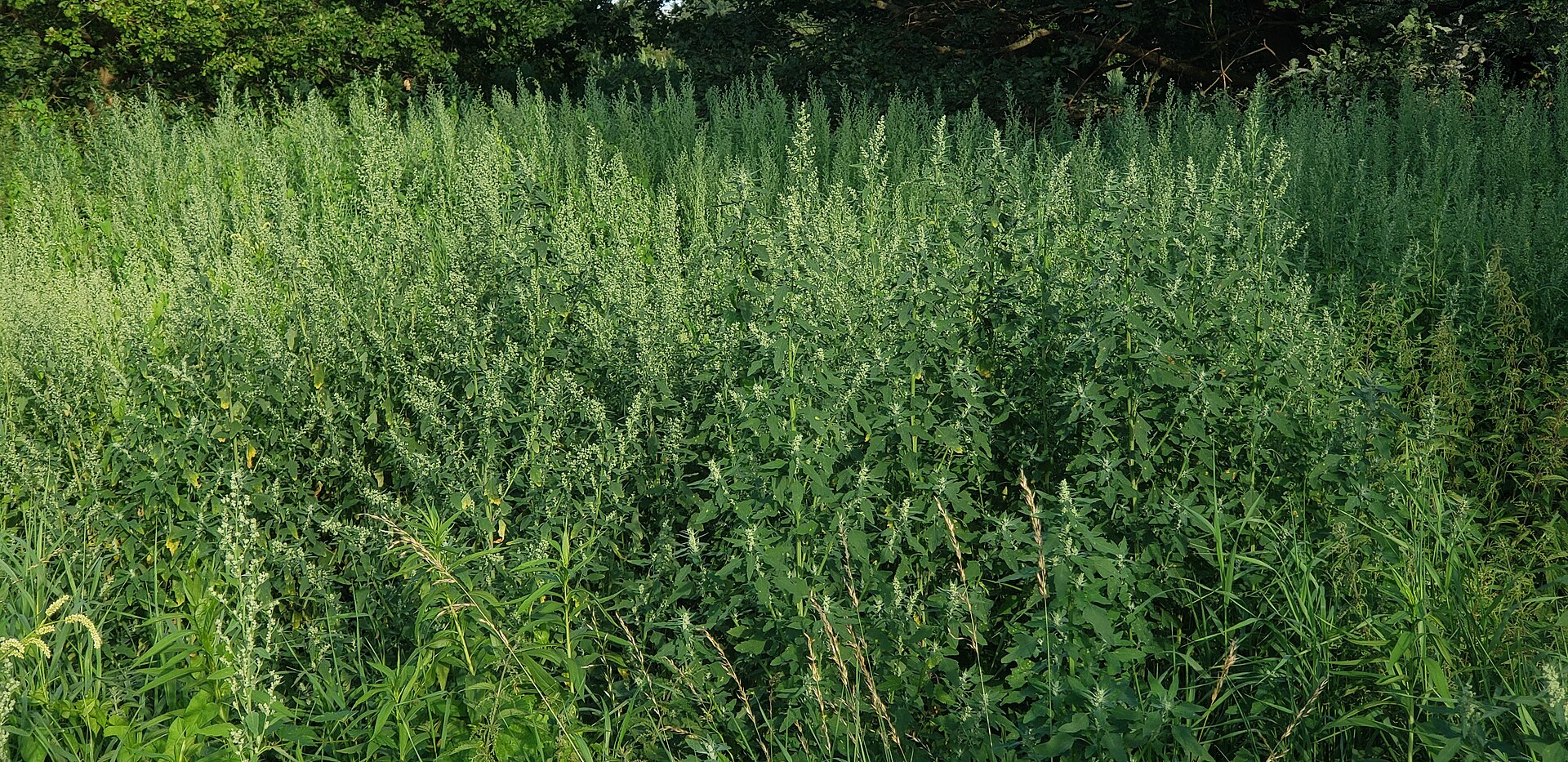
Lamb’s quarters thrives in disturbed soils and is often confused with young pigweed, which shares a similar growth habit. The edible plant features powdery leaf surfaces and a triangular shape that shifts slightly as it matures. Pigweed, by contrast, tends to have glossier leaves and thicker stems. Misidentification often occurs when gathering leaves quickly without examining texture or overall structure. Lamb’s quarters offers notable nutritional value, making clear differentiation important during foraging in open fields and garden edges.
Bunchberry
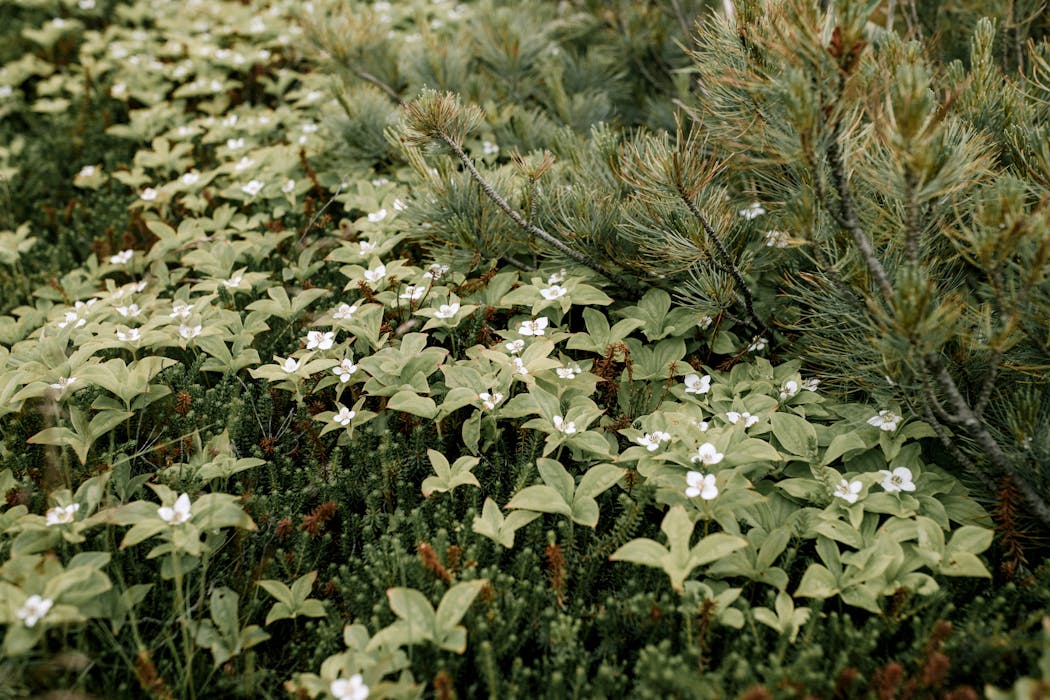
Bunchberry grows in cool, shaded forests across northern regions and produces smooth red berries late in the season. Its low-growing habit and clustered leaves can resemble several inedible woodland berries that occupy similar terrain. The plant’s distinctive white floral bracts appear earlier in the year, but once fallen, hikers may rely solely on leaf and berry appearance, increasing confusion. Understanding its whorled leaf arrangement and berry formation supports accurate recognition. While edible, the bunchberry is mild and most valuable for identification practice.
Wild Leek
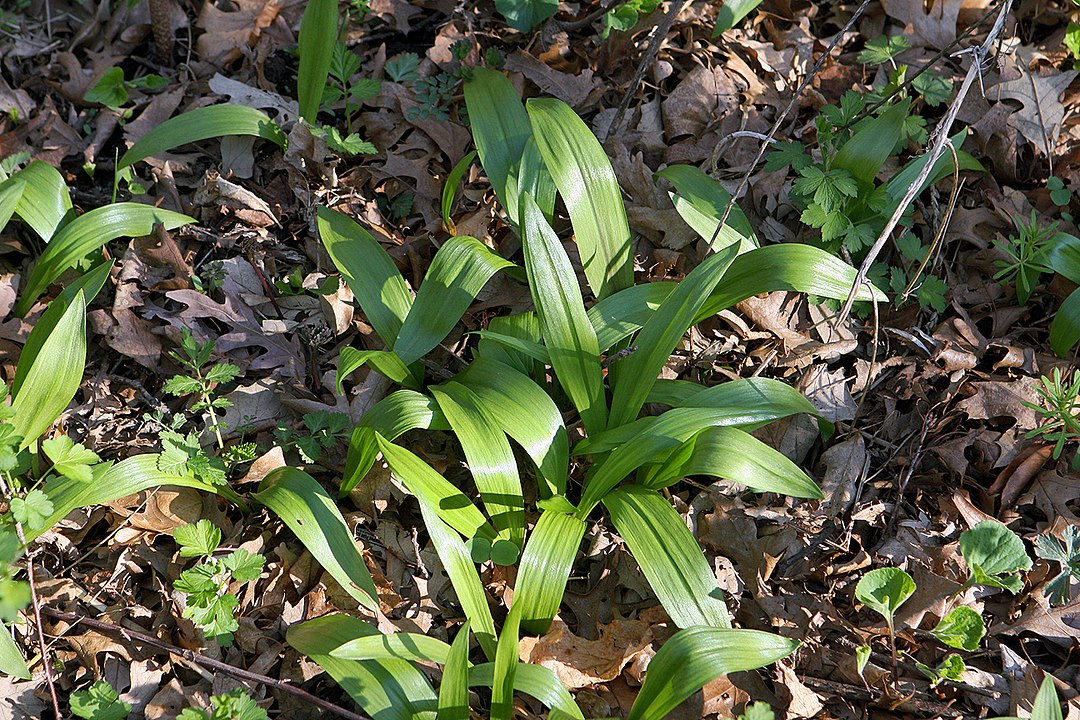
Wild leek, also known as ramp, emerges in early spring and is often mistaken for lily-of-the-valley due to similar broad, green leaves. Although wild leek produces an onion-like aroma when crushed, visual similarity leads to misidentification, particularly when leaves first appear. Lily-of-the-valley contains cardiac glycosides that make the mix-up dangerous. Studying growth timing, leaf bases, and habitat patterns helps differentiate the species. Wild leek holds cultural importance in regional cuisines, increasing interest in careful identification.
Sheep Sorrel
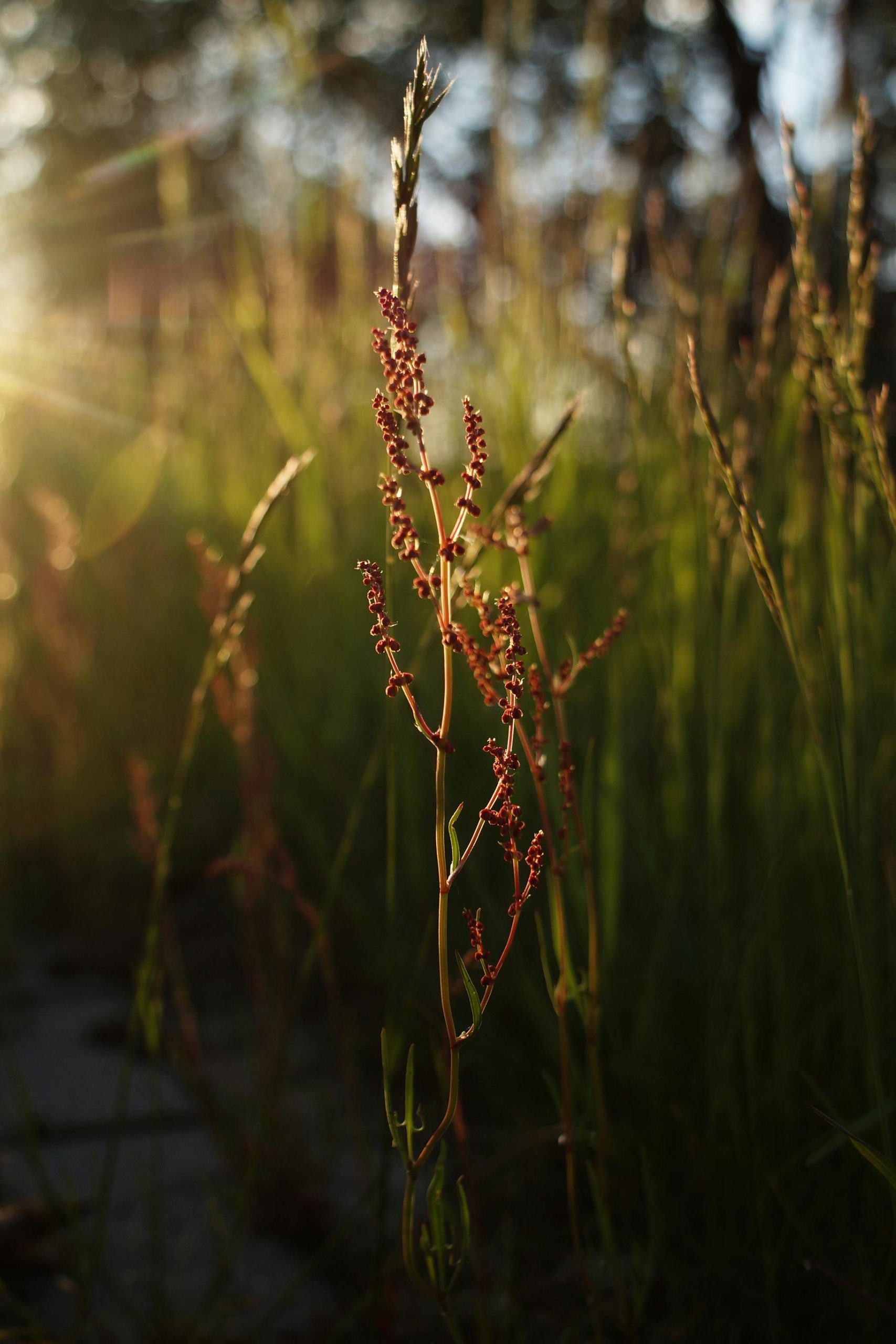
Sheep sorrel grows in meadows and sandy soils, displaying arrow-shaped leaves that resemble those of several non-edible dock varieties. Its tangy flavor and reddish seed stalks develop later in the season, but young plants are easily confused with other sorrels or docks. Detailed inspection of leaf bases and overall growth size improves accuracy. Sheep sorrel provides a mild acidic taste valued in traditional recipes. Correct identification supports safe foraging, especially in areas where multiple Rumex species grow together.
Chicory
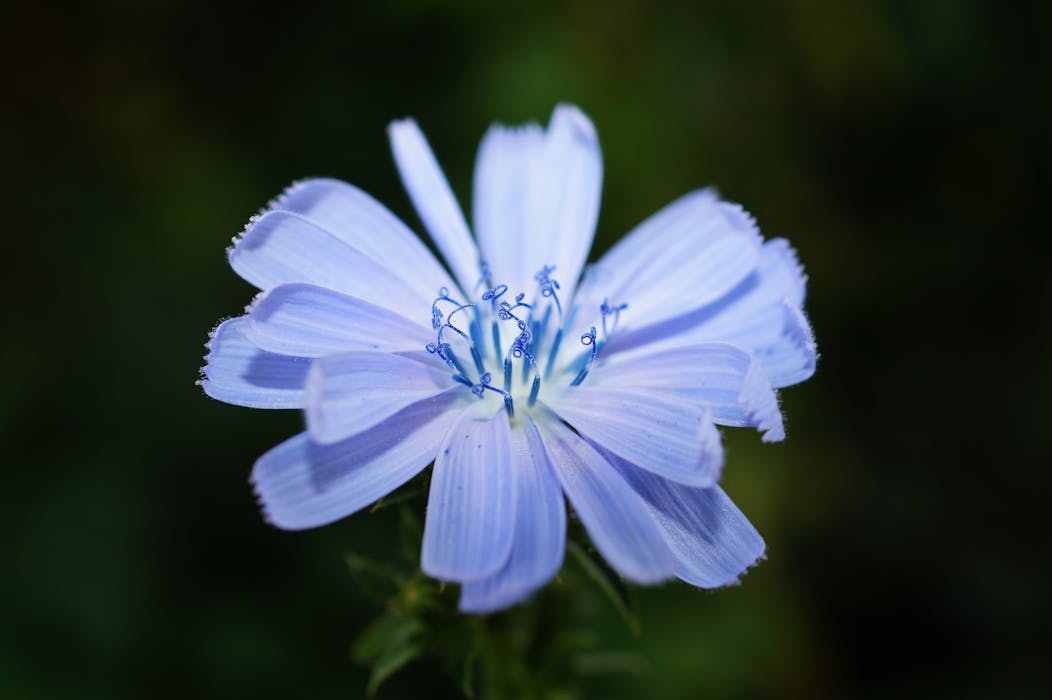
Chicory features blue, daisy-like flowers and grows in meadows, roadsides, and pastures where it frequently blends with other aster family members. Its early leaves resemble those of dandelion, creating additional uncertainty before flowering begins. The edible roots and leaves require precise identification to avoid confusion with bitter, inedible lookalikes. Checking the plant’s branching structure and flower shape helps ensure accuracy. Chicory has culinary and medicinal uses, making recognition of its distinctive traits important for responsible gathering.
Wood Sorrel

Wood sorrel is often mistaken for clover because both plants grow low to the ground and feature three-part leaves. Unlike clover’s rounded leaflets, wood sorrel displays heart-shaped segments with a delicate crease down the center. Confusion increases in shaded forests where lighting makes distinctions subtle. Its lemon-like flavor arises from oxalic acid, encouraging interest from foragers. Recognizing differences in leaf shape and flower appearance helps prevent mistakes, particularly in mixed patches where clover and sorrel grow together.
Elderberry
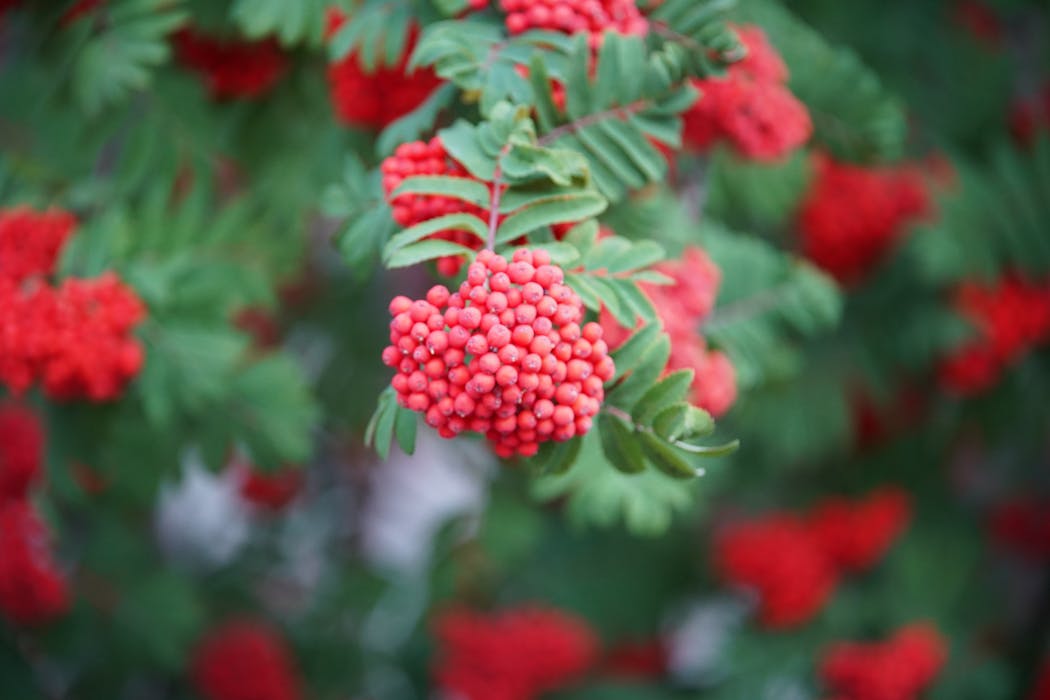
Elderberry shrubs produce large clusters of dark berries that resemble several inedible or mildly toxic species found in forest edges and open fields. The plant’s compound leaves and umbrella-shaped fruiting heads help distinguish it from impostors. Raw elderberries require proper cooking because stems, leaves, and unripe fruit contain cyanogenic compounds. Misidentification commonly occurs during early fruit formation when color and cluster size vary. Accurate identification ensures safer harvesting for culinary uses such as syrups and preserves.
Field Garlic
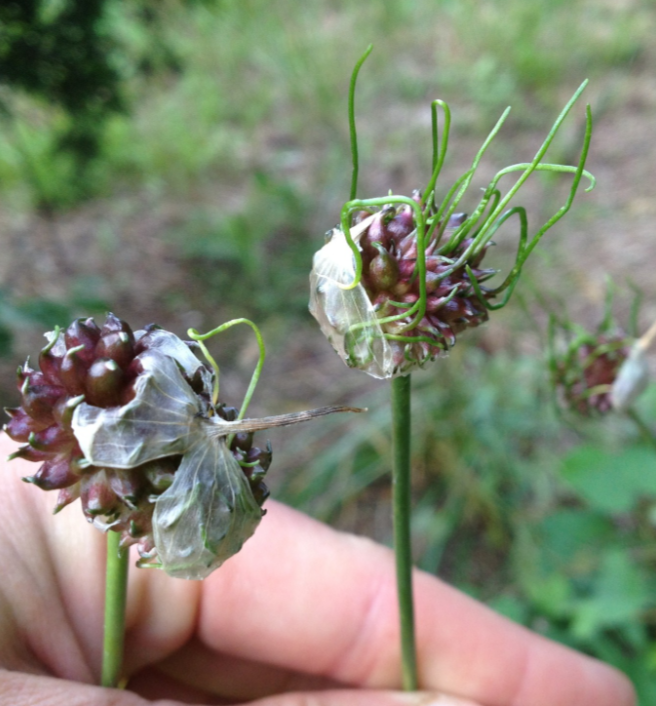
Field garlic resembles various grasslike plants that emerge early in spring, often forming dense patches across meadows and lawns. Its thin, tubular leaves and hollow stems differentiate it from false garlic or wild onion, which may share a similar structure but lack the strong garlic scent released when crushed. Misidentification happens when scent is not checked or when plants grow intermixed with unrelated grasses. Field garlic provides a potent flavor in cooking, making accurate recognition essential during foraging.