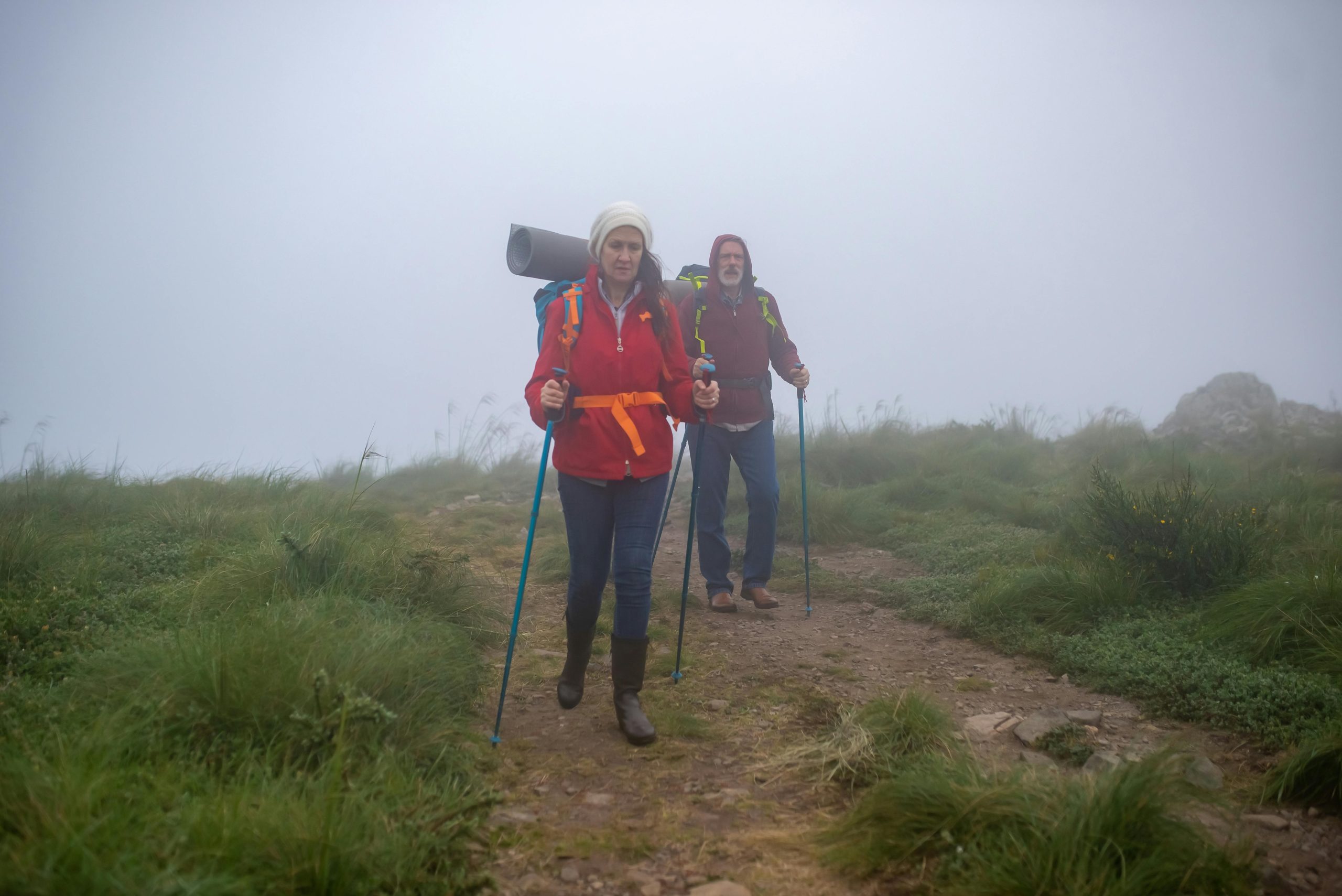
Staying strong on the trail after 50 is less about pushing harder and more about training smarter. Your body responds differently with age, and building endurance becomes a combination of thoughtful conditioning, steady progression, and proper recovery. These nine methods focus on safe, practical steps that help you move with confidence and enjoy longer hikes without feeling worn out. With the right habits, the miles become smoother, more manageable, and far more enjoyable.
1. Start With Low-Impact Cardio Conditioning

Low-impact cardio helps build a dependable fitness base without putting unnecessary strain on aging joints. Activities like brisk walking, cycling, or swimming slowly increase heart and lung strength while staying easy on your knees and hips. Consistency matters more than intensity at this stage, so short sessions several times a week can make a big difference. Over time, this basic conditioning makes long hikes feel steadier and far less exhausting.
2. Add Strength Training to Support Key Muscles
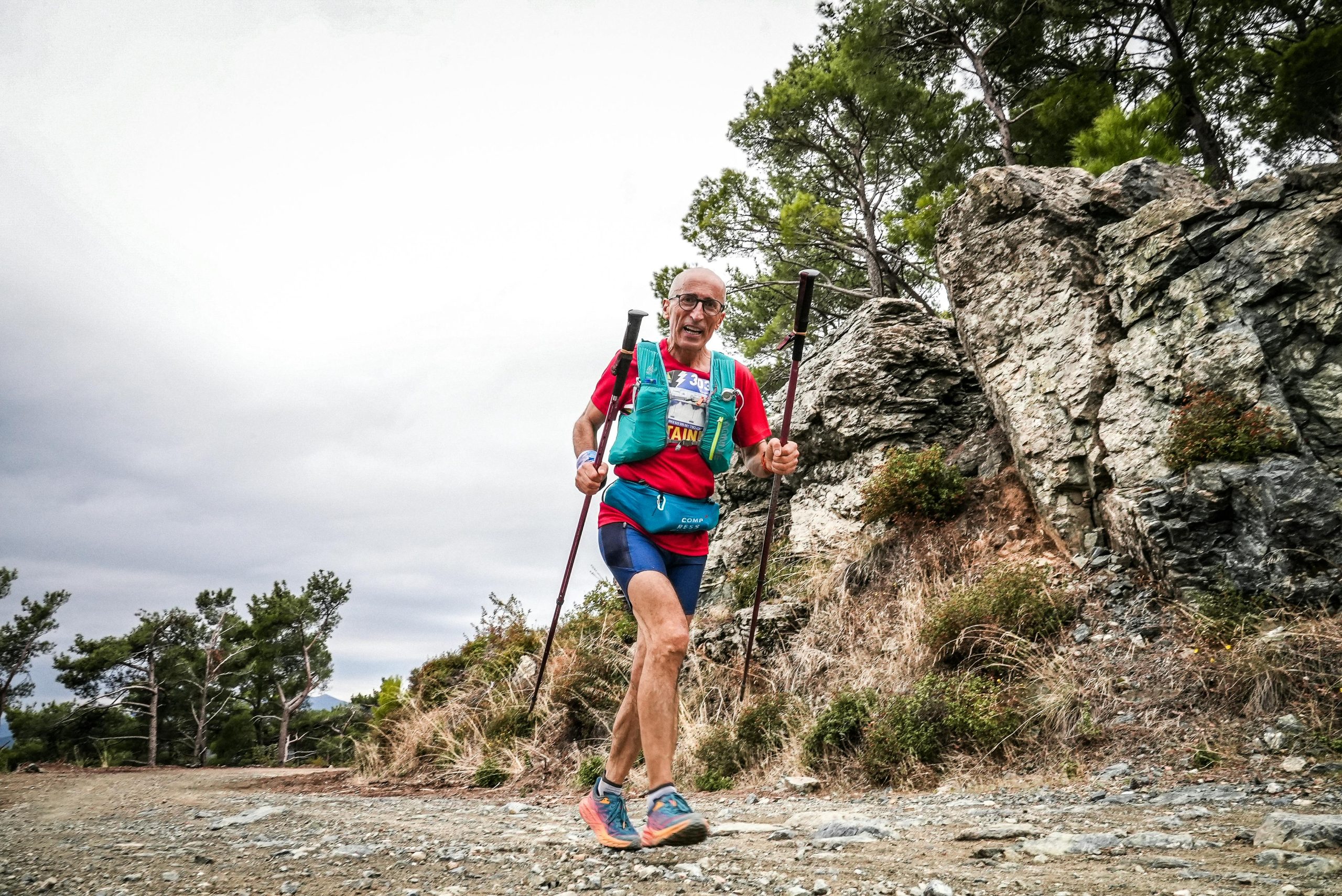
Strength training becomes vital after 50 because muscle mass naturally declines, making climbing and uneven terrain more demanding. Focusing on your legs, core, and hips helps distribute effort more evenly during hikes. Simple movements like lunges, step-ups, and resistance training build stability and reduce the chance of fatigue. Training two or three times a week keeps your body strong enough to handle longer distances and more challenging trails.
3. Practice Interval Walking on Local Trails

Interval walking trains your body to manage changes in pace and terrain, much like real hiking conditions. Alternating between normal walking and short bursts of quicker steps challenges your cardiovascular system without overwhelming it. This method builds stamina gradually, making long climbs feel more manageable. Practicing on hills, neighborhood paths, or local parks helps you adapt to varying terrain and boosts confidence before taking on extended backcountry trails.
4. Increase Pack Weight Gradually During Training

Carrying a pack during training prepares your muscles and posture for the real demands of hiking. Starting with a very light load and slowly adding weight helps build shoulder, back, and leg strength without causing strain. This steady progression teaches your body how to handle the extra pressure of gear on longer trips. It also improves balance and stability, making rugged trails feel easier and reducing the risk of fatigue during extended hikes.
5. Improve Flexibility Through Daily Stretching

Stretching every day keeps your muscles loose and reduces stiffness, which often increases after 50. Targeting the calves, hips, hamstrings, and lower back improves overall mobility and helps you move more naturally on the trail. Even a short routine can prevent the tightness that leads to discomfort during long hikes. Better flexibility also speeds up recovery and helps prevent small strains that could otherwise slow down your progress on future outings.
6. Strengthen Your Core for Better Stability

A strong core is essential for hikers over 50 because it supports balance, posture, and efficient movement on uneven terrain. Exercises like bridges, planks, and controlled torso rotations help stabilize your spine and reduce pressure on your lower body. When your core can carry more of the workload, your legs don’t tire as quickly. With regular training, you’ll notice smoother strides, better stability, and greater endurance during long-distance treks.
7. Fuel and Hydrate Properly Before and During Hikes

Proper fueling becomes more important as your metabolism and hydration cues change with age. Eating slow-burning carbohydrates and lean protein before a hike gives your body long-lasting energy. Drinking water consistently, not just when you feel thirsty, helps prevent fatigue and keeps your muscles working efficiently. Carrying snacks like trail mix or fruit provides quick boosts when energy dips. Good nutrition habits make long hikes more comfortable and far more enjoyable.
8. Focus on Recovery Days as Much as Training

Recovery days play a major role in building endurance when you’re over 50. Muscles take longer to repair and strengthen, so rest is just as important as exercise. Light activities like easy walking or stretching keep your body moving without adding strain. Listening to early signs of soreness helps prevent overtraining. When recovery becomes part of your routine, every hike feels smoother, and your stamina grows more naturally and consistently.
9. Build Consistency With Short, Frequent Hikes

Short, regular hikes build endurance more effectively than occasional long outings. Frequent movement trains your legs, lungs, and joints in a steady, manageable way. Even twenty- to forty-minute hikes several times a week help develop trail readiness without overwhelming your body. This consistent approach increases confidence and makes longer hikes feel less intimidating. Over time, the accumulated miles add strength, resilience, and a smoother rhythm on extended adventures.