
Smartphones influence survival behavior in subtle yet powerful ways. Constant connectivity reshapes how people assess risk, seek help, and make decisions under pressure. Navigation tools reduce reliance on memory, while instant communication alters response timing. Information access changes preparation habits, sometimes improving safety and sometimes creating dependence. Attention patterns shift, affecting awareness of surroundings. These changes occur gradually, often unnoticed, until critical moments reveal their impact. Survival instincts still exist, but technology mediates how they activate. These nine shifts illustrate how smartphones quietly redefine human survival behavior, altering instincts shaped over centuries and replacing them with digital habits that influence judgment, resilience, and adaptability during emergencies.
Reduced Situational Awareness

Smartphones often reduce situational awareness by diverting attention from immediate surroundings. Notifications, messages, and screens pull focus inward, limiting observation of environmental cues. In survival contexts, this distraction delays recognition of danger, such as weather changes, terrain risks, or approaching threats. People rely on alerts instead of scanning environments actively. Over time, habitual phone use weakens instinctive vigilance. When devices fail or signals disappear, users may struggle to recalibrate attention. This shift quietly changes survival behavior by prioritizing digital input over sensory awareness, altering how quickly individuals detect and respond to emerging risks in unfamiliar or hazardous situations.
Dependence On GPS Navigation
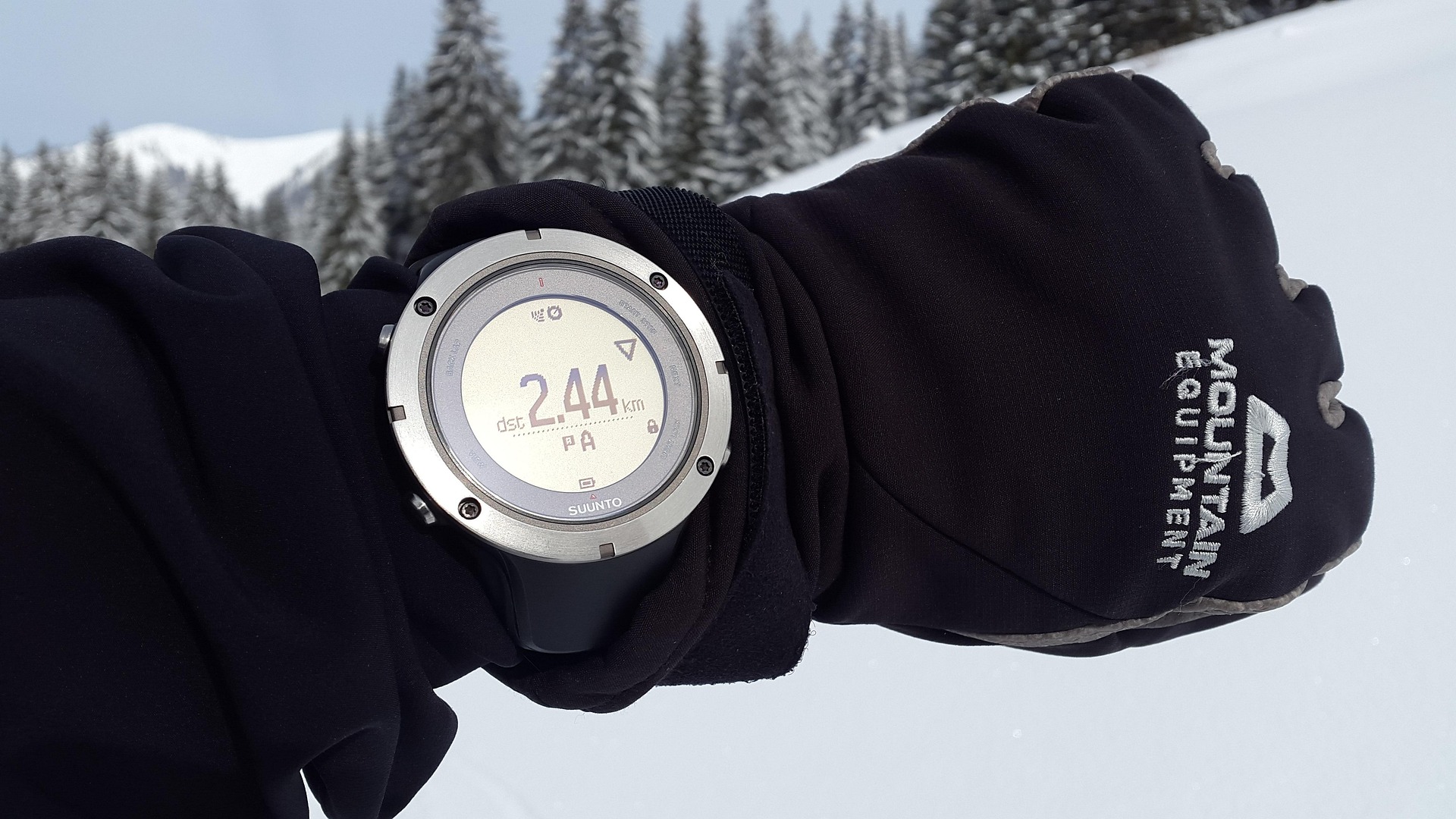
Smartphones replace traditional navigation skills with GPS reliance. Users follow turn by turn directions without forming mental maps. In survival situations, this dependence becomes risky when batteries die or signals drop. People may struggle to orient using landmarks, sun position, or terrain features. Spatial memory weakens through disuse. Confidence shifts from internal knowledge to external devices. This change quietly alters survival behavior by reducing self navigation skills. When technology fails, disorientation increases stress and decision errors. Over time, smartphones reshape how humans understand space, making survival more dependent on uninterrupted digital guidance rather than adaptable environmental awareness and learned orientation techniques.
Altered Risk Assessment
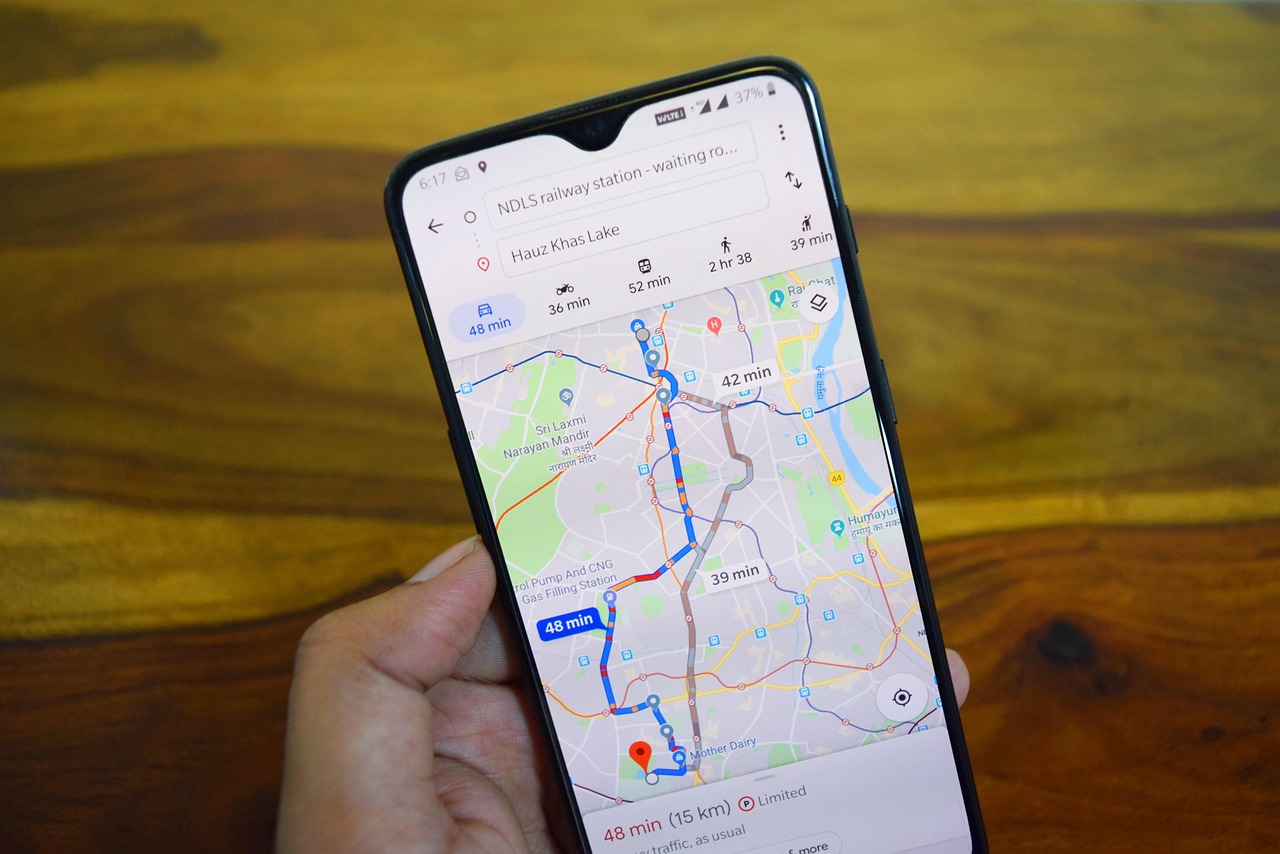
Smartphones change how people assess risk by offering constant reassurance. Access to weather updates, maps, and emergency services can create perceived safety. This confidence may encourage riskier behavior, such as venturing farther or delaying evacuation. People assume help remains reachable. In survival scenarios, overconfidence can reduce caution. When conditions change rapidly, reliance on updates may lag reality. The brain recalibrates danger thresholds based on connectivity. This shift quietly alters survival behavior, replacing conservative instincts with technology mediated judgment. When digital support disappears, individuals may face risks they underestimated, revealing how smartphones subtly reshape decision making under uncertain or extreme conditions.
Delayed Physical Response
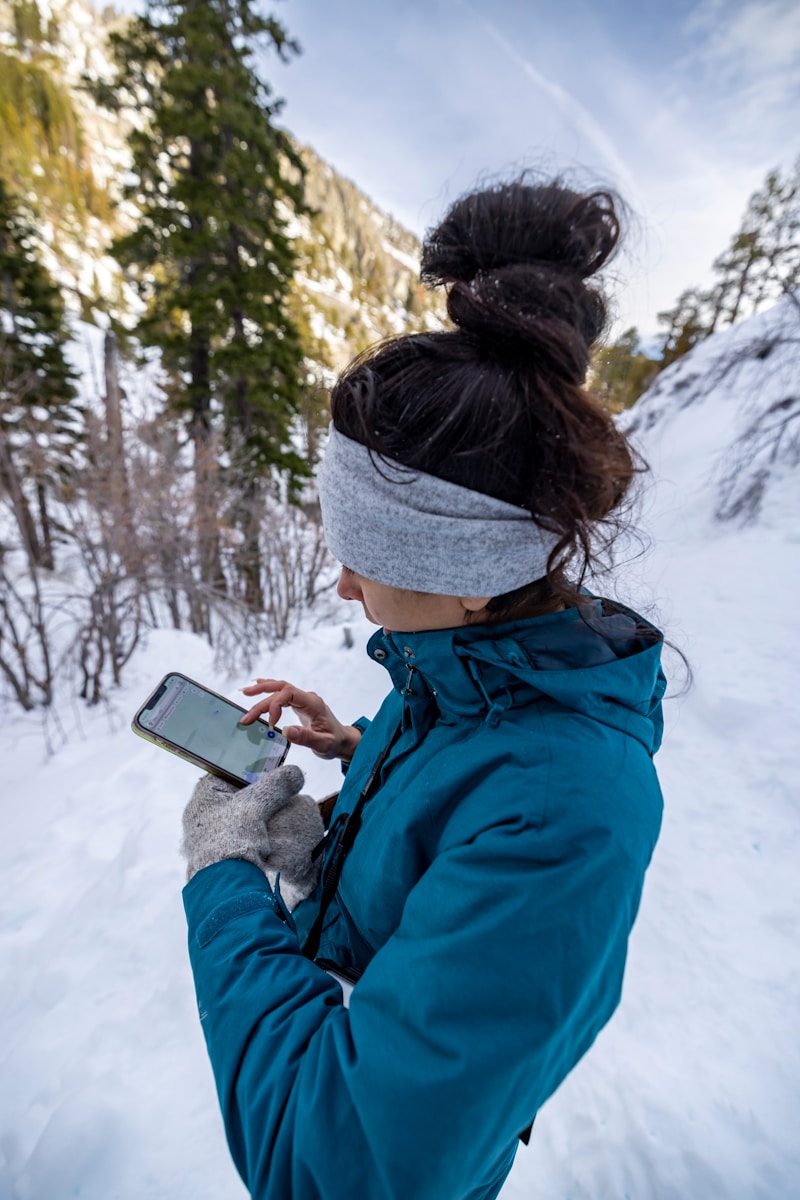
Smartphones can delay physical response during emergencies. People often pause to check information, record events, or contact others before acting. This hesitation can waste critical seconds during fires, accidents, or natural disasters. Survival instincts traditionally favor immediate action. Smartphone habits introduce a verification step. Individuals seek confirmation through screens rather than trusting perception. This behavioral shift quietly alters response timing. When danger escalates quickly, delays increase harm. Over time, survival behavior adapts to information seeking first, action second. This reordering reflects how smartphones reprogram urgency, prioritizing communication and documentation over rapid movement, escape, or protective actions in high risk situations.
Outsourced Memory And Skills
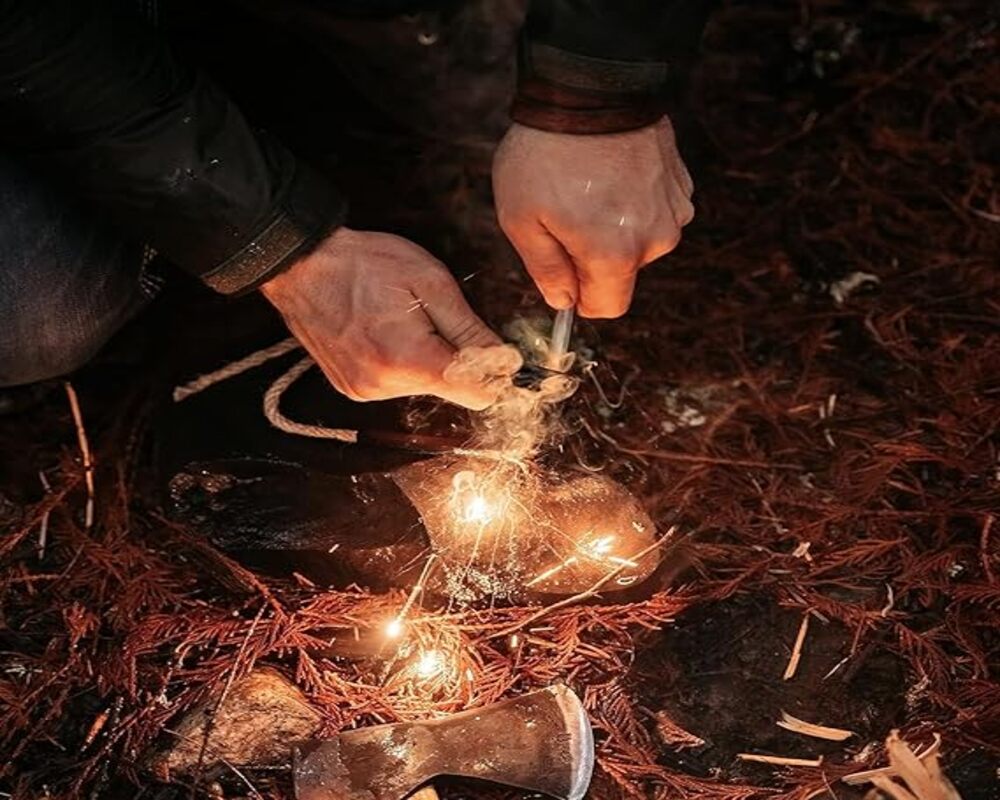
Smartphones externalize memory and practical skills. Contacts, instructions, emergency procedures, and survival knowledge live on devices. People memorize less and practice fewer skills. In emergencies without access, recalling steps becomes difficult. This outsourcing weakens long term retention of critical information. Survival once depended on internalized knowledge. Smartphones shift reliance outward. This quiet change affects preparedness. Individuals may know how to search for help but not how to act independently. When technology fails, the gap becomes clear. Survival behavior increasingly depends on stored data rather than learned competence, altering resilience and adaptability during prolonged or isolated emergencies.
Changed Help Seeking Behavior
Smartphones redefine how people seek help. Emergency calls, messaging, and location sharing replace physical signaling or travel. Individuals may stay in place waiting for rescue rather than self evacuating. This behavior assumes connectivity and response. In remote or overwhelmed situations, waiting increases danger. Traditional survival favors proactive movement. Smartphones encourage passive reliance. This quiet shift changes decision priorities. People assess survival options through digital reach rather than physical capability. When networks fail, hesitation persists. Survival behavior becomes conditioned to expect rapid external assistance, reducing initiative and altering how individuals balance self rescue against communication based solutions during crises.
Increased Social Dependency
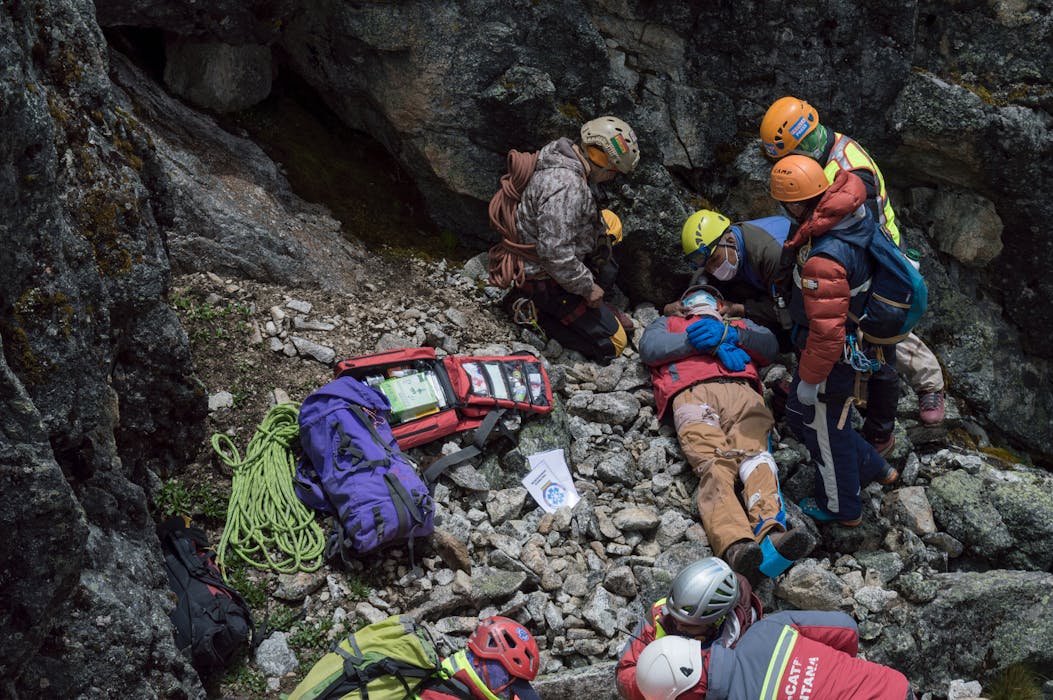
Smartphones increase social dependency during emergencies. People seek reassurance through contact with others before acting. Group consensus replaces individual judgment. Delays occur while awaiting responses. Survival situations often demand independent decisions. Smartphones encourage shared processing. This can reduce panic but also slow action. The brain adapts to collaborative decision making mediated by technology. In isolation, confidence drops. This quiet change reshapes survival behavior by linking safety perception to social connectivity. When alone or disconnected, individuals may struggle to trust instincts. Smartphones subtly shift survival from solitary problem solving toward network dependent reassurance and coordination, altering how humans cope under pressure.
Documentation Over Action
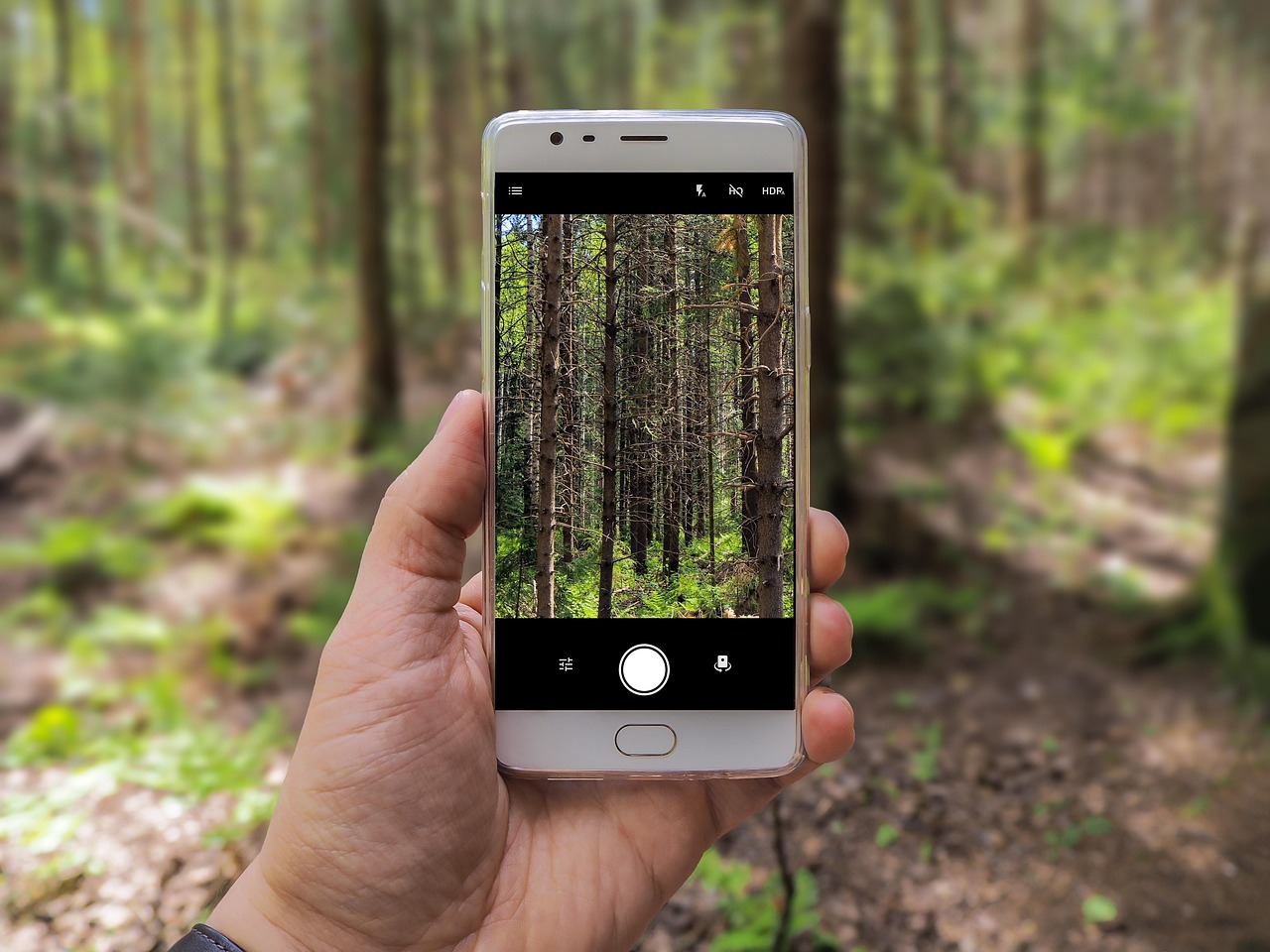
Smartphones encourage documentation during crises. People record videos, take photos, or post updates instead of acting immediately. This behavior reflects social conditioning and information habits. In survival situations, documentation diverts attention and time. Instinctive responses compete with recording impulses. This quiet shift alters priorities. The brain weighs capturing events against escaping them. While documentation has value, it can increase risk. Survival behavior historically favored action over observation. Smartphones introduce a parallel goal. Over time, this changes how people respond to danger, blending survival instincts with performative or informational behaviors shaped by constant digital presence.
False Sense Of Preparedness

Smartphones create a false sense of preparedness. Access to information feels equivalent to readiness. People assume they can learn survival skills instantly. This belief reduces proactive training and planning. In real emergencies, stress impairs learning. Without practiced skills, information becomes less useful. Smartphones mask unpreparedness until failure occurs. This quiet change alters survival behavior by replacing rehearsal with confidence. Individuals trust devices more than preparation. When batteries die or signals vanish, vulnerability increases. Survival depends on practiced response, not searchable knowledge. Smartphones subtly redefine preparedness, shifting focus from embodied skill to perceived access, altering outcomes during critical moments.