Venturing into the great outdoors requires meticulous preparation and a deep respect for the unpredictable forces of nature. Many enthusiasts underestimate how quickly a simple day hike can transform into a life threatening emergency due to a single poor decision. Understanding these common pitfalls helps adventurers maintain safety while exploring remote regions or local trails. Expert survivalists emphasize that mental clarity and proper equipment serve as the primary defenses against environmental hazards. This guide identifies nine significant errors that frequently result in individuals becoming stranded without a clear path to safety or a reliable way to signal for professional help.
Neglecting To Share Travel Plans
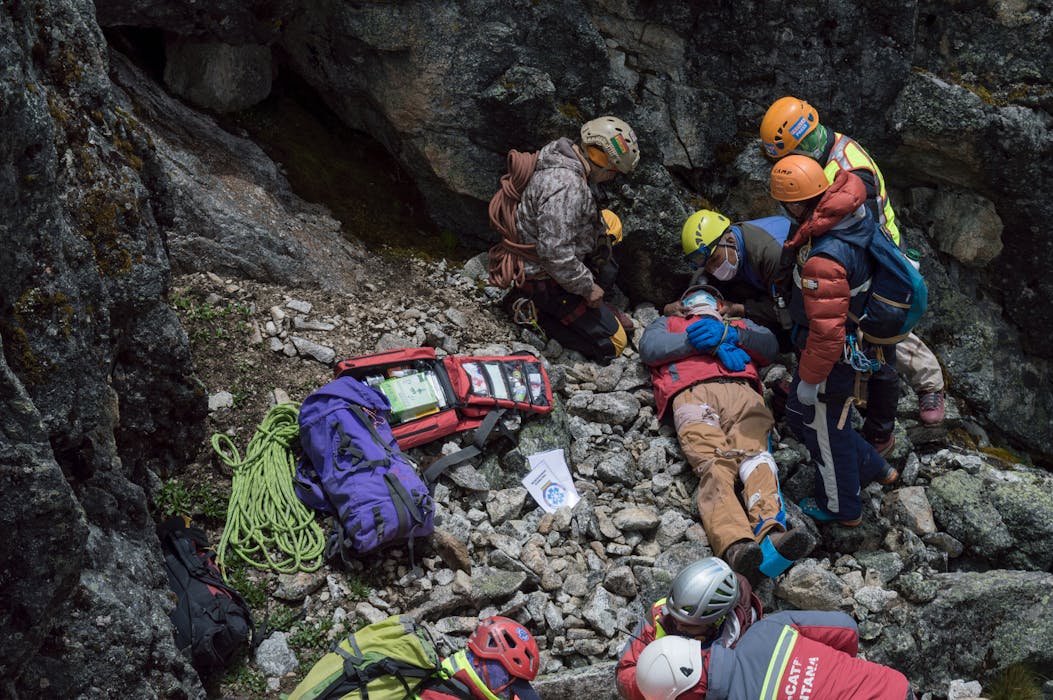
The most dangerous error involves departing for a remote destination without informing a reliable person about the specific route and expected return time. If an emergency occurs and no one knows where to begin searching the chances of a timely rescue diminish rapidly. Modern technology offers various satellite tracking options yet a simple written itinerary remains a fundamental safety requirement for every trekker. Emergency responders rely on this information to narrow down search grids and deploy resources efficiently across vast terrain. Skipping this basic step creates an unnecessary wall of silence between a lost individual and potential life saving assistance.
Relying Solely On Electronic Navigation

Handheld global positioning systems and smartphone applications offer incredible convenience but these devices remain vulnerable to battery failure or signal loss in deep canyons. Hikers who fail to carry a traditional paper map and a magnetic compass find themselves completely helpless when digital screens go dark. Mastery of basic land navigation ensures that a traveler can still identify their location and find a safe route home without needing a satellite connection. Relying exclusively on high tech tools is a major gamble that often leads to total disorientation in dense forests or rugged mountain ranges where landmarks look identical.
Failing To Carry Fire Starters

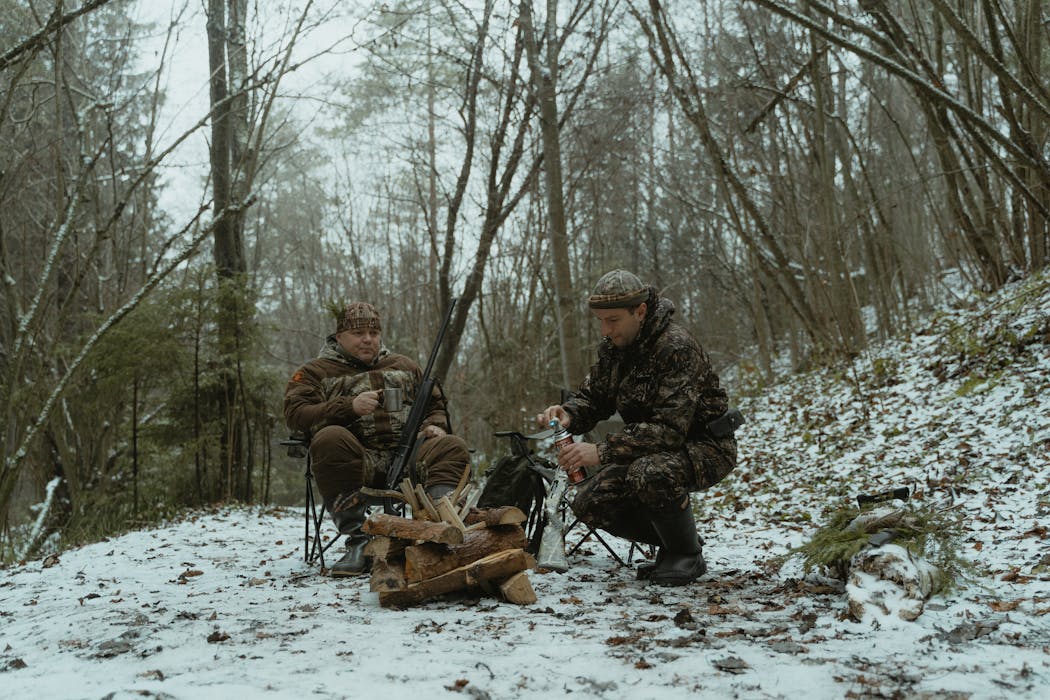
Hypothermia remains a leading cause of death in the wilderness even during the mild summer months when temperatures drop significantly after sunset. Many people mistakenly believe they can easily start a fire using primitive methods they saw on television but reality proves much more difficult. Carrying multiple waterproof ignition sources like storm matches or a ferrocerium rod provides a critical safety net for warmth and signaling. A fire provides the necessary heat to dry damp clothing and boil water for hydration in an emergency. Without a reliable flame a stranded person faces a long and dangerously cold night outdoors.
Wearing Cotton Clothing Materials
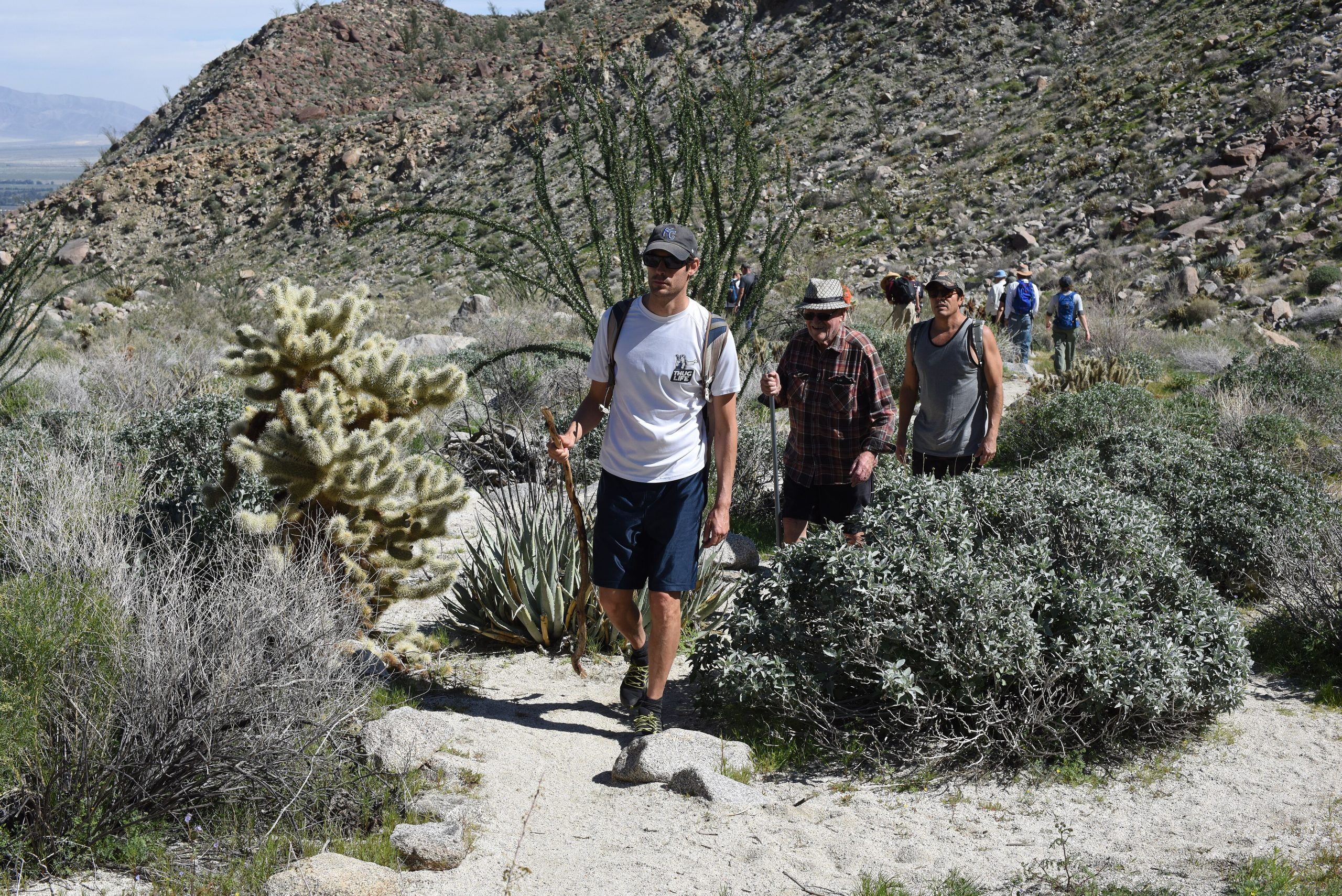
Outdoor experts frequently warn that cotton is a terrible choice for backcountry excursions because it absorbs moisture and loses all insulating properties when wet. This material traps cold water against the skin which accelerates the cooling of the core body temperature and leads to rapid exhaustion. Choosing synthetic fabrics or merino wool ensures that moisture wicks away from the body and provides warmth even if the hiker gets caught in a sudden rainstorm. This simple change in wardrobe can mean the difference between staying comfortable and facing a medical crisis. Proper layering remains the gold standard for survival in variable weather.
Wandering Away From The Trail
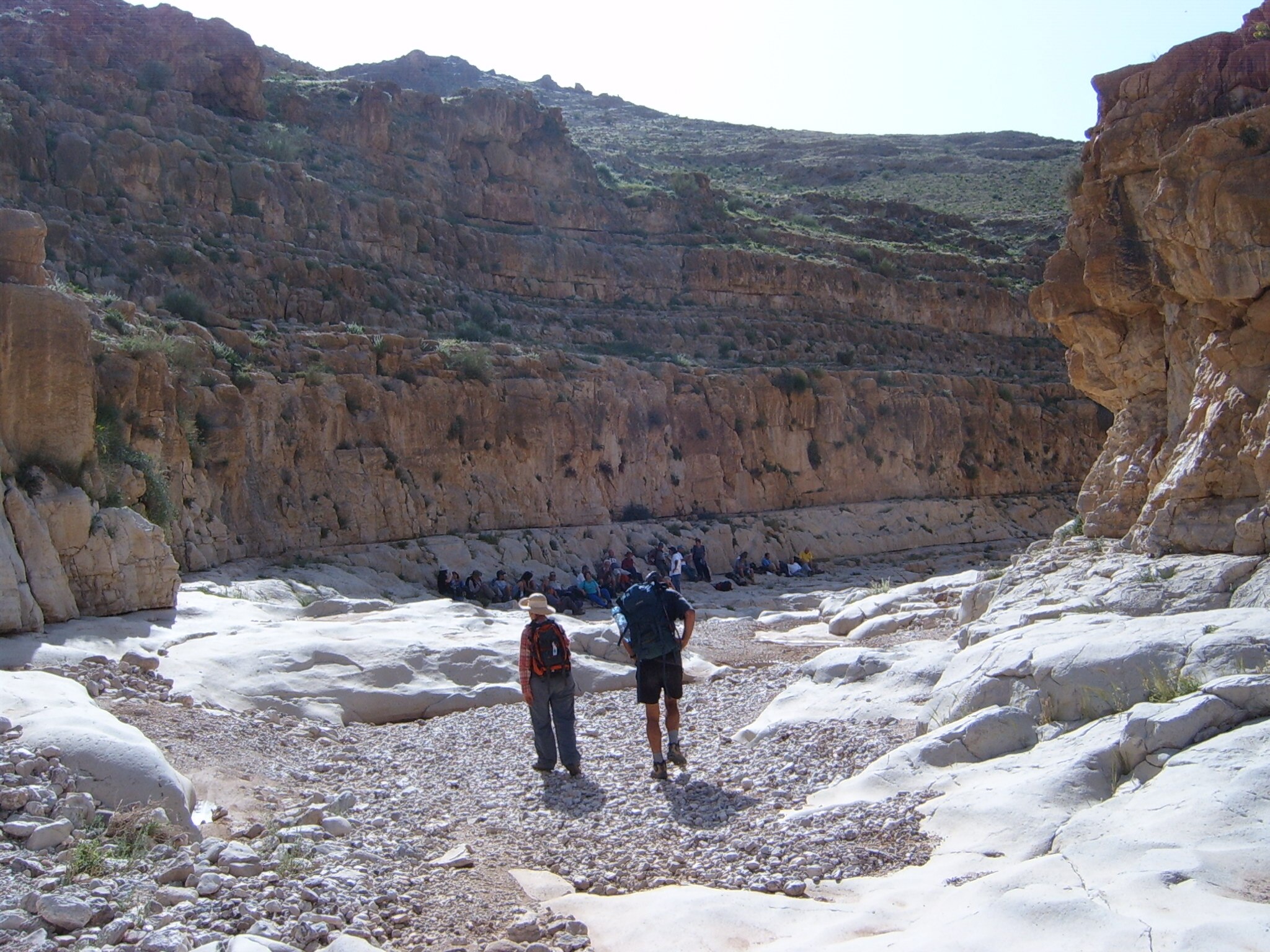
A common instinct when lost involves moving faster to find a familiar landmark but this behavior usually leads to deeper sections of the woods. Leaving a marked path makes it significantly harder for search teams to locate a missing person who is now in an unpredictable area. Staying in one place allows an individual to conserve energy and focus on building a shelter or preparing signals for overhead aircraft. Moving through thick brush increases the risk of injury from falls or snake bites while also causing unnecessary physical fatigue. Remaining stationary is often the most effective strategy for being found quickly.
Underestimating Water Requirements
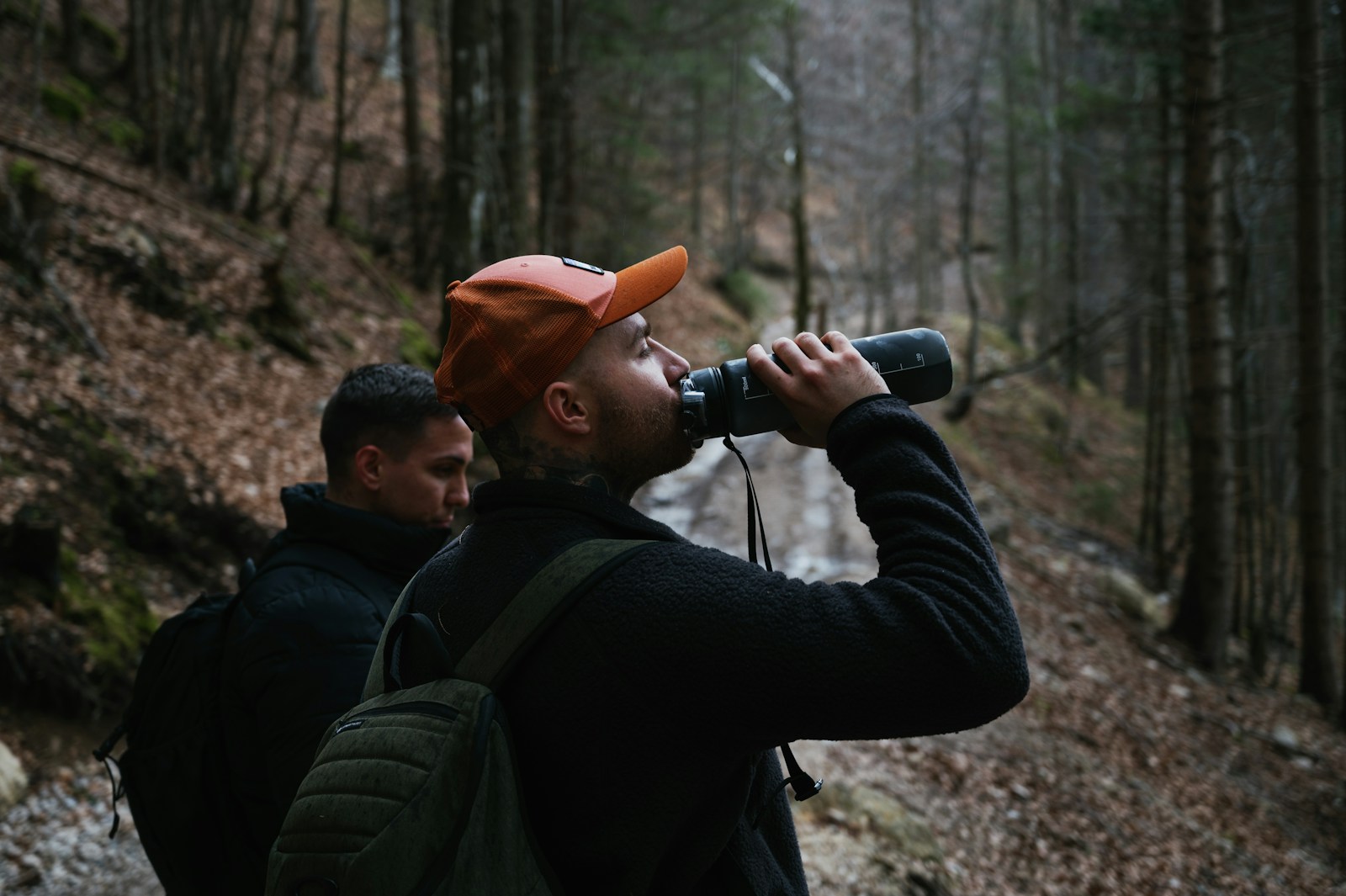
Dehydration severely impairs cognitive function and physical strength making it nearly impossible to make sound decisions during a stressful survival situation. Many hikers carry far too little water for the strenuous nature of their trip and fail to bring a backup filtration method. Drinking from untreated streams introduces the risk of parasitic infections that cause debilitating illness and further fluid loss. Always packing a lightweight filter or purification tablets ensures a steady supply of safe drinking water from natural sources. Proper hydration keeps the mind sharp and the body capable of enduring the rigors of an unexpected overnight stay.
Ignoring Approaching Weather Fronts
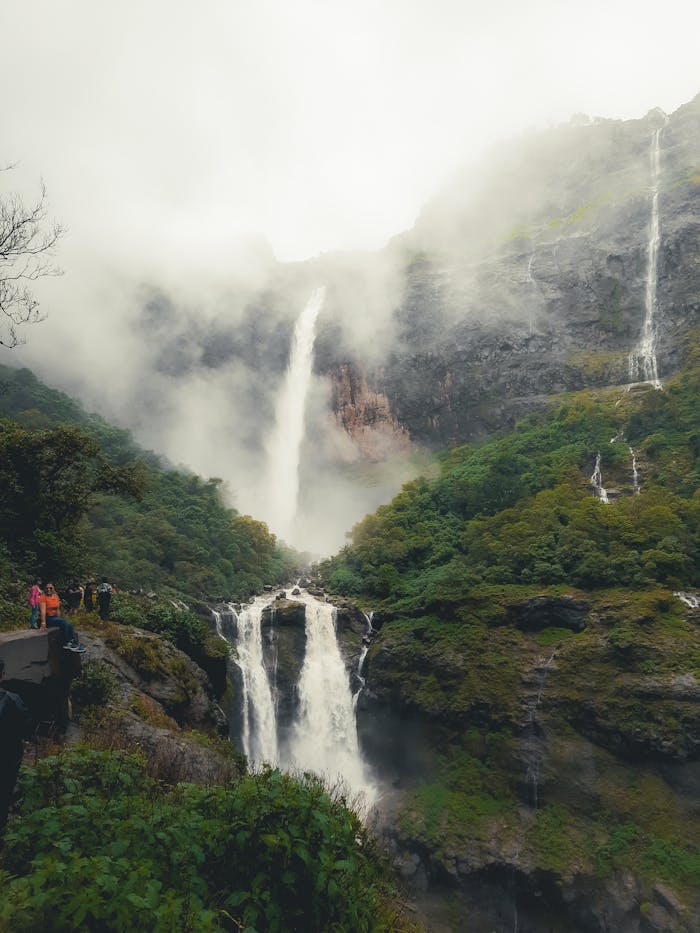
Rapid changes in atmospheric pressure and cloud formations often signal the arrival of dangerous storms that can trap a person on a high ridge. Failing to monitor the sky or ignoring official forecasts puts a traveler at risk of lightning strikes or flash flooding in narrow drainages. Professional mountain guides watch the horizon constantly and are never afraid to turn back if conditions appear to be deteriorating. Pushing forward into a storm out of pride or a desire to reach a summit is a recipe for disaster. Respecting the power of the weather is vital for long term survival.
Neglecting The Signaling Tools
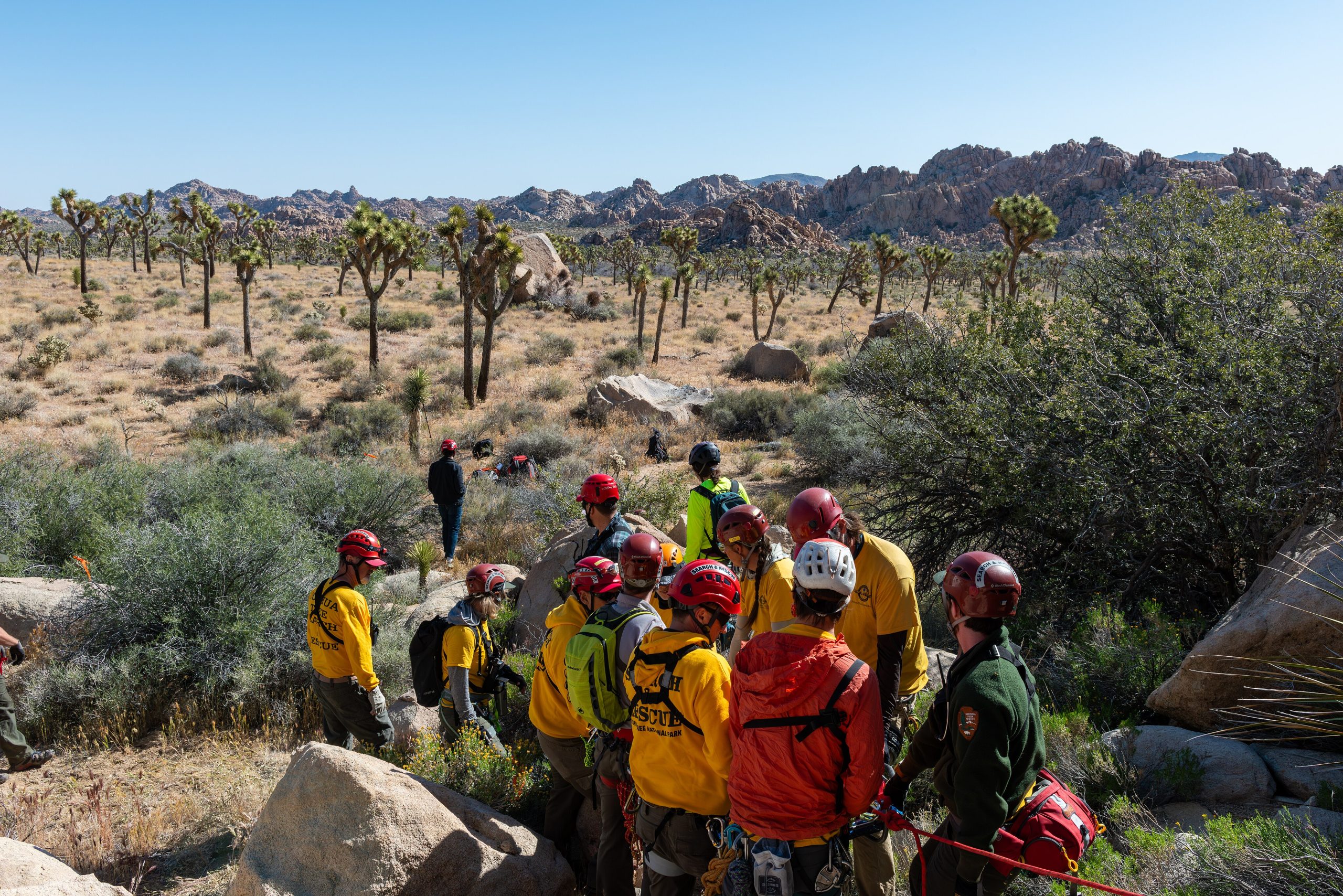
Having the ability to attract the attention of a rescue helicopter or a distant ground party is essential for an escape. Many people forget to pack a simple signal mirror or a high decibel whistle which are much more effective than shouting. Visual signals like bright orange blankets or smoke flares can be seen from miles away by searchers looking for any sign of life. A whistle carries much further than a human voice and requires far less energy to use repeatedly during a crisis. These lightweight tools significantly increase the visibility of a person lost in the vast wilderness.
Forgetting A Cutting Tool

A sturdy fixed blade knife serves as the most versatile tool in a survival kit for building shelters or processing firewood. Many individuals head into the woods with only a small pocket knife or no blade at all which limits their ability to manipulate the environment. A proper knife allows for the creation of spears for protection or the fine shaving of tinder for starting a life saving fire. It is the one item that can solve a multitude of problems when resources are scarce. Carrying a reliable cutting tool ensures that a person can adapt to their surroundings and survive.