Gun owners come from many different backgrounds, and their reasons for owning firearms can vary widely. Some people value firearms for personal protection, while others enjoy the sport of shooting or appreciate the history behind certain models. Some collectors search for rare pieces, hobbyists who enjoy modifying their gear, and outdoorsmen who rely on firearms for hunting trips. Because of these differences, gun owners often develop unique habits, preferences, and personalities that shape how they approach their firearms. Understanding these different types can be both entertaining and insightful, especially for people who are new to the shooting community. It also highlights how broad and diverse the firearms world truly is. The following list explores ten common types of gun owners you may encounter, each with their own motivations, interests, and approach to firearms ownership.
1. The Practical Defender

The practical defender owns firearms primarily for personal and home protection. Their focus is not on collecting large numbers of guns but on choosing a few reliable tools that can serve a clear defensive purpose. This type of owner usually spends time researching dependable handguns or shotguns that are known for durability and simplicity. They often prioritize safe storage, regular maintenance, and consistent training at the shooting range. Ammunition selection, defensive drills, and understanding local laws are topics they take seriously. Practical defenders tend to avoid flashy accessories or unnecessary modifications because they prefer equipment that works consistently under stress. Many of them also invest in training classes that teach situational awareness and responsible firearm handling. For this owner, firearms represent preparedness and responsibility rather than hobby collecting or recreational experimentation.
2. The Dedicated Collector
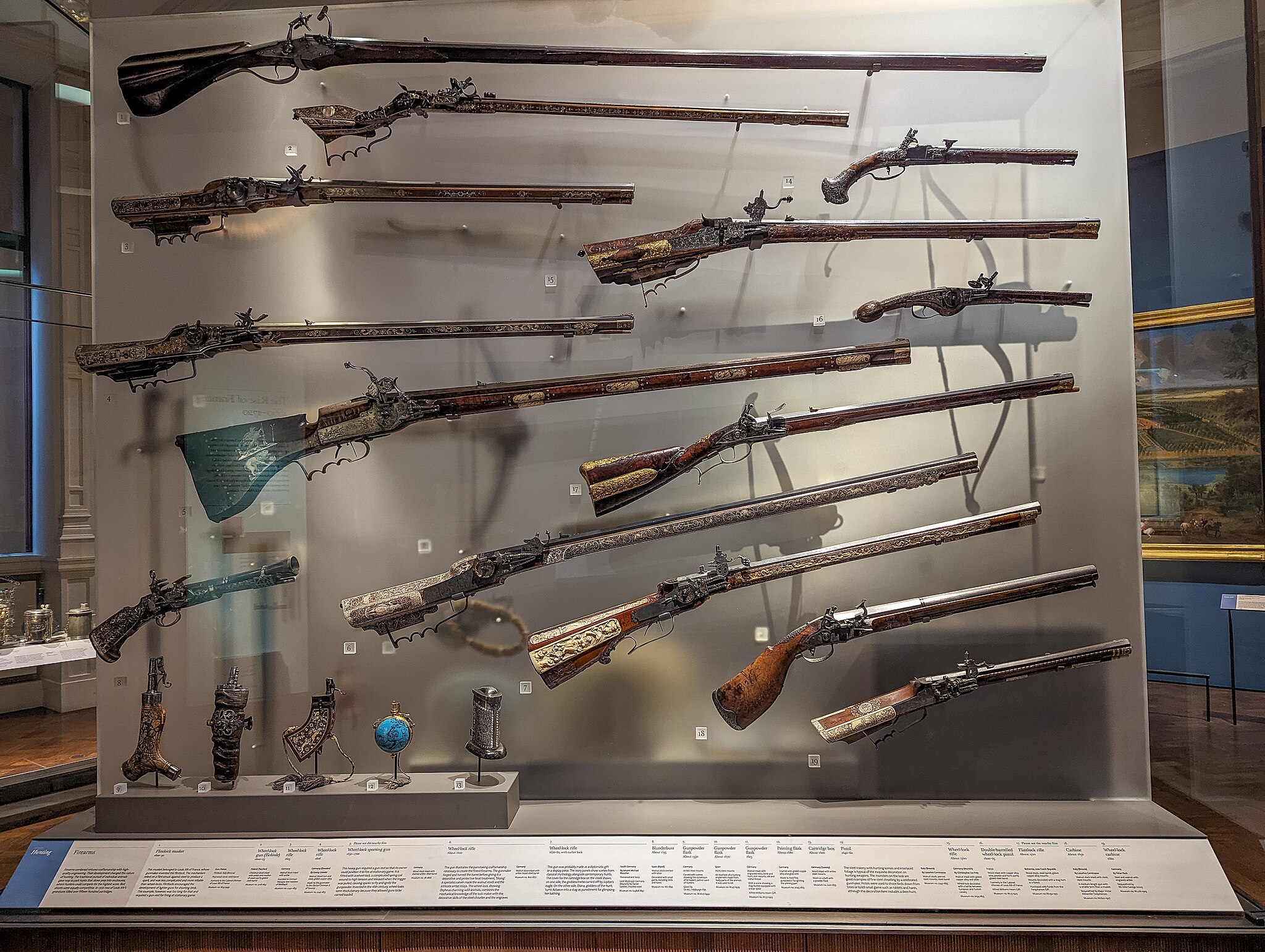
The dedicated collector views firearms as historical artifacts and valuable mechanical creations. Instead of focusing on practical use, this owner is fascinated by the craftsmanship and history behind different models. They may search for classic revolvers, military surplus rifles, or limited production pistols that are no longer widely available. Many collectors carefully research serial numbers, production dates, and manufacturer variations before making a purchase. Preserving condition is extremely important, so these firearms are often cleaned thoroughly and stored in climate controlled environments. Some collectors enjoy displaying their pieces in secure safes or cabinets where they can appreciate the design and engineering. Conversations with collectors often include detailed stories about how certain firearms influenced military history or technological development. For them, the collection becomes a long term passion that combines history, mechanics, and careful preservation.
3. The Weekend Range Enthusiast
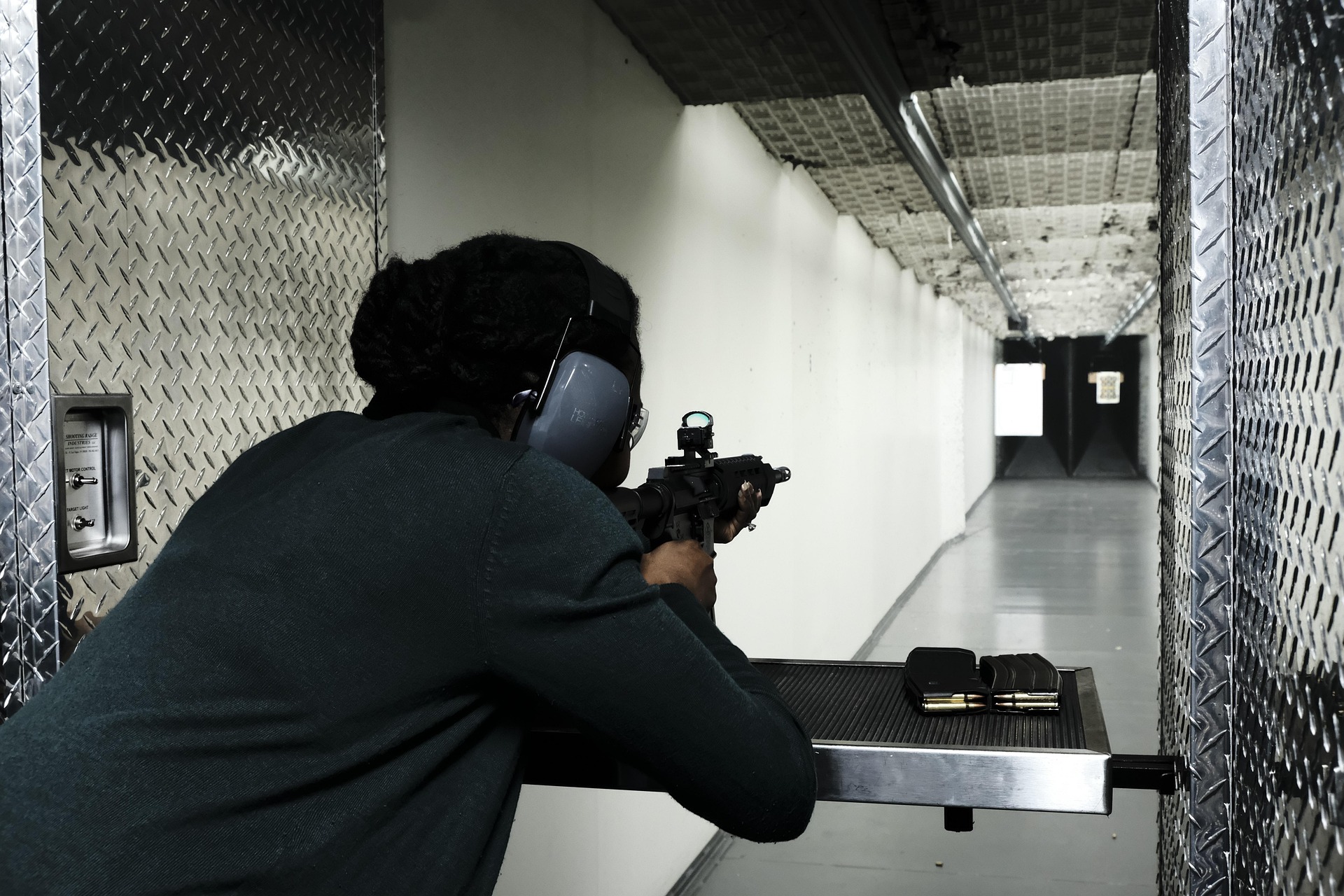
The weekend range enthusiast enjoys firearms mainly for recreational shooting and relaxation. After a long workweek, spending time at the range provides a chance to unwind and focus on improving shooting skills. This type of owner may have several firearms suited for different types of target practice, including pistols, rifles, or rimfire trainers. Accuracy and consistency are often their main goals, so they spend time adjusting sights and practicing different shooting techniques. Range enthusiasts also enjoy sharing the experience with friends, introducing newcomers to safe firearm handling. They are usually interested in affordable ammunition and comfortable gear that makes long practice sessions enjoyable. While they may not obsess over rare collectibles or tactical setups, they appreciate equipment that performs reliably. For this owner, the range becomes a place for skill building, relaxation, and friendly competition.
4. The Tactical Gear Enthusiast

The tactical gear enthusiast enjoys customizing firearms with accessories and upgrades. This owner is fascinated by optics, lights, grips, slings, and other equipment that can enhance performance. Their firearms often feature carefully selected components designed to improve handling and versatility. Research is a big part of this hobby, with hours spent comparing new optics or discussing equipment setups online. Tactical enthusiasts enjoy experimenting with different configurations to see how each change affects performance. They often participate in training sessions or dynamic shooting events that allow them to test their equipment under realistic conditions. While some people see these upgrades as unnecessary, the tactical owner views them as part of an evolving system that can always be improved. Their firearms are rarely static because they enjoy the process of refining and adjusting their setup.
5. The Hunter

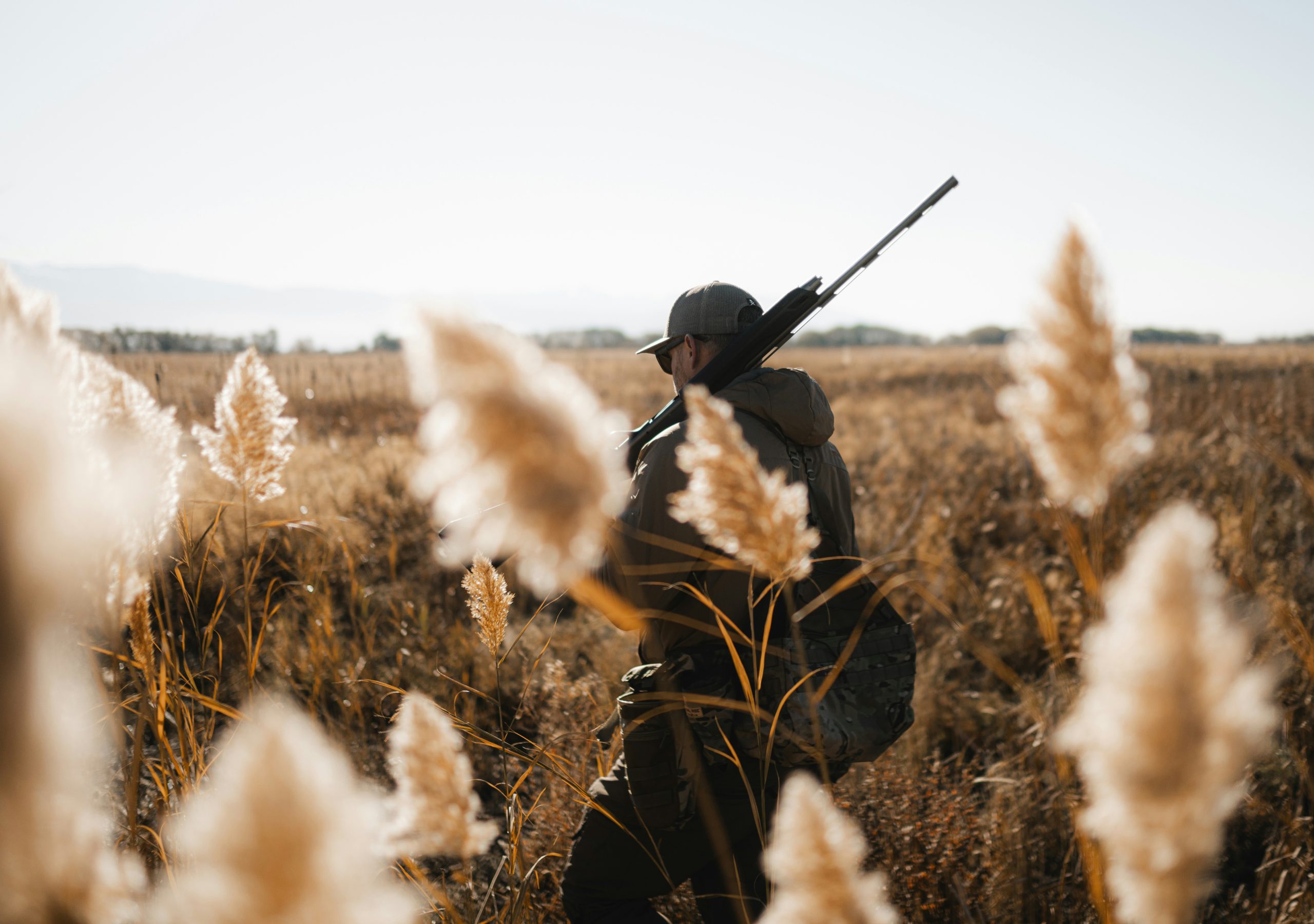
The hunter values firearms as essential tools for outdoor pursuits. Their choices are guided by practical needs such as reliability, accuracy, and appropriate caliber for specific game animals. Hunting rifles and shotguns are often carefully selected based on terrain, distance, and seasonal conditions. Hunters spend time practicing before the season begins to ensure their shots are precise and humane. They also maintain their equipment carefully because reliability in the field is extremely important. For many hunters, the experience goes far beyond the firearm itself. Early mornings in the wilderness, tracking game, and respecting nature are central parts of the tradition. Firearms simply serve as the tool that completes the process. Many hunters pass down their knowledge and equipment through generations, creating a deep family tradition connected to outdoor life.
6. The Competitive Shooter
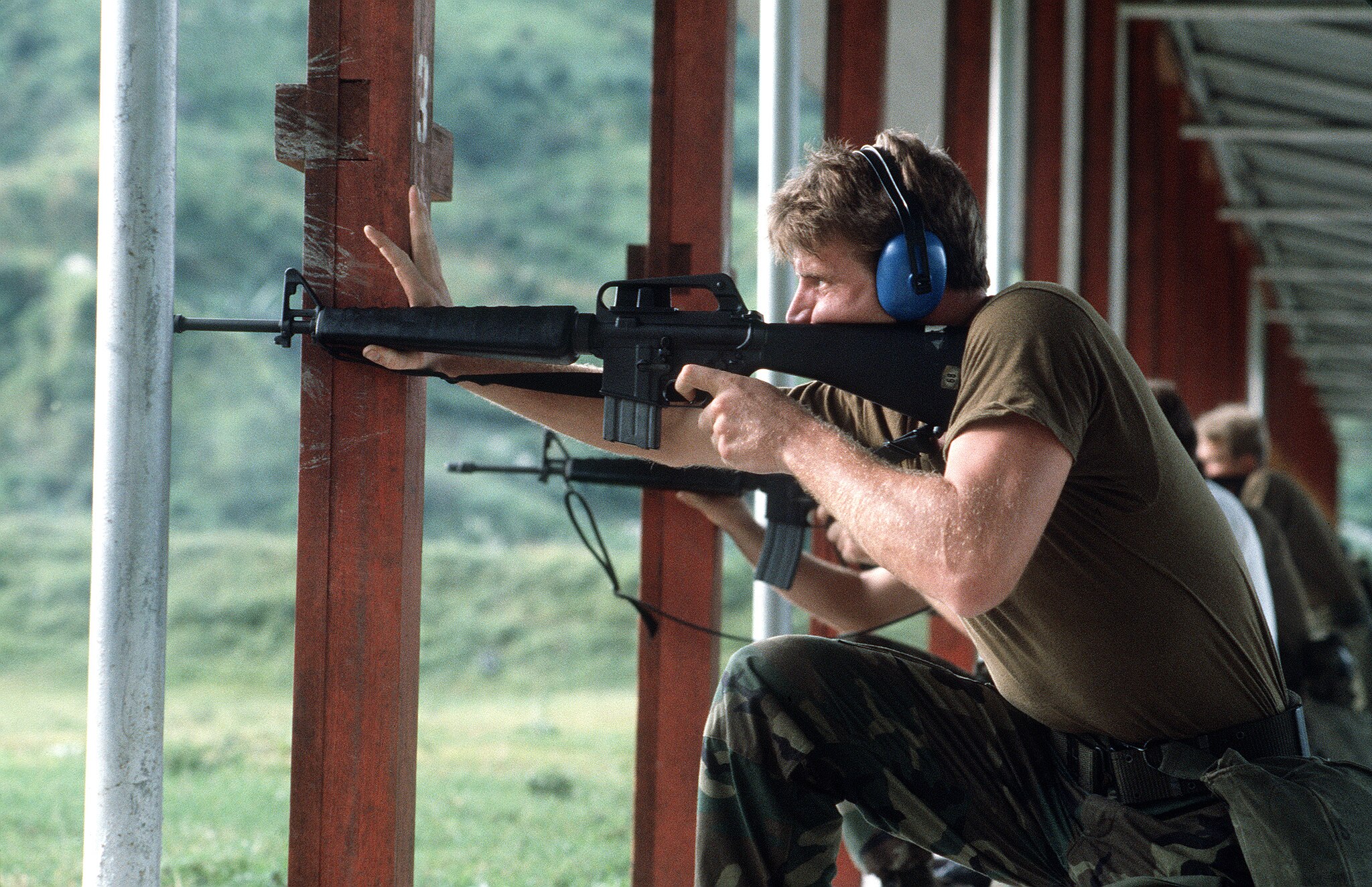
Competitive shooters approach firearms with a strong focus on performance and measurable results. Their goal is to improve speed, accuracy, and consistency during organized shooting events. This type of owner often participates in competitions that require precise technique and strict safety discipline. Firearms used in competitions may be carefully tuned to match the shooter’s preferences. Triggers, sights, and grips are often selected to support rapid and accurate shooting. Practice sessions are structured and focused, sometimes including timed drills or simulated match stages. Competitive shooters also analyze their performance closely, looking for ways to refine technique or improve efficiency. The environment of organized competition pushes them to continuously develop their skills. For these owners, shooting becomes a sport where discipline, practice, and precision are constantly tested.
7. The Minimalist Owner
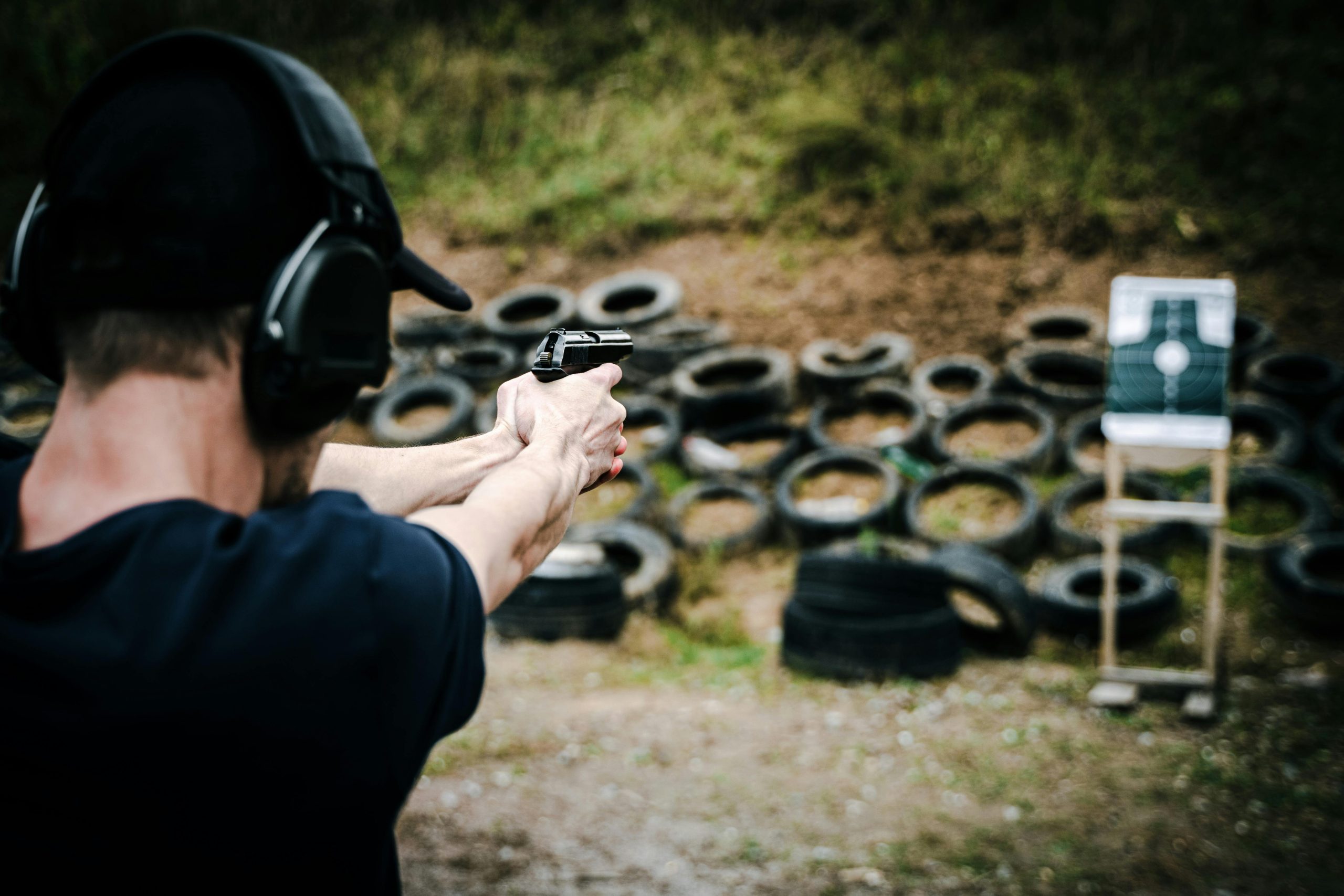
The minimalist owner prefers simplicity and practicality above all else. Instead of building a large collection, they choose one or two dependable firearms that can serve multiple purposes. These owners value straightforward designs that are easy to maintain and operate. Their firearms are often stored safely but remain ready for occasional practice or emergency use. Minimalists usually avoid complicated accessories or modifications because they believe reliability comes from simplicity. They focus on learning how to use their chosen firearm well rather than constantly acquiring new ones. This approach appeals to people who appreciate efficiency and do not want to invest large amounts of time or money into the hobby. For them, firearm ownership is about preparedness and personal responsibility rather than collecting or experimentation.
8. The Historical Enthusiast
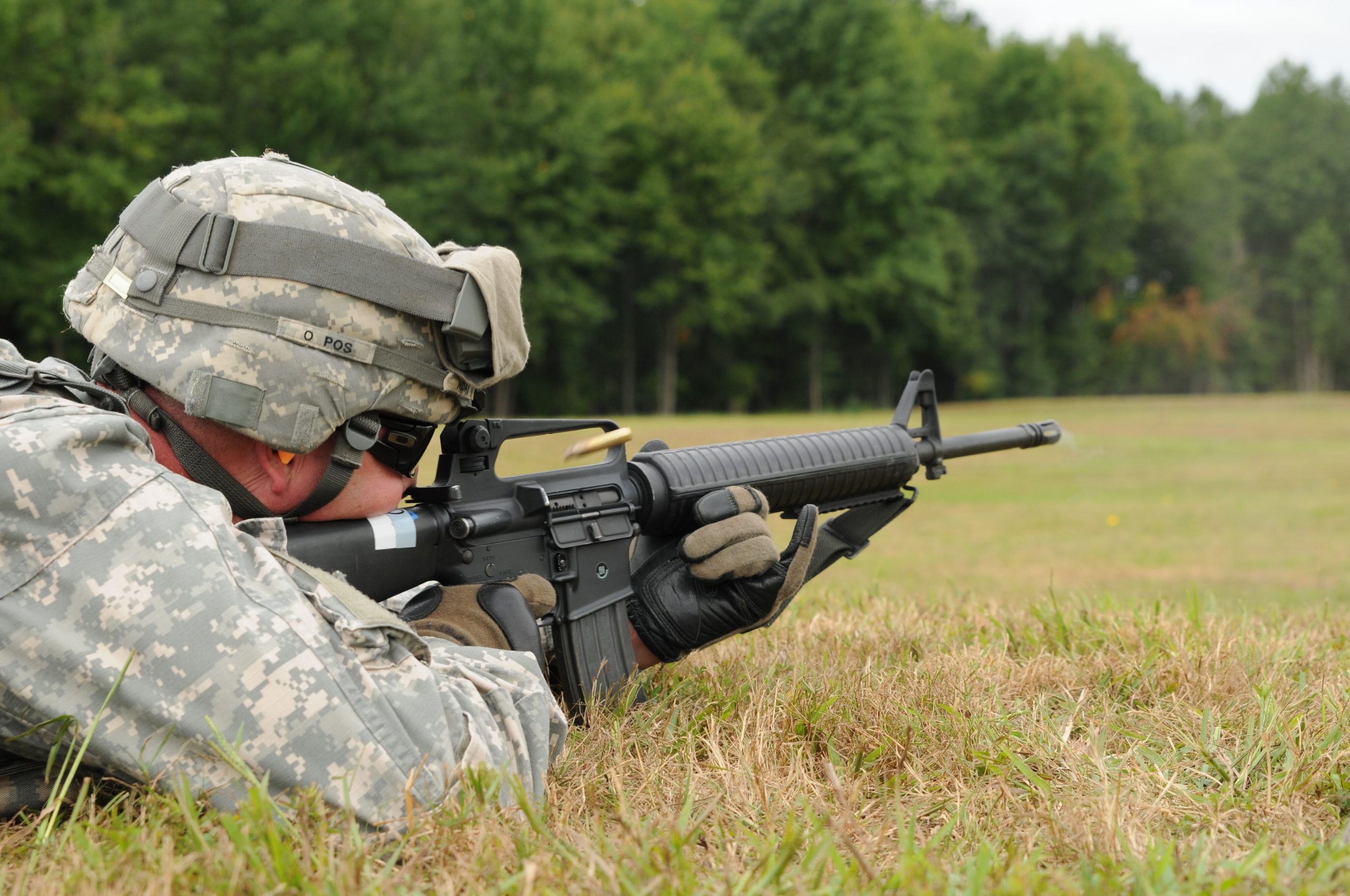
The historical enthusiast is deeply interested in the stories behind older firearms. Unlike collectors who focus on rarity or value, this owner enjoys understanding how specific guns were used during important historical periods. Military rifles, early revolvers, and antique pistols often attract their attention because they represent technological milestones. These enthusiasts enjoy researching the context in which each firearm was produced and used. They may study military campaigns, manufacturing techniques, or historical documents related to their firearms. Shooting these older models at the range can also be a way to connect with the past. Holding and operating a firearm that once served soldiers or pioneers creates a unique sense of historical appreciation. For this owner, firearms act as living pieces of history rather than simple mechanical objects.
9. The Preparedness Planner
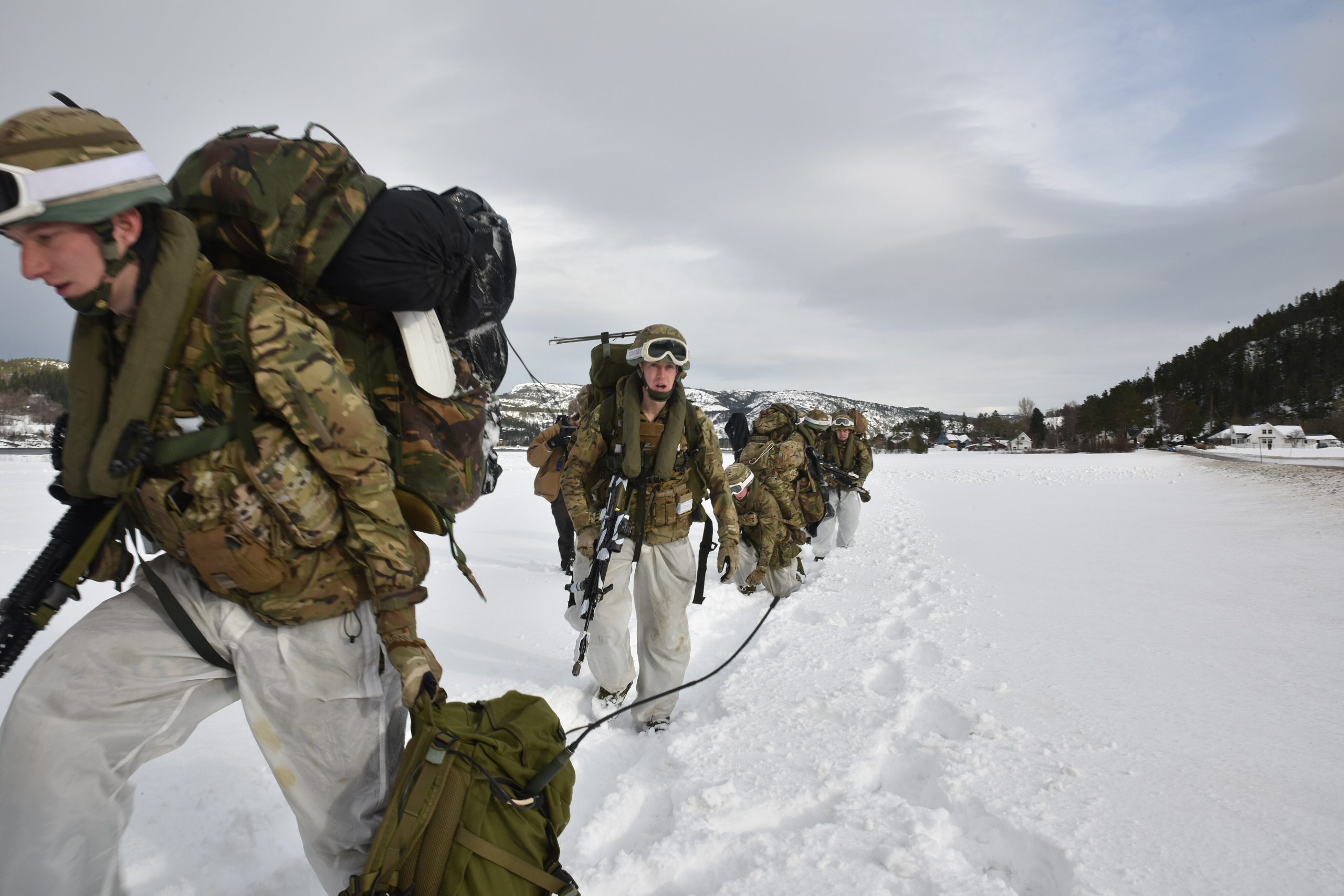
The preparedness planner views firearms as part of a broader strategy for emergency readiness. This owner believes in preparing for unexpected situations such as natural disasters or disruptions in normal services. Firearms are only one part of their overall preparation plan, which may also include food storage, medical supplies, and emergency equipment. Reliability and practicality are the most important qualities when choosing firearms for this purpose. These owners often focus on learning safe handling skills and maintaining their equipment regularly. They may also practice with family members to ensure everyone understands basic safety procedures. Preparedness planners value planning and responsibility, seeing firearms as tools that contribute to a larger goal of self reliance during difficult situations.