Hiking trails once functioned as quiet shared spaces shaped by etiquette, local knowledge, and mutual respect. Social media has reshaped that dynamic, introducing new behaviors, expectations, and pressures into outdoor environments. What people share online now influences how others behave on the trail itself. Visibility, validation, and trends can unintentionally create friction where little existed before. These conflicts rarely stem from malice, but from shifting norms driven by digital culture. Understanding how social platforms altered trail experiences helps explain why certain tensions feel new, persistent, and difficult to manage in modern outdoor spaces increasingly shaped by online attention.
Photo Blocking On Narrow Trails
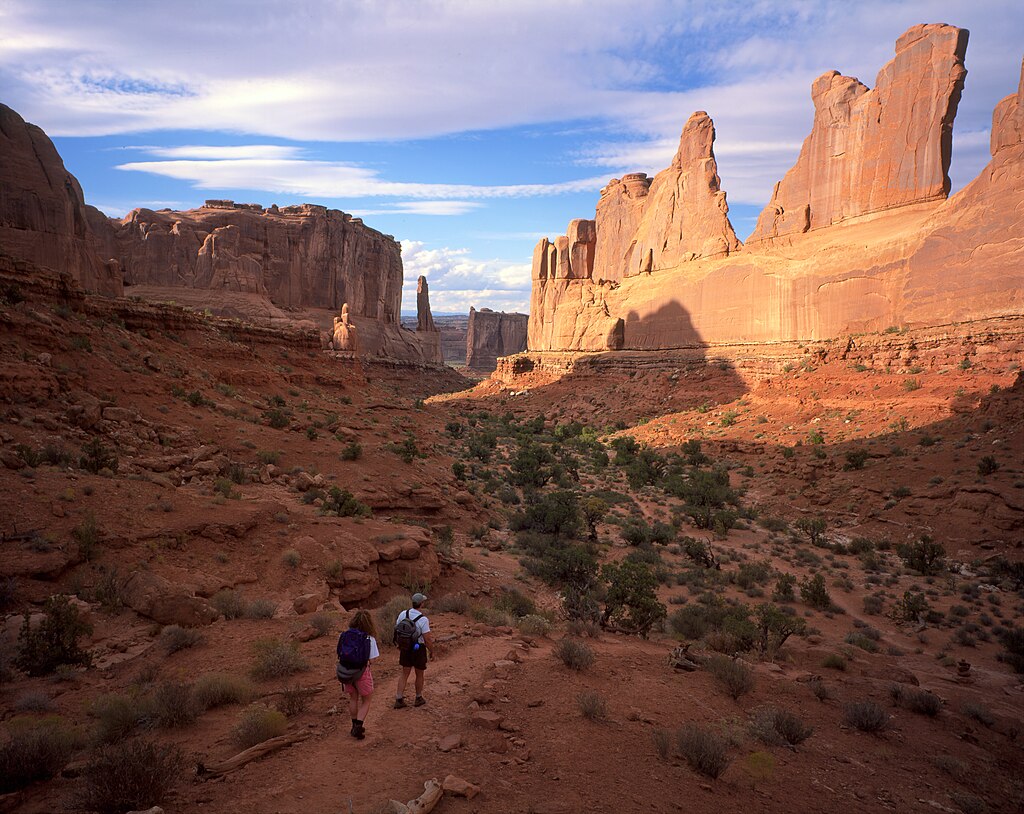
Photo blocking on narrow trails emerged alongside social media sharing. Hikers often stop abruptly to frame images for online posts, unaware of those behind them. On steep or exposed paths, this behavior creates safety hazards and frustration. Previously, pauses were brief and situational. Now, extended setups feel normalized. Trails designed for flow become bottlenecks. The conflict arises from competing priorities between movement and content creation. While photography has always existed, social validation adds urgency. This tension highlights how digital incentives can override traditional trail courtesy, transforming shared pathways into contested spaces shaped by online performance rather than collective safety.
Staged Wildlife Encounters

Staged wildlife encounters represent a new trail conflict driven by online visibility. Some visitors approach animals closely to capture dramatic footage, ignoring safety guidelines. This behavior increases stress for wildlife and danger for people nearby. Others feel forced to intervene or retreat. In the past, wildlife sightings were brief and cautious. Social media rewards proximity and spectacle, shifting behavior. The conflict emerges between those seeking content and those prioritizing conservation. These moments disrupt shared experiences and undermine education efforts. The issue reflects how digital storytelling can distort respectful wildlife interaction norms that once guided trail behavior more consistently.
Trail Crowding From Viral Locations
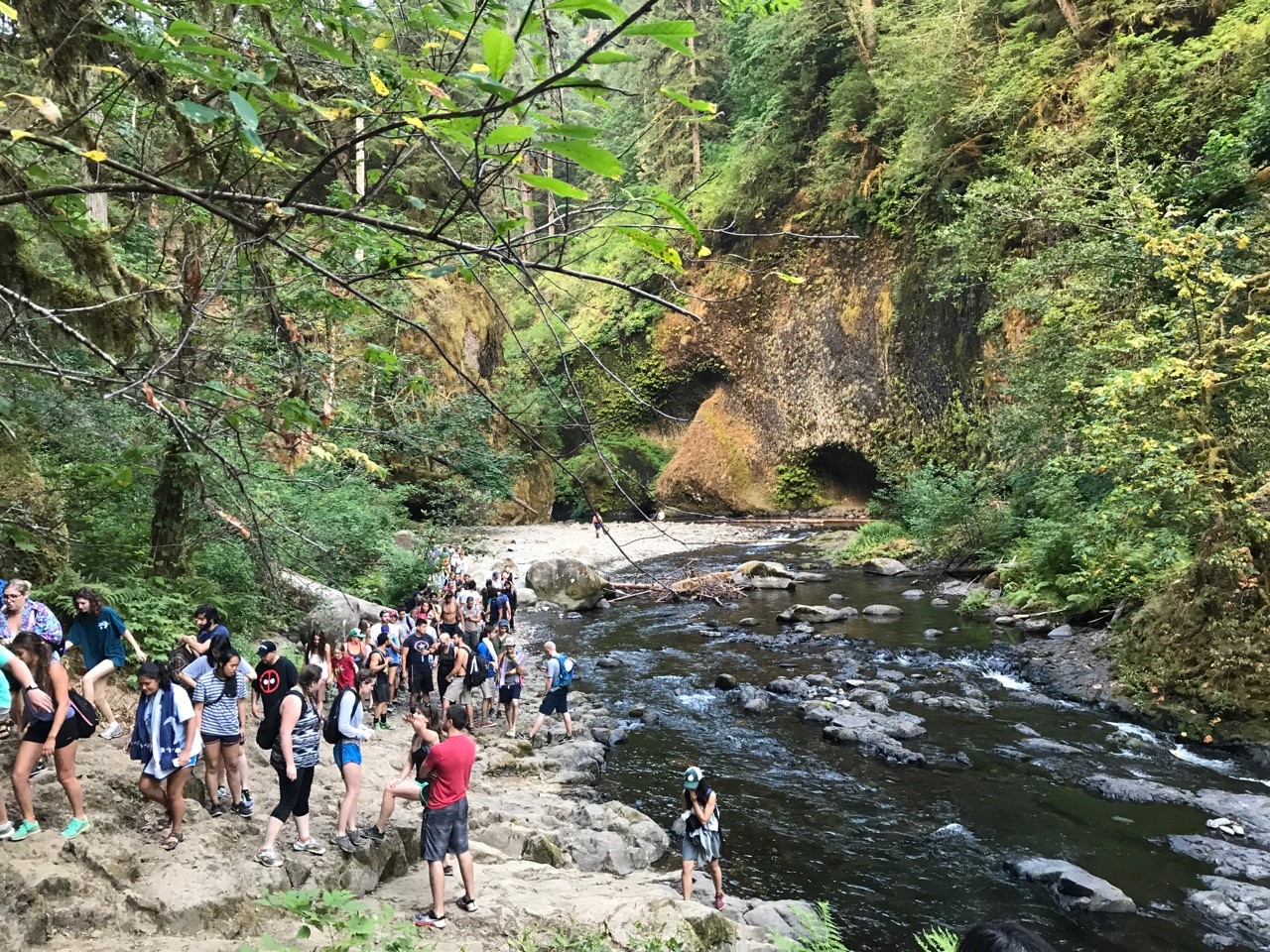
Trail crowding from viral locations has transformed access dynamics. A single post can redirect thousands to previously quiet areas. Parking shortages, noise, and congestion follow quickly. Longtime users feel displaced, while newcomers arrive unprepared. Trails not designed for heavy traffic suffer damage. This conflict did not exist when discovery spread slowly. Social media accelerates popularity without context. The tension lies between openness and sustainability. Visitors arrive chasing images rather than understanding conditions. What once felt like shared stewardship now becomes competition for space, revealing how online exposure reshapes physical environments and social interactions on the trail.
Conflicts Over Music And Audio
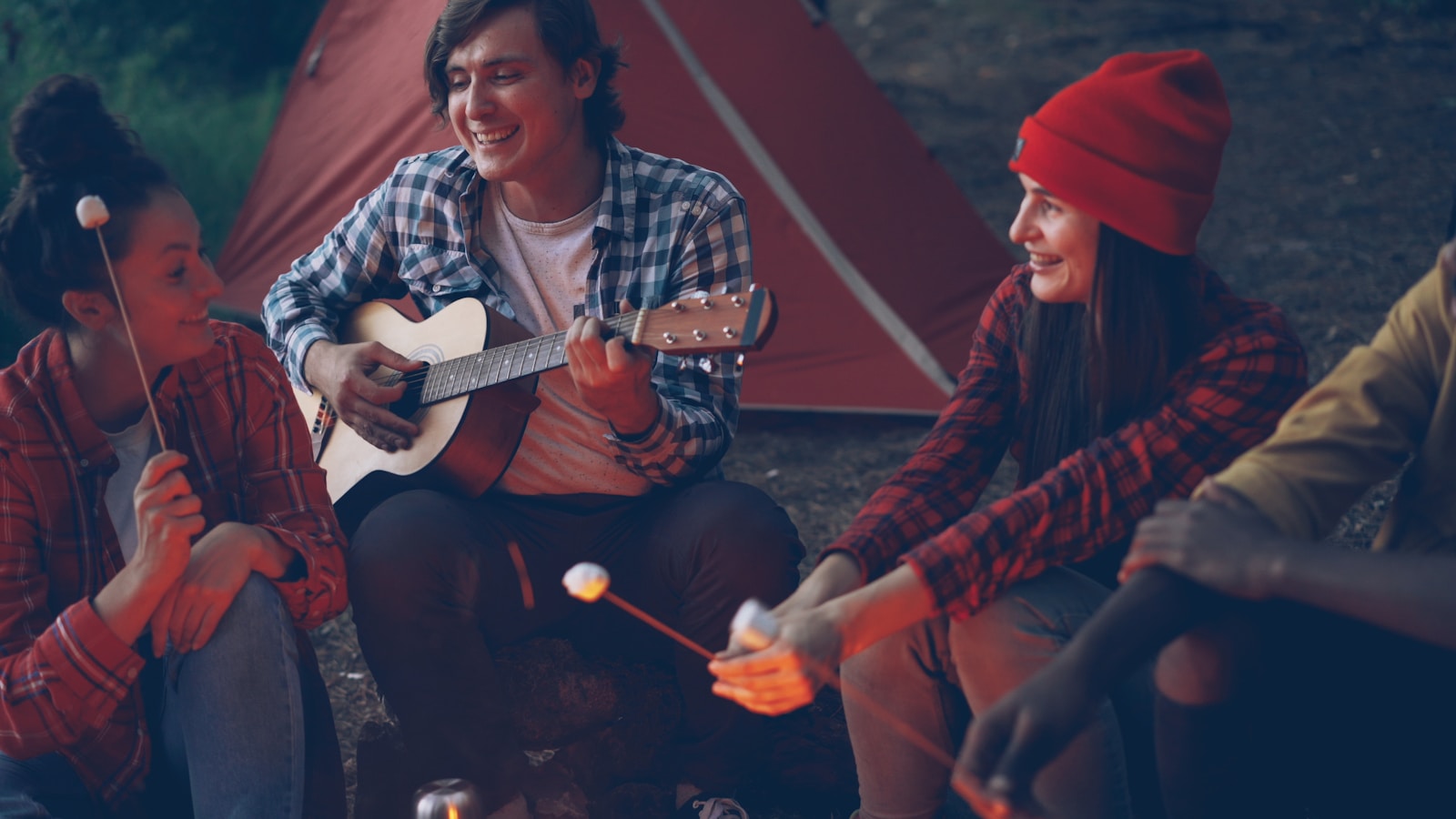
Conflicts over music and audio increased with portable speakers promoted online. Some hikers play music to enhance personal experience or recordings. Others seek quiet and natural sounds. Before social media, audio sharing rarely extended beyond headphones. Now, sound becomes part of content creation. The trail becomes an audience. This creates friction between differing expectations of space. The conflict reflects clashing interpretations of enjoyment influenced by online norms. What one group views as atmosphere, another experiences as intrusion. Social media visibility normalizes broadcasting, altering shared trail etiquette and introducing disputes over sound where silence once prevailed.
Off Trail Travel For Photos
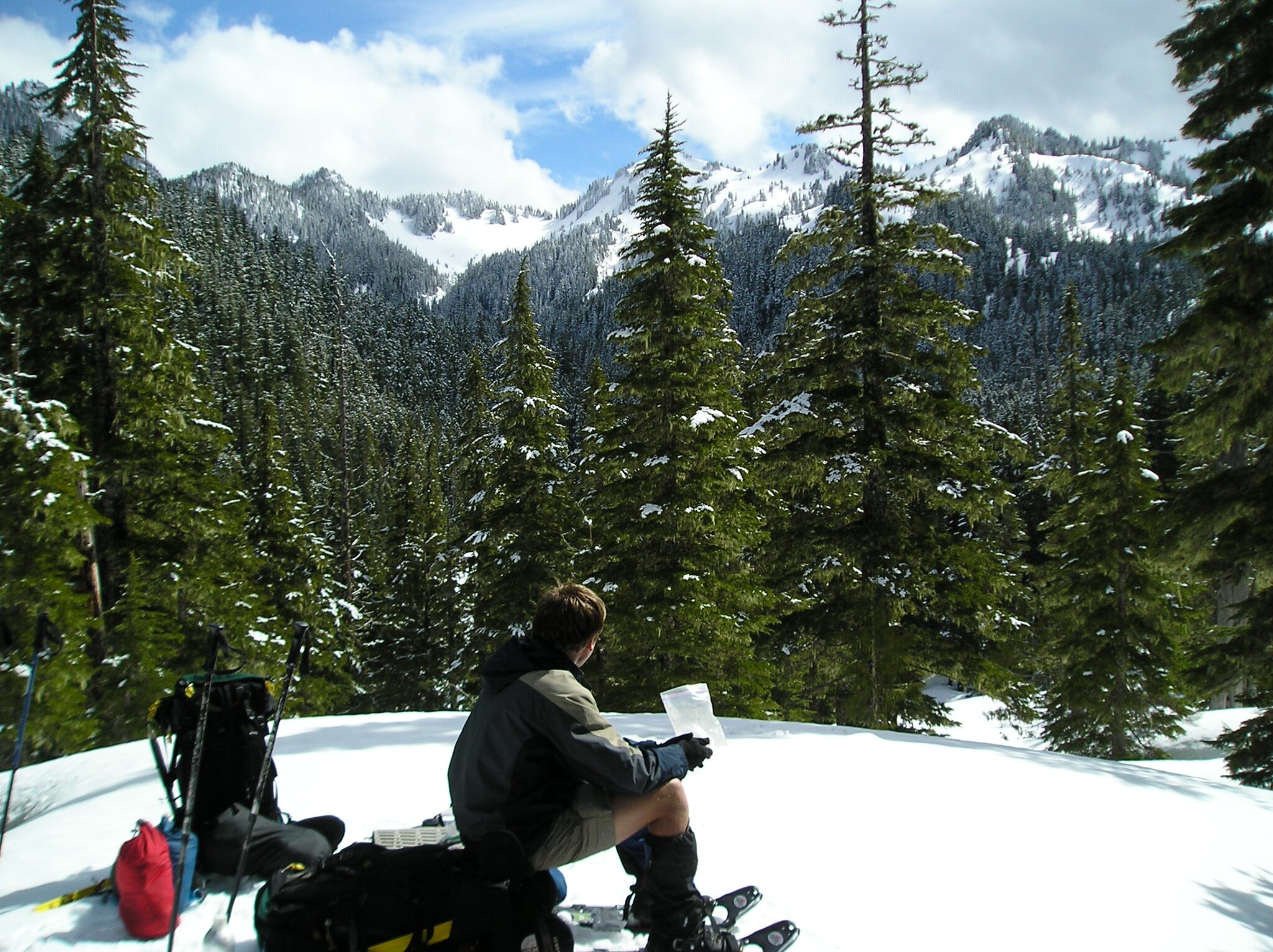
Off trail travel for photos represents a modern conflict shaped by visual platforms. People leave designated paths to capture unique angles or backgrounds. This behavior damages vegetation and widens trails. Others feel compelled to follow, increasing impact. Previously, off trail movement was limited to necessity. Now, aesthetics drive decisions. The conflict arises between image seeking and environmental care. Rangers and experienced hikers confront new pressures. Social media rewards novelty, not restraint. This tension highlights how digital priorities can undermine long standing Leave No Trace principles, creating friction between preservation goals and online driven behavior on shared landscapes.
Drone Usage Disputes
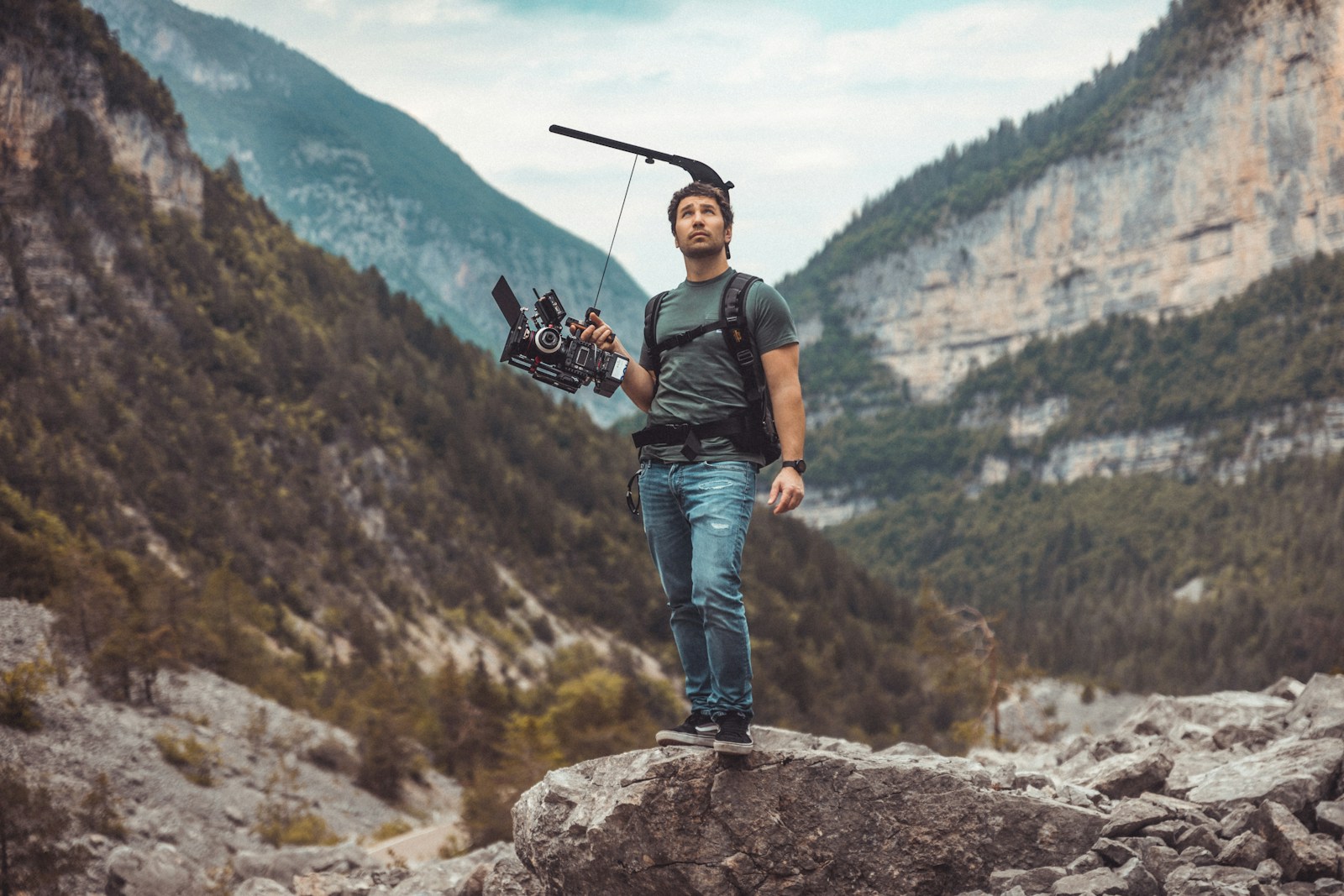
Drone usage disputes rarely existed before social media. Drones enable dramatic footage but introduce noise, privacy concerns, and wildlife disturbance. Some hikers feel surveilled or disrupted. Others view drones as creative tools. Regulations vary, adding confusion. Previously, trails lacked aerial presence. The conflict stems from differing expectations shaped by online content trends. What appears cinematic online feels intrusive in person. This tension forces conversations about consent and space. Social media popularity accelerates adoption faster than etiquette develops, creating clashes between those seeking footage and those valuing quiet immersion in natural settings.
Influencer Authority Conflicts
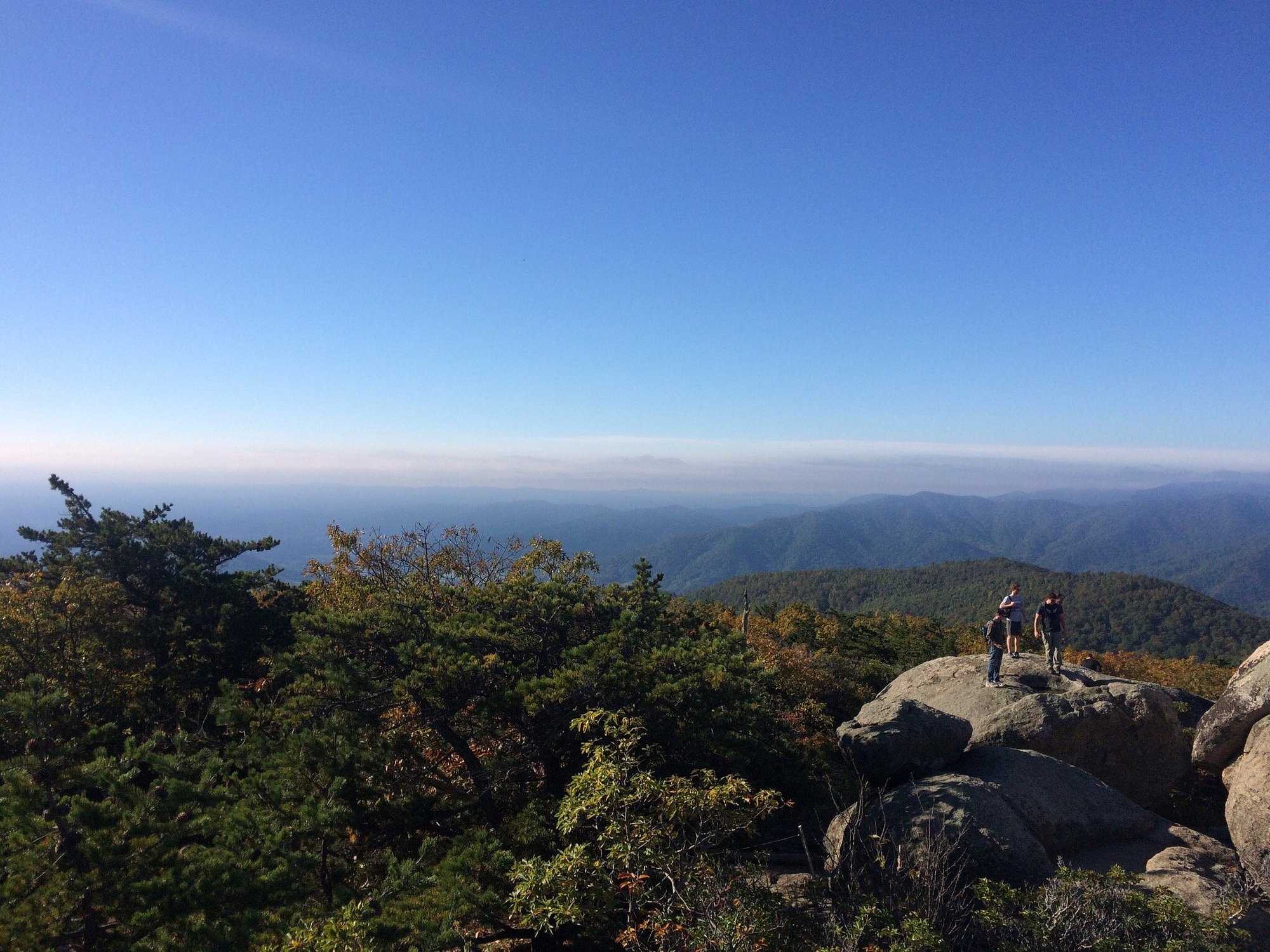
Influencer authority conflicts arise when popular accounts dictate trail norms. Followers mimic behavior, assuming endorsement equals correctness. Longtime hikers or locals may disagree, leading to confrontation. Advice shared online sometimes lacks context or accuracy. Before social media, authority came from experience or stewardship roles. Now, visibility substitutes for credibility. This creates tension over whose guidance matters. Conflicts emerge when online narratives override posted rules or local knowledge. The trail becomes a testing ground for competing sources of authority, revealing how digital influence reshapes trust and decision making in outdoor spaces.
Queue Jumping For Content
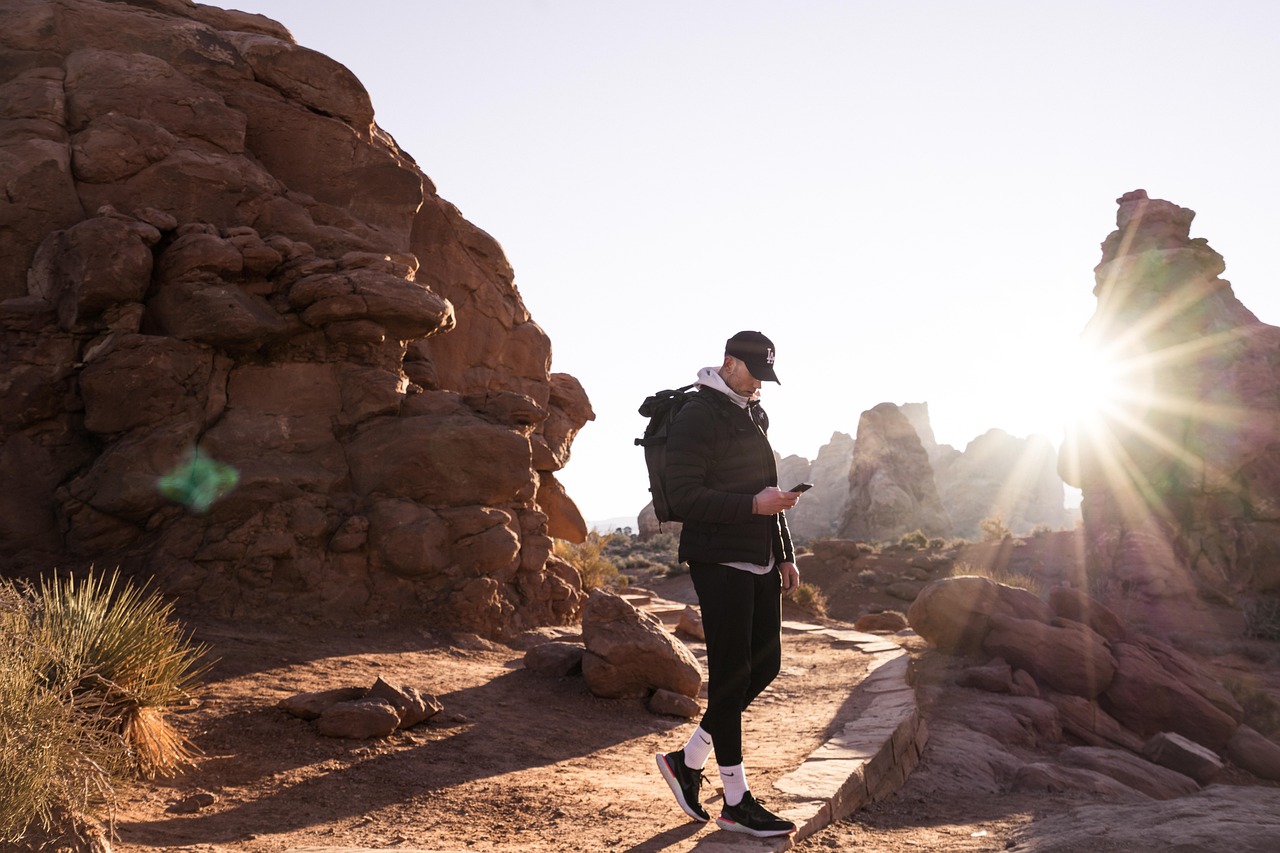
Queue jumping for content has become a visible trail conflict. People bypass lines to capture photos or videos at viewpoints. Others waiting feel disrespected. Before social media, pauses were informal and brief. Now, urgency to post drives impatience. The conflict centers on fairness versus visibility. Content creation encourages prioritizing individual moments over collective flow. This behavior disrupts rhythm and escalates tension. What once relied on mutual courtesy now requires enforcement. Social media accelerates reward for immediacy, undermining patience and introducing new forms of conflict rooted in online driven competition.
Trash Linked To Photo Props
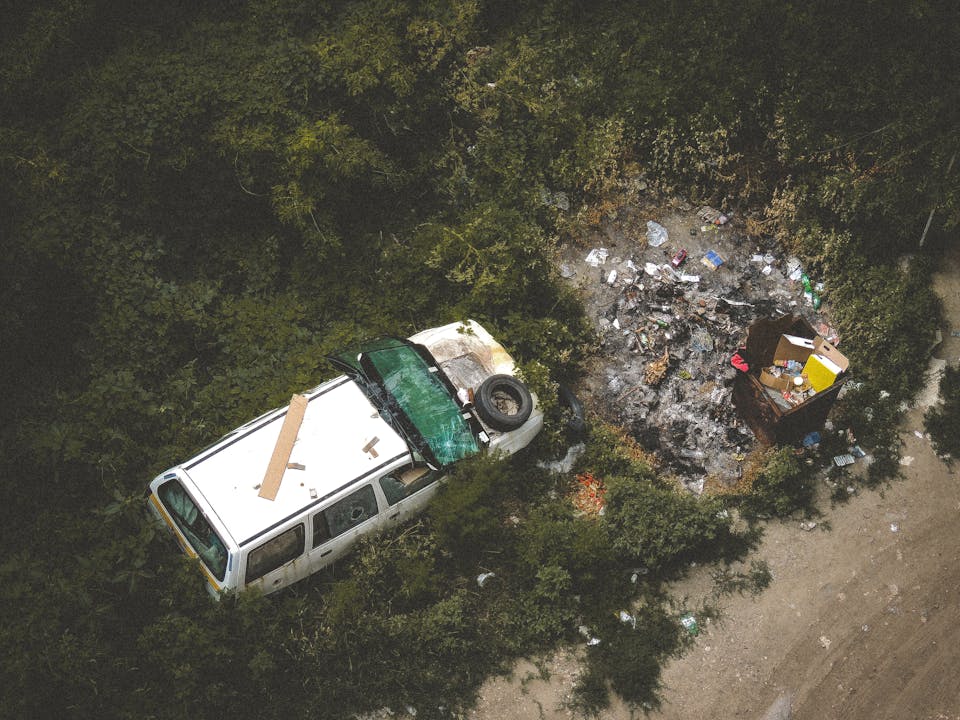
Trash linked to photo props represents a newer trail conflict. Balloons, signs, or packaging appear briefly for photos, then get discarded. Others encounter the aftermath. Previously, trash reflected carelessness, not staging. Social media introduces temporary objects meant only for images. This creates resentment among those practicing stewardship. The conflict lies between performance and responsibility. Cleanup burdens shift unfairly. Digital culture encourages visual impact without long term accountability. This tension underscores how online habits can generate physical consequences, turning trails into backdrops rather than shared ecosystems deserving respect.