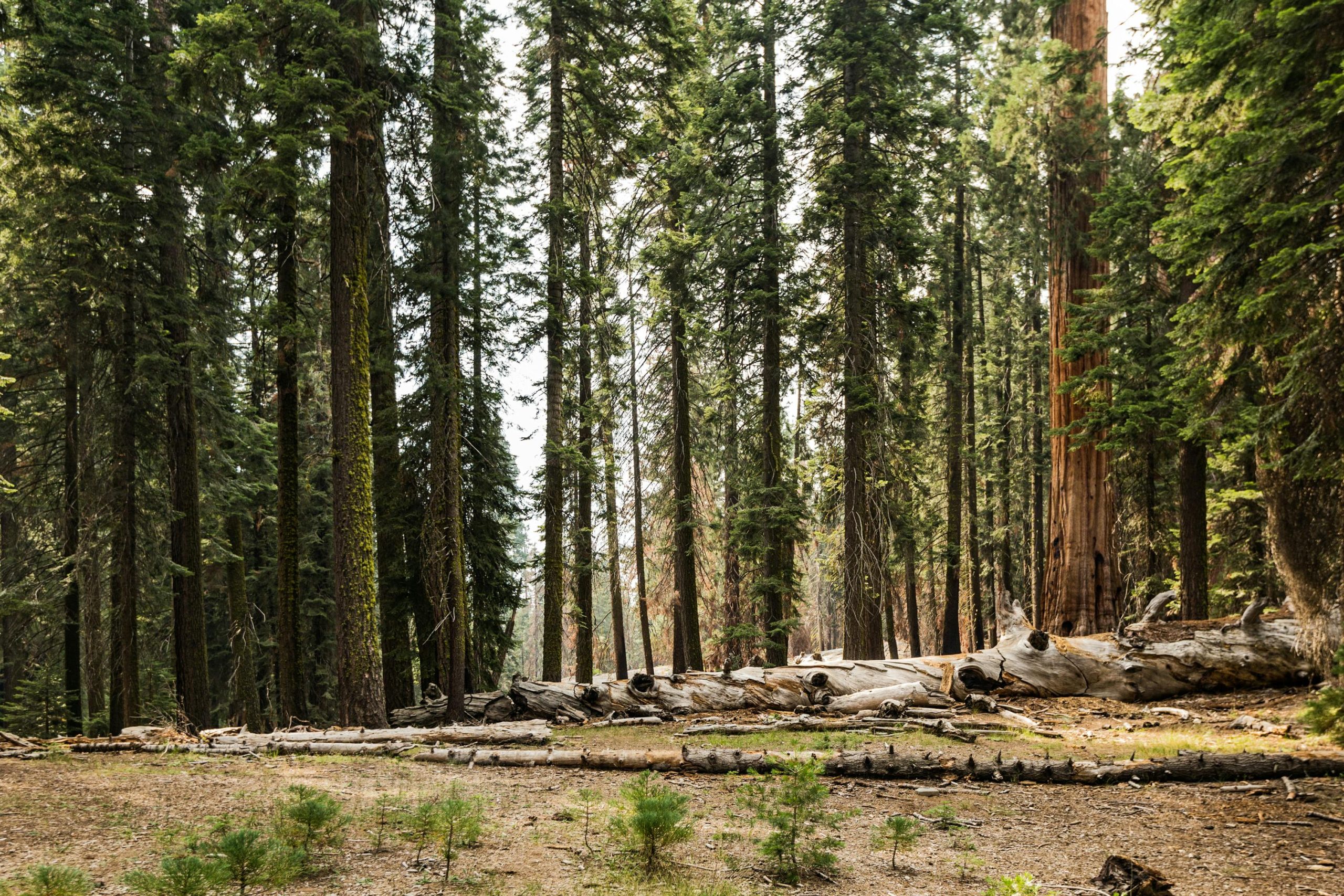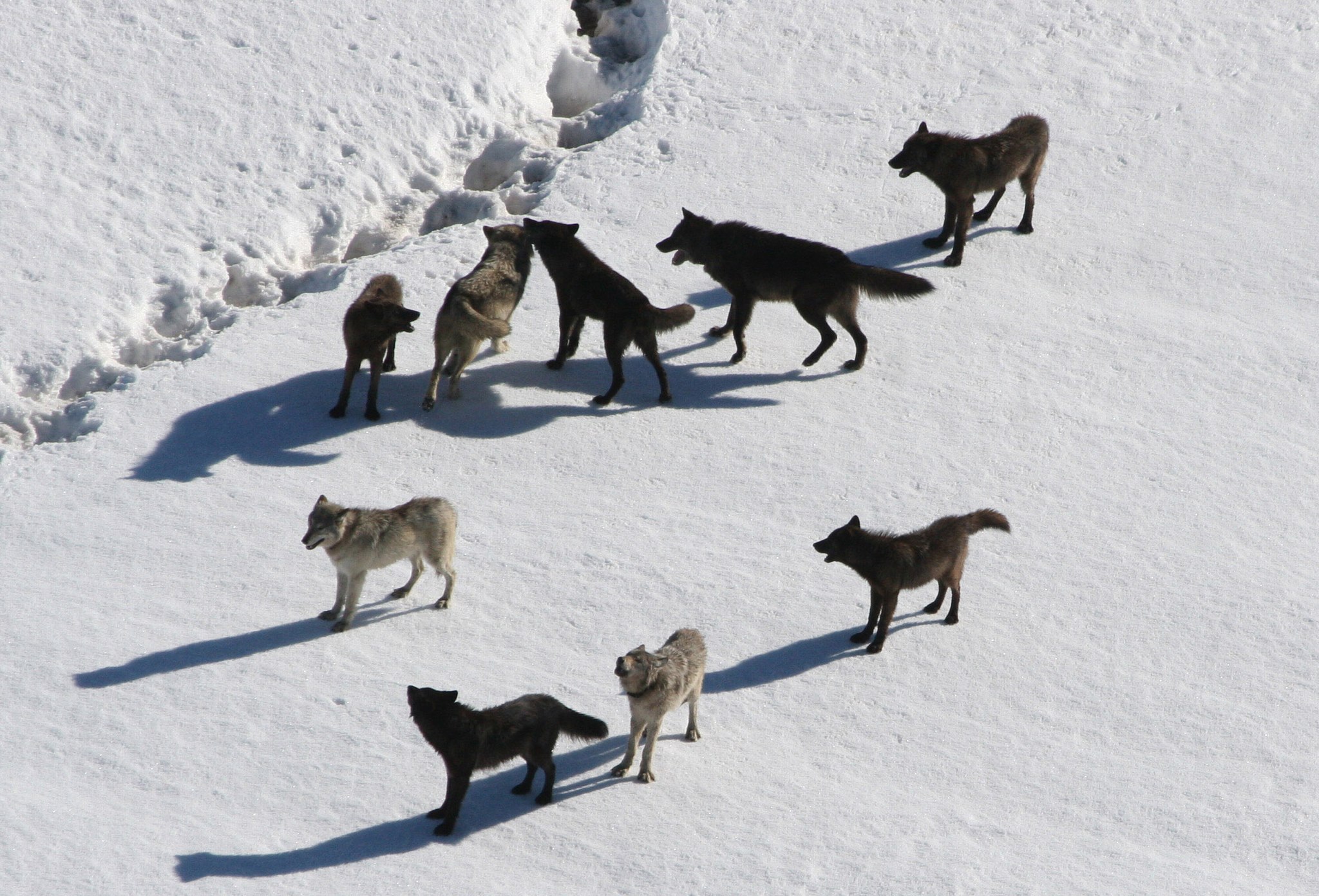
Hunting in snow country requires an adaptable mindset, sharp observation, and a solid understanding of how winter conditions affect both wildlife and the landscape. Snow captures details other seasons hide, allowing hunters to read trails with greater clarity. At the same time, cold temperatures and shifting terrain demand careful decision-making. By learning how tracks form, how animals behave in winter, and how the snow reveals subtle movements, hunters can make smarter choices and move more confidently in harsh conditions. These nine techniques help build a strong foundation for safe, effective snow-country tracking.
1. Understanding Track Definition in Fresh Snow
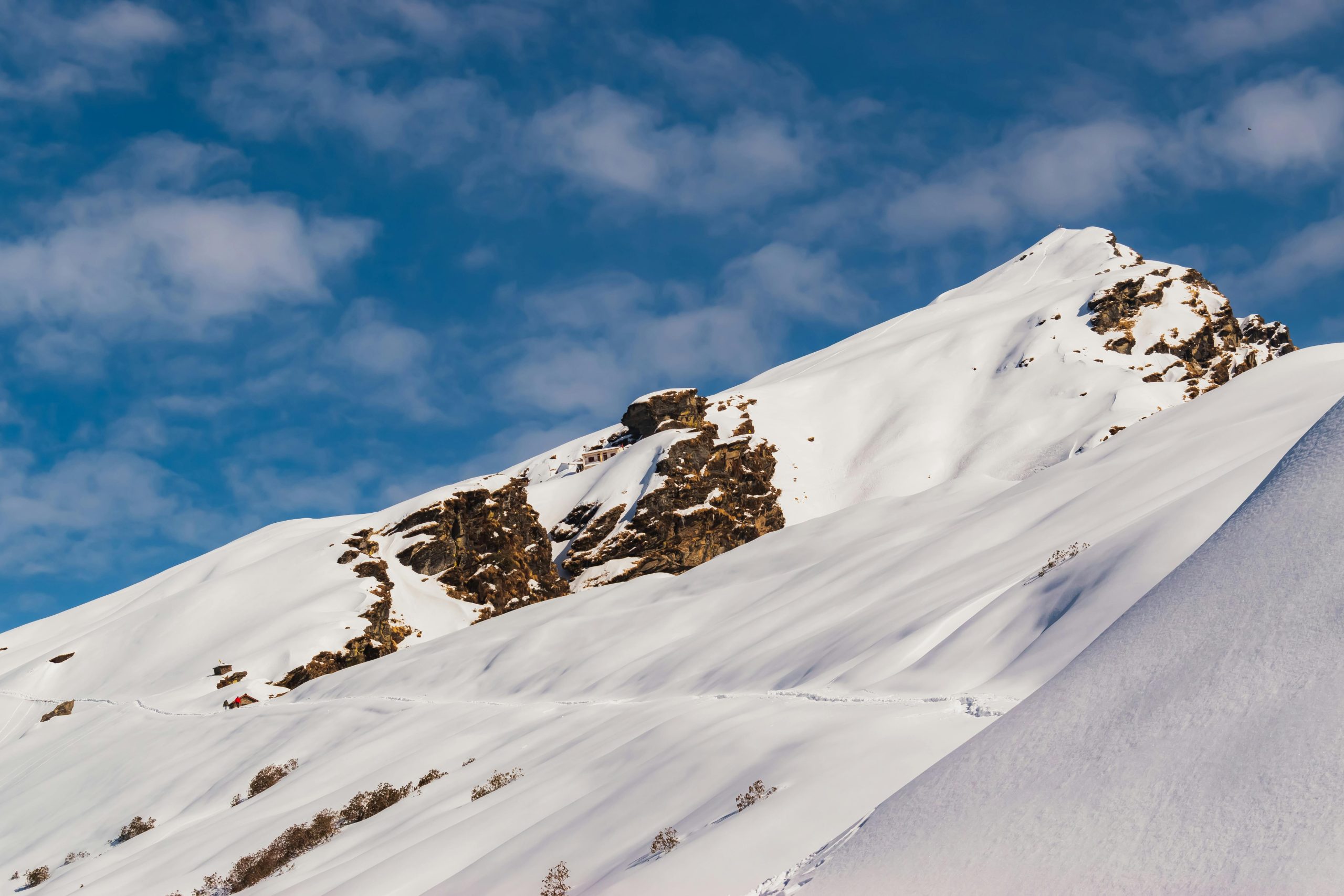
Fresh snow acts like a clean slate, offering crisp track impressions that reveal an animal’s size, gait, and recent direction. Hunters should study how different snow textures affect track clarity, since powder, crust, and wet snow each produce unique outlines. Early mornings often provide the best reading conditions before the sun distorts edges. Paying attention to stride length, toe spread, and depth gives valuable clues about movement speed and behavior. This foundational skill helps hunters interpret trails accurately throughout the day.
2. Judging Track Age by Snow Disturbance
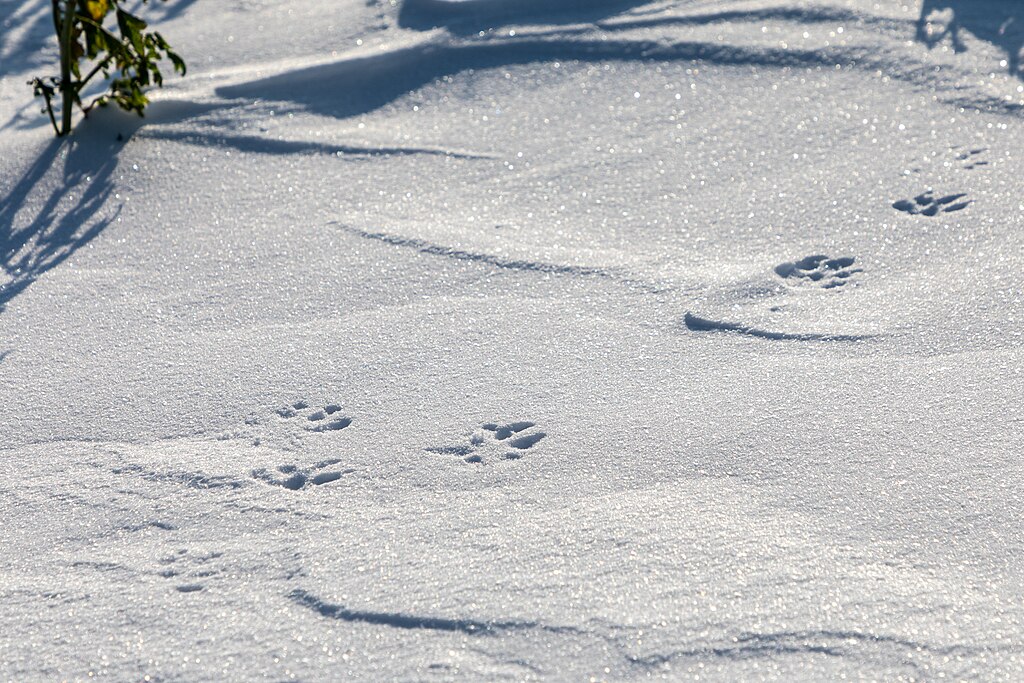
Knowing how to estimate track age is essential in snow country, where time and weather quickly alter the landscape. Newly formed tracks usually have sharp walls and undisturbed powder, while older ones show softened edges, wind-swept patterns, or partial fill from falling snow. Sunshine can cause melting and refreezing, changing the texture around prints. Hunters who practice comparing fresh and aging tracks learn to judge how recently an animal passed. This skill prevents wasted time following trails that are no longer productive.
3. Reading Gait Patterns for Behavior Clues
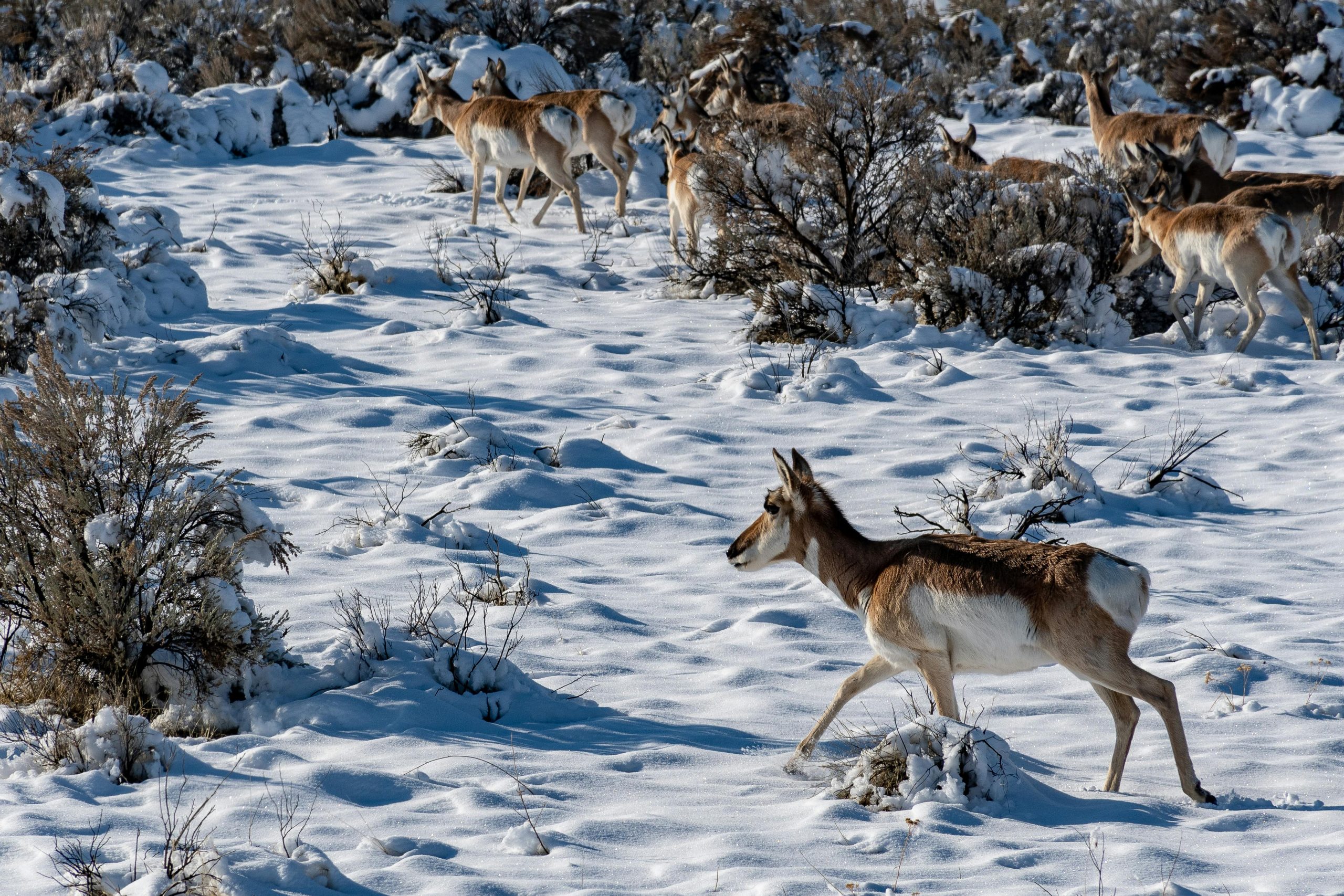
Gait patterns reveal how an animal was moving and what it was reacting to. Long, even strides typically indicate relaxed travel, while erratic prints or sudden direction shifts may suggest alertness or evasion. Bounding marks often point to startled animals, while tight, deliberate steps can signal careful feeding behavior. Understanding these patterns helps hunters anticipate where game might slow down, bed, or shift course. Snow makes gait analysis clearer, allowing hunters to interpret behavior with confidence and make informed decisions.
4. Spotting Drag Marks and Subtle Snow Signs
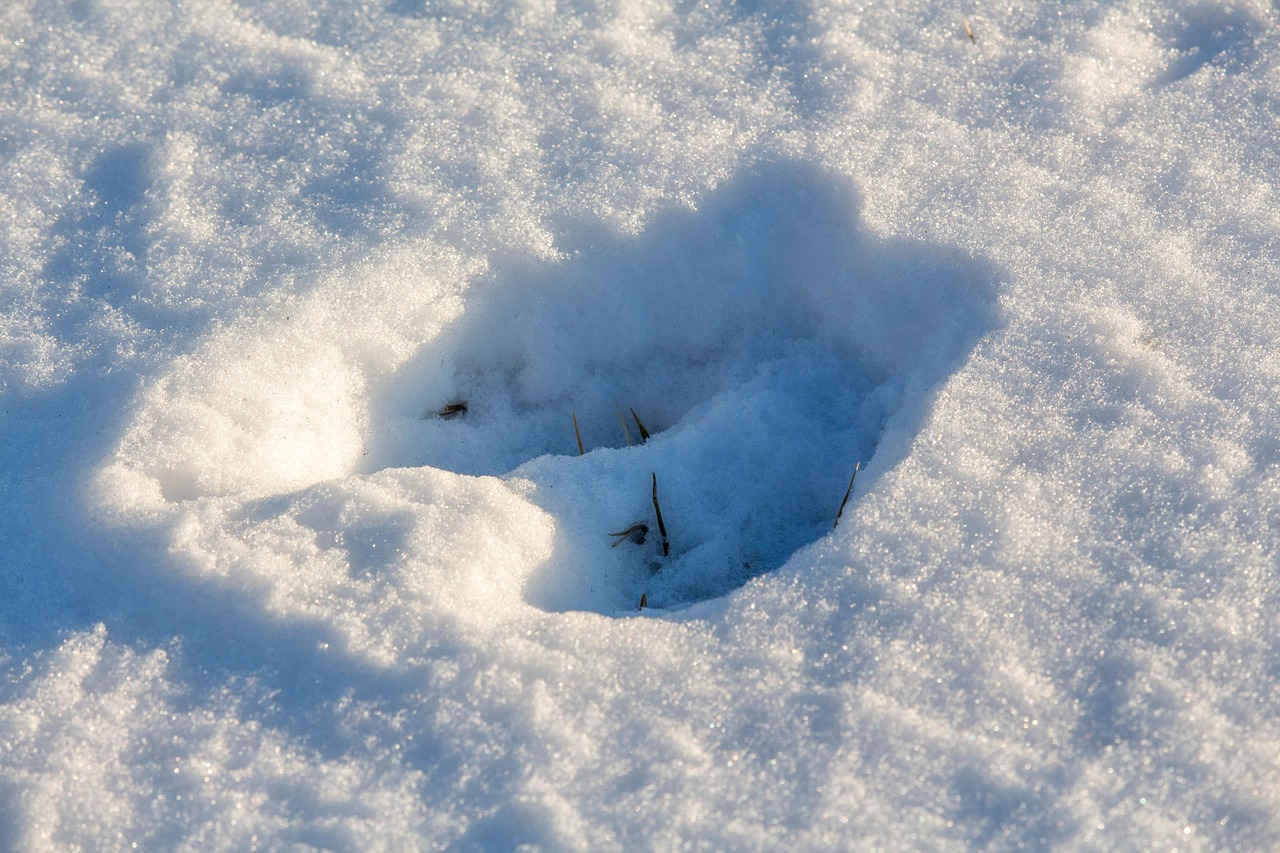
Beyond obvious footprints, hunters should look for delicate disturbances that signal recent activity. Drag marks from hooves, antlers, wings, or tails often appear as faint lines across the snow. Scattered powder from paw flicks or landing points from birds can also offer clues. Even small clumps of displaced snow indicate direction and movement style. These subtle signs help when tracks alone don’t provide a complete picture. Training the eyes to recognize small variations in texture improves overall tracking accuracy in snowy terrain.
5. Tracking Through Windblown or Crusted Surfaces
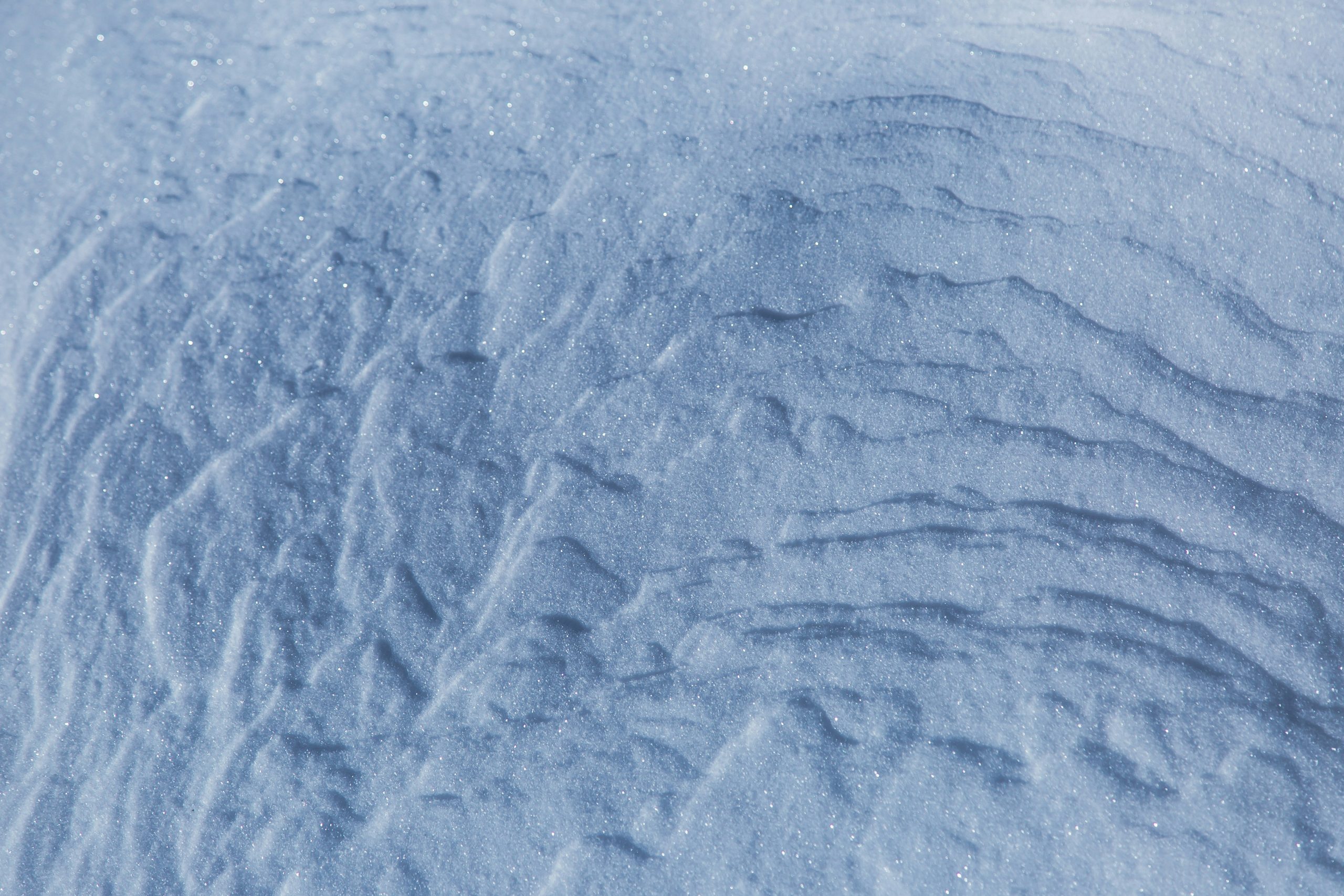
Wind and temperature changes can reshape tracks, making them harder to interpret. Crusted snow can fracture unpredictably, masking details, while windblown surfaces may cover trails partially or shift snow into unusual formations. Hunters must learn how to detect faint depressions or shadow lines that remain even after weather disturbances. Approaching the trail from different angles can reveal hidden impressions. Practicing in varied snow conditions builds confidence and ensures that hunters can continue tracking even when the landscape becomes less cooperative.
6. Identifying Feeding Areas and Winter Travel Routes

Animals often follow predictable routines in winter, using energy-efficient routes between feeding zones, cover, and bedding areas. Hunters should learn to recognize signs of browsing, such as clipped twigs, stripped bark, or pawed snow around ground-level vegetation. Trails leading to wind-sheltered ridges or evergreen thickets often indicate bedding locations. Understanding these winter patterns helps hunters anticipate where game is likely to move next. Snow highlights activity around these zones, making it easier to connect tracks with daily behavioral habits.
7. Using Snow Depth to Predict Animal Movement
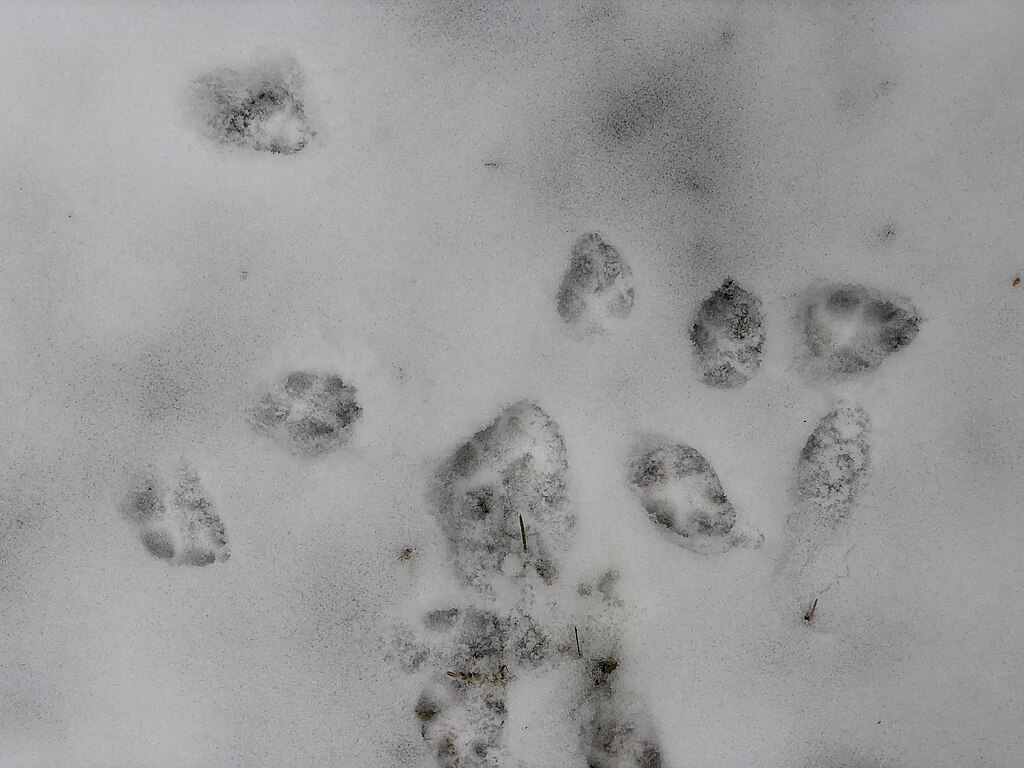
Snow depth significantly affects how wildlife travels. Deep snow encourages animals to follow packed-down paths, ridgelines, or wind-swept areas where movement is easier. Shallow snow, on the other hand, allows more direct or scattered movement. Hunters should observe how track depth and stride change in different snow levels, as these variations indicate effort, direction choice, and potential fatigue. Recognizing how animals adapt to conditions helps predict where they may shift routes, making tracking more efficient over longer distances.
8. Recognizing Heat Signatures and Melt Patterns
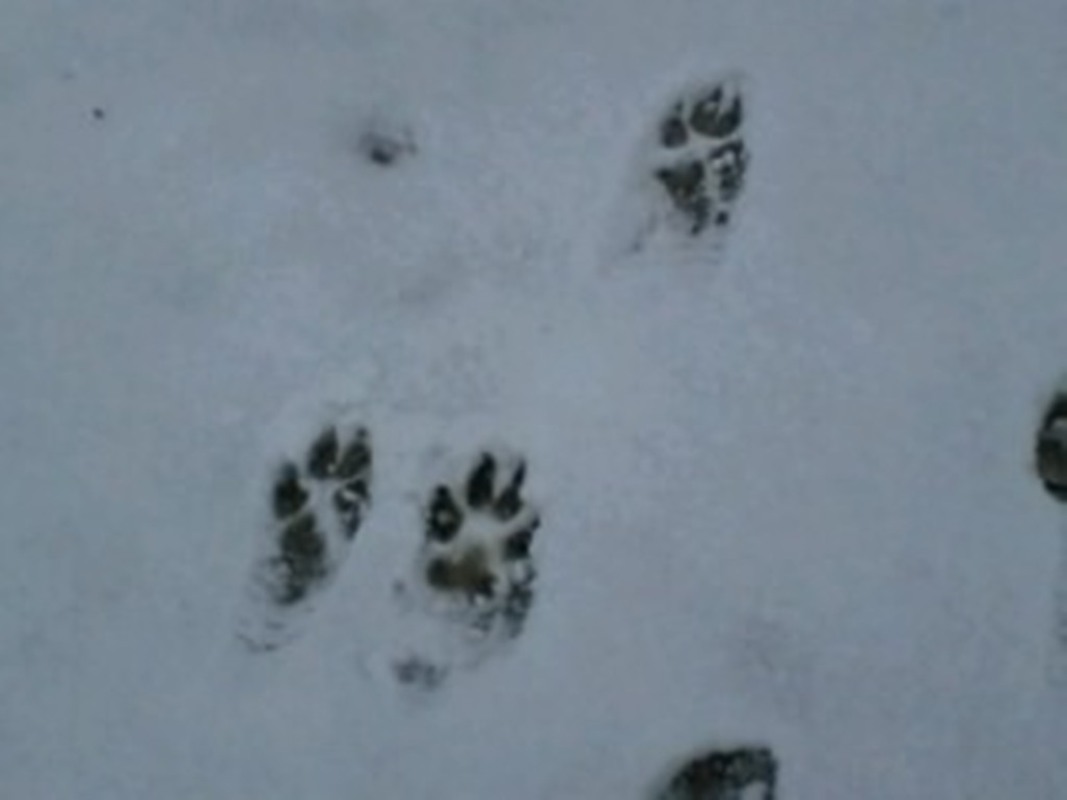
Warmth from an animal’s body can subtly melt snow, leaving telltale signs beyond the track itself. These melt patterns may appear as slightly glossy edges, softened impressions, or faint vapor frost around prints in extremely cold weather. Body heat can also create slight depressions in bedding areas or alter nearby ice crystals. Hunters who learn to identify these subtle cues gain an advantage when determining track freshness. Such details help confirm whether a trail is worth following before committing to a long pursuit.
9. Interpreting Environmental Clues Along the Trail
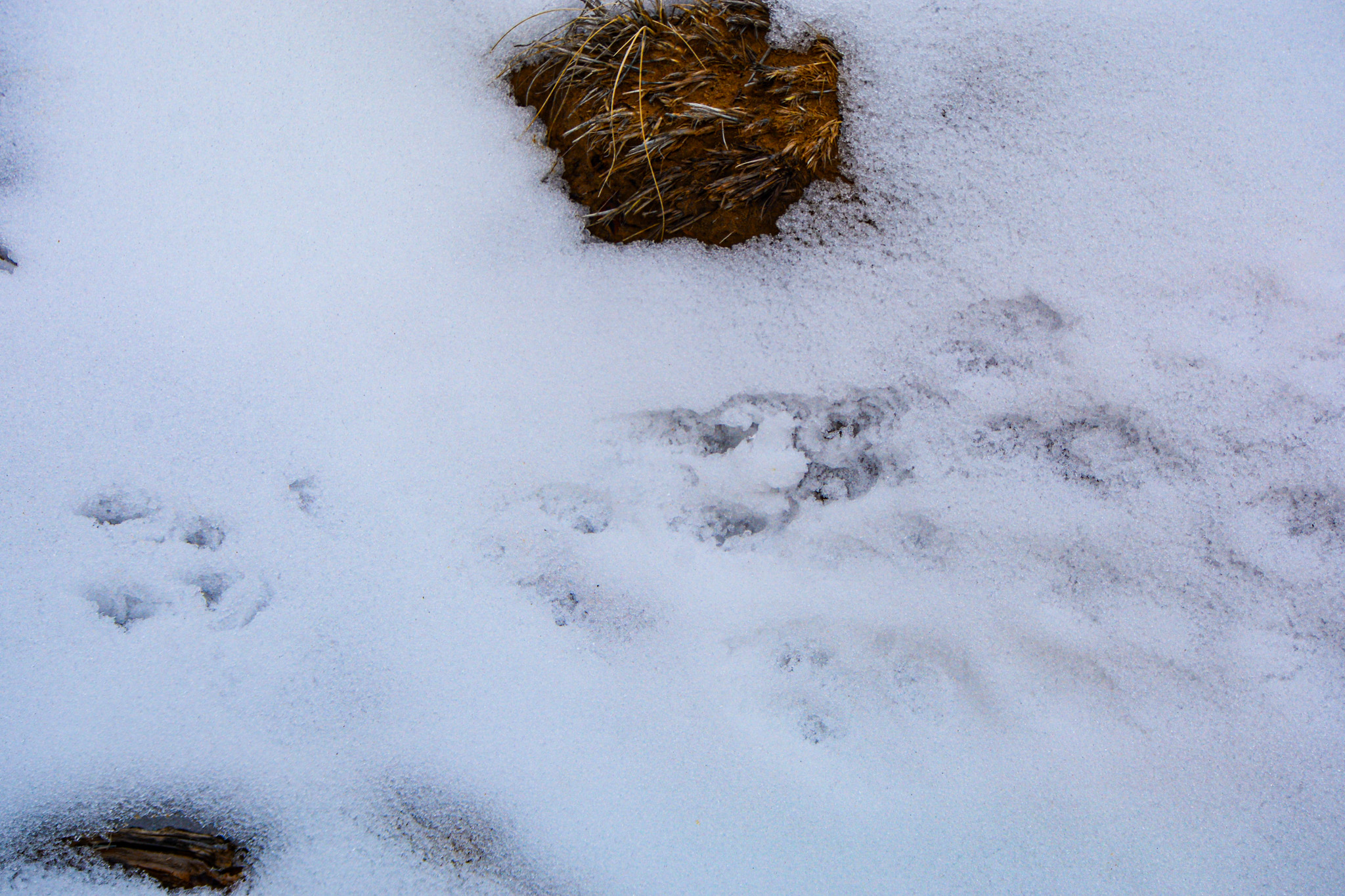
Successful tracking often relies on more than footprints alone. Hunters should note broken twigs, disturbed bark, or small flecks of hair caught on branches. Snow-covered vegetation may show brushing marks or fallen powder where an animal recently passed. Listening for distant cracking sounds or observing wind direction further refines the picture. Combining these environmental clues with track interpretation gives a fuller understanding of the animal’s movements. This holistic approach ensures safer, more efficient decision-making in demanding winter landscapes.