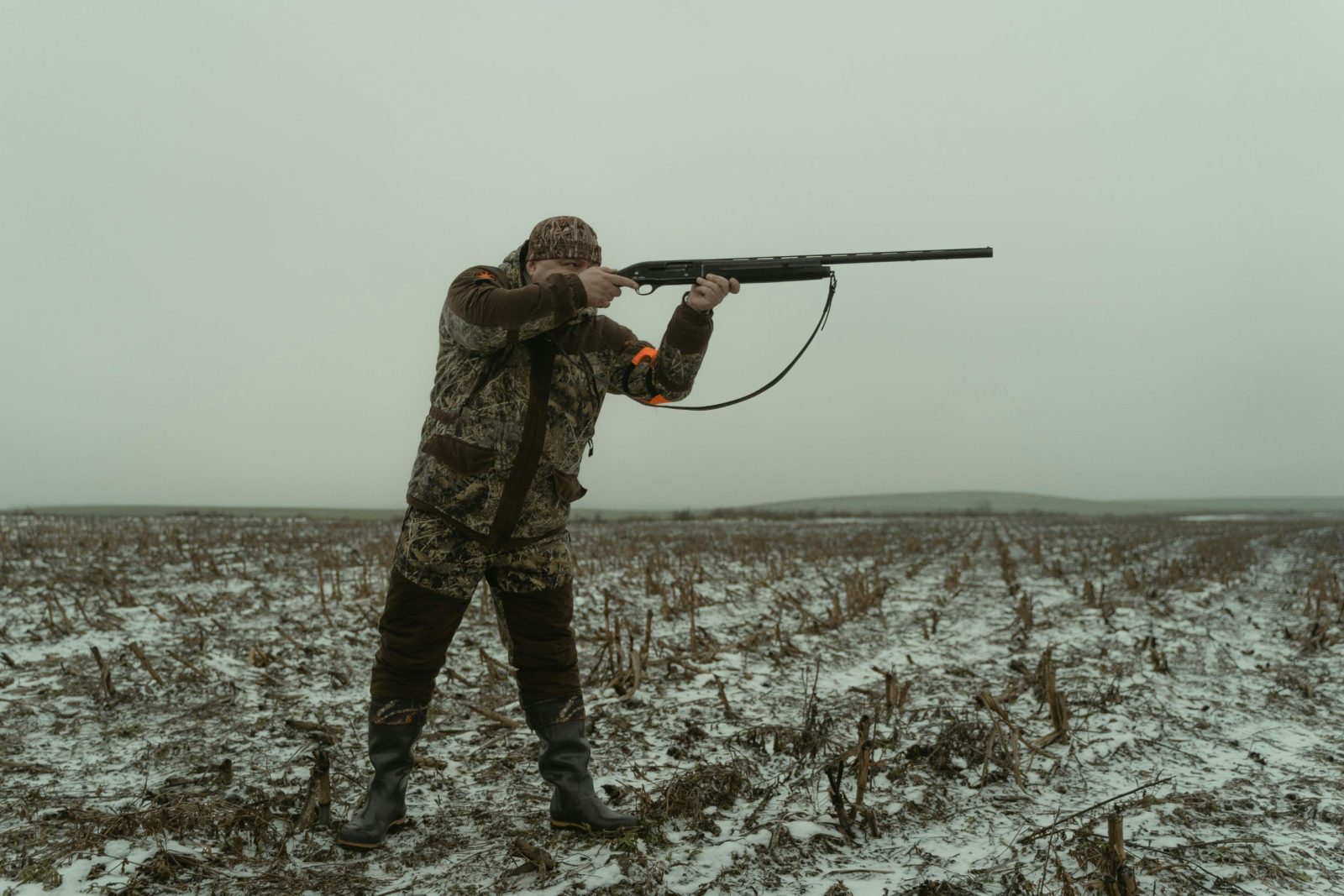
Cold-weather hunts unfold across quiet winter landscapes where frost, wind, and low temperatures influence both equipment and physical performance. Accuracy becomes more challenging as cold air stiffens muscles, thick layers restrict movement, and metal components react to rapid temperature changes. A thoughtful approach to preparation helps counter these effects and supports consistent shooting in winter conditions. With practical adjustments to technique and gear management, accuracy remains steady even as the season’s chill settles over the field.
Warm the Rifle Gradually
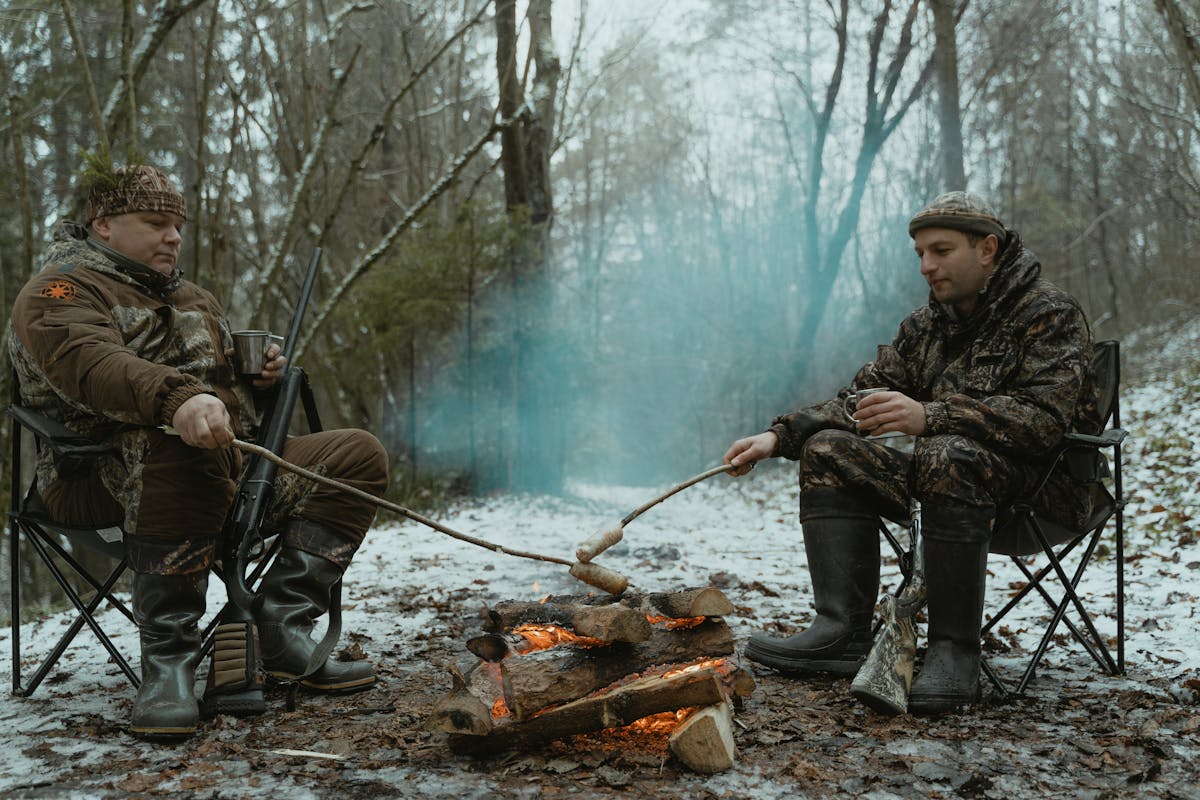
A rifle performs more predictably when temperature transitions occur slowly rather than through sudden exposure to freezing air. Allowing the firearm to acclimate naturally helps metal components settle evenly as they contract in the cold. Sheltering the rifle briefly before use also reduces fogging on optics and limits internal condensation that can interfere with moving parts. A gradual adjustment period supports smoother operation once shooting begins and helps maintain consistency throughout the hunt.
Maintain Steady Breathing
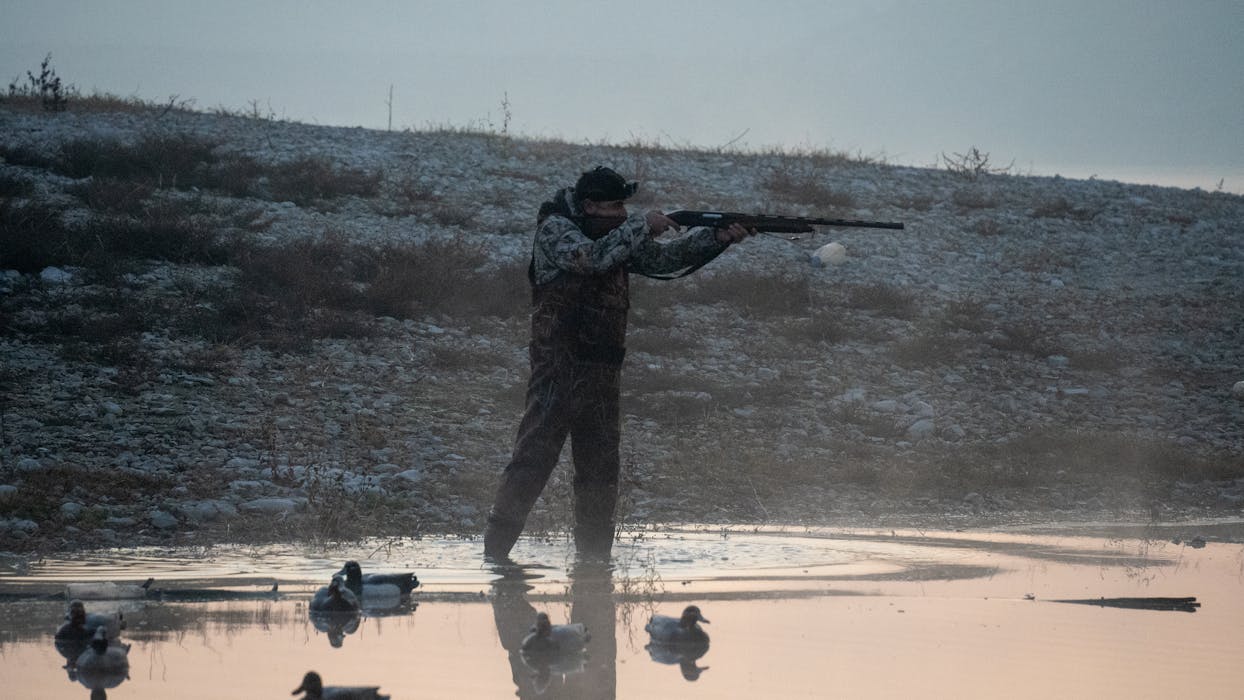
Cold air often prompts shallow breathing, which introduces unwanted movement during the moment of firing. Slow, even breaths warm incoming air and keep the upper body from tightening against the cold. This steady rhythm promotes a calmer stance and supports smoother trigger work. Maintaining a consistent breathing pattern helps counter the natural tension that develops as temperatures drop and conditions grow demanding.
Keep Hands Flexible
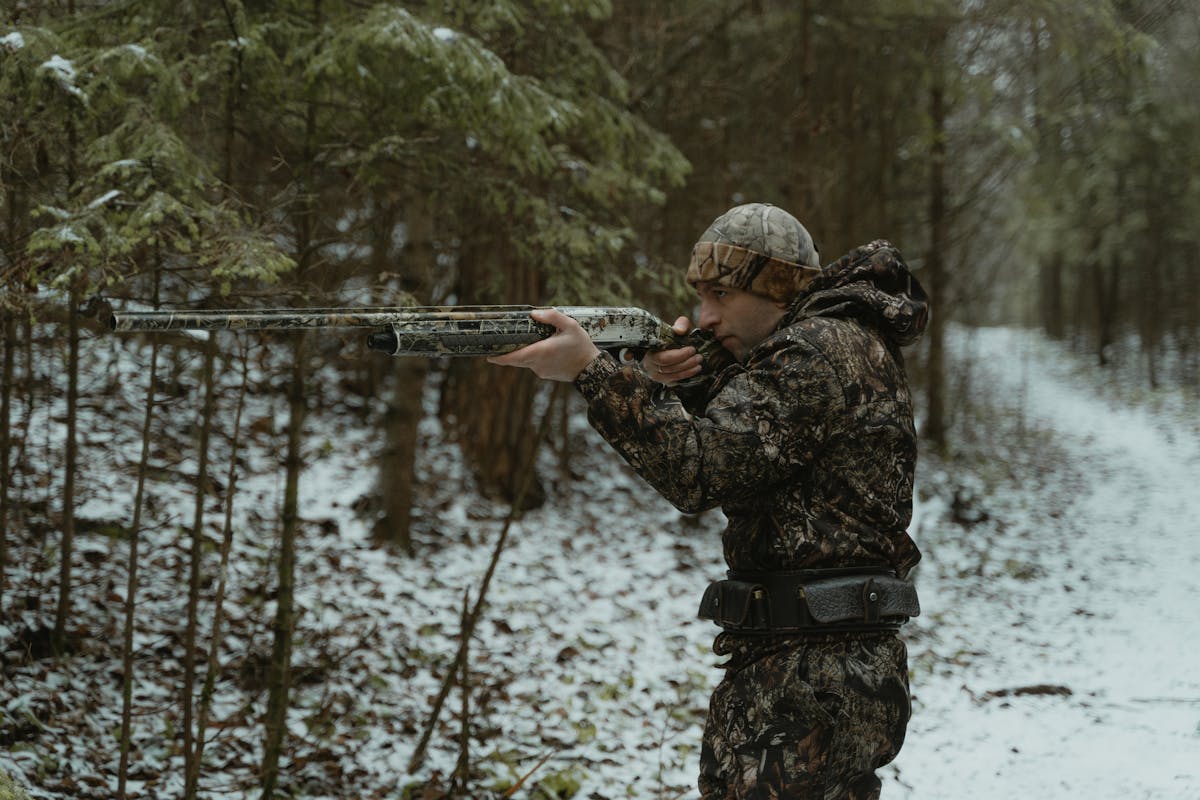
Hands lose dexterity quickly in cold weather, diminishing grip strength and slowing fine motor movements needed to operate a rifle with precision. Insulated gloves, warm pockets, or heat packs help maintain circulation and keep fingers responsive. Flexible hands allow smooth operation of triggers, bolts, and safeties even during extended periods outdoors. Sustained warmth in this area supports clearer control and reduced strain in challenging temperatures.
Stabilize the Shooting Position
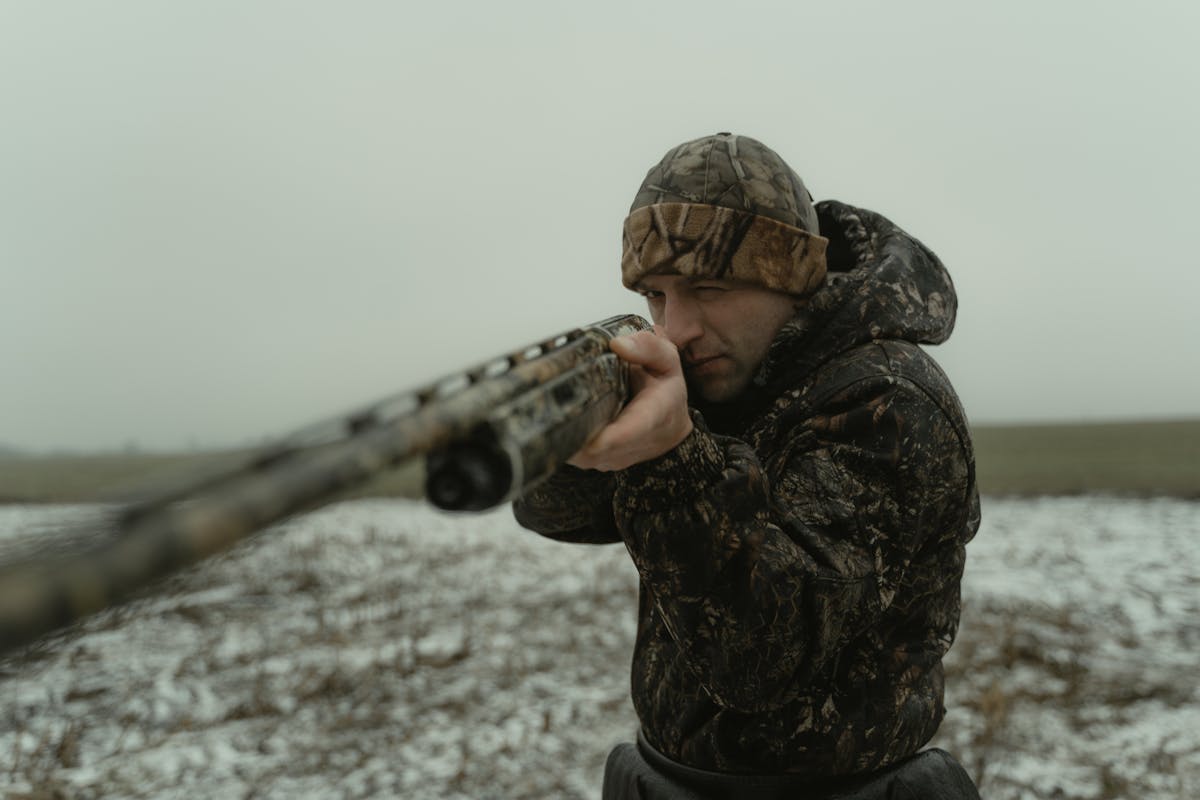
A stable shooting position takes on added importance during winter hunts when muscles respond more slowly, and balance becomes harder to maintain. Natural rests, sturdy packs, or bipods help reduce sway caused by layered clothing or uneven snowy ground. A strong support base compensates for stiffness and creates a dependable platform for steady aim. Improved stability reduces unnecessary movement and enhances accuracy across varied winter landscapes.
Monitor Ammunition Temperature
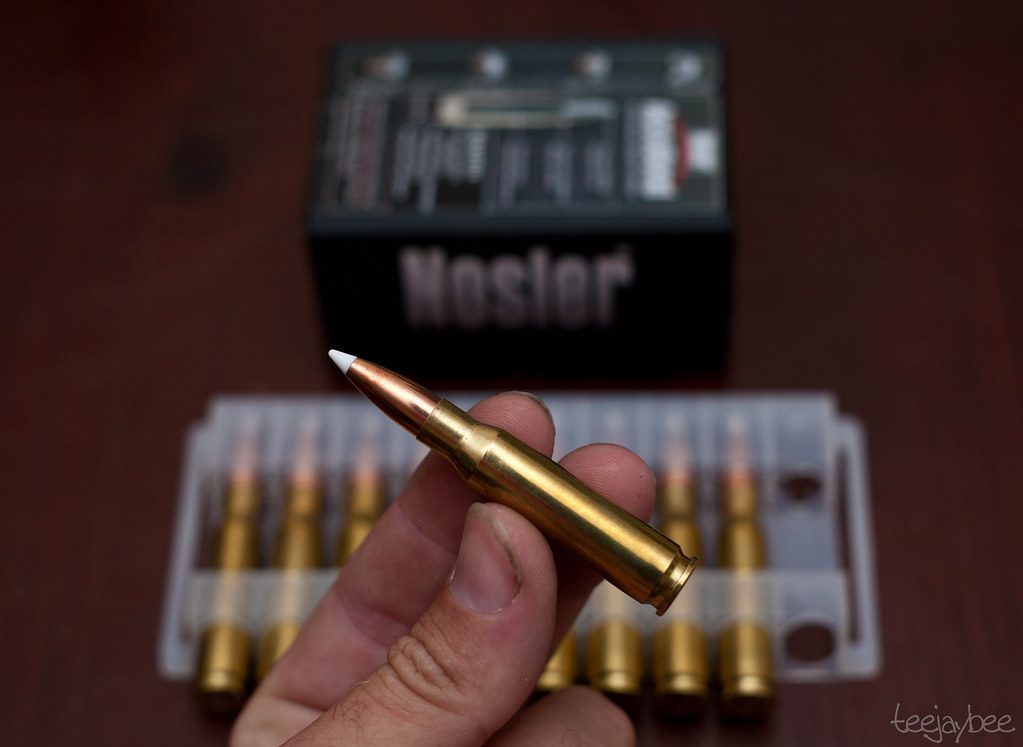
Ammunition behaves differently when exposed to extreme cold, often producing slower velocities and wider variations in performance. Storing cartridges in insulated pockets or warmer layers helps maintain a consistent temperature and more predictable ballistic behavior. Reduced temperature fluctuation leads to tighter groupings and steadier bullet drop. Managing ammunition conditions carefully helps preserve precision across long days in demanding weather.
Protect Optics From Frost
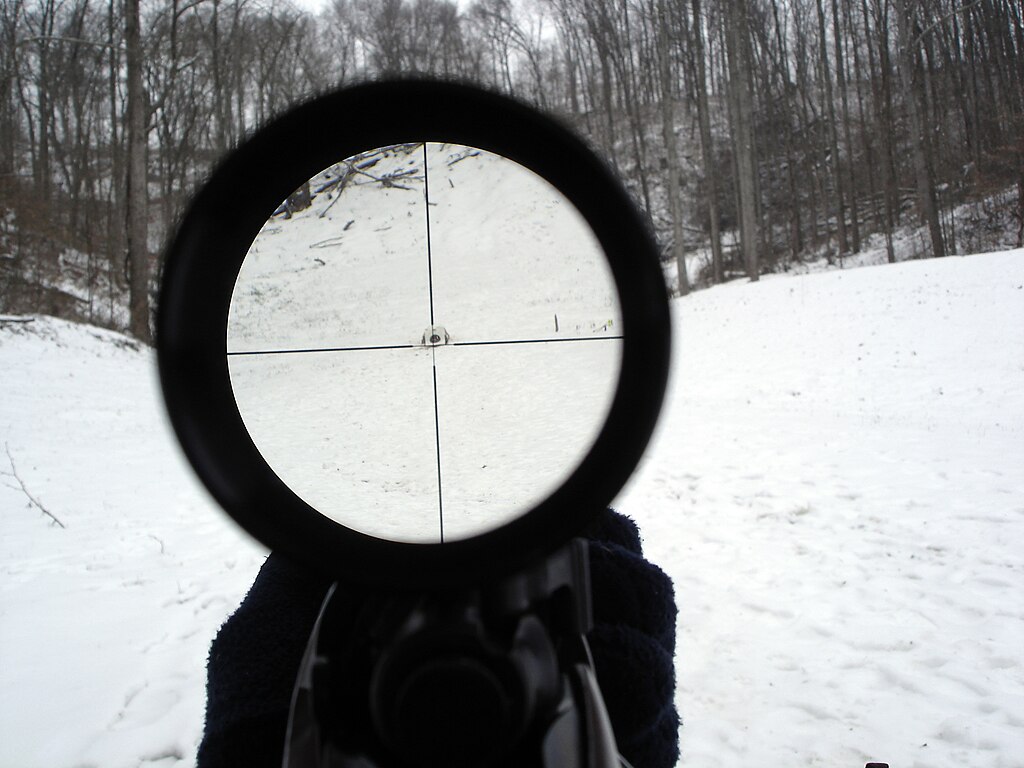
Optics are highly susceptible to fog and frost when shifting between warm and cold environments. Protective lens covers and careful handling help prevent moisture from settling on glass surfaces. Allowing scopes or binoculars to acclimate gradually reduces internal condensation that can distort visibility. Clear, frost-free optics provide the sharp sight picture needed for confident aiming in winter conditions and prevent distractions during critical moments.
Stretch to Maintain Mobility
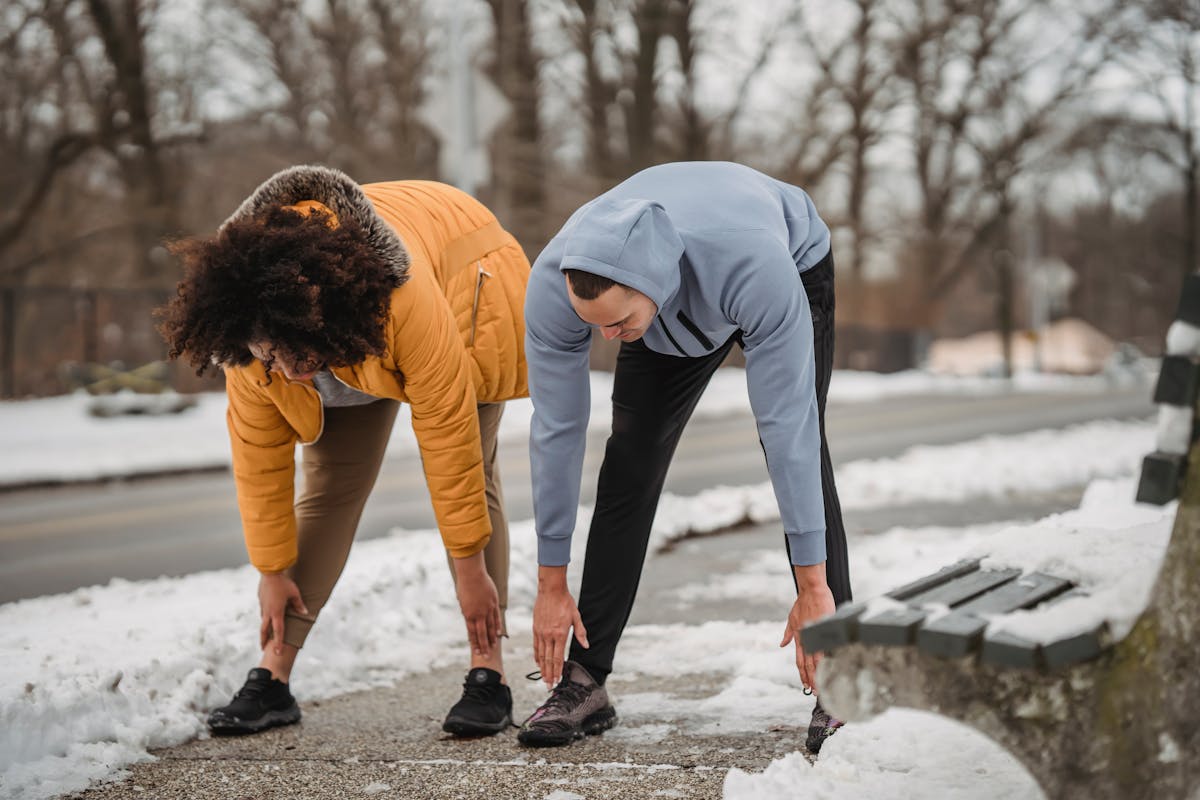
Cold temperatures tighten muscles and restrict flexibility, making it difficult to hold a steady firing stance for long periods. Gentle stretching before and during the hunt keeps shoulders, arms, and back more responsive. Maintaining mobility supports a smoother shooting posture and reduces stiffness that accumulates during extended stillness. Regular movement helps preserve comfort and stability throughout the day.
Use Proper Trigger Control
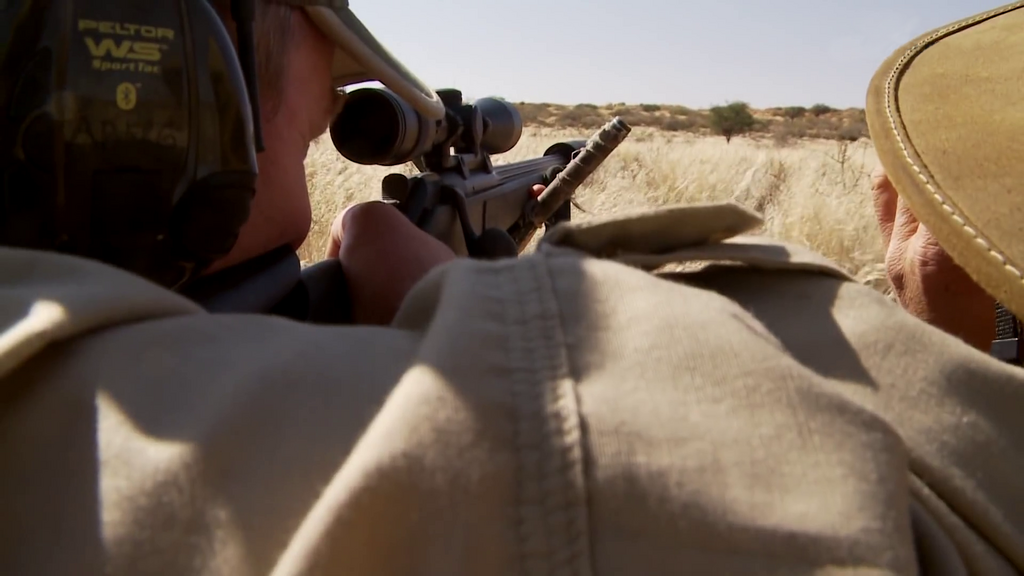
Thick gloves and chilled hands make precise trigger work more challenging in winter conditions. Smooth, deliberate pressure prevents jerking motions that send shots off course. Controlled movement helps maintain proper alignment even when hand sensitivity diminishes in the cold. Clean trigger discipline remains one of the most dependable factors in retaining accuracy during harsh weather.
Adjust for Environmental Effects
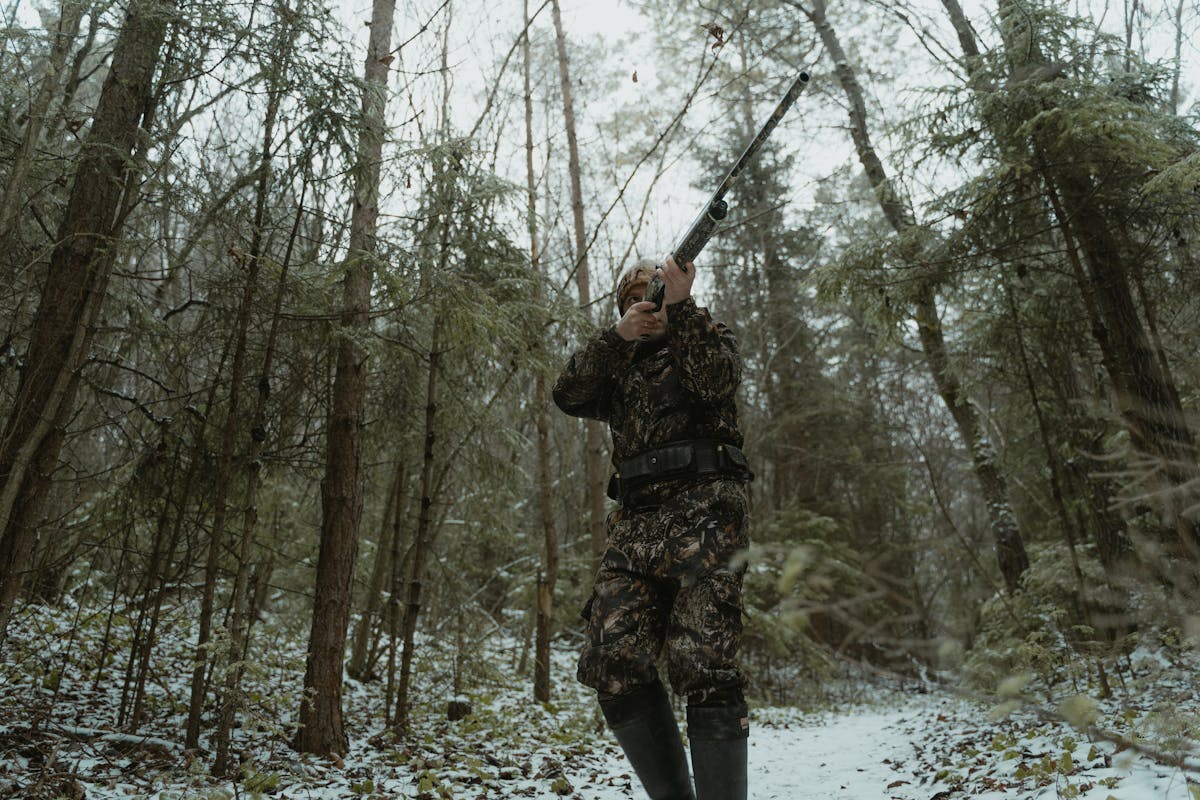
Cold weather alters bullet flight by increasing air density and reducing muzzle velocity, leading to noticeable changes in trajectory. Accounting for these factors improves alignment and helps match expectations to real-world conditions. Confirming zero in winter temperatures ensures the rifle performs accurately when it matters most. Awareness of these environmental influences leads to stronger consistency and more reliable results in the field.