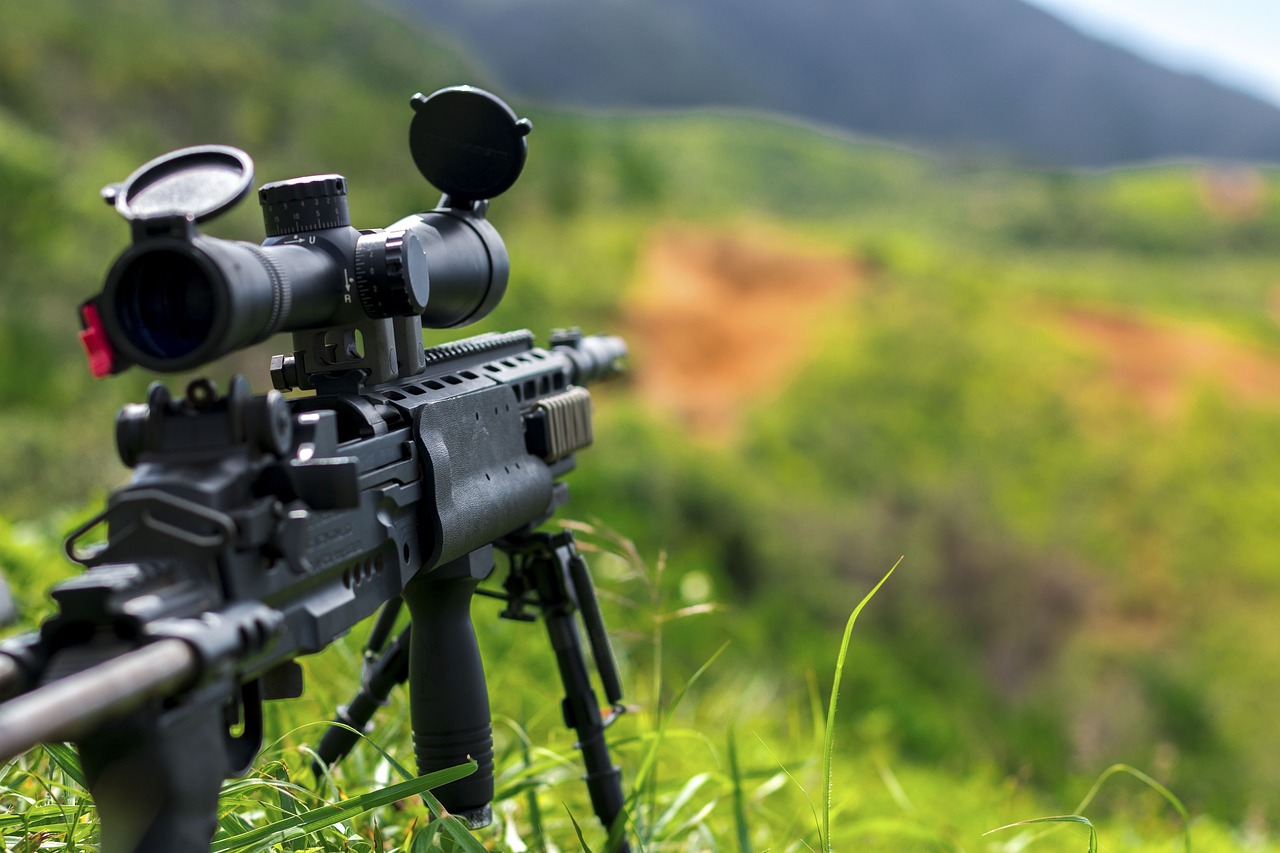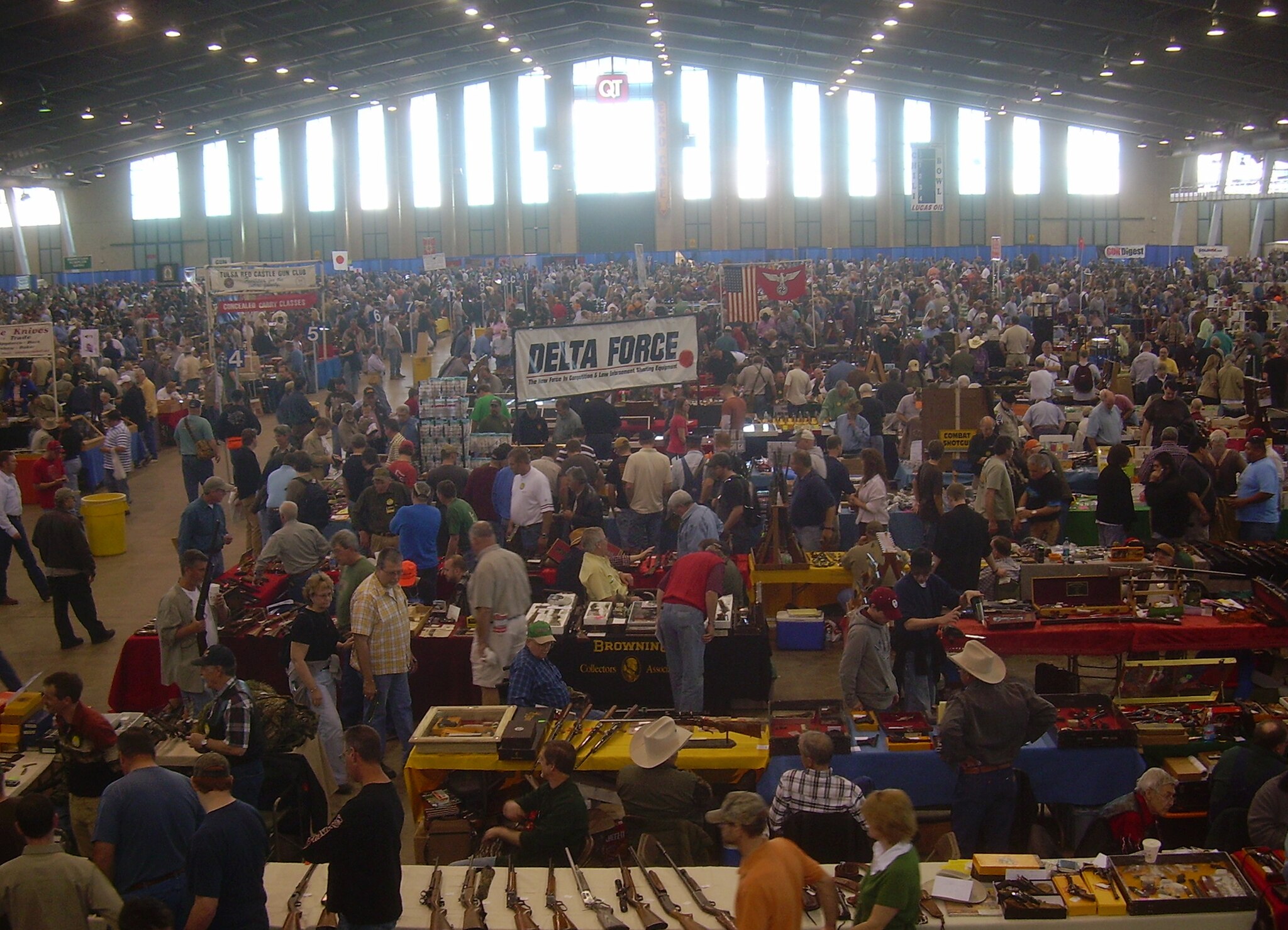
Gun shows often appear informal, but they operate under a complex mix of federal, state, and venue specific rules. Many items people assume are freely available are restricted or banned outright depending on location. These limitations exist to address safety, trafficking concerns, and legal compliance rather than inconvenience. Understanding what is prohibited helps explain how gun shows function and why enforcement matters. Restrictions also reflect broader firearm regulations applied in temporary marketplaces. Each banned item highlights how oversight works in practice and why assumptions about unrestricted access often miss important legal and safety considerations surrounding firearms and related equipment.
Fully Automatic Firearms
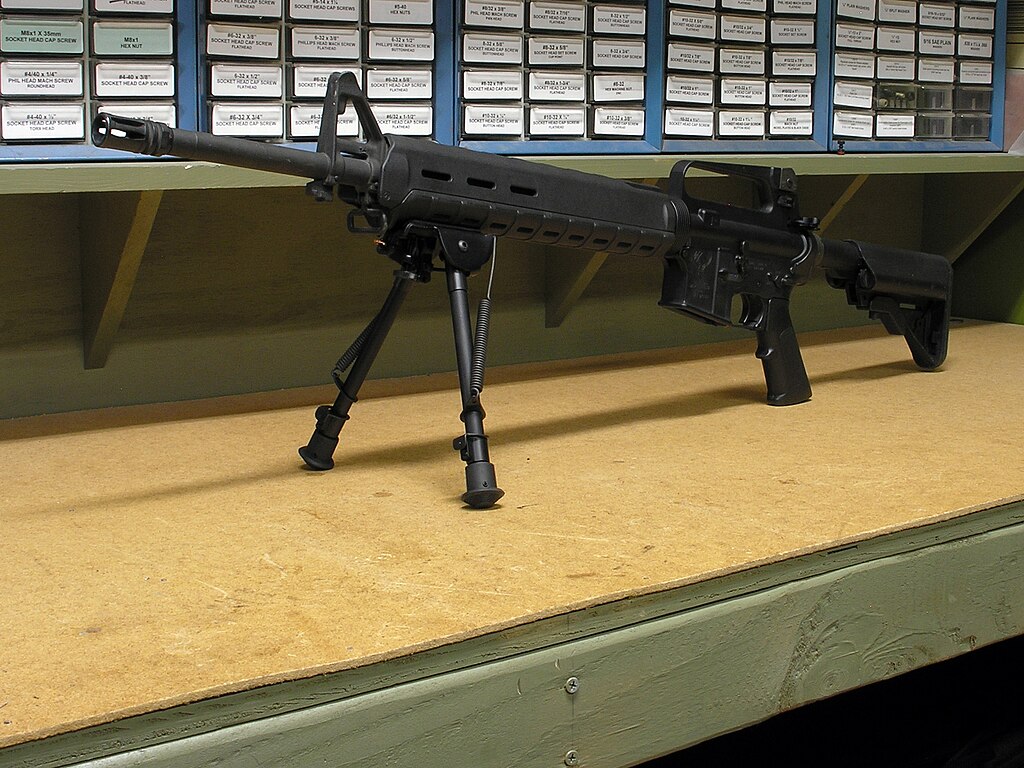
Fully automatic firearms are banned at gun shows under federal law unless strict licensing requirements are met. Since the Firearm Owners’ Protection Act of 1986, civilian ownership of newly manufactured machine guns has been prohibited. Only firearms registered before that date and owned by properly licensed individuals may be transferred. Gun shows must comply with these regulations. Sellers cannot legally offer unregistered automatic weapons. This ban exists to prevent uncontrolled distribution of military grade firearms. It reinforces that gun shows follow the same federal standards as permanent dealers, maintaining accountability and limiting access to weapons capable of sustained automatic fire.
Unregistered Firearms
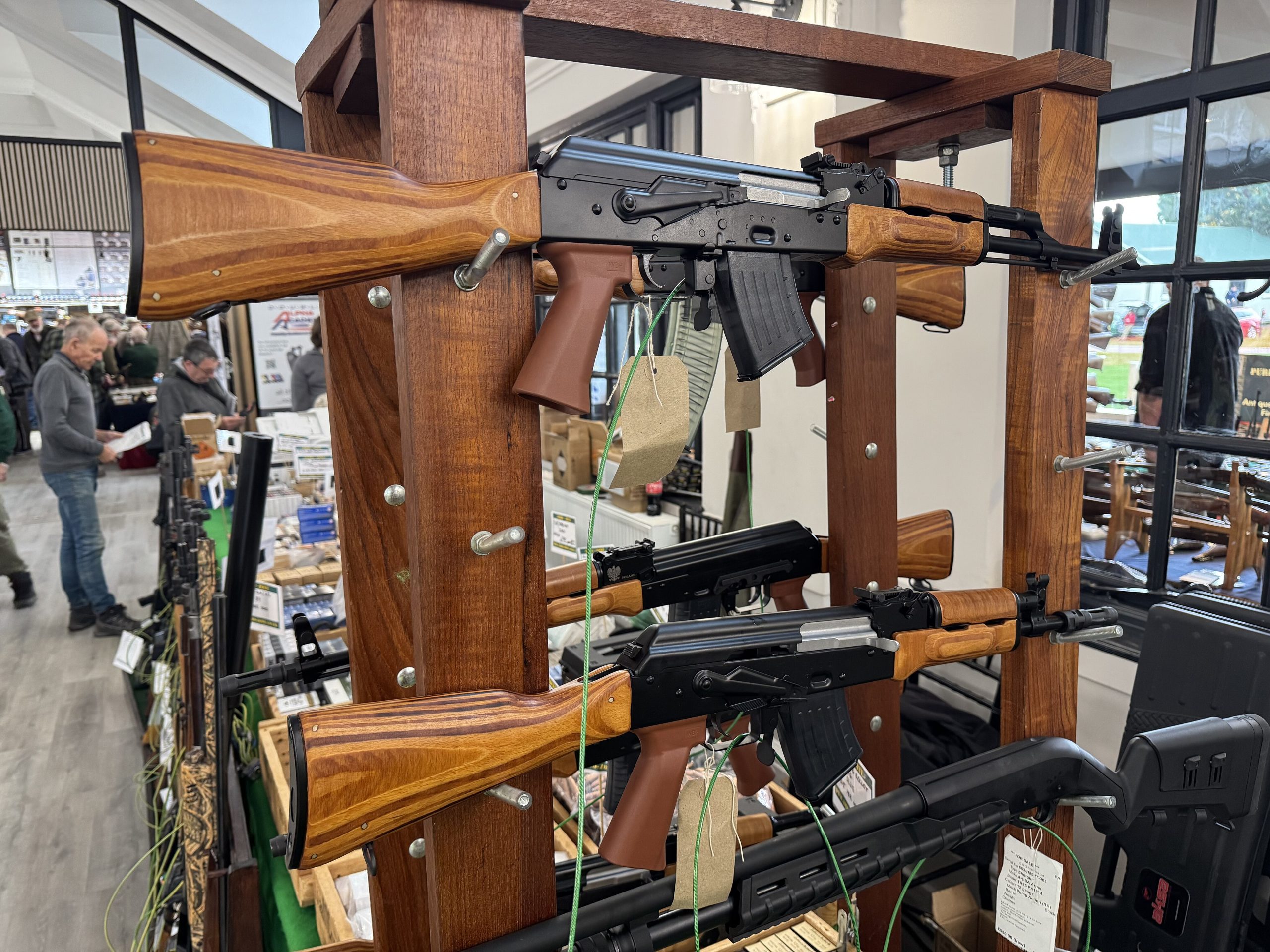
Unregistered firearms are prohibited at gun shows because all sales must comply with applicable federal and state laws. Licensed dealers are required to maintain records and conduct background checks where mandated. Selling firearms without proper documentation violates these rules. Even private sellers may face restrictions depending on state law and venue policy. The ban on unregistered firearms aims to prevent trafficking and ensure traceability. Gun shows operate under scrutiny due to their temporary nature. Prohibiting undocumented firearms supports law enforcement efforts and reinforces that legality applies regardless of setting, helping reduce illegal circulation and ensuring accountability within firearm transactions.
Armor Piercing Ammunition
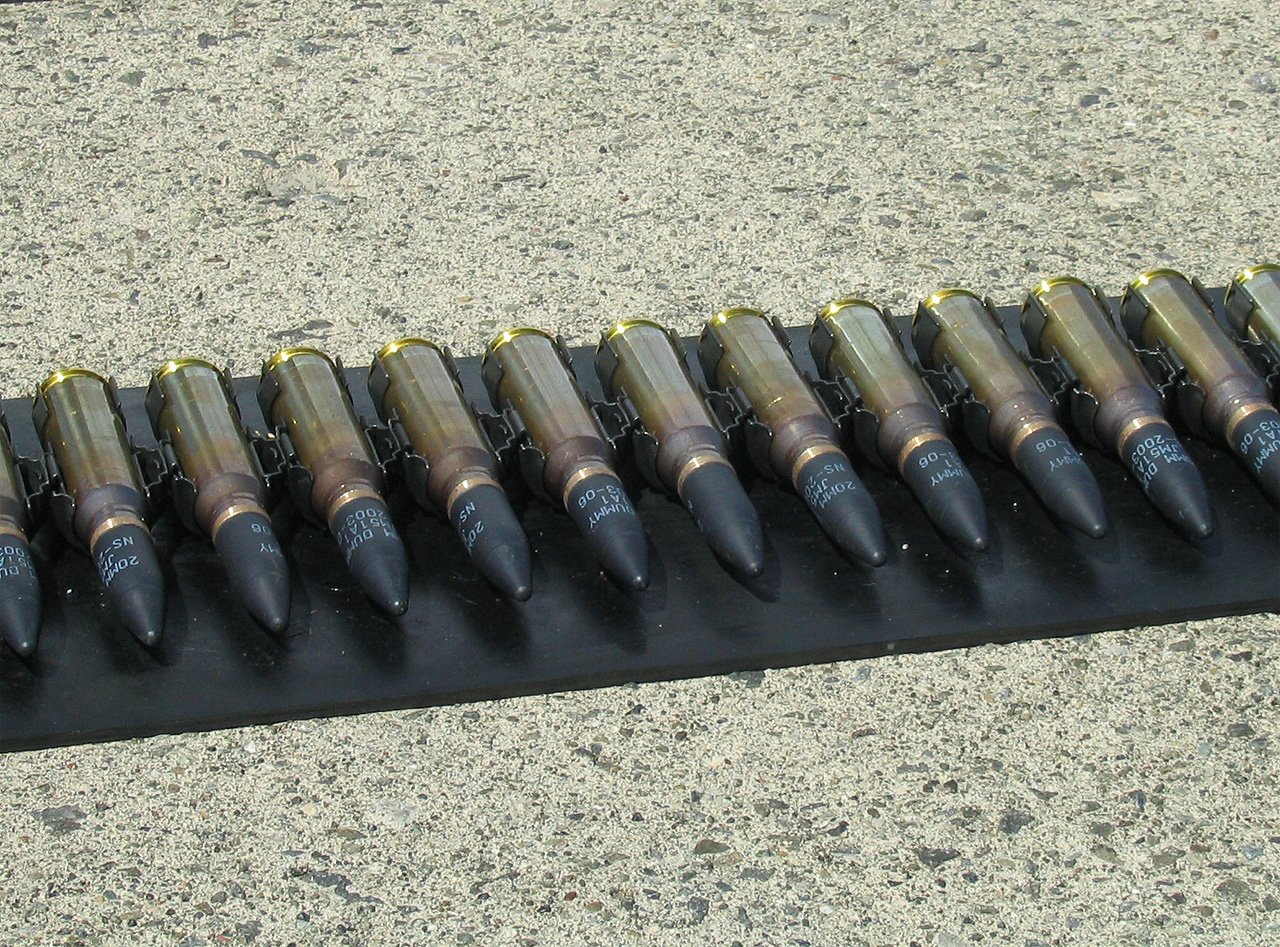
Armor piercing ammunition is restricted or banned at many gun shows depending on jurisdiction. Federal law regulates specific types designed to penetrate ballistic armor, particularly handgun ammunition constructed with hardened cores. Vendors must comply with these limits. Some venues impose additional bans regardless of federal definitions. These restrictions exist because armor piercing rounds pose heightened risk to law enforcement and public safety. Preventing their sale in crowded marketplaces reduces potential misuse. The presence of such ammunition raises concerns beyond sporting or defensive use. Gun show bans reflect broader efforts to limit access to specialized rounds intended for tactical or military applications.
Explosive Devices And Components
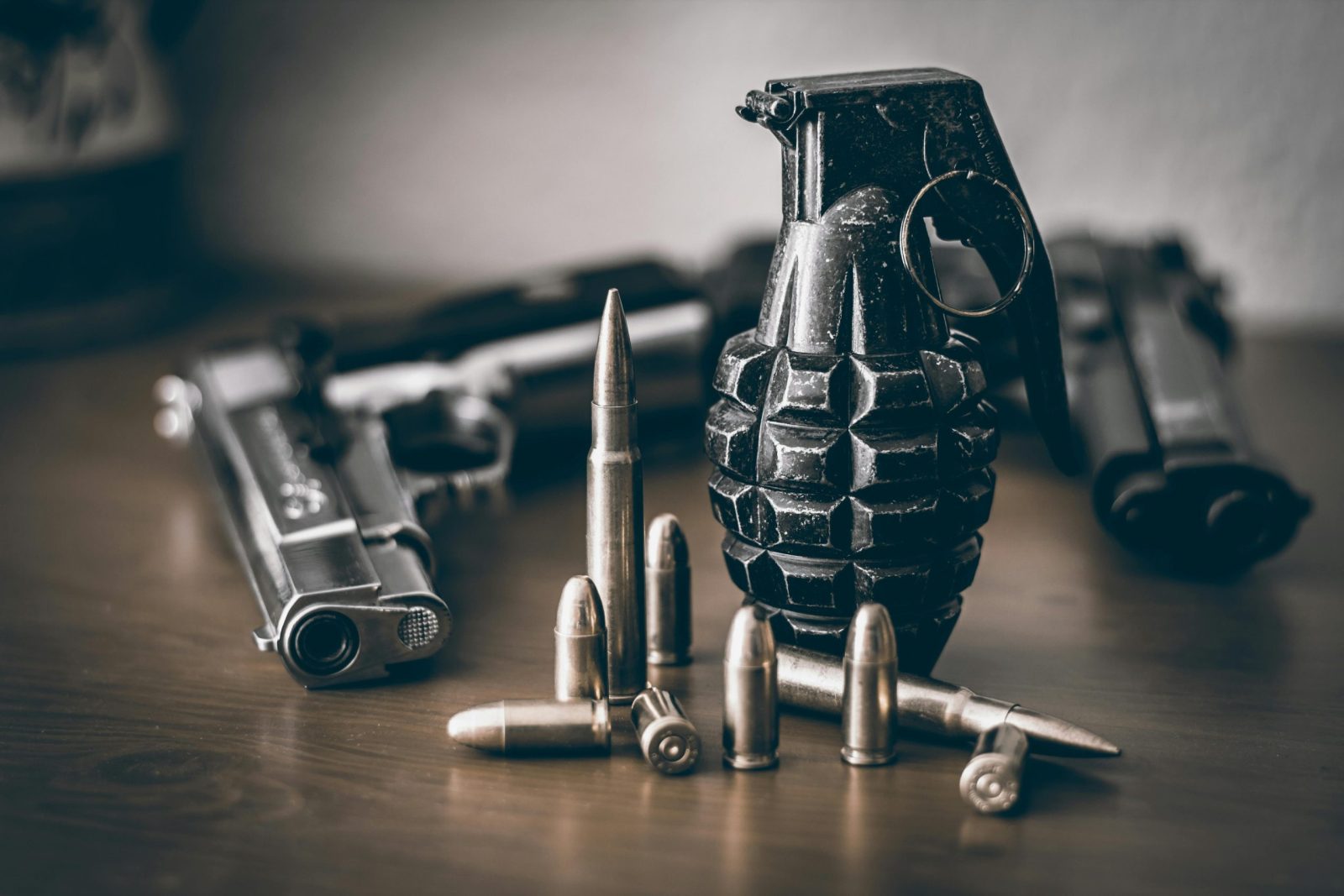
Explosive devices and their components are banned at gun shows under federal explosives laws. This includes grenades, pipe bomb materials, and certain high explosives. Even inert or replica items may face restrictions depending on venue rules. The Bureau of Alcohol, Tobacco, Firearms and Explosives regulates explosive materials separately from firearms. Allowing such items in crowded indoor spaces poses unacceptable risk. Gun shows prohibit these materials to maintain safety and comply with explosives regulations. This ban reinforces that gun shows are not general weapons markets but regulated events focused on lawful firearms and accessories within strict safety boundaries.
Firearms With Removed Serial Numbers
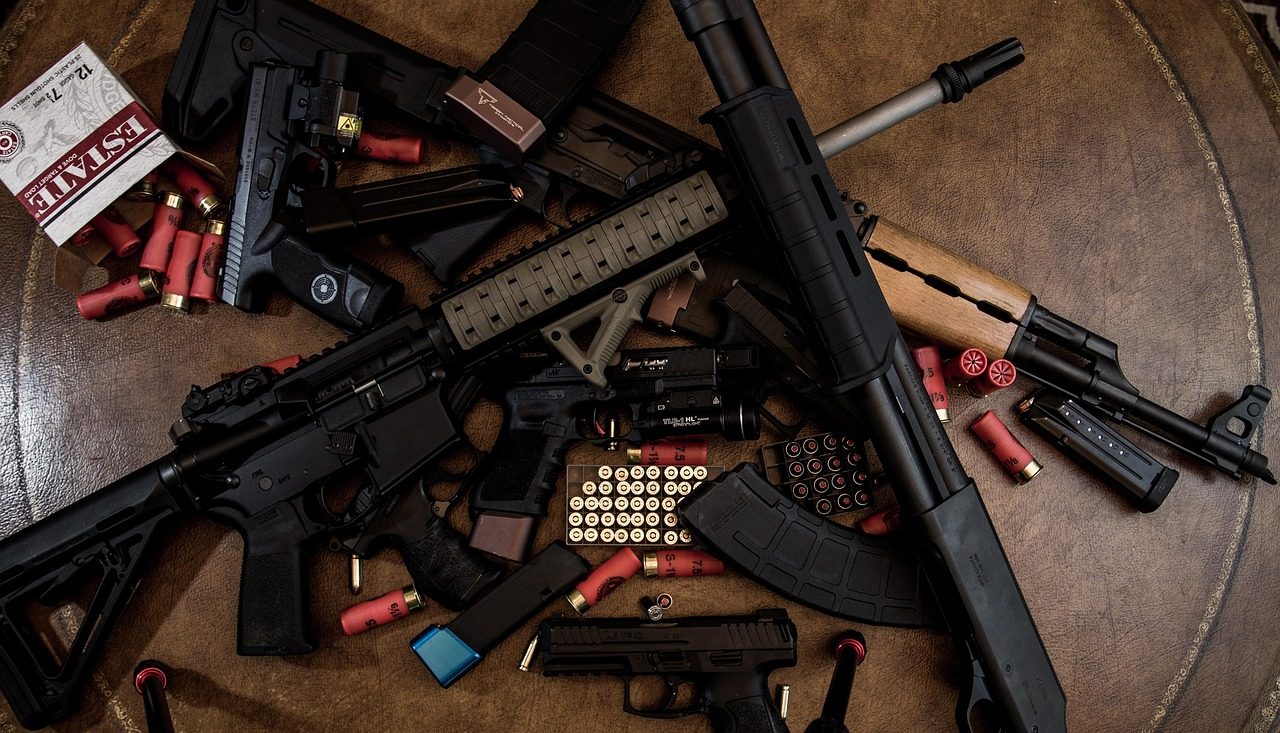
Firearms with removed or altered serial numbers are illegal to sell or possess and are banned at gun shows nationwide. Serial numbers are required for tracing firearms used in crimes. Removing them violates federal law. Gun show vendors are subject to inspection, and possession of such firearms can result in criminal charges. This prohibition exists to prevent anonymity in firearm ownership. Gun shows often emphasize compliance because visibility is high. Banning unserialized firearms supports accountability and deters illegal trafficking. It also demonstrates that gun shows operate within established legal frameworks rather than outside regulatory oversight.
Stolen Firearms
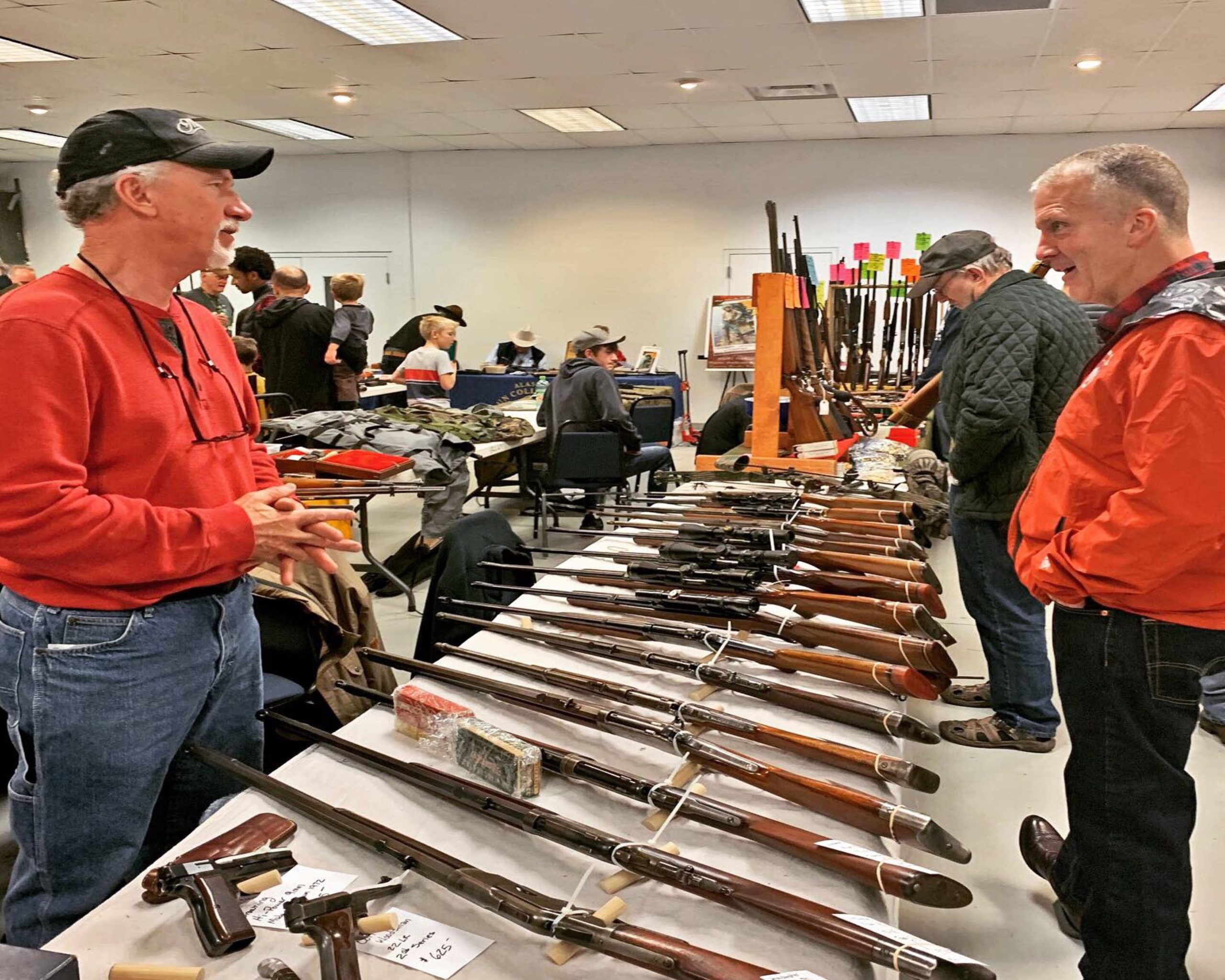
Stolen firearms are banned at gun shows under existing criminal law. Possession or sale of stolen property is illegal regardless of venue. Gun shows often cooperate with law enforcement to identify stolen weapons through serial number checks. Vendors risk severe penalties if stolen firearms are discovered. This ban protects lawful owners and reduces circulation of weapons linked to crime. Because gun shows involve many transactions in short periods, enforcement is emphasized. Preventing stolen firearms from entering the marketplace reinforces legitimacy and public trust, ensuring that gun shows function as lawful exchanges rather than channels for illicit redistribution.
Certain High Capacity Magazines
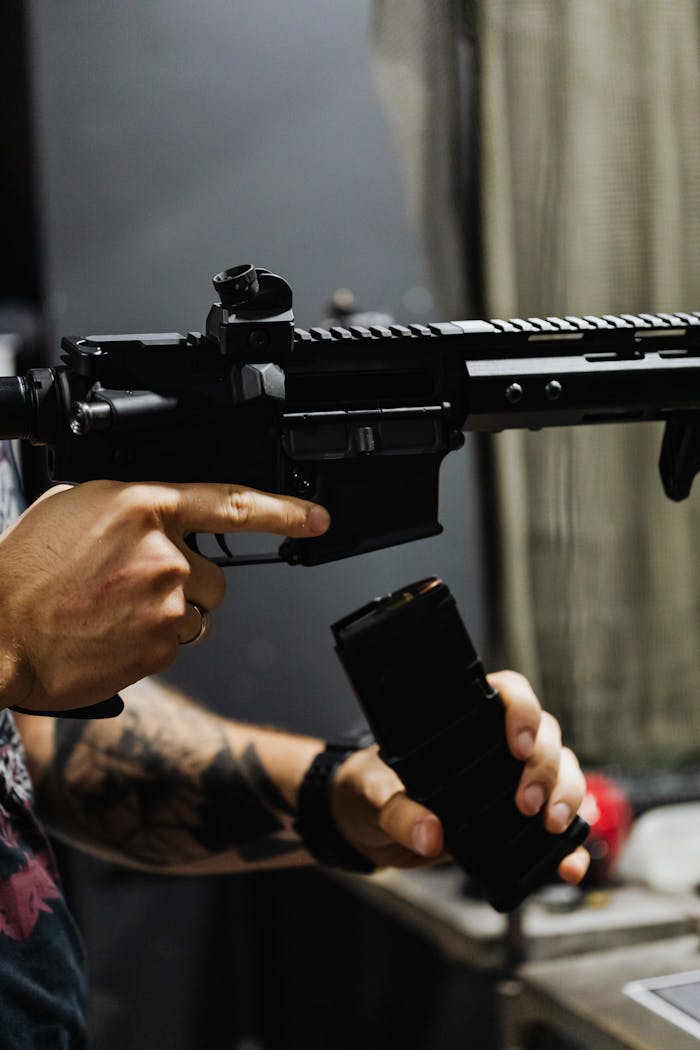
High capacity magazines are banned at gun shows in states with magazine capacity limits. These laws restrict magazines exceeding specific round counts, often ten or fifteen rounds. Gun shows held in these states must comply fully. Vendors may not sell prohibited magazines even if legal elsewhere. This ban reflects state level firearm policy rather than gun show specific rules. It underscores how local law governs temporary events. Enforcement ensures consistency with retail laws. Restrictions aim to reduce potential harm in violent incidents. Gun shows reflect these limits to avoid becoming loopholes in state firearm regulation.
Illegal Firearm Modifications

Illegal firearm modifications are banned at gun shows because altering weapons outside legal standards violates federal or state law. Examples include converting semi automatic firearms into automatic ones or installing prohibited suppressor components without authorization. Vendors cannot offer services or parts that facilitate illegal modification. This ban exists to prevent circumvention of firearm regulations. Gun shows attract inspection, making compliance essential. Prohibiting illegal modifications reinforces safety and legal integrity. It also clarifies that customization must remain within lawful limits. Gun shows function under the same modification rules as licensed gunsmiths and retailers nationwide.
Sales To Prohibited Persons
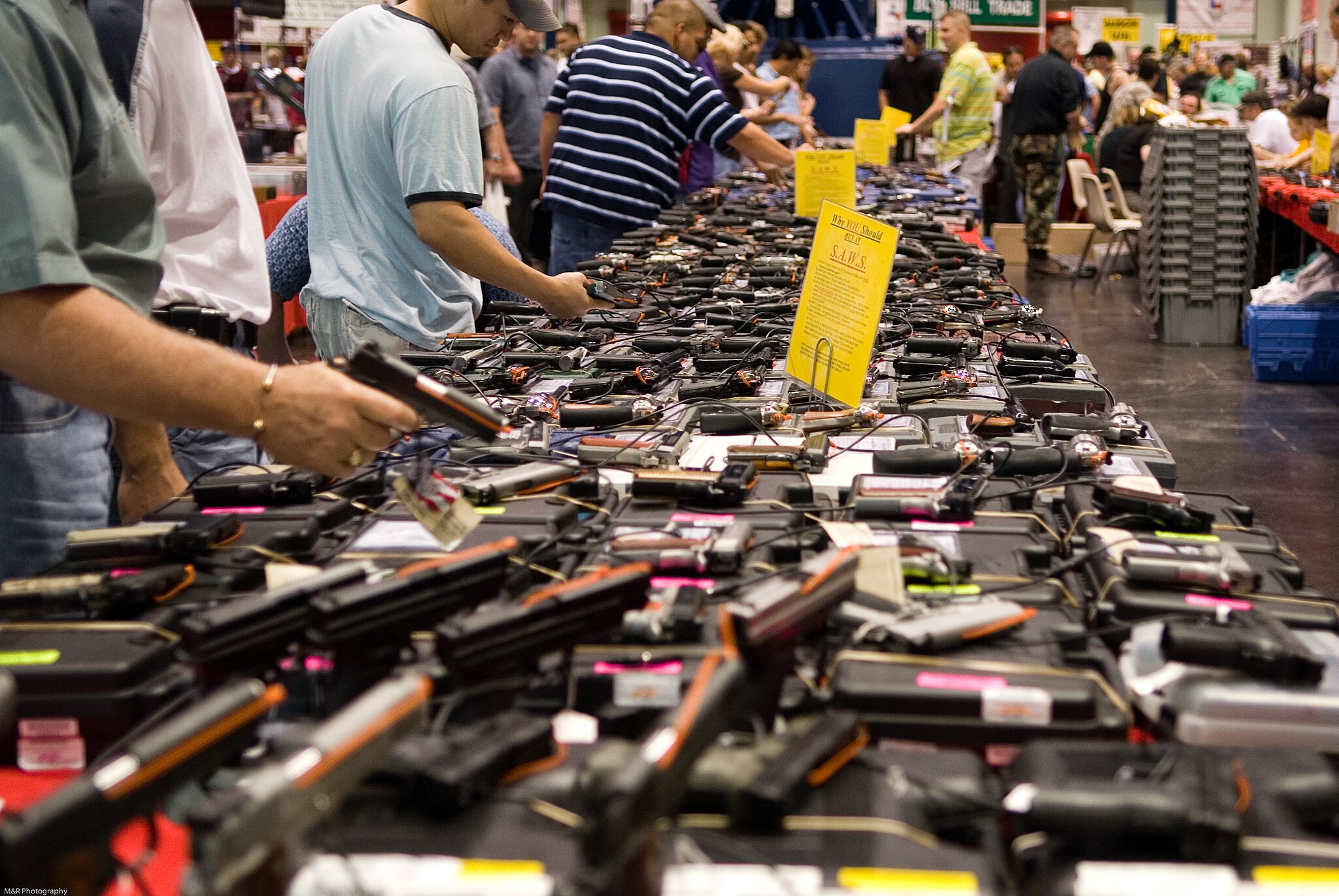
Sales to prohibited persons are banned at gun shows under federal law. Individuals convicted of certain crimes or subject to restraining orders may not legally purchase firearms. Licensed dealers must conduct background checks where required. Some states mandate checks for private sales as well. Gun shows often host law enforcement monitoring compliance. This ban exists to prevent firearms from reaching individuals legally barred from possession. It highlights that gun shows do not bypass eligibility rules. Enforcement protects public safety and reinforces that temporary venues remain accountable to the same standards governing firearm sales everywhere.